
Cyphomyrmex costatus
- Sci. Name
- Cyphomyrmex costatus
- Tribe
- Attini
- Subfamily
- Myrmicinae
- Author
- Mann, 1922
- Distribution
- Found in 10 countries
Introduction
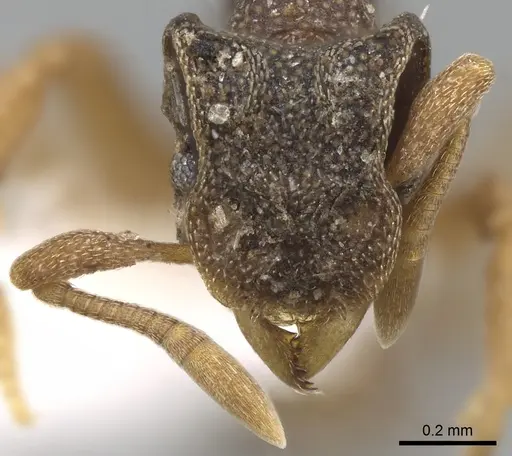
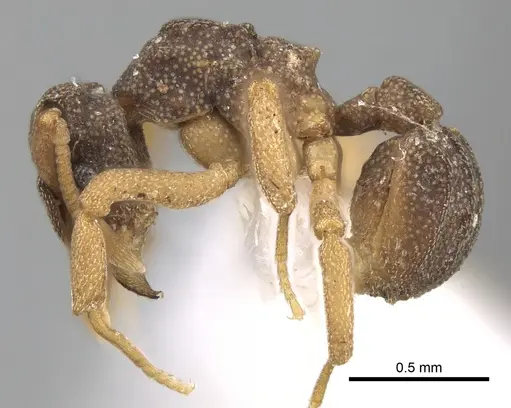
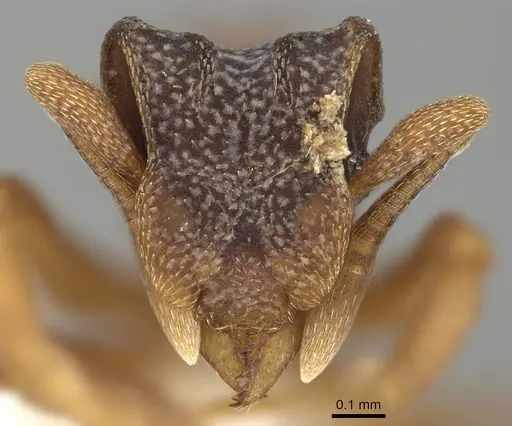
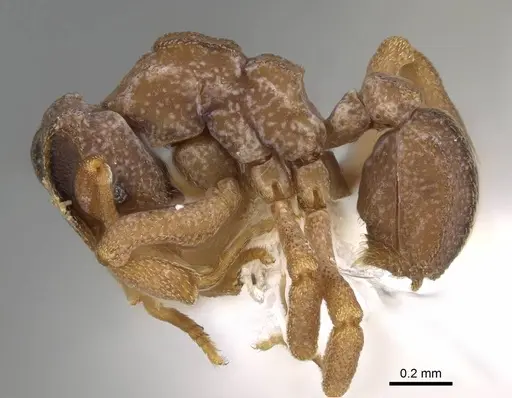
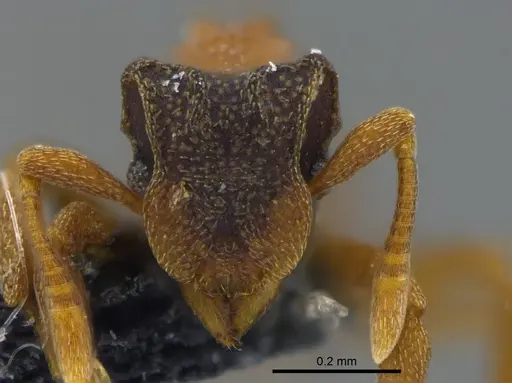
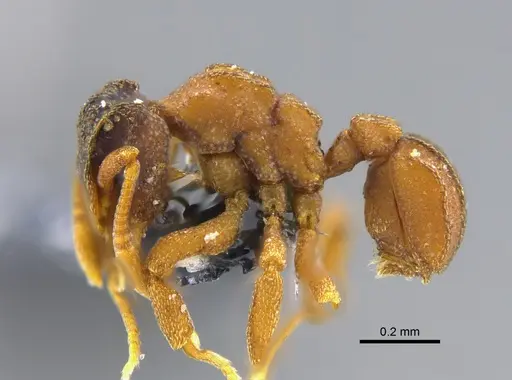
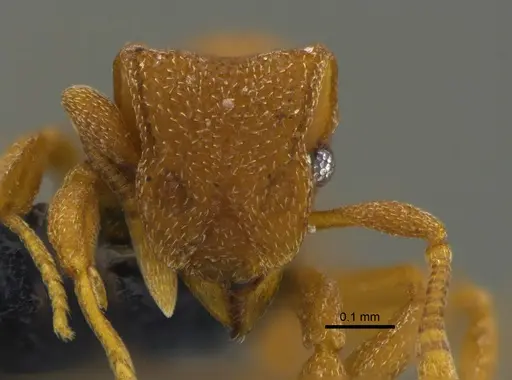
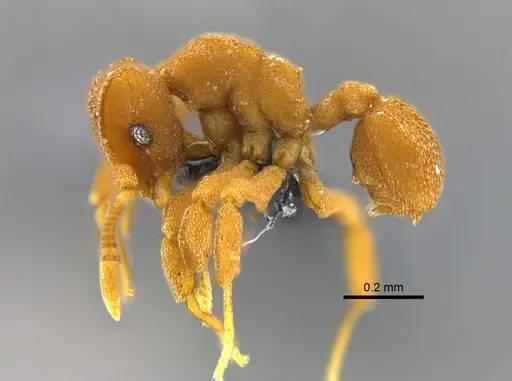
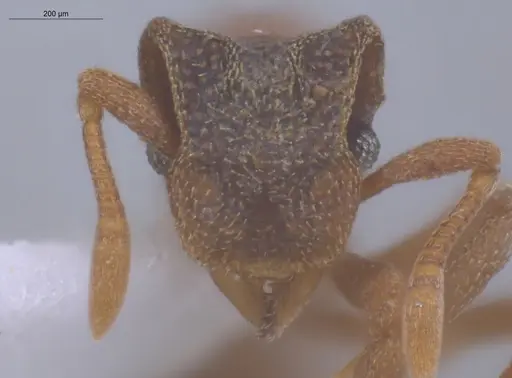
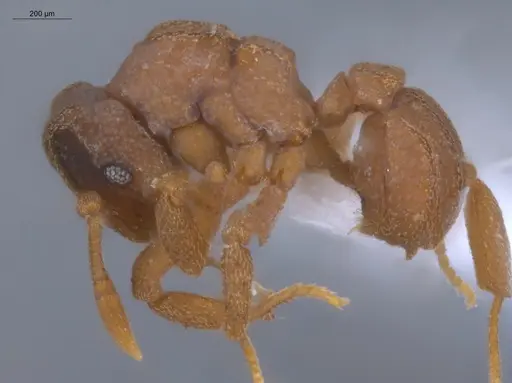
Cyphomyrmex costatus is a small, dull gray fungus-growing ant native to Central and northern South America, ranging from Mexico to Brazil. Workers measure just 2.1-2.4mm, making this the smallest species in its genus. The ants have a distinctive appearance with a light brown body and darker reddish-brown head and gaster, along with four longitudinal ridges on the first abdominal segment. Unlike leaf-cutter ants, this species cultivates yeast fungi using insect feces and other detritus as substrate rather than cutting fresh leaves. Colonies are small, typically containing up to 100 workers, and nest under stones or rotten wood on the rainforest floor. This species is one of the most well-studied fungus-growing ants, with detailed research on its fungal cultivar, behavior, and interactions with parasitic thief ants in the genus Megalomyrmex.
Quick Summary
- Difficulty: Medium
- Origin & Habitat: Central and northern South America, from Mexico (Oaxaca, Veracruz) through Central America to Brazil (Amazonas, Pará). Found in rainforest litter, typically nesting under stones or rotten wood on the forest floor [1][2].
- Colony Type: Monogyne (single-queen colonies). Colonies contain up to 100 workers and are always monogynous according to Weber's observations in Panama.
- Size & Growth:
- Queen: 2.8-3.0 mm [3]
- Worker: 2.1-2.4 mm [3]
- Colony: Up to 100 workers [3]
- Growth: Moderate
- Development: 6-10 weeks (estimated based on typical lower attine development) (Development timeline not directly studied for this species. Based on related lower attine patterns and small colony size, expect moderate growth rate. Queens are semi-claustral and must forage during founding.)
- Antkeeping:
- Temperature: Keep at 22-26°C. As a tropical species from Central/South American rainforests, they need warm, stable temperatures. A heating cable on one side of the nest creates a suitable gradient.
- Humidity: High humidity is essential, these are rainforest floor ants. Keep the nest substrate consistently moist but not waterlogged. The fungus garden needs damp conditions to thrive.
- Diapause: No, this is a tropical species that does not require hibernation. Maintain warm temperatures year-round.
- Nesting: Naturalistic setups with flat stones or logs work well, replicating their natural under-stone/rotten-wood nesting sites. Y-tong nests or plaster nests with small chambers also suitable given their tiny size. The key is providing space for a small fungus garden.
- Behavior: These ants are docile and slow-moving. When disturbed, they feign death by playing dead, a defensive behavior. Workers often forage solitarily. A unique behavior called 'jigging', a rhythmic rocking motion, increases significantly when springtails (Collembola) are present near the fungus garden, likely serving as defense against these garden invaders. They have a vestigial sting and cannot effectively fight back against parasitic Megalomyrmex thief ants, instead exhibiting tolerance behavior during raids. Escape prevention is important due to their small size.
- Common Issues: Fungus garden failure is the primary risk, these ants depend entirely on their fungal cultivar for nutrition. The garden requires specific humidity and must not be contaminated., Small colony size means they are vulnerable to stress. Avoid disturbing the nest frequently., Contamination of the fungus garden with Escovopsis (a parasitic fungus) can kill the colony. This is a natural risk that wild colonies face (45.7% prevalence in studies)., Springtails in the outworld may trigger excessive jigging behavior, this is normal but can stress the colony if springtails invade the nest area., Their tiny size (2mm) means escape prevention must be excellent, they can squeeze through very small gaps.
The Fungus Garden: The Heart of the Colony
Cyphomyrmex costatus is a fungus-growing ant in the tribe Attini, but unlike the famous leaf-cutter ants, this species practices 'lower agriculture', cultivating yeast fungi rather than the more specialized leaf-cutting fungi. The fungus garden is bluish gray, friable, and crumbles easily. In nature, the ants collect vegetable debris, strengthening it with quartz sand grains and insect parts to form the garden structure. In captivity, you can provide substrate options like dried caterpillar fecal pellets, rose stamens, or cassava granules dusted with yeast extract. The fungal cultivar (Lepiota sp.) produces a defensive compound called lepiochlorin that helps protect against bacterial and fungal pathogens. The garden is essential, larvae and adults feed primarily on the fungus, making its health critical to colony survival. [3]
Feeding Your Colony
As fungivores, these ants do not eat typical ant foods like sugar water or insects. Instead, they feed their fungus garden various organic substrates that the fungus then consumes. Offer small amounts of detritus such as dried herbivore feces (a natural substrate in the wild), flower petals, crushed dry leaves, or specialized fungus ant food mixes. Some keepers report success with small amounts of yeast or grain-based powders. The key is providing variety in the substrate and ensuring nothing contaminates the garden. Remove any uneaten substrate after a few days to prevent mold. Do NOT offer sugar water, honey, or typical insect prey, these ants cannot digest such foods. Their fungal cultivar is their sole food source. [3]
Temperature and Humidity
These tropical ants require warm, humid conditions. Keep temperatures in the 22-26°C range, consistent warmth is more important than exact precision. A heating cable on one side of the nest creates a gentle gradient allowing the ants to choose their preferred temperature. Humidity should be high, mimicking the rainforest floor environment where they naturally nest under stones and rotting wood. Keep the nest substrate consistently moist but not waterlogged. The fungus garden needs damp conditions to thrive. However, avoid stagnant air, ensure some ventilation to prevent mold while maintaining humidity. If you see condensation on the nest walls, humidity is adequate. The substrate should feel damp to the touch. [3]
Behavior and Defense
Cyphomyrmex costatus has several notable behaviors. When disturbed, workers feign death by remaining motionless, an effective anti-predator strategy. They move slowly and deliberately. The most distinctive behavior is 'jigging', a rhythmic rocking motion where the ant keeps its middle and rear legs on the substrate while moving forward. Research shows jigging increases dramatically when springtails (Collembola) are present near the garden, suggesting it defends against these potential garden invaders. Workers can also jump short distances (about 2mm) with mandibles often open, sometimes catching springtails. Despite these defenses, they are vulnerable to parasitic Megalomyrmex thief ants, which raid their gardens. When attacked, C. costatus typically shows submission (playing dead or retreating) rather than fighting back, as they have a vestigial sting and no mandibular strength to remove parasites.
Nesting and Housing
In the wild, these ants nest in soil under stones or rotten wood on the rainforest floor. The nest cells are elliptical and vary in size from 8x5mm in new colonies to up to 32x13mm in established ones. For captive housing, a naturalistic setup with a flat stone over moist substrate works well, replicating their natural nesting sites. Alternatively, Y-tong (AAC) nests or plaster nests with small chambers suit their tiny size. The nest should include a chamber for the fungus garden, which the ants keep sessile on the ground. Given their small size (workers just 2mm), escape prevention must be excellent, use fine mesh barriers and tight-fitting lids. Provide an outworld area for foraging and substrate collection. [3]
Colony Dynamics and Reproduction
Colonies are always monogyne, containing a single queen. Queens measure 2.8-3.0mm and are exclusively monandrous, meaning they mate with only one male during their nuptial flight. This results in high relatedness among workers (0.73-0.75), which are all full sisters. Workers are non-reproductive, they do not lay eggs in the presence of a queen. Colony size remains small, typically up to 100 workers. The founding process is semi-claustral, the queen does not seal herself in but must leave the nest to forage for food to sustain herself and grow the initial fungus garden until the first workers emerge. Sex investment ratio is biased toward females (25.4% male). The colony can produce new reproductives (alates) as the colony matures. [4]
Frequently Asked Questions
What do Cyphomyrmex costatus ants eat?
They do not eat typical ant foods. As fungus-growing ants, they cultivate a yeast fungus (Lepiota sp.) for food. Provide organic substrates like dried herbivore feces, flower petals, crushed leaves, or yeast-extract dusted substrates. The fungus consumes these materials, and the ants eat the fungus itself.
How long does it take for the first workers to emerge?
Exact development time is not documented for this species. Based on related lower attine species, expect 6-10 weeks from egg to first worker at warm temperatures (24-26°C). Growth is moderate but colonies remain small (max 100 workers).
Can I keep multiple queens together?
No. This species is strictly monogyne, colonies have only one queen. Multiple queens will fight. In the wild, colonies are always single-queen.
Are these ants good for beginners?
Not ideal for complete beginners. They have specialized fungus-growing requirements and need specific substrates. However, they are docile and small colonies are manageable. The main challenge is maintaining a healthy fungus garden.
What temperature should I keep them at?
Keep them at 22-26°C. As tropical rainforest ants, they need consistent warmth. A heating cable on one side of the nest creates a suitable temperature gradient.
Do they need hibernation?
No. This is a tropical species from Central and South American rainforests. They do not require diapause or hibernation. Maintain warm temperatures year-round.
Why is my colony doing jigging behavior?
Jigging is a rhythmic rocking behavior that increases when springtails (Collembola) are present near the fungus garden. It's a defensive response to potential garden invaders. If you see excessive jigging, check if springtails have entered the nest area.
How big do colonies get?
Colonies remain small, typically up to 100 workers. This is one of the smaller Cyphomyrmex species. Even established colonies rarely exceed about 100 workers.
What kind of nest should I use?
Naturalistic setups with flat stones over moist substrate work well, replicating their natural under-stone nesting. Y-tong (AAC) nests or plaster nests with small chambers are also suitable given their tiny 2mm worker size.
Why is my fungus garden turning brown or dying?
The fungus garden is sensitive to conditions. Common causes include: too dry (needs more humidity), contamination (mold from uneaten substrate), or Escovopsis parasite (a natural pathogen affecting 45% of wild colonies). Ensure proper humidity, remove uneaten substrate promptly, and avoid contamination.
Report an Issue
The current care sheet is based fully on literature. See inconsistencies, or something that's incorrect? Please , it will be resolved after review from an admin. Contributing to the blogs tab also helps providing information, to make us be able to further improve the caresheets. Thank you for your support!
References

This caresheet is licensed under CC BY-SA 4.0 .
Community Blogs
CASENT0281765
View on AntWeb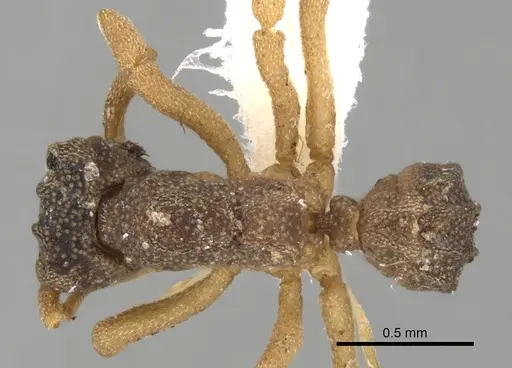
CASENT0922118
View on AntWeb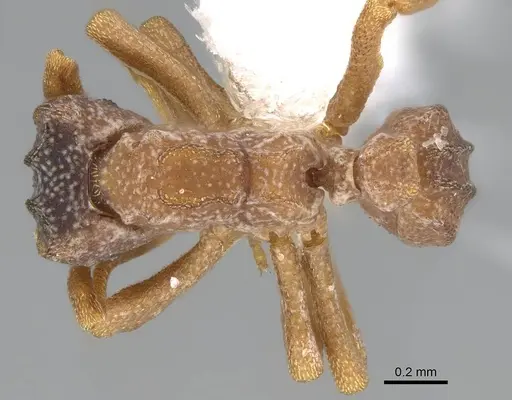
CBUMAGENT41998
View on AntWeb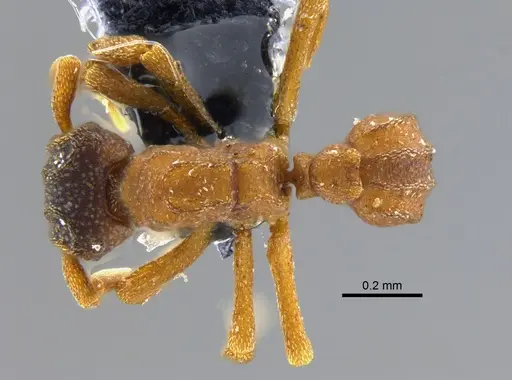
CBUMAGENT42005
View on AntWeb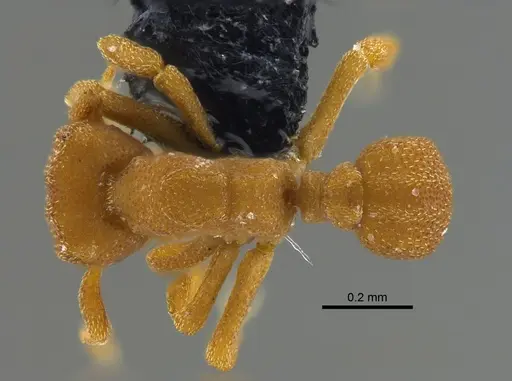
ECOFOG-KOT23-0350-05
View on AntWeb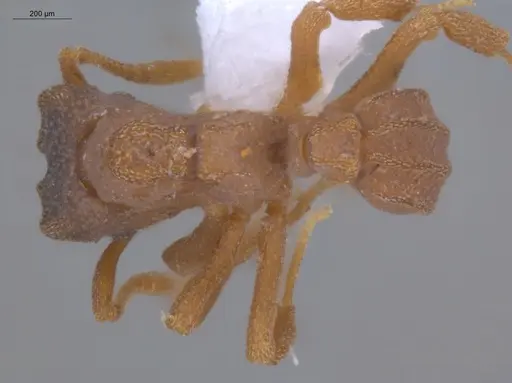
Literature
Loading distribution map...Loading products...