
Cylindromyrmex whymperi
- Sci. Name
- Cylindromyrmex whymperi
- Subfamily
- Dorylinae
- Author
- Cameron, 1891
- Distribution
- Found in 2 countries
Introduction
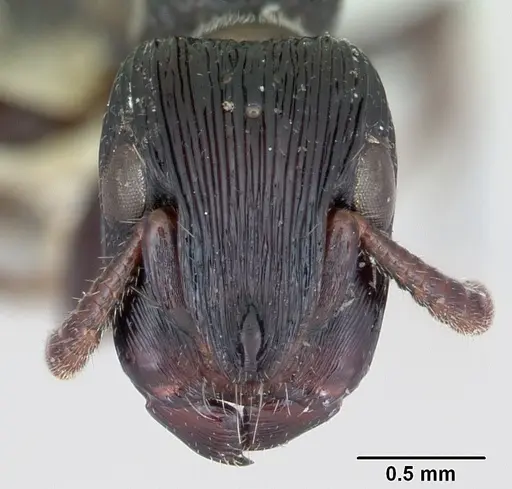
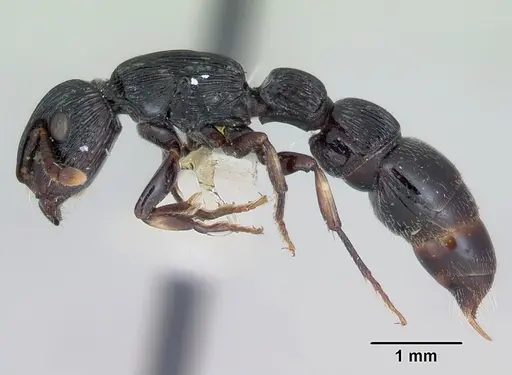
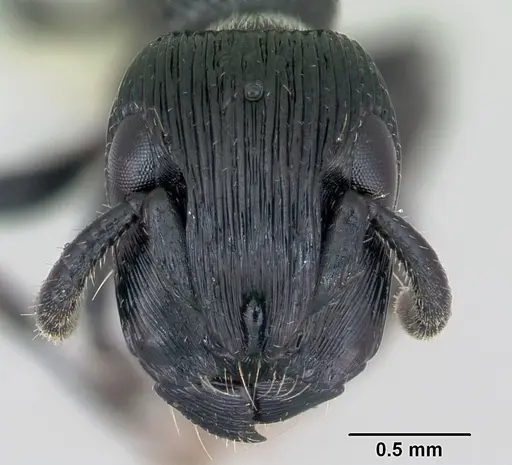
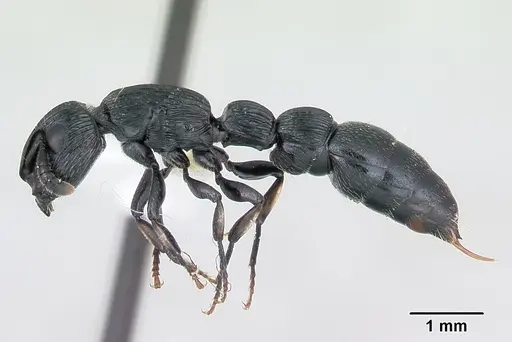
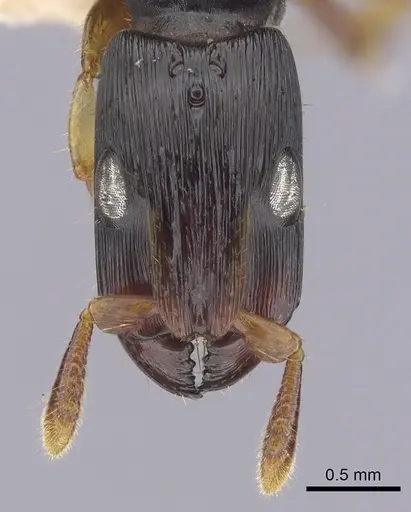
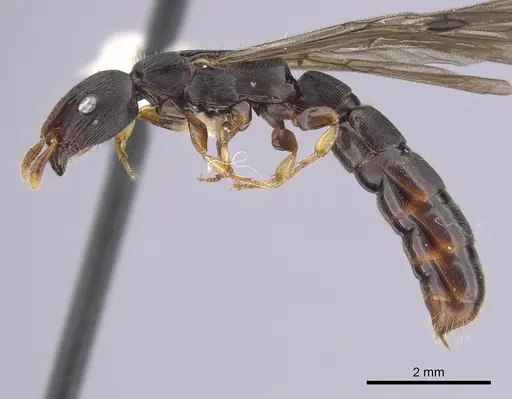
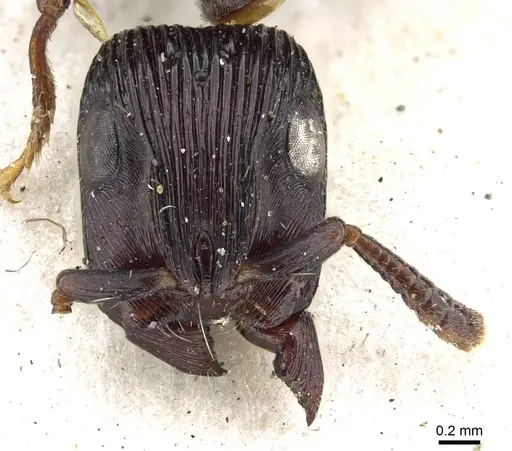
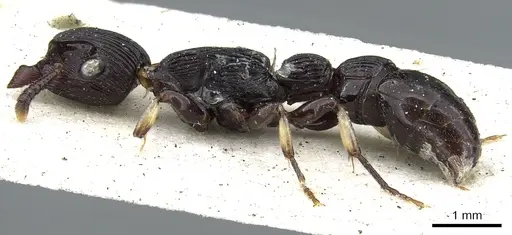
Cylindromyrmex whymperi is a medium-sized predatory ant native to the Neotropics, ranging from Central America through western South America to the Galapagos Islands. Workers measure 5-7.4mm and are glossy black with distinctive yellowish-brown tibiae. The head and body bear characteristic thick longitudinal striations that help distinguish them from the similar Cylindromyrmex striatus. Queens are larger at 7.6-8.2mm and maintain the same striking coloration . This species is notable for its specialized termite-hunting behavior and unique chemical communication system. Unlike most ants, C. whymperi uses a specialized sternal gland between abdominal segments 6 and 7 to produce trail pheromones that coordinate mass recruitment raids on termite colonies. Each worker has its own individual reservoir chamber for storing this pheromone - a structure not found in any other ant species . This makes them fascinating for antkeepers interested in advanced social biology.
Quick Summary
- Difficulty: Expert
- Origin & Habitat: Neotropical forests from Guatemala to Chile, including the Galapagos Islands. Found in dead branches, rotting wood, and termite galleries in forest understories [1][3][4].
- Colony Type: Colony structure unconfirmed. Single dealate queen observed in field collections from a raiding column with about 100 workers [2].
- Size & Growth:
- Antkeeping:
- Temperature: Keep at 24-28°C. As a neotropical species, they require warm conditions. A heating cable on one side of the nest creates a suitable gradient [2].
- Humidity: High humidity required, these forest ants need moist substrate. Keep nest material damp but not waterlogged. Provide a water tube for drinking [2].
- Diapause: No, being a tropical species, they do not require hibernation. Maintain warm temperatures year-round.
- Nesting: In captivity, provide nests in rotting wood, cork, or plaster setups that retain moisture. They naturally nest in dead branches and termite galleries, so a naturalistic setup with wood pieces works well. Ensure chambers are appropriately sized for 5-7mm workers [3][4].
- Behavior: Cylindromyrmex whymperi is an aggressive predator specializing in termite hunting. Workers display mass trail recruitment, when a forager finds prey, it returns to the nest and recruits large numbers of nestmates using pheromone trails [2]. They are not aggressive toward keepers but will sting if threatened. Workers continuously drag their abdomen while walking, depositing trail pheromones. They are moderately active and will establish visible foraging trails. Escape risk is moderate, use standard barrier methods [2].
- Common Issues: specialized diet makes them difficult to feed, they strongly prefer termites and may refuse other prey, small colony sizes in captivity can be fragile and sensitive to disturbance, high humidity requirements can lead to mold if ventilation is poor, limited availability in the antkeeping hobby makes establishing colonies challenging, wild-caught colonies may carry parasites that can devastate captive populations
Housing and Nest Setup
Cylindromyrmex whymperi requires a naturalistic setup that mimics their natural habitat in rotting wood and termite galleries. Use a formicarium with wood pieces, cork, or a plaster nest that retains moisture. The chambers should be appropriately sized for workers that are 5-7mm. Connect the nest to a foraging arena where you can observe their hunting behavior. Because they frequently relocate in the wild, they may benefit from having multiple potential nest sites available [3][4]. Keep the nest humid but ensure adequate ventilation to prevent mold. A water tube should always be available.
Feeding and Diet - Critical
This is the most challenging aspect of keeping C. whymperi. Laboratory studies show they are highly specialized termite predators. Workers readily recruited to dead termites but showed NO interest in crickets, cockroaches, or sugar water, they refused these foods entirely even when placed directly in the nest [2]. You must provide live or freshly killed termites for successful keeping. Termites from the genus Reticulitermes or Cryptotermes work well. Other small insects may be accepted experimentally, but do not rely on them. This specialized diet makes C. whymperi unsuitable for beginners [2]. Feed termites every few days and remove uneaten prey promptly.
Mass Recruitment Behavior
One of the most fascinating aspects of C. whymperi is their sophisticated recruitment system. When a single worker discovers a termite colony, it returns to the nest and recruits nestmates by laying a pheromone trail. The trail pheromone comes from a unique gland between abdominal sternites 6 and 7, each worker has its own individual reservoir chamber for storing this chemical, a structure not found in any other ant species [2]. Workers drag their abdomen continuously while walking, depositing the pheromone. Within 10 minutes of discovering prey, dozens of workers will exit the nest and follow the trail [2]. In captivity, you can observe this dramatic behavior by providing termites as prey.
Temperature and Seasonal Care
As a neotropical species from Central and South America, C. whymperi requires warm temperatures year-round. Keep the nest at 24-28°C. A small heating cable placed on one side of the nest creates a temperature gradient allowing workers to regulate their own exposure. They do not require hibernation or diapause, maintain consistent tropical conditions throughout the year. The Galapagos Islands population experiences warm, relatively stable temperatures, so avoid temperature drops below 22°C. Monitor with a thermometer placed near the nest [2].
Defense and Handling
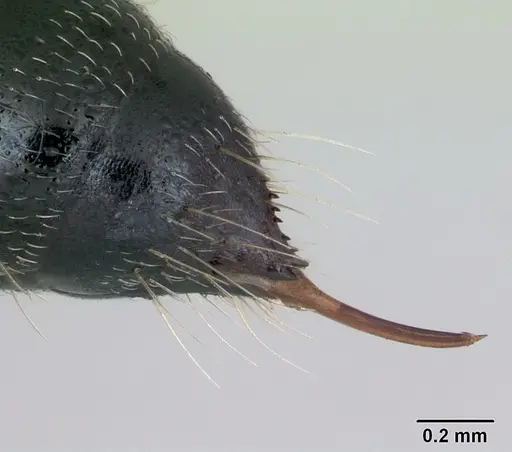
Cylindromyrmex whymperi workers possess a functional stinger and will use it if threatened. While the sting is not dangerous to healthy humans, it can be painful and may cause localized irritation. These ants are not aggressive toward keepers and will focus on their hunting activities rather than investigating disturbances. Standard escape prevention methods work well, their medium size means they cannot squeeze through typical barrier gaps. Always handle colonies gently as they are sensitive to vibration and disturbance, especially smaller colonies [2].
Galapagos Distribution Note
C. whymperi is found on several Galapagos Islands including Baltra, Fernandina, Isabela, Santa Cruz, and Santiago. Its origin on the islands is uncertain, it may be native or may have been introduced [3]. Notably, it appears to have been displaced by the invasive fire ant Wasmannia auropunctata on Santa Cruz Island [3][5]. If you keep this species, never release specimens in the Galapagos or similar tropical islands where they are not native, as they could become invasive.
Frequently Asked Questions
Can I keep Cylindromyrmex whymperi in a test tube setup?
A test tube can work for founding colonies but is not ideal for established colonies. These ants need space for their hunting behavior and prefer naturalistic setups with wood or cork that mimic their natural dead-branch nesting sites. A small formicarium with a moist plaster or wood nest connected to a foraging arena is better.
What do Cylindromyrmex whymperi eat?
They are highly specialized termite predators. Laboratory studies show they refuse crickets, cockroaches, and sugar water entirely. You must provide termites (live or freshly killed) as their primary food. Other small insects may be accepted experimentally but do not rely on them [2].
How long until first workers in Cylindromyrmex whymperi colonies?
The egg-to-worker development timeline has not been scientifically documented for this species. Actual development time may vary depending on conditions.
Are Cylindromyrmex whymperi good for beginners?
No. This is an expert-level species due to their highly specialized diet (they require termites and refuse other foods), high humidity needs, and limited availability. They are best suited for experienced antkeepers who can provide consistent termite prey and proper tropical conditions [2].
Do Cylindromyrmex whymperi need hibernation?
No. As a neotropical species from tropical regions, they do not require hibernation or winter cooling. Maintain warm temperatures (24-28°C) year-round. Temperature drops below 22°C should be avoided [2][3].
How big do Cylindromyrmex whymperi colonies get?
Based on field observations, colonies appear to reach at least 100 workers. A raiding column of approximately 100 workers was observed in Costa Rica [2]. Larger colonies likely exist but exact maximum size is unknown. Expect moderate-sized colonies.
Can I keep multiple queens together in one colony?
This has not been studied. Based on the single dealate queen observed in field collections, colony structure is unconfirmed. Combining unrelated queens is not recommended as it has not been documented [2].
Why is my Cylindromyrmex whymperi colony dying?
The most likely causes are: 1) Lack of termites, they are highly specialized and may starve if not provided termites, 2) Low humidity, they require moist conditions, 3) Temperature too low, they need 24-28°C, 4) Stress from disturbance, small colonies are sensitive. Ensure you are providing fresh termites regularly and maintaining proper humidity and temperature [2].
When should I move Cylindromyrmex whymperi to a formicarium?
Move them when the colony reaches 20-30 workers and you observe consistent foraging activity. They naturally nest in rotting wood, so a naturalistic setup with wood pieces or cork works best. Ensure the formicarium maintains high humidity and provides space for hunting behavior [3][4].
What makes Cylindromyrmex whymperi unique among ants?
They have a unique sternal gland between abdominal segments 6 and 7 that produces trail pheromones for mass recruitment. Each worker has its own individual reservoir chamber for storing this pheromone, a structure not found in any other ant species. They also specialize exclusively in hunting termites, refusing all other prey in laboratory tests [2].
Report an Issue
The current care sheet is based fully on literature. See inconsistencies, or something that's incorrect? Please , it will be resolved after review from an admin. Contributing to the blogs tab also helps providing information, to make us be able to further improve the caresheets. Thank you for your support!
References

This caresheet is licensed under CC BY-SA 4.0 .
Community Blogs
CASENT0006105
View on AntWeb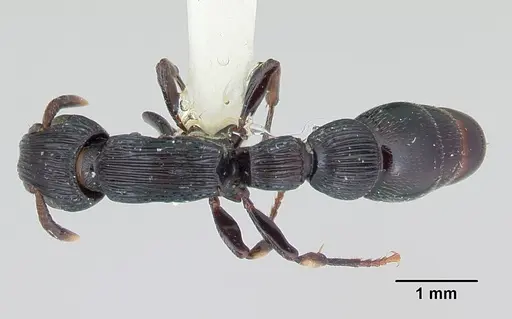
CASENT0173212
View on AntWeb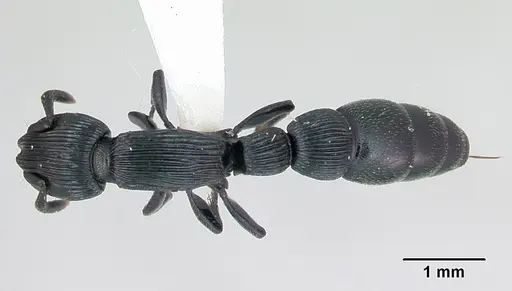
CASENT0249337
View on AntWeb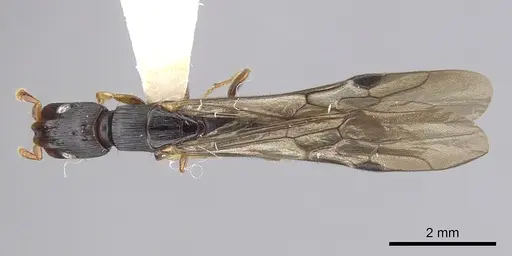
CASENT0903676
View on AntWeb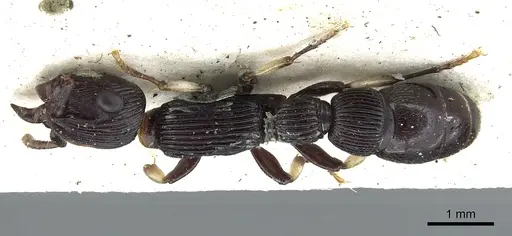
Literature
Loading distribution map...Loading products...