
Cylindromyrmex longiceps
- Sci. Name
- Cylindromyrmex longiceps
- Subfamily
- Dorylinae
- Author
- André, 1892
- Distribution
- Found in 1 countries
Introduction
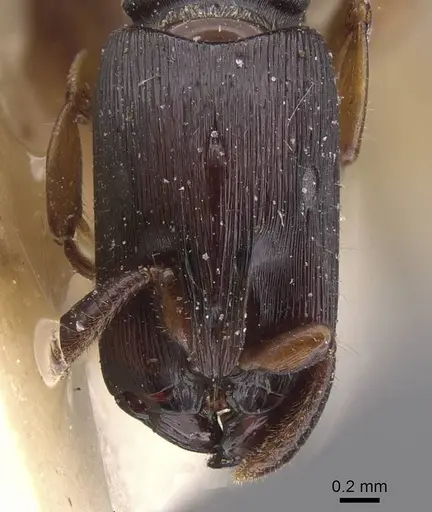
Cylindromyrmex longiceps is a rare Neotropical ant species native to Brazil, found in the São Paulo and Rio de Janeiro regions. Workers measure 7.44-8.50mm in total length, making them relatively large for a Dorylinae ant, with an unusually elongated head that gives them their species name. They have very small, flat eyes and distinctive longitudinal striations covering most of their body. The queen measures 9.94mm and closely resembles workers, differing mainly in her larger eyes and developed ocelli. This species is part of the longiceps clade and is the sister species to Cylindromyrmex meinerti, distinguished by narrower frontal carinae that do not reach the anterior border of the clypeus. Most specimens have been collected from termite nests, indicating a close ecological association with termite colonies .
Quick Summary
- Difficulty: Expert
- Origin & Habitat: Native to the Neotropical region of Brazil, specifically recorded from São Paulo and Rio de Janeiro. The species is closely associated with termite nests in its natural habitat [1].
- Colony Type: Colony structure is unconfirmed. The exact colony type has not been documented in scientific literature.
- Size & Growth:
- Queen: 9.94 mm [1]
- Worker: 7.44-8.50 mm [1]
- Colony: Likely small, the largest collected series was relatively modest, suggesting colonies may be modest in size
- Growth: Unknown, no development data exists for this species
- Development: Unknown, no direct observations of colony development exist (Development timeline has not been studied. This is a tropical species, so related Dorylinae patterns might apply but specific data is unavailable.)
- Antkeeping:
- Temperature: As a tropical species from Brazil, this ant likely requires warm conditions. Keep around 24-28°C and avoid temperatures below 20°C. This is inferred from geographic origin.
- Humidity: Likely requires moderate to high humidity given its association with termite nests. Keep nest substrate consistently moist but not waterlogged. Provide a humidity gradient.
- Diapause: Unlikely, as a tropical species from Brazil, diapause is probably not required. Maintain warm conditions year-round.
- Nesting: Based on collection data showing specimens in termite nests, this species likely nests in pre-existing cavities within termite structures or rotting wood. A naturalistic setup with rotting wood pieces or a Y-tong/plaster nest would be appropriate.
- Behavior: Behavior is poorly documented. As a Dorylinae member, they are likely predatory on other arthropods. Their very small eyes suggest they may rely more on chemical and tactile cues than visual navigation. Workers are moderately sized and likely capable of stinging. Escape risk is moderate, their size makes them manageable but they are active. Use standard barrier methods.
- Common Issues: this species is extremely rare and rarely collected or available in the antkeeping hobby, no captive breeding data exists, all specimens appear to be wild-caught, association with termites suggests specialized ecological requirements that may be difficult to replicate, very few keepers have experience with this species, so peer advice is essentially unavailable, temperature and humidity requirements are inferred, not confirmed through captive observation, Brazil has strict laws regarding collection and export of native wildlife, this species would not be legally available
Why This Species Is Extremely Challenging
Cylindromyrmex longiceps is one of the most challenging ants you could consider keeping. This is not a species for beginners or even most experienced antkeepers. The primary reason is simple: almost nothing is known about their captive care requirements. Every other ant species in this hobby has at least some documented captive experience. This species has none of that. Every specimen kept in captivity would essentially be an experiment, and given how rarely these ants are collected, each specimen is precious. The species is known only from a handful of specimens collected over more than a century, primarily by Brazilian termitologists studying termite ecology. This tells you everything about how rare and specialized they are. Unless you are a researcher with specific interest in Dorylinae biology or have a professional relationship with entomologists in Brazil, this species is effectively unavailable and unsuitable for captive keeping. [1]
Natural History and Biology
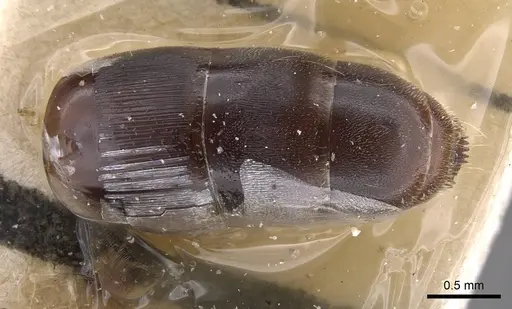
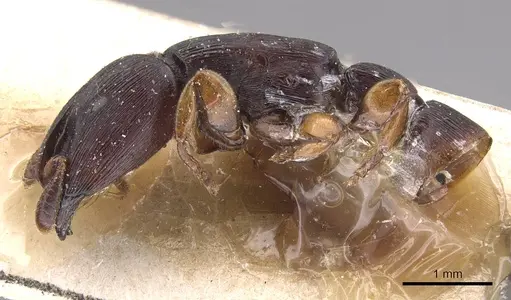
What we know about Cylindromyrmex longiceps comes almost entirely from morphological descriptions of preserved specimens. The species was first described by André in 1892 based on workers collected from Brazil. The most distinctive features include their extremely elongated head, very small and flat eyes, and a Y-shaped hypostomal bridge that is broad and semi-transparent. Their body is covered in thin longitudinal striations, and they have a pygidium armed with a semicircle of small teeth. The queen is similar to workers but has larger eyes and developed ocelli. Most significantly, the type series and subsequent collections were almost all made from termite nests. The species appears to be a specialized predator on termites or perhaps associated with termite colonies. This specialized ecology is one of the biggest challenges for captive keeping, as replicating their natural conditions is extremely difficult. [1]
Housing and Nesting Considerations
If you were to attempt keeping this species, a naturalistic approach would be most appropriate given what we infer about their ecology. A setup containing rotting wood pieces or cork bark would mimic their natural nesting sites in termite-infested wood. The nest chambers should be appropriately sized for their 7-8mm workers. A humidity gradient is essential, with one area kept consistently moist and another slightly drier. Given their likely predatory nature, the outworld should contain appropriate prey items. However, this is all theoretical. No keeper has documented success with this species, so these recommendations are based on inference from related Dorylinae and their apparent termite association rather than direct experience. The honest recommendation is to not attempt housing this species unless you have specific research objectives and access to expert guidance.
Feeding and Diet
Feeding requirements are entirely speculative for this species. As a Dorylinae ant, they are likely predatory, feeding on other arthropods, particularly termites given their collection history. In captivity, you would likely need to provide small live prey such as termites, small crickets, fruit flies, or other micro-arthropods. Some Dorylinae will accept protein gels or frozen prey, but acceptance is uncertain. Sugar sources may or may not be accepted. The safest approach would be to offer live prey frequently and sugar water occasionally, then observe. But again, this is all inference. No one has documented what this species actually eats in captivity because no one has successfully kept them.
Legal and Ethical Considerations
Before even considering this species, you must verify the legal status in your jurisdiction. Brazil has strict laws regarding the collection and export of native wildlife, and Cylindromyrmex longiceps is not a species that would be legally available through commercial channels. Any specimens would almost certainly be wild-caught, which raises significant ethical concerns given the species' apparent rarity. Additionally, if you are in North America or Europe, releasing any tropical ant species is strongly discouraged due to the risk of invasive establishment. This species is not known to be established anywhere outside its native Brazil range. The bottom line is that this is a species that should be appreciated through scientific literature and museum specimens, not through captive collection.
Frequently Asked Questions
Is Cylindromyrmex longiceps available for purchase?
No. This species is extremely rare in the antkeeping hobby and is not commercially available. All known specimens have been collected by researchers studying termite ecology in Brazil. If you encounter what appears to be this species for sale, it is almost certainly misidentified or illegally obtained.
How long do Cylindromyrmex longiceps workers live?
Unknown, no data exists on worker longevity for this species.
Are Cylindromyrmex longiceps good for beginners?
Absolutely not. This species is suitable only for expert antkeepers with specific research interests, and even then, the species is essentially unavailable. Beginners should choose from the many well-documented species with established care protocols.
What do Cylindromyrmex longiceps eat?
Likely predatory on termites and other small arthropods based on their Dorylinae classification and collection from termite nests. Captive feeding has not been documented.
Do Cylindromyrmex longiceps need hibernation?
Unlikely. As a tropical species from Brazil, they probably do not require a diapause period. Maintain warm temperatures year-round.
How big do Cylindromyrmex longiceps colonies get?
Unknown. The largest collected series was relatively small, suggesting colonies may be modest in size compared to some other Dorylinae. No mature colony size data exists.
Can I keep multiple Cylindromyrmex longiceps queens together?
Not documented. Colony structure has not been studied for this species. Combining unrelated queens is not recommended given how little we know about their social structure.
What is the egg to worker development time?
Unknown. No captive observations of colony development exist for this species.
Where does Cylindromyrmex longiceps live?
Only known from Brazil, specifically the São Paulo and Rio de Janeiro regions. They appear to be associated with termite nests in this area.
Report an Issue
The current care sheet is based fully on literature. See inconsistencies, or something that's incorrect? Please , it will be resolved after review from an admin. Contributing to the blogs tab also helps providing information, to make us be able to further improve the caresheets. Thank you for your support!
References

This caresheet is licensed under CC BY-SA 4.0 .
Community Blogs
CASENT0915330
View on AntWeb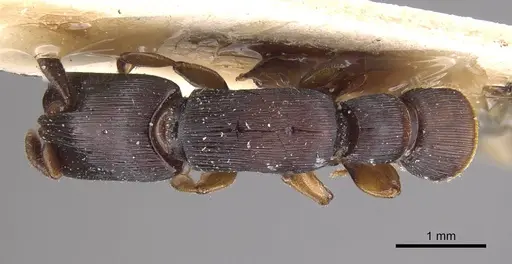
Literature
Loading distribution map...Loading products...