
Cryptopone typhlos
- Sci. Name
- Cryptopone typhlos
- Tribe
- Ponerini
- Subfamily
- Ponerinae
- Author
- Karavaiev, 1935
- Distribution
- Found in 0 countries
Introduction
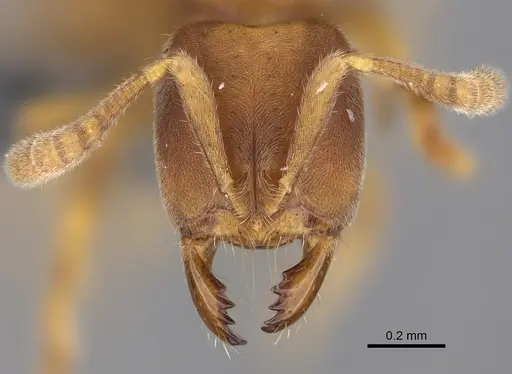
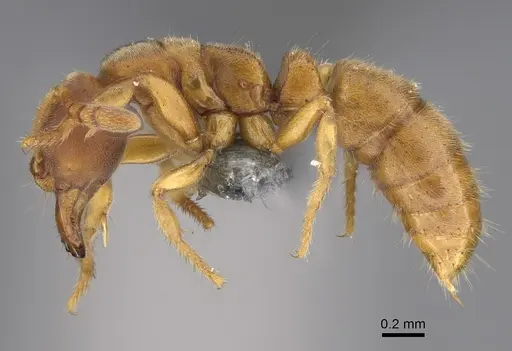
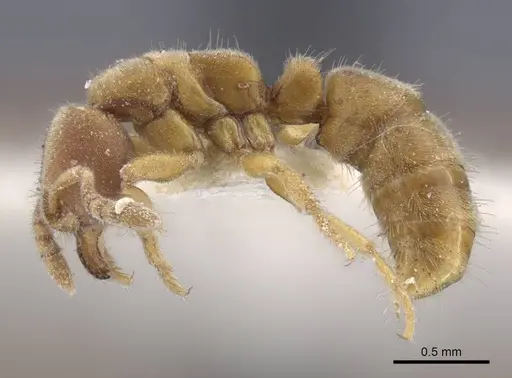
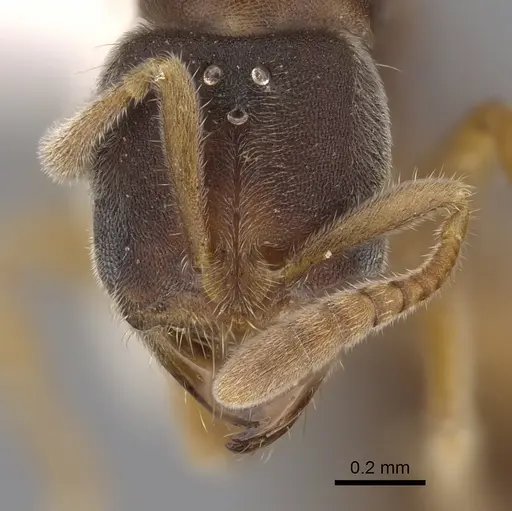
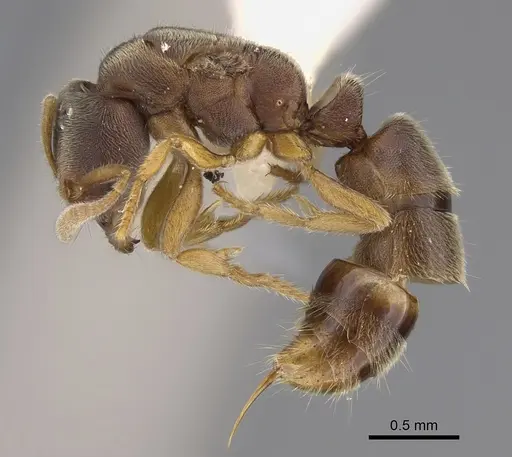
Cryptopone typhlos is a small, cryptic ant species belonging to the subfamily Ponerinae. Originally described as Ponera typhlos in 1935 by Karavaiev from Vietnam, this species remains one of the least studied ants in the world with virtually no documented biology in captivity or the wild. The type specimens were collected from Phuquoc Island in the Gulf of Siam and Cauda in southern Vietnam . This species is known only from worker specimens - no queens, males, or colony samples have ever been documented . The genus Cryptopone contains approximately 20 species distributed primarily in tropical Asia, most of which remain poorly studied.
Quick Summary
- Difficulty: Expert
- Origin & Habitat: Vietnam (Indomalaya Region), specifically Phuquoc Island in the Gulf of Siam and Cauda in southern Vietnam [1][2]. The habitat type is not documented, but Vietnam's tropical climate suggests warm, humid conditions.
- Colony Type: Unknown, colony structure for this species has never been studied. Based on typical Ponerinae patterns, colonies likely have a single queen.
- Size & Growth:
- Queen: Undescribed, no queen specimens have been documented [1]
- Worker: Size data unavailable, the original 1935 description exists but measurements are not readily accessible in modern terms [1]
- Colony: Unknown, no colony data exists
- Growth: Unknown
- Development: Unknown, no developmental data exists for this species (No research has studied the development of this species.)
- Antkeeping:
- Temperature: Condition-based: 24-28°C based on Vietnam's tropical climate. Start in the mid-range and observe colony activity.
- Humidity: Condition-based: High humidity (70-85%) similar to other Ponerinae. Keep the nest substrate consistently moist but not waterlogged.
- Diapause: Unknown, no research on seasonal behavior. Southern Vietnam has mild winters, so diapause may not be required.
- Nesting: Unknown, no natural nesting observations exist. Based on related Cryptopone species, they likely prefer moist soil or rotting wood. A test tube setup with moist substrate works as a starting point.
- Behavior: Not documented. Ponerinae ants are typically predatory and have functional stingers. They likely hunt small invertebrates. Use fine mesh and tight-fitting barriers for escape prevention given their small size.
- Common Issues: no documented care information means you are essentially experimenting, colony failure is likely without established protocols, slow growth and high mortality are probable given the lack of captive breeding data, wild-caught colonies may have parasites or disease with no known treatment, temperature and humidity extremes can easily kill colonies without you knowing the acceptable ranges
Species Background and Identification
Cryptopone typhlos was originally described in 1935 by Karavaiev as Cryptopone typhlos based on only two worker specimens collected from Vietnam [1]. The species was later transferred to the genus Cryptopone by Brown in 1963 [2]. The type specimens remain the only known specimens of this species, there are no described queens, males, or colony samples [1]. The genus Cryptopone contains about 20 species distributed primarily in tropical Asia, with most species being poorly known. This species is known only from Vietnam's coastal regions in the south [1][2].
Housing and Nesting
Since no natural nesting observations exist for this species, you must make educated guesses based on related Cryptopone and other Ponerinae ants. Start with a test tube setup, these tiny ants need small, humid chambers. Use a test tube half-filled with water with a cotton plug creating a water reservoir. The ants will likely nest in the moist cotton or you can add a small piece of moist substrate. Alternatively, a plaster nest that holds moisture well could work. The key is maintaining high humidity without flooding. Cover the nest area to reduce light exposure, these are cryptic, light-averse ants.
Feeding and Diet
Ponerinae ants are primarily predatory, and this species almost certainly hunts small invertebrates. In captivity, you should offer small live prey appropriate to their size, fruit flies (Drosophila), springtails, and tiny mealworms are good starting points. Offer prey twice weekly and remove any uneaten items after 24 hours. Sugar sources may or may not be accepted, you can offer a drop of honey water occasionally, but do not rely on it as a primary food source. Fresh water should always be available. Given the lack of any dietary studies, expect some experimentation to determine what they will accept.
Temperature and Humidity
This species comes from southern Vietnam, which has a tropical climate with temperatures typically ranging from 24-32°C year-round and high humidity. Keep the nest area at roughly 24-28°C as a starting point. Use a heating cable on one side of the nest to create a temperature gradient so the ants can choose their preferred zone. Monitor their activity, if they cluster in cooler areas, the setup is too warm, if they become sluggish, it may be too cold. Humidity should be high, aim for 70-85%. The nest substrate should feel consistently moist. Use a hygrometer to monitor and mist or add water to the water tube as needed.
Behavior and Observation
Nothing is known about the specific behaviors of Cryptopone typhlos. In general, Cryptopone species are cryptic, slow-moving ants that nest in hidden locations. They are not aggressive. Expect them to be reclusive, you may not see much activity outside the nest. They are likely nocturnal or crepuscular, becoming more active in dim light. Observation will be challenging but also rewarding if you succeed in establishing a colony. Take detailed notes of your observations to contribute to the knowledge of this poorly understood species.
Acquiring This Species
Cryptopone typhlos is almost never available in the antkeeping hobby. This species has never been cultured in captivity and likely exists only in museum collections. If you encounter this species, it would almost certainly be from a wild collection in Vietnam, but this raises serious concerns. First, the species is so poorly known that distinguishing it from similar species would be difficult. Second, removing this ant from its habitat could threaten already fragile populations. Third, the likelihood of establishing a successful colony from a single wild catch is extremely low. This species is best appreciated as a museum specimen and a reminder of how much we still have to learn about ants.
Frequently Asked Questions
How do I care for Cryptopone typhlos ants?
No established care protocol exists, this is one of the least studied ant species in the world. Based on related Ponerinae, provide high humidity (70-85%), warm temperatures (24-28°C), and small live prey. Expect significant trial and error. This species is for expert antkeepers only.
Where does Cryptopone typhlos live?
Only in Vietnam, specifically the southern coastal regions around Phuquoc Island and Cauda. The species was described in 1935 and has rarely been observed since.
Can I keep Cryptopone typhlos in a test tube?
Yes, a test tube setup is likely the best starting point. Use a small test tube with a water reservoir and cotton plug. Keep it humid and at warm temperatures. However, no one has successfully kept this species in captivity, so this is an educated guess.
How big do Cryptopone typhlos colonies get?
Unknown, no colony data exists for this species. Most Ponerinae colonies range from dozens to a few hundred workers, but this is just an estimate.
How long does it take for Cryptopone typhlos to develop from egg to worker?
Unknown, no developmental research exists for this species.
Is Cryptopone typhlos available for purchase?
Almost certainly not. This species is known only from museum specimens and has never been cultured in the antkeeping hobby. It would be extremely difficult to acquire.
Do Cryptopone typhlos need hibernation?
Unknown, no research exists on their seasonal behavior. Southern Vietnam has mild winters, so a significant diapause is unlikely if at all.
Are Cryptopone typhlos good for beginners?
No. This species is completely unstudied in captivity and would be extremely difficult to keep successfully. Even experienced antkeepers would struggle with this species.
What do Cryptopone typhlos eat?
Not documented, but Ponerinae are predatory. They likely hunt tiny invertebrates. Offer small live prey like fruit flies, springtails, and tiny mealworms. Sugar acceptance is unknown.
Report an Issue
The current care sheet is based fully on literature. See inconsistencies, or something that's incorrect? Please , it will be resolved after review from an admin. Contributing to the blogs tab also helps providing information, to make us be able to further improve the caresheets. Thank you for your support!
References

This caresheet is licensed under CC BY-SA 4.0 .
Community Blogs
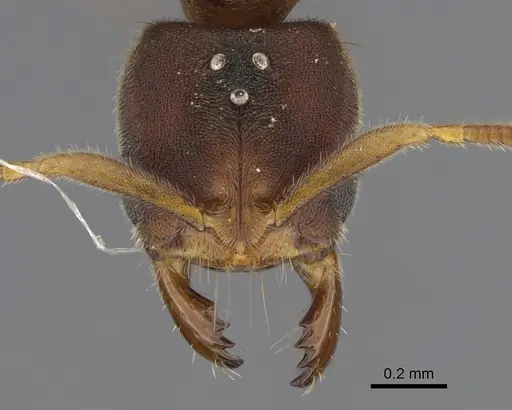
CASENT0386062
View on AntWeb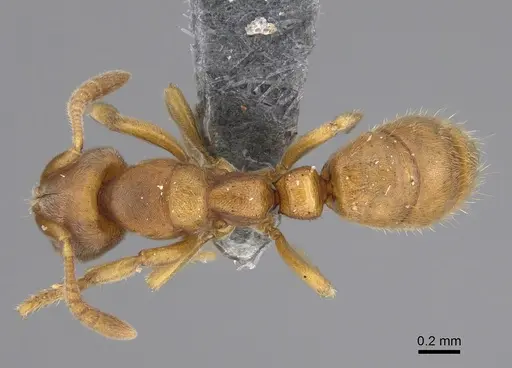
CASENT0391901
View on AntWeb
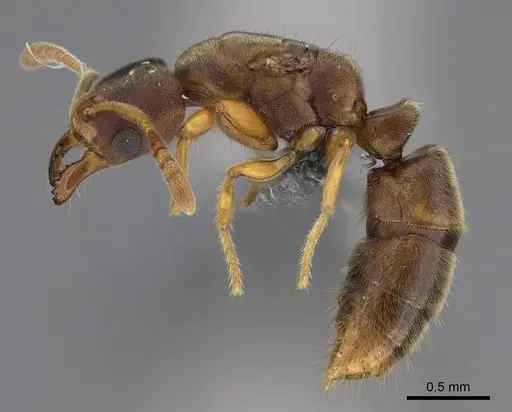
CASENT0650364
View on AntWeb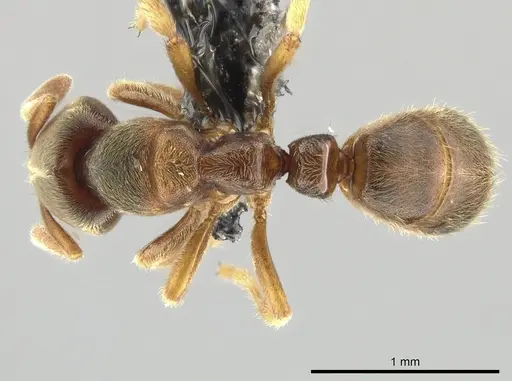
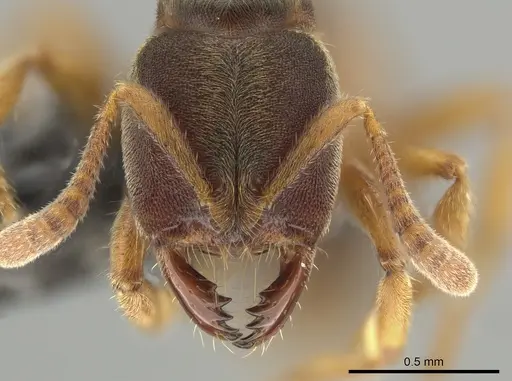
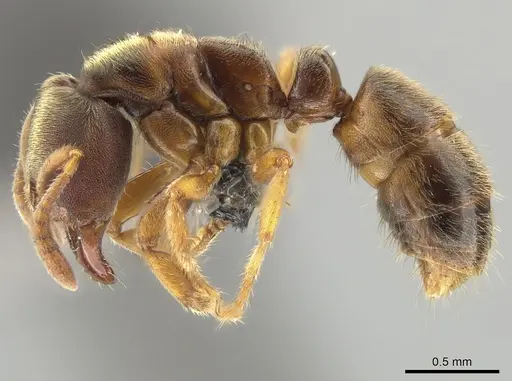
CASENT0916832
View on AntWeb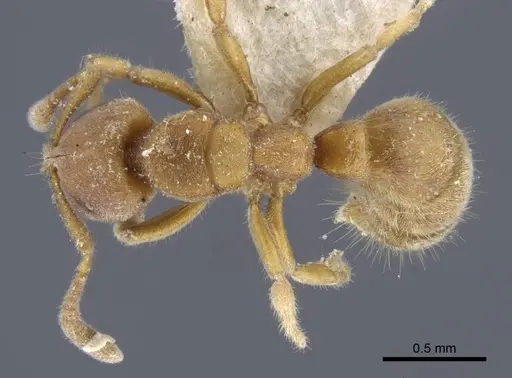
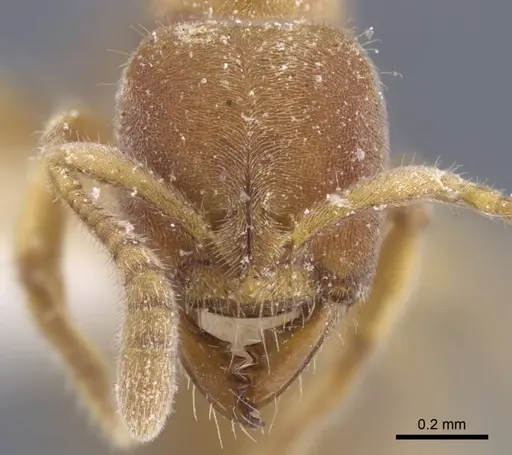
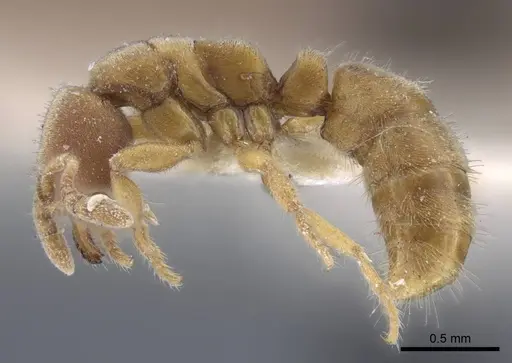
CASENT0923391
View on AntWeb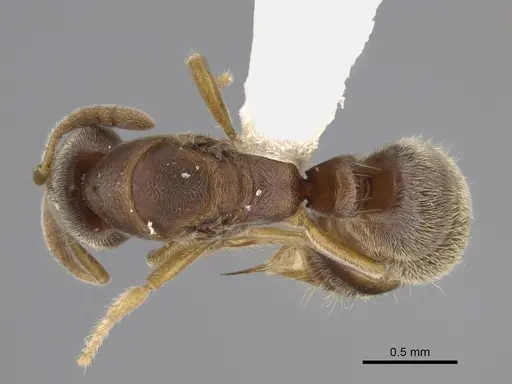
Literature
Loading distribution map...Loading products...