
Cryptopone rotundiceps
- Sci. Name
- Cryptopone rotundiceps
- Tribe
- Ponerini
- Subfamily
- Ponerinae
- Author
- Emery, 1914
- Distribution
- Found in 2 countries
Introduction
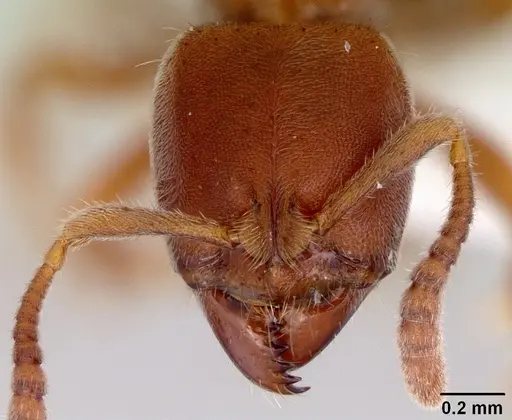
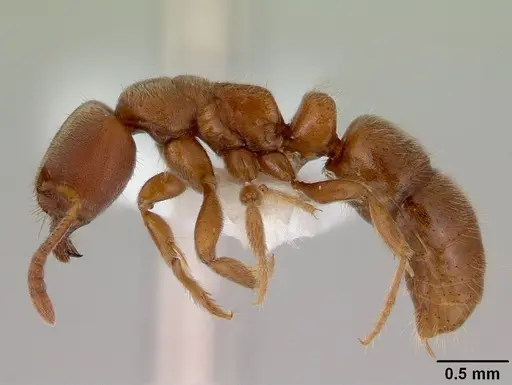
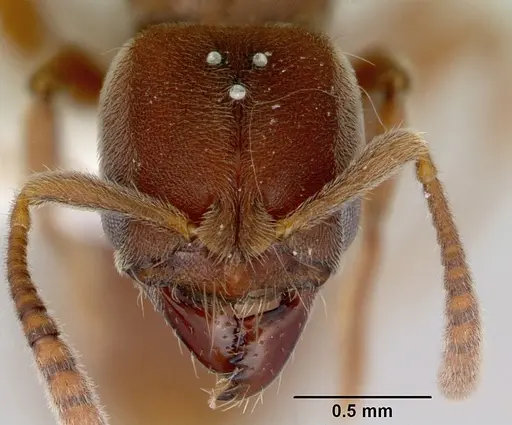
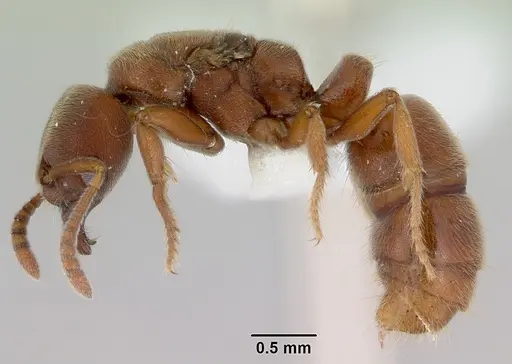
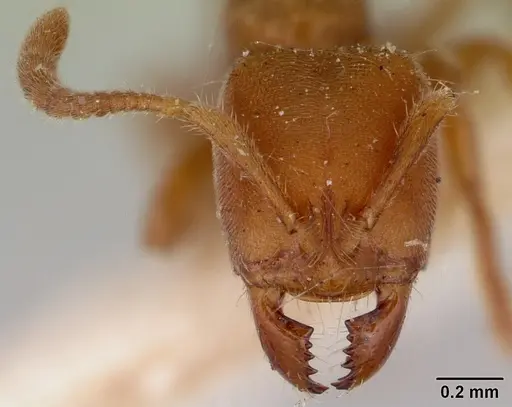
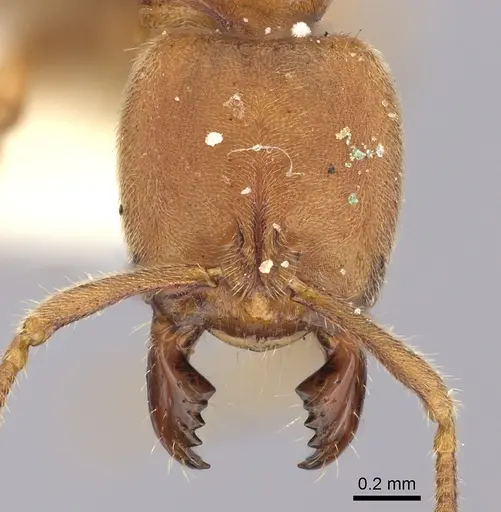
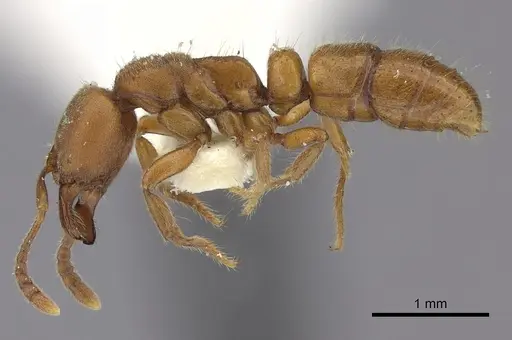
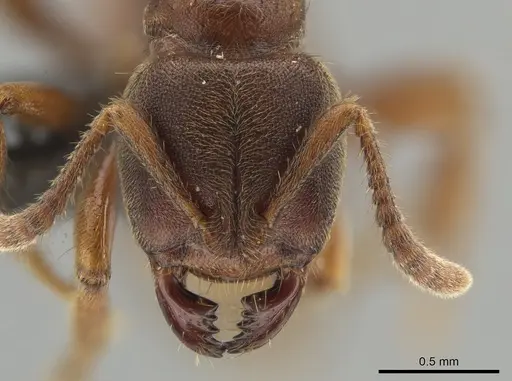
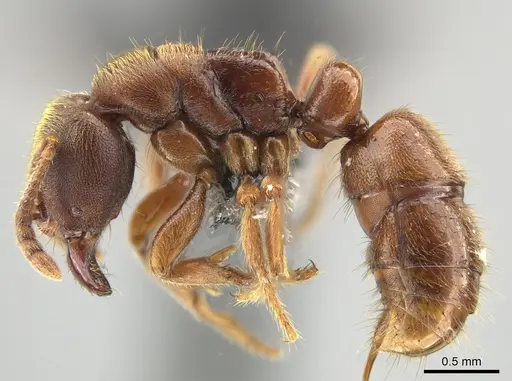
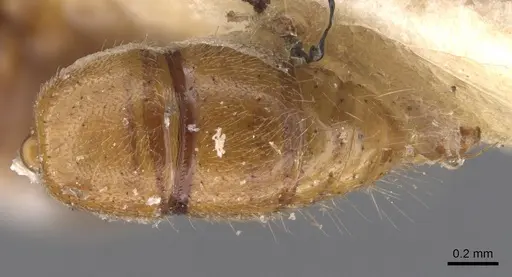
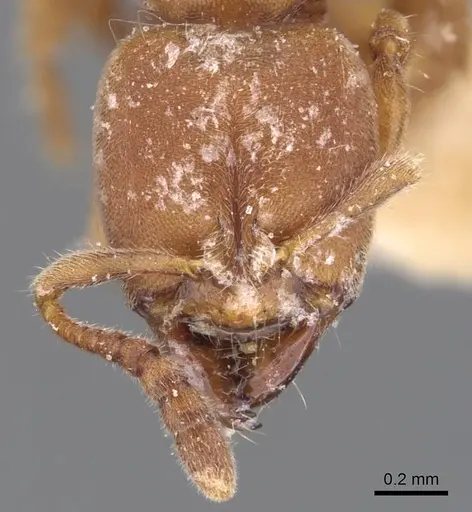
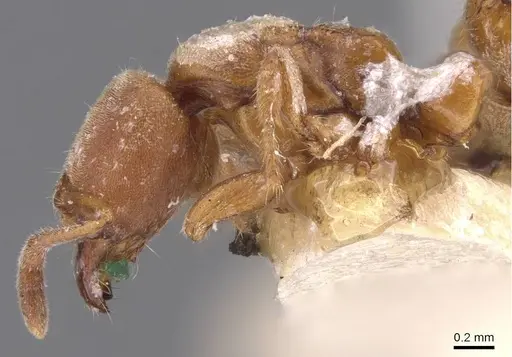
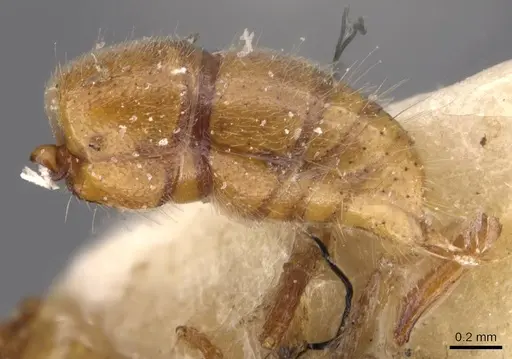
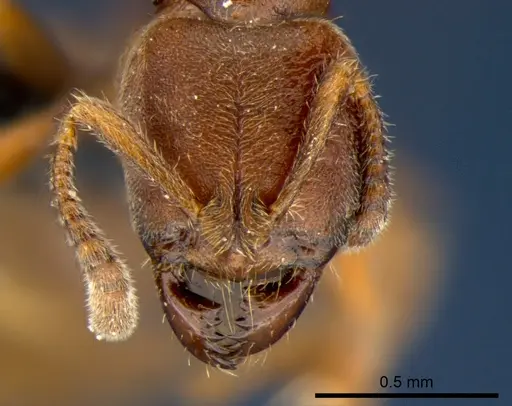
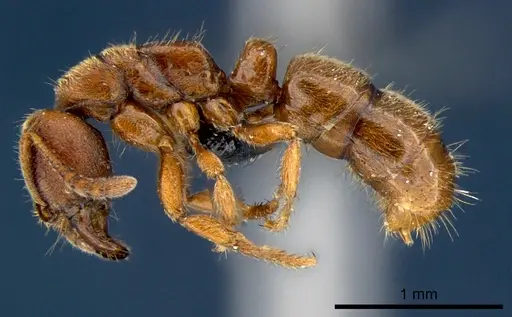
Cryptopone rotundiceps is a small ponerine ant native to Australia and New Caledonia. Workers are dark reddish-brown to black. Queens were originally described from specimens collected in New Caledonia. This species belongs to the subfamily Ponerinae, which are predatory ants with functional stingers. They are found in tropical and subtropical rainforests, particularly in moist forest floor habitats where they hunt small invertebrates. As a Tropical Climate Specialist species, they prefer warm, humid conditions and are typically collected through litter extraction and hand collection in their native range . The karyotype is well-documented: diploid chromosome number 2n=12 with 6 metacentric and 6 acrocentric chromosomes, representing a low chromosome number considered of recent origin .
Quick Summary
- Difficulty: Medium
- Origin & Habitat: Australia and New Caledonia, tropical and subtropical rainforests, moist forest floor habitats [1][3]
- Colony Type: Unconfirmed, colony structure has not been directly documented for this species.
- Size & Growth:
- Queen: ~5-7mm, inferred from genus patterns
- Worker: ~3-5mm, inferred from genus patterns
- Colony: Undocumented in literature
- Growth: Moderate, Ponerines typically develop slower than many Formicines
- Development: Unknown, no direct study exists for this species (Ponerine ants generally have longer development times than many common kept species.)
- Antkeeping:
- Temperature: Keep at 24-28°C. As a tropical species from Queensland and New Caledonia, they need consistent warmth. A heating cable on one side of the nest creates a suitable gradient.
- Humidity: High humidity preferred, aim for 70-80% relative humidity. Keep the nest substrate consistently moist but not waterlogged. Ponerines typically prefer damp conditions.
- Diapause: No, as a tropical species, they do not experience cold winters and do not require hibernation.
- Nesting: Moist soil or rotting wood chambers. In captivity, a Y-tong or plaster nest with good moisture retention works well. They prefer tight, enclosed chambers scaled to their size.
- Behavior: Cryptopone rotundiceps is a predatory ant that hunts small invertebrates. As a Ponerine, they have a functional stinger and can deliver venom, though the sting is mild for humans. Workers are typically slow-moving and deliberate in their movements. They are not aggressive toward humans but will sting if threatened. Escape prevention is important, while not extremely tiny, they can squeeze through small gaps. They are primarily nocturnal or crepuscular foragers.
- Common Issues: slow development can frustrate beginners who expect fast colony growth, high humidity requirements can lead to mold if ventilation is poor, predatory nature means they need live prey, cannot survive on sugar alone, tropical species may struggle if temperatures drop below 22°C, wild-caught colonies may have parasites that affect survival in captivity
Housing and Nest Setup
Cryptopone rotundiceps does well in nests that retain moisture well. A Y-tong nest or plaster nest works nicely, both hold humidity well and allow you to observe your colony. The chambers should be appropriately sized for their worker size, so avoid overly large open spaces. They prefer tight, enclosed chambers that mimic their natural underground nests. A test tube setup can work for founding colonies, but monitor humidity carefully as glass tubes dry out faster than other materials. Provide a water reservoir connected to the nest to maintain moisture levels. The outworld should be simple, a foraging area where you can offer prey items.
Feeding and Diet
As a Ponerine ant, Cryptopone rotundiceps is primarily predatory. They hunt small invertebrates in nature, so offer live prey such as small crickets, fruit flies, mealworms, or other small insects. Prey should be appropriately sized, no larger than the ants themselves. Unlike many ants that readily accept sugar water or honey, Ponerines are typically less interested in sugar sources. However, you can offer a small amount of honey or sugar water occasionally and observe if they accept it. Feed protein prey 2-3 times per week, adjusting based on colony size and consumption. Remove any uneaten prey after 24-48 hours to prevent mold.
Temperature and Humidity
This species needs warm, humid conditions to thrive. Keep the nest area at 24-28°C consistently. A heating cable placed on top of the nest (never underneath where it could dry out the substrate) can help maintain temperatures, especially in cooler rooms. For humidity, aim for 70-80% relative humidity inside the nest. The substrate should feel consistently moist but never waterlogged, you should see condensation on the nest walls occasionally. If condensation disappears quickly between mistings, increase moisture. Poor temperature or humidity can slow colony development significantly or even cause colony decline.
Behavior and Temperament
Cryptopone rotundiceps workers are slow and deliberate compared to many common ant species. They are not aggressive toward keepers but have a functional stinger and will use it if they feel threatened. The sting is mild for most people, similar to a mosquito bite rather than a painful wasp sting. Workers forage primarily at night or during twilight hours. They do not form large visible trails like some ants, instead hunting individually through the leaf litter. Colonies are relatively quiet and not particularly active on the outworld compared to species like Camponotus or Formica.
Colony Development
Colony growth with Cryptopone rotundiceps is slower than many beginner-friendly species. A newly mated queen will found her colony semi-claustrally, she must leave the nest periodically to hunt for food to feed herself and her larvae, unlike claustral queens that seal themselves in and live off stored fat. Expect the first nanitic (first generation) workers to appear after 2-3 months under good conditions. Subsequent generations will be larger and more robust. A mature colony may reach several hundred workers over several years. Patience is key with this species, they will not grow as fast as Lasius or Tetramorium, but watching a slowly growing Ponerine colony develop can be rewarding.
Frequently Asked Questions
How long does it take for Cryptopone rotundiceps to produce first workers?
Expect first workers (nanitics) to appear in 2-3 months at optimal temperature (24-28°C). This is slower than many common species, so patience is required.
What do Cryptopone rotundiceps eat?
They are predatory and need live prey. Offer small insects like fruit flies, small crickets, mealworms, or other appropriately-sized invertebrates. They are less interested in sugar sources than many ants, though you can occasionally offer honey or sugar water. Protein prey should be offered 2-3 times per week.
Can I keep multiple Cryptopone rotundiceps queens together?
Not recommended. Unlike some species that can form multi-queen colonies, combining unrelated foundresses of this species has not been documented and would likely result in fighting. Single-queen colonies are the standard approach.
Do Cryptopone rotundiceps need hibernation?
No, they do not require hibernation. As a tropical species from Australia and New Caledonia, they do not experience cold winters. Simply maintain warm temperatures year-round (24-28°C).
Are Cryptopone rotundiceps good for beginners?
They are considered intermediate in difficulty. While not as challenging as some specialized species, they are less forgiving than beginner species like Lasius niger. Their slower growth, higher humidity needs, and requirement for live prey make them better suited for keepers who have already kept at least one successful colony.
How big do Cryptopone rotundiceps colonies get?
Based on typical Ponerinae colony sizes, expect a mature colony of several hundred workers over 2-4 years. They will not reach the thousands of workers that some Formicine species achieve. Growth is steady but slow compared to many common species.
What temperature is best for Cryptopone rotundiceps?
Keep nest temperatures at 24-28°C. As a tropical species from Queensland and New Caledonia, they need consistent warmth. A heating cable on top of the nest can help maintain these temperatures, especially in rooms that stay below 24°C.
Why is my Cryptopone rotundiceps colony declining?
Common causes include: temperatures below 22°C (they need warmth), humidity too low (they need damp conditions), insufficient prey (they need protein), or stress from excessive disturbance. Check these parameters first. Also ensure they are not being exposed to vibrations or light during resting periods.
When should I move Cryptopone rotundiceps to a formicarium?
Wait until the colony has at least 20-30 workers before moving from a test tube setup. Ponerines prefer stability and can be stressed by moves. A Y-tong or plaster nest works well once the colony reaches this size. Always move the entire setup at once rather than forcing them into new housing.
Report an Issue
The current care sheet is based fully on literature. See inconsistencies, or something that's incorrect? Please , it will be resolved after review from an admin. Contributing to the blogs tab also helps providing information, to make us be able to further improve the caresheets. Thank you for your support!
References

This caresheet is licensed under CC BY-SA 4.0 .
Community Blogs
CASENT0172100
View on AntWeb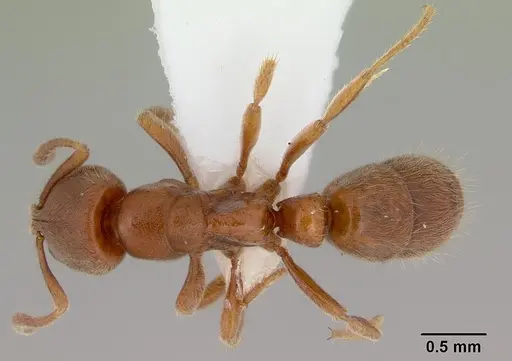
CASENT0172101
View on AntWeb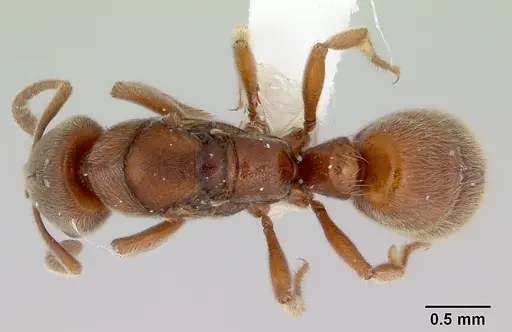
CASENT0172110
View on AntWeb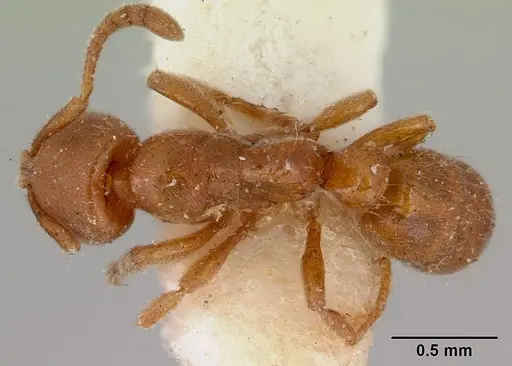
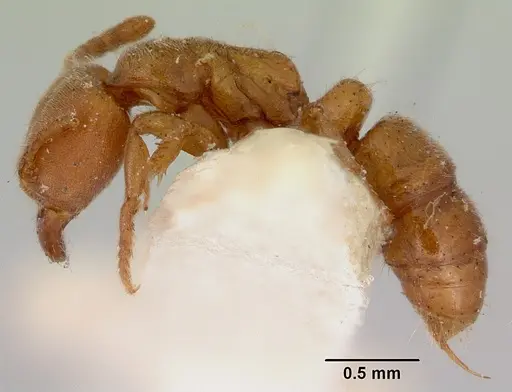
CASENT0172111
View on AntWeb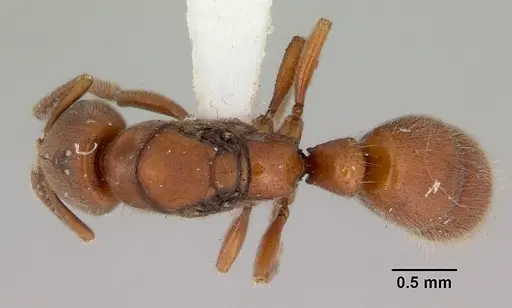
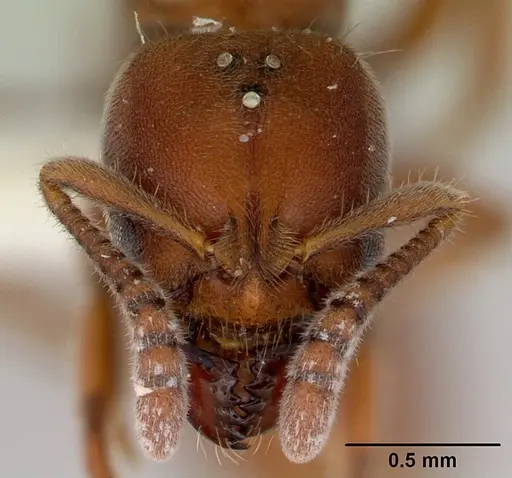
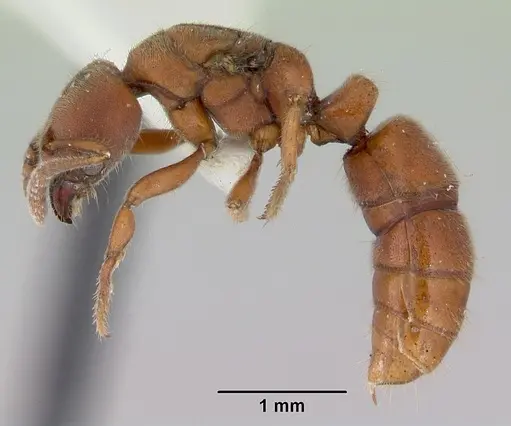
CASENT0260413
View on AntWeb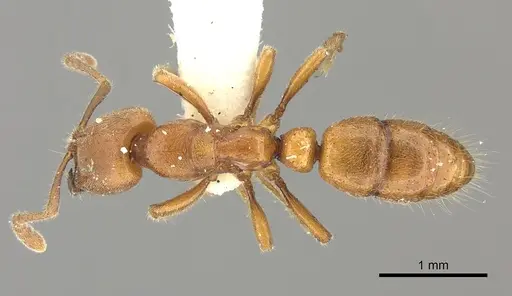
CASENT0650363
View on AntWeb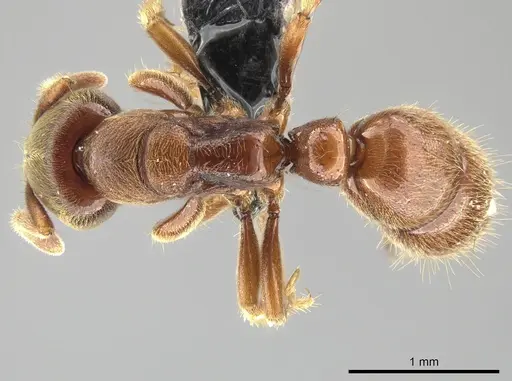
CASENT0887813
View on AntWeb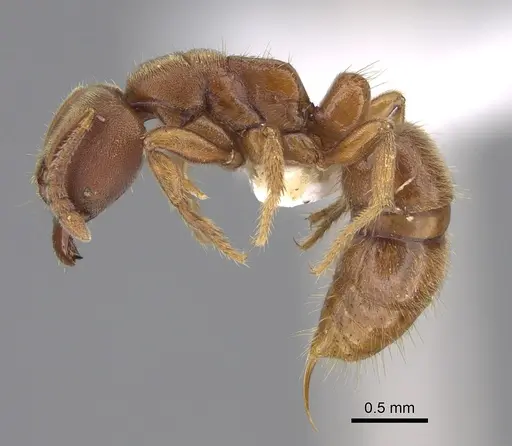
CASENT0907318
View on AntWeb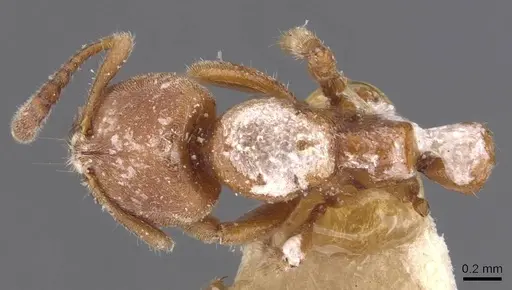
CASENT0915174
View on AntWeb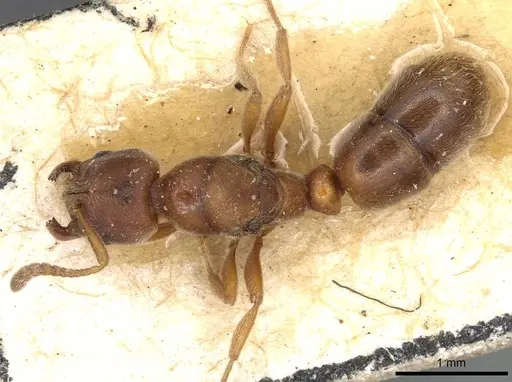
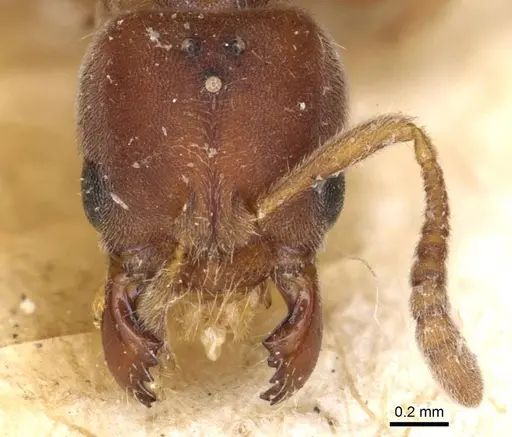
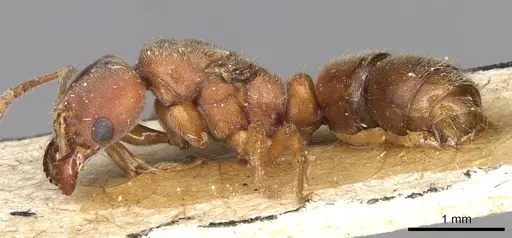
CSIRONC0057
View on AntWeb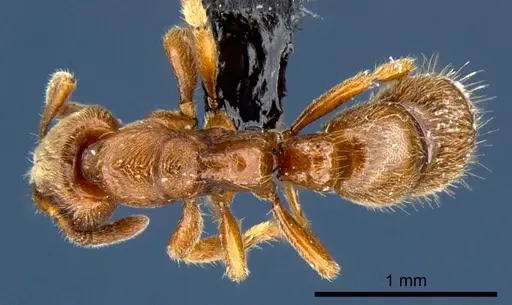
Literature
Loading distribution map...Loading products...