
Cryptopone butteli
- Sci. Name
- Cryptopone butteli
- Tribe
- Ponerini
- Subfamily
- Ponerinae
- Author
- Forel, 1913
- Distribution
- Found in 6 countries
Introduction
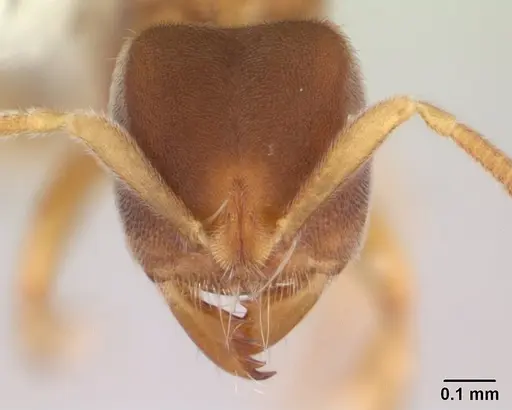
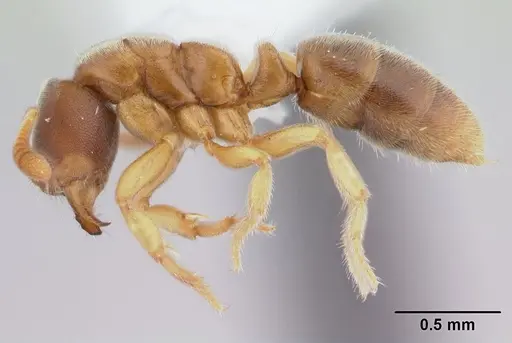
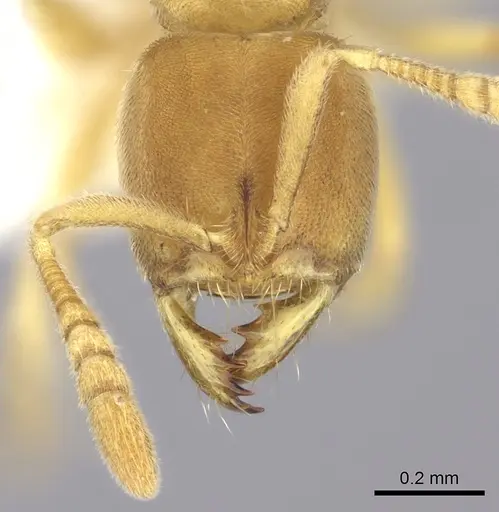
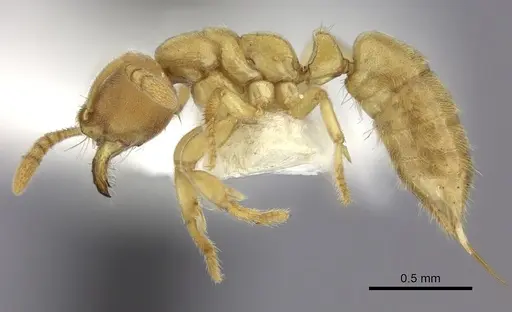
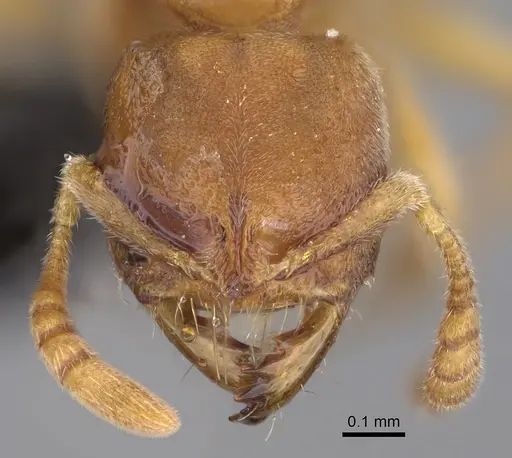
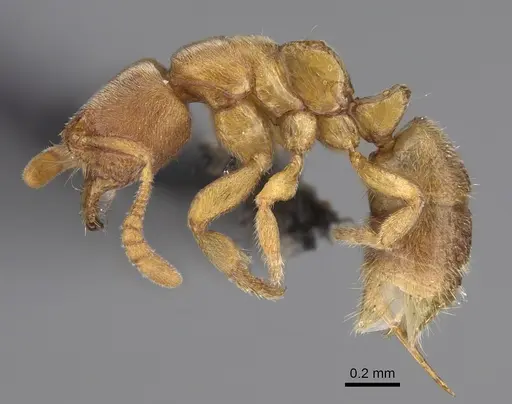
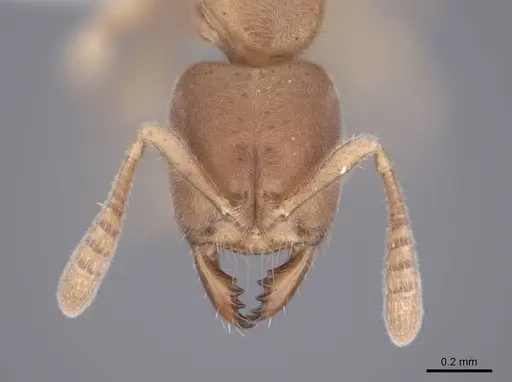
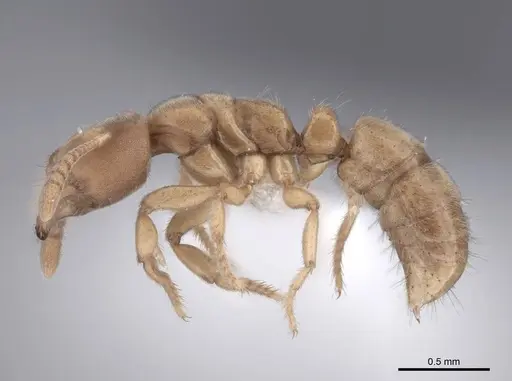
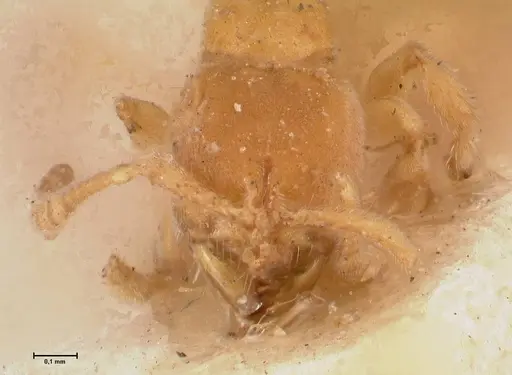
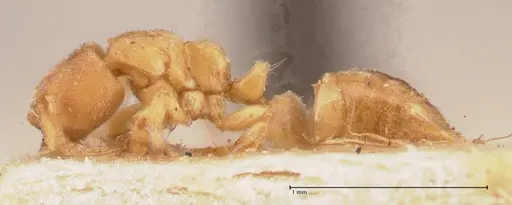
Cryptopone butteli is a small ant from Southeast Asia and the western Pacific. Workers are approximately 3-4mm – inferred from the Cryptopone genus. They have a blackish-orange coloration: the head and gaster are dark with orange tones, while the mesosoma is darker. The most striking feature is the complete absence of compound eyes , an adaptation for life in dark, subterranean habitats. The petiole has a strongly concave front face in profile . This species has a wide range across Indonesia (Java, Sumatra), Brunei, Singapore, Taiwan, Micronesia, Papua New Guinea, and the Solomon Islands . In the wild, Cryptopone butteli lives in lowland dipterocarp forests and high-elevation rain forests . The lack of eyes points to a life spent in rotting wood, under logs, or in soil crevices – always dark and humid. For antkeepers, this means creating a setup that mimics those dim, moist conditions.
Quick Summary
- Difficulty: Medium
- Origin & Habitat: Native to Southeast Asia and the western Pacific. Found in lowland dipterocarp forest [3] and high-elevation rain forest in Micronesia (Chuuk and Pohnpei) [1]. First recorded from the Solomon Islands in 1965 [4]. Also recorded from Indonesia (Java, Sumatra), Singapore, Taiwan, Papua New Guinea [2].
- Colony Type: Not well documented. Based on typical Ponerinae patterns, likely single-queen (monogyne) colonies, but this is unconfirmed. Ergatoid (wingless) queens have not been documented.
- Size & Growth:
- Queen: Size data unavailable for queens – estimated ~4-5mm based on worker size and typical Ponerinae proportions
- Worker: Approximately 3-4mm – inferred from Cryptopone genus
- Colony: Unknown – likely several hundred workers at maturity based on related Cryptopone species
- Growth: Moderate – inferred from tropical Ponerinae patterns
- Development: Estimated 6-10 weeks at tropical temperatures (24-28°C) based on related Ponerinae species (No specific study exists for Cryptopone butteli. Development time is an estimate, tropical ponerines typically develop faster than temperate species.)
- Antkeeping:
- Temperature: Keep at 24-28°C. As a tropical species, they need warm, stable temperatures. A gentle heating gradient on one side of the nest lets workers choose their preferred zone [1][3].
- Humidity: High humidity is essential. These ants come from damp forest floors. Keep the nest substrate consistently moist but not waterlogged. Provide a water reservoir in test tube setups. Mist occasionally but rely on substrate moisture, not a fixed schedule.
- Diapause: No true diapause required. As a tropical species, they do not need hibernation. A slight temperature drop during cooler months may slow activity naturally.
- Nesting: Prefers dark, humid nesting sites. Test tube setups work well for founding. For established colonies, use Y-tong or plaster nests with small chambers to fit their tiny size. Naturalistic setups with flat stones or rotting wood mimic their habitat. Keep the nesting area dark and humid.
- Behavior: Cryptopone butteli is shy and non‑aggressive. Workers are small and slow‑moving. They lack compound eyes, so they rely on chemical cues and vibrations to navigate [1]. They are likely nocturnal or active in dim light – you’ll see more activity in the evening or when the nest is dark. As Ponerinae, they have a stinger and probably hunt small invertebrates. Their small size means they can slip through tiny gaps, so use a good barrier (e.g., fluon or talc).
- Common Issues: maintaining high humidity is critical – too dry and colonies will fail, especially during founding, their small size makes escape prevention a must, even though they aren't strong climbers, limited published care information means you'll need some trial and error, tropical species needs consistent warmth – cold drafts can be fatal, mold can grow in high‑humidity setups, so ensure good ventilation and remove uneaten food promptly
Housing and Nest Setup
Cryptopone butteli needs a dark, humid nest. For a founding colony, use a test tube with a water reservoir wrapped in dark material to block light. The queen will seal herself in and stay there until her first workers appear. Once the colony grows, move them to a Y-tong or plaster nest with small chambers – their tiny workers can squeeze through big gaps. A naturalistic setup with flat stones over moist soil or rotting wood works, too. Keep the nesting area dark at all times, these ants are adapted to low light and will be more active in dim conditions. Add a small outworld for foraging. Avoid acrylic nests – they don't hold humidity well. [1]
Feeding and Diet
As a Ponerinae ant, Cryptopone butteli is likely predatory. In captivity, offer small live prey like fruit flies, pinhead crickets, and tiny mealworms. They should accept protein‑rich foods readily. You can also provide occasional drops of diluted honey or sugar water, but protein should be the main food. Feed small amounts every few days and remove uneaten prey after 24 hours to prevent mold. Since the workers are tiny, make sure prey items are appropriately sized – very small insects are ideal.
Temperature and Humidity
Keep temperatures between 24-28°C all year. This tropical species from Southeast Asia and the Pacific needs consistent warmth [1][3]. Use a heating cable or mat on one side of the nest to create a gradient. Avoid temperatures below 20°C for long periods. Humidity must be high – aim for consistently moist substrate without flooding. Their natural home in lowland dipterocarp and highland rain forests is warm and damp. Give them a water tube for constant moisture, and consider misting the outworld occasionally. Good ventilation prevents mold while keeping humidity up.
Colony Development
Colony growth is probably moderate. The queen will stay sealed in her founding chamber until the first nanitic workers appear, typically after several weeks to a couple of months. Once workers are present, the colony grows gradually as the queen keeps laying eggs. Ponerine colonies usually stay smaller than many common ant species – often a few hundred workers at most, not thousands. Be patient, founding colonies can be slow, and disturbance might make the queen stop laying temporarily. As more workers join, foraging and brood care speed up.
Behavior and Observation
The lack of compound eyes is the most distinctive trait [1]. These ants navigate with chemical signals and vibrations, not sight. They are probably nocturnal or active in dim light, so expect more activity at night or when the nest is shaded. Workers are small and move slowly. They are not aggressive and will flee rather than fight, making them peaceful to watch. Their cryptic nature means you won't see constant activity – that's normal. As Ponerinae, they hunt tiny prey and subdue it with their stinger, which is interesting to observe.
Frequently Asked Questions
How long does it take for Cryptopone butteli to have first workers?
First workers (nanitics) probably appear within 6-10 weeks at optimal tropical temperatures (24-28°C). This is an estimate based on related Ponerinae species, as no specific data exists for Cryptopone butteli.
Can I keep Cryptopone butteli in a test tube?
Yes, test tubes work well for founding. Wrap the tube in dark material to mimic their dark habitat, and make sure the water reservoir is full. Move them to a larger nest when the tube becomes visibly crowded with workers and brood.
What do Cryptopone butteli ants eat?
They probably eat small live prey like fruit flies, tiny crickets, and other small insects. Protein should be the main food. Occasional sugar water or honey might be accepted but isn't required.
Are Cryptopone butteli good for beginners?
This species is rated medium difficulty. The main challenges are keeping humidity high and providing appropriately sized small prey. Their cryptic habits and small size need careful attention. Experienced antkeepers should have success.
Do Cryptopone butteli need hibernation?
No, they do not need hibernation. As a tropical species, they require year‑round warmth (24-28°C). A slight seasonal variation is natural but unnecessary.
Why are my Cryptopone butteli dying?
Common causes include: too dry conditions, temperatures below 20°C, disturbing the founding chamber, or lack of appropriate‑sized prey. Make sure humidity is consistently high and temperatures stay warm.
How big do Cryptopone butteli colonies get?
Based on related species, colonies probably reach several hundred workers at maturity, not thousands. Ponerine colonies usually stay smaller than many common ant species.
Can I keep multiple queens together?
Not recommended. There is no evidence for multi‑queen colonies in this species, and combining unrelated queens has not been studied. Keep single‑queen colonies for best results.
When should I move Cryptopone butteli to a formicarium?
Move them to a larger nest (Y‑tong, plaster, or naturalistic setup) when the test tube becomes visibly crowded with workers and brood. Make sure the new nest is dark and humid.
Report an Issue
The current care sheet is based fully on literature. See inconsistencies, or something that's incorrect? Please , it will be resolved after review from an admin. Contributing to the blogs tab also helps providing information, to make us be able to further improve the caresheets. Thank you for your support!
References

This caresheet is licensed under CC BY-SA 4.0 .
Community Blogs
CASENT0178368
View on AntWeb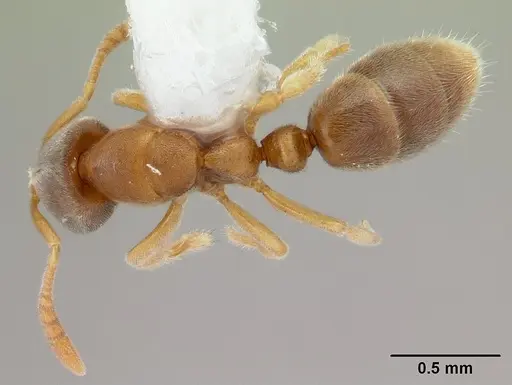
CASENT0260517
View on AntWeb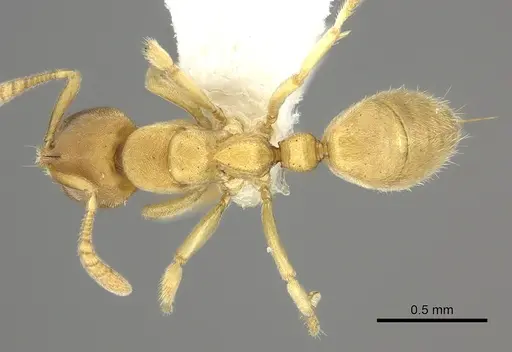
CASENT0390060
View on AntWeb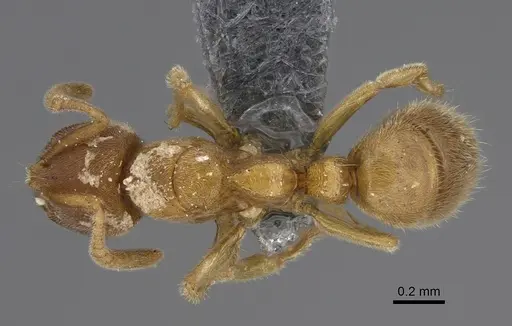
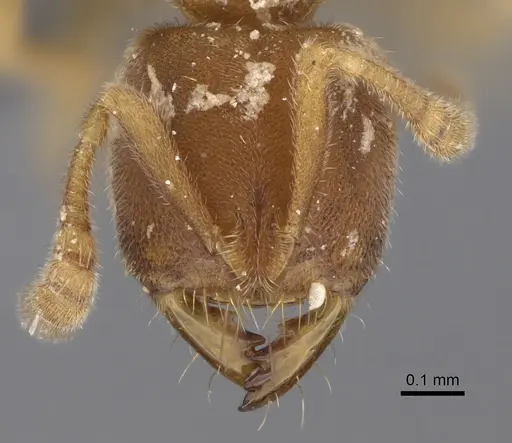
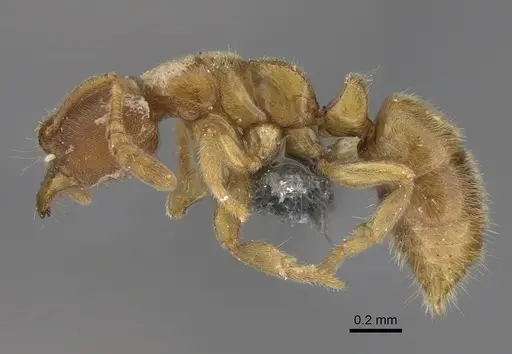
CASENT0907296
View on AntWeb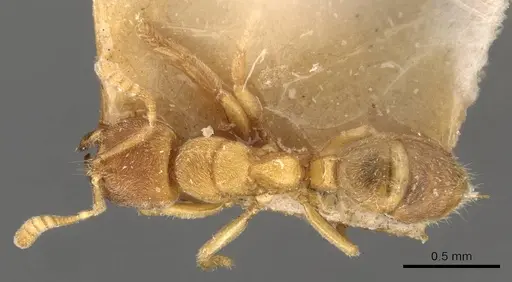
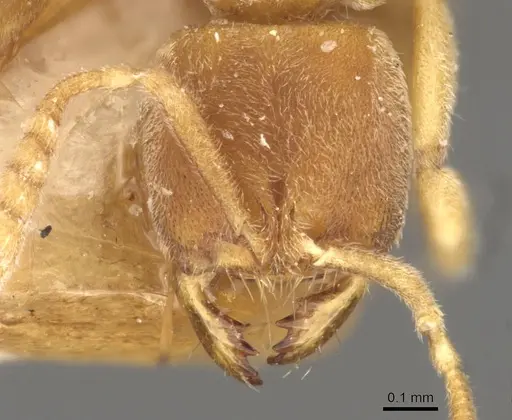
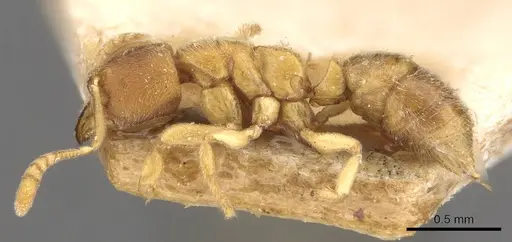
CASENT0923392
View on AntWeb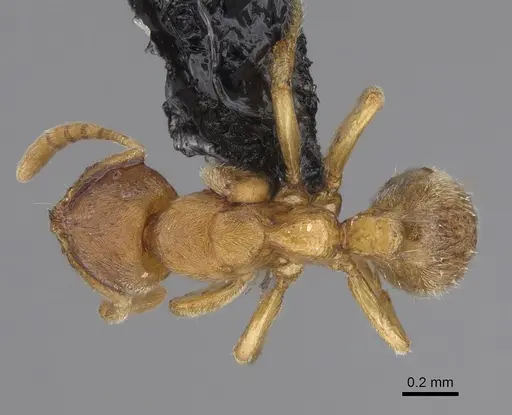
FMNHINS0000051220
View on AntWeb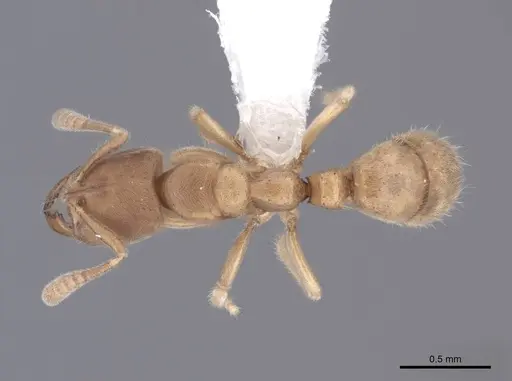
FOCOL0980
View on AntWeb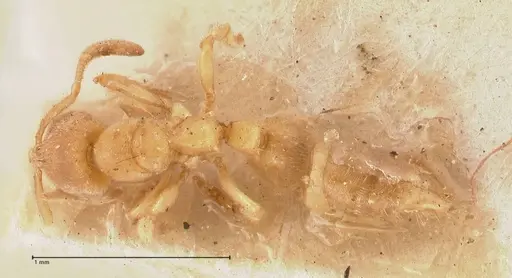
Literature
Loading distribution map...Loading products...