
Crematogaster wasmanni
- Sci. Name
- Crematogaster wasmanni
- Tribe
- Crematogastrini
- Subfamily
- Myrmicinae
- Author
- Santschi, 1910
- Distribution
- Found in 1 countries
Introduction
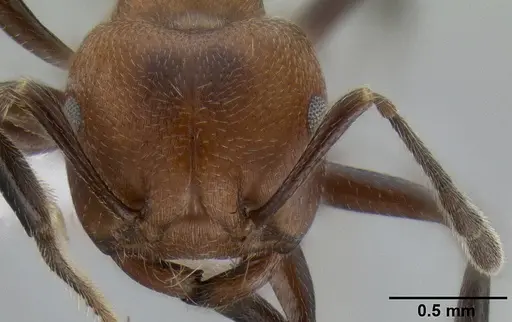
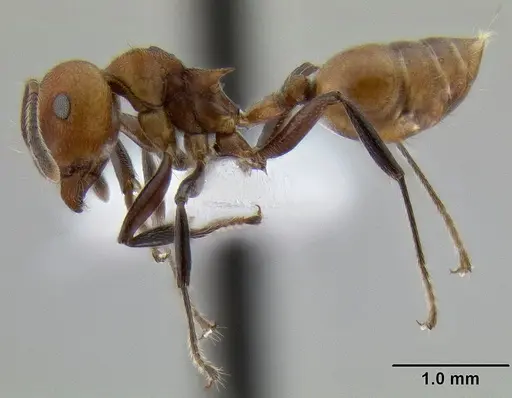
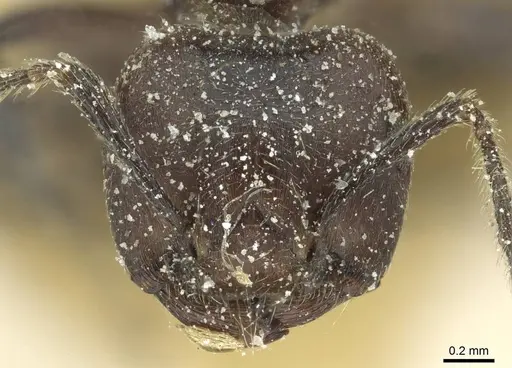
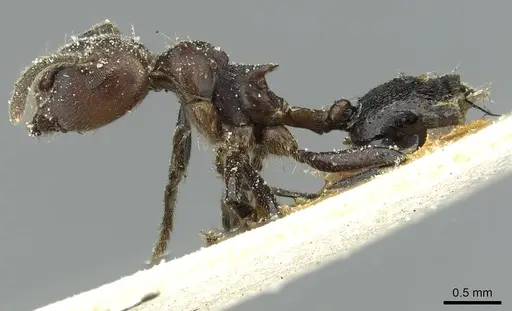
Crematogaster wasmanni is a small ant species documented in the Democratic Republic of Congo in central Africa . These ants are known for their distinctive defensive display - when disturbed, they raise their abdomen over their head and thorax, earning them the common name 'acrobat ants'. Workers are small ants with a characteristic heart-shaped gaster that can be maneuvered over their body. They are arboreal or semi-arboreal, typically nesting in elevated locations such as trees, under bark, or in hollow twigs rather than in ground nests.
Quick Summary
- Difficulty: Medium
- Origin & Habitat: Democratic Republic of Congo in central Africa. They inhabit tropical forest environments where they typically nest in elevated locations such as trees, under bark, or in hollow twigs [1].
- Colony Type: Colony structure is not documented for this specific species. Based on typical Crematogaster patterns, colonies may start with a single queen and some species in this genus can develop multiple queens in mature colonies.
- Size & Growth:
- Queen: Size data unavailable, no species-specific measurements exist
- Worker: Size data unavailable, no species-specific measurements exist
- Colony: Colony size data unavailable for this species
- Growth: Growth rate is unconfirmed for this species
- Development: Development timeline is unconfirmed for this species (No specific development data exists for C. wasmanni.)
- Antkeeping:
- Temperature: Keep at 24-28°C. Tropical species prefer warm conditions. A slight temperature gradient allows ants to regulate their own exposure to heat.
- Humidity: Moderate to high humidity. These arboreal ants prefer humid conditions but need good ventilation to prevent mold.
- Diapause: No, as a tropical species from central Africa, they do not require hibernation. Keep colony active year-round with consistent temperatures.
- Nesting: Arboreal setup works best. Provide elevated nesting options like cork bark, wooden setups, or branches. They will also accept test tubes positioned horizontally or at an angle. Avoid fully underground setups.
- Behavior: These ants are generally non-aggressive but will defend their nest if threatened. Their primary defense is raising their abdomen over their head and thorax in a threatening display. They also have a modified stinger that can smear venom onto enemies rather than piercing flesh. They are active foragers and will scout for food both on the ground and on plants. Escape risk is moderate, they are small but not as tiny as some ant species, so standard barrier methods work well.
- Common Issues: mold growth from excessive humidity without adequate ventilation, colonies declining if temperatures drop below 20°C for extended periods, escape through small gaps, check enclosure seals regularly, stress from disturbance during early colony founding stages, difficulty establishing first workers if queen is disturbed during founding
Housing and Nest Setup
Crematogaster wasmanni does well in setups that mimic their natural arboreal habitat. Horizontal test tubes work well for founding colonies, position them at a slight angle so the queen can move between the water reservoir and the dry chamber. For established colonies, consider a cork bark nest, wooden formicarium, or a naturalistic setup with branches and elevated platforms. They prefer having their nest above ground level rather than in underground chambers. Ensure the outworld is spacious enough for foraging and include plants or branches they can explore. Use a tight-fitting lid as they can squeeze through small gaps.
Feeding and Diet
Like other Crematogaster species, these ants are omnivorous. Offer sugar sources regularly, honey water, sugar water, or commercial ant nectar. They also need protein for brood development, so provide small insects like fruit flies, small crickets, mealworms, or other appropriately sized prey. They are foragers and will scout for food, so place offerings in the outworld where they can find it. Remove uneaten prey after 24-48 hours to prevent mold. Fresh fruit can also be accepted occasionally.
Temperature and Heating
As a tropical species from central Africa, Crematogaster wasmanni needs warm conditions. Maintain temperatures between 24-28°C for optimal colony health and brood development. Room temperature may be sufficient if your home stays in this range, otherwise use a heating cable or mat on one side of the nest to create a gentle temperature gradient. Place heating on top of the nest rather than underneath to avoid evaporating moisture too quickly. Avoid temperatures below 20°C as prolonged cold can weaken or kill the colony.
Humidity and Water
These ants prefer moderate to high humidity. Mist the outworld occasionally and ensure the test tube water reservoir is adequate but not excessive. The nest area should have visible condensation but not standing water. Good ventilation is essential to prevent mold while maintaining humidity. Provide a shallow water dish in the outworld for drinking, they will also collect moisture from condensation and wet prey.
Behavior and Defense
Crematogaster wasmanni gets its 'acrobat ant' name from their distinctive defensive behavior, when threatened, they raise their abdomen over their head and thorax, pointing it forward like a stinger. They have a modified, flattened stinger used to wipe or smear venom onto enemies rather than piercing flesh. They are not typically aggressive toward humans but will defend their nest if disturbed. In the wild, this genus often nests in elevated locations, so they are good climbers and will explore vertical spaces in their enclosure.
Frequently Asked Questions
How long does it take for Crematogaster wasmanni to produce first workers?
The exact development timeline for this species has not been documented. Based on typical Crematogaster patterns, expect first workers in approximately 6-8 weeks after the queen lays her first eggs, provided temperatures are maintained at 24-28°C.
What do Crematogaster wasmanni ants eat?
They are omnivorous. Offer sugar water or honey regularly for energy, and protein sources like small insects for brood development. They will also occasionally accept fresh fruit.
Do Crematogaster wasmanni ants sting?
They have a modified stinger that can deliver venom through smearing rather than piercing. They are not aggressive toward keepers. Their primary defense is raising their abdomen in a threatening display.
What temperature do Crematogaster wasmanni ants need?
Keep them warm at 24-28°C. This is a tropical species that does not tolerate cool temperatures well. Avoid letting temperatures drop below 20°C.
Can I keep Crematogaster wasmanni in a test tube?
Yes, test tubes work well for founding colonies. Use a horizontal or slightly angled setup so the queen can move between the wet and dry areas. For mature colonies, consider transitioning to a cork bark or wooden nest that allows for arboreal-style nesting.
Do Crematogaster wasmanni need hibernation?
No, they do not require hibernation. As a tropical African species, keep them active year-round with consistent warm temperatures.
How big do Crematogaster wasmanni colonies get?
The exact maximum colony size for this species has not been documented.
Are Crematogaster wasmanni good for beginners?
They are rated as medium difficulty. They are more forgiving than some tropical species but do require warm temperatures and proper humidity. Their arboreal nature requires slightly different setup considerations than ground-nesting ants.
Why is my Crematogaster wasmanni colony declining?
Common causes include temperatures below 20°C, excessive humidity causing mold, disturbance during founding, or insufficient protein in their diet. Check that your setup maintains proper temperature and humidity, and ensure you are offering adequate food.
When should I move my Crematogaster wasmanni to a formicarium?
Move them when the colony reaches around 50-100 workers and the test tube is becoming crowded. They prefer elevated nesting options, so choose a setup with branches or vertical spaces rather than a fully horizontal ground nest.
Report an Issue
The current care sheet is based fully on literature. See inconsistencies, or something that's incorrect? Please , it will be resolved after review from an admin. Contributing to the blogs tab also helps providing information, to make us be able to further improve the caresheets. Thank you for your support!
References

This caresheet is licensed under CC BY-SA 4.0 .
Community Blogs
CASENT0193947
View on AntWeb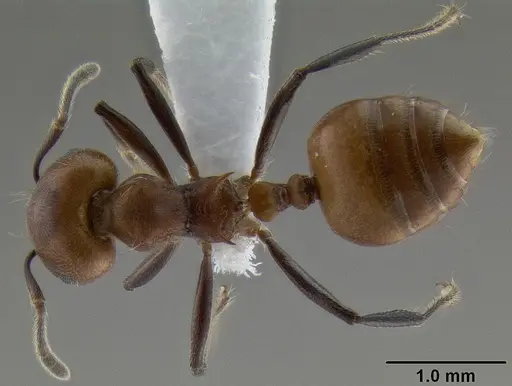
CASENT0912631
View on AntWeb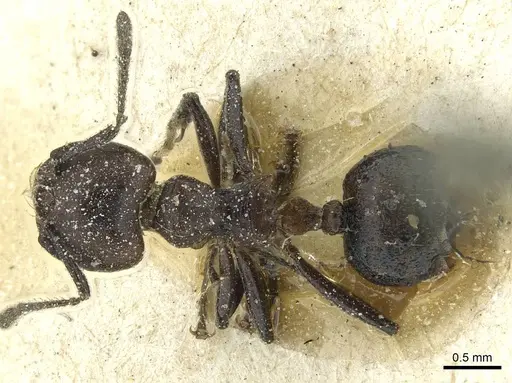
Literature
Loading distribution map...Loading products...