
Crematogaster volamena
- Sci. Name
- Crematogaster volamena
- Subgenus
- Orthocrema
- Tribe
- Crematogastrini
- Subfamily
- Myrmicinae
- Author
- Blaimer, 2012
- Distribution
- Found in 1 countries
Introduction
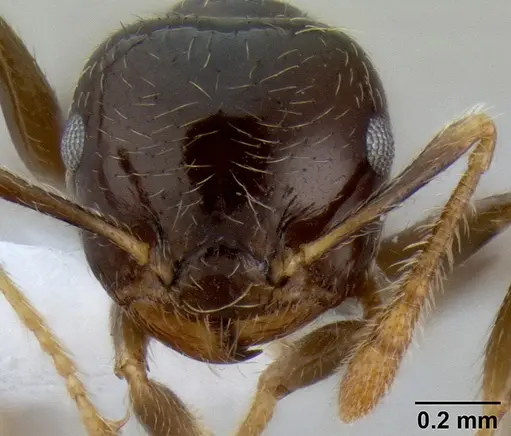
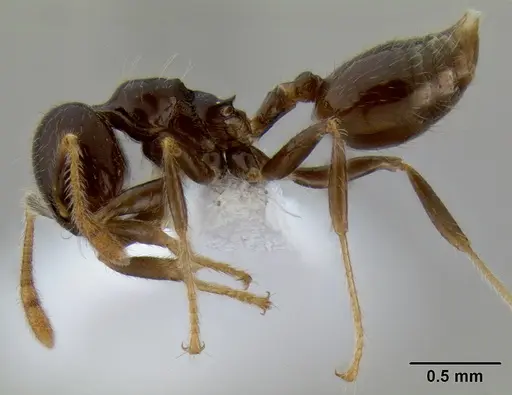
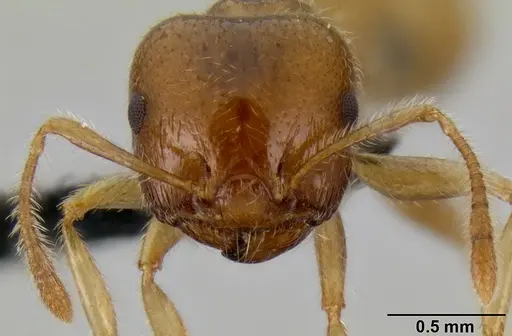
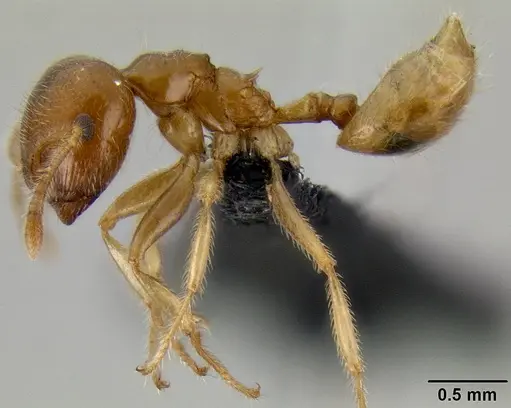
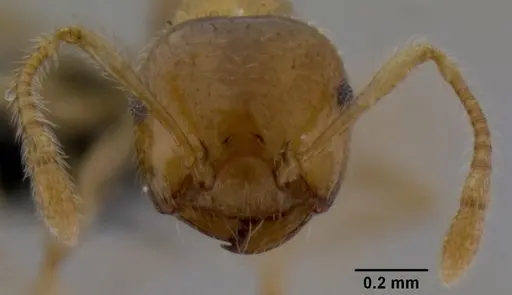
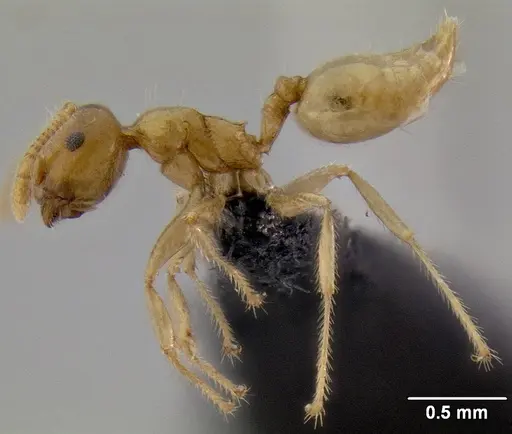
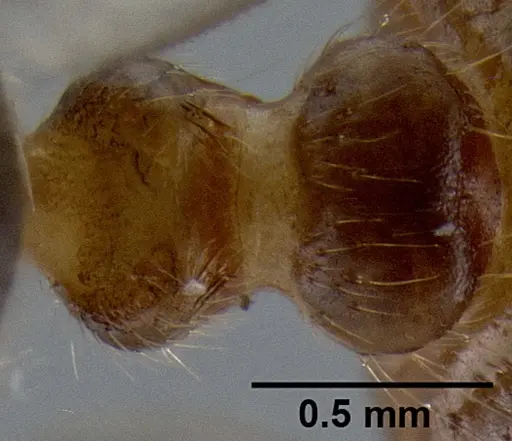
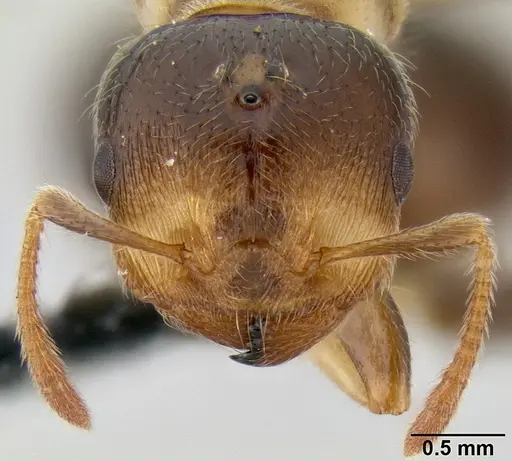
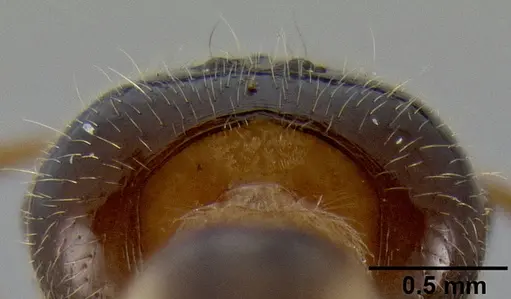
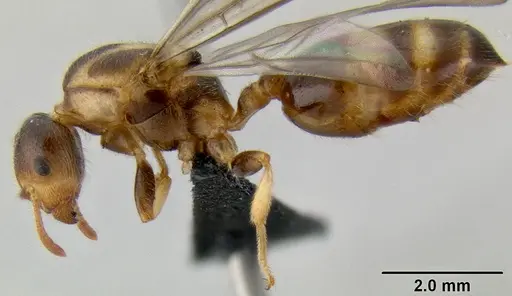
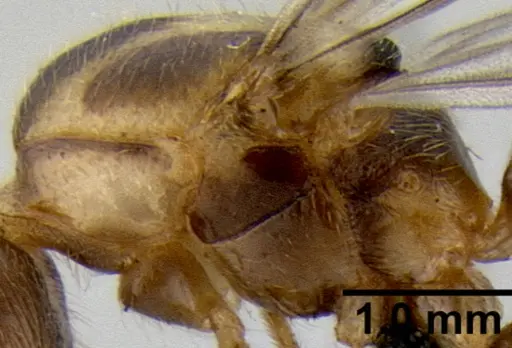
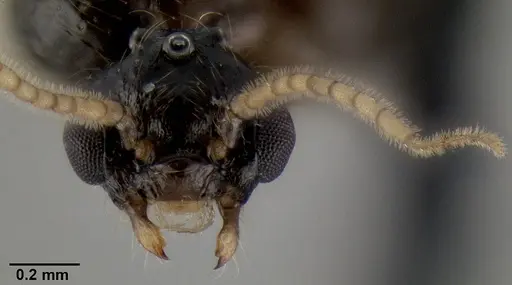
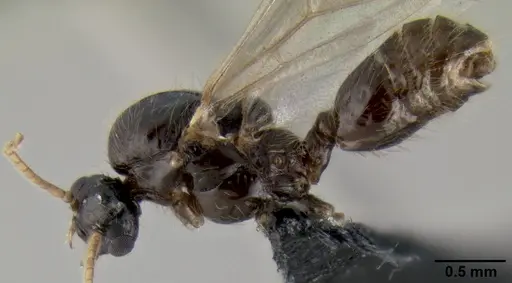
Crematogaster volamena is a small to medium-sized ant native to Madagascar, named 'volamena' which means 'gold' in Malagasy for their distinctive golden yellow coloration (though they can also be medium brown). Workers show an interesting size variation - some individuals are noticeably larger with distinctly enlarged heads and more powerful mandibles, similar to major-minor worker castes seen in other ant genera. Queens are relatively large and lack propodeal spines. The species occurs in about 10 localities along the eastern rainforest belt of Madagascar, living in low- to mid-elevation rainforest or littoral forest . What makes this species particularly interesting is its flexibility in nesting preferences - it's been found nesting both arboreally in dead twigs and on the ground in rotten logs, making it a true generalist. This adaptability, combined with their golden coloration and interesting worker polymorphism, makes them a unique species for antkeepers interested in less common Malagasy ants.
Quick Summary
- Difficulty: Medium
- Origin & Habitat: Eastern Madagascar rainforest belt, from low- to mid-elevation rainforest and littoral forest at elevations of 200-600m [1][2].
- Colony Type: Colony structure is not well documented in scientific literature. Based on typical Crematogaster patterns, likely single-queen colonies. No documented ergatoid replacement reproductives for this species.
- Size & Growth:
- Queen: ~6-7mm, inferred from Crematogaster genus size range [1]
- Worker: ~3-4mm, inferred from Crematogaster genus size range [1]
- Colony: Unknown, not documented in available research
- Growth: Moderate, inferred from typical Crematogaster development
- Development: Development timeline is not directly studied for this species. As a tropical Malagasy species, expect relatively fast development at warm temperatures. (Development timeline is not directly studied for this species. As a tropical Malagasy species, expect relatively fast development at warm temperatures.)
- Antkeeping:
- Temperature: Keep at 22-26°C. As a tropical rainforest species from Madagascar, they need warm conditions. A heating cable on one side of the nest can create a gentle gradient
- Humidity: Maintain moderate to high humidity, they come from humid rainforest environments. Keep nest substrate consistently moist but not waterlogged. Provide a water tube for drinking access.
- Diapause: No, this is a tropical species from Madagascar and does not require hibernation. Keep temperatures stable year-round.
- Nesting: Generalist nesters in the wild, found both arboreally in dead twigs and on the ground in rotten logs. In captivity, a Y-tong (AAC) nest or plaster nest with both moist and drier areas works well. Their small size means they need appropriately scaled chambers.
- Behavior: Crematogaster ants are known for their characteristic habit of raising their gaster when alarmed, giving them the nickname 'acrobat ants'. This species has a smear defense mechanism, they use a modified, flattened stinger to wipe or smear venom onto enemies rather than piercing flesh. Workers are relatively fast-moving and active. They are generalist foragers, likely collecting honeydew and small insects. Their small size means escape prevention must be excellent, use fine mesh and tight-fitting barriers. The major workers (larger individuals with enlarged heads) likely serve as defenders or specialized workers, though their exact role is not documented.
- Common Issues: escape prevention is critical due to their small size, they can squeeze through tiny gaps, tropical species requires stable warm temperatures, cold will slow or stop development, high humidity needs mean mold can be an issue if ventilation is poor, limited availability in the antkeeping hobby as they're rarely exported, wild-caught colonies may have parasites that affect survival in captivity
Natural History and Distribution
Crematogaster volamena is endemic to Madagascar, where it occurs in approximately 10 localities along the eastern rainforest belt. This region consists of low- to mid-elevation rainforest and littoral forest at elevations between 200 and 600 meters. The species was first described in 2012 by Bonnie Blaimer and is part of the C. volamena-group within the Orthocrema subgenus [1].
Phylogenetic research shows this species arrived in Madagascar from Africa between 14.8-22.0 million years ago, making it a relatively ancient resident of the island [3]. The genus Crematogaster as a whole has undergone significant diversification in Madagascar, with this species representing a distinct evolutionary lineage.
One of the most interesting aspects of this species is its size polymorphism among workers. Some workers are significantly larger with distinctly enlarged heads and more powerful mandibles, this is reminiscent of major-minor worker castes seen in other ant genera. However, unlike some related species (Crematogaster rasoherinae and Crematogaster madecassa), these larger workers do not have ocelli or a queen-like modified mesosoma, suggesting they are true major workers rather than intermediate forms [1][4].
Housing and Nest Setup
In the wild, C. volamena shows flexible nesting preferences, they've been collected both arboreally in dead twigs and on the ground in rotten logs [1]. This generalist tendency suggests they'll adapt to various nest types in captivity.
For their small size, use a Y-tong (AAC) nest or plaster formicarium with appropriately scaled chambers. The chambers should be tight enough that the ants feel secure but large enough for normal movement and brood care. Include a water reservoir or cotton ball for humidity maintenance.
Because they come from humid rainforest environments, keep the nest substrate consistently moist but not waterlogged. Allow for some variation within the setup, a gradient from moister to slightly drier areas lets ants self-regulate. Adequate ventilation is important to prevent mold, but avoid excessive airflow that dries them out.
The outworld should be simple and easy to maintain. A small foraging area with a sugar water feeder and protein food dish works well. Given their small size, apply fluon or use fine mesh on all connections, these ants are expert escape artists.
Feeding and Diet
Crematogaster ants are typically generalist foragers, and C. volamena likely follows this pattern. In nature, they probably feed on honeydew from aphids and scale insects, plus small insects and other protein sources.
In captivity, offer a constant sugar source, sugar water, honey, or commercial ant nectar works well. For protein, provide small insects like fruit flies, pinhead crickets, or mealworm pieces. Given their small worker size, prey items should be appropriately sized.
Feed small amounts of protein 2-3 times per week, removing any uneaten prey after 24 hours. Sugar water should be available continuously but replaced every few days to prevent fermentation. Observe your colony's preferences, some colonies accept a wider variety of foods than others.
Temperature and Seasonal Care
As a tropical species from Madagascar, C. volamena requires warm temperatures year-round. Keep the nest area at 22-26°C, with a slight gradient allowing workers to choose their preferred temperature. A heating cable placed on top of the nest (never underneath where it could dry out the substrate) can maintain warmth.
This species does not require hibernation or diapause, they're from a tropical environment with minimal seasonal temperature variation. Maintaining stable temperatures is more important than cycling them. Avoid temperatures below 18°C for extended periods, as this can slow development and weaken the colony.
Room temperature within the 22-26°C range is acceptable without additional heating in most homes. Monitor with a thermometer placed near the nest to ensure conditions remain stable. [1]
Behavior and Handling
Crematogaster ants get their common name 'acrobat ants' from their distinctive defensive behavior, when threatened, they raise their abdomen over their head, similar to a scorpion. This is a warning display and they may also release chemical alarm signals.
This species has a smear defense mechanism typical of the Crematogastrini tribe, they use a modified, flattened stinger to wipe or smear venom onto enemies rather than piercing flesh. This is effective against small predators and can cause irritation.
Workers are active and relatively fast-moving. They forage both on the ground and in vegetation, reflecting their flexible nesting habits. The presence of major workers (larger individuals with enlarged heads and powerful mandibles) suggests some division of labor, with these individuals possibly serving as defenders or specialized workers [4].
Given their small size, handle them gently and avoid disturbing the nest unnecessarily. They're not aggressive toward keepers but will defend if threatened.
Frequently Asked Questions
How long does it take for Crematogaster volamena to produce first workers?
The exact development timeline is not documented for this species. Based on typical Crematogaster development at tropical temperatures, expect several months from egg to first worker. Warmer temperatures tend to speed development, while cooler temperatures slow it down.
What size colony do Crematogaster volamena reach?
Colony size is not documented in available scientific literature. Based on their small worker size and typical Crematogaster patterns, expect moderate-sized colonies. The presence of major workers suggests some division of labor that may affect colony structure.
Do Crematogaster volamena ants sting?
Crematogaster ants have stingers but their primary defense is the acrobat display, raising the gaster over the head, and a smear mechanism where they wipe venom onto attackers. Some species can cause mild skin irritation, but serious stings are unlikely.
Can I keep multiple Crematogaster volamena queens together?
Colony structure is not well documented for this species. Most Crematogaster are single-queen, but some can have multiple queens. Without specific data, it's best to start with a single queen colony. If you have multiple foundress queens, keep them separate until one establishes successfully.
What do Crematogaster volamena eat?
Like most Crematogaster, they're generalists. Offer sugar water, honey, or nectar constantly. For protein, provide small insects like fruit flies, small crickets, or mealworm pieces. Feed protein 2-3 times per week and remove uneaten prey promptly.
Are Crematogaster volamena good for beginners?
This species is rated as Medium difficulty. They're tropical so need consistent warmth, require high humidity, and their small size demands excellent escape prevention. They're also rarely available in the hobby. Experienced antkeepers interested in Malagasy species will find them rewarding.
Do Crematogaster volamena need hibernation?
No. This is a tropical species from Madagascar and does not require hibernation or winter cooling. Keep temperatures stable year-round within their 22-26°C range.
Why are my Crematogaster volamena dying?
Common causes include: temperatures below 18°C (tropical species need warmth), low humidity causing desiccation, escape through tiny gaps due to their small size, mold from poor ventilation, or stress from excessive disturbance. Check each of these factors and adjust accordingly.
When should I move Crematogaster volamena to a formicarium?
Move them when the test tube setup becomes crowded or the water reservoir runs low. For Crematogaster, this is typically when the colony reaches 20-30 workers. Ensure the new nest has appropriately sized chambers and maintains the humidity they need.
What makes Crematogaster volamena special compared to other ants?
Their golden yellow coloration (the origin of their name 'volamena' meaning gold in Malagasy), their flexible nesting habits (both arboreal and ground nesting), and the presence of major workers with enlarged heads make them unique. They're also a relatively newly described species from Madagascar's diverse ant fauna.
Report an Issue
The current care sheet is based fully on literature. See inconsistencies, or something that's incorrect? Please , it will be resolved after review from an admin. Contributing to the blogs tab also helps providing information, to make us be able to further improve the caresheets. Thank you for your support!
References

This caresheet is licensed under CC BY-SA 4.0 .
Community Blogs
CASENT0012744
View on AntWeb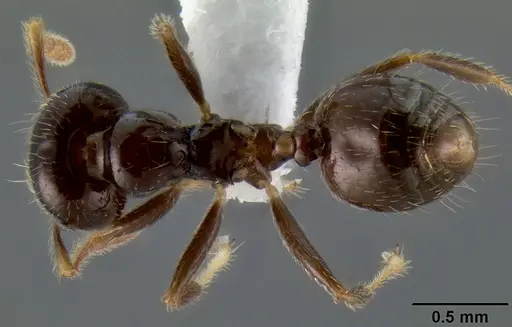
CASENT0077219
View on AntWeb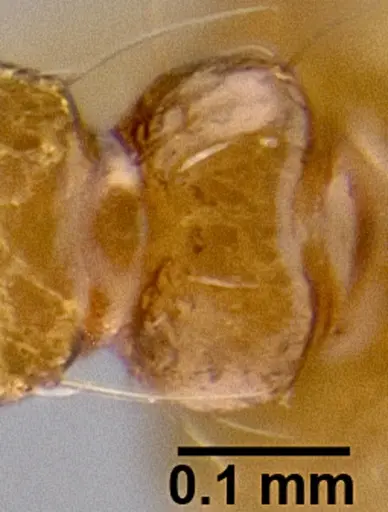
CASENT0122851
View on AntWeb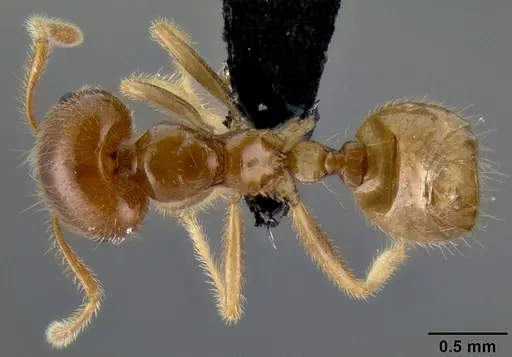
CASENT0125748
View on AntWeb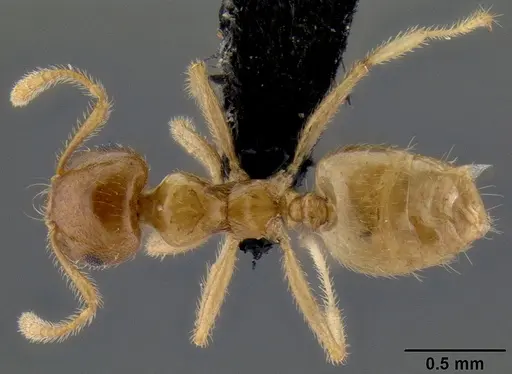
CASENT0161415
View on AntWeb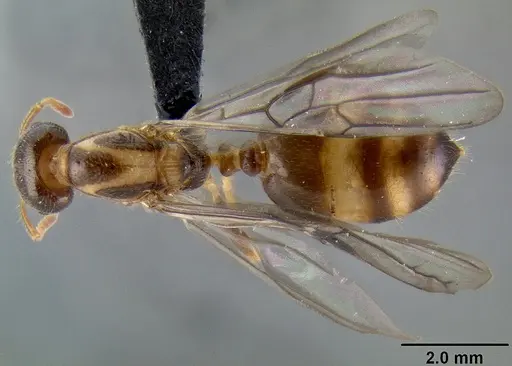
CASENT0162852
View on AntWeb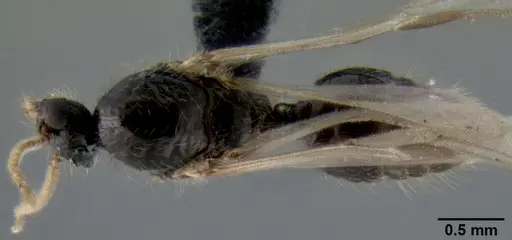
CASENT0494570
View on AntWeb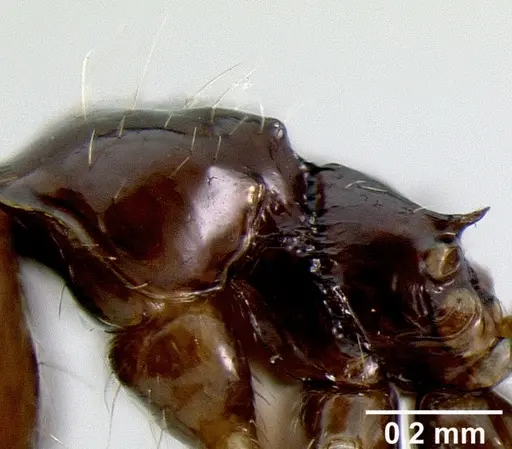
Literature
Loading distribution map...Loading products...