
Crematogaster tsisitsilo
- Sci. Name
- Crematogaster tsisitsilo
- Tribe
- Crematogastrini
- Subfamily
- Myrmicinae
- Author
- Blaimer, 2013
- Distribution
- Found in 1 countries
Introduction
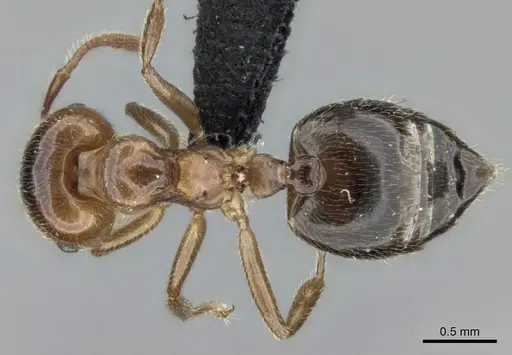
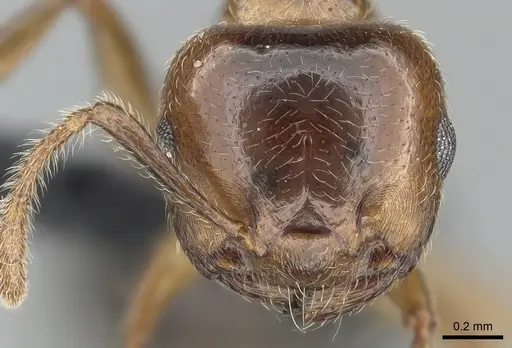
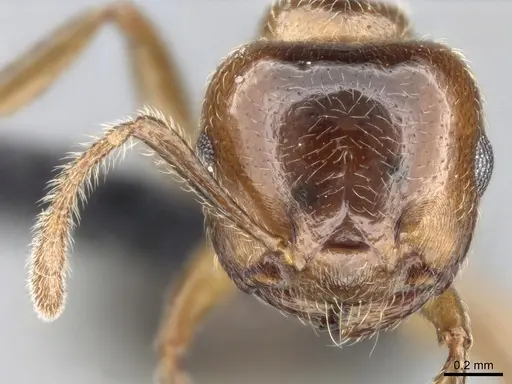
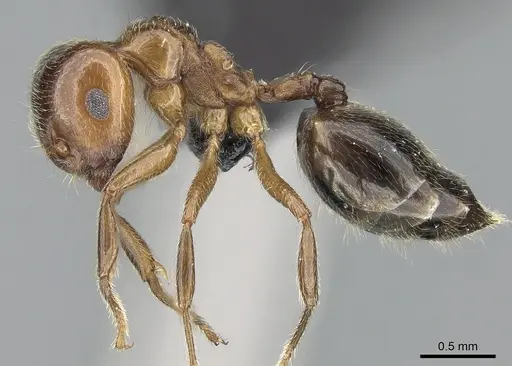
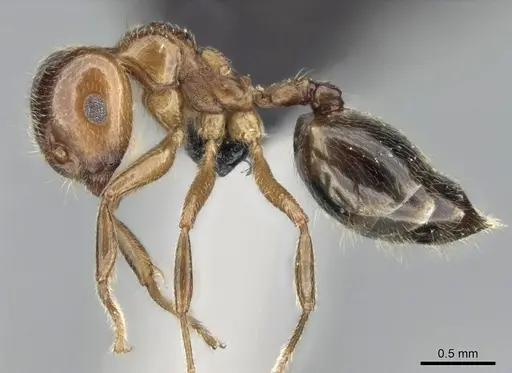
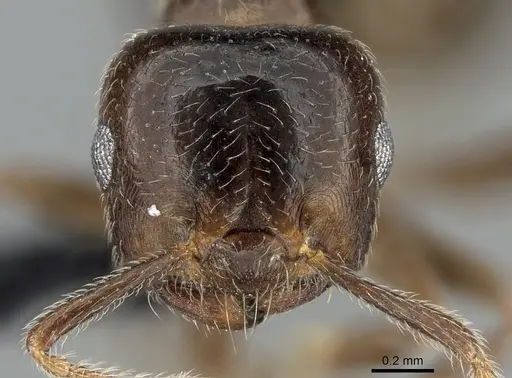
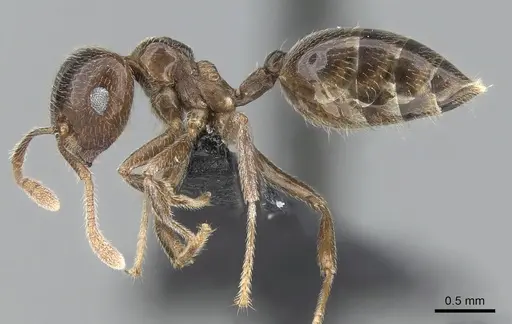
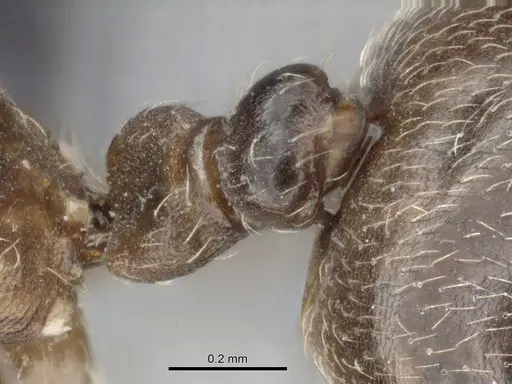
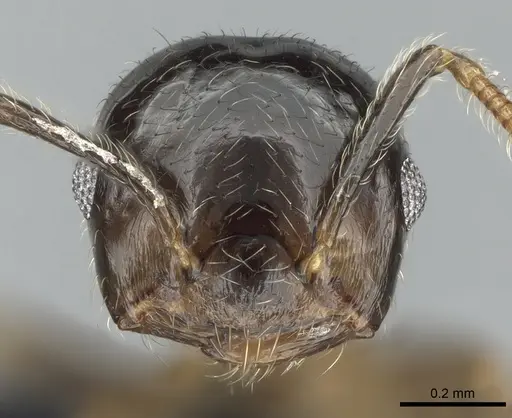
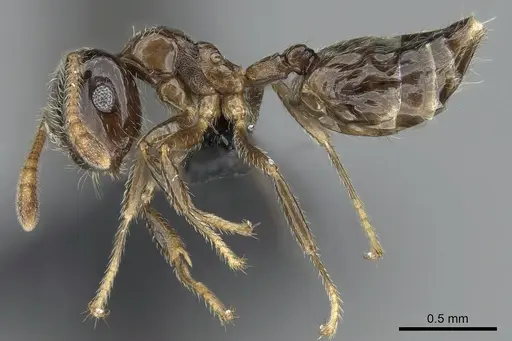
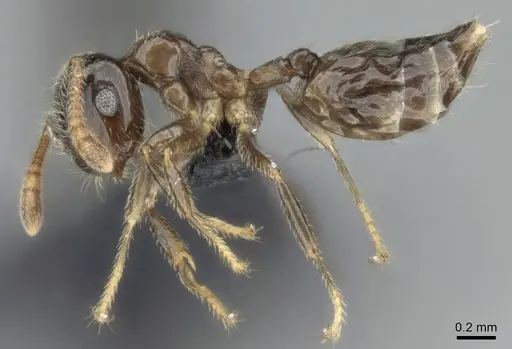
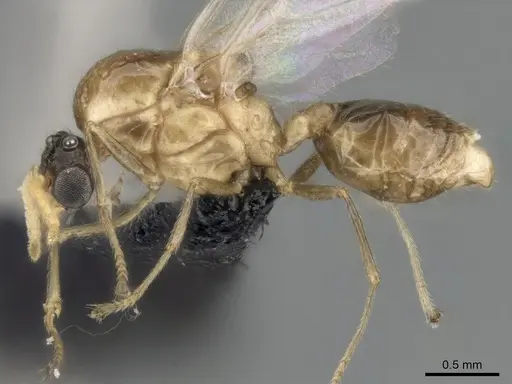
Crematogaster tsisitsilo is a small to medium-sized ant native to Madagascar. What makes this species instantly recognizable is the complete absence of propodeal spines - so unique that its name 'tsisitsilo' means 'no spines' in Malagasy . Workers vary considerably in size, with the smallest specimens found at the southern edge of their range. They inhabit dry forests in north-western Madagascar, with an isolated population in the far northern tip at Foret d'Antsahabe. One collection has been documented nesting in a carton nest, suggesting they are arboreal nesters [AntWiki]. Their coloration ranges from yellowish-brown to dark brown. As with all Crematogaster species, they have a characteristic defensive behavior - workers raise their abdomen over their head when threatened.
Quick Summary
- Difficulty: Medium
- Origin & Habitat: Dry forests in north-western Madagascar, with disjunct population in far northern tip at Foret d'Antsahabe. Found at elevations from 64m in urban gardens to forest habitats [1][2].
- Colony Type: Colony structure is unconfirmed. Most collections consist of foraging workers, limiting what we know about queen numbers and colony organization.
- Size & Growth:
- Queen: Size data unavailable, no queen measurements documented in available research
- Worker: ~2-4mm total length, inferred from Crematogaster genus patterns (worker HW 0.66-1.03mm, WL 0.62-0.98mm recorded) [1]
- Colony: Unknown, no colony size data available
- Growth: Unknown, no development data available
- Development: Unconfirmed, no direct measurements exist for this species (Development timeline has not been studied. Related Crematogaster species typically develop in several weeks at warm temperatures.)
- Antkeeping:
- Temperature: Keep around 24-28°C, Madagascar is tropical so they need warmth. A heating cable on one side of the nest creates a suitable gradient.
- Humidity: Moderate humidity. Dry forest habitat suggests they can tolerate drier conditions than rainforest species. Provide a water tube for drinking access.
- Diapause: Unlikely, being a tropical species from Madagascar, they probably do not require hibernation. However, slight temperature reduction during winter months may be beneficial.
- Nesting: Arboreal nesters, they build carton nests in trees. In captivity, a Y-tong (AAC) nest or plaster formicarium works well. Provide twigs or small branches in the outworld to simulate arboreal conditions. They prefer tight, enclosed chambers.
- Behavior: Active foragers. Like all Crematogaster species, workers raise their abdomen over their head when threatened as a defensive posture. Workers are small and can squeeze through small gaps. Escape prevention should be taken seriously, they are not among the smallest ants but can still find their way out of poorly sealed setups. They are generalists when it comes to diet, accepting both sugar and protein sources.
- Common Issues: limited availability, this is a rarely kept species with little captive breeding, no documented colony founding behavior, unknown if claustral or semi-claustral, temperature requirements are inferred, not confirmed, observe colony activity and adjust, carton nesting habit means they may struggle in standard soil-based nests, small worker size means some escape risk
Nest Preferences and Housing
Crematogaster tsisitsilo is an arboreal species that builds carton nests in trees [1]. In captivity, provide a nest that mimics this arboreal lifestyle. Y-tong (AAC) nests work well because they have smooth, enclosed chambers that these ants prefer. Plaster formicariums are another good option, just ensure the chambers are appropriately sized. Avoid naturalistic soil setups unless you add plenty of twigs and branches in the outworld to give them arboreal foraging surfaces. They do best with tight-fitting chambers rather than large open spaces. A water tube should always be available for drinking access.
Feeding and Diet
Crematogaster ants are generalist feeders. In captivity, offer a constant source of sugar water or honey, and protein sources like small crickets, mealworms, or fruit flies. They will also eat sweet liquids readily. Since this is a poorly studied species, start with standard Crematogaster foods and observe what they accept. Remove uneaten prey after 24-48 hours to prevent mold. Feed protein 2-3 times per week, and keep sugar water available at all times.
Temperature and Seasonal Care
Being from tropical Madagascar, these ants need warm conditions. Aim for 24-28°C in the nest area. A heating cable placed on top of the nest helps maintain stable temperatures. Room temperature may suffice if your home stays in this range, but a small heat gradient is ideal. Unlike temperate species, they likely do not need a true hibernation period. However, a slight reduction to around 22°C during winter months may simulate natural seasonal changes and could benefit colony health. [1]
Behavior and Temperament
Like all Crematogaster species, workers have a characteristic defensive behavior, they raise their abdomen over their head when threatened. They are active foragers and will explore their outworld thoroughly for food. Workers are small but not tiny, so moderate escape prevention is needed, standard formicarium lids and barrier gel should suffice. They are not particularly aggressive toward keepers but will defend their nest if disturbed. Observe their activity levels as a guide, if workers are clustering near heat sources, increase temperature slightly, if they seem sluggish, check that temperatures are adequate.
Frequently Asked Questions
How long does it take for Crematogaster tsisitsilo to produce first workers?
The egg-to-worker timeline is unconfirmed for this species. No direct measurements exist, development time has not been studied.
Can I keep Crematogaster tsisitsilo in a test tube?
Test tubes can work for founding colonies, but these ants are arboreal and prefer enclosed chambers. A Y-tong or plaster nest is more appropriate for established colonies. For founding, use a test tube with a water reservoir and keep it in a warm, dark location.
Do Crematogaster tsisitsilo ants sting?
Crematogaster ants have a characteristic defensive behavior, they raise their abdomen over their head as a defensive posture, but they do not have a painful sting. They are not considered dangerous to humans.
What do Crematogaster tsisitsilo eat?
They are generalist feeders. Offer sugar water or honey constantly, and protein sources like small crickets, mealworms, or fruit flies 2-3 times per week. Remove uneaten prey promptly.
Are Crematogaster tsisitsilo good for beginners?
This species is rated Medium difficulty. While not the hardest ant to keep, it is rarely available and we know little about its captive requirements. It is better suited for intermediate antkeepers who can experiment with conditions and observe colony responses.
Do Crematogaster tsisitsilo need hibernation?
No, being a tropical species from Madagascar, they do not require hibernation. Slight temperature reduction in winter may be beneficial but is not necessary.
How big do Crematogaster tsisitsilo colonies get?
Colony size is unknown, no data exists on maximum colony size for this species.
When should I move my colony to a formicarium?
Move to a proper nest (Y-tong or plaster) when the colony reaches around 20-30 workers and outgrows the test tube. Ensure the new nest has appropriately sized chambers for their small worker size.
Can I keep multiple Crematogaster tsisitsilo queens together?
Colony structure is unconfirmed for this species. Combining unrelated queens is not recommended since we do not know if they are monogyne or polygyne.
Why are my Crematogaster tsisitsilo dying?
Common causes include: temperature too low, humidity wrong (too dry or waterlogged), poor escape prevention, or stress from disturbance. Review each parameter and adjust gradually. Also ensure you are not overfeeding, which causes mold.
Report an Issue
The current care sheet is based fully on literature. See inconsistencies, or something that's incorrect? Please , it will be resolved after review from an admin. Contributing to the blogs tab also helps providing information, to make us be able to further improve the caresheets. Thank you for your support!
References

This caresheet is licensed under CC BY-SA 4.0 .
Community Blogs
CASENT0049488
View on AntWeb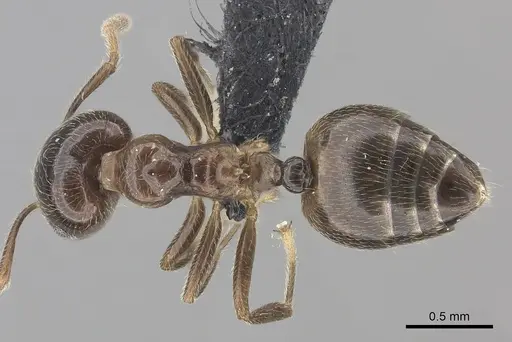
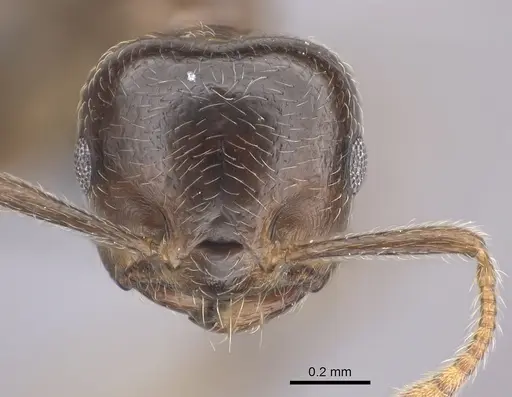
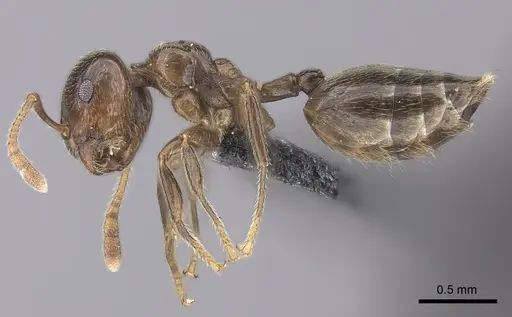
CASENT0120279
View on AntWeb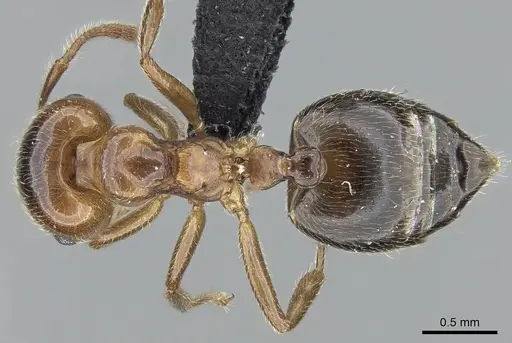
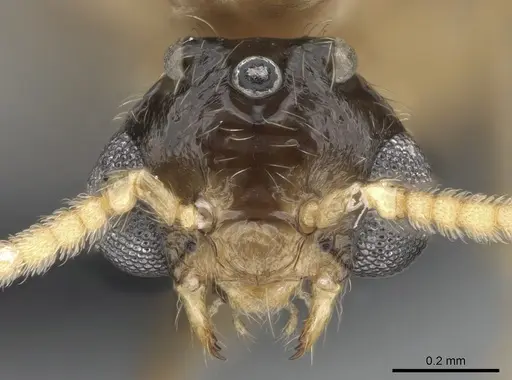
CASENT0317686
View on AntWeb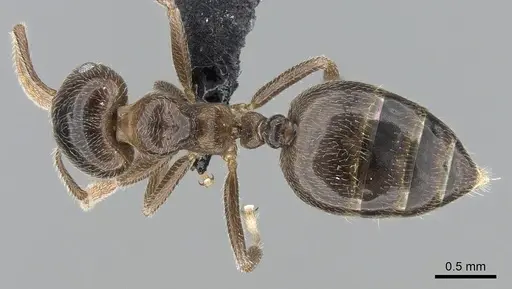
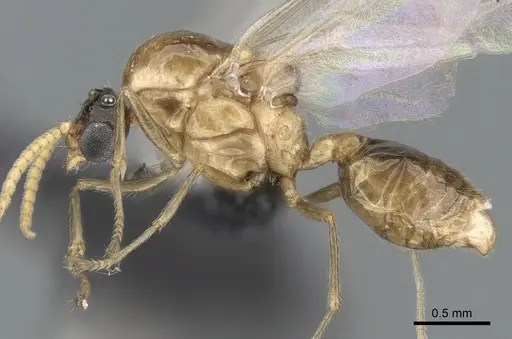
CASENT0317689
View on AntWeb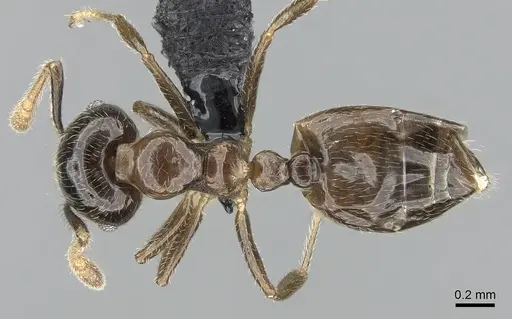
CASENT0317695
View on AntWeb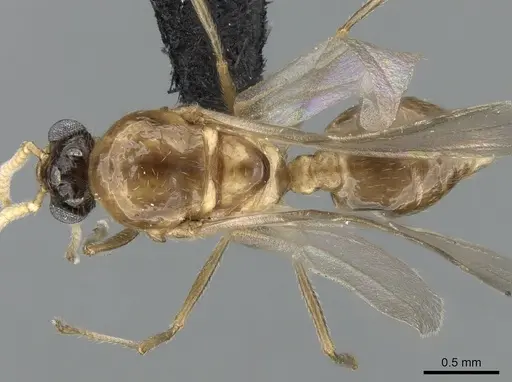
Literature
Loading distribution map...Loading products...