
Crematogaster tenuicula
- Sci. Name
- Crematogaster tenuicula
- Subgenus
- Orthocrema
- Tribe
- Crematogastrini
- Subfamily
- Myrmicinae
- Author
- Forel, 1904
- Distribution
- Found in 6 countries
Introduction
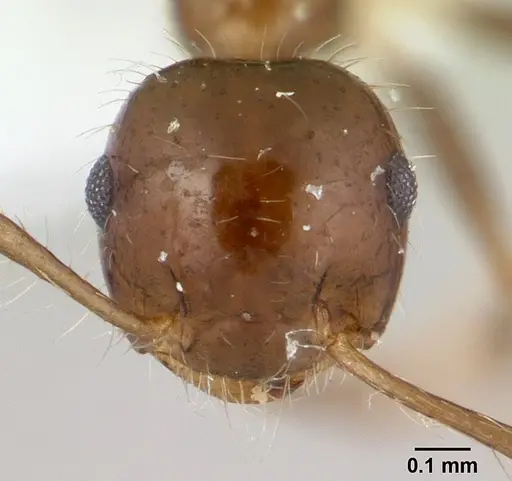
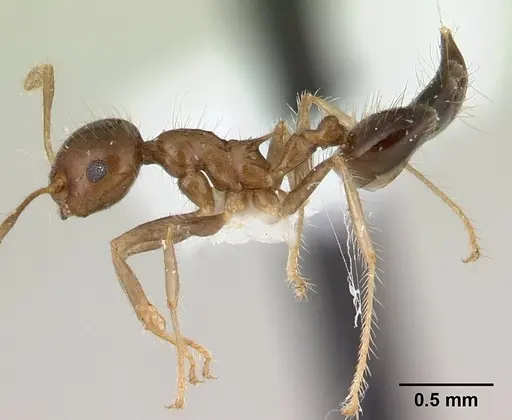
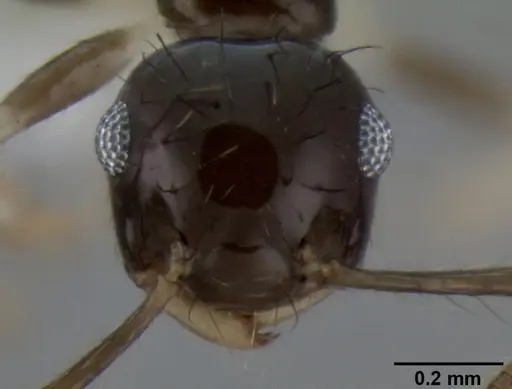
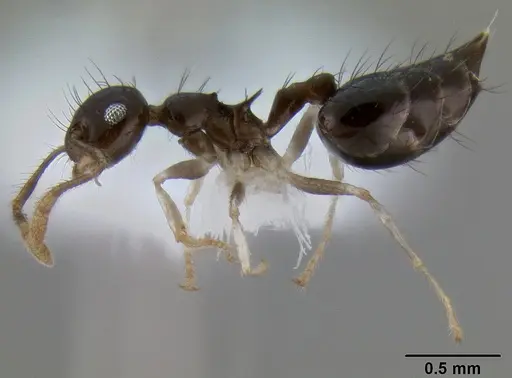
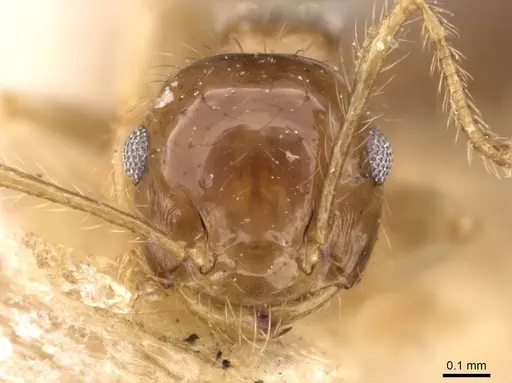
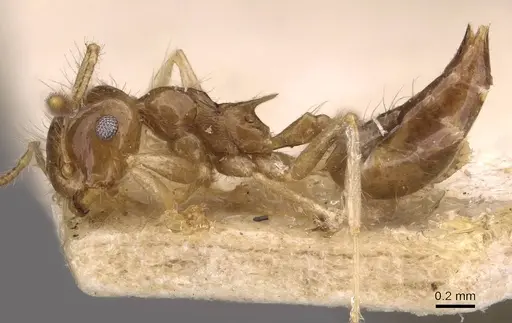
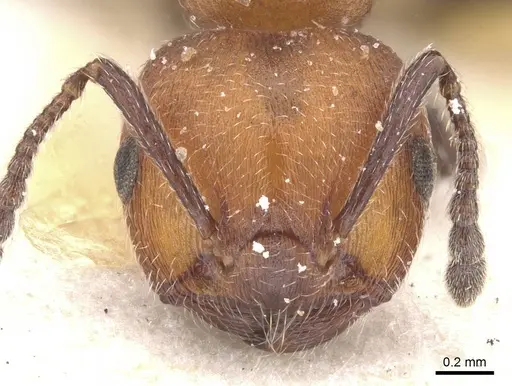
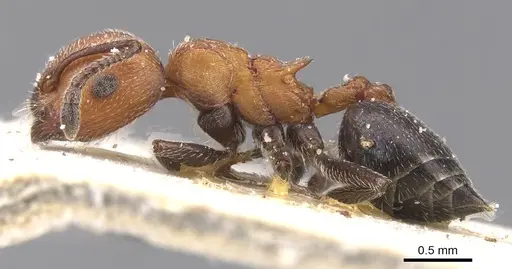
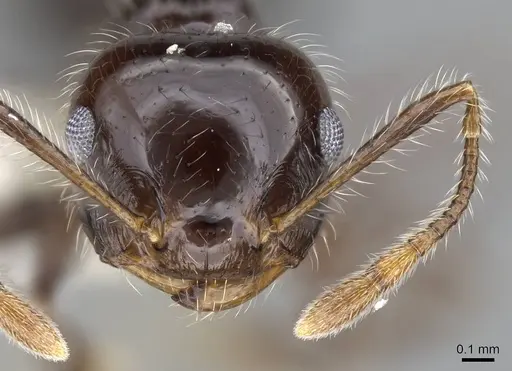
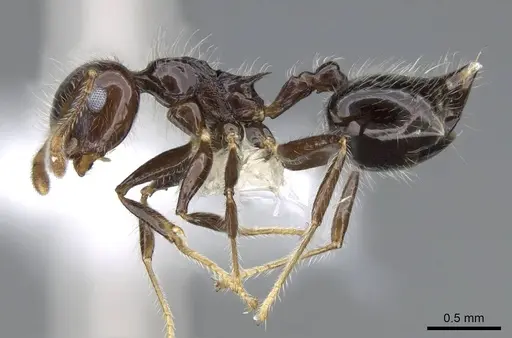
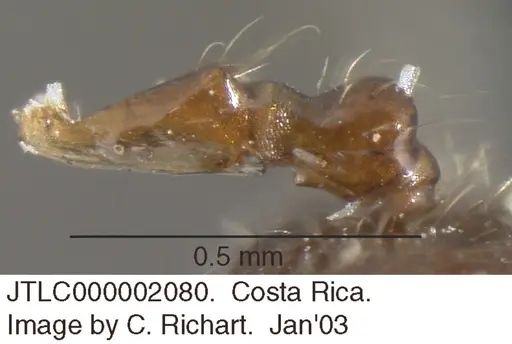
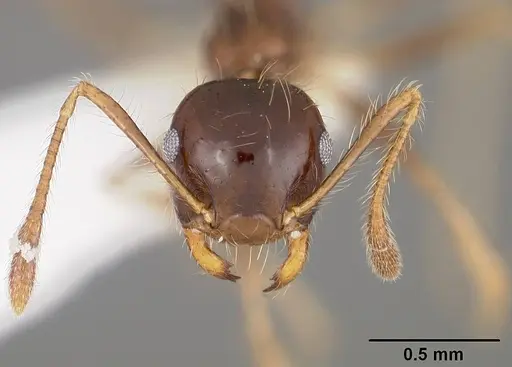
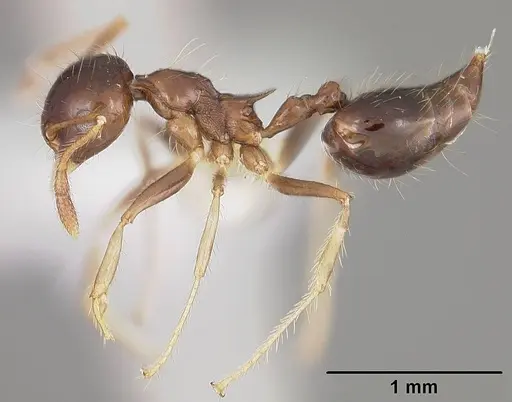
Crematogaster tenuicula is a small Neotropical ant species native from Costa Rica through the Amazon basin to Bolivia. Workers measure approximately 2.6mm and display variable coloration from pale yellow-brown to dark reddish-brown, with a smooth and shiny body covered in abundant long erect hairs. They are easily recognized by their triangular petiole which lacks an anteroventral tooth, and their postpetiole which has a distinct ventral tooth . Queens are bicolored with a red head, mesosoma, petiole, and postpetiole contrasting against a black gaster . This species is one of the most dominant ants in Amazonian forests, forming polydomous colonies that can spread across 30 meters or more using multiple independent nesting sites . Workers build distinctive carton pavilions on low vegetation to house honeydew-producing insects they tend, and they aggressively defend these honeydew sources from other ants. They are strictly arboreal, foraging day and night on vegetation and visiting extrafloral nectaries . Their ability to coexist with aggressive fire ants (Solenopsis saevissima) thanks to their cuticular compounds makes them particularly interesting .
Quick Summary
- Difficulty: Medium
- Origin & Habitat: Lowland wet forests from Costa Rica to Amazonian Brazil and Bolivia, including Colombia, Ecuador, French Guiana, Guyana, Panama, Peru, and Venezuela. Common in mature forest and second-growth vegetation, particularly on the Osa Peninsula in Costa Rica [1][2].
- Colony Type: Polygynous (multiple queens per colony) and polydomous (multiple nesting sites). Colonies can have up to 6 queens in a single twig, with spatial segregation of workers, reproductives, and brood across different nest chambers [5][1].
- Size & Growth:
- Queen: Size data unavailable, no specific measurements documented [1]
- Worker: Approximately 2.6mm [6]
- Colony: Small colonies, polydomous colonies spread across multiple nesting sites [3][4]
- Growth: Moderate
- Development: Unknown, specific development times are not documented for this species (Tropical ant species typically develop faster than temperate species, but exact timing for C. tenuicula is unconfirmed.)
- Antkeeping:
- Temperature: Keep warm, this is a lowland tropical species from warm, humid Amazonian and Central American forests. Room temperature within typical indoor range (22-26°C) is suitable [1].
- Humidity: High humidity required, native to lowland wet forests. Keep nest substrate consistently moist but not waterlogged. Mist occasionally and ensure good ventilation [1].
- Diapause: No, this is a tropical species that does not require hibernation. Maintain warm conditions year-round [1].
- Nesting: Arboreal nester, in nature they build carton pavilions on vegetation and nest in small twigs, dead leaves, and tree hollows. In captivity, provide Y-tong (AAC) nests or plaster nests with small chambers. Add small twigs or cork bark pieces for natural nesting options. They prefer tight, enclosed spaces scaled to their small size [1][5].
- Behavior: Crematogaster tenuicula is a dominant, aggressive ant species with efficient recruitment. When threatened, workers aggregate around the intruder, raise and shake their gasters, and exude venom droplets [3]. They are strictly arboreal and forage on low vegetation day and night. They form polydomous colonies with multiple nesting sites connected by chemical trails. Their small size means they can escape through tiny gaps, excellent escape prevention is essential [6]. They are highly attracted to sugar sources and protein baits.
- Common Issues: escape prevention is critical, their small 2.6mm size means they can squeeze through standard barrier gaps, polydomous colony structure can make it difficult to locate all nest sites and brood in captivity, aggressive behavior toward other ant species may lead to territorial conflicts if housed near other colonies, strictly arboreal, they do poorly in ground-based setups and need vertical space for nesting, small colony size means slower population growth compared to larger ant species
Nest Preferences
Crematogaster tenuicula is strictly arboreal, nesting in small twigs, dead rolled-up leaves, and hollow spaces in vegetation. In the wild, workers build distinctive carton pavilions on low vegetation that house honeydew-producing Homoptera (scale insects and treehoppers). These pavilions never contain brood, the actual colony is dispersed across multiple disconnected nesting sites [1]. Colonies show spatial segregation where different life stages occupy different chambers: workers and Homoptera in carton pavilions, workers only in some chambers, winged reproductives in others, and brood in yet other locations. This polydomous structure means you may not find a central nest with all castes [1]. In captivity, provide Y-tong or plaster nests with chambers scaled to their small size. Adding small twigs or cork bark pieces gives them natural nesting options. They prefer tight, enclosed spaces over open areas.
Feeding and Diet
These ants are generalist scavengers with a strong preference for sugar. In the wild, they tend honeydew-producing insects (scale bugs and treehoppers) under their carton pavilions, visiting extrafloral nectaries, and scavenging small dead arthropods [1]. They are highly attracted to sugar solutions and dead insect baits. Workers recruit efficiently to protein resources with a speed of 3.7 ant.seconds⁻¹ [6]. In captivity, offer sugar water or honey constantly as a carbohydrate source. For protein, provide small insects like fruit flies, small mealworms, or cricket pieces. They are primarily nocturnal foragers but also active during the day [1]. Feed protein 2-3 times per week and keep sugar water available at all times. Remove uneaten prey after 24-48 hours to prevent mold.
Temperature and Care
As a lowland tropical species from Costa Rica and the Amazon basin, Crematogaster tenuicula requires warm, humid conditions year-round. Keep temperatures in the 22-26°C range, standard room temperature often falls within this range. If your room is cooler, use a heating cable on one side of the nest to create a gentle gradient. Place the heating on top of the nest to avoid evaporating moisture. This species does NOT require hibernation or any cool period [1]. Maintain high humidity by keeping the nest substrate moist and providing a water tube. Mist occasionally and ensure good ventilation to prevent mold while maintaining humidity. Being strictly arboreal, they do better in setups with vertical space and climbing surfaces rather than ground-based formicariums.
Behavior and Colony Structure
This species forms polygynous (multiple-queen) and polydomous (multi-site) colonies, one of the most dominant ant species in Amazonian forests. Colonies can spread across 30 meters or more in the wild, with different nest chambers housing different life stages [3]. Workers are aggressive defenders: when threatened, they aggregate around the intruder, raise and shake their gasters, and exude venom droplets [3]. They efficiently recruit nestmates to food sources. Remarkably, they can coexist with aggressive fire ants (Solenopsis saevissima) within 3 meters of fire ant nests thanks to their cuticular compounds that don't trigger fire ant aggression [4]. Workers are strictly arboreal, foraging on vegetation rather than the ground. They are active both day and night.
Escape Prevention
With workers measuring approximately 2.6mm, escape prevention is critical. These tiny ants can squeeze through gaps that seem insignificant. Use fine mesh barriers (at least 0.5mm mesh or tighter), and ensure all lid connections are tight-fitting. Apply fluon or similar barrier gels to the edges of any opening. Check for gaps around tubing connections and any seams in nests. Their small size combined with their arboreal nature means they are constantly exploring for new routes. Even with excellent barriers, provide an outworld with smooth, high walls to prevent climbing out. Never assume a standard ant setup is escape-proof for this species. [6][1]
Frequently Asked Questions
How long does it take for Crematogaster tenuicula to produce first workers?
Specific development times are not documented for this species. Tropical ant species typically develop faster than temperate species, but exact timing for C. tenuicula is unknown. Monitor your colony regularly and maintain warm, humid conditions to support development.
Can I keep multiple Crematogaster tenuicula queens together?
Yes, this is a polygynous species, meaning colonies naturally have multiple queens. In the wild, up to 6 queens have been found in a single twig nest [5]. You can introduce multiple founding queens together, though some may eventually be rejected. The colony structure naturally accommodates multiple egg-laying queens.
Do Crematogaster tenuicula ants sting?
Crematogaster ants have a stinger but are too small to penetrate human skin effectively. When threatened, they more commonly use their defensive behavior of raising and shaking their gaster and exuding venom droplets rather than stinging [3]. The venom is primarily effective against other insects and serves as a chemical deterrent.
What do Crematogaster tenuicula eat?
They are generalist scavengers with a strong sweet tooth. Offer sugar water or honey constantly as a carbohydrate source. For protein, provide small insects like fruit flies, small mealworms, or cricket pieces. They are highly attracted to both sugar solutions and dead insects in the wild [1].
Are Crematogaster tenuicula good for beginners?
This species is rated as Medium difficulty. While they are fascinating to watch and have interesting behaviors (polydomous colonies, carton pavilion building, honeydew farming), their small size makes escape prevention challenging. They also require warm, humid tropical conditions year-round without hibernation. If you're new to antkeeping, you may want to start with a larger, more forgiving species first.
Do Crematogaster tenuicula need hibernation?
No, this is a tropical species from lowland wet forests in Costa Rica and the Amazon. They do not require any cool period or hibernation. Maintain warm, humid conditions year-round [1].
Why are my Crematogaster tenuicula dying?
Common causes include: escape (their small size means they can slip through tiny gaps), low humidity (they need moist substrate), temperatures below 22°C (tropical species need warmth), or insufficient sugar/protein in their diet. Also check for mold in the nest, which can be fatal. They are strictly arboreal, ensure they have proper vertical nesting space.
When should I move Crematogaster tenuicula to a formicarium?
Move them when the colony reaches 20-30 workers and the founding test tube becomes crowded. They prefer small, tight chambers scaled to their tiny size. A Y-tong or plaster nest works well. Add some small twigs or cork bark pieces to simulate their natural twig-nesting habitat.
How big do Crematogaster tenuicula colonies get?
Colonies are small to moderate in size but spread across multiple nesting sites (polydomous). Each individual nest site typically contains fewer workers than a monodomous colony, but the overall colony can cover 30 meters or more in the wild [3]. In captivity, expect moderate-sized colonies spread across multiple connected nest chambers.
What makes Crematogaster tenuicula different from other Crematogaster?
This species is one of the most dominant ants in Amazonian forests, forming polydomous colonies that can span 30 meters. They build distinctive carton pavilions to house honeydew-producing insects they tend, a behavior rarely seen in captivity. Their ability to coexist with aggressive fire ants thanks to special cuticular compounds is unique [4]. They are strictly arboreal, unlike many Crematogaster that forage on the ground.
Why does my Crematogaster tenuicula colony have no brood?
This is normal behavior. In the wild, this species exhibits spatial segregation where different life stages are housed in different nest chambers, workers and Homoptera in carton pavilions (no brood), workers only in some chambers, winged reproductives in others, and brood in yet other locations [1]. You may have brood in some chambers but not others. Don't assume the colony is failing if you don't see all castes in one location.
Report an Issue
The current care sheet is based fully on literature. See inconsistencies, or something that's incorrect? Please , it will be resolved after review from an admin. Contributing to the blogs tab also helps providing information, to make us be able to further improve the caresheets. Thank you for your support!
References

This caresheet is licensed under CC BY-SA 4.0 .
Community Blogs
CASENT0179465
View on AntWeb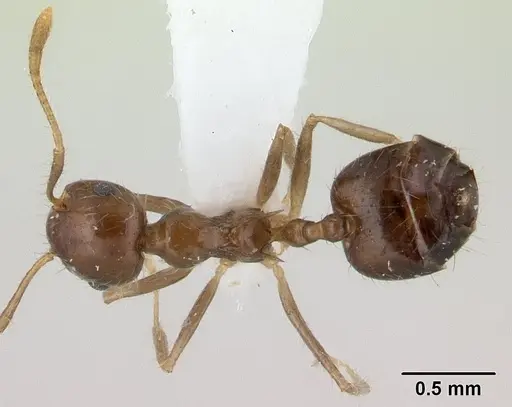
CASENT0193774
View on AntWeb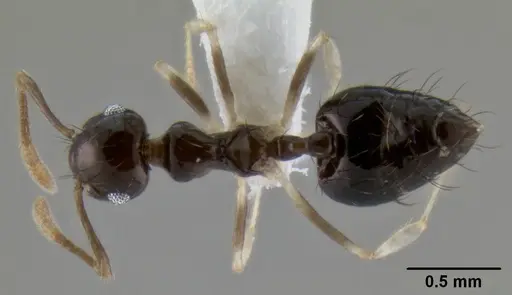
CASENT0908438
View on AntWeb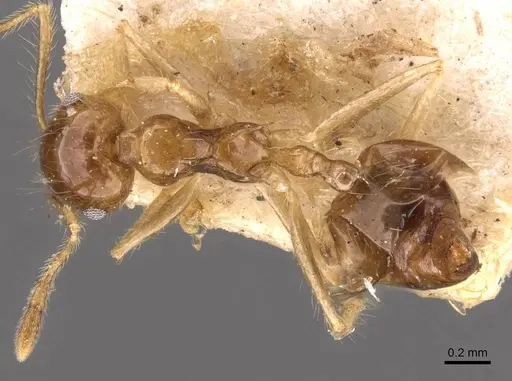
CASENT0912705
View on AntWeb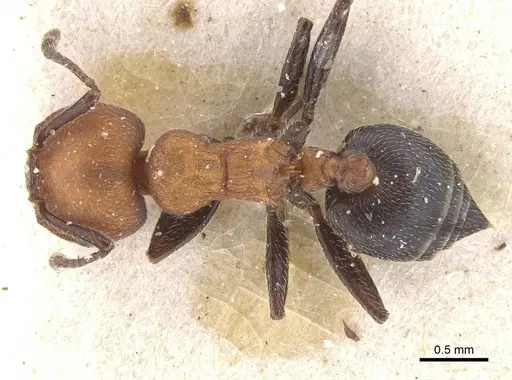
CASENT0914555
View on AntWeb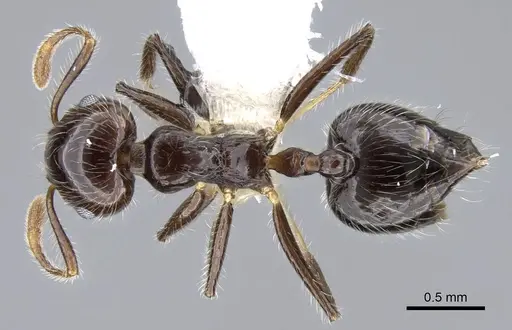
CASENT0914648
View on AntWeb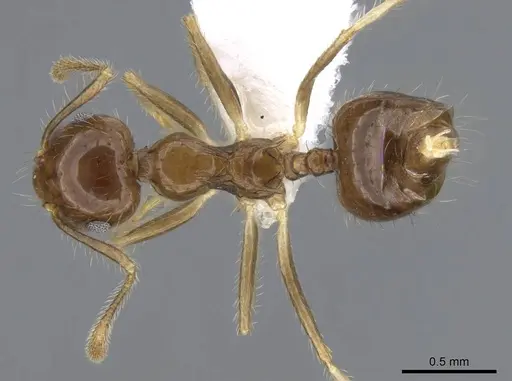
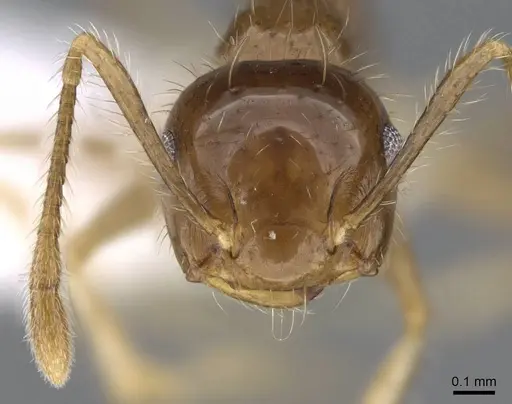
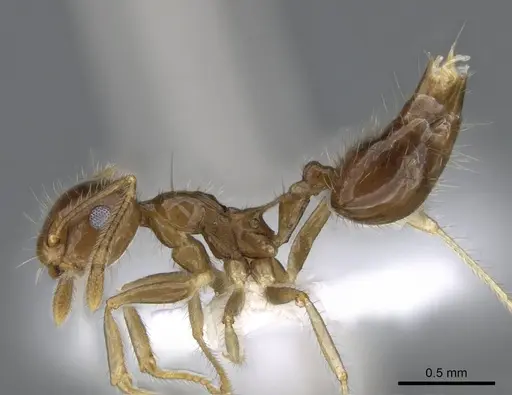
ECOFOG-MI15-0133-16
View on AntWeb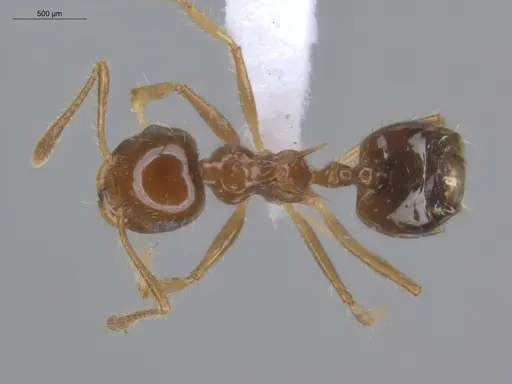
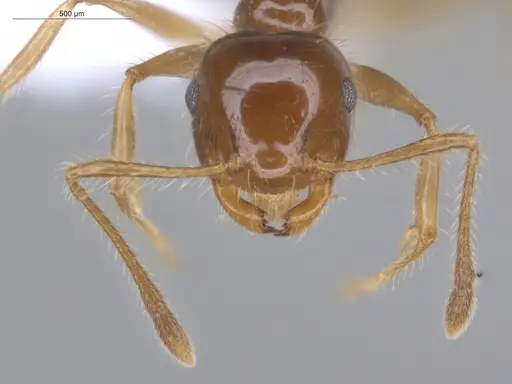
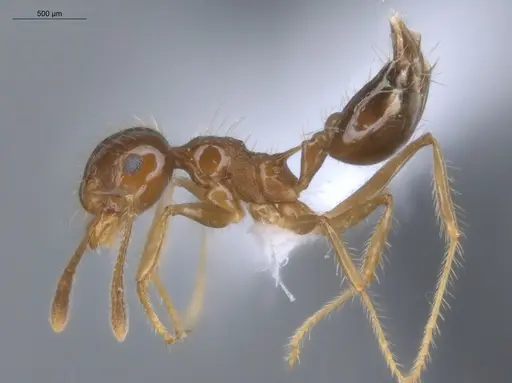
INBIOCRI002280506
View on AntWeb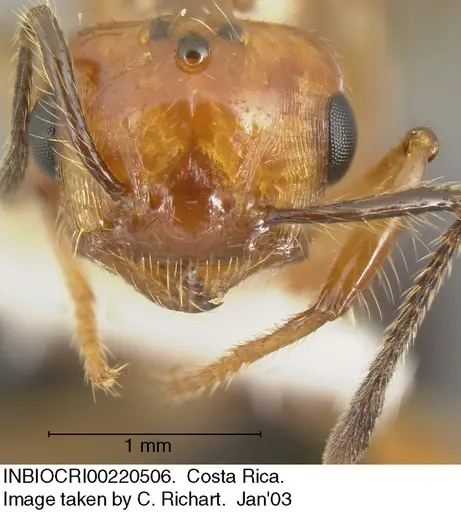
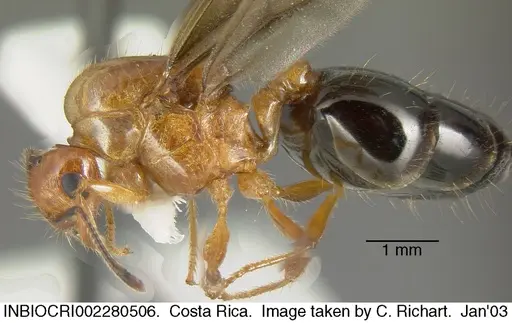
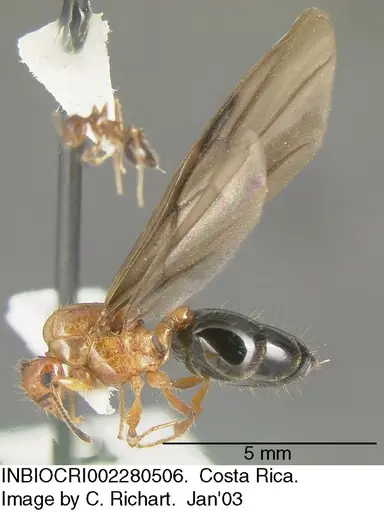
INBIOCRI002280507
View on AntWeb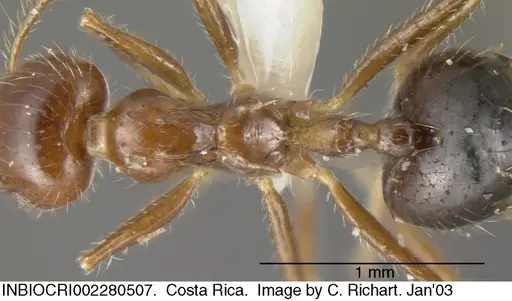
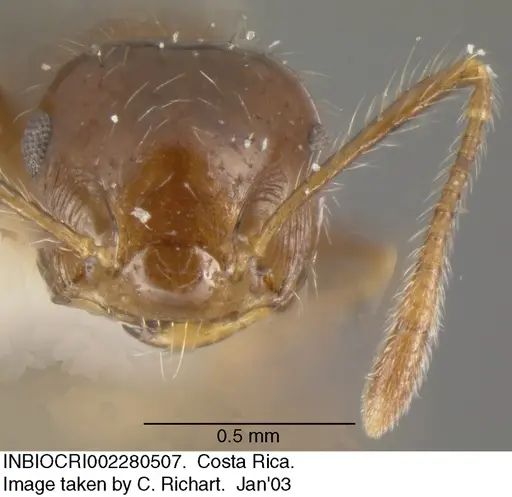
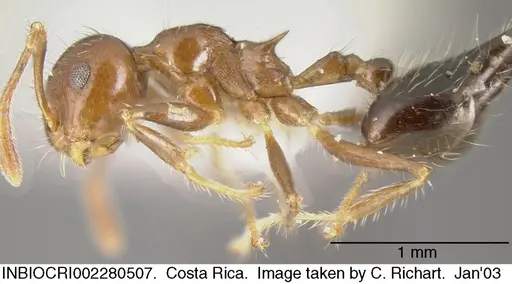
JTLC000002080
View on AntWeb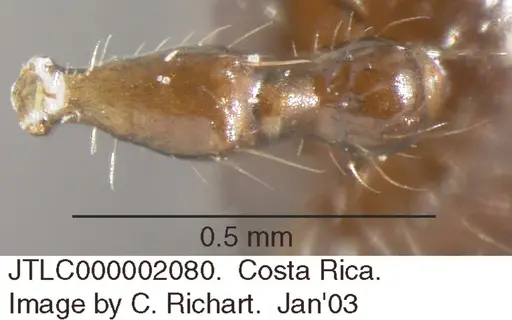
USNMENT00441377
View on AntWeb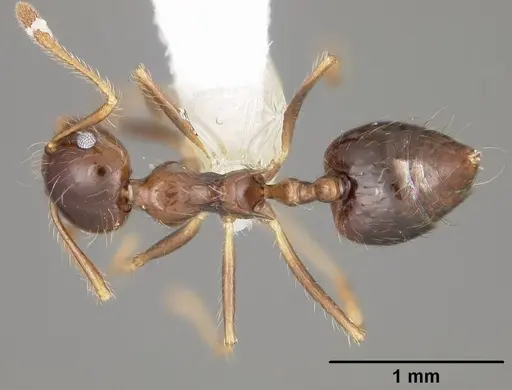
Literature
Loading distribution map...Loading products...