
Crematogaster subdentata
- Sci. Name
- Crematogaster subdentata
- Tribe
- Crematogastrini
- Subfamily
- Myrmicinae
- Author
- Mayr, 1877
- Distribution
- Found in 7 countries
Introduction
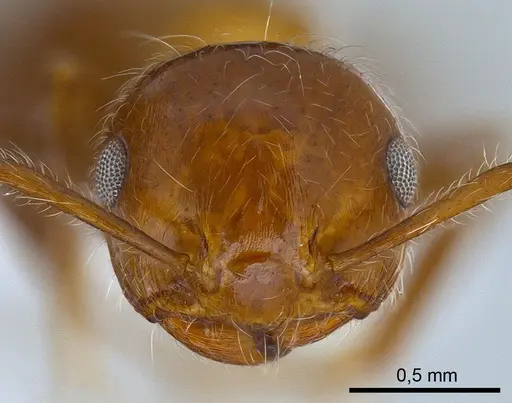
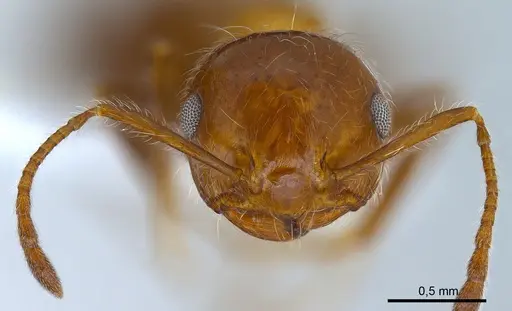
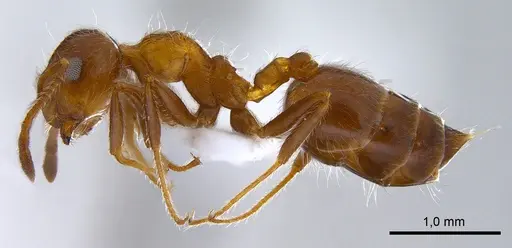
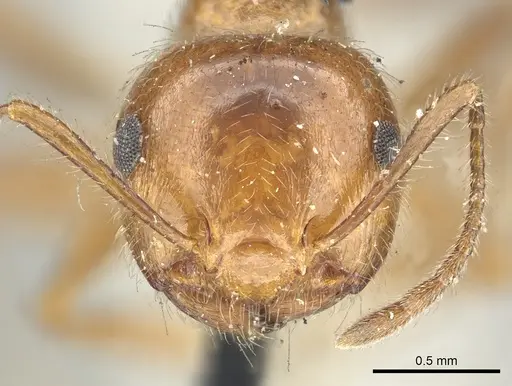
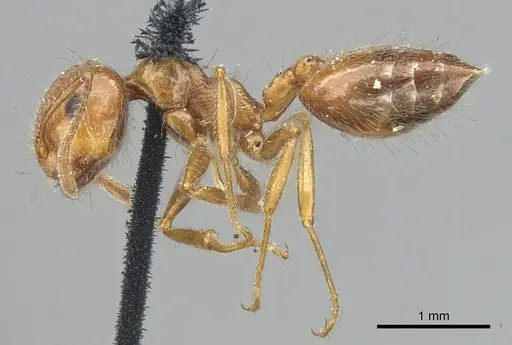
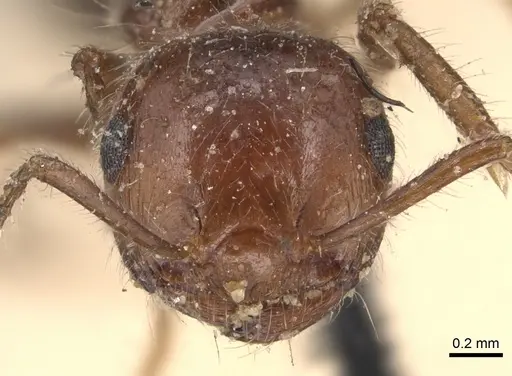
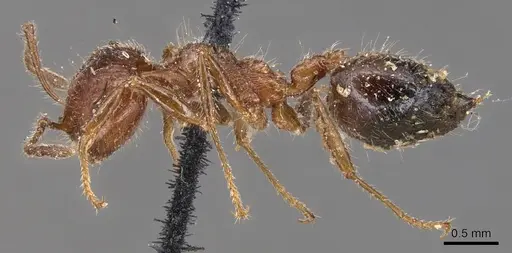
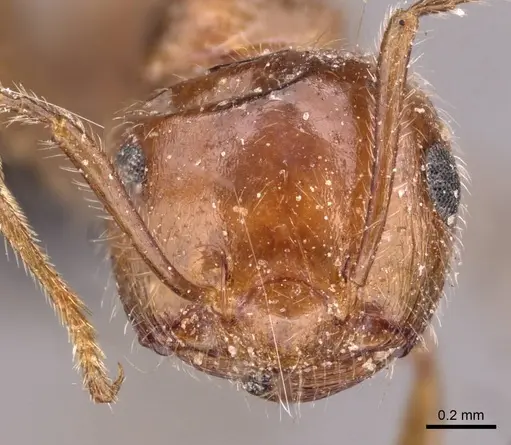
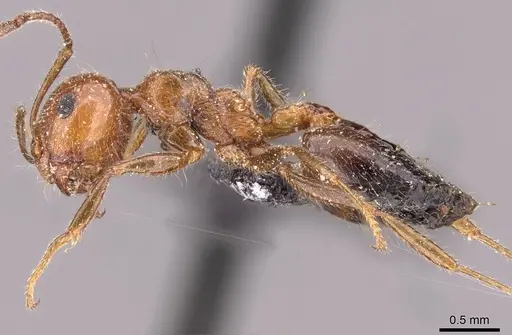
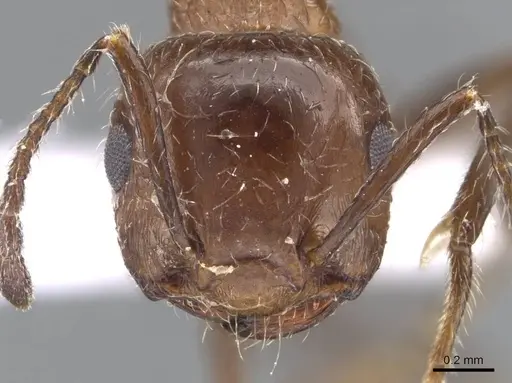
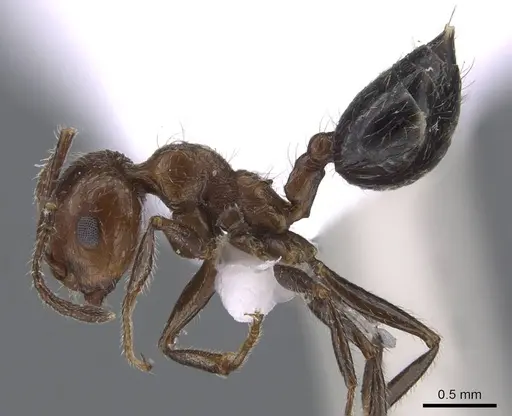
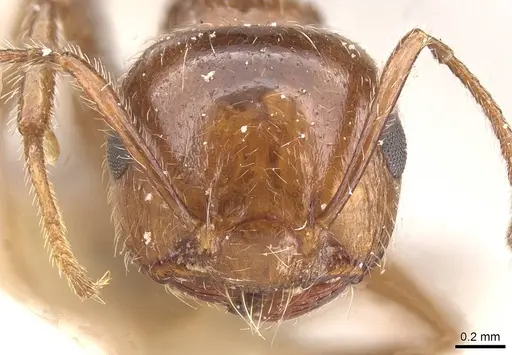
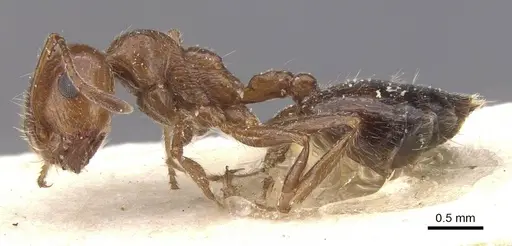
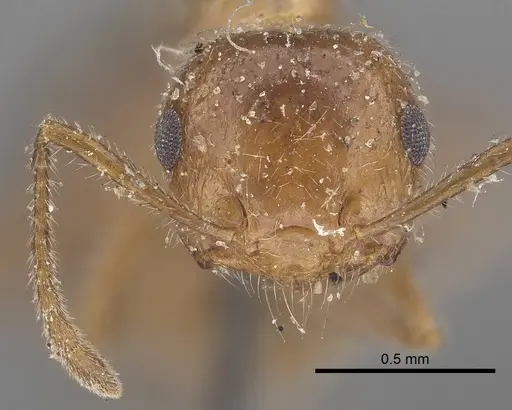
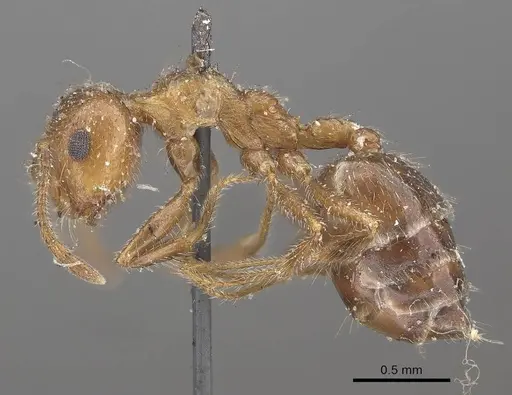
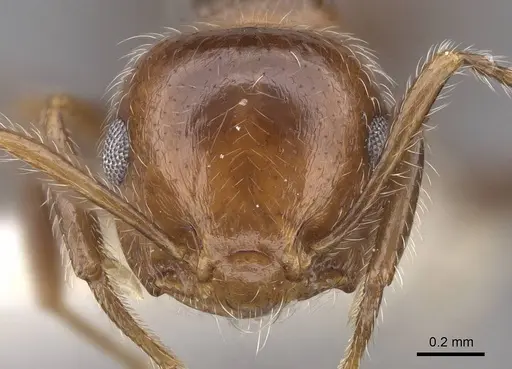
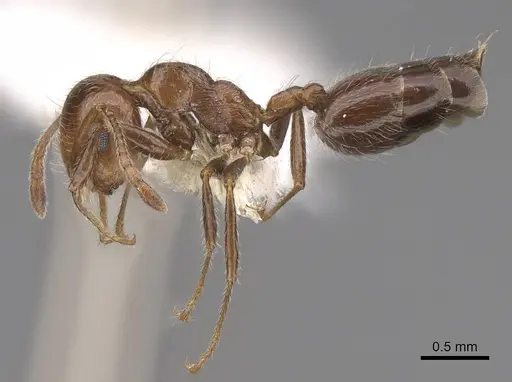
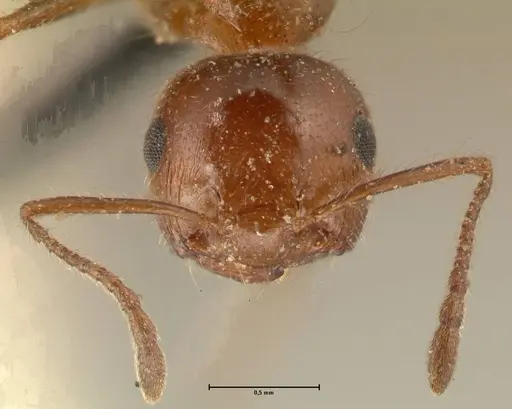
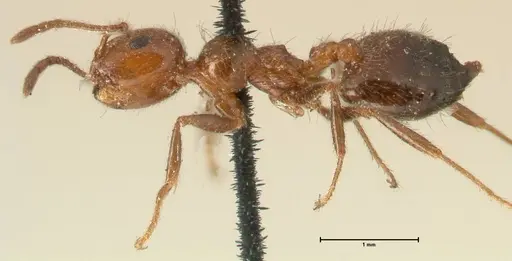
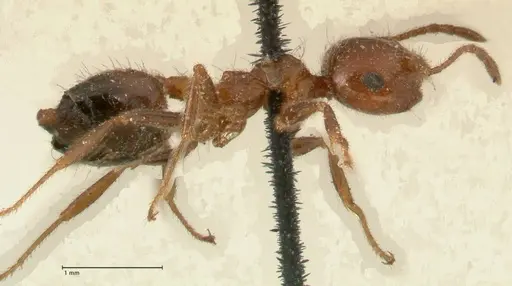
Crematogaster subdentata is a small myrmicine ant native to Central Asia, with workers measuring 2.9-3.3 mm . It inhabits desert areas with saxaul vegetation and oases, and has invaded urban regions like Crimea and Rostov-on-Don . These ants are arboreal, nesting in dead wood, under bark, and in wooden structures. They are known for their defensive behavior of raising the gaster over the head and applying venom topically rather than injecting it .
Quick Summary
- Difficulty: Expert
- Origin & Habitat: Native to Central Asia (Turkmenistan, Uzbekistan, Kyrgyzstan, Kazakhstan, Iran, Afghanistan, western China, Mongolia) in desert and oasis habitats [2][3]. Invaded Crimea, southern Ukraine, and Rostov-on-Don in Russia [2]. Found in parkland and trees in moderate rainfall areas of Iran [4].
- Colony Type: Varies: typically monogyne (single queen) in natural desert habitats, but can form polygynous (multiple queen) supercolonies in urban environments [2].
- Size & Growth:
- Queen: Size data unavailable, inferred from Crematogaster genus (~5-7 mm)
- Worker: 2.9-3.3 mm [1]
- Colony: Up to 200 workers in native habitats, supercolonies can contain millions of workers [2]
- Growth: Fast, based on invasive potential [2]
- Development: Unknown, no specific data available for this species (Development time may vary with temperature)
- Antkeeping:
- Temperature: Keep between 22-28°C, inferred from their distribution in varied climates [2][3]
- Humidity: Provide a humidity gradient, mostly dry nest chamber with one small moist area, as they tolerate dry conditions [3]
- Diapause: No, they remain active year-round in heated environments [2]
- Nesting: Arboreal, prefer wood-based nests like Y-tong or plaster with vertical space [3][2]
- Behavior: Highly active and aggressive toward other ant species. Workers defend foraging areas vigorously and are excellent climbers. They raise the gaster in a defensive display and apply venom topically with a blunt stinger [2]. Escape risk is moderate due to small size, use fine barriers.
- Common Issues: colonies can become extremely populous quickly, be prepared for exponential growth, invasive species, never release in non-native areas to prevent ecological damage, small size increases escape risk, ensure barriers are fine enough, multiple queens may fight if introduced, introduce gradually or expect natural hierarchy
Housing and Nest Preferences
Crematogaster subdentata is arboreal and naturally nests in dead wood, under tree bark, and in woody debris [3]. In captivity, use wood-based or Y-tong nests with vertical space for their small workers [2]. Provide an outworld connected to the nest for foraging trails. Avoid soil-based setups and ensure humidity gradient with a water tube [3].
Feeding and Diet
These ants are trophobionts with a strong mutualistic relationship with aphids, feeding on honeydew [5][3]. In captivity, offer constant sugar sources like diluted syrup and protein 2-3 times per week from small insects [3]. They store dried aphids in nest chambers for lean periods [3].
Temperature and Seasonal Care
Keep temperatures between 22-28°C for optimal activity, inferred from their success in deserts and temperate invaded areas [2][3]. They do not require diapause and remain active in heated environments [2]. In cooler conditions, activity may slow but they recover quickly when warmed.
Colony Structure and Behavior
Colony structure varies: in native Kyzylkum desert, colonies are monogyne with up to 200 workers, in urban areas, they form polygynous supercolonies with hundreds of nests and millions of workers [2]. Workers are aggressive toward other ant species and dominate resources through superior numbers and painful bites [2].
Defense and Handling
When threatened, workers raise the gaster over the head in a scorpion-like display. Their sting has a blunt tip and they apply venom topically by wiping it on victims [2]. They also bite painfully and can release formic acid. Handle with caution due to aggressive nature and small size [2].
Invasive Potential and Legal Considerations
This species is invasive, spreading from Central Asia to Crimea and Rostov-on-Don, forming supercolonies that displace native ants [2][6]. WARNING: Never release in non-native areas like North America or Europe. Check local regulations before keeping, some areas restrict invasive species [2].
Frequently Asked Questions
Can I keep Crematogaster subdentata in a test tube?
Test tubes work for founding, but move to a wood-based nest once the colony reaches 20-30 workers due to their arboreal nature and rapid growth [2].
How long does it take for first workers to appear?
Unknown, no specific data available for this species. Development time may vary with temperature.
Will multiple queens live together in one colony?
Yes, in urban or captive conditions, they readily form polygynous structures [2]. Queens may initially fight but typically establish hierarchies.
Do Crematogaster subdentata ants sting?
They have a sting but use it topically due to a blunt tip, wiping venom on victims [2]. They also bite painfully.
Are Crematogaster subdentata good for beginners?
No, difficulty is Expert due to invasive potential, rapid growth, and aggressive behavior. Not recommended for beginners [2].
What do Crematogaster subdentata eat?
Omnivorous with preference for sugar. Offer constant sugar sources and protein 2-3 times per week from small insects [3][5].
Do they need hibernation?
No, they remain active in heated environments and do not require diapause [2].
Why are my Crematogaster subdentata dying?
Common causes include dry conditions (provide water tube), insufficient protein, temperature extremes, or stress from disturbance. Ensure proper setup [3].
How big do colonies get?
In captivity, colonies can grow to thousands of workers within a year. Supercolonies in the wild contain millions of workers [2].
When do they have nuptial flights?
Nuptial flights occur in late August to September in their native range [2]. In captivity, alates may appear seasonally if kept warm.
Are they aggressive toward other ant species?
Extremely aggressive, they dominate other species through superior numbers, painful bites, and venom [2][6]. Keep them separated from other colonies.
Report an Issue
The current care sheet is based fully on literature. See inconsistencies, or something that's incorrect? Please , it will be resolved after review from an admin. Contributing to the blogs tab also helps providing information, to make us be able to further improve the caresheets. Thank you for your support!
References

This caresheet is licensed under CC BY-SA 4.0 .
Community Blogs
ANTWEB1008065
View on AntWeb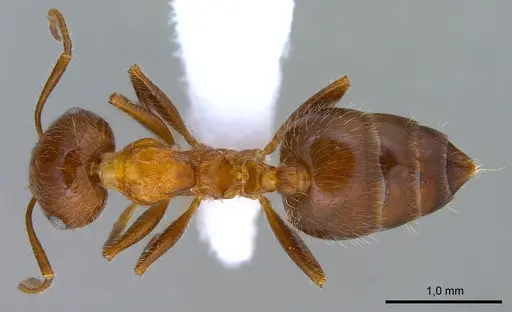
CASENT0902140
View on AntWeb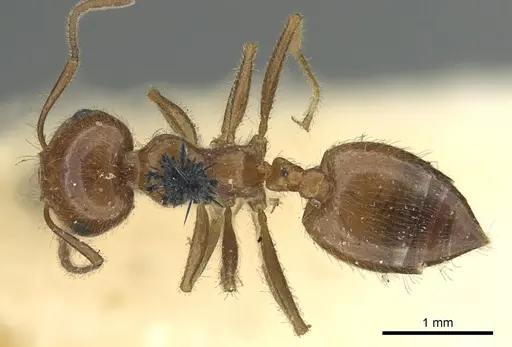
CASENT0904502
View on AntWeb
CASENT0908493
View on AntWeb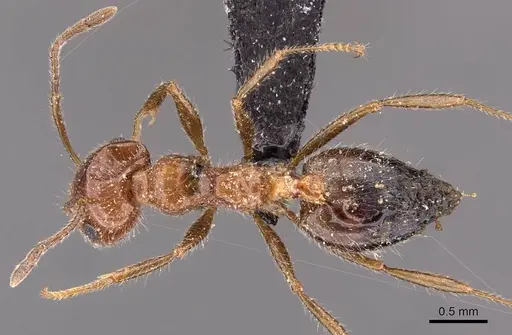
CASENT0910242
View on AntWeb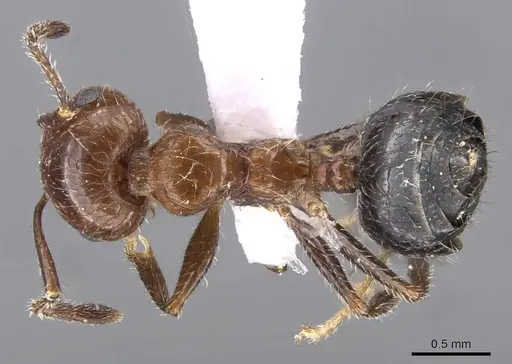
CASENT0912725
View on AntWeb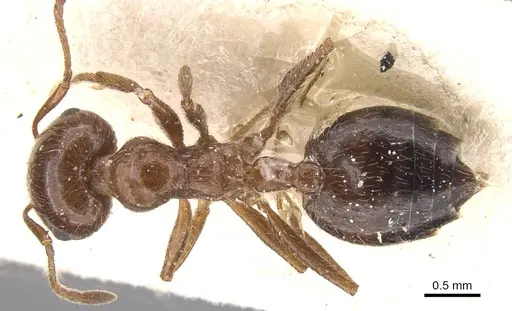
CASENT0919657
View on AntWeb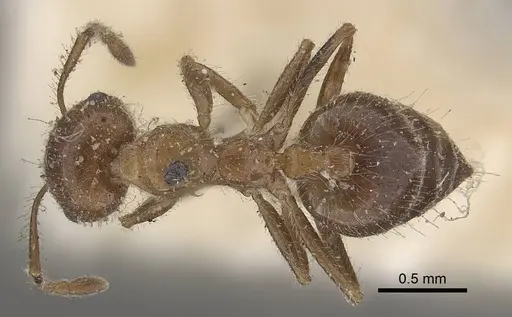
CASENT0922719
View on AntWeb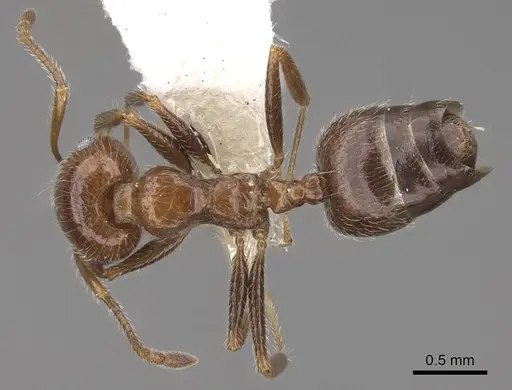
FOCOL1445
View on AntWeb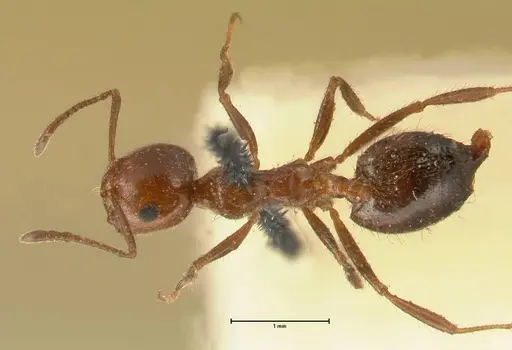
Literature
Loading distribution map...Loading products...