
Crematogaster stollii
- Sci. Name
- Crematogaster stollii
- Subgenus
- Orthocrema
- Tribe
- Crematogastrini
- Subfamily
- Myrmicinae
- Author
- Forel, 1885
- Distribution
- Found in 12 countries
Introduction
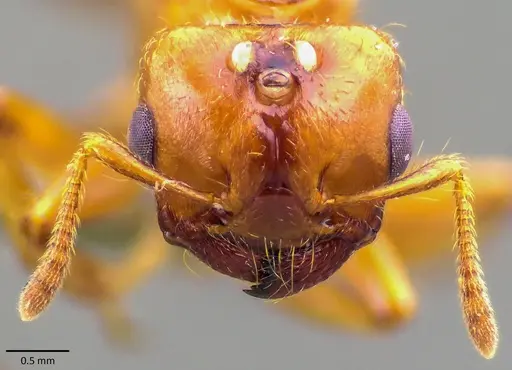
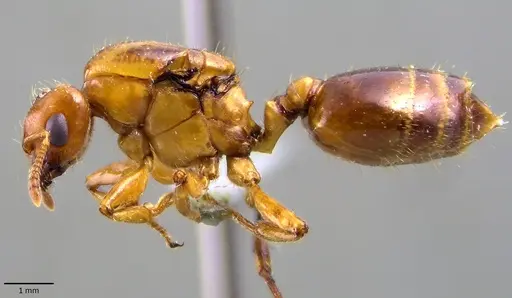
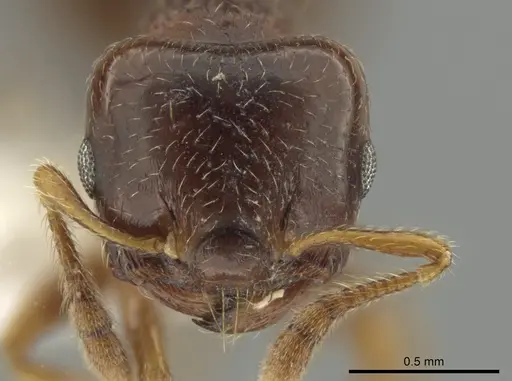
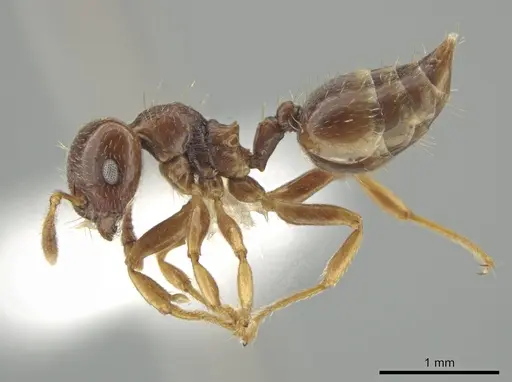
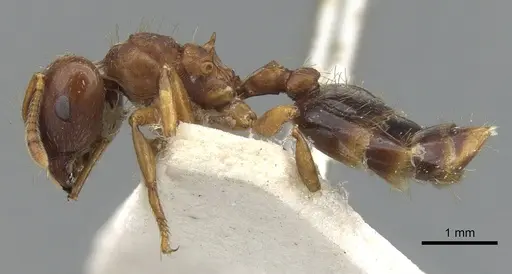
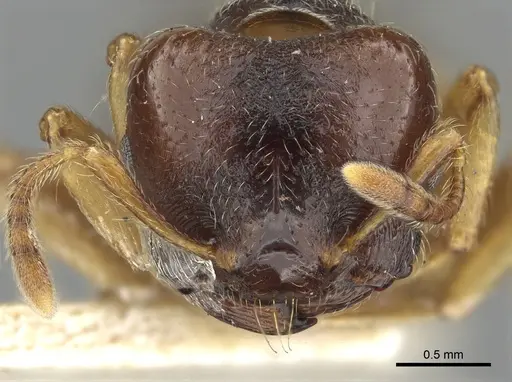
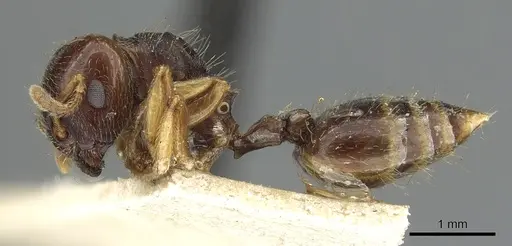
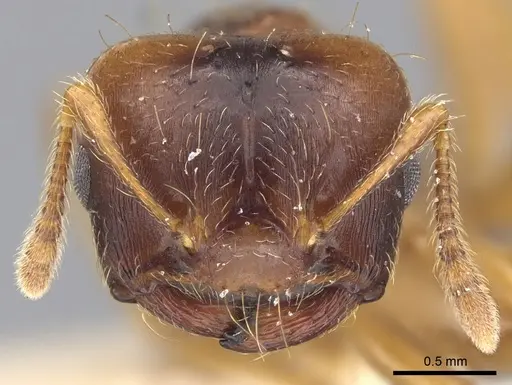
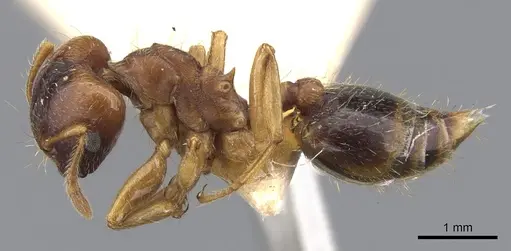
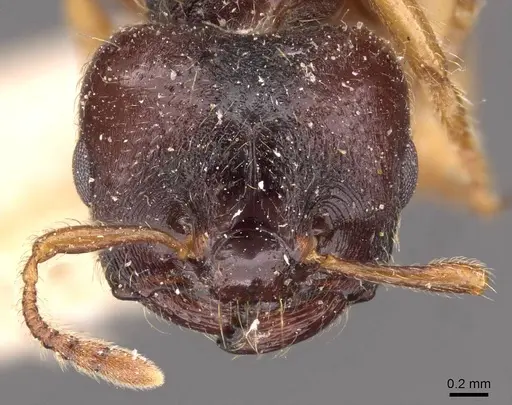
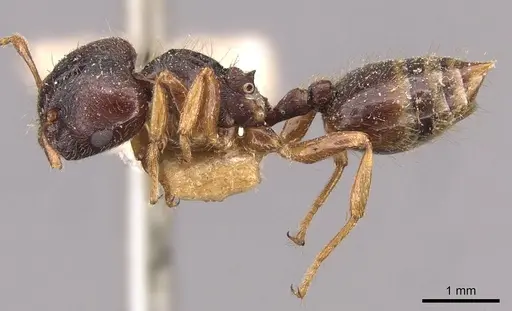
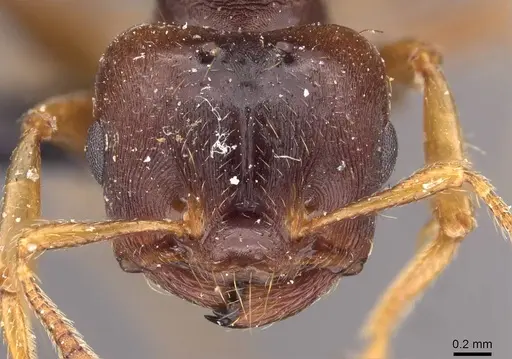
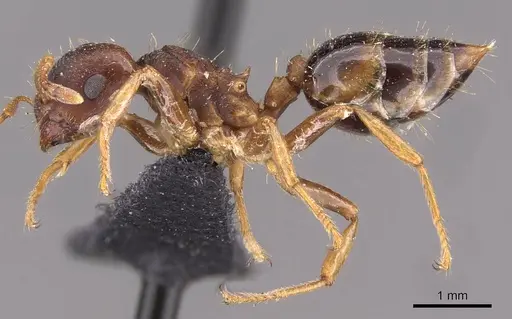
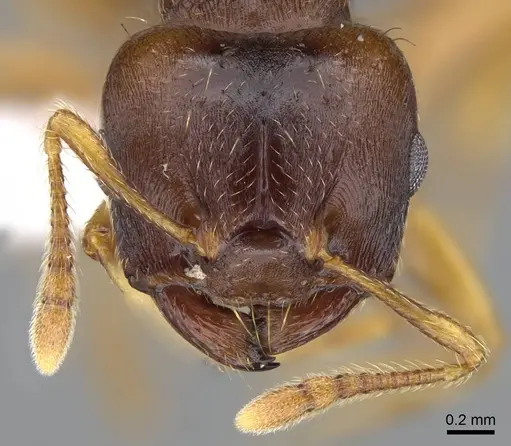
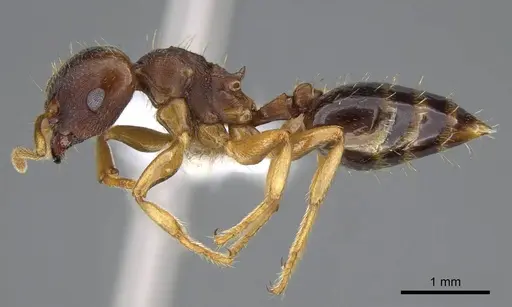
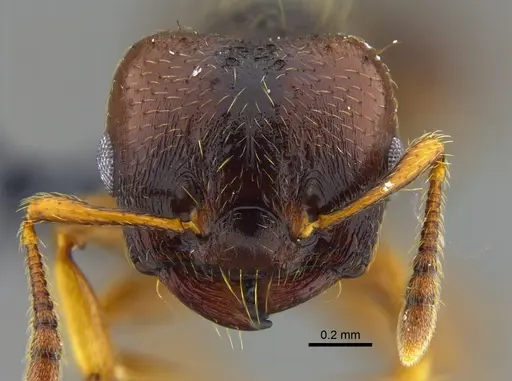
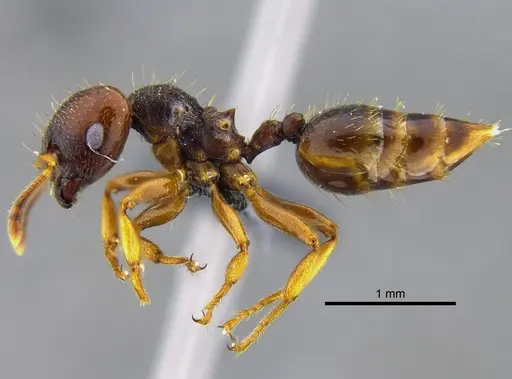
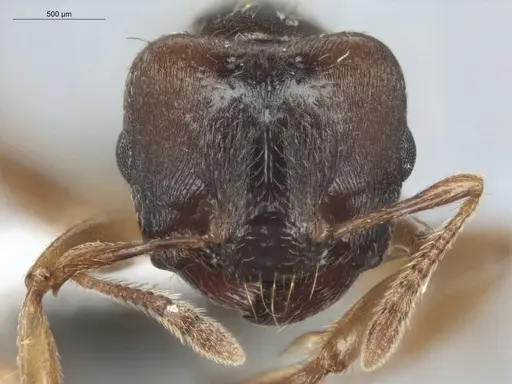
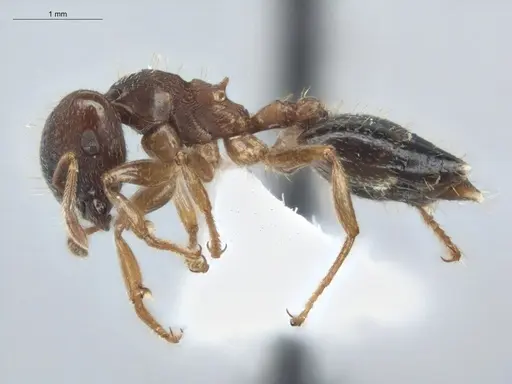
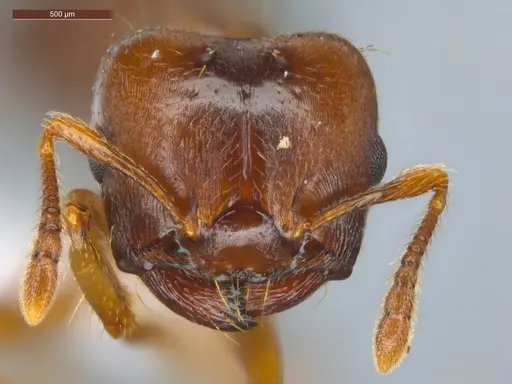
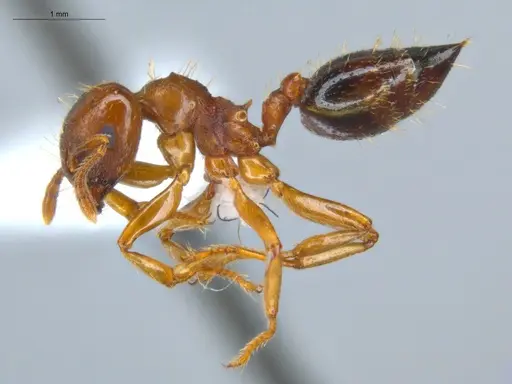
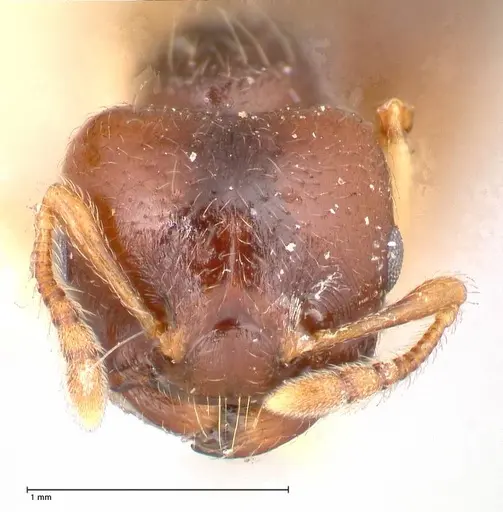
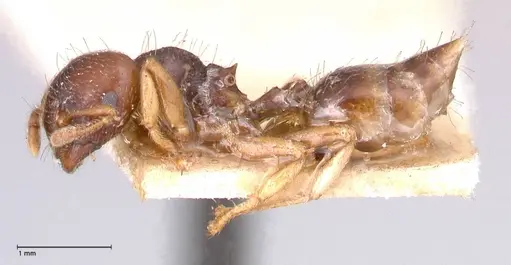
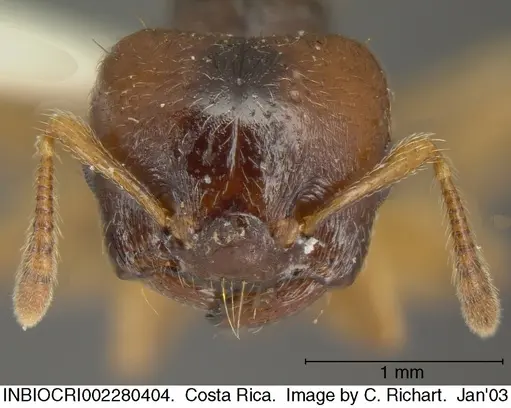
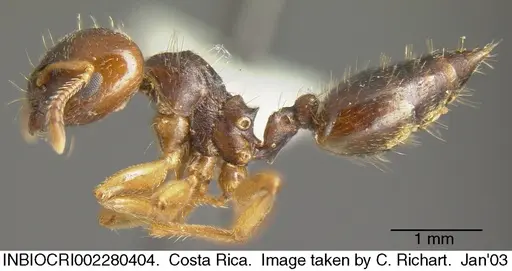
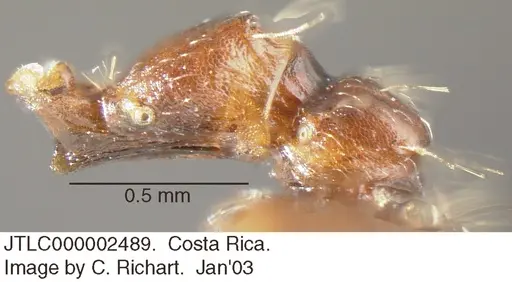
Crematogaster stollii is a large, polymorphic ant species native to the Neotropics, ranging from Guatemala to Amazonian Brazil and Bolivia. Workers are red with a darker gaster and notably lighter yellow-brown legs, displaying dramatic size variation - the largest workers are giants among New World Crematogaster species. The most distinctive feature is the enormous propodeal spiracle, which alone can identify this species from any other New World Crematogaster . These ants build remarkable carton tunnel systems that extend from the ground, up tree trunks, and into the canopy, making them one of the most unique nesting ants in the Americas. Colonies can span multiple trees and interconnect via underground galleries. When disturbed, workers raise their gasters and exude large frothy droplets of white, acrid-smelling liquid - a potent chemical defense [AntWiki].
Quick Summary
- Difficulty: Expert
- Origin & Habitat: Lowland moist to wet forests from Guatemala to Amazonian Brazil and Bolivia. Found in mature forest and agricultural landscapes with large trees along roadsides, pasture margins, and ravines. May prefer seasonally dry habitats over very wet forest, in Costa Rica relatively common on the Pacific slope but never found on the much wetter Atlantic slope [1][2].
- Colony Type: Large colonies that can cover several contiguous trees. Interconnected via underground galleries between trees. The exact colony structure (single or multiple queens) has never been confirmed, the central nest has never been located despite extensive searching by researchers [1].
- Size & Growth:
- Queen: Large, approximately 5-6mm estimated from genus patterns. Head width 2.3mm, body mass 19.335mg [3].
- Worker: Highly polymorphic, approximately 2.5-4mm total length inferred from genus patterns. The largest workers are giants among New World Crematogaster species [1].
- Colony: Very large, can cover several contiguous trees with populations in the tens of thousands [1].
- Growth: Moderate, claustral founding is slow initially, but once established colonies can grow very large.
- Development: Estimated 6-10 weeks at optimal temperature based on claustral founding and related Crematogaster species. (Queens have claustral founding, they seal themselves in and raise first workers alone using stored fat reserves [3][4].)
- Antkeeping:
- Temperature: Keep warm, around 24-28°C. This is a lowland tropical species native to warm Neotropical forests. Use a heating cable on one side of the nest to create a gentle gradient.
- Humidity: High humidity required, these ants live in closed carton tunnels in the canopy where humidity is very high. The large spiracle suggests they are adapted to humid, enclosed environments where water conservation is not a concern. Keep nest substrate consistently moist but not waterlogged [1].
- Diapause: No, as a tropical species, they do not require hibernation. Maintain warm temperatures year-round.
- Nesting: This is the most challenging aspect. In nature they build extensive carton tunnel systems on tree trunks and branches, extending underground. The tunnels are 1-2cm wide, flattened, and made of coarse plant fibers. Workers are never exposed on the surface. Captive housing is extremely difficult, they never forage outside their tunnels. A naturalistic setup with multiple connected chambers or a custom-built arboreal-style formicarium is required. Standard test tubes and basic formicaria are NOT suitable [1][5].
- Behavior: Workers are nocturnal and almost never exposed on the surface, they remain hidden within their carton tunnels. They are highly defensive when their nest is disturbed, using chemical defense (frothy white droplets from the gaster). They farm scale insects (Homoptera) for honeydew as their primary food source. Colonies interconnect neighboring trees via underground galleries, research confirmed this with paint-marking experiments showing workers moving between trees [5]. They are aggressive defenders of their territory and can be quite feisty when their nest is opened. Escape risk is moderate, workers are medium-sized but can squeeze through small gaps. Excellent escape prevention is recommended.
- Common Issues: captive housing is extremely difficult, they require extensive arboreal tunnel systems that are nearly impossible to replicate in captivity, the central nest has never been found in the wild, suggesting they need complex multi-tree territory, colonies are very large and require enormous amounts of space, they never forage in the open, all foraging happens inside their tunnel system, slow claustral founding means colonies grow very slowly at first, wild colonies may have parasites that can devastate captive colonies, this species is not recommended for captive keeping, truly expert only
Nest Preferences and Housing
This is the most challenging aspect of keeping Crematogaster stollii. In the wild, workers construct distinctive carton tunnels made of coarse plant fibers that extend from the ground, up tree trunks, and into the canopy. The tunnels are 1-2cm wide and flattened, less than 1cm high, very similar in appearance to termite tunnels but with coarser, more visible plant material. Occasionally, workers incorporate head capsules of their dead nestmates into the carton. Colonies always extend down to the ground and continue onto large roots below ground level. Workers are never exposed on the surface, they travel within the protected tunnel system. The central nest has never been located despite extensive searching by researchers. For captive housing, you would need an extensive naturalistic setup with multiple connected chambers simulating their arboreal tunnel system. Standard test tubes, Y-tong nests, and basic formicaria are completely unsuitable for this species. This is truly an expert-only species that requires custom-built arboreal housing [1][5].
Feeding and Diet
In the wild, C. stollii farms coccoid Homoptera (scale insects) as their primary food source. The tunnels extend to branch tips where they cover entrance holes into hollow branch interiors. These branch tips are hollowed out and packed with scale insects and workers. A tree that appears clean from the outside can actually host an enormous population of Homoptera inside its branch tips. They also consume the honeydew produced by these insects. Workers have been observed foraging on Roupala montana plants during the dry season without cicadellid groups [6]. In captivity, you would need to establish a scale insect colony or provide alternative sugar sources. Sugar water or honey may be accepted, but their primary diet in nature is honeydew from farmed Homoptera [1].
Temperature and Care
As a lowland Neotropical species, C. stollii requires warm temperatures year-round. Keep the nest area at 24-28°C. A heating cable on one side of the nest creates a suitable gradient. They do not require hibernation, maintain warm conditions throughout the year. High humidity is essential since they live in enclosed carton tunnels in the canopy. The enormous propodeal spiracle is thought to be associated with their closed, high-humidity environment where water loss is never a problem. Keep the nest substrate consistently moist but not waterlogged. Ventilation should be adequate to prevent mold while maintaining humidity [1].
Behavior and Defense
When their carton tunnels are opened and workers are disturbed, they raise their gasters and exude large, frothy droplets of white liquid. The smell is very acrid and similar to other highly chemically defended Crematogaster species. This is their primary defense mechanism, they smear venom onto enemies rather than stinging. They are also known to associate with stingless bees (Trigona compressa), the ants surround the bee hive and defend it aggressively against intruders. When someone tries to collect honey from these bees, the ants cover the trunk and furiously bite the invader. They never touch the honey or brood, maintaining a harmonic association. Workers are mostly nocturnal and remain hidden within their tunnel system during the day [1].
Colony Structure and Growth
Crematogaster stollii forms very large colonies that can cover several contiguous trees. Research has confirmed that colonies interconnect neighboring trees via underground galleries, paint-marking experiments showed workers moving between trees [5]. The exact colony structure is unconfirmed, the exact location of the queen has never been found. Queens have claustral founding behavior, they seal themselves in a chamber and raise the first workers alone using stored fat reserves. The queen's body mass is 19.335mg with a head width of 2.3mm [3][4]. Nuptial flights are presumed to be nocturnal since queens and males are routinely collected at blacklights. Both queens and males have large ocelli, a feature of nocturnal fliers [1].
Unique Nesting Biology
The nesting behavior of C. stollii is unlike any other Crematogaster species. Workers construct carton tunnels that extend from the ground up the trunks of large live trees, then radiate out into the crown and to the tips of branches. The carton material is composed of short, coarse plant fibers. Occasionally, workers incorporate head capsules of their dead nestmates into the carton. Construction is always in the form of tunnels, there are no larger globular structures or external nests. A striking convergence is found in the ant species Azteca forelii, which makes similar carton tunnels and is broadly sympatric with C. stollii. The carton tunnels are so similar that it's impossible to determine which species inhabits a nest without opening the carton and finding workers [1].
Frequently Asked Questions
Can I keep Crematogaster stollii in a test tube?
No. This species is not suitable for test tube housing. They build extensive carton tunnel systems that extend from the ground up tree trunks and into the canopy. Standard captive setups are completely inadequate for this species.
When should I move Crematogaster stollii to a formicarium?
This species is not recommended for captive keeping at all. The complex arboreal tunnel system they require cannot be replicated in any standard formicarium. This is an expert-only species that would require custom-built housing.
How long does it take for the first workers to emerge?
Based on claustral founding behavior and related Crematogaster species, expect around 6-10 weeks at optimal temperature (24-28°C). The queen seals herself in and raises the first workers alone using stored fat reserves.
Can I keep multiple queens together?
Not recommended. The exact colony structure is unconfirmed, and combining unrelated queens has not been documented. It would likely result in fighting.
How big do Crematogaster stollii colonies get?
Very large, colonies can cover several contiguous trees with populations in the tens of thousands. They are among the largest ant colonies in the Neotropics.
Do Crematogaster stollii ants sting?
They do not have a painful sting like some ants. Instead, when disturbed they raise their gasters and exude large frothy droplets of white, acrid-smelling liquid, a chemical defense mechanism.
Are Crematogaster stollii dangerous to humans?
No. They are not dangerous to humans. Their defense is chemical, they produce frothy white droplets with an acrid smell. They may bite if handled, but the bite is not medically significant.
What do Crematogaster stollii eat?
They primarily farm and consume honeydew from coccoid Homoptera (scale insects). In captivity, sugar water or honey may be accepted, but their natural diet is honeydew from farmed scale insects.
What temperature do Crematogaster stollii need?
Keep them warm at 24-28°C. This is a lowland tropical species native to warm Neotropical forests. Use a heating cable on one side of the nest to create a gradient.
Are Crematogaster stollii good for beginners?
No. This is an expert-only species. Their unique nesting behavior, building extensive carton tunnel systems on trees, cannot be replicated in captivity. They are not suitable for captive husbandry.
Do Crematogaster stollii need hibernation?
No. As a tropical species, they do not require hibernation. Maintain warm temperatures year-round.
Why are my Crematogaster stollii dying?
This species is extremely difficult to keep in captivity. The most likely cause of death is inadequate housing, they require extensive arboreal tunnel systems that cannot be replicated with standard equipment. If you obtained a wild colony, they may also have parasites that can devastate captive colonies.
Report an Issue
The current care sheet is based fully on literature. See inconsistencies, or something that's incorrect? Please , it will be resolved after review from an admin. Contributing to the blogs tab also helps providing information, to make us be able to further improve the caresheets. Thank you for your support!
References

This caresheet is licensed under CC BY-SA 4.0 .
Community Blogs
ANTWEB1041872
View on AntWeb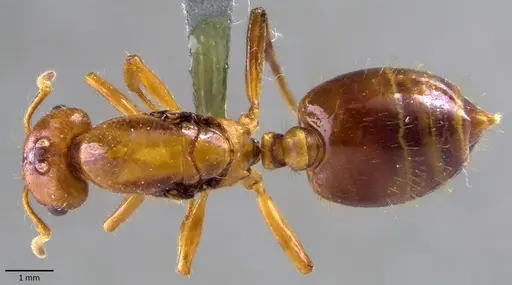
CASENT0649919
View on AntWeb
CASENT0901468
View on AntWeb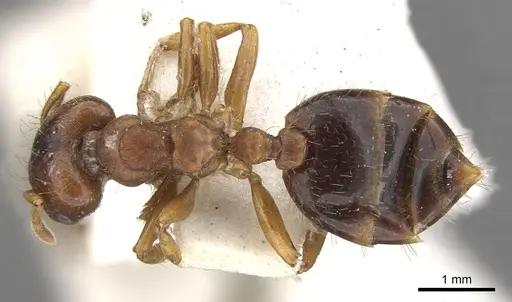
CASENT0902164
View on AntWeb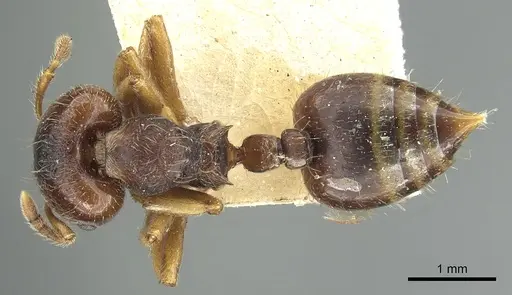
CASENT0902167
View on AntWeb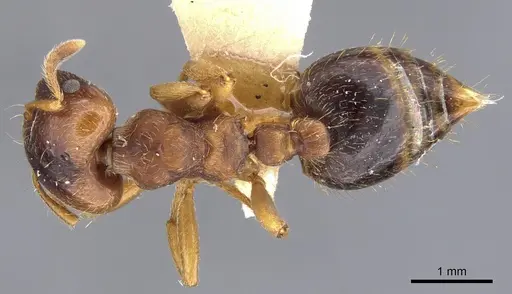
CASENT0908427
View on AntWeb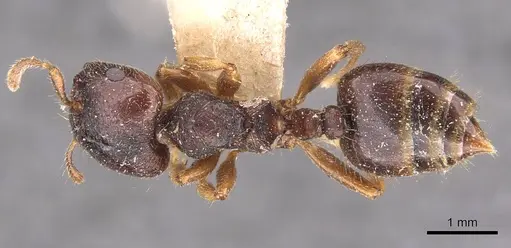
CASENT0908428
View on AntWeb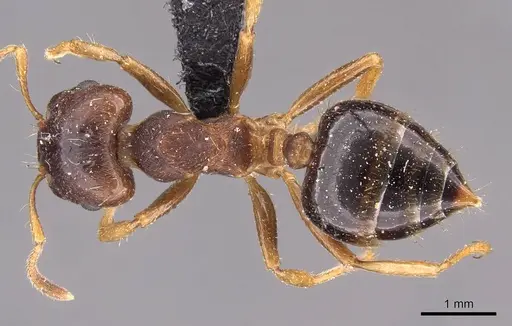
CASENT0914646
View on AntWeb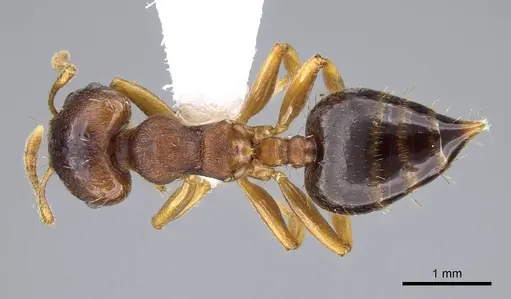
CBUMAGENT41929
View on AntWeb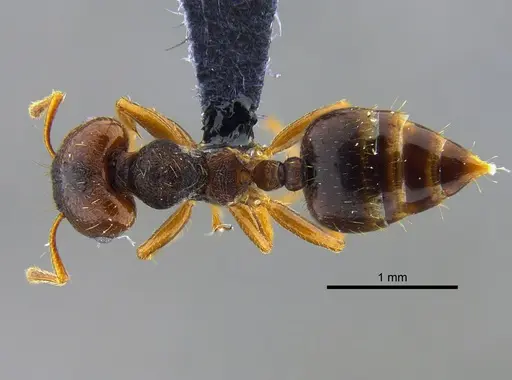
ECOFOG-BUG-2535-07
View on AntWeb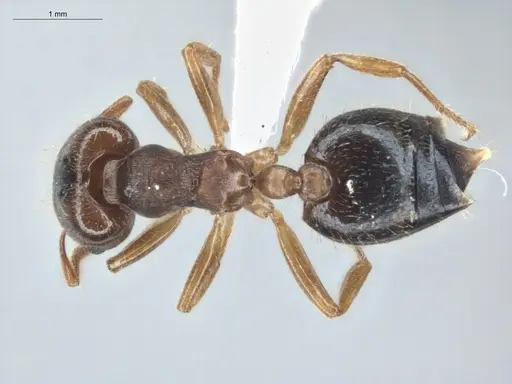
ECOFOG-HC-0036
View on AntWeb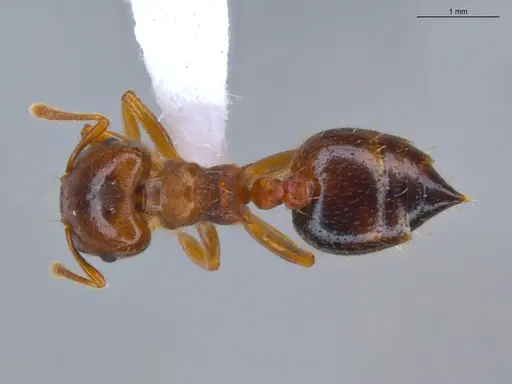
FOCOL0659
View on AntWeb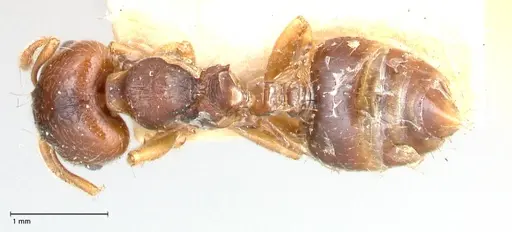
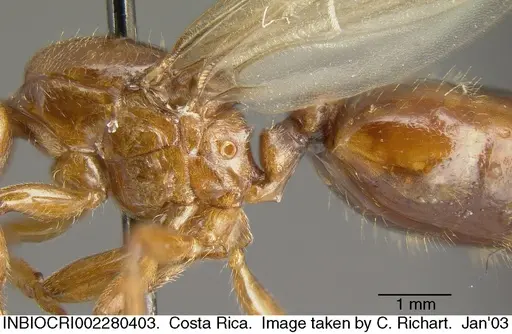
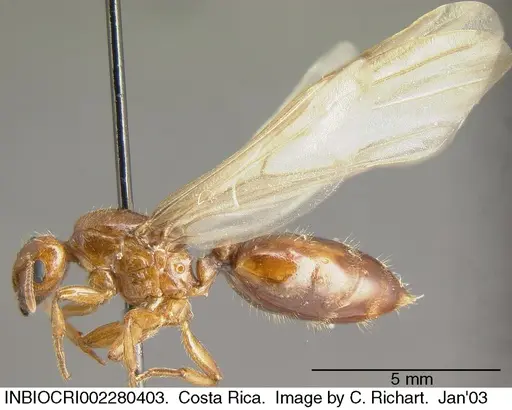
INBIOCRI002280403
View on AntWeb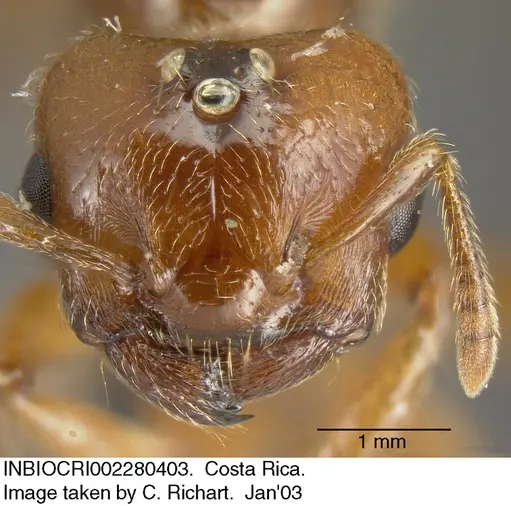
INBIOCRI002280404
View on AntWeb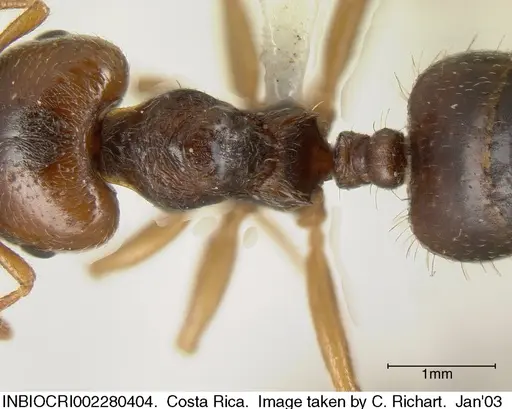
JTLC000002489
View on AntWeb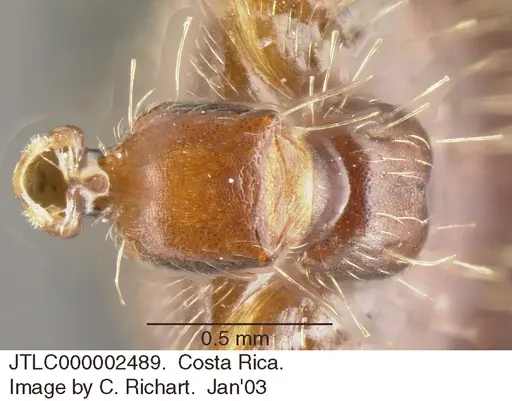
Literature
Loading distribution map...Loading products...