
Crematogaster steinheili
- Sci. Name
- Crematogaster steinheili
- Subgenus
- Orthocrema
- Tribe
- Crematogastrini
- Subfamily
- Myrmicinae
- Author
- Forel, 1881
- Distribution
- Found in 7 countries
Introduction
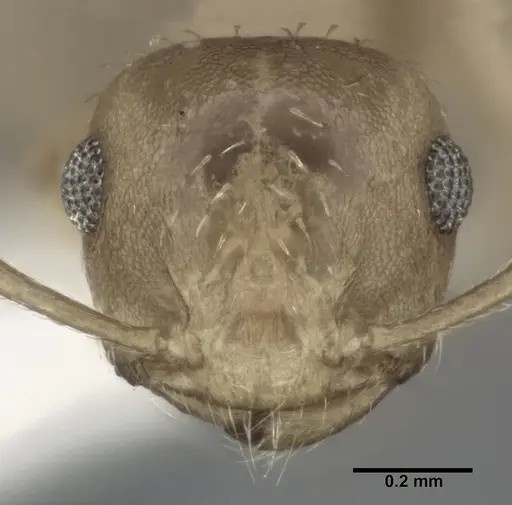
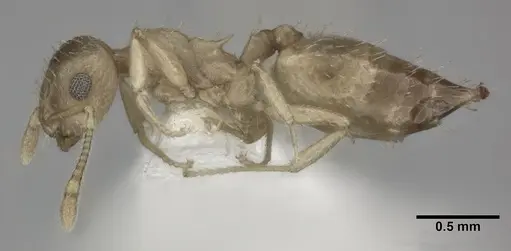
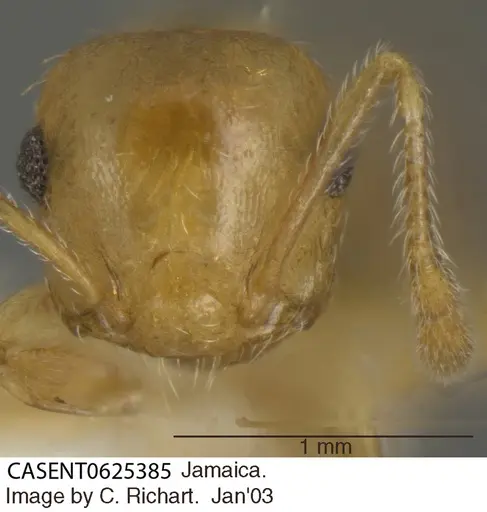
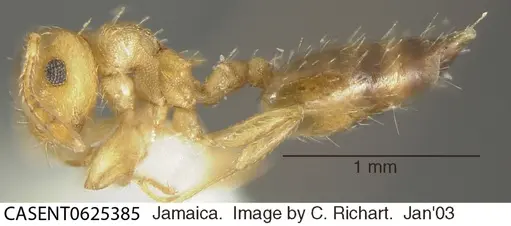
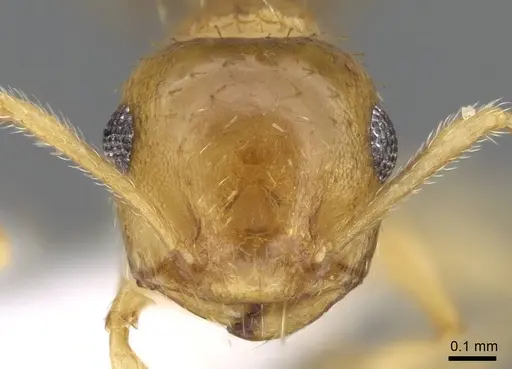
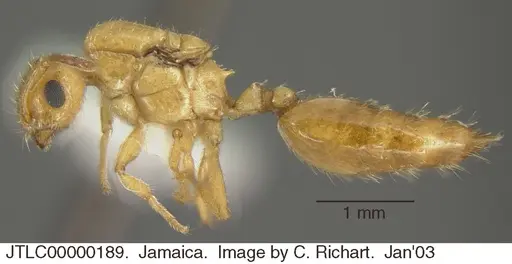
Crematogaster steinheili is a small ant native to the Caribbean Greater Antilles. Workers measure 2.1-2.5mm with a reddish-yellow body and a brown, heart-shaped abdomen that they raise almost vertically when running . Queens reach 5-5.5mm [AntWiki]. This species is highly adaptable - it nests in hollow twigs, under bark, inside Tillandsia plants, in downed wood, dead coffee twigs, and even empty insect cocoons . They build protective 'tents' of fine vegetable debris over scale insects they tend, a behavior documented in Puerto Rico and Culebra .
Quick Summary
- Difficulty: Easy
- Origin & Habitat: Caribbean Greater Antilles, found in Bahamas, Barbados, Cuba, Dominican Republic, Haiti, Jamaica, Puerto Rico, and Virgin Islands. Common in both dry forests and humid areas from sea level to 800m elevation [3][4].
- Colony Type: Colony structure is unconfirmed. The genus Crematogaster typically has single-queen colonies, but specific documentation for this species is lacking.
- Size & Growth:
- Queen: 5-5.5mm [2]
- Worker: 2.1-2.5mm [2]
- Colony: Maximum colony size unconfirmed, estimated several hundred workers based on similar Caribbean Crematogaster species
- Growth: Moderate
- Development: Unconfirmed, no specific study on this species. Tropical ants typically develop faster than temperate species. (Development timeline is not documented for this species.)
- Antkeeping:
- Temperature: Keep at 24-28°C. These are tropical Caribbean ants that tolerate a range from roughly 22-30°C but grow best in warm conditions. A heating cable on one side of the nest creates a comfortable gradient.
- Humidity: Moderate humidity around 50-70%. Provide a water tube for drinking. These ants handle both dry and humid conditions in the wild, they're adaptable [1].
- Diapause: No, as a tropical Caribbean species, they do not require hibernation or winter rest. Keep them warm year-round.
- Nesting: They naturally nest in wood cavities, hollow twigs, and under bark. In captivity, they do well in Y-tong (AAC) nests, wooden formicaria, or setups with cork or soft wood pieces. They will also use test tubes if provided with dark covering. Avoid overly wet substrates.
- Behavior: These ants are active foragers with a notable behavior, they raise their abdomen high when walking, almost like a scorpion, which is how they got the 'acrobat ant' name [1]. They are not aggressive and rarely sting. Workers are fast-moving and will form foraging trails, especially at night [3]. They tend honeydew-producing insects (aphids, mealybugs, scale insects) and will build protective carton shelters over them in the wild [1]. Escape prevention is important, workers are small (under 3mm) and can slip through small gaps. Use fine mesh and tight-fitting lids.
- Common Issues: escape prevention is critical, their small size means they can squeeze through tiny gaps., colonies may be slow to establish initially, be patient through the founding phase., overfeeding can lead to mold in nest cavities, remove uneaten food promptly., they may be outcompeted by more aggressive ant species if housed in shared spaces.
Housing and Nest Preferences
Crematogaster steinheili is adaptable when it comes to nesting. In the wild, they nest in hollow twigs, under loose bark, inside Tillandsia plants, in downed wood, and even in dead coffee twigs or empty insect cocoons [1][3]. For captivity, Y-tong (AAC) nests work well because they provide dark cavities similar to what these ants naturally use. You can also use wooden formicaria or setups with cork pieces. Test tubes with dark coverings are acceptable for founding colonies. The key is providing enclosed spaces, these ants prefer tight, enclosed chambers over open areas. Avoid overly wet or saturated substrates.
Feeding and Diet
In the wild, these ants are generalist foragers with a strong preference for honeydew from sap-sucking insects. They attend aphids, mealybugs, and soft scales, often building protective carton structures over their 'herd' [1]. They also consume small insects and likely scavenge on dead arthropods. In captivity, offer sugar water or honey as a constant energy source. For protein, provide small insects like fruit flies, small mealworms, or cricket pieces. They accept a wide variety of foods. Feed every 2-3 days, removing any uneaten prey to prevent mold.
Temperature and Seasonal Care
As a Caribbean tropical species, Crematogaster steinheili needs warm temperatures year-round. Keep the nest area at 24-28°C for optimal growth and activity. They can tolerate brief periods slightly outside this range but grow best in consistent warmth. Unlike temperate ants, they do NOT require hibernation or diapause. A small heating cable on one side of the nest creates a comfortable gradient while preventing overheating. Room temperature in most homes (22-24°C) is acceptable, but a bit warmer (26°C) will boost activity and growth. [3][1]
Behavior and Foraging
These ants have a distinctive appearance when moving, they hold their abdomen raised almost vertically, giving them the 'acrobat ant' name [1]. Workers are fast-moving and form defined foraging trails, particularly at night. In the wild, researchers observed steady streams of foragers moving up and down tree trunks over multiple consecutive nights [3]. They are not aggressive toward keepers and rarely sting. Their small size (under 3mm for workers) makes them excellent escape artists, use fine mesh barriers and ensure all connections are tight. They are highly adaptable to both dry and humid conditions in their native range.
Frequently Asked Questions
Can I keep Crematogaster steinheili in a test tube?
Yes, test tubes work well for founding colonies. Cover the tube with dark material to simulate the dark cavities they naturally nest in. Once the colony grows beyond 30-40 workers, consider moving them to a Y-tong or wooden formicarium with multiple chambers.
How long until first workers appear?
Development timeline is unconfirmed for this specific species. Tropical ants typically develop faster than temperate species, but exact timing for C. steinheili has not been documented.
Do Crematogaster steinheili ants sting?
They have a stinger but rarely use it. They're not aggressive toward humans and are considered one of the more docile ant species.
What do Crematogaster steinheili eat?
They primarily eat honeydew and sugar sources in the wild. In captivity, offer sugar water or honey constantly, plus small insects (fruit flies, small mealworms) for protein 2-3 times per week.
Do they need hibernation?
No. As a tropical Caribbean species, they do not require hibernation. Keep them warm year-round at 24-28°C.
Are these ants good for beginners?
Yes. They're adaptable, tolerant of varying conditions, and not aggressive. The main challenge is their small size requiring good escape prevention. Otherwise, they're beginner-friendly.
How big do colonies get?
Colony maximum is unconfirmed. Based on similar Caribbean Crematogaster species, colonies likely reach several hundred workers.
When should I move them to a formicarium?
Move from test tube to a proper nest (Y-tong, wooden formicarium) when the colony reaches 30-50 workers or the test tube becomes crowded. They prefer enclosed spaces with multiple chambers.
Why do they hold their abdomen up?
This is normal behavior for Crematogaster species, it's how they got the common name 'acrobat ant.' They raise their abdomen high when walking, which may help them deliver defensive secretions or signal to other ants.
Report an Issue
The current care sheet is based fully on literature. See inconsistencies, or something that's incorrect? Please , it will be resolved after review from an admin. Contributing to the blogs tab also helps providing information, to make us be able to further improve the caresheets. Thank you for your support!
References

This caresheet is licensed under CC BY-SA 4.0 .
Community Blogs
CASENT0246030
View on AntWeb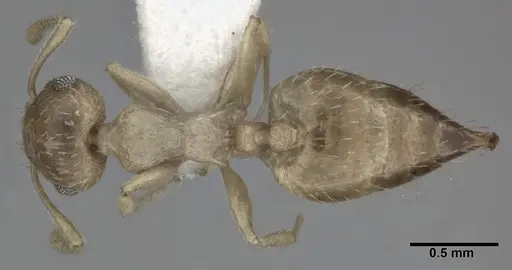
CASENT0625385
View on AntWeb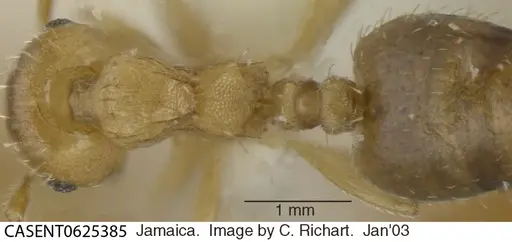
CASENT0908425
View on AntWeb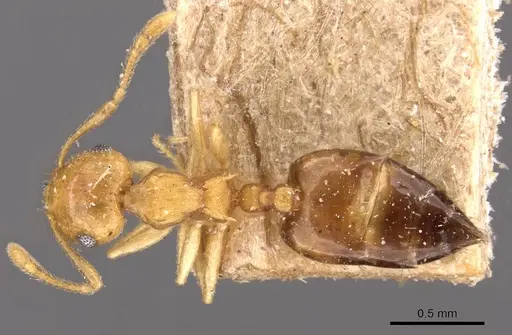
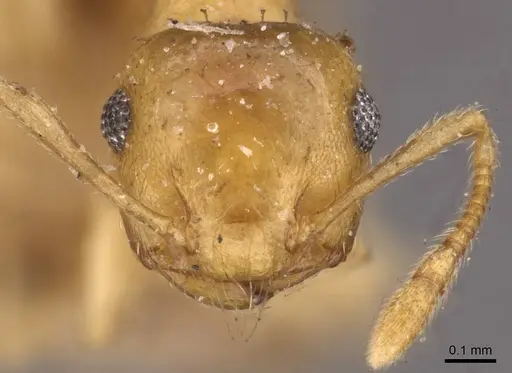
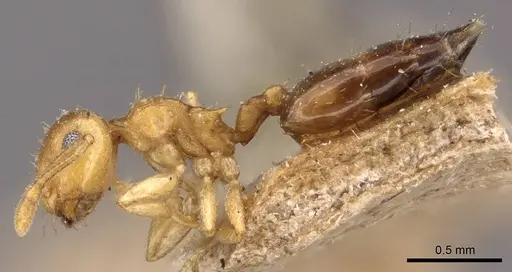
CASENT0908426
View on AntWeb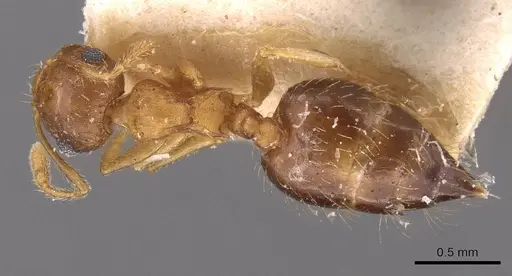
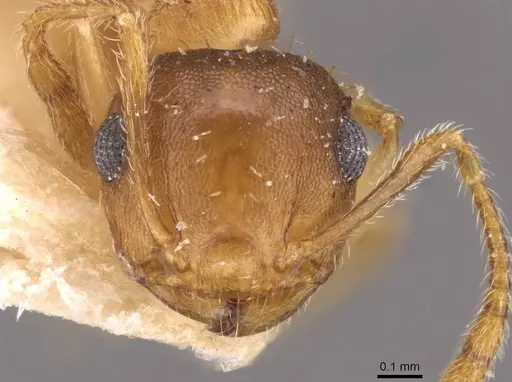
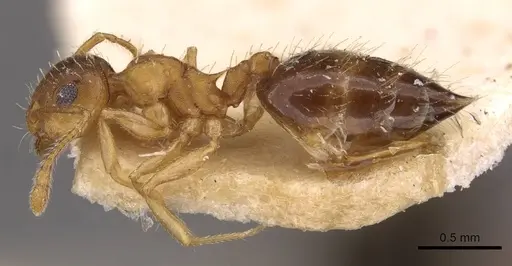
CASENT0914645
View on AntWeb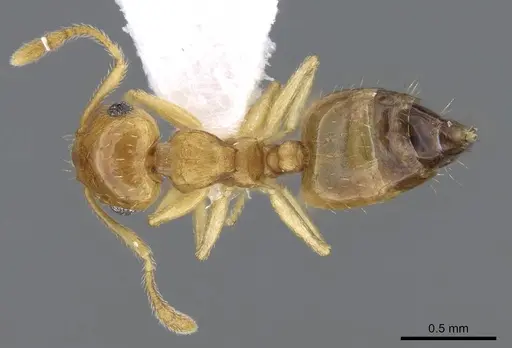
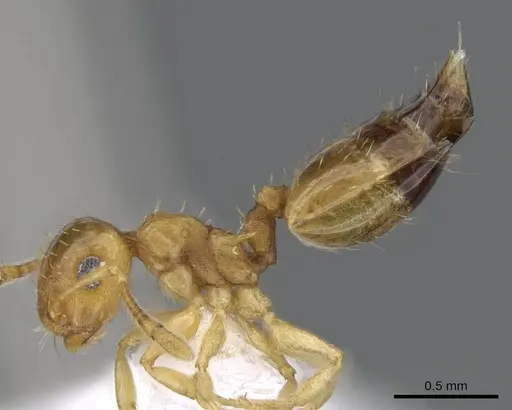
JTLC000001089
View on AntWeb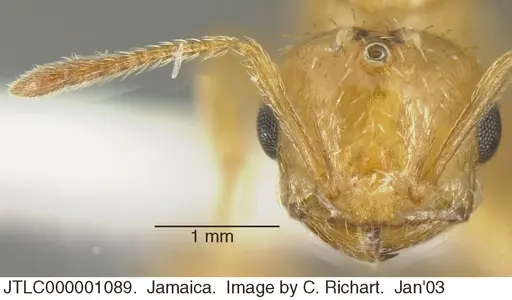
Literature
Loading distribution map...Loading products...