
Crematogaster stadelmanni
- Sci. Name
- Crematogaster stadelmanni
- Tribe
- Crematogastrini
- Subfamily
- Myrmicinae
- Author
- Mayr, 1895
- Distribution
- Found in 8 countries
Introduction
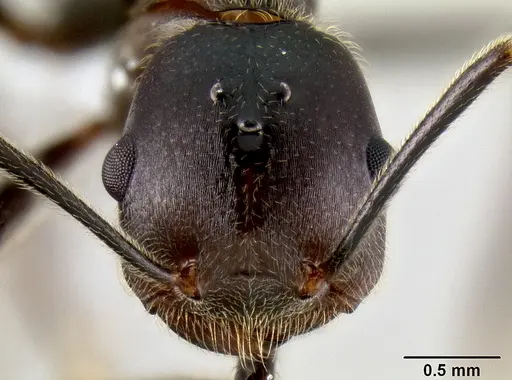
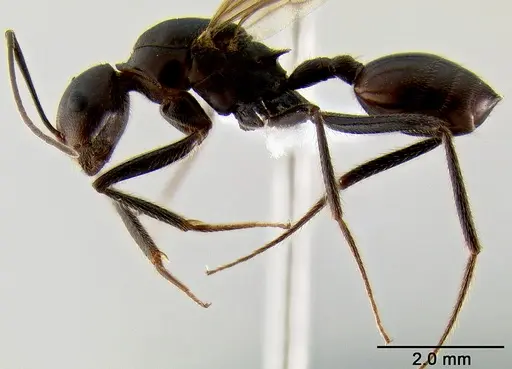
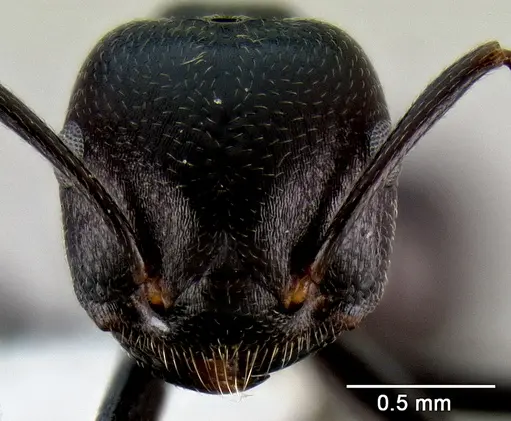
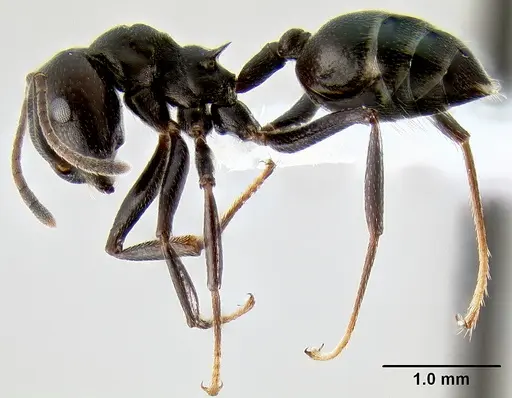
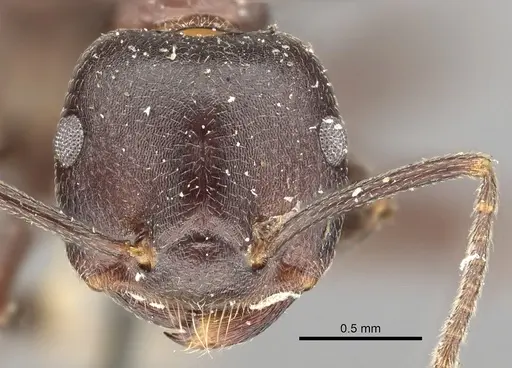
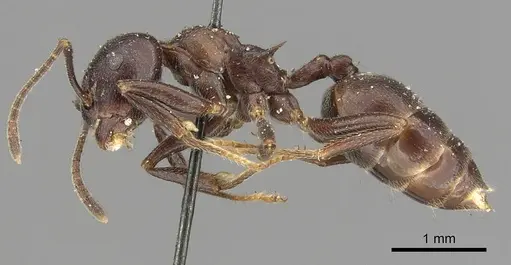
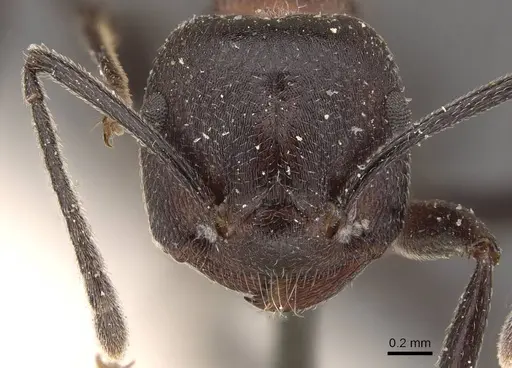
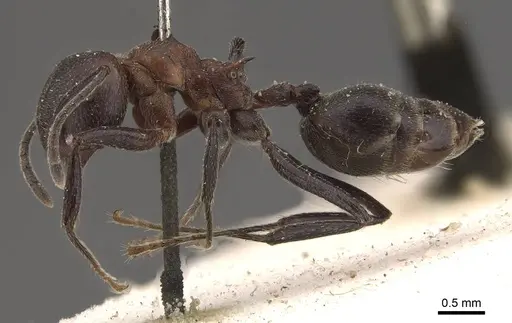
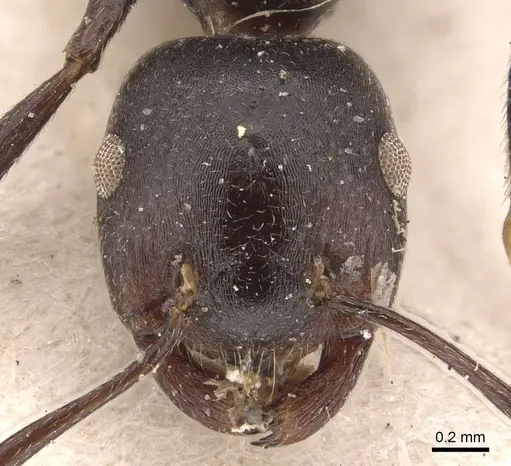
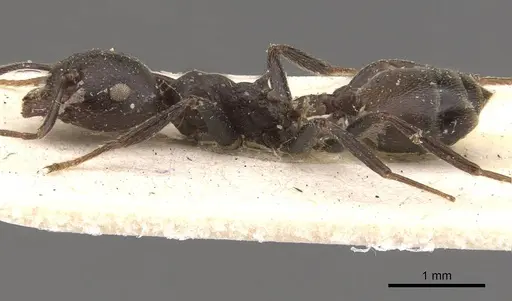
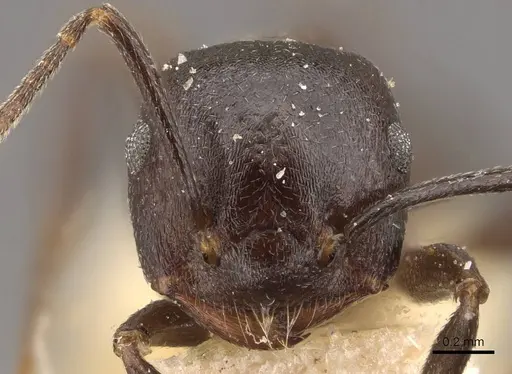
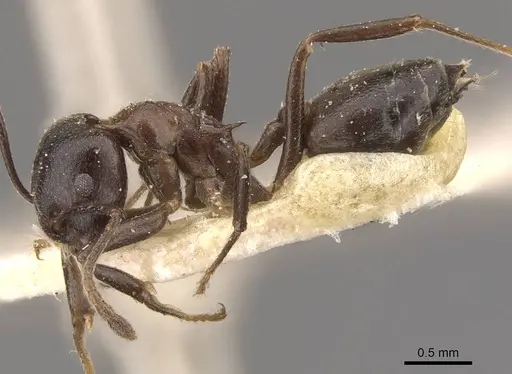
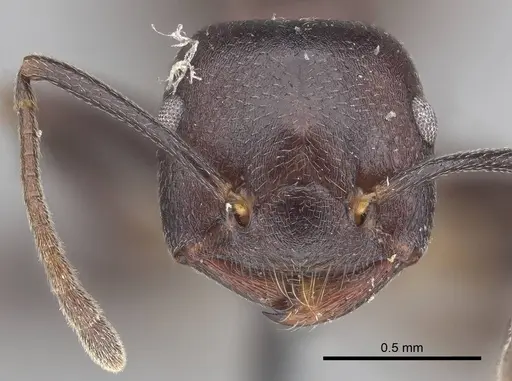
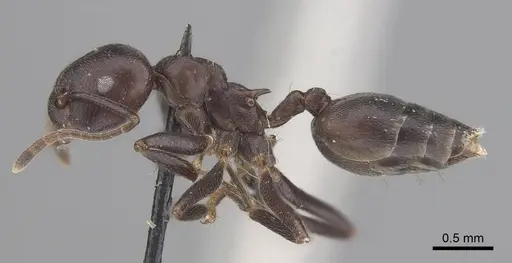
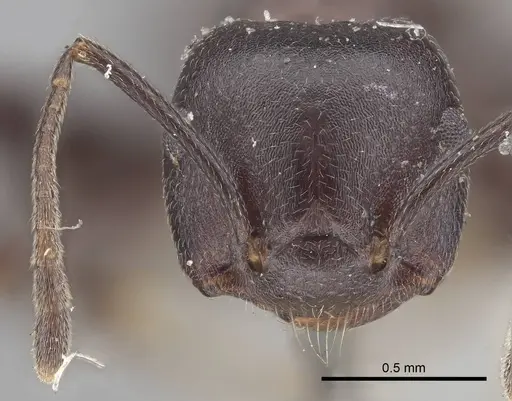
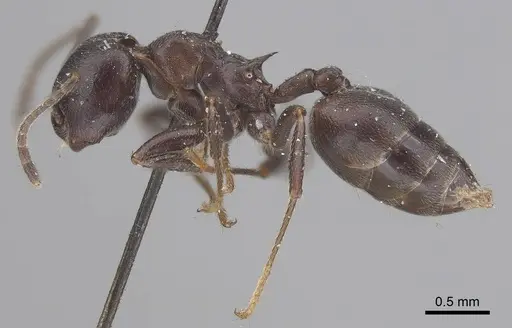
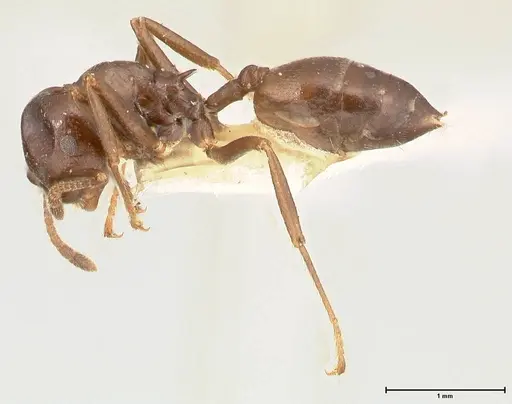
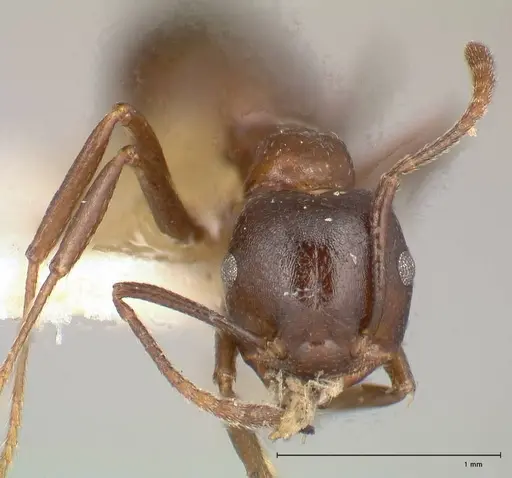
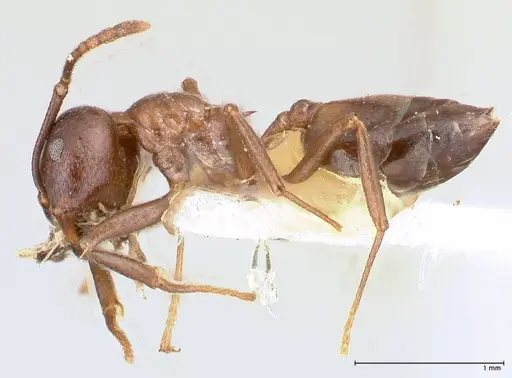
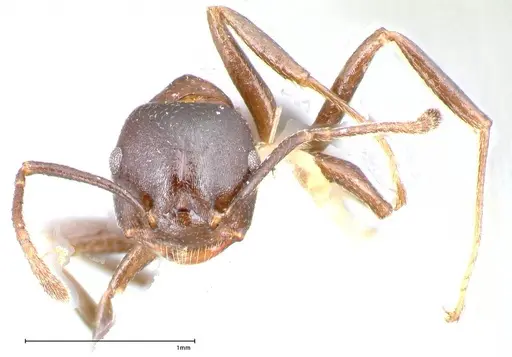
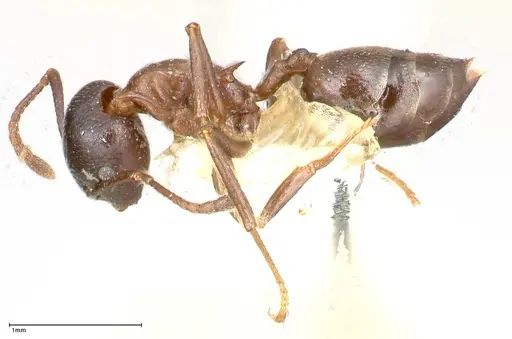
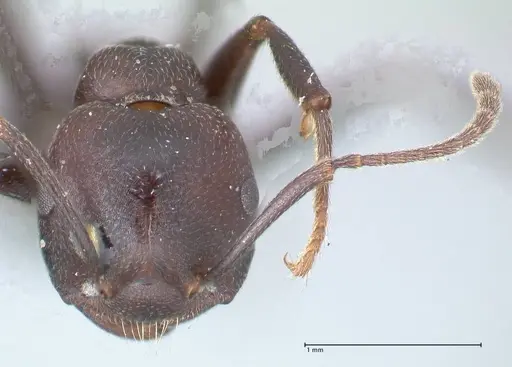
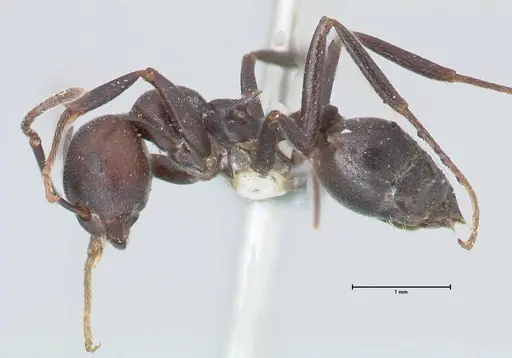
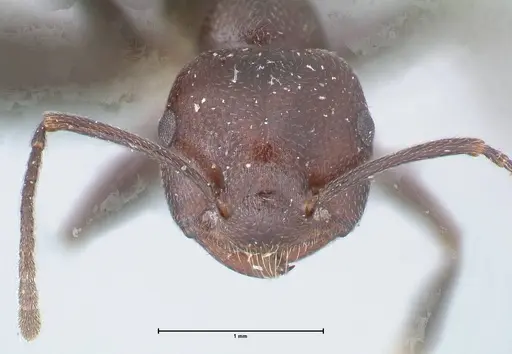
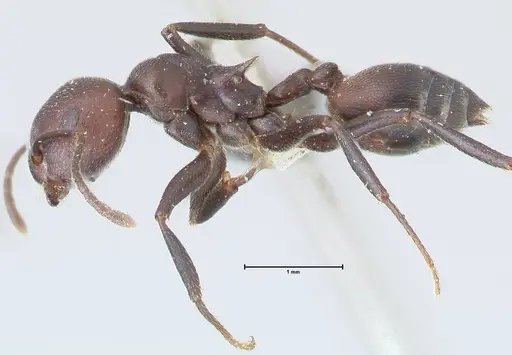
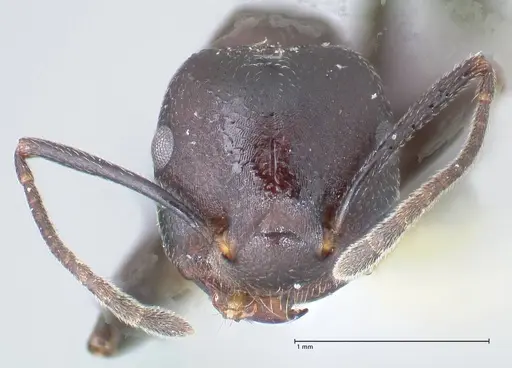
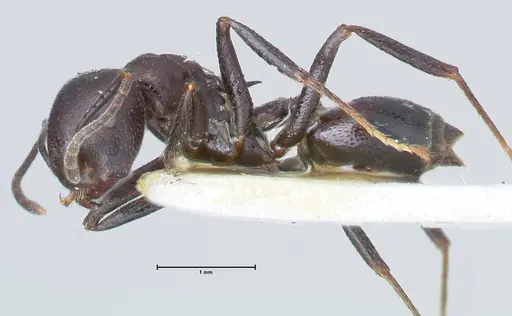
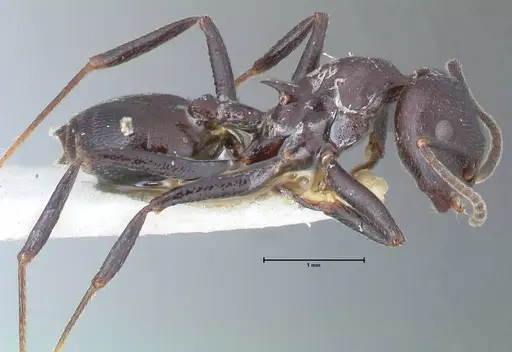
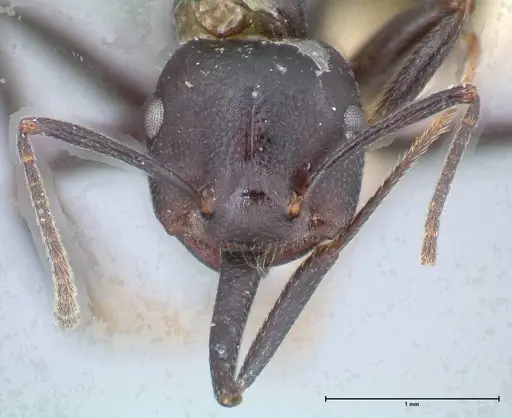
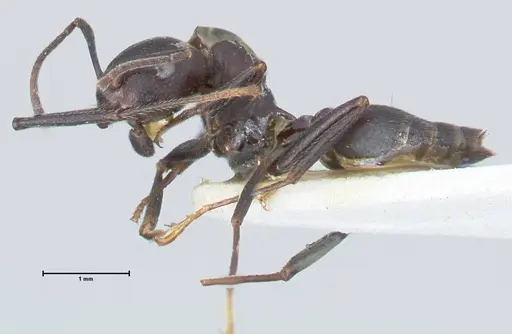
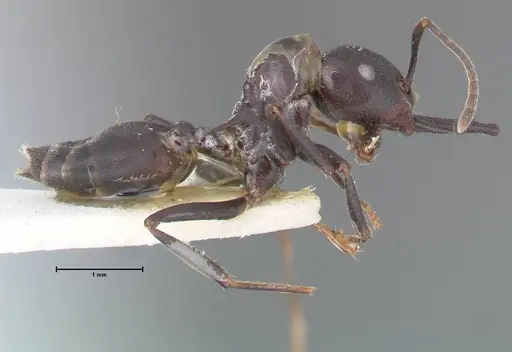
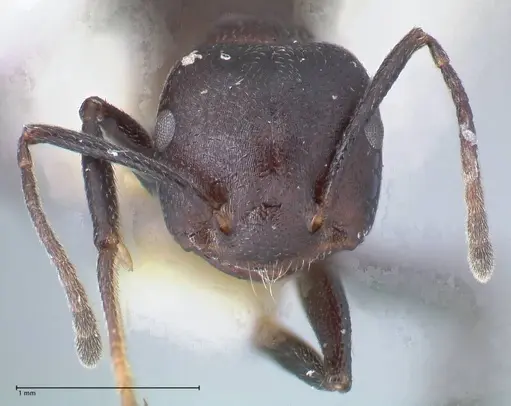
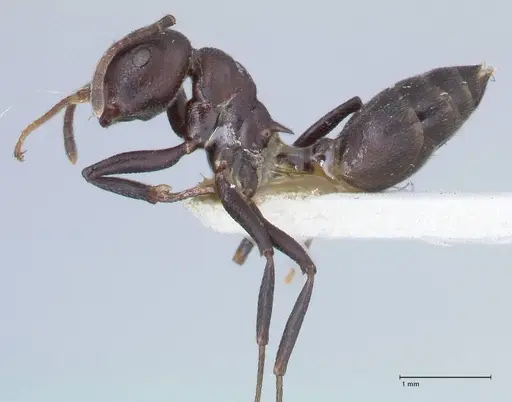
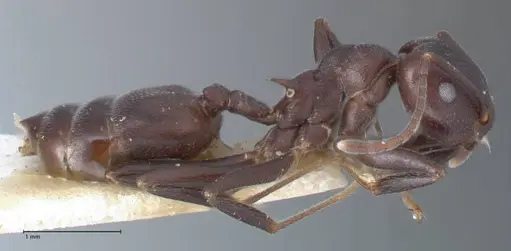
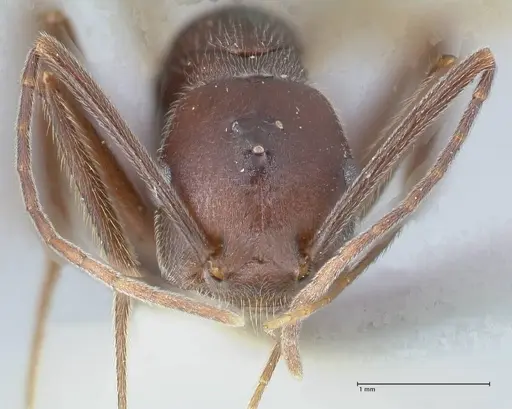
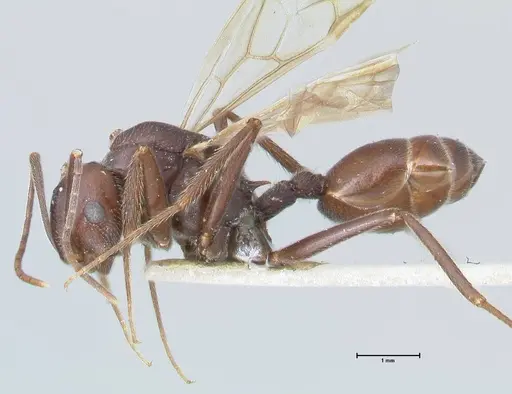
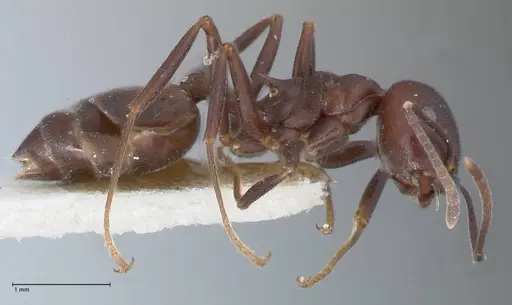
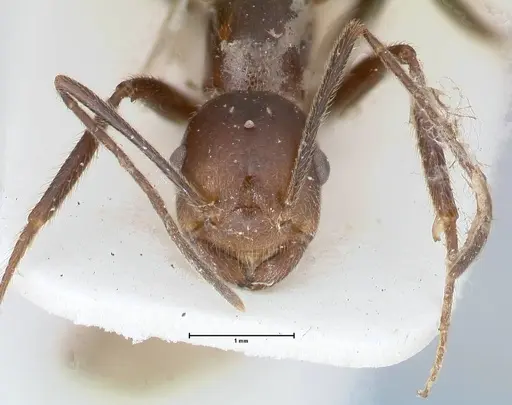
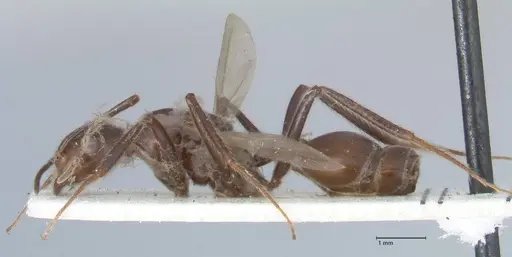
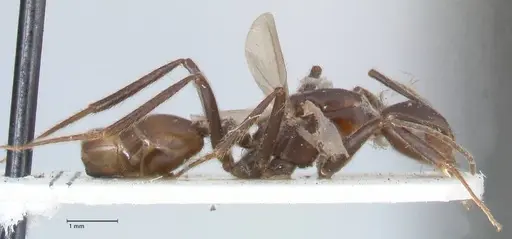
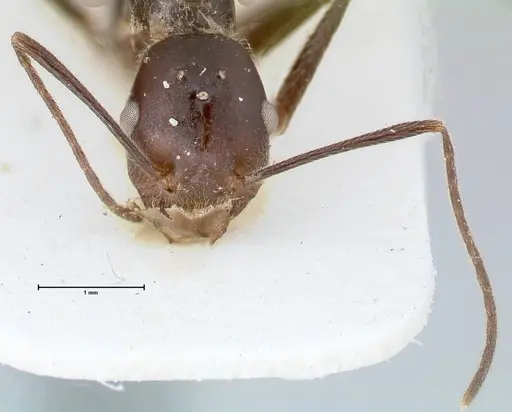
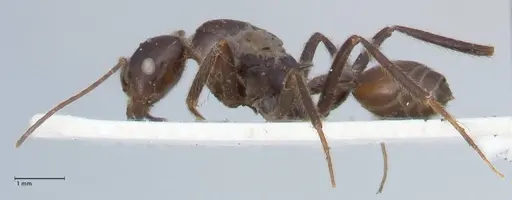
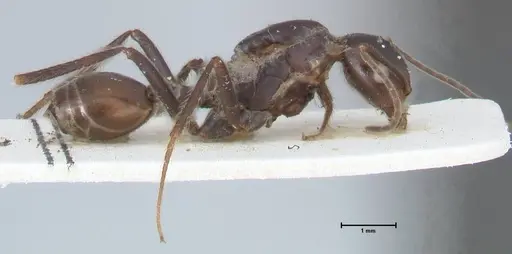
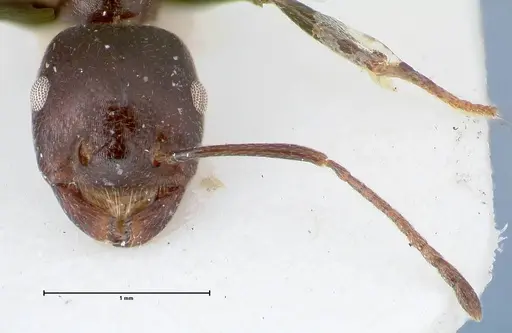
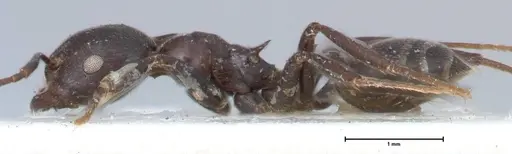
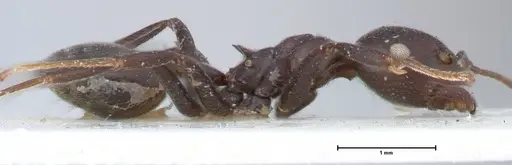
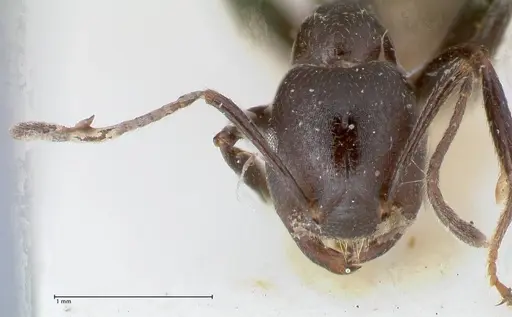
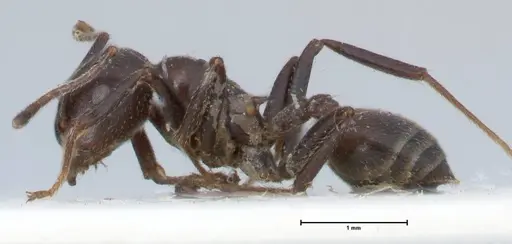
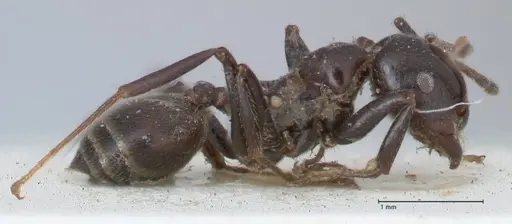
Crematogaster stadelmanni is a small ant species native to the Afrotropical region, found across Central Africa from Liberia to Kenya and the Democratic Republic of Congo [AntWiki]. Workers have the characteristic Crematogaster heart-shaped abdomen that they can raise like an acrobat's balance beam when threatened. This species belongs to the Crematogaster ranavalonae group and is known for its arboreal lifestyle - it's one of the most common canopy-dwelling ants in African rainforests, making up about 11% of canopy ant individuals in some studies . What makes C. stadelmanni particularly interesting is its nesting architecture. These ants construct distinctive carton nests from fungal materials (Chaetothyriales) that are both waterproof and durable . The nests feature large protrusions that help heavy rain run off, making them remarkably well-adapted to tropical rainfall. This arboreal, fungus-using lifestyle makes them quite different from most ground-nesting ant species that hobbyists commonly keep.
Quick Summary
- Difficulty: Medium
- Origin & Habitat: Tropical Africa, found in Liberia, Guinea, Ivory Coast, Ghana, Nigeria, Cameroon, Central African Republic, Democratic Republic of Congo, Kenya, and South Africa. Inhabits rainforest canopies where it builds carton nests in trees [2][1].
- Colony Type: Colony structure is not well-documented in scientific literature. Based on typical Crematogaster patterns, likely single-queen colonies, though some related species can have multiple queens. More research needed on exact colony structure.
- Size & Growth:
- Queen: Approximately 6-8mm, inferred from typical Crematogaster genus size range
- Worker: Approximately 3-5mm, inferred from typical Crematogaster genus size range
- Colony: Likely reaches several hundred to a few thousand workers based on canopy ant abundance patterns [2]
- Growth: Moderate, typical for tropical arboreal ants
- Development: Approximately 6-8 weeks at tropical temperatures, estimated based on genus patterns (Development time is estimated, no specific study exists for this species. Tropical temperatures (24-28°C) will likely speed development compared to temperate species.)
- Antkeeping:
- Temperature: Keep at 24-28°C, these are tropical ants that need warm, stable conditions. A heating cable on one side of the nest creates a suitable gradient. Avoid temperatures below 22°C for extended periods.
- Humidity: High humidity (60-80%) is essential, mimicking their rainforest canopy habitat. Keep the nest substrate consistently moist but not waterlogged. Regular misting helps maintain humidity, but ensure good ventilation to prevent mold.
- Diapause: No, as a tropical species, they do not require hibernation. Maintain warm conditions year-round. A slight reduction in temperature during 'winter' months (if your room naturally cools) is acceptable but not necessary.
- Nesting: These arboreal ants prefer elevated nests that mimic their natural tree-canopy homes. A Y-tong (AAC) nest or plaster formicarium works well. Provide climbing structures and branches within the outworld. They will build carton-like material, so include some substrate they can manipulate. Test tubes can work for founding colonies but will need upgrading as the colony grows.
- Behavior: Crematogaster stadelmanni is moderately aggressive and will readily defend its nest. Workers are active foragers that patrol the canopy and surrounding areas. When threatened, they raise their abdomen as a defensive display and may bite. They are escape artists due to their small size, use excellent escape prevention with fine mesh and barrier gel. They are primarily nocturnal or crepuscular foragers in nature, so they may be most active in the evening hours.
- Common Issues: escape prevention is critical due to their small size, they can squeeze through tiny gaps, tropical humidity requirements can lead to mold problems if ventilation is inadequate, arboreal lifestyle means they need vertical space and climbing structures, not just horizontal floor space, wild-caught colonies may have parasites or diseases that can decimate captive colonies, slow founding phase means colonies can stall if conditions aren't optimal, patience is required
Nest Preferences and Housing
Crematogaster stadelmanni is an arboreal species that naturally nests in the rainforest canopy, constructing distinctive carton nests from fungal materials [3]. In captivity, they adapt well to various nest types but prefer setups that allow them to build and climb. A Y-tong (AAC) nest with narrow chambers works well, as does a plaster formicarium with good moisture retention. The key is providing vertical space, these ants naturally live high in trees, so they appreciate having climbing structures, branches, or mesh to traverse in their outworld. For founding colonies, a standard test tube setup works, but place the tube elevated or at an angle to better simulate their natural arboreal nesting. As the colony grows, provide increasing outworld space with multiple levels and climbing opportunities. They will readily explore and claim height, so ensure the outworld has vertical surfaces they can walk on.
Feeding and Diet
Like most Crematogaster species, C. stadelmanni is an omnivore with a preference for protein-rich foods. In their natural canopy habitat, they forage for small insects, honeydew from aphids and scale insects, and nectar. In captivity, offer a varied diet: protein sources like small crickets, mealworms, fruit flies, and other small insects should be provided 2-3 times per week. Sugar sources are also readily accepted, a drop of honey water or sugar water should be offered regularly. They are not picky eaters and will typically accept most offered foods, but variety is key to maintaining healthy colonies. Remove uneaten prey after 24-48 hours to prevent mold. Fresh water should always be available, a small water tube with a cotton wick works well.
Temperature and Seasonal Care
As a tropical species from African rainforests, Crematogaster stadelmanni requires warm conditions year-round. Maintain temperatures between 24-28°C for optimal colony health and development. Temperatures below 22°C for extended periods can stress the colony and slow or stop brood development. A small heating cable placed on one side of the nest can create a temperature gradient, allowing ants to self-regulate by moving between warmer and cooler areas. Place the heating on top of the nest, not underneath, to avoid drying out the substrate too quickly. Unlike temperate species, they do not require a winter dormancy period, maintain consistent tropical temperatures throughout the year. Minor temperature fluctuations are tolerated, but avoid drafts and sudden changes.
Behavior and Defense
Crematogaster stadelmanni workers are active and alert, with the characteristic defensive behavior common to all acrobat ants. When threatened, they raise their abdomen high above their head, displaying the heart-shaped gaster as a warning. They can bite and may release formic acid from their abdomen as a defensive secretion. Workers are moderately aggressive and will vigorously defend their nest against intruders. In the outworld, they are active foragers that will explore extensively, they benefit from enrichment and complex environments. They are primarily nocturnal in nature, so expect peak activity during evening and night hours in captivity. Their small size makes them excellent climbers, and they can scale smooth surfaces easily, so escape prevention must be thorough.
Colony Development and Growth
Colony growth follows typical ant development patterns. A newly mated queen will seal herself in a chamber and lay her first eggs. She feeds the larvae from her metabolic reserves until the first nanitic workers emerge. Initial colony growth is slow, the first few workers may take 6-8 weeks to develop at optimal temperatures. Once the colony has 10-20 workers, growth typically accelerates as more foragers can be dispatched to gather food. Based on their abundance in canopy studies (3.5-7.5 ants per square meter), colonies likely reach several hundred workers in optimal conditions [2]. The queen can live for many years, with documented lifespans of 15+ years in some Crematogaster species. Colonies are long-lived and can grow substantial given proper care.
Unique Nesting Biology
One of the most fascinating aspects of Crematogaster stadelmanni is its nesting biology. These ants construct nests from carton material, a papery, waterproof substance made from fungal hyphae (specifically Chaetothyriales fungi) [3]. This material is both lightweight and durable, allowing the ants to build nests that can weigh down rain and prevent flooding. The nests often feature distinctive protrusions that help water run off, demonstrating remarkable adaptation to the wet tropical environment. In captivity, while they may not build true carton nests, they often incorporate available materials into their nest structure. Providing some loose substrate or materials they can manipulate may encourage more natural behavior. This arboreal, fungus-associated nesting is relatively rare among ants and makes C. stadelmanni an especially interesting species to observe.
Frequently Asked Questions
How long does it take for Crematogaster stadelmanni to produce first workers?
Expect 6-8 weeks from egg to first worker at optimal tropical temperatures (24-28°C). Initial colony growth is slow, the queen raises the first brood alone, and these nanitic workers are smaller than mature workers. Patience is essential during the founding phase.
What do Crematogaster stadelmanni ants eat?
They are omnivores that accept both protein and sugar foods. Offer small insects (fruit flies, crickets, mealworms) 2-3 times per week, plus a constant source of sugar (honey water or sugar water). They will also consume nectar and honeydew if available.
Do Crematogaster stadelmanni ants need hibernation?
No, they are tropical ants and do not require hibernation. Keep them warm year-round at 24-28°C. A slight seasonal temperature variation is acceptable but not necessary for their health.
What size colony does Crematogaster stadelmanni reach?
Based on their abundance in natural habitats (3.5-7.5 ants per square meter in canopy studies), colonies likely reach several hundred to a few thousand workers at maturity. They are not among the largest Crematogaster species.
Are Crematogaster stadelmanni good for beginners?
They are rated as medium difficulty. They require specific conditions (high humidity, tropical temperatures) but are not overly demanding. Their small size and escape ability are the main challenges. Experienced antkeepers should have success, but complete beginners may struggle with their humidity and escape prevention needs.
Do Crematogaster stadelmanni ants sting?
They can bite and release formic acid as a defensive secretion. While not dangerous to humans, the bite can be irritating and the acid may cause mild skin irritation. Their small size makes stings unlikely to penetrate human skin.
What type of nest is best for Crematogaster stadelmanni?
A Y-tong (AAC) nest or plaster formicarium works well. They are arboreal ants, so they appreciate vertical space and climbing structures. Provide branches or mesh in the outworld. Keep the nest humid but ensure good ventilation to prevent mold.
Can I keep multiple Crematogaster stadelmanni queens together?
Colony structure is not well-documented for this species, but based on typical Crematogaster patterns, they are likely single-queen colonies. Combining unrelated queens is not recommended as it may lead to fighting. If you catch multiple queens, house them separately.
Why are my Crematogaster stadelmanni escaping?
Their small size makes them excellent escape artists. Use fine mesh on all openings, apply barrier gel (fluon) around the edges of the outworld lid, and check for any tiny gaps. Inspect connections between the nest and outworld carefully, they can squeeze through gaps smaller than their own body width.
How do I set up a proper humidity gradient for this species?
Keep the nest substrate consistently moist but not waterlogged. You can create a humidity gradient by moistening one end of the nest more than the other, allowing ants to move to their preferred humidity level. Use a moisture meter or observe condensation, if there's constant heavy condensation, there's no airflow, if the substrate dries within hours, it's too dry.
Report an Issue
The current care sheet is based fully on literature. See inconsistencies, or something that's incorrect? Please , it will be resolved after review from an admin. Contributing to the blogs tab also helps providing information, to make us be able to further improve the caresheets. Thank you for your support!
References

This caresheet is licensed under CC BY-SA 4.0 .
Community Blogs
CASENT0171186
View on AntWeb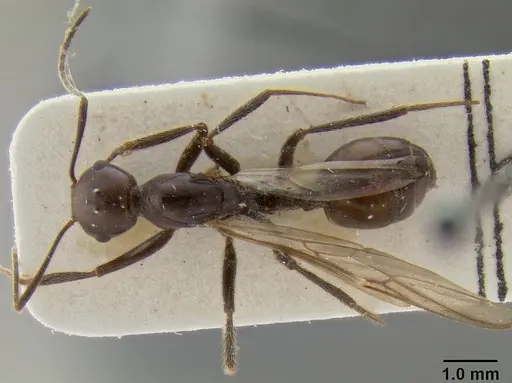
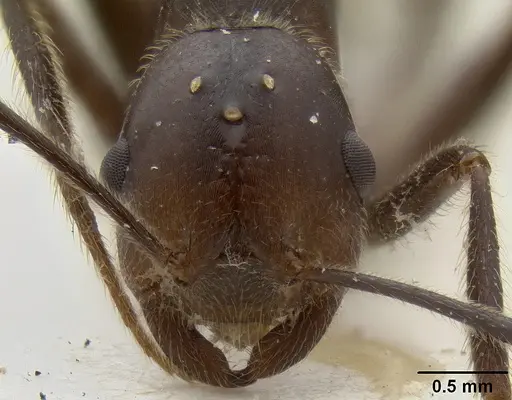
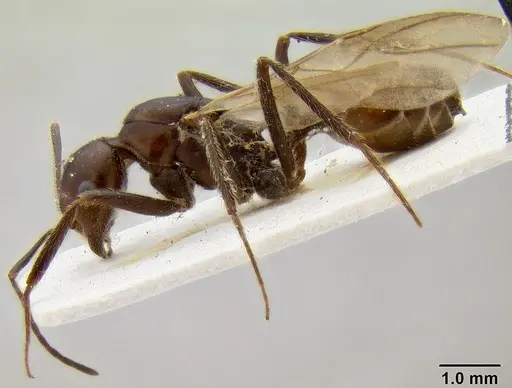
CASENT0193573
View on AntWeb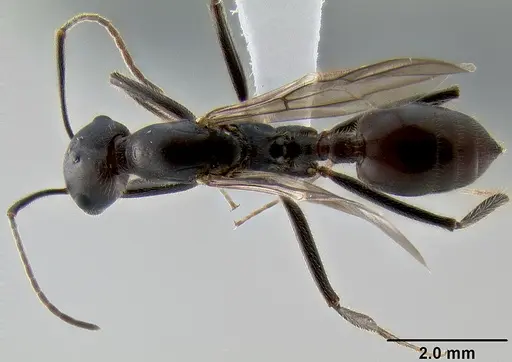
CASENT0193787
View on AntWeb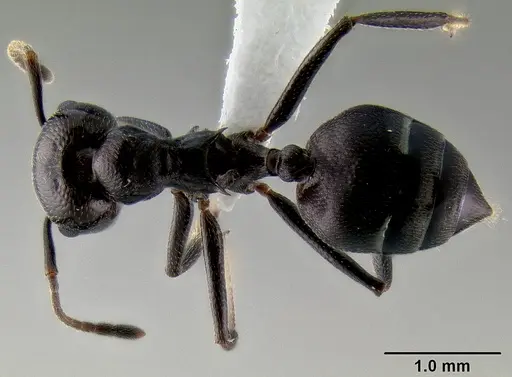
CASENT0902068
View on AntWeb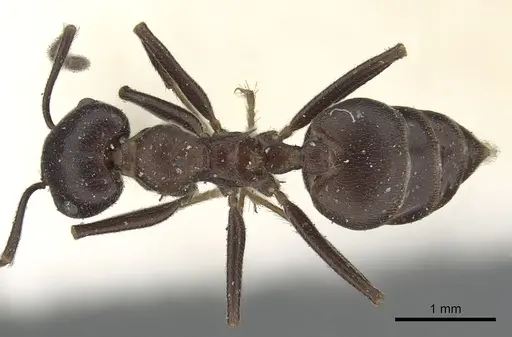
CASENT0908649
View on AntWeb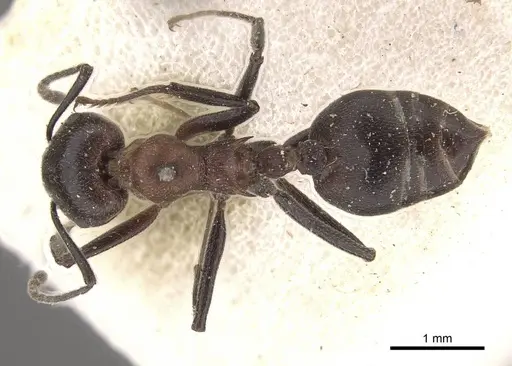
CASENT0908650
View on AntWeb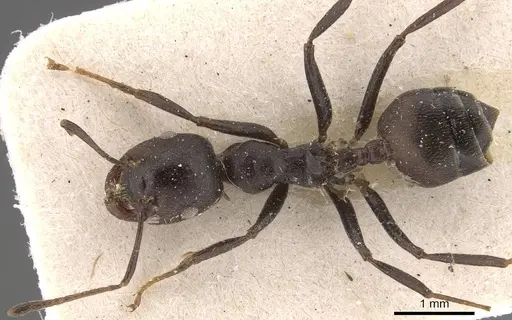
CASENT0908651
View on AntWeb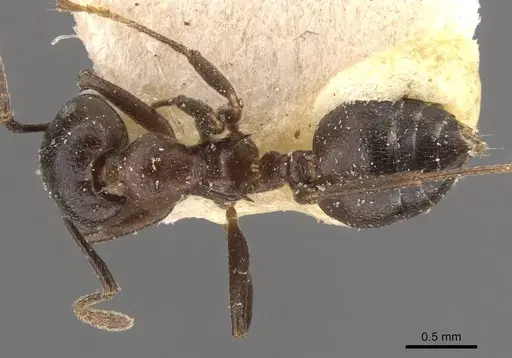
CASENT0912738
View on AntWeb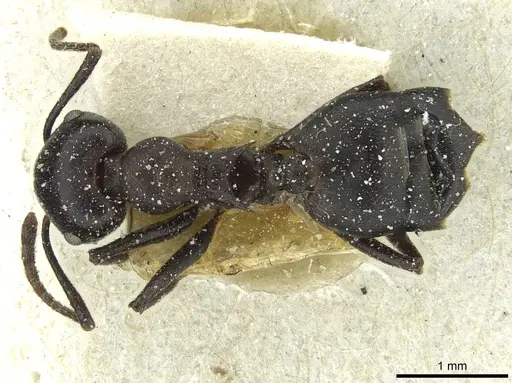
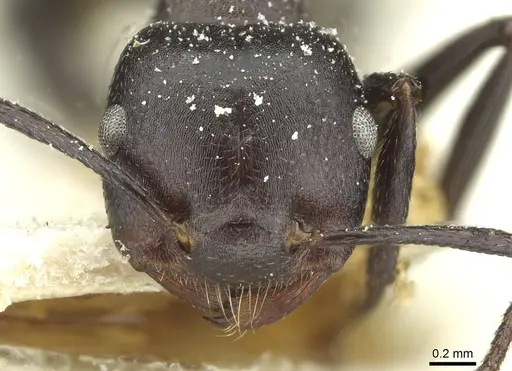
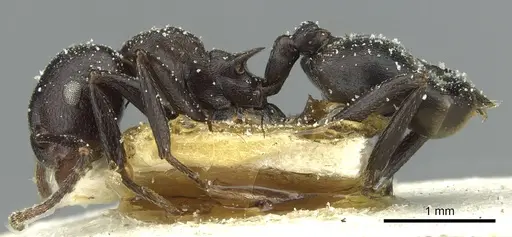
CASENT0912739
View on AntWeb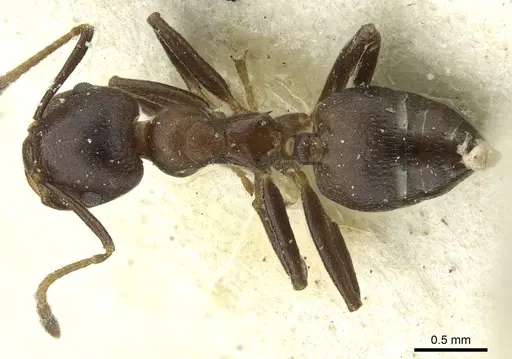
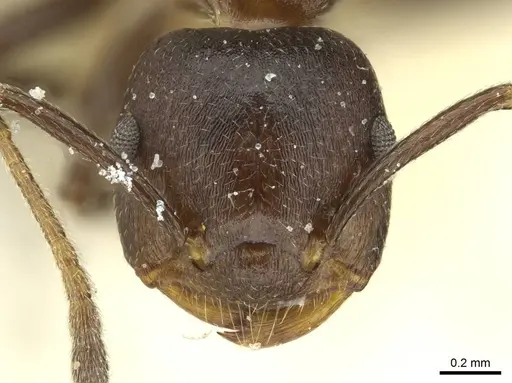
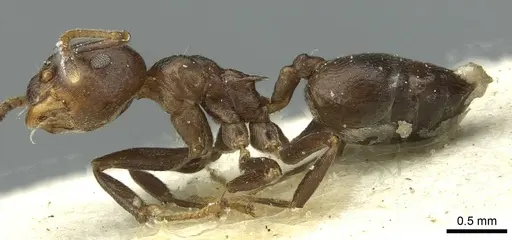
CASENT0919676
View on AntWeb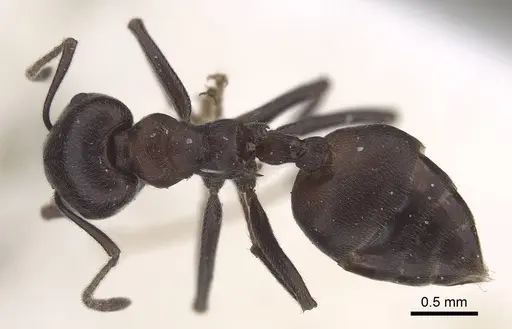
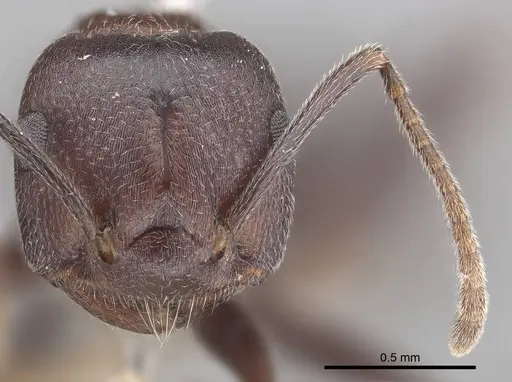
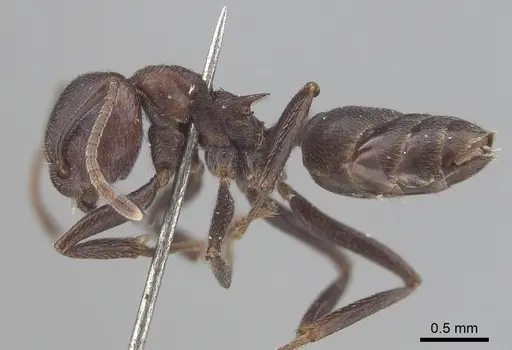
CASENT0919677
View on AntWeb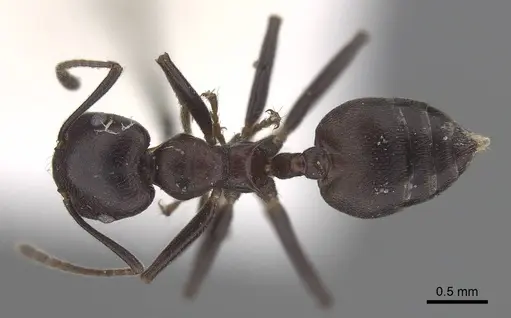
CASENT0919678
View on AntWeb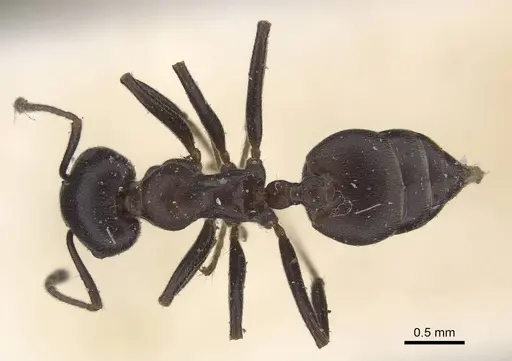
FOCOL0658-1
View on AntWeb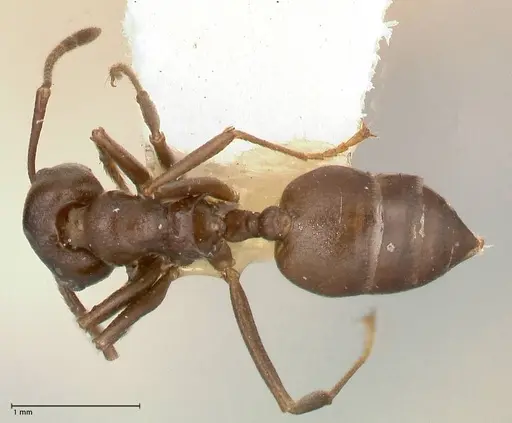
FOCOL0658-2
View on AntWeb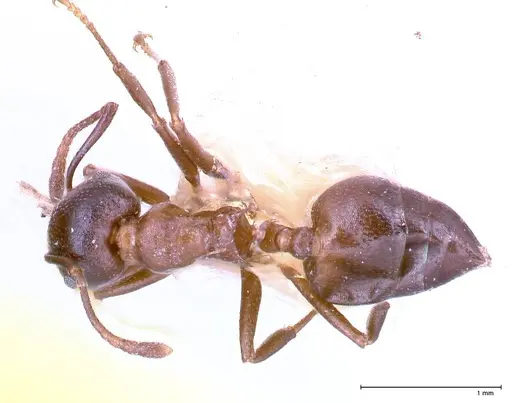
FOCOL0658-3
View on AntWeb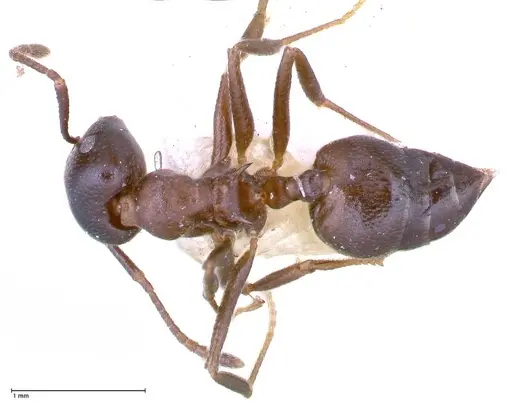
FOCOL1507
View on AntWeb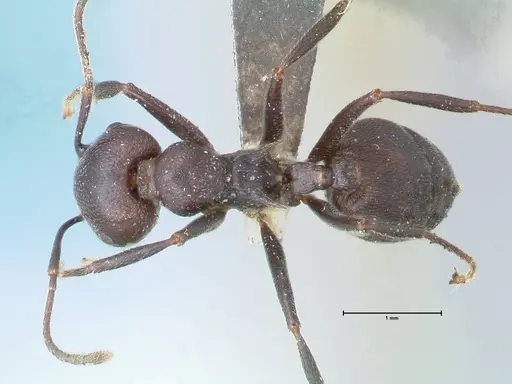
FOCOL1508
View on AntWeb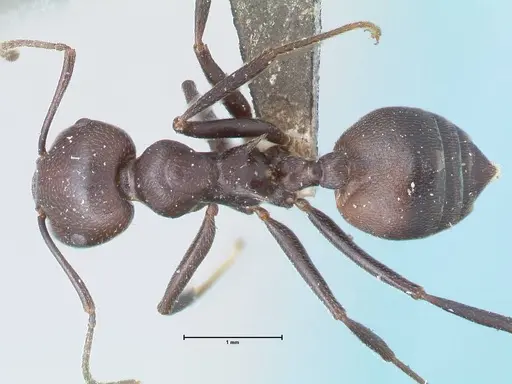
FOCOL1509
View on AntWeb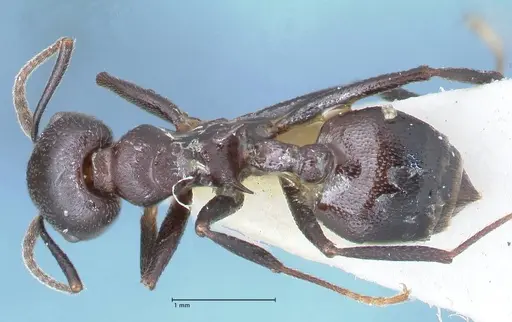
FOCOL1510
View on AntWeb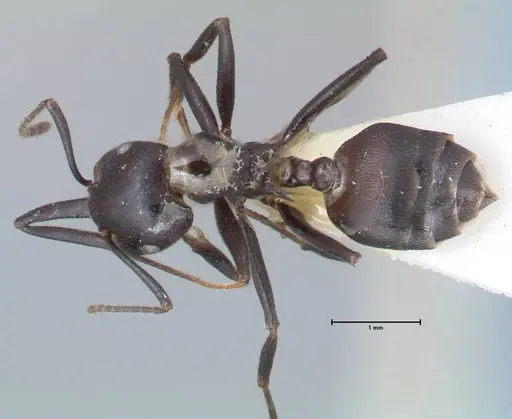
FOCOL1511
View on AntWeb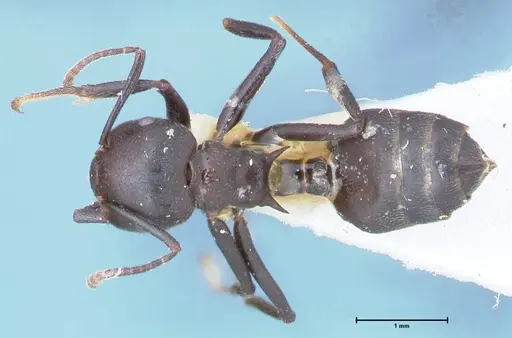
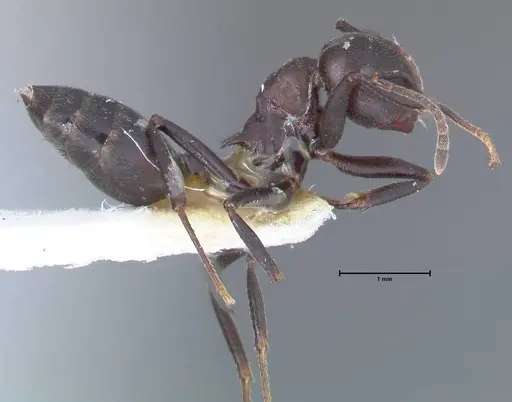
FOCOL1512
View on AntWeb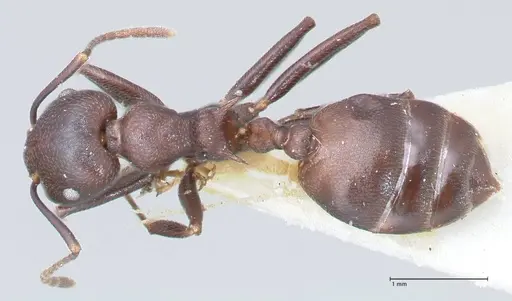
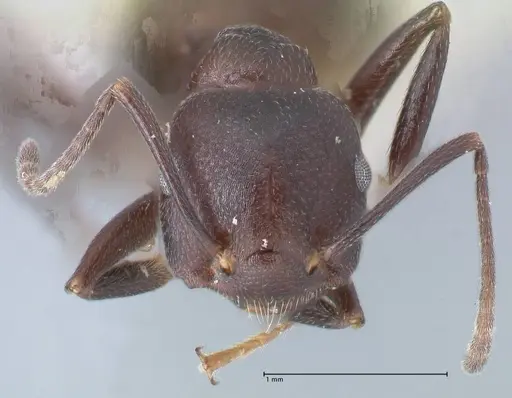
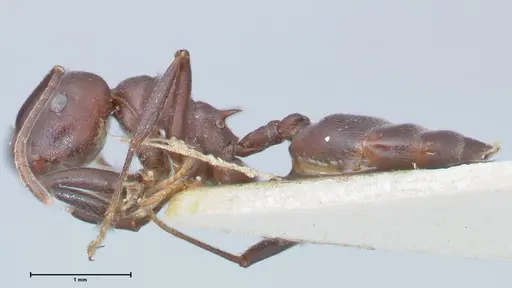
FOCOL1513
View on AntWeb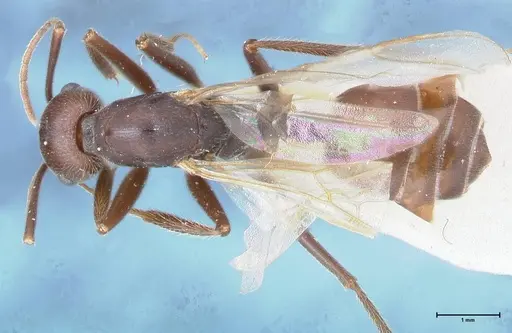
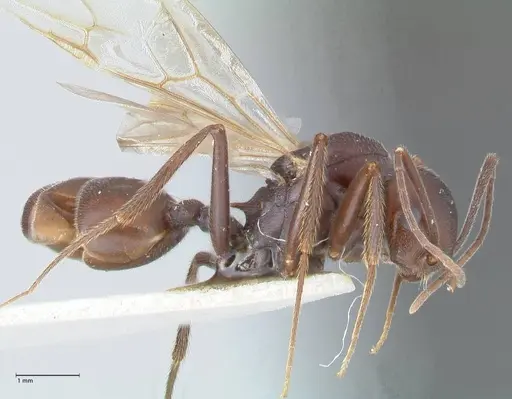
FOCOL1514
View on AntWeb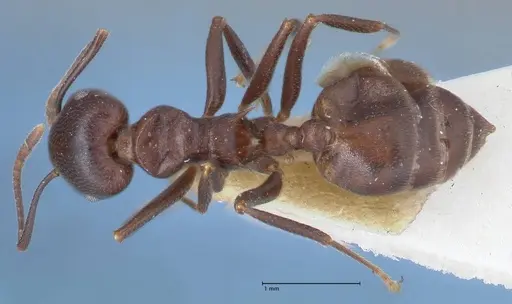
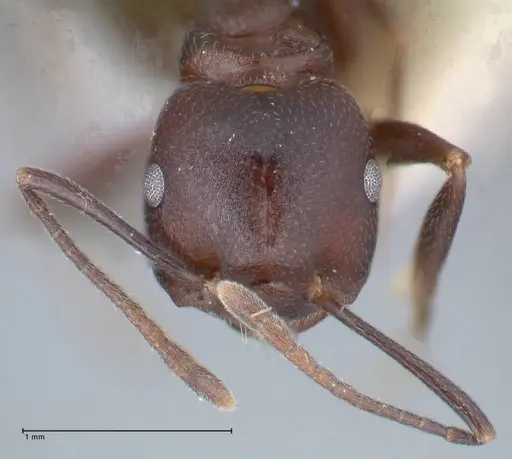
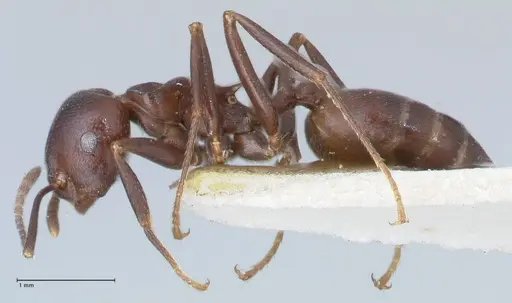
FOCOL1515
View on AntWeb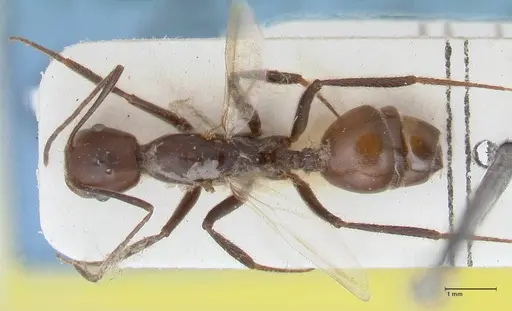
FOCOL1516
View on AntWeb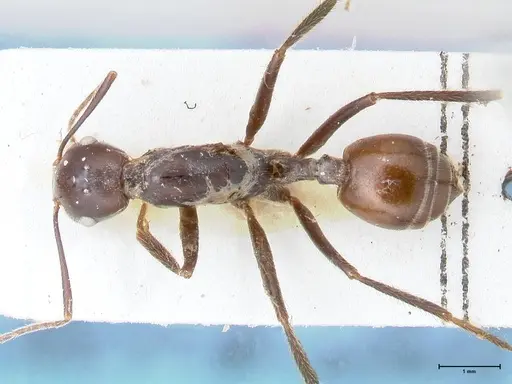
FOCOL1517
View on AntWeb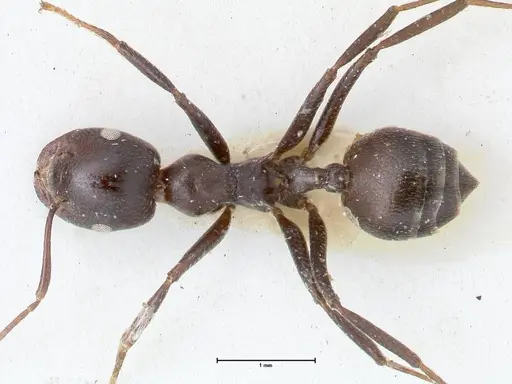
FOCOL1518
View on AntWeb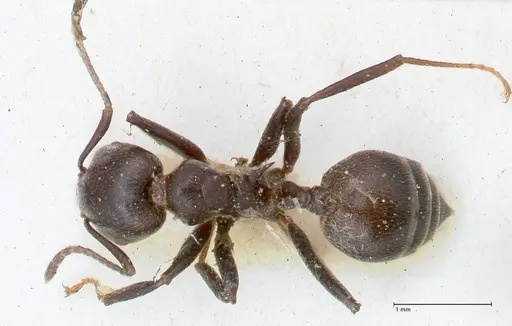
Literature
Loading distribution map...Loading products...