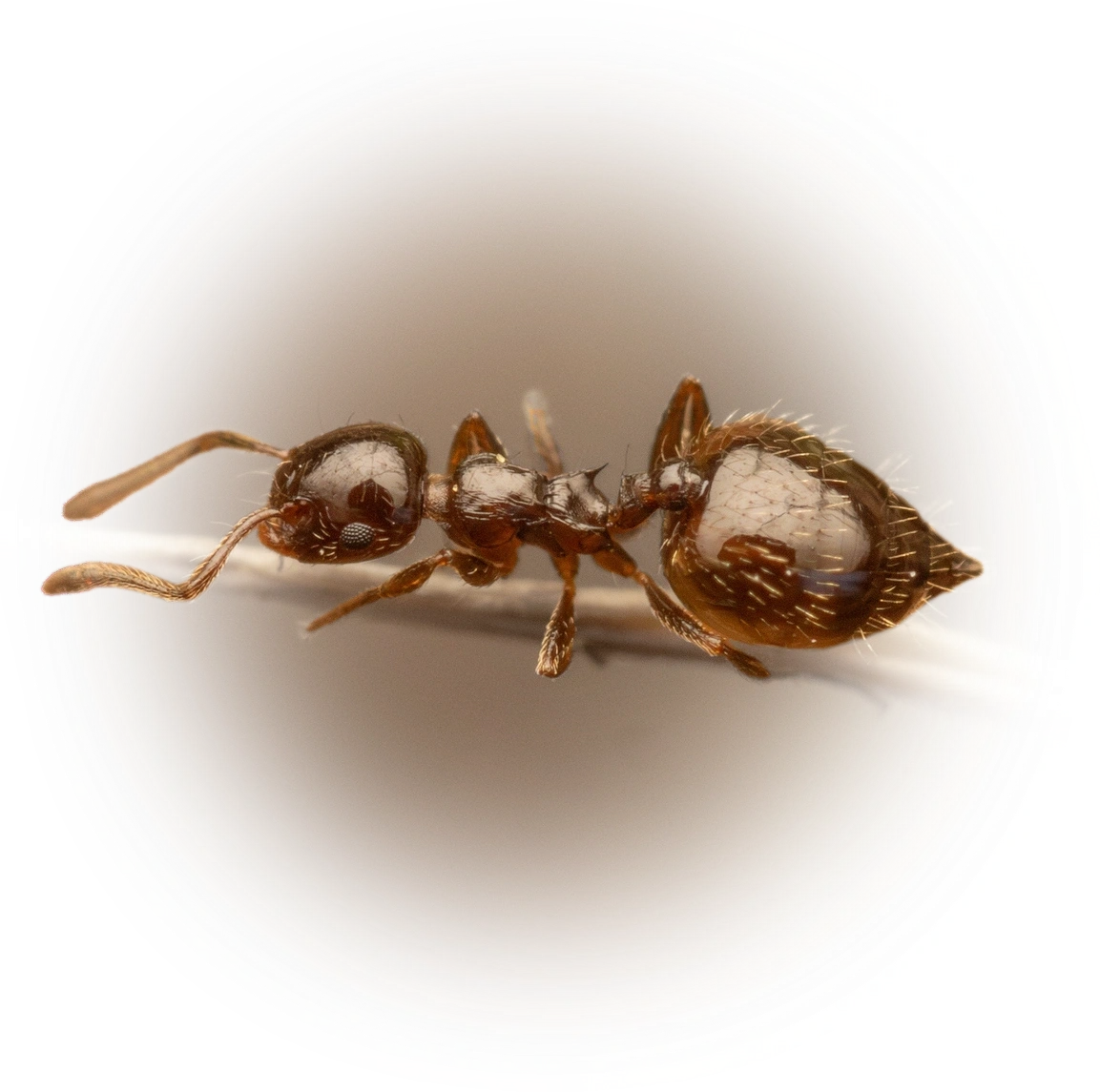
Sordid Cocktail Ant
Crematogaster sordidula
- Sci. Name
- Crematogaster sordidula
- Subgenus
- Orthocrema
- Tribe
- Crematogastrini
- Subfamily
- Myrmicinae
- Author
- Nylander, 1849
- Common Name
- Sordid Cocktail Ant
- Distribution
- Found in 8 countries
Introduction
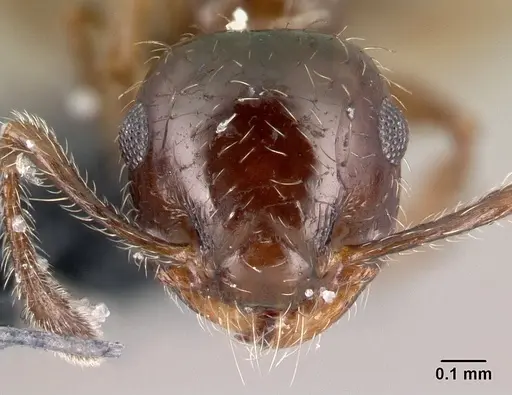
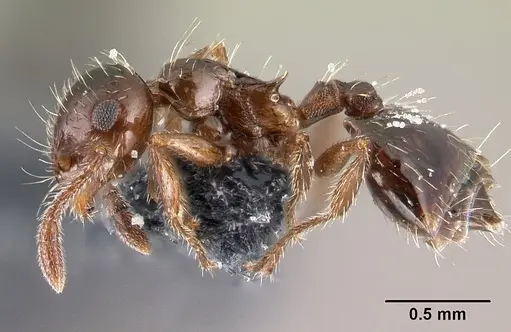
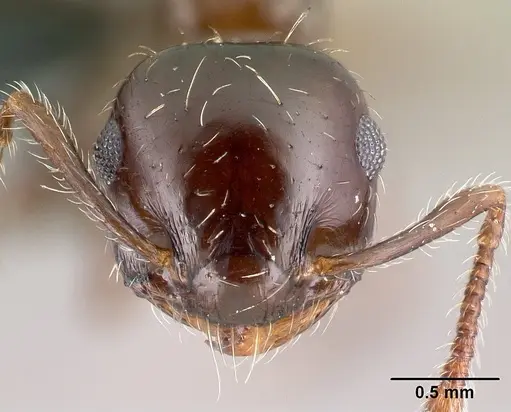
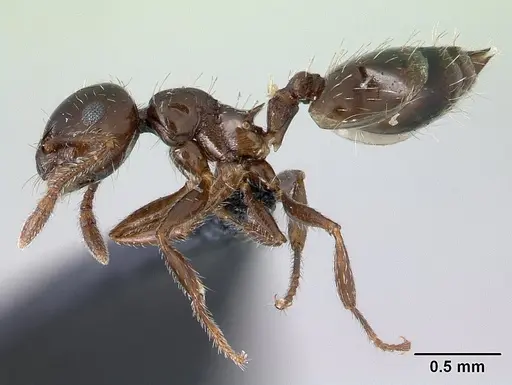
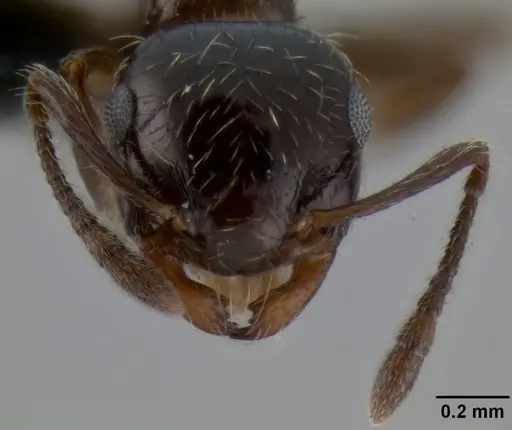
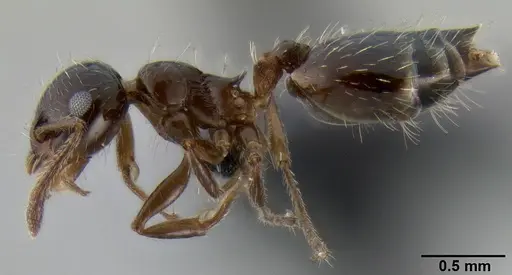
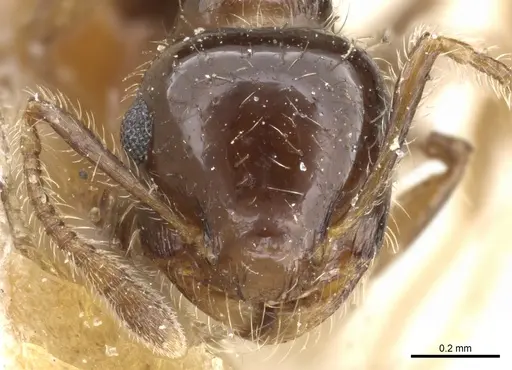
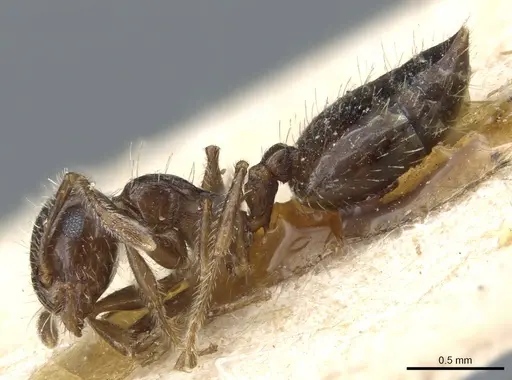
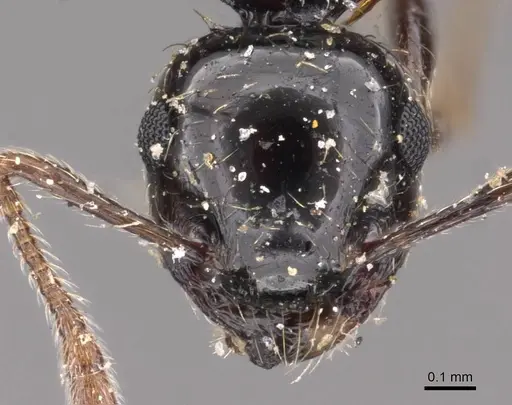
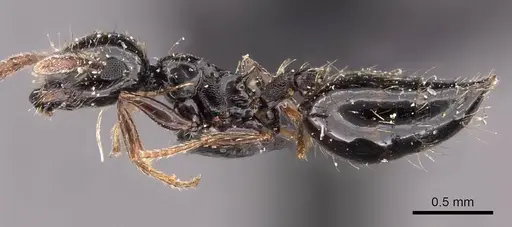
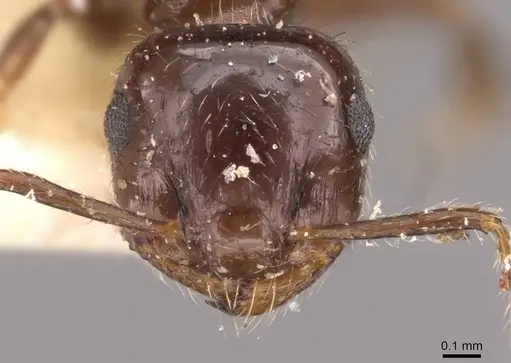
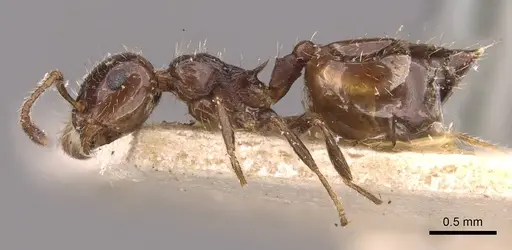
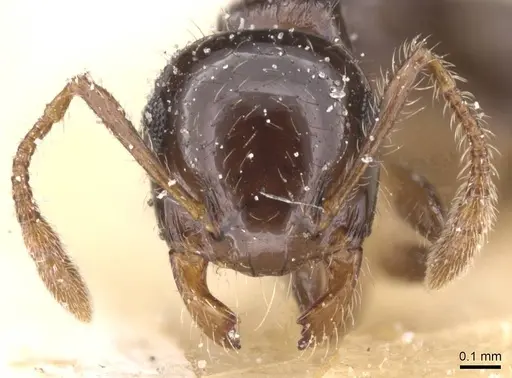
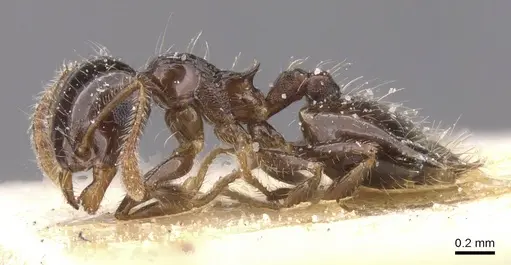
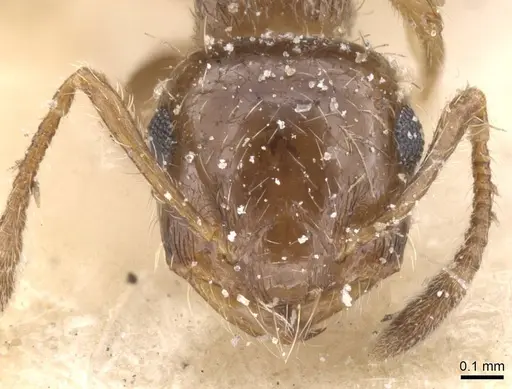
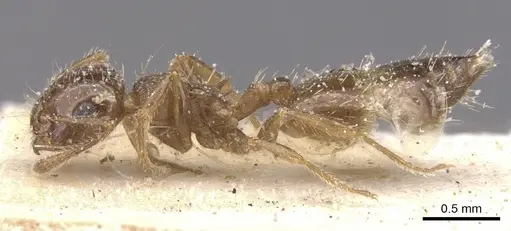
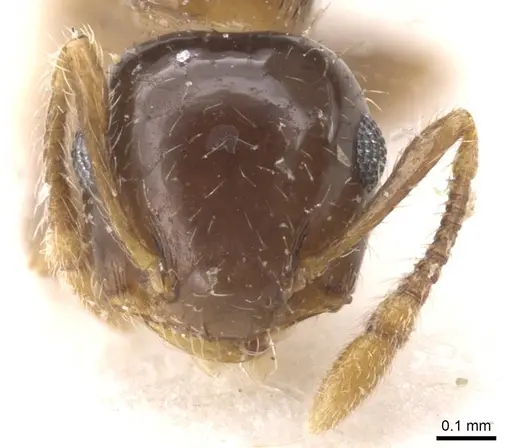
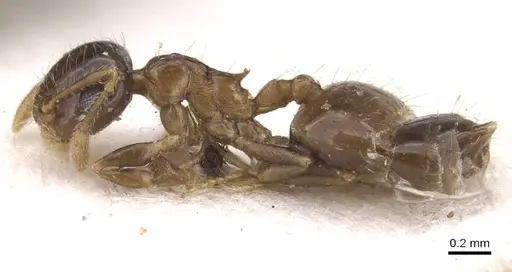
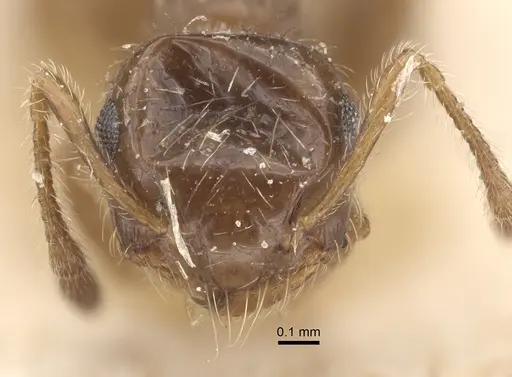
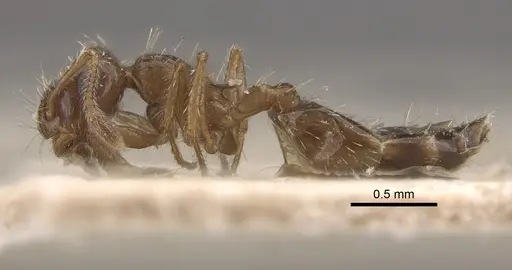
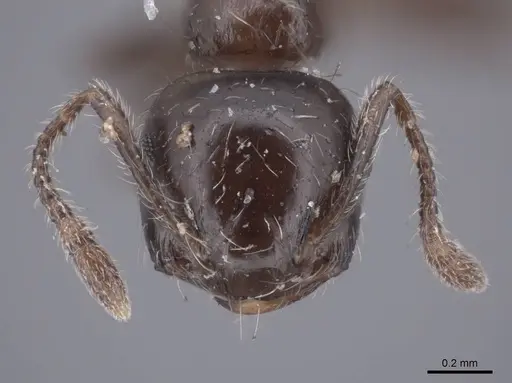
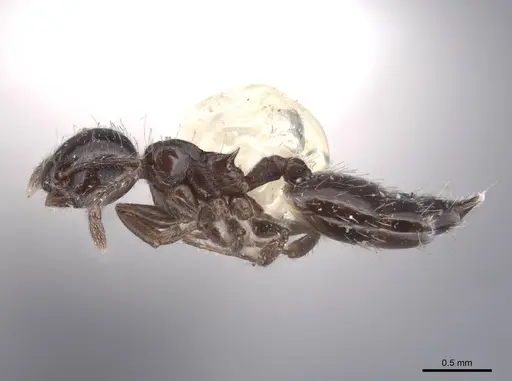
Crematogaster sordidula is a small ant native to the Mediterranean region and parts of western Asia. Workers measure around 2.5mm and have a light brown to yellowish body with abundant long hairs, especially on the abdomen. They belong to the subgenus Orthocrema, making them one of the smaller Crematogaster species in Europe. These ants are known for their defensive behavior - they can raise their heart-shaped abdomen above their head like an acrobat, which gives the genus its common name 'acrobat ants'. They are common across Greece and the Mediterranean, found in warm habitats like pastures, Mediterranean shrubs, and roadsides, nesting under stones or directly in soil . This species has a fascinating relationship with butterflies - it attends the larvae of various Lycaenidae butterflies like Polyommatus admetus and Lampides boeticus, protecting them from predators in exchange for honeydew .
Quick Summary
- Difficulty: Easy
- Origin & Habitat: Mediterranean region, found across Southern Europe, North Africa, and western Asia including Greece, Spain, Italy, France, Portugal, Turkey, and Morocco. Prefers warm Mediterranean habitats such as pastures, roadsides, and Mediterranean shrubland [1][4].
- Colony Type: Monogyne, colonies have a single queen. Monodomous, single nest site. Colonies can reach thousands of workers [5][6].
- Size & Growth:
- Antkeeping:
- Temperature: Keep at 22-28°C. They are heat-tolerant with a critical thermal maximum around 40-44°C and prefer warm microhabitats. Peak activity occurs around 20°C [6][5].
- Humidity: Low to moderate, they prefer dry, sunny Mediterranean conditions. Keep nest substrate moderately dry, not waterlogged. Avoid excessive moisture [1].
- Diapause: No, being a Mediterranean species, they do not require true hibernation. However, they may reduce activity in cooler winter months [6].
- Nesting: Test tubes work well for founding colonies. For established colonies, use a Y-tong or plaster nest with dry to moderately humid conditions. They naturally nest under stones or directly in ground [1][8].
- Behavior: These are subordinate ants in Mediterranean communities, they avoid conflict with dominant species and often escape rather than fight. They are primarily nectarivorous, feeding on honeydew from aphids and nectar from flowers. Workers forage individually and use recruitment to food sources. They are active during spring and become more nocturnal during hot summer months [6][5]. Their defensive behavior includes raising the gaster and applying venom to intruders, they can kill much larger ants like Messor and Tapinoma with their poison [9]. They are not aggressive toward humans and rarely sting. Escape prevention is important as they are small and agile.
- Common Issues: colonies may fail if kept too cold, they need warm conditions year-round, overwatering can kill colonies as they prefer dry Mediterranean conditions, wild-caught colonies may have parasites that cause colony collapse, slow founding phase may lead beginners to overcheck the queen and disturb the nest, they are small and can escape through tiny gaps, use fine mesh barriers
Housing and Nest Setup
Crematogaster sordidula does well in standard test tube setups for founding colonies. Use a test tube with a water reservoir plugged with cotton, the ants will drink from the water section through the cotton. For larger colonies, a Y-tong or plaster formicarium works well. These ants prefer dry conditions, so avoid overly humid nests. Keep the nest in a warm location, ideally around 24-26°C. They do not need a large outworld initially, a small container for feeding is sufficient. As the colony grows, you can expand to a larger formicarium. Escape prevention is important because they are small and agile, use fluon on container rims and fine mesh on any ventilation [1][8].
Feeding and Diet
This species is primarily nectarivorous, meaning their diet centers around sweet liquids. In captivity, offer sugar water (1:3 sugar to water ratio) or honey water (small drop) regularly. They also readily attend aphids if present on plants, collecting honeydew. For protein, offer small insects like fruit flies, pinhead crickets, or mealworm pieces occasionally. They are not strong hunters and prefer easier food sources. Some keepers report they will accept protein but it's not their primary food. Avoid overfeeding protein as they may not consume it. Fresh water should always be available [5][10][11].
Temperature and Seasonal Care
Being a Mediterranean species, Crematogaster sordidula thrives in warm conditions. Keep the nest area at 22-28°C, they can tolerate temperatures up to 40°C or higher (critical thermal maximum around 40-44°C). They do not require hibernation but may slow down in winter if temperatures drop. Room temperature within this range is usually suitable. If your room is cooler, use a heating cable on one side of the nest to create a gradient. Place the heating on top of the nest, not underneath, to avoid drying out the nest too quickly. They are most active in spring and early summer, with peak activity in May [6][5].
Behavior and Defense
These ants are known as 'acrobat ants' because they can raise their heart-shaped abdomen above their head in a defensive posture. When threatened, they crouch low and point their sting-equipped abdomen toward the intruder. Their venom is surprisingly potent, they can kill ants much larger than themselves, including Messor workers and Tapinoma, by applying droplets of poison to the enemy's mouthparts [9]. Despite this impressive defense, they are generally non-aggressive toward humans and rarely sting. In the ant community hierarchy, they are a subordinate species, they avoid conflict with dominants and often escape rather than fight. Workers are active during the day in spring but shift to nocturnal foraging in hot summer months [6][12].
Interactions with Other Species
One of the most interesting aspects of Crematogaster sordidula is its relationship with butterflies. They are known to attend the larvae of various Lycaenidae butterflies including Polyommatus admetus, Lampides boeticus, and Leptotes pirithous. The ants protect these caterpillars from parasitoids in exchange for honeydew they produce. In some areas of northern Peloponnese, all Polyommatinae caterpillars were attended by this species instead of larger ants like Camponotus aethiops [3][2]. They also form mutualistic relationships with aphids, tending Brachycaudus cardui and other aphid species for honeydew [10][13]. This makes them a rewarding species to observe if you're interested in ant interactions.
Frequently Asked Questions
How long does it take for Crematogaster sordidula to raise first workers?
Expect first workers (nanitics) to emerge in about 6-8 weeks after the queen lays eggs, assuming temperatures around 24-26°C. This is typical for Crematogaster species in warm conditions. The queen will seal herself in during founding and should not be disturbed during this period.
Can I keep multiple Crematogaster sordidula queens together?
No, this species is monogyne, meaning colonies have a single queen. Combining unrelated queens is not recommended and will likely result in fighting. Only keep one queen per colony.
Do Crematogaster sordidula ants sting?
They can sting but rarely do so toward humans. Their main defense is raising the abdomen and applying venom to other insects. The sting is too small to penetrate human skin noticeably. They are not considered dangerous to keepers.
What do Crematogaster sordidula eat?
They are primarily nectarivorous, offer sugar water or honey water as a staple. They also collect honeydew from aphids. For protein, they will occasionally accept small insects but this is not their primary food source. Avoid overfeeding protein.
Do they need hibernation?
No, as a Mediterranean species, they do not require true hibernation. They may reduce activity in cooler winter months but will stay active year-round if kept warm (above 20°C). No diapause period is needed.
Are Crematogaster sordidula good for beginners?
Yes, they are considered an easy species to keep. They are small but hardy, tolerate warm conditions well, and have straightforward dietary needs. The main challenges are escape prevention due to their small size and avoiding overwatering the nest.
How big do Crematogaster sordidula colonies get?
Colonies can reach several thousand workers over time. They start slowly but grow steadily once the first workers emerge. Growth is moderate, expect a few hundred workers in the first year under good conditions.
Why is my colony dying?
The most common causes are: too cold temperatures (keep above 22°C), too much moisture (they prefer dry conditions), or disturbance during founding (don't check on the queen unnecessarily). Wild-caught colonies may also carry parasites that can cause collapse.
When should I move them to a formicarium?
Move from test tube to a formicarium when the colony reaches around 50-100 workers or when the test tube becomes cramped. A Y-tong or plaster nest works well. They prefer dry conditions so avoid setups that retain too much moisture.
Do they need escape prevention?
Yes, because of their very small size, escape prevention must be excellent. Use tight-fitting lids, apply fluon to container rims, and use fine mesh on any ventilation openings. They can squeeze through surprisingly small gaps.
Report an Issue
The current care sheet is based fully on literature. See inconsistencies, or something that's incorrect? Please , it will be resolved after review from an admin. Contributing to the blogs tab also helps providing information, to make us be able to further improve the caresheets. Thank you for your support!
References

This caresheet is licensed under CC BY-SA 4.0 .
Community Blogs
CASENT0106292
View on AntWeb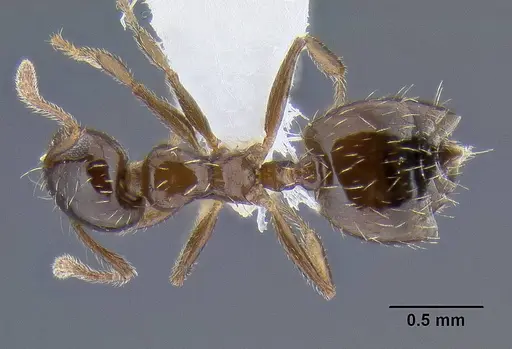
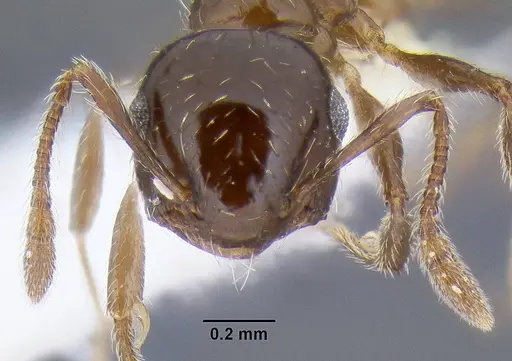
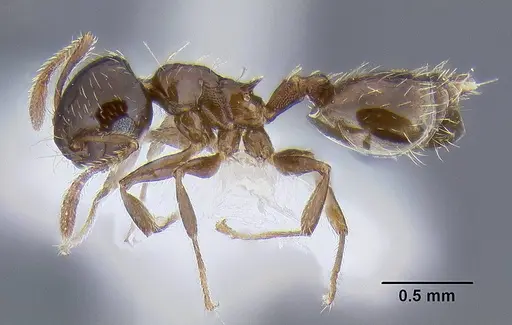
CASENT0179606
View on AntWeb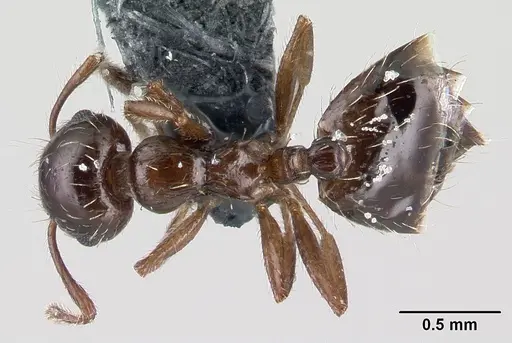
CASENT0179889
View on AntWeb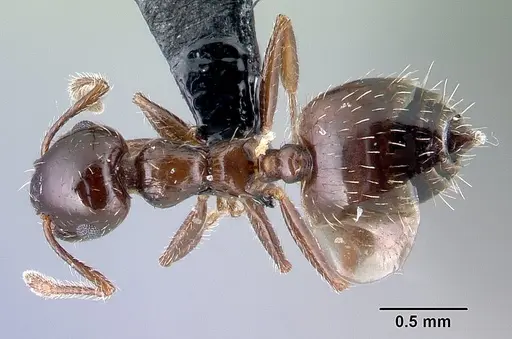
CASENT0193797
View on AntWeb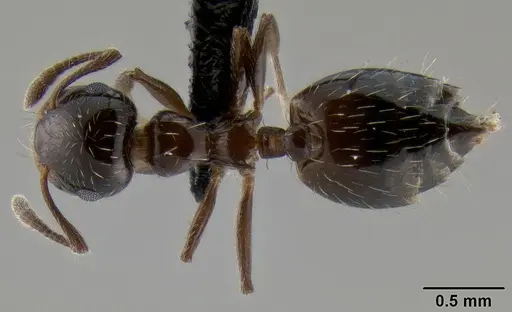
CASENT0904489
View on AntWeb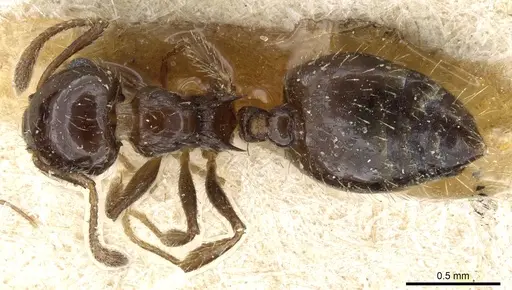
CASENT0908354
View on AntWeb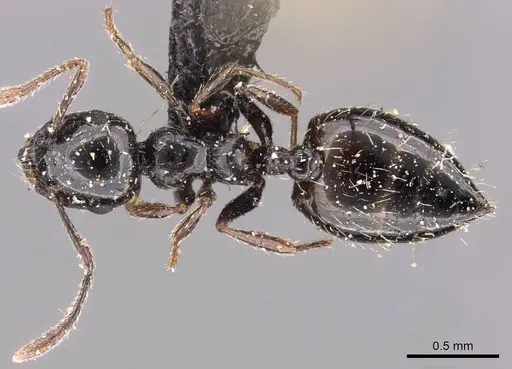
CASENT0908355
View on AntWeb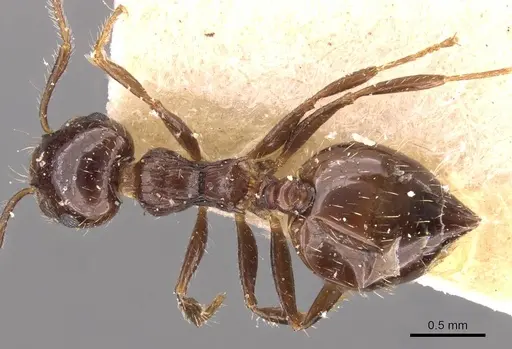
CASENT0912781
View on AntWeb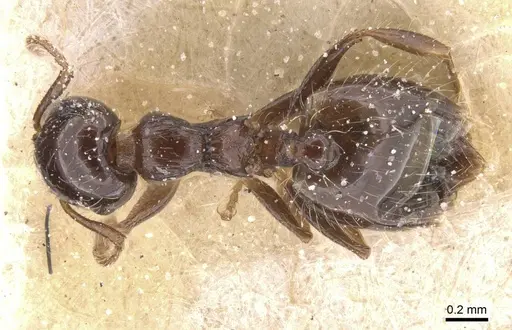
CASENT0912782
View on AntWeb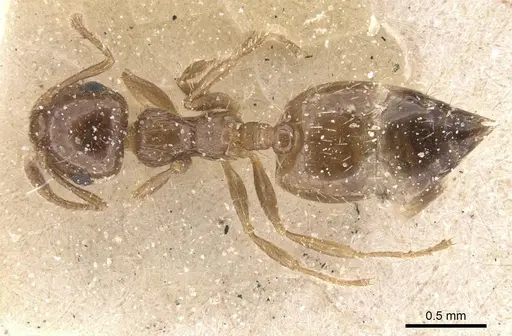
CASENT0913615
View on AntWeb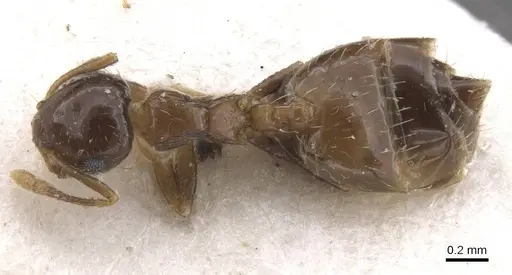
CASENT0914545
View on AntWeb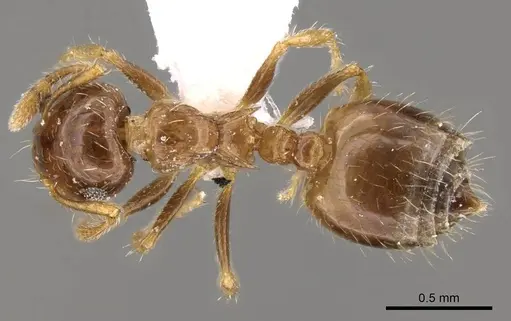
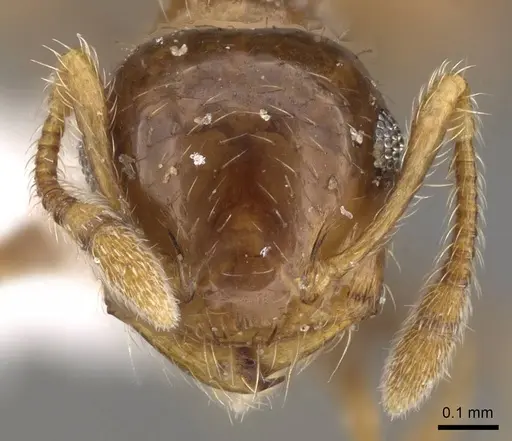
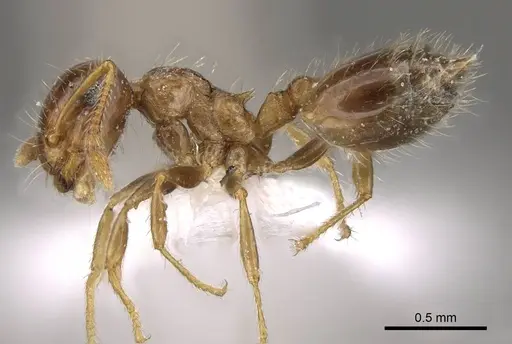
CASENT0917800
View on AntWeb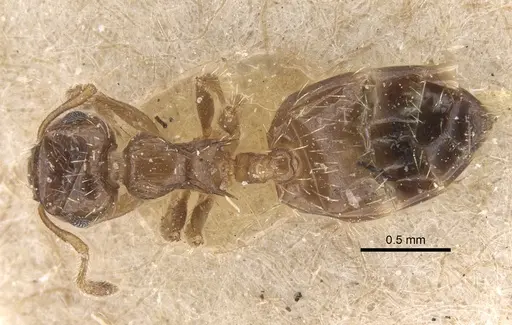
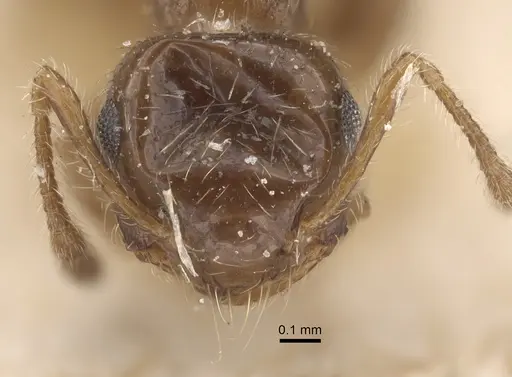
FMNHINS0000047859
View on AntWeb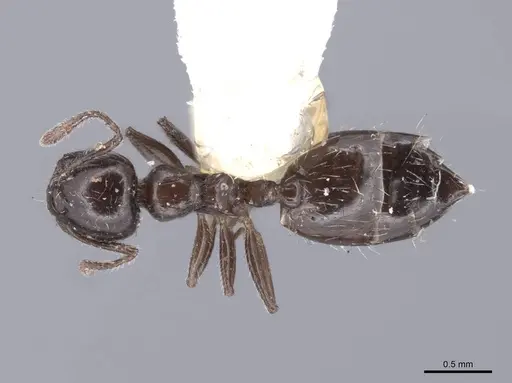
Literature
Loading distribution map...Loading products...