
Crematogaster sewellii
- Sci. Name
- Crematogaster sewellii
- Tribe
- Crematogastrini
- Subfamily
- Myrmicinae
- Author
- Forel, 1891
- Distribution
- Found in 1 countries
Introduction
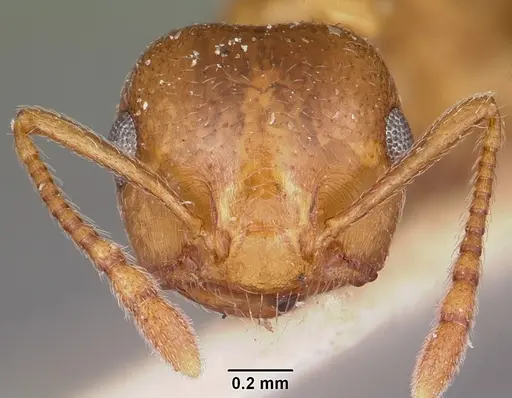
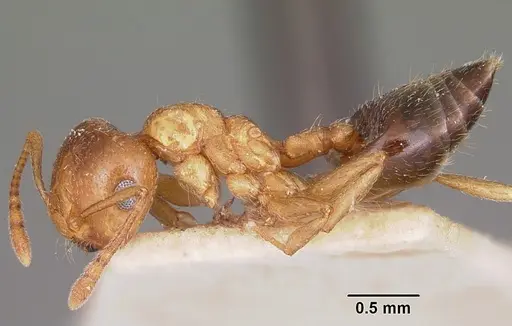
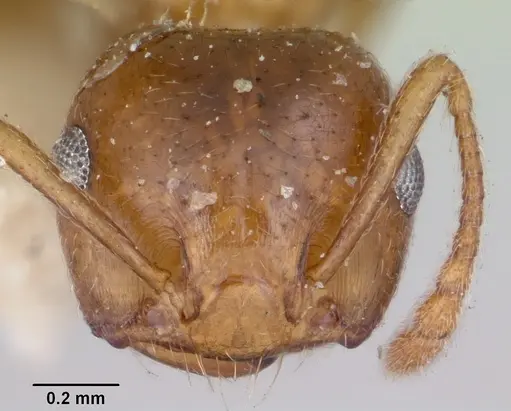
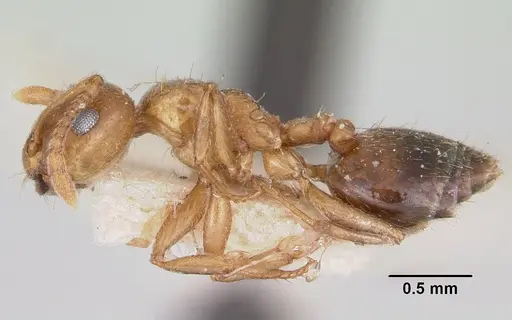
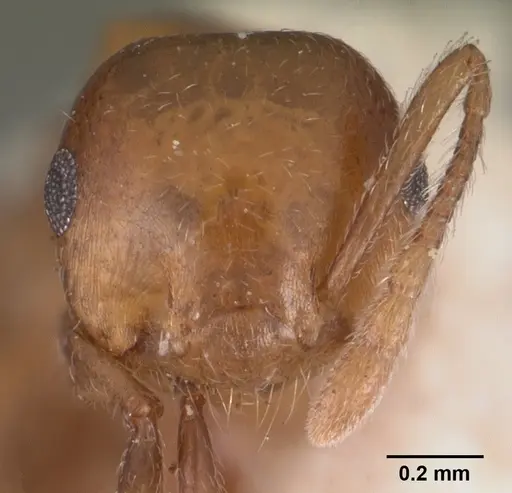
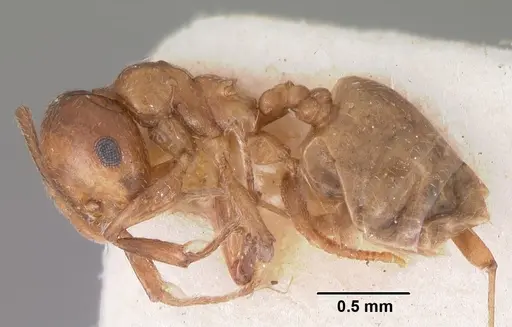
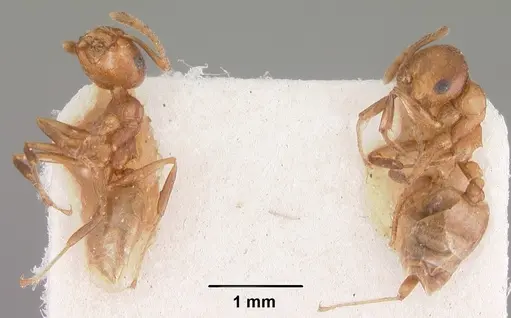
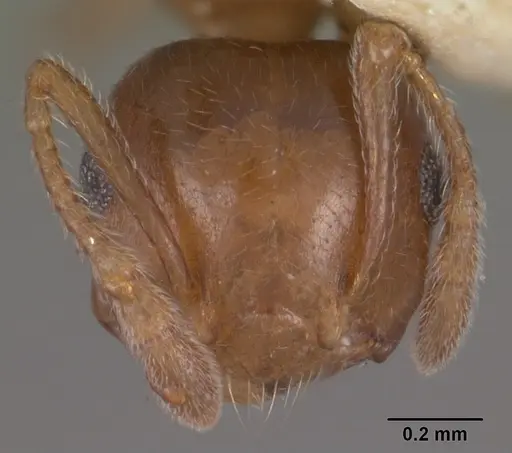
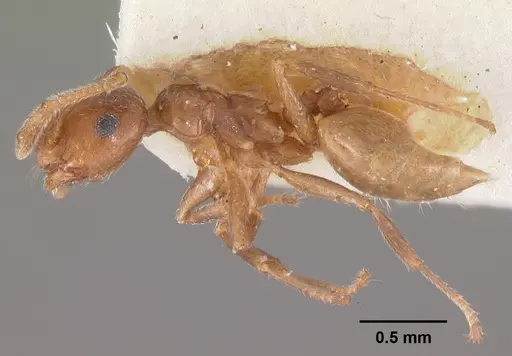
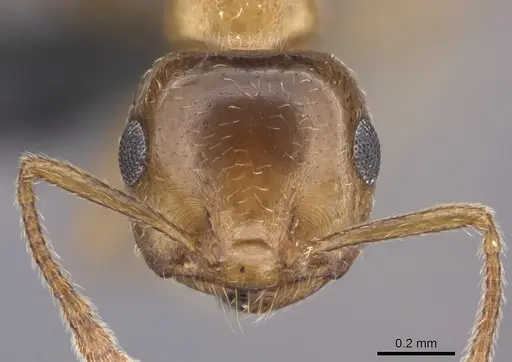
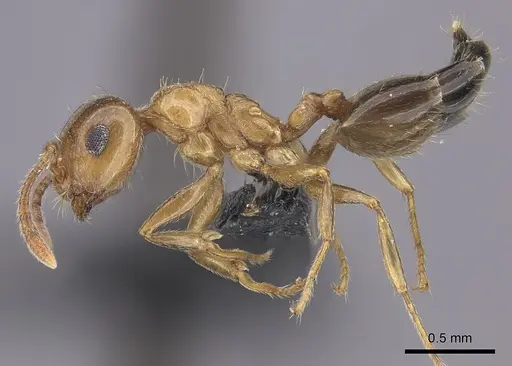
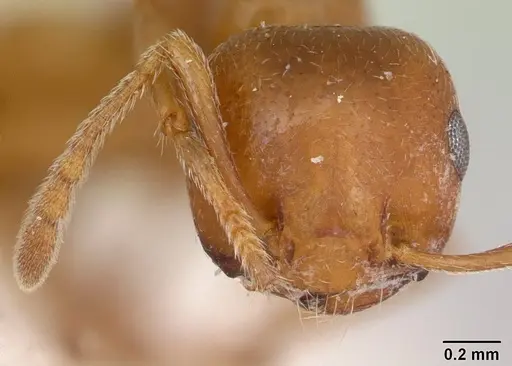
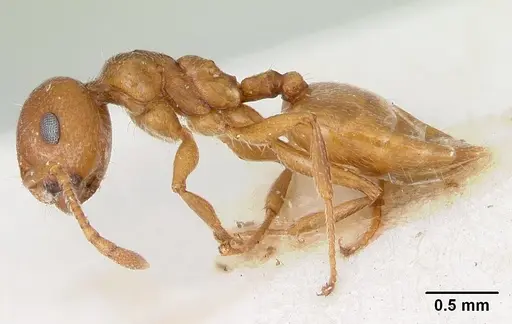
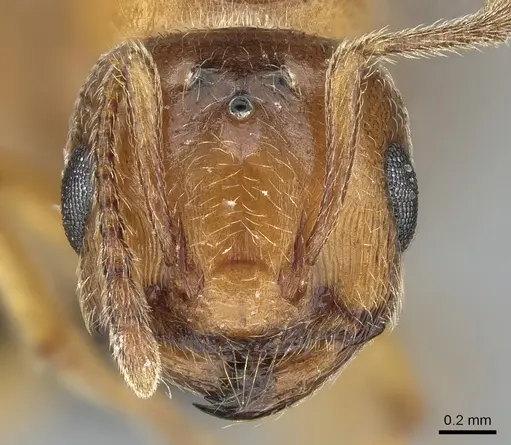
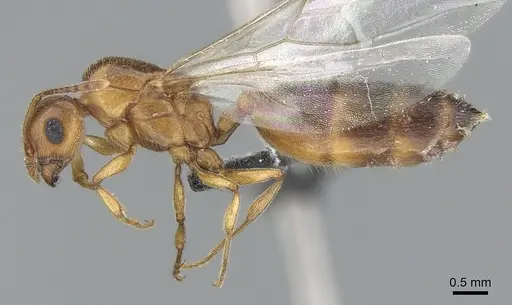
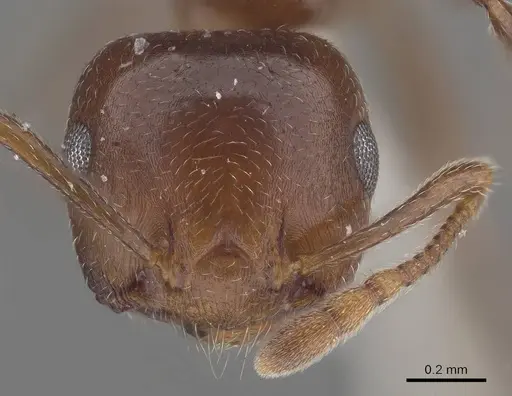
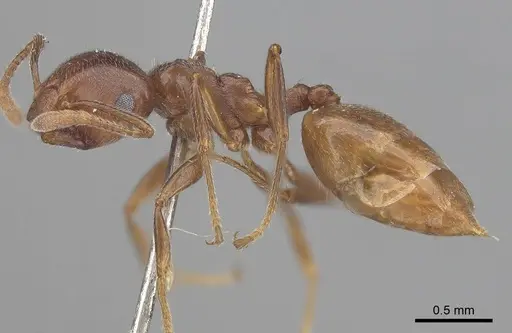
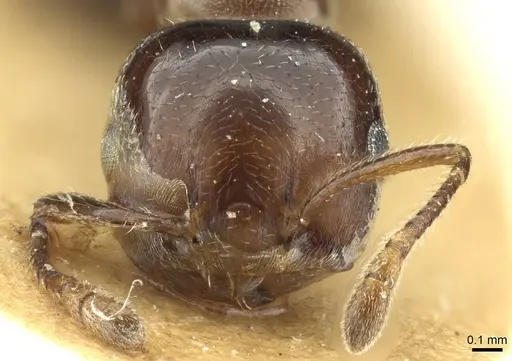
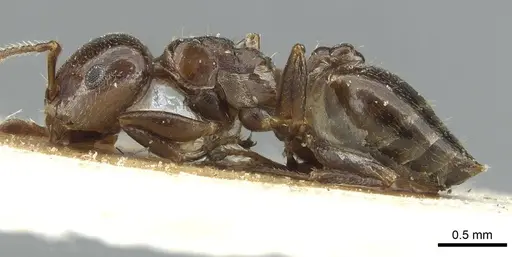
Crematogaster sewellii is a small ant species endemic to Madagascar and the Comoros islands. Workers have a distinctive bicolored appearance - the head and thorax range from yellowish to dark orange, while the abdomen (metasoma) is black . They have remarkably large eyes and long antennal scapes that usually surpass the head margin, with propodeal spines reduced to tiny denticles . This species belongs to the Crematogaster degeeri-species-assemblage and is part of the global Crematogaster clade . What makes C. sewellii particularly interesting is its flexibility in elevation - it thrives in high-altitude grasslands and woodlands at 800-1500m in the central highlands, but also adapts to lower elevations around 160-600m in western Madagascar's Makay massif and Beanka regions .
Quick Summary
- Difficulty: Medium
- Origin & Habitat: Madagascar and Comoros islands, found in high-altitude grassland, savannah, and woodland (800-1500m) in central/south-central highlands, and lower elevations (160-600m) in western regions [1][2]. Nests in soil or under stones [1][3].
- Colony Type: Colony structure is not documented in scientific literature. Based on typical Crematogaster patterns, likely single-queen colonies, though this requires confirmation for this specific species.
- Size & Growth:
- Queen: Approximately 5-6mm total length, inferred from Crematogaster genus [1][4].
- Worker: Approximately 3-4mm total length, inferred from Crematogaster genus [1][4].
- Colony: Colony size is not directly documented. Based on related Crematogaster species, colonies likely reach several hundred workers.
- Growth: Growth rate is unconfirmed. Crematogaster species typically develop from egg to worker in 4-8 weeks at optimal temperatures.
- Development: 4-8 weeks (estimated based on typical Crematogaster development patterns) (Development time is not directly studied for this species. Estimates based on genus-level data for similar tropical Crematogaster ants.)
- Antkeeping:
- Temperature: Keep at 22-26°C. This species comes from Madagascar's highland regions where temperatures are moderate. Provide a gentle temperature gradient so ants can self-regulate.
- Humidity: Moderate humidity around 50-70%. Since they nest in soil and under stones in the wild, keep the nest substrate moist but allow some drying areas. Mist occasionally and provide a water tube.
- Diapause: Diapause requirements are unconfirmed for this species. Madagascar has mild seasons, so a winter cool-down period (15-18°C for 2-3 months) may be beneficial but is likely optional.
- Nesting: Ground-nesting species that prefers soil nests or spaces under stones. In captivity, a naturalistic setup with soil substrate or a Y-tong/plaster nest works well. Provide damp substrate and avoid overly dry conditions.
- Behavior: Crematogaster ants are known for their acrobatic behavior, they can raise their gaster over their thorax when threatened, giving them their common name 'acrobat ants'. They are generally not aggressive but will use this defensive display. Workers are active foragers that likely scavenge and tend aphids for honeydew. Their small size means escape prevention is important, use fine mesh and tight-fitting barriers. They are primarily ground-nesting but may forage in vegetation.
- Common Issues: escape prevention is critical due to their small size, they can squeeze through tiny gaps, colonies may be slow to establish initially, patience is needed during founding, wild-caught colonies may carry parasites that can cause colony failure, overheating must be avoided, they come from moderate elevations, not hot tropical lowlands, dry conditions can cause colony decline, monitor substrate moisture regularly
Natural History and Distribution
Crematogaster sewellii is endemic to Madagascar and the Comoros islands, making it a truly unique species for antkeepers. It occupies a remarkably broad elevation range, from 800-1500m in the central and south-central highlands down to 160-600m in western regions like the Makay massif and Beanka Reserve [1]. This flexibility suggests the species can adapt to various conditions within Madagascar's climate. In the wild, C. sewellii often lives alongside Crematogaster mafybe and Crematogaster degeeri, part of the distinctive degeeri-species-assemblage unique to Madagascar [1]. The species is strictly ground-nesting, found either directly in soil or beneath stones, it does not nest in trees or rotting wood like some related Crematogaster species [1][3]. This ground-nesting habit is important for captive care, as it indicates a preference for substrate-based nests over arboreal setups.
Housing and Nest Setup
For captive care, recreate their natural ground-nesting environment. A naturalistic setup with a soil substrate works best, use a mix of sand and soil that holds moisture well without becoming waterlogged. Alternatively, a Y-tong (AAC) nest with a dirt chamber or a plaster nest with damp substrate provides good humidity control. The nest should have chambers scaled appropriately for their small size, tight spaces help them feel secure. Include some Dekovit or similar material they can use to create tunnels. Since they nest under stones in the wild, you could place flat stones on top of the substrate surface. Outworld space should allow for foraging, these are active ants that will explore and collect food. Always provide a water tube, as hydration is essential. Escape prevention is critical due to their tiny size, even small gaps in tubing or lids can allow escape. [1][3]
Feeding and Diet
Based on typical Crematogaster behavior and the species' presence in grassland ecosystems, C. sewellii likely has an omnivorous diet. They probably scavenge for protein sources (dead insects, protein jelly) and collect honeydew from aphids or scale insects. In captivity, offer a varied diet: sugar water or honey as an energy source, and protein sources like small insects (fruit flies, small mealworms, crickets), freeze-dried shrimp, or specialized ant protein foods. Feed protein 2-3 times per week and keep sugar sources available constantly. Since they're small ants, portion sizes should be tiny, a few drops of sugar water and prey items smaller than their head width. Remove uneaten prey after 24-48 hours to prevent mold.
Temperature and Seasonal Care
Maintain temperatures between 22-26°C, avoiding extremes on either end. This species comes from Madagascar's highland regions where temperatures are moderate year-round, not from hot tropical lowlands. A heating cable on one side of the nest can create a gradient, but monitor carefully, overheating is a common killer of Madagascar species. Room temperature in the low-to-mid 20s°C is often ideal. Regarding diapause: Madagascar has mild seasons without harsh winters, so a strict hibernation may not be required. However, a slight cool-down period in winter (15-18°C for 2-3 months) may benefit colony health and simulate natural cycles. Reduce feeding during this period and ensure some moisture remains available. Observe your colony's behavior, if they remain active, a cool-down is optional rather than mandatory. [1]
Behavior and Handling
Crematogaster sewellii displays the characteristic 'acrobat' behavior the genus is known for, when threatened, workers can raise their gaster over their thorax in a defensive posture, allowing them to spray formic acid from a distance. This makes them more interesting to watch than many passive ants, but also means they can be defensive. They are not typically aggressive toward humans and rarely sting, but the spray can be irritating. Their small size means they are excellent climbers and can scale smooth surfaces easily. When handling or observing, avoid sudden movements that might trigger defensive responses. In the outworld, they will actively forage and explore, making them engaging pets. Their large eyes suggest they may rely more on visual cues than some other ant species. [1]
Frequently Asked Questions
How long does it take for Crematogaster sewellii to produce first workers?
The exact timeline is unconfirmed, but based on typical Crematogaster development patterns, expect 4-8 weeks from egg to first worker at optimal temperature (around 24°C). Founding colonies may take longer as the queen raises brood alone.
What do Crematogaster sewellii ants eat?
They are omnivorous like most Crematogaster species. Offer sugar water or honey constantly, and protein sources like small insects (fruit flies, pinhead crickets) or protein jelly 2-3 times per week. They likely also collect honeydew in the wild.
Can I keep Crematogaster sewellii in a test tube?
Test tubes can work for founding colonies, but this ground-nesting species will do better in a naturalistic setup with soil substrate or a Y-tong with dirt chambers. Test tubes dry out quickly and don't allow for natural tunneling behavior.
Do Crematogaster sewellii ants sting?
They have the ability to spray formic acid rather than delivering a traditional sting. This 'acrobat' defense behavior is their primary method of threat response. The spray can be irritating to skin but is not dangerous.
Are Crematogaster sewellii good for beginners?
This species is rated as Medium difficulty. While not the hardest species, the lack of detailed captive care information and their small size means they suit keepers with some antkeeping experience. Their escape risk and specific humidity needs require attention.
How big do Crematogaster sewellii colonies get?
Colony size is not directly documented, but based on related species, colonies likely reach several hundred workers. They are not among the largest Crematogaster species.
Do Crematogaster sewellii need hibernation?
Diapause requirements are unconfirmed. Madagascar has mild seasons, so a strict hibernation is likely not required. However, a cool-down period (15-18°C for 2-3 months in winter) may benefit colony health.
Why are my Crematogaster sewellii escaping?
Their small size means they can squeeze through tiny gaps. Use fine mesh on all ventilation, check tubing connections for gaps, and ensure lid seals are tight. Even a millimeter-wide gap is enough for escape.
What temperature is best for Crematogaster sewellii?
Keep them at 22-26°C. They come from Madagascar's highland regions where temperatures are moderate. Avoid overheating, temperatures above 30°C can be harmful.
When should I move my colony to a formicarium?
Move from a founding setup (test tube or small container) to a larger nest when the colony reaches 20-30 workers and the test tube shows signs of degradation (mold, condensation issues). A naturalistic setup with soil works well for this ground-nesting species.
Report an Issue
The current care sheet is based fully on literature. See inconsistencies, or something that's incorrect? Please , it will be resolved after review from an admin. Contributing to the blogs tab also helps providing information, to make us be able to further improve the caresheets. Thank you for your support!
References

This caresheet is licensed under CC BY-SA 4.0 .
Community Blogs
CASENT0101599
View on AntWeb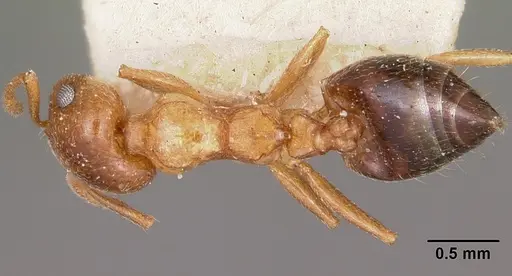
CASENT0101632
View on AntWeb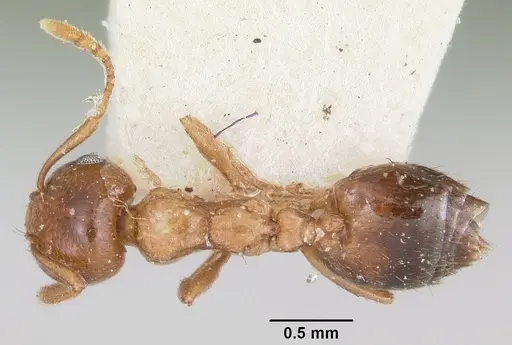
CASENT0102294
View on AntWeb
CASENT0102295
View on AntWeb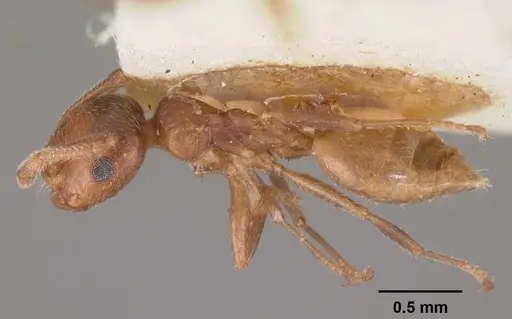
CASENT0120975
View on AntWeb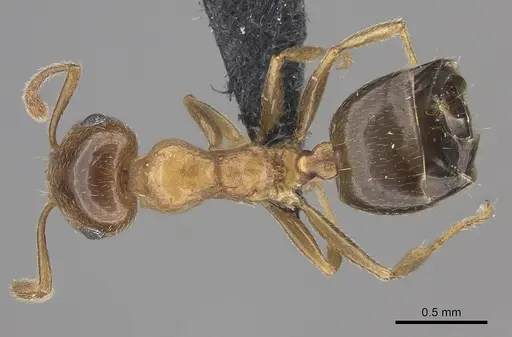
CASENT0173206
View on AntWeb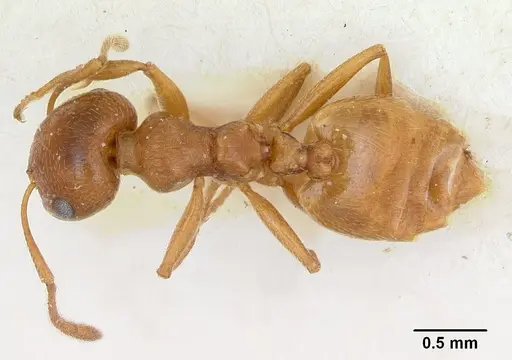
CASENT0317761
View on AntWeb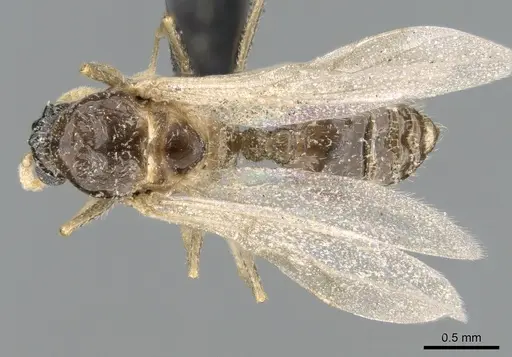
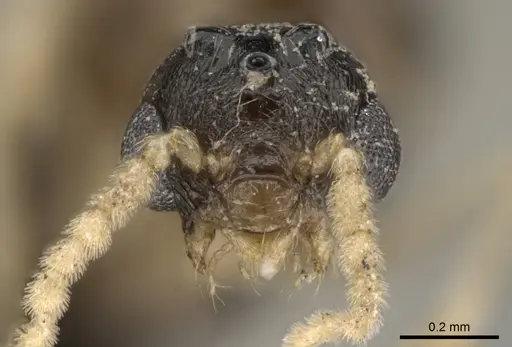
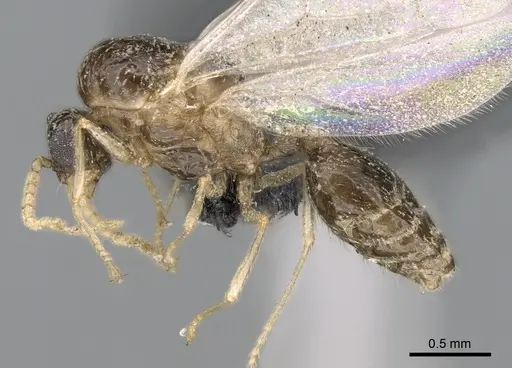
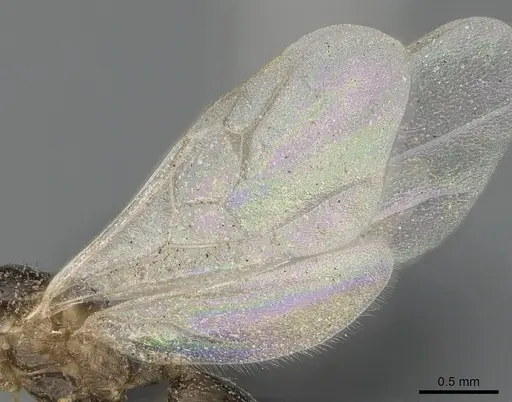
CASENT0496779
View on AntWeb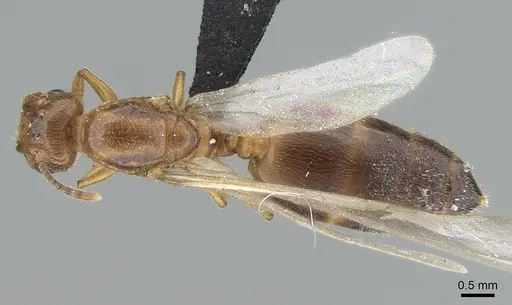
CASENT0919674
View on AntWeb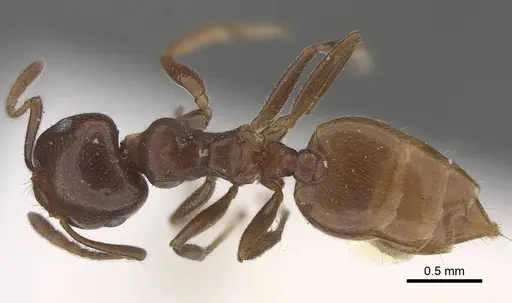
RMCAENT000017765
View on AntWeb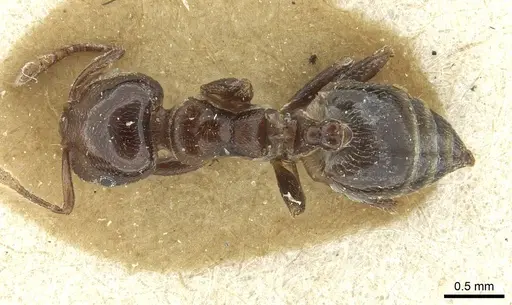
Literature
Loading distribution map...Loading products...