
Crematogaster senegalensis
- Sci. Name
- Crematogaster senegalensis
- Tribe
- Crematogastrini
- Subfamily
- Myrmicinae
- Author
- Roger, 1863
- Distribution
- Found in 5 countries
Introduction
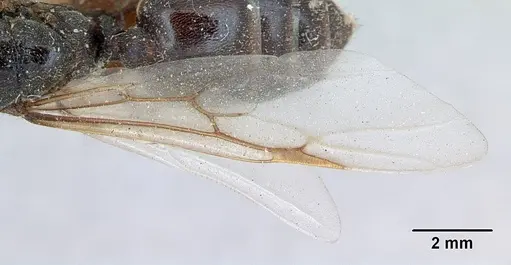
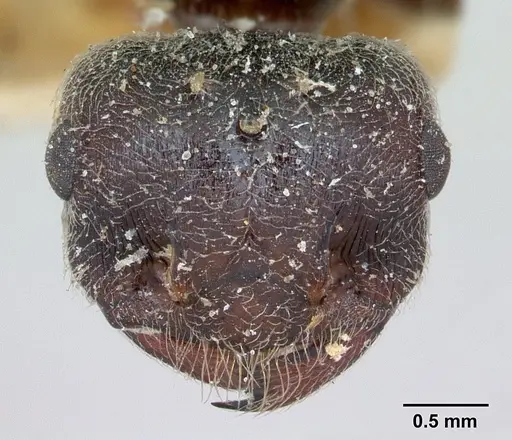
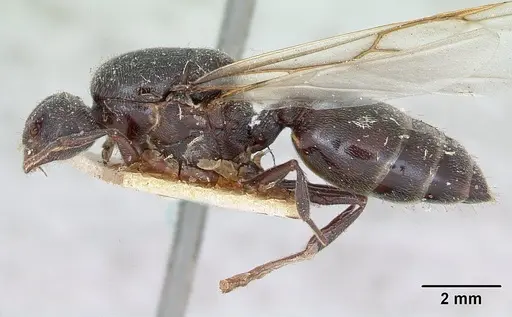
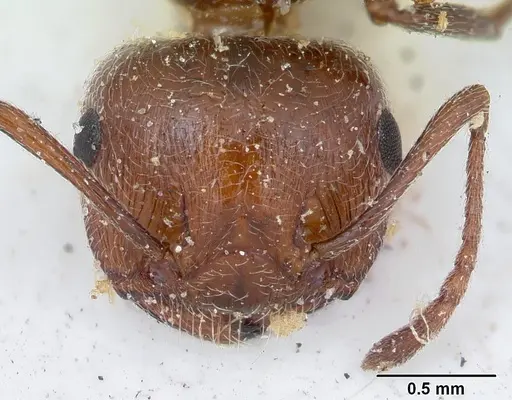
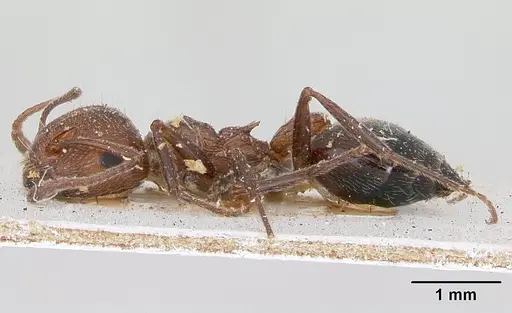
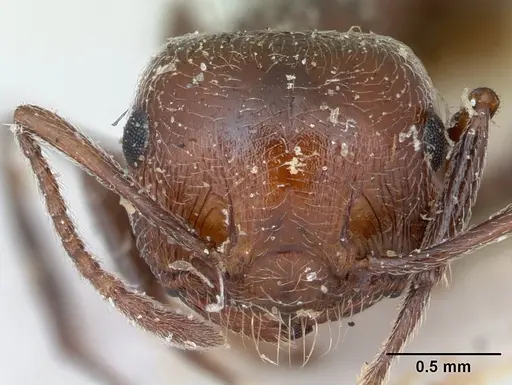
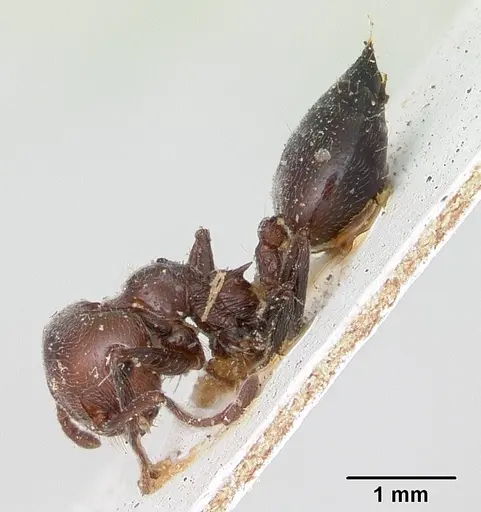
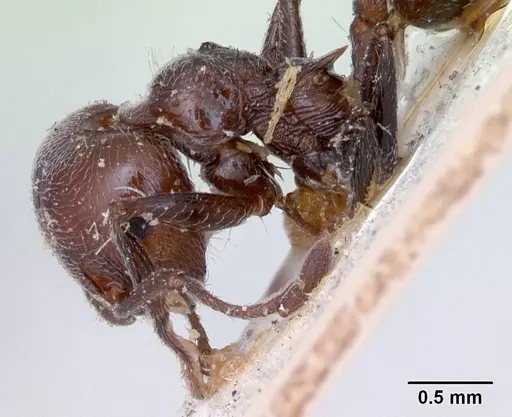
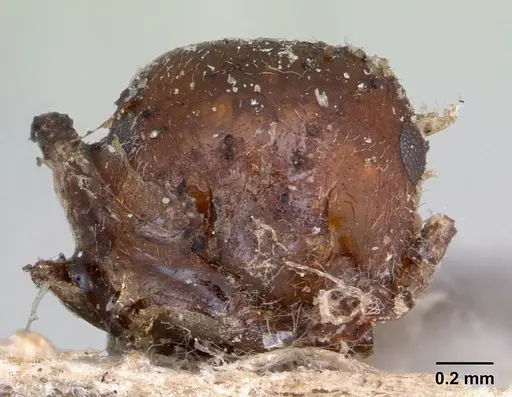
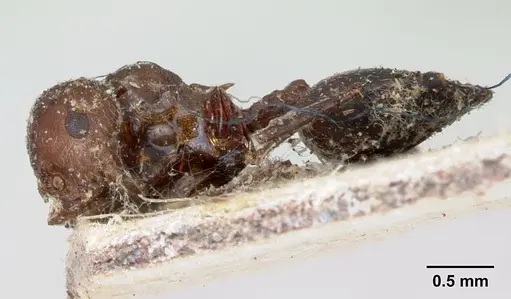
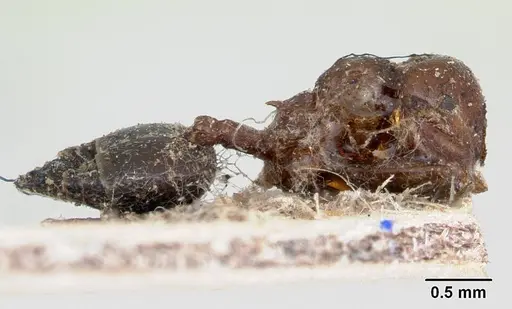
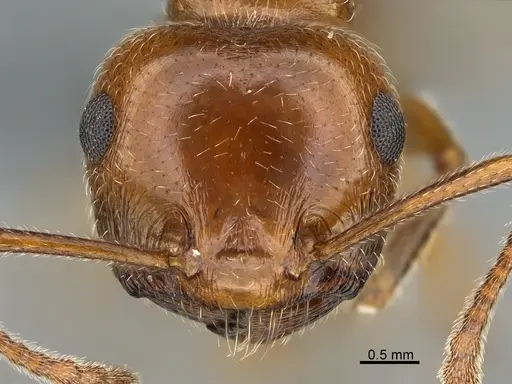
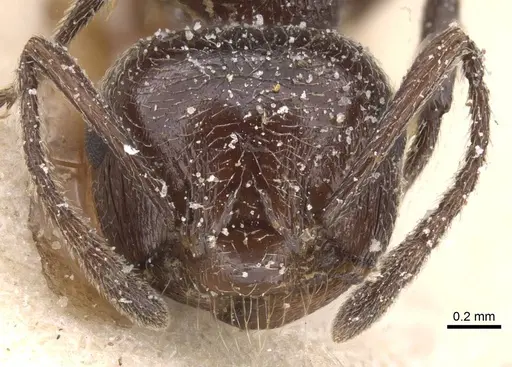
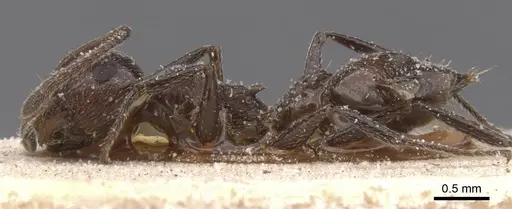
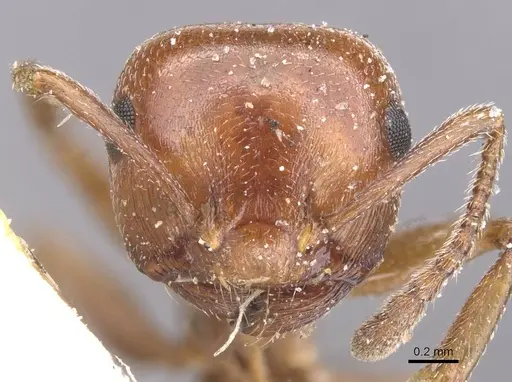
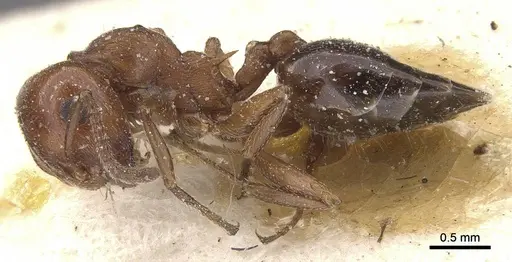
Crematogaster senegalensis is a small ant species known for its distinctive defensive behavior - when threatened, workers raise their abdomen over their head like an acrobat, which is how they got their common name. Workers are a uniform brown color throughout, with a smooth and shiny appearance on the back half of the head. The anterior half of the head has longitudinal striations, while the posterior half is smooth and shining. Antennal scapes just reach the posterior margin of the head when laid back . This species has an unusual disjunctive distribution, being found across West Africa (Senegal, Gambia, Guinea, Benin) and the Arabian Peninsula (Saudi Arabia, Oman, Yemen, UAE), but seemingly absent from the countries in between . This may reflect a preference for arid habitats rather than a true gap in their range . In Oman, they're found foraging on moist ground under date palms and nesting under stones, while in West Africa they forage on mango trees and vegetation near rivers [AntWiki].
Quick Summary
- Difficulty: Medium
- Origin & Habitat: West Africa and Arabian Peninsula, found in Senegal, Gambia, Guinea, Mali, Mauritania, Niger, Benin, Ghana, Saudi Arabia, Oman, Yemen, and UAE. They nest under stones and in leaf litter in semi-arid to subtropical environments, often in areas with some moisture like under date palms or near water sources [3][1][2].
- Colony Type: Colony structure is not documented for this specific species. The genus Crematogaster includes both monogyne and polygyne species, but colony type for C. senegalensis remains unconfirmed.
- Size & Growth:
- Queen: Size data unavailable for this species, inferred from typical Crematogaster genus sizes (~5-8mm)
- Worker: Size data unavailable for this species, inferred from typical Crematogaster genus sizes (~2-5mm)
- Colony: Maximum colony size is not documented for this species
- Growth: Growth rate is not documented for this species
- Development: Development time is unconfirmed for this species (Specific development studies are lacking for C. senegalensis.)
- Antkeeping:
- Temperature: Keep at 24-28°C. Based on their West African and Arabian distribution, they prefer warm conditions. Room temperature (22-24°C) is acceptable, but a slight boost to low-mid 20s helps with activity and brood development. A heating cable on one side of the nest creates a gradient they can choose from.
- Humidity: Moderate humidity preferred. In the wild they forage on moist ground and are found in leaf litter, so keep the nest substrate slightly damp but not waterlogged. Provide a water tube for drinking. The moisture gradient is more important than exact percentages, some drier areas for them to self-regulate.
- Diapause: Diapause requirements are unconfirmed. As a species from tropical/subtropical regions, they likely don't require hibernation. However, reducing feeding and lowering temperature slightly during winter months may be beneficial if mimicking natural seasonal cycles.
- Nesting: They naturally nest under stones and in leaf litter. In captivity, they do well in Y-tong (AAC) nests, plaster nests, or naturalistic setups with soil and hiding spots. They prefer tight, enclosed spaces. A formicarium with multiple chambers works well as they expand.
- Behavior: These ants are active foragers and will search for food across the outworld. They're not particularly aggressive toward keepers but will defend the nest if threatened, their main defense is the acrobat display where they raise the abdomen over their head to smear venom on enemies. Workers are small to medium-sized and reasonably fast-moving. They're good escapers due to their size, so use tight-fitting lids and consider Fluon on container edges. They tend to be more active in warmer conditions and will reduce activity when cool.
- Common Issues: escape prevention is important, they're small enough to squeeze through small gaps, colonies may be slow to establish initially due to unknown growth rate, wild-caught colonies may carry parasites that can cause problems in captivity, overheating is a risk, avoid temperatures above 32°C, too much moisture can lead to mold problems in the nest
Housing and Nest Setup
Crematogaster senegalensis does well in a variety of captive setups. Y-tong (AAC) nests work excellently because they provide the dark, enclosed spaces these ants prefer. Plaster nests with water reservoirs maintain good humidity levels. Naturalistic setups with a soil layer and hiding spots like stones or pieces of bark also work well, this mimics their natural habitat of nesting under stones and in leaf litter [3].
For the outworld, use a simple escape-proof setup. A plastic container with smooth walls treated with Fluon works well. Provide a water tube for drinking and a small foraging area. These ants are active foragers, so they'll readily come out to search for food. A foraging box of moderate size gives them room to explore without being too large to manage.
The key is creating a humidity gradient, some areas of the nest should be slightly damper while others are drier. This lets the ants self-regulate. A water tube connected to a cotton plug in the nest chamber helps maintain moisture without flooding.
Feeding and Diet
Like most Crematogaster species, these ants are omnivorous and will accept a variety of foods. Protein sources like small insects (fruit flies, small crickets, mealworms) should be offered regularly, especially for a growing colony. Sugar sources are important too, they readily accept sugar water, honey, or diluted syrup.
In the wild, they've been observed foraging on mango trees and beating weeds, suggesting they also collect honeydew and plant-based sugars [3]. Offer a constant supply of sugar water or honey in a small container. For protein, feed appropriately sized prey items 2-3 times per week, removing any uneaten prey after 24 hours to prevent mold.
A varied diet helps keep colonies healthy. Beyond standard feeders, you might experiment with small pieces of fruit or specialized ant foods. Fresh killed insects are generally better than dried ones. Remove any moldy food promptly to maintain colony health.
Temperature and Seasonal Care
As a species from West Africa and the Arabian Peninsula, Crematogaster senegalensis prefers warm conditions. Keep the nest area at 24-28°C for optimal activity and brood development. Room temperature (22-24°C) is acceptable but may result in slightly slower growth and reduced activity. A small heating cable on one side of the nest creates a temperature gradient they can move along.
Avoid high temperatures above 32°C as this can stress or kill the colony. If your room is naturally warm in summer, ensure they have access to cooler areas within the nest. They don't require true hibernation, but you might reduce feeding and allow temperatures to drop slightly (to around 20°C) during winter months if you want to simulate natural seasonal cycles.
These ants are from regions with minimal temperature fluctuation, so stable conditions are better than extreme swings. Avoid placing the nest near air conditioning vents or drafty windows. [1][2]
Behavior and Defense
Crematogaster senegalensis gets their common name from their defensive behavior, when threatened, workers raise their abdomen over their head like an acrobat. This species belongs to the subfamily Myrmicinae and tribe Crematogastrini, which use a smear defense mechanism. They have a modified, flattened stinger used to wipe or smear venom onto enemies rather than piercing flesh.
Workers are active foragers and will readily explore the outworld in search of food. They're small to medium-sized and can move quickly when motivated. This species is generally calm in captivity and doesn't exhibit the nervous or erratic behavior some ant species show.
For escape prevention, use tight-fitting lids and consider applying Fluon to the inner rim of containers. Their small size means they can squeeze through surprisingly small gaps. Check for escape routes regularly, especially around water tube connections and ventilation holes. [3]
Frequently Asked Questions
How long does it take for Crematogaster senegalensis to produce first workers?
Development time is unconfirmed for this species. Based on typical Crematogaster development, expect first workers around 6-8 weeks at optimal temperature (around 26°C), but this is an estimate since specific studies aren't available for this species. Cooler temperatures will slow development.
Can I keep multiple Crematogaster senegalensis queens together?
Combining unrelated queens is not recommended. Colony structure hasn't been studied for this specific species, and starting with a single queen is the safest approach for a successful colony.
Do Crematogaster senegalensis ants sting?
They don't have a painful sting like some larger ants, but they use a smear defense to wipe venom onto enemies. The spray is more of an annoyance than a real threat to keepers. Their main defensive behavior is the acrobat display, raising the abdomen over the head.
What size colony do Crematogaster senegalensis reach?
Maximum colony size is not documented for this species. Based on typical Crematogaster sizes, expect moderate-sized colonies rather than massive supercolonies.
Are Crematogaster senegalensis good for beginners?
They fall in the medium difficulty range. They're more adaptable than some specialized species but require attention to escape prevention and temperature. Their unknown growth rate requires patience. They're not the hardest species but also not the easiest for complete beginners.
Do Crematogaster senegalensis need hibernation?
No true hibernation is required. As a species from tropical/subtropical regions, they don't experience harsh winters in their native range. You can reduce feeding and allow temperatures to drop slightly in winter if desired, but a constant warm environment year-round is fine.
What do Crematogaster senegalensis eat?
They accept a varied diet: sugar water, honey, or syrup for carbohydrates, and small insects like fruit flies, pinhead crickets, or mealworms for protein. In the wild they forage on plants and collect honeydew, so sugar sources are important for captive colonies.
When should I move Crematogaster senegalensis to a formicarium?
You can keep them in a test tube setup for the founding stage. Once the colony reaches 20-30 workers and you're regularly feeding in the outworld, consider moving to a formicarium. They do well in Y-tong or plaster nests that can maintain humidity.
Why is my Crematogaster senegalensis colony dying?
Common causes include: temperature extremes (too hot or too cold), excessive moisture leading to mold, insufficient food (especially protein), or escape-related losses. Check that temperatures are in the 24-28°C range, the nest isn't overly wet, and they're getting regular protein and sugar. Wild-caught colonies may also carry parasites.
Report an Issue
The current care sheet is based fully on literature. See inconsistencies, or something that's incorrect? Please , it will be resolved after review from an admin. Contributing to the blogs tab also helps providing information, to make us be able to further improve the caresheets. Thank you for your support!
References

This caresheet is licensed under CC BY-SA 4.0 .
Community Blogs
CASENT0104592
View on AntWeb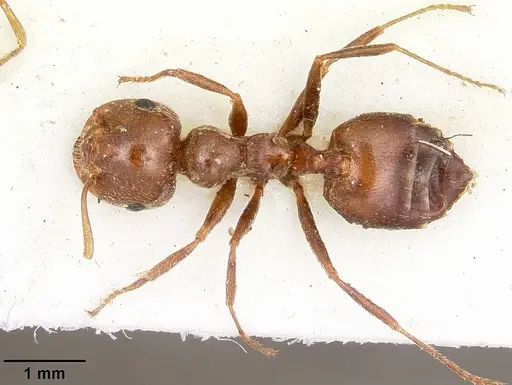
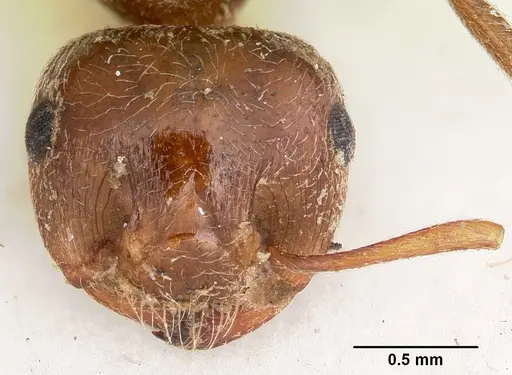
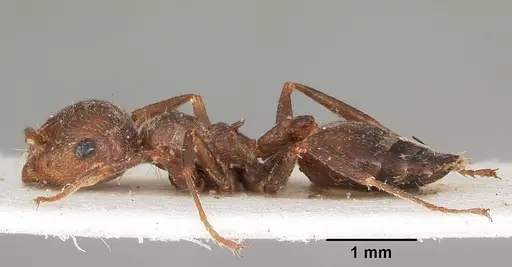
CASENT0173207
View on AntWeb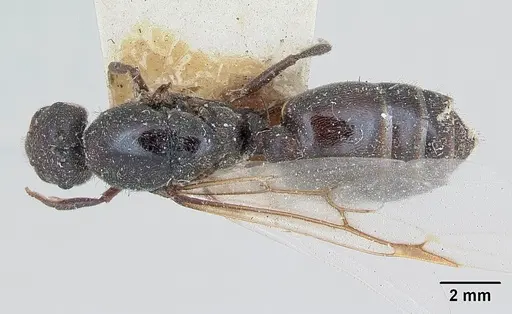
CASENT0173208
View on AntWeb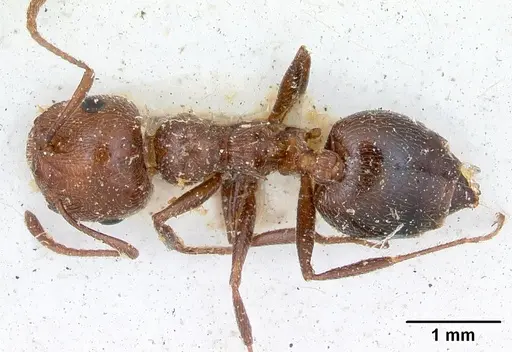
CASENT0173209
View on AntWeb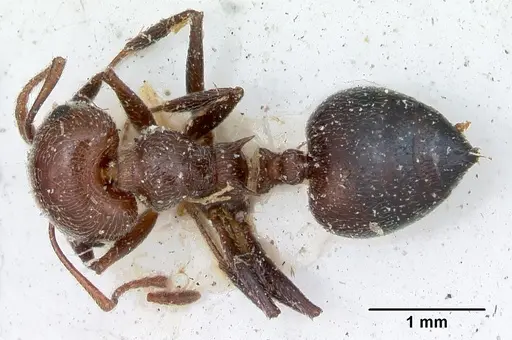
CASENT0173210
View on AntWeb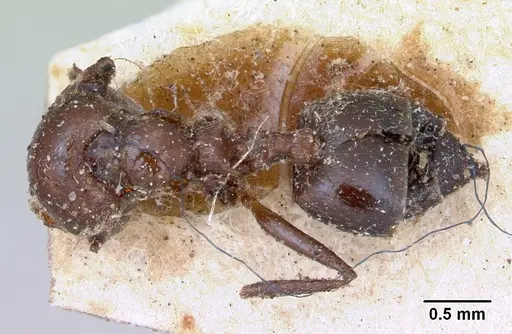
CASENT0264778
View on AntWeb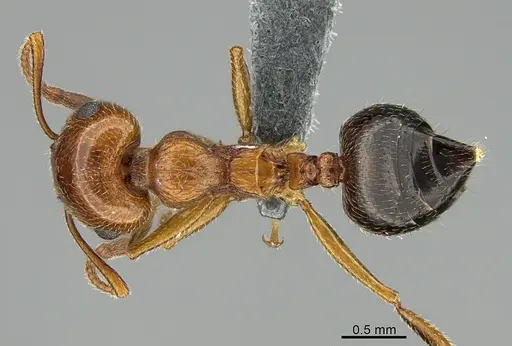
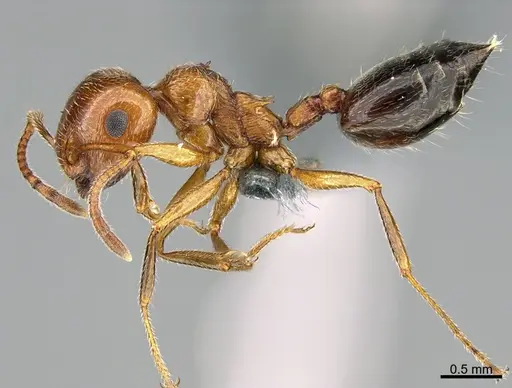
CASENT0908495
View on AntWeb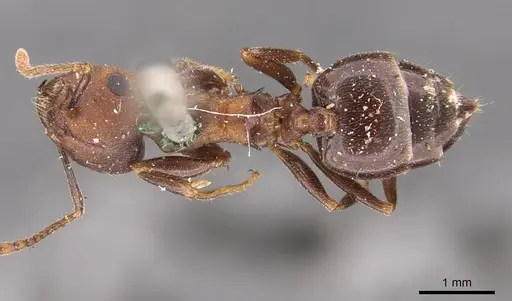
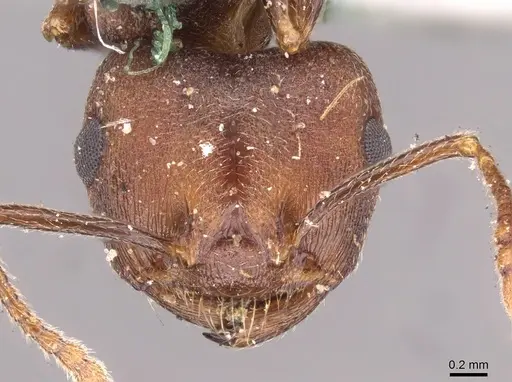
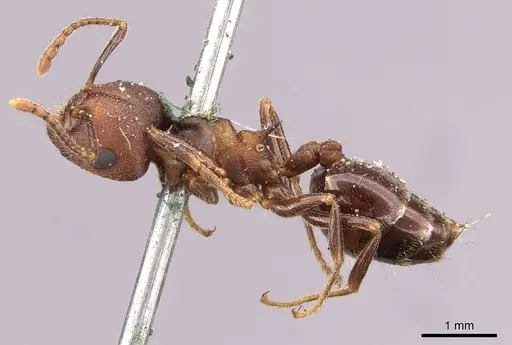
CASENT0912722
View on AntWeb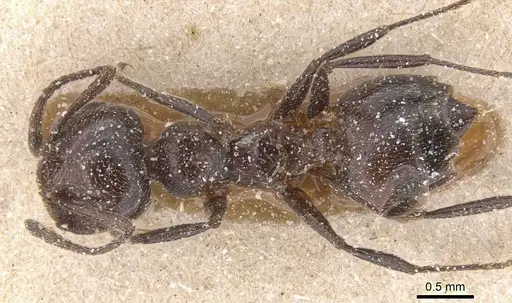
CASENT0912723
View on AntWeb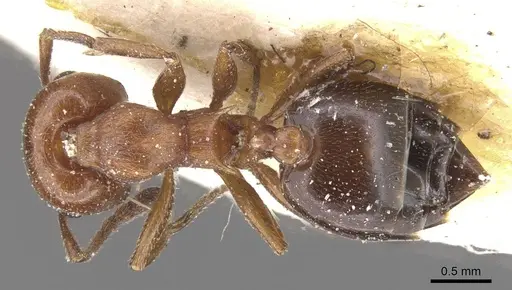
Literature
Loading distribution map...Loading products...