
Crematogaster schimmeri
- Sci. Name
- Crematogaster schimmeri
- Subgenus
- Orthocrema
- Tribe
- Crematogastrini
- Subfamily
- Myrmicinae
- Author
- Forel, 1912
- Distribution
- Found in 1 countries
Introduction
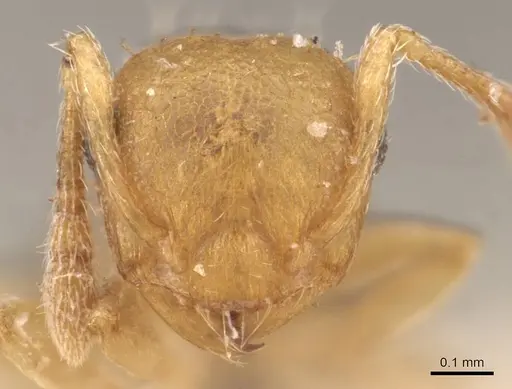
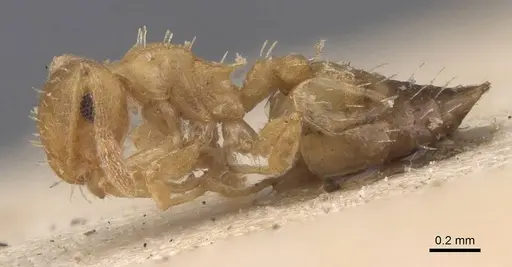
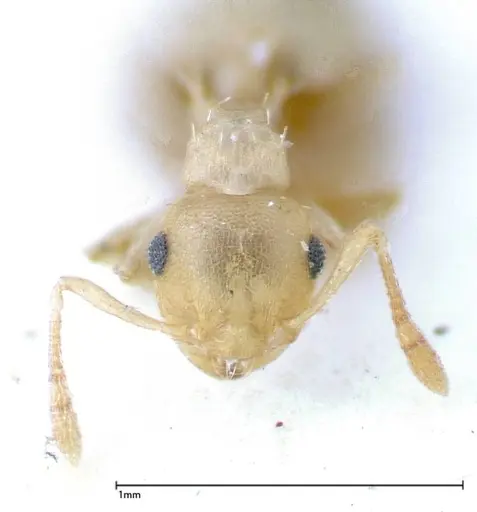
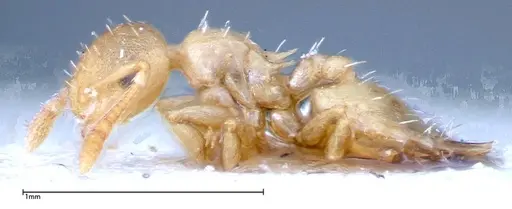
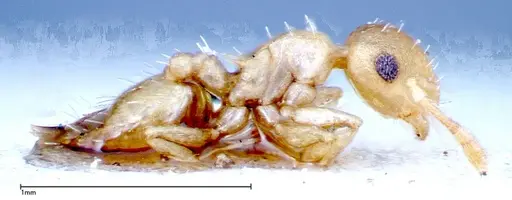
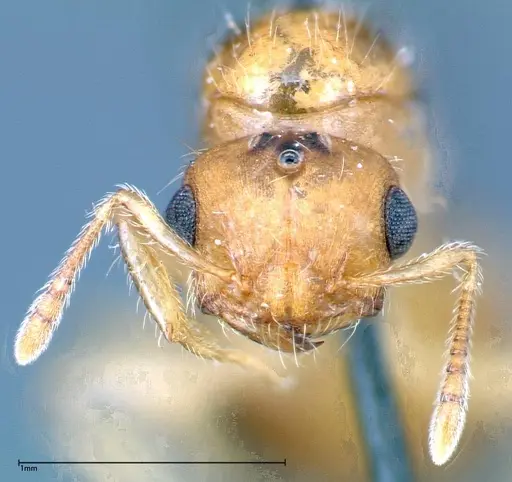
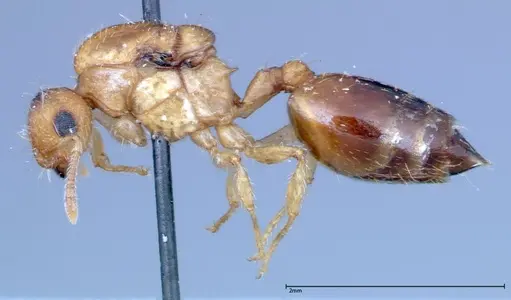
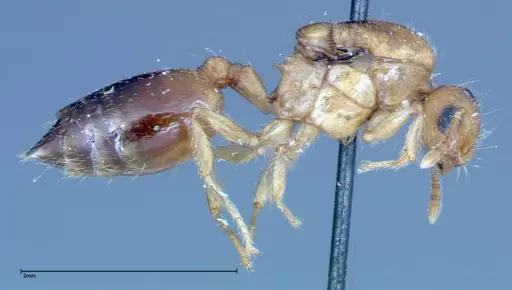
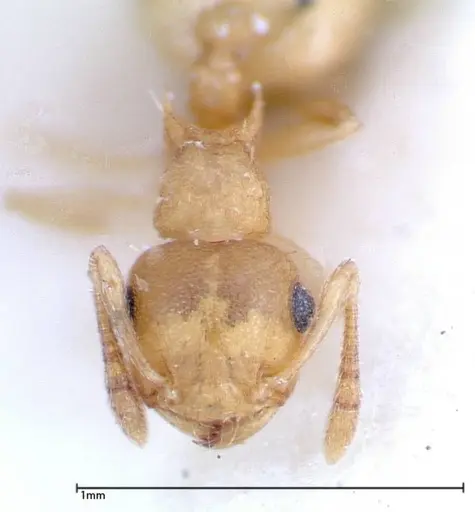
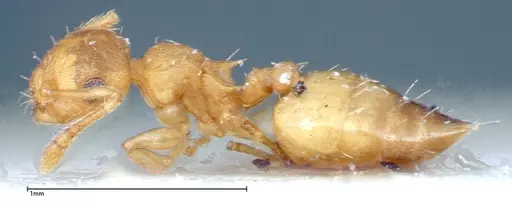
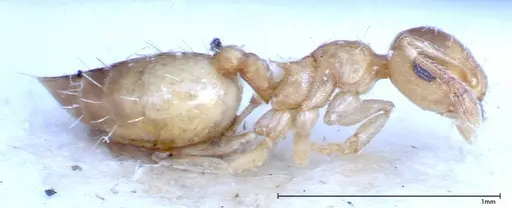
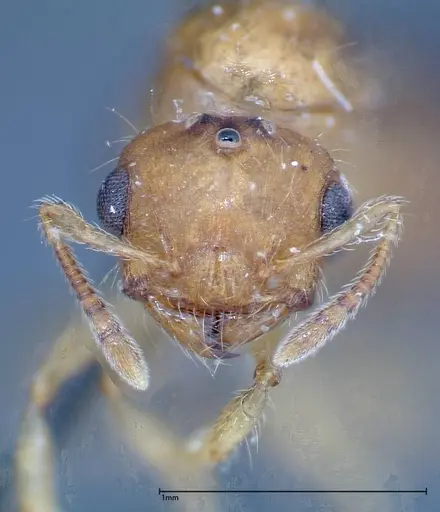
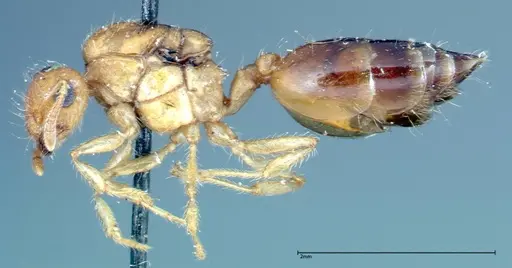
Crematogaster schimmeri is a small ant species native to Taiwan and Hainan, China. Workers measure around 2.19mm total length and are yellow in color with a distinctly sculptured head and squared petiole with angulate corners . This species belongs to the subgenus Orthocrema and is notable for having a unique soldier caste - intermediate-sized individuals that are morphologically between workers and queens . Colonies are monogynous with up to 626 workers and 14-23 soldiers . They nest in broad-leaved forests and foragers remain active year-round .
Quick Summary
- Difficulty: Medium
- Origin & Habitat: Taiwan and Hainan, China. Nests occur in broad-leaved forests [2].
- Colony Type: Monogynous (single queen) colonies with a distinct soldier caste. The soldier caste (called 'intermediates') is a mosaic of queen-like and worker-like traits, they have more eyes than workers but fewer than queens, and lack a spermatheca so cannot reproduce sexually [2].
- Size & Growth:
- Antkeeping:
- Temperature: Keep at 22-26°C. They are a subtropical species from Taiwan and Hainan, so they prefer warm conditions.
- Humidity: Moderate to high. Broad-leaved forest habitat suggests they prefer damp conditions. Keep nest substrate moist but not waterlogged.
- Diapause: No, foragers remain active throughout the year in their natural habitat [2]. They do not require hibernation.
- Nesting: In nature they nest in broad-leaved forests. For captivity, a Y-tong or plaster nest works well. They prefer enclosed nests with some moisture retention. Avoid completely dry setups.
- Behavior: These ants are generally calm but can be defensive when threatened. They have a distinctive habit of raising their gaster when disturbed, this is common in Crematogaster species. Workers are small so escape prevention should be adequate. The soldier caste is present in colonies year-round and serves a specialized trophic function, they lay unfertilized eggs that are eaten by larvae [2]. As with other Crematogaster species, they can use their acidopore to smear venom as a defense.
- Common Issues: lack of development data means you may need to experiment with temperatures, soldier caste presence may confuse new keepers, they are normal, not a sign of colony stress, wild-caught colonies from Taiwan/Hainan may have different care requirements than captive-bred
The Soldier Caste
Crematogaster schimmeri has a unique feature among ants, a third caste called 'intermediates' that sits between workers and queens in size and morphology [2]. These soldiers are 4.47mm total length (compared to workers at 2.19mm and queens at 5.96mm) [2]. They have more compound eye ommatidia than workers (101-128 vs 45-59) but fewer than queens (197-225), and they lack ocelli that queens have [2]. Most interestingly, soldiers have 12-16 ovarioles (egg-producing tubes) compared to workers who only have 2, but they lack a spermatheca (sperm storage organ) so cannot actually reproduce sexually [2]. Instead, soldiers specialize in laying unfertilized eggs that are eaten by larvae, this is their 'trophic' function [2]. Soldiers are present in colonies year-round, with 14-23 per colony [2]. This is completely normal and not a sign of colony problems.
Housing and Nest Setup
These ants do well in standard ant keeping setups. A Y-tong or plaster nest works well, both provide the enclosed, slightly humid environment they prefer. Since workers are small, ensure your escape prevention is decent. Provide a water tube for drinking and keep the nest substrate moist. A small outworld for foraging allows you to observe their behavior. Because they come from broad-leaved forests in Taiwan and Hainan, they appreciate some cover and darkness in their nest area. [2]
Feeding
Crematogaster species are generalist omnivores. They will accept sugar sources (honey, sugar water) and protein (small insects, mealworms, fruit flies). In their natural habitat, foragers are active year-round, so they need regular feeding. Offer a drop of sugar water every few days and protein once or twice a week. Remove uneaten protein after 24 hours to prevent mold. The presence of the soldier caste with their trophic egg-laying may mean the colony has additional nutrition sources, the unfertilized eggs provide protein to developing larvae. [2]
Temperature and Seasonal Care
As a species from Taiwan and Hainan (subtropical/tropical), C. schimmeri prefers warm conditions. Keep the nest at 22-26°C. You can use a heating cable on one side of the nest to create a gentle gradient if your room is cooler. Unlike temperate species, they do not require hibernation, foragers remain active throughout the year in their natural habitat [2]. This makes them a good choice if you don't want to deal with diapause cycles. However, avoid overheating, temperatures above 30°C can be harmful.
Colony Structure and Growth
Mature colonies have up to 626 workers plus 14-23 soldiers [2]. The colony is monogynous, one queen does all the egg-laying [2]. The queen is 5.96mm total length and has 12-20 ovarioles [2]. Growth is moderate, you won't see the explosive growth of some fast-growing species, but steady progress. The unique soldier caste means the colony has more complexity than simple worker-only species. Don't be alarmed if you see larger intermediates moving around, these are the soldiers, not new queens. They cannot found their own colonies.
Frequently Asked Questions
How long does it take for Crematogaster schimmeri to produce first workers?
The exact development timeline has not been studied for this species. Be patient, small colonies grow steadily but not quickly.
Do Crematogaster schimmeri need hibernation?
No. This is a subtropical species from Taiwan and Hainan where foragers remain active year-round [2]. They do not require a diapause period. Keep them at room temperature (22-26°C) year-round.
What do Crematogaster schimmeri eat?
They are generalist omnivores. Offer sugar water or honey as a constant energy source, and protein (small insects like fruit flies, mealworms, or crickets) 1-2 times per week. They will also accept some fruits. Remove uneaten food promptly to prevent mold.
How big do Crematogaster schimmeri colonies get?
Wild colonies reach up to 626 workers plus 14-23 soldiers [2]. This is a moderate-sized colony for a Crematogaster species. In captivity, expect similar numbers with proper care.
What are the intermediate-sized ants in my colony?
Those are soldiers, a normal third caste in this species. They are larger than workers (4.47mm vs 2.19mm total length) but smaller than queens (5.96mm) [2]. They have a special role: they lay unfertilized eggs that are eaten by larvae for nutrition [2]. They cannot start new colonies. Seeing soldiers is healthy and normal.
Can I keep multiple Crematogaster schimmeri queens together?
No. This species is monogynous, colonies have a single queen [2]. Combining unrelated queens will likely result in fighting. Only keep one queen per colony.
Are Crematogaster schimmeri good for beginners?
They are moderate difficulty. They don't require hibernation and are generally hardy, but the lack of specific development data means you may need to experiment with care. The soldier caste is unusual but not difficult to manage.
Do Crematogaster schimmeri sting?
Crematogaster ants can bite and may use their acidopore to smear formic acid as a defense. However, they are not considered dangerous to humans. Their small size means any sensation would be minimal.
What nest type is best for Crematogaster schimmeri?
A Y-tong or plaster nest works well. They prefer enclosed, slightly humid nests. Avoid completely dry setups. A small outworld allows for foraging observation.
Why are my Crematogaster schimmeri dying?
Common causes include: too dry conditions (keep substrate moist), temperatures outside their 22-26°C range, mold from uneaten food, or stress from too much disturbance. Also ensure escape prevention is adequate. Check that sugar water is always available.
Report an Issue
The current care sheet is based fully on literature. See inconsistencies, or something that's incorrect? Please , it will be resolved after review from an admin. Contributing to the blogs tab also helps providing information, to make us be able to further improve the caresheets. Thank you for your support!
References

This caresheet is licensed under CC BY-SA 4.0 .
Community Blogs
CASENT0907514
View on AntWeb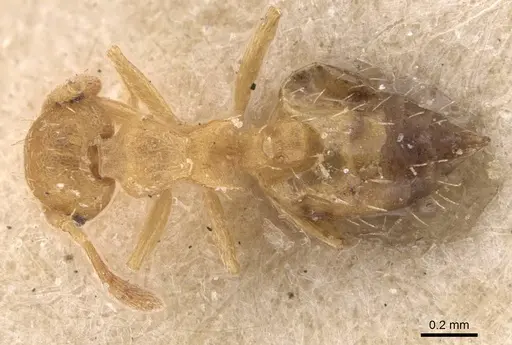
FOCOL0255
View on AntWeb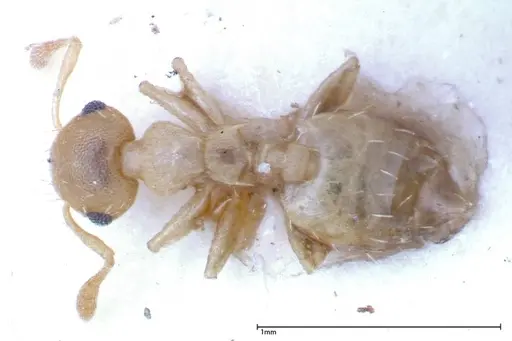
FOCOL0256
View on AntWeb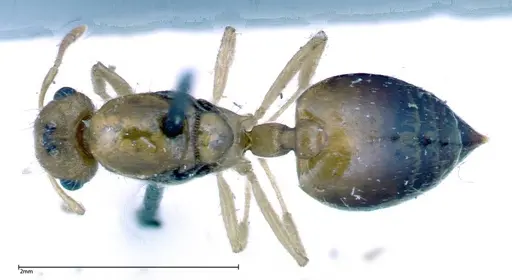
FOCOL0257
View on AntWeb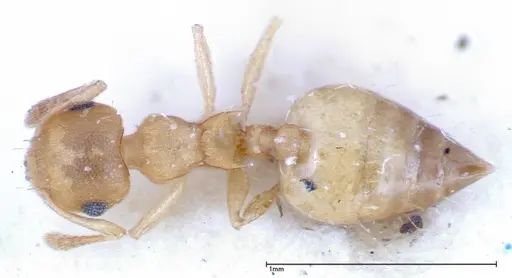
FOCOL0258
View on AntWeb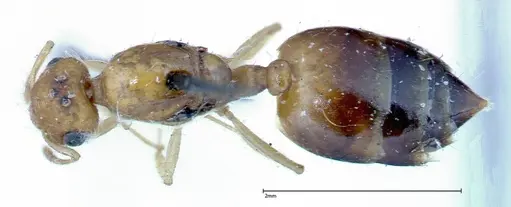
Literature
Loading distribution map...Loading products...