
Crematogaster schencki
- Sci. Name
- Crematogaster schencki
- Tribe
- Crematogastrini
- Subfamily
- Myrmicinae
- Author
- Forel, 1891
- Distribution
- Found in 1 countries
Introduction
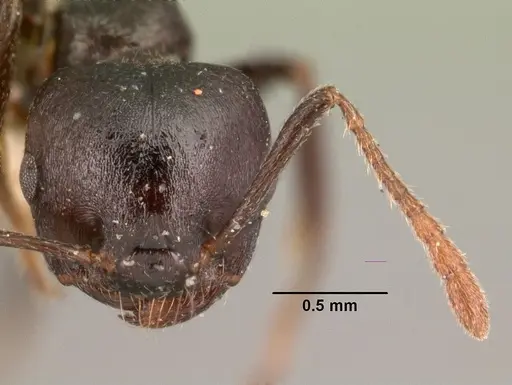
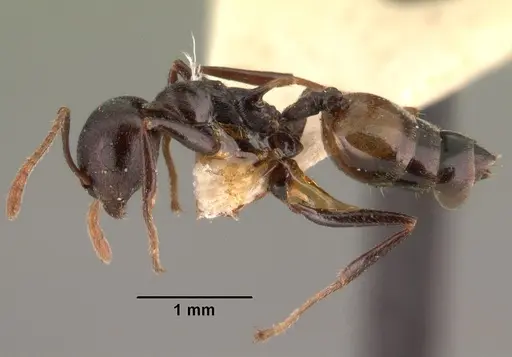
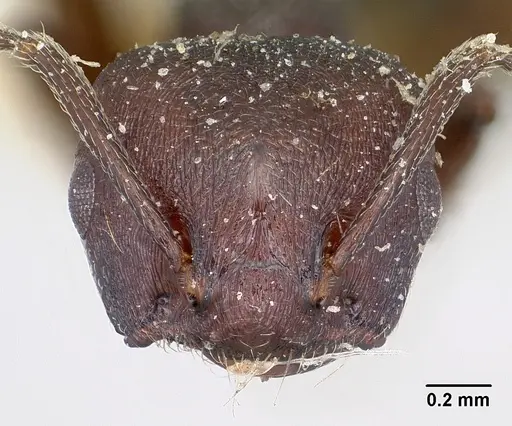
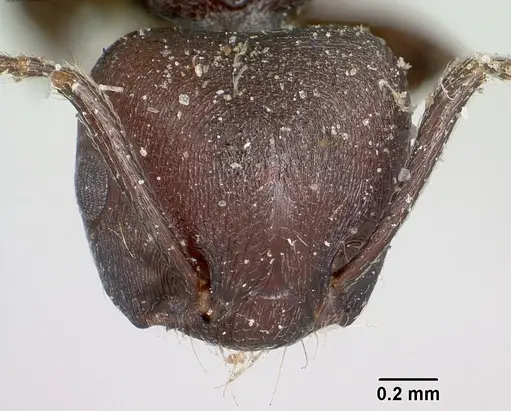
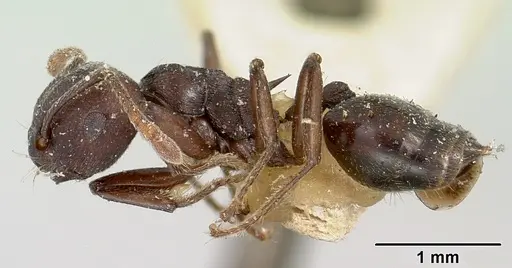
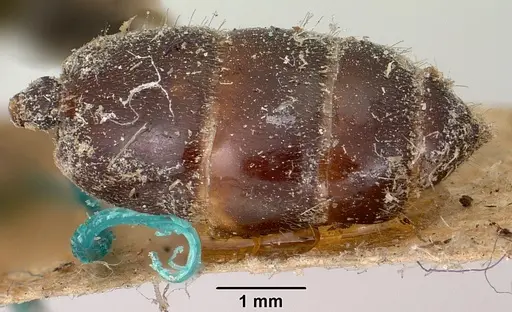
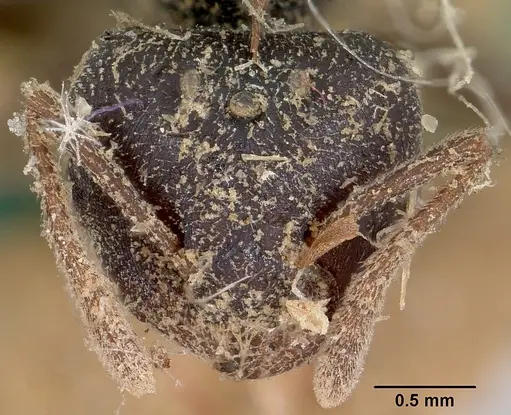
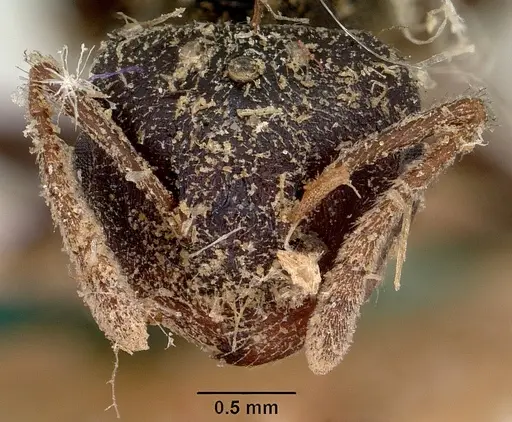
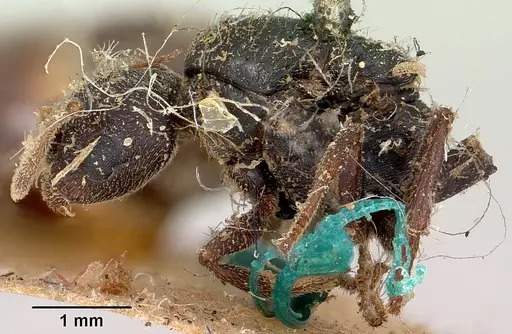
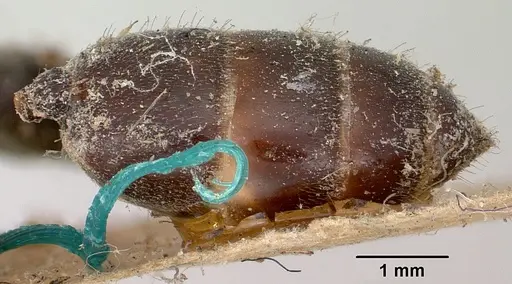
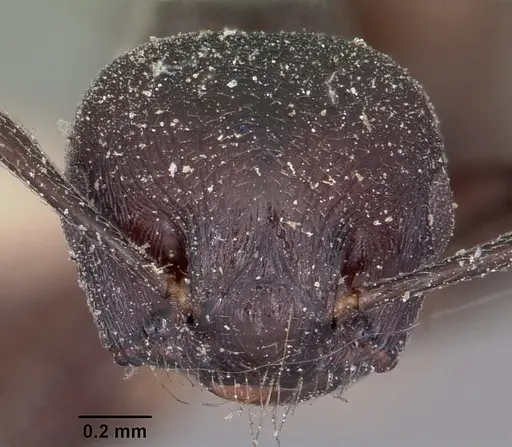
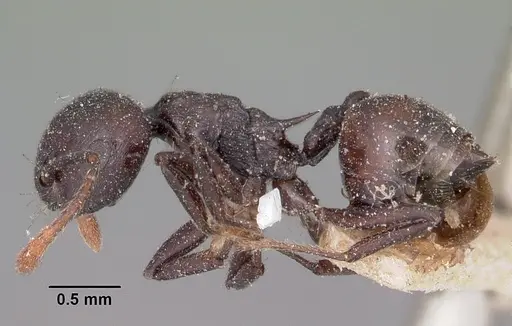
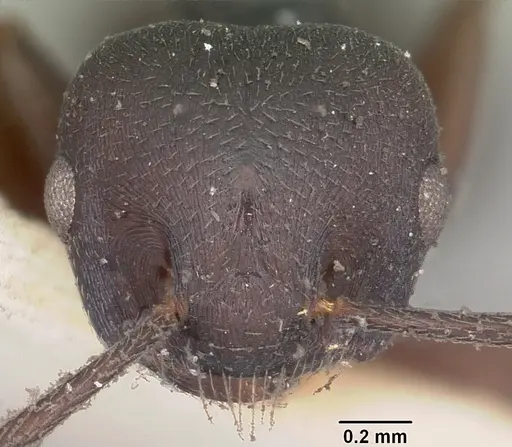
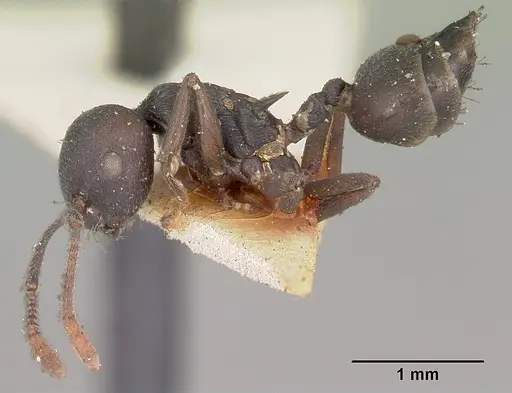
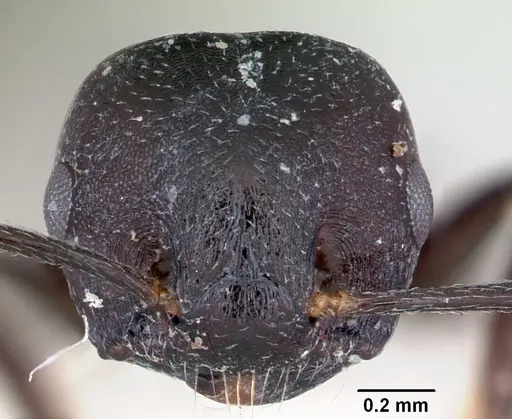
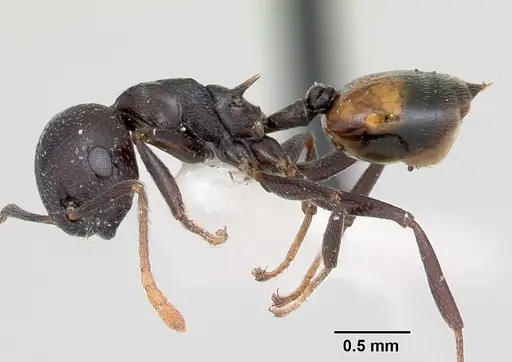
Crematogaster schencki is a small arboreal ant species endemic to Madagascar. Workers have the characteristic Crematogaster heart-shaped gaster that they raise over their head when threatened. They belong to the subgenus Decacrema and are part of the hova-complex group . This species nests almost exclusively arboreally in carton nests inside dead twigs or branches . They are widespread across Madagascar, found in forest habitats from around 430m up to 2000m elevation . They commonly tend Coccoidea (scale insects) for honeydew .
Quick Summary
- Difficulty: Medium
- Origin & Habitat: Endemic to Madagascar, found exclusively in forest habitats across the island from 430m to 2000m elevation [5][2][3][4]. They nest arboreally in carton nests constructed inside dead twigs and branches [1].
- Colony Type: Colony structure has not been studied. Based on typical Crematogaster patterns, likely single-queen, but this is unconfirmed.
- Size & Growth:
- Queen: Size data unavailable, inferred from genus patterns to be approximately 5-7mm
- Worker: Size data unavailable, inferred from genus patterns to be approximately 3-5mm
- Colony: Unknown, no specific data available
- Growth: Unknown, specific growth rate data not available
- Development: Unknown, specific development data not available (Development time is inferred from related Crematogaster species)
- Antkeeping:
- Temperature: Keep at 24-28°C, they are a tropical species from Madagascar and prefer warm, stable conditions
- Humidity: Moderate to high humidity. As arboreal nesters, they prefer humid forest conditions but need good ventilation to prevent mold
- Diapause: No, being a tropical species from Madagascar, they do not require hibernation
- Nesting: Arboreal setup works best. They naturally nest in dead twigs and branches, so a Y-tong nest, test tube setup with vertical access, or naturalistic setup with twigs works well. They build carton-like structures, so some organic material in the nest encourages natural behavior [1]
- Behavior: Generally peaceful but can be defensive when their nest is disturbed. They have the characteristic Crematogaster gaster-raising behavior as a defense display. Workers are active foragers that tend scale insects for honeydew. They are skilled climbers and may escape if given the opportunity, use excellent escape prevention.
- Common Issues: escape prevention is critical, small size allows them to squeeze through tiny gaps, colonies may fail if kept too dry, arboreal species need humidity, test tube setups may be too horizontal, they prefer vertical spaces, overfeeding can lead to mold in their nest, keep feeding areas clean, wild-caught colonies may have parasites that affect survival in captivity
Nest Preferences and Housing
Crematogaster schencki is an arboreal species that naturally nests in dead twigs and branches, building carton-like structures inside [1]. In captivity, they do well with vertical nest options that mimic their natural twig-nesting behavior. A Y-tong nest works well, or you can create a naturalistic setup with clean twigs or branches. Test tube setups can work but should be positioned vertically or at an angle to encourage their natural orientation. They prefer having some organic material to work with, as they naturally construct carton partitions. Ensure the nest has good ventilation while maintaining humidity, avoid both stagnant air and excessive drying.
Feeding and Diet
In the wild, Crematogaster schencki frequently tends Coccoidea (scale insects) and feeds on the honeydew these insects produce [1]. As omnivorous ants, they accept both sugar sources and protein. Offer sugar water, honey, or diluted maple syrup as a constant sugar source. For protein, provide small insects like fruit flies, small mealworms, or other appropriately-sized prey. They may accept commercial ant foods as well. Feed protein sources 2-3 times per week, and keep sugar water available at all times. Remove uneaten prey after 24-48 hours to prevent mold.
Temperature and Seasonal Care
As a tropical species endemic to Madagascar, Crematogaster schencki prefers warm conditions around 24-28°C. They are found across a wide elevation range (430m to 2000m) on Madagascar, suggesting they can tolerate some temperature variation, but consistent warmth is best for colony development [2][3][4]. No heating may be needed if your room stays within this range, otherwise use a heating cable on one side of the nest to create a gentle gradient. Being a tropical species, they do not require hibernation or diapause. Maintain normal care year-round.
Behavior and Colony Dynamics
This species shows the typical Crematogaster defensive behavior where workers raise their abdomen over their head when threatened, this is a display to deter predators rather than actual stinging. They are active foragers and good climbers. Colonies are relatively peaceful and can be kept with other ants of similar size, though individual colony isolation is always safer. Workers are moderately aggressive when defending their nest but not particularly pugnacious outside their territory. The colony will grow gradually. Queens seal themselves in during founding, as is typical for claustral ants in this genus. [1]
Handling and Escape Prevention
Due to their small size, excellent escape prevention is essential. Use tight-fitting lids on all containers, apply fluon or similar barriers to container rims, and ensure any connections between nest and outworld are secure. They are accomplished climbers, so smooth surfaces alone may not prevent escapes. Check enclosures regularly, especially after feeding. When observing or working with the colony, do so quickly and carefully, they can move rapidly and may escape during transfers. A well-sealed formicarium or outworld setup is critical for keeping this species successfully.
Frequently Asked Questions
How long does it take for Crematogaster schencki to produce first workers?
Specific development data for C. schencki is not available. Based on related Crematogaster species, expect first workers in approximately 6-8 weeks at optimal temperatures (24-28°C). The queen will remain sealed in her founding chamber until the first workers emerge.
What do Crematogaster schencki ants eat?
They are omnivorous. Offer a constant sugar source (sugar water, honey, or maple syrup) and protein 2-3 times weekly (small insects like fruit flies or mealworms). In the wild, they tend scale insects for honeydew, so sugar sources are particularly important.
Do Crematogaster schencki ants sting?
They have the characteristic Crematogaster gaster-raising display as defense. They belong to the subfamily Myrmicinae which uses a smear defense mechanism, they wipe venom onto enemies rather than piercing. They are not considered dangerous to keepers.
What temperature do Crematogaster schencki need?
Keep them at 24-28°C. As a tropical Madagascar species, they prefer warm, stable conditions. Room temperature within this range is usually sufficient.
Do Crematogaster schencki need hibernation?
No. Being a tropical species from Madagascar, they do not require hibernation or diapause. Maintain consistent warm conditions year-round.
What type of nest is best for Crematogaster schencki?
Arboreal-style nests work best. A Y-tong nest, test tube setup positioned vertically, or naturalistic setup with twigs or branches all work well. They naturally nest in dead twigs and build carton structures, so some organic material in the nest encourages natural behavior.
How big do Crematogaster schencki colonies get?
Specific colony size data is not available for this species. Based on related species, colonies likely reach several hundred workers.
Are Crematogaster schencki good for beginners?
They are rated as medium difficulty. They require specific attention to humidity and escape prevention due to their small size, but their basic care requirements are straightforward. Experienced antkeepers should have success, while beginners should be prepared for their specific needs.
Can I keep multiple Crematogaster schencki queens together?
Not recommended. While colony structure is not fully studied, combining unrelated queens of this species has not been documented and likely results in aggression. Start with a single founding queen for best results.
Why are my Crematogaster schencki escaping?
Their small size allows them to squeeze through tiny gaps. Use excellent escape prevention: tight-fitting lids, fluon barriers on rims, and secure connections between nest and outworld. Check all seals regularly.
Report an Issue
The current care sheet is based fully on literature. See inconsistencies, or something that's incorrect? Please , it will be resolved after review from an admin. Contributing to the blogs tab also helps providing information, to make us be able to further improve the caresheets. Thank you for your support!
References

This caresheet is licensed under CC BY-SA 4.0 .
Community Blogs
CASENT0101475
View on AntWeb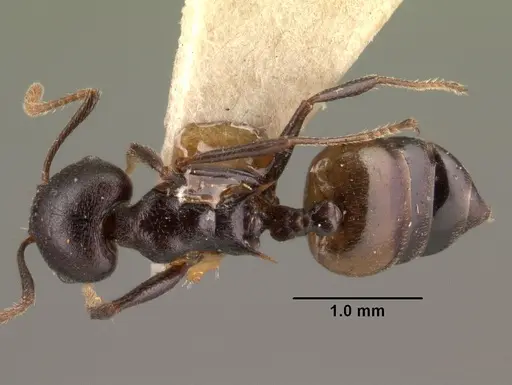
CASENT0101662
View on AntWeb
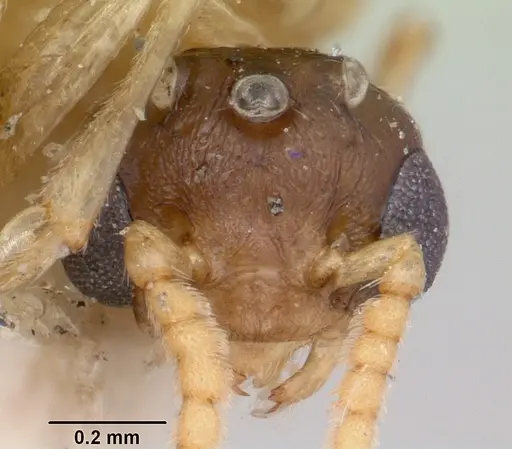
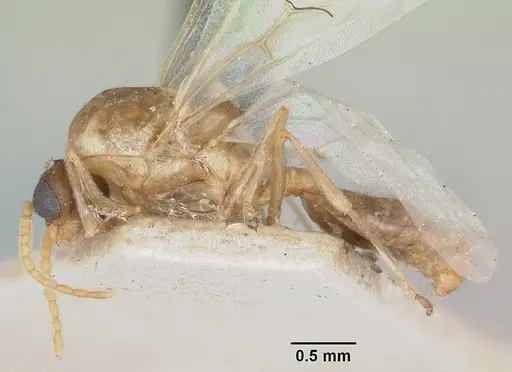
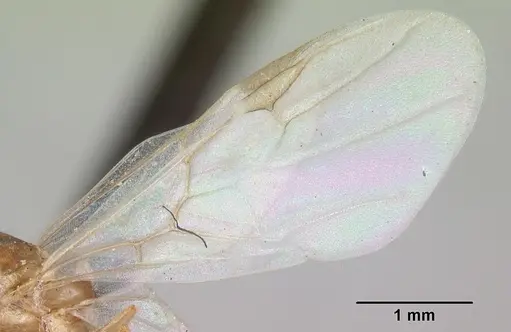
CASENT0101748
View on AntWeb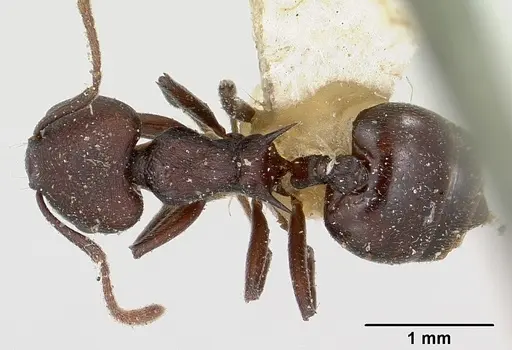
CASENT0101763
View on AntWeb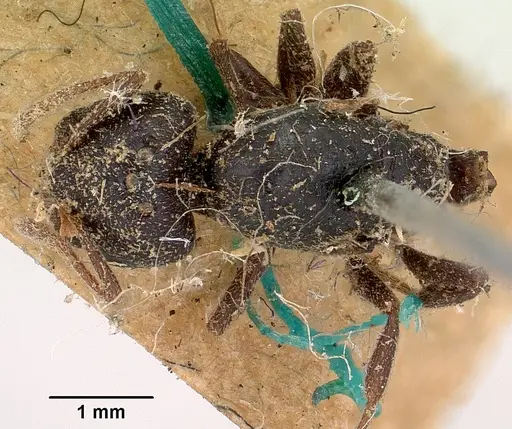
CASENT0101786
View on AntWeb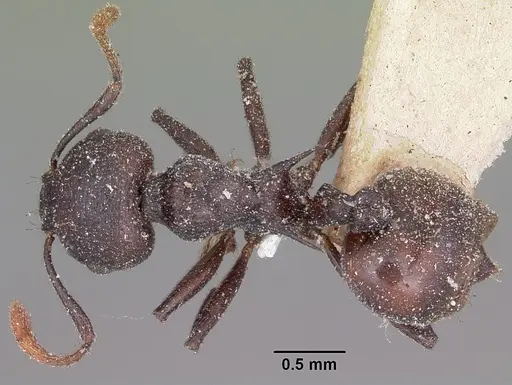
CASENT0102956
View on AntWeb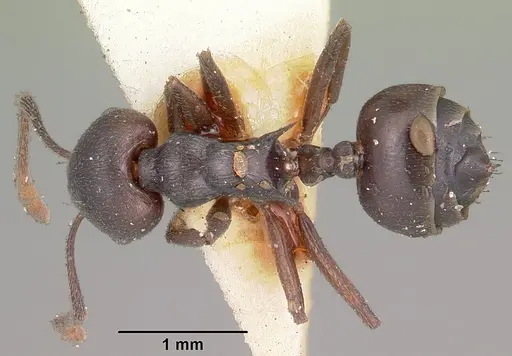
CASENT0172822
View on AntWeb
Literature
Loading distribution map...Loading products...