
Crematogaster ruspolii
- Sci. Name
- Crematogaster ruspolii
- Tribe
- Crematogastrini
- Subfamily
- Myrmicinae
- Author
- Forel, 1892
- Distribution
- Found in 1 countries
Introduction
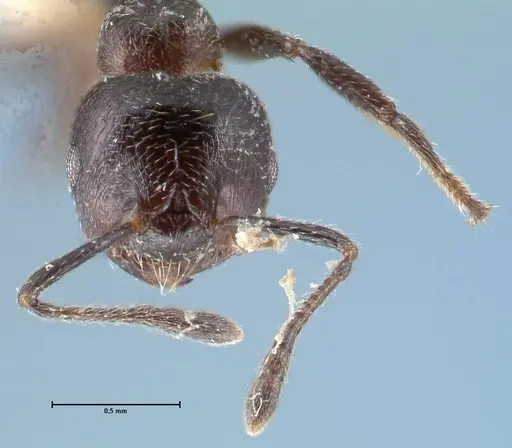
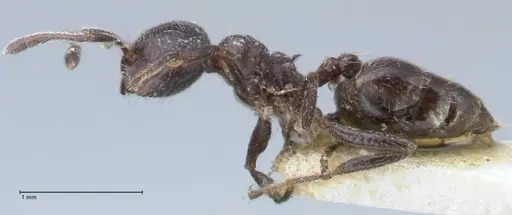
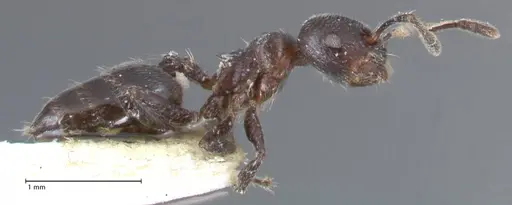
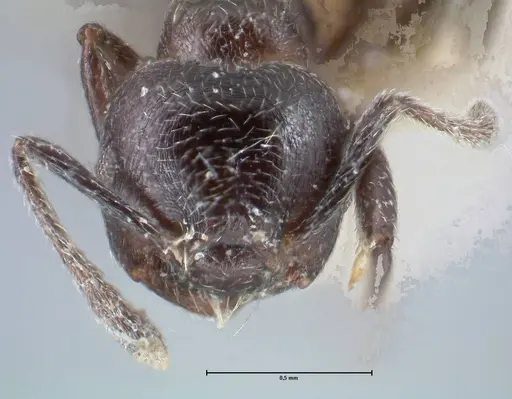
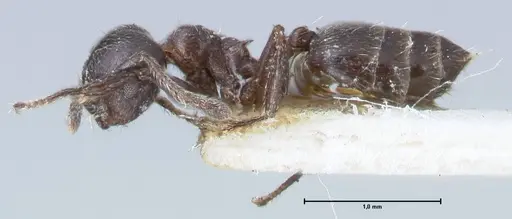
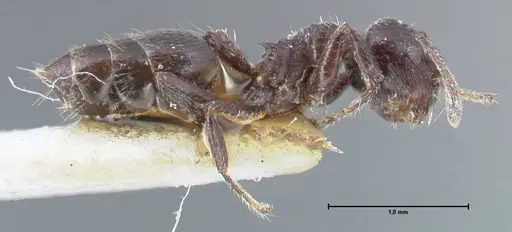
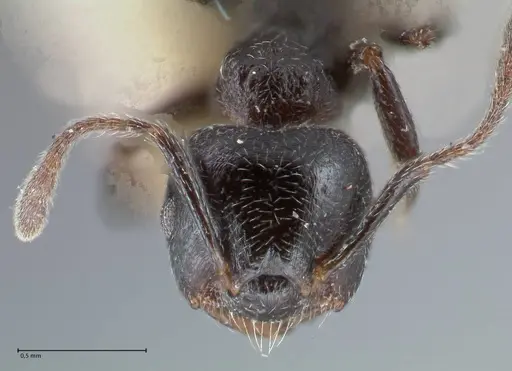
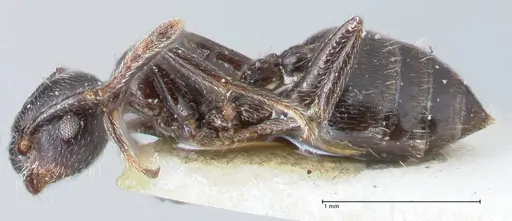
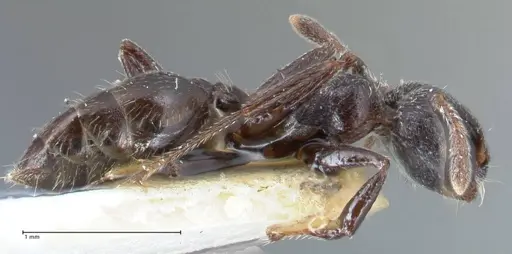
Crematogaster ruspolii is an ant species native to tropical Africa, documented in Ethiopia (Abyssinia) and the Tshopo region of the Democratic Republic of Congo. Size data is unavailable for this species. They nest in thorn galls of Acacia fistula trees, indicating arboreal cavity-nesting habits . This species is notable for its specialized nesting behavior in plant galls, which provides protection and access to tree resources .
Quick Summary
- Difficulty: Medium
- Origin & Habitat: Tropical Africa, documented in Ethiopia (Abyssinia) and Tshopo, Democratic Republic of Congo. They nest in thorn galls of Acacia fistula trees [1][2].
- Colony Type: Colony structure is unconfirmed. Based on typical Crematogaster patterns, likely monogyne (single queen).
- Size & Growth:
- Queen: Size data unavailable, inferred from Crematogaster genus patterns to be approximately 5-7 mm
- Worker: Inferred from Crematogaster genus patterns to be approximately 2-4 mm
- Colony: Unknown for this species, related Crematogaster species can reach up to several thousand workers
- Growth: Moderate
- Development: Estimated 5-8 weeks at tropical temperatures (24-28°C) based on genus patterns (Direct development data unavailable, estimate based on typical tropical ant development)
- Antkeeping:
- Temperature: Keep warm, around 24-28°C, based on tropical origin
- Humidity: Keep nest substrate consistently moist but not waterlogged, as they nest in sheltered galls
- Diapause: No diapause required, tropical species do not need hibernation
- Nesting: Provide tight, enclosed spaces such as cork nests or Y-tong nests with small chambers, mimicking natural gall conditions
- Behavior: Workers are defensive and will raise their abdomen to spray formic acid when threatened. They are active foragers and agile, with a high escape risk due to small size. Use barrier prevention to avoid escapes.
- Common Issues: escape prevention is critical due to small worker size, temperature must be maintained warm year-round, room temperature may be insufficient, limited species-specific care data requires observation and adjustment, colonies may establish slowly, patience is needed during founding, wild-caught colonies may carry parasites, quarantine if possible
Natural History and Distribution
Crematogaster ruspolii is documented in Ethiopia (Abyssinia) and the Tshopo region of the Democratic Republic of Congo. They nest in thorn galls of Acacia fistula trees, indicating an arboreal lifestyle [1][2]. This distribution suggests the species may be more widespread across tropical Africa than current records indicate [2].
Nest Preferences and Housing
In captivity, provide nesting conditions that mimic their natural gall environment. Cork nests or Y-tong nests with small, tight chambers work well, as they offer enclosed spaces similar to galls. For the outworld, include climbing structures like branches since they are arboreal. Test tube setups can be used for founding colonies, but transfer to a more suitable nest once the colony grows.
Feeding and Diet
Crematogaster ruspolii is omnivorous. Offer sugar sources like honey water constantly and protein sources like small insects 2-3 times per week. Remove uneaten prey after 24 hours to prevent mold. Their small size means prey should be appropriately scaled.
Temperature and Seasonal Care
As a tropical species, maintain warm temperatures around 24-28°C year-round. Use a heating cable if room temperature is below this range. No diapause is needed, but avoid sudden temperature drops.
Behavior and Defense
Workers exhibit a characteristic defensive pose, raising their abdomen to spray formic acid. This is a common trait in Crematogastrini tribe ants. They are active foragers and can escape easily due to small size, so barrier prevention is essential.
Frequently Asked Questions
How long does it take for Crematogaster ruspolii to produce first workers?
Based on typical Crematogaster development patterns, expect first workers around 5-8 weeks after queen lays eggs, assuming temperatures of 24-28°C. This is an estimate since specific data is unavailable.
What size colony does Crematogaster ruspolii reach?
Colony size is not documented for this species. Related Crematogaster species can reach up to several thousand workers over several years.
Do Crematogaster ruspolii ants sting?
They do not have a functional stinger but bite and spray formic acid as a defense mechanism. The spray can be irritating but is not dangerous to healthy humans.
Can I keep Crematogaster ruspolii in a test tube?
Test tubes work for founding colonies, but these ants prefer tight, enclosed spaces. Transfer to a cork or Y-tong nest once the colony reaches 20-30 workers.
Do Crematogaster ruspolii need hibernation?
No, as a tropical species, they do not require hibernation. Keep them warm year-round at 24-28°C.
Are Crematogaster ruspolii good for beginners?
They are rated as medium difficulty due to temperature requirements and escape risk. Better suited for keepers with some experience.
What do Crematogaster ruspolii eat?
They are omnivorous. Offer sugar water or honey constantly, and protein like small insects 2-3 times per week.
How do I set up a nest for Crematogaster ruspolii?
Use cork nests or Y-tong nests with small chambers to mimic their natural gall habitat. Include climbing structures in the outworld.
Why are my Crematogaster ruspolii escaping?
Their small size allows them to squeeze through tiny gaps. Check all enclosure edges and apply barrier like fluon to prevent escapes.
Can I keep multiple queens together?
Colony structure is unconfirmed. Most Crematogaster are monogyne, so it is not recommended to combine unrelated queens without specific information.
Report an Issue
The current care sheet is based fully on literature. See inconsistencies, or something that's incorrect? Please , it will be resolved after review from an admin. Contributing to the blogs tab also helps providing information, to make us be able to further improve the caresheets. Thank you for your support!
References

This caresheet is licensed under CC BY-SA 4.0 .
Community Blogs
CASENT0904508
View on AntWeb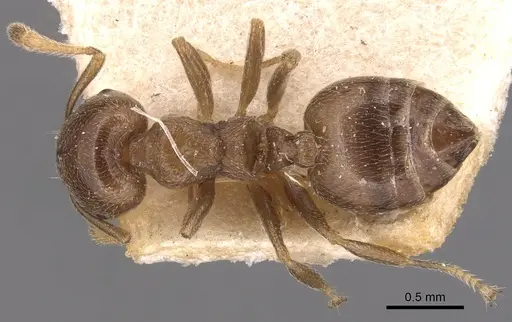
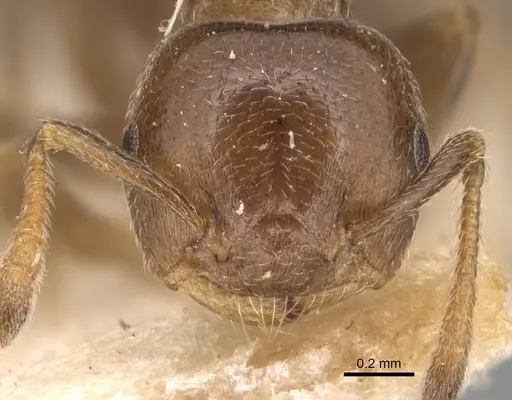
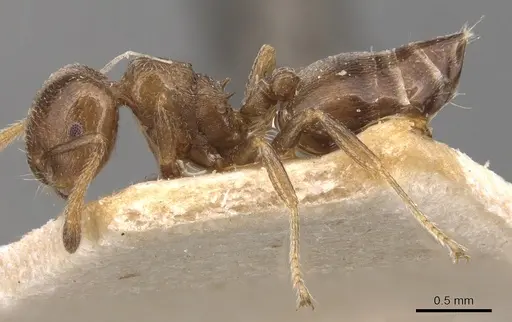
CASENT0908553
View on AntWeb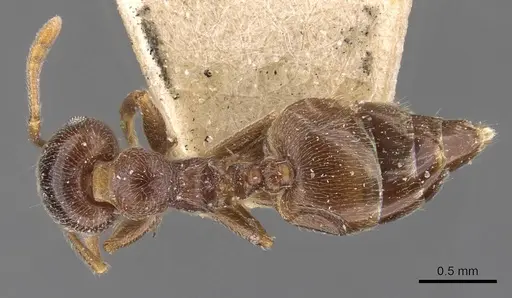
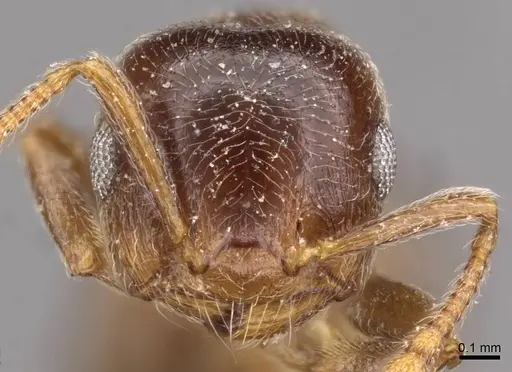
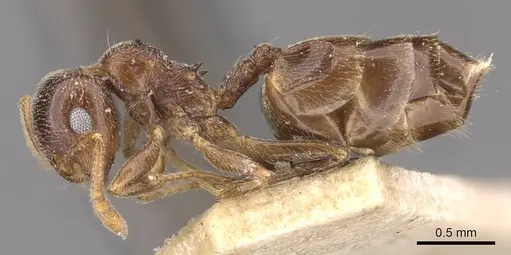
CASENT0908554
View on AntWeb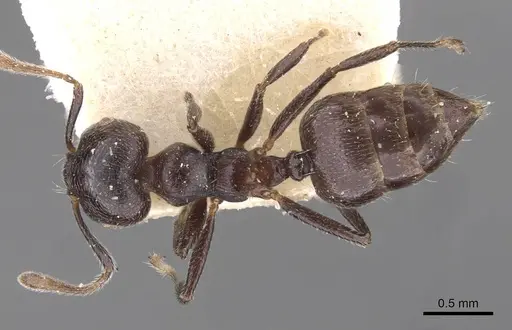
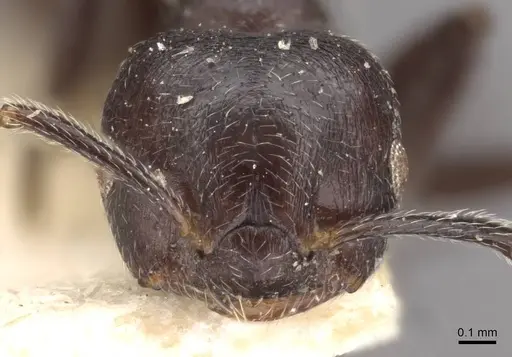
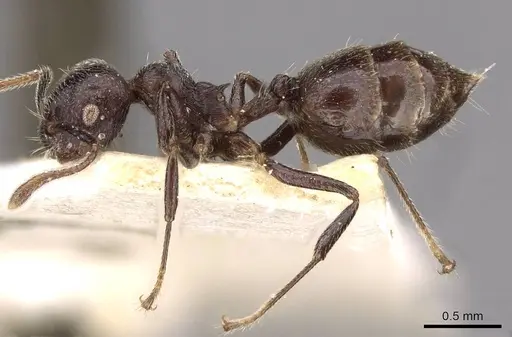
FOCOL1474
View on AntWeb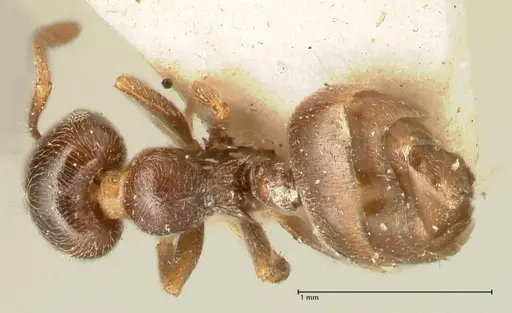
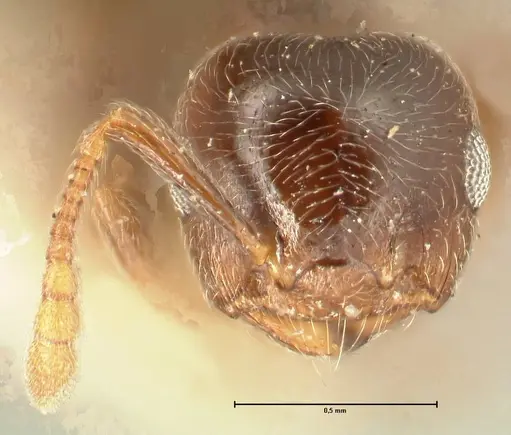
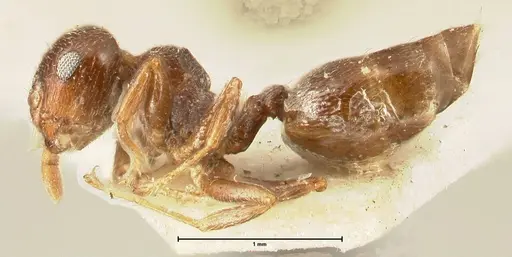
FOCOL1475
View on AntWeb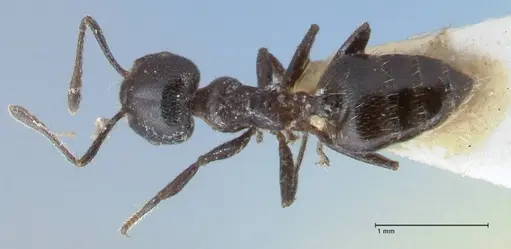
FOCOL1476
View on AntWeb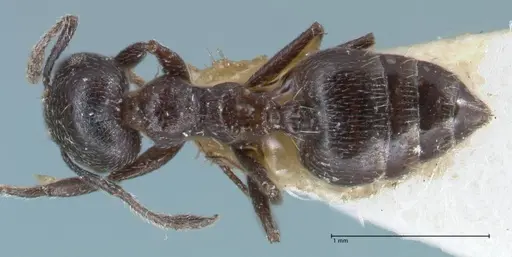
FOCOL1477
View on AntWeb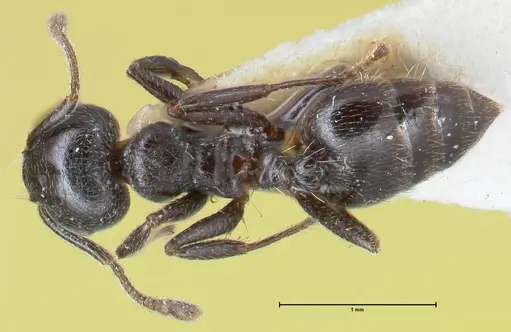
Literature
Loading distribution map...Loading products...