
Crematogaster rugosior
- Sci. Name
- Crematogaster rugosior
- Tribe
- Crematogastrini
- Subfamily
- Myrmicinae
- Author
- Santschi, 1910
- Distribution
- Found in 1 countries
Introduction
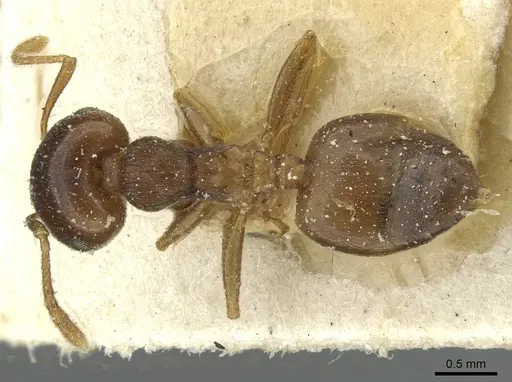
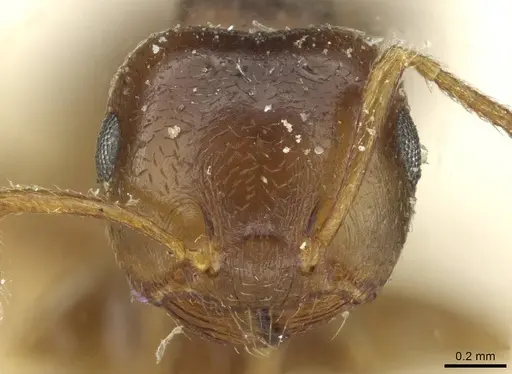
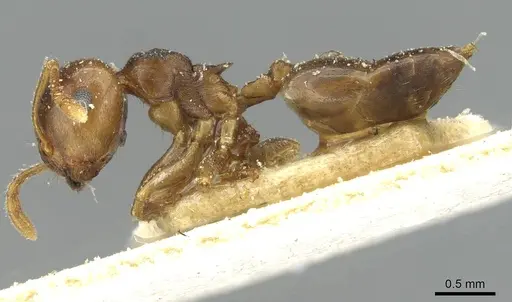
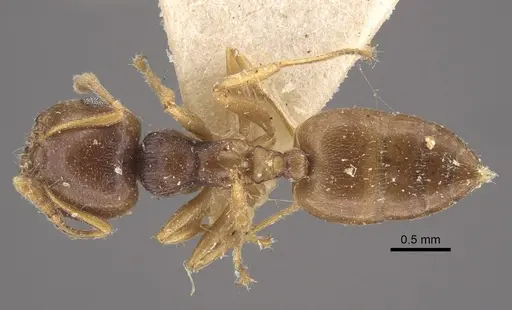
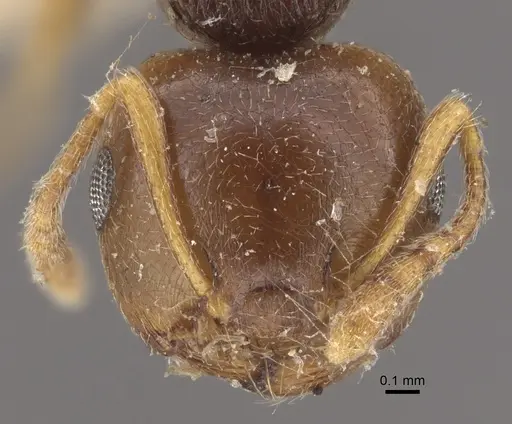
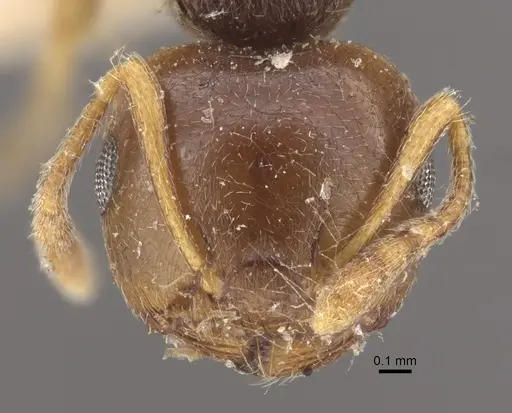
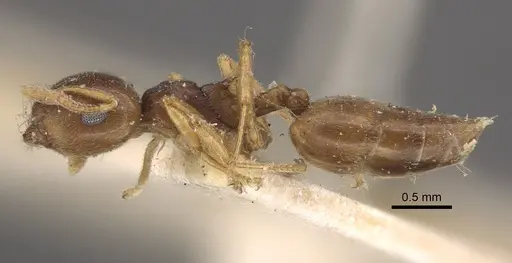
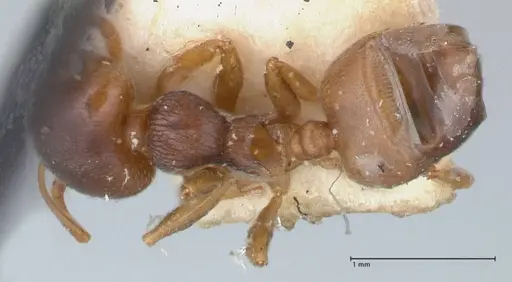
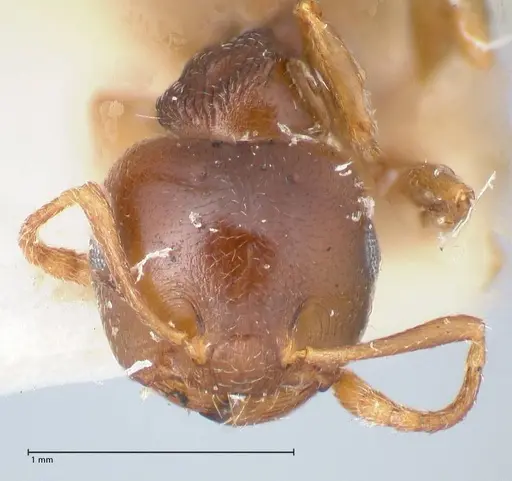
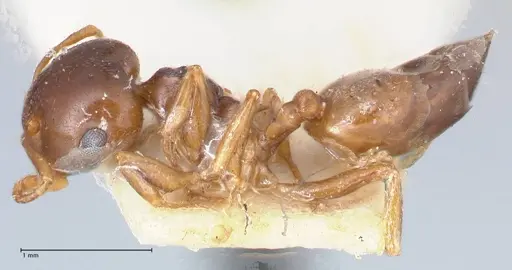
Crematogaster rugosior is a small myrmicine ant species native to the Congo region in Central Africa. Workers have a relatively smooth and glossy body surface, which distinguishes them from related species. The genus name Crematogaster means 'cut belly' in reference to their distinctive heart-shaped gaster that can be raised and curled over their body when threatened. This species was originally described as a subspecies of C. luctans in 1910 and elevated to full species status in 1922. It remains poorly studied with no documented captive care requirements.
Quick Summary
- Difficulty: Unknown, species has not been documented in captive antkeeping
- Origin & Habitat: Native to Congo and Democratic Republic of Congo in Central Africa. Found in tropical forest habitats [1]. Specific microhabitat preferences are unconfirmed.
- Colony Type: Colony structure is unconfirmed. Many Crematogaster species are polygynous, but this has not been documented for C. rugosior specifically.
- Size & Growth:
- Queen: Size data unavailable, no specific measurements available for this species
- Worker: Size data unavailable, no specific measurements available for this species
- Colony: Unknown, no colony size data available
- Growth: Unknown
- Development: Unknown, no development data available for this species (Based on typical Crematogaster patterns at tropical temperatures, development may take several weeks, but this is an estimate.)
- Antkeeping:
- Temperature: Unconfirmed, likely requires warm conditions similar to other Central African ants. Based on related species, aim for 24-28°C.
- Humidity: Unconfirmed, likely requires moderate to high humidity typical of tropical forest species. Keep substrate consistently moist but not waterlogged.
- Diapause: Unlikely, as a tropical species from Central Africa, diapause is probably not required.
- Nesting: Nesting preferences are unconfirmed. Based on typical Crematogaster patterns, many are arboreal or nest in decaying wood. In captivity, a Y-tong (AAC) nest, plaster nest, or naturalistic setup with wood material would be appropriate.
- Behavior: Behavior is unconfirmed for this specific species. Crematogaster ants are known for their aggressive colony defense, they raise their heart-shaped gaster and apply irritating chemical secretions from their anal gland onto attackers. They are typically fast-moving and active foragers. This species has a smear defense mechanism using a modified stinger. Escape prevention should be excellent given their small size, they can squeeze through surprisingly small gaps.
- Common Issues: this species has no documented history in captive antkeeping, so specific failure modes are unknown, tropical species may decline if kept too cool or in dry conditions, small size means escape prevention must be excellent regardless of behavior, wild-caught colonies may carry parasites or diseases not yet characterized
Species Background and Identification
Crematogaster rugosior was originally described by Felix Santschi in 1910 as a variety of Crematogaster luctans, collected from Brazzaville in French Congo. William Morton Wheeler described the queen caste in 1922 and elevated the taxon to full species status. The species belongs to the subgenus Sphaerocrema, a group characterized by their relatively smooth body sculpture compared to other Crematogaster. The genus name Crematogaster literally means 'cut belly' in reference to their distinctive heart-shaped gaster. This species is known only from the Congo region of Central Africa.
Natural History and Habitat
This species is known only from the tropical forests of Congo and the Democratic Republic of Congo [1]. While specific ecological preferences are unconfirmed, the genus Crematogaster contains many arboreal and semi-arboreal species that nest in decaying wood, hollow twigs, or under bark. The Congo region experiences a tropical climate with high year-round humidity and temperatures. Based on related species from similar habitats, C. rugosior likely forages actively in the forest canopy or understory, collecting honeydew from aphids and scale insects, and hunting small invertebrates.
Housing and Nesting
Since specific nesting preferences are unconfirmed for this species, recommendations must be based on typical Crematogaster behavior. A Y-tong (AAC) nest or plaster nest with narrow chambers works well for small myrmicine ants. Alternatively, a naturalistic setup with decaying wood or bark pieces provides a more natural environment. Ensure the nest area maintains moderate humidity, damp but not saturated. A water tube or reservoir in the outworld allows workers to collect moisture. Given their likely arboreal origins, include vertical structures or branches in the outworld for climbing.
Feeding and Diet
Diet is unconfirmed for this specific species, but Crematogaster as a genus are omnivorous with a preference for protein-rich foods. They naturally forage for honeydew from homopteran insects and hunt small arthropods. In captivity, offer a varied diet including sugar water or honey as an energy source, and protein sources such as small insects. Feed protein regularly and keep sugar water available continuously. Remove uneaten prey after 24-48 hours to prevent mold.
Temperature and Seasonal Care
As a tropical species from Central Africa, this ant requires warm conditions. Aim for temperatures in the range of 24-28°C. A heating cable on one side of the nest can create a temperature gradient, allowing ants to self-regulate. Room temperature may be acceptable if your home stays in the low-to-mid 20s°C. Unlike temperate species, C. rugosior likely does not require a winter diapause period. However, slight seasonal variations in activity may occur naturally. Avoid temperatures below 20°C for extended periods.
Behavior and Colony Dynamics
Crematogaster species are known for their distinctive defensive behavior, when threatened, they raise their heart-shaped gaster and apply irritating chemicals from their anal gland to the attacker. This species uses a smear defense mechanism, wiping venom onto enemies rather than piercing flesh. Workers are fast-moving and active foragers. Colony size is unknown but likely reaches several hundred workers based on typical genus patterns. The colony structure (single queen vs multi-queen) has not been documented for this species.
Frequently Asked Questions
Is Crematogaster rugosior suitable for beginners?
This species cannot be recommended for beginners. It has no documented history in the antkeeping hobby, and its specific care requirements are unknown. The limited available data means keepers would be working largely from guesswork rather than established husbandry practices. Consider starting with better-documented Crematogaster species like Crematogaster scutellaris or Crematogaster ashbyi, or other African ants with established care guides.
What do Crematogaster rugosior ants eat?
Diet is unconfirmed for this specific species, but based on genus patterns, they likely accept sugar sources (honey, sugar water) and protein (small insects like fruit flies, pinhead crickets, mealworms). Feed protein regularly and keep sugar water available at all times.
How long does it take for Crematogaster rugosior to develop from egg to worker?
The development timeline is unconfirmed for this species. Based on typical Crematogaster patterns at tropical temperatures (24-28°C), development may take several weeks, but this is an estimate rather than documented fact.
Do Crematogaster rugosior ants sting?
Crematogaster ants do not have a functional stinger like many other ant genera. Instead, they defend by raising their heart-shaped gaster and applying irritating chemical secretions from their anal gland directly onto the attacker. This species uses a smear defense mechanism, wiping venom onto enemies. These secretions can cause irritation but are not typically dangerous to humans.
What temperature do Crematogaster rugosior ants need?
Temperature requirements are unconfirmed, but as a tropical Central African species, they likely need warm conditions. Aim for 24-28°C based on related species. Avoid temperatures below 20°C.
Can I keep multiple Crematogaster rugosior queens together?
Colony structure is unconfirmed for this species. Many Crematogaster species are polygynous (multi-queen), but this has not been documented for C. rugosior specifically. Without documented evidence, combining unrelated queens is not recommended.
What size do Crematogaster rugosior colonies reach?
Colony size is unconfirmed. Based on typical Crematogaster patterns, colonies may reach several hundred workers, but this is an estimate rather than documented fact.
Do Crematogaster rugosior ants need hibernation?
As a tropical species from Central Africa, hibernation is likely not required. These ants probably remain active year-round in conditions that mimic their natural tropical environment.
What type of nest is best for Crematogaster rugosior?
Nesting preferences are unconfirmed, but based on typical Crematogaster behavior (many are arboreal or nest in decaying wood), a Y-tong (AAC) nest, plaster nest, or naturalistic setup with wood material would be appropriate. Keep humidity moderate to high.
Where is Crematogaster rugosior found in the wild?
This species is native to the Congo region of Central Africa, specifically documented from Congo and the Democratic Republic of Congo. The type locality is Brazzaville, Congo.
Report an Issue
The current care sheet is based fully on literature. See inconsistencies, or something that's incorrect? Please , it will be resolved after review from an admin. Contributing to the blogs tab also helps providing information, to make us be able to further improve the caresheets. Thank you for your support!
References

This caresheet is licensed under CC BY-SA 4.0 .
Community Blogs
Literature
Loading distribution map...Loading products...