
Crematogaster rugosa
- Sci. Name
- Crematogaster rugosa
- Tribe
- Crematogastrini
- Subfamily
- Myrmicinae
- Author
- André, 1895
- Distribution
- Found in 1 countries
Introduction
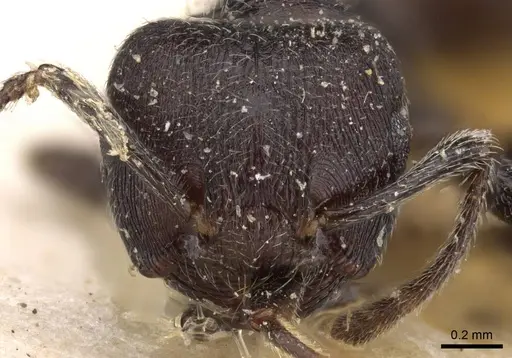
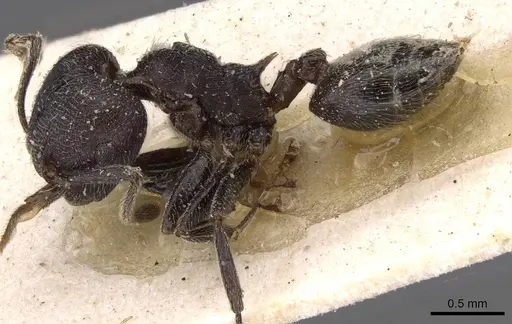
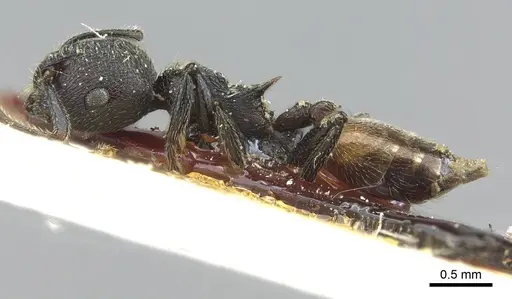
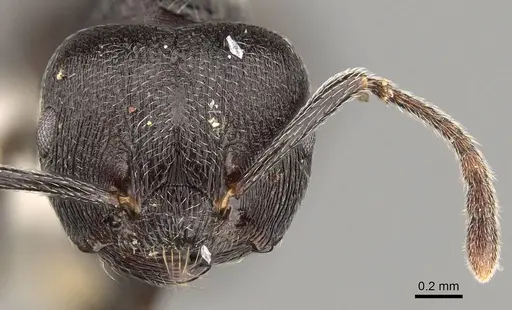
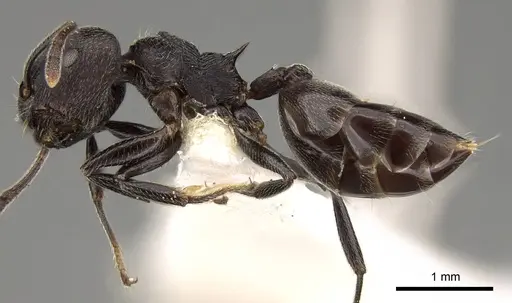
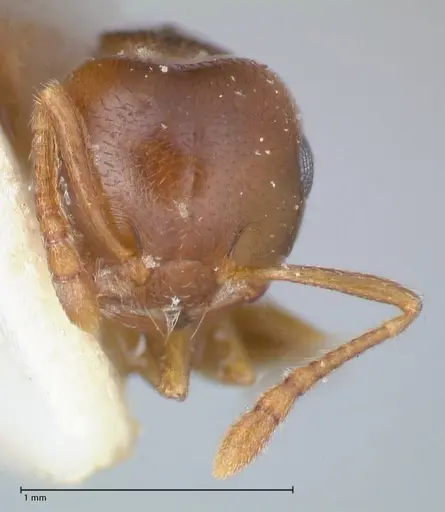
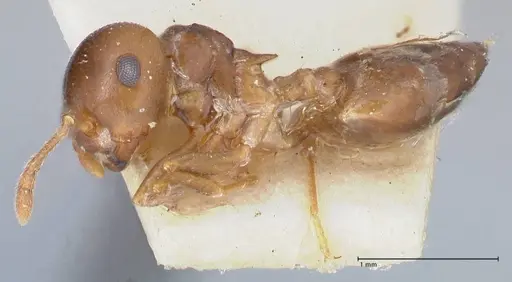
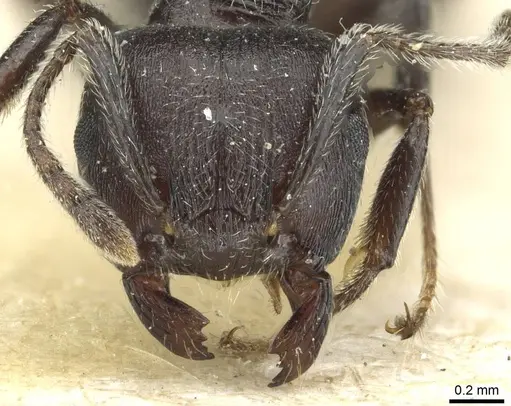
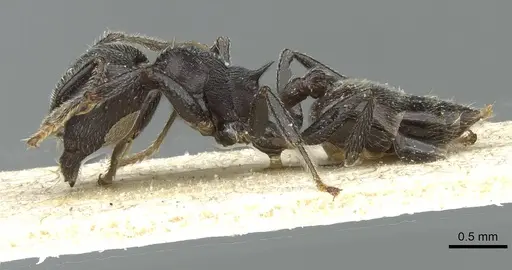
Crematogaster rugosa is a small arboreal ant species native to Central Africa, found primarily in the Democratic Republic of Congo (Kasaï and Tshopo provinces) and Rwanda's Nyungwe Tropical Rain Forest . These ants are timid and shy, living within specialized hollows in ant plants called myrmecodomatia, particularly the Randia myrmecophyla host plant . Workers are small and slender, adapted for life in tight plant cavities. Like all Crematogaster species, they are called 'acrobat ants' because workers raise their abdomen over their head when threatened, though this species is notably docile and retreats rather than confronts disturbance .
Quick Summary
- Difficulty: Easy
- Origin & Habitat: Central African rainforests, documented in the Democratic Republic of Congo (Kasaï and Tshopo provinces) and Rwanda's Nyungwe Tropical Rain Forest [1][2]. In the wild, they inhabit myrmecodomatia of the Randia myrmecophyla ant plant, nesting within hollow structures of this host plant [3].
- Colony Type: Colony structure is unconfirmed. Based on typical Crematogaster patterns, they likely form single-queen colonies. No documented ergatoid (wingless replacement) queens for this specific species.
- Size & Growth:
- Queen: ~5-7mm, inferred from Crematogaster genus patterns, no direct species measurements available
- Worker: ~2-4mm, inferred from Crematogaster genus patterns, they are small ants adapted for arboreal life
- Colony: Up to 500 workers based on typical Crematogaster colony sizes in similar habitats
- Growth: Moderate, tropical species with year-round development potential
- Development: Approximately 5-8 weeks at tropical temperatures (24-28°C) based on typical Crematogaster development patterns (Development is likely faster than temperate species due to year-round warm conditions in their native habitat)
- Antkeeping:
- Temperature: Keep at 24-28°C. This is a tropical species from Rwanda and DRC rainforests, so they need warm, stable temperatures. A heating cable on one side of the nest creates a gradient if your room temperature is below this range.
- Humidity: Keep humidity moderate to high at 60-80%. Their native habitat in Rwandan and Congolese rainforests is consistently humid. Mist the outworld occasionally and keep the nest substrate slightly moist but not waterlogged.
- Diapause: No, this is a tropical species from Central Africa. They do not require hibernation and remain active year-round when kept at appropriate temperatures.
- Nesting: These ants are arboreal and prefer nesting in tight, humid cavities. In captivity, a Y-tong (AAC) nest or plaster nest works well. They also do well in test tube setups with a water reservoir, as they appreciate some moisture. Avoid dry, airy nests.
- Behavior: This species is notably timid and docile, they retreat rather than confront threats [3]. Workers are small and fast-moving, foraging along plant surfaces and branches. They are not aggressive and rarely sting. Because of their small size, escape prevention is important, they can squeeze through small gaps. They are arboreal by nature and will explore vertically in the outworld. Defense mechanism involves raising the abdomen in the typical acrobat ant posture and using a smear attack with their flattened stinger.
- Common Issues: escape prevention is critical due to their very small size, use fine mesh and tight-fitting lids, tropical species may struggle if temperatures drop below 22°C, overheating can be a problem, avoid direct heat sources that create hot spots, wild-caught colonies may carry parasites from their native habitat, they are shy and may be stressed by frequent disturbances
Housing and Nest Setup
Crematogaster rugosa is an arboreal species that naturally nests in plant cavities, so they do well in nests that provide tight, humid chambers. A Y-tong (AAC) nest or plaster nest works excellently for this species. If using test tubes, ensure the water reservoir is properly sized, too much water can flood the colony. These ants appreciate some vertical space in their outworld since they are natural climbers. Use a test tube setup for founding colonies, then transition to a formicarium once the colony reaches 30-50 workers. Because they are tiny, ensure all connections between the nest and outworld are secure with cotton or foam plugs.
Feeding and Diet
In their native habitat, Crematogaster rugosa lives in ant plants and tends to honeydew-producing insects like aphids or scale insects [3]. In captivity, offer a varied diet including sugar water or honey as a constant energy source. For protein, offer small insects like fruit flies, small mealworms, or cricket pieces. They are not aggressive hunters, so prey should be small and easy to handle. Some keepers report success with commercial ant jelly or protein paste. Feed them 2-3 times per week, removing any uneaten food after 24 hours to prevent mold.
Temperature and Humidity
As a tropical species from Central Africa's rainforests, Crematogaster rugosa needs warm and humid conditions. Maintain temperatures between 24-28°C, this matches their natural habitat in Rwanda and the DRC [1]. Room temperature may be sufficient if your home is naturally warm, otherwise use a heating cable on one side of the nest to create a gentle gradient. For humidity, aim for 60-80%. Their native rainforest environment means they are accustomed to consistent moisture. Mist the outworld occasionally and keep the nest substrate slightly damp. Avoid both drying out and waterlogging, aim for damp but not soggy.
Behavior and Handling
This species is known for being timid and docile, when their host plant is shaken, they retreat deeper into their retreats rather than emerging to defend [3]. Workers are small and fast-moving, characteristic of arboreal ants. They raise their abdomen in the typical acrobat ant defensive posture when threatened, but actual stinging is rare. They are not aggressive toward keepers and are suitable for observation. However, their small size means they are excellent escape artists, use fine mesh on all ventilation holes and ensure all connections are secure. They are best suited for observation rather than frequent handling.
Colony Development
Colony growth is likely moderate for a tropical species. The queen will remain claustrated (sealed in) while raising her first brood, surviving on stored fat reserves. Once the first workers (nanitics) emerge, they will begin foraging to support further growth. Based on typical Crematogaster patterns, expect 5-8 weeks from egg to first worker at optimal temperatures. Colonies may reach up to 500 workers over time. Growth is faster than temperate species because year-round warm conditions support continuous brood development. Do not disturb the queen during the founding phase, stress can cause her to eat her brood or abandon the nest.
Frequently Asked Questions
How long does it take for Crematogaster rugosa to produce first workers?
Based on typical Crematogaster development, expect 5-8 weeks from egg to first worker at optimal tropical temperatures (24-28°C). This timeline may vary depending on temperature and feeding.
What temperature do Crematogaster rugosa ants need?
Keep them at 24-28°C. This is a tropical species from Central Africa's rainforests, so they need warm conditions year-round.
Do Crematogaster rugosa ants sting?
They are docile and rarely sting. Like all Crematogaster species, they may raise their abdomen in defense, but actual stinging is uncommon with this timid species.
Can I keep Crematogaster rugosa in a test tube?
Yes, test tubes work well for founding colonies. Ensure proper humidity with a water reservoir, and transition to a formicarium (Y-tong or plaster nest) once the colony reaches 30-50 workers.
What do Crematogaster rugosa eat?
They are omnivorous. Offer sugar water or honey constantly, and supplement with small insects like fruit flies or small mealworms 2-3 times per week.
Do Crematogaster rugosa need hibernation?
No, they do not need hibernation. As a tropical species from Central Africa, they remain active year-round at warm temperatures.
Are Crematogaster rugosa good for beginners?
Yes, they are considered easy to keep due to their docile nature and straightforward care requirements. Their small size and escape risk are the main challenges.
How big do Crematogaster rugosa colonies get?
Based on typical Crematogaster patterns, colonies may reach up to 500 workers. Growth is moderate and year-round in tropical conditions.
Why are my Crematogaster rugosa escaping?
Their small size makes them excellent escape artists. Use fine mesh on all ventilation, secure all connections with cotton or foam, and check for any gaps larger than 1mm.
Can I keep multiple Crematogaster rugosa queens together?
This has not been documented for this specific species. Based on typical Crematogaster behavior, single-queen colonies are most common. Combining unrelated queens is not recommended.
Report an Issue
The current care sheet is based fully on literature. See inconsistencies, or something that's incorrect? Please , it will be resolved after review from an admin. Contributing to the blogs tab also helps providing information, to make us be able to further improve the caresheets. Thank you for your support!
References

This caresheet is licensed under CC BY-SA 4.0 .
Community Blogs
CASENT0908614
View on AntWeb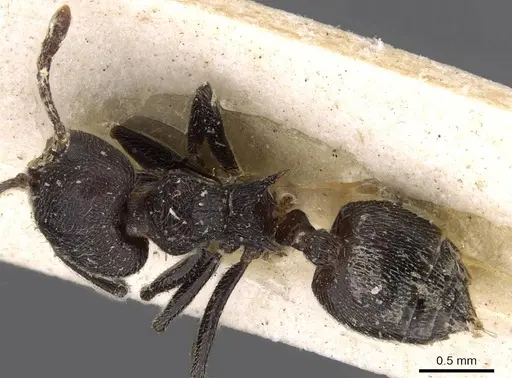
CASENT0912812
View on AntWeb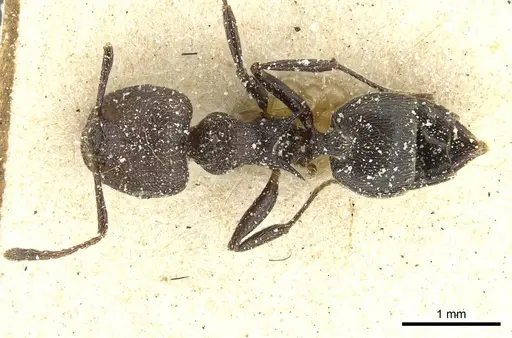
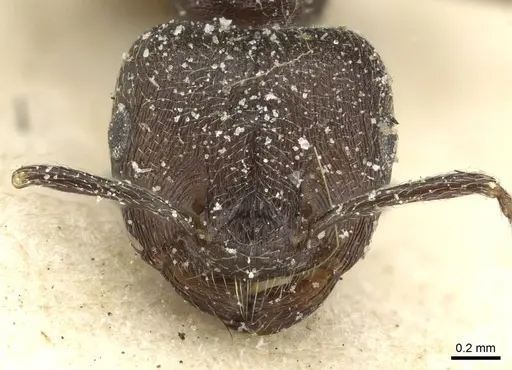
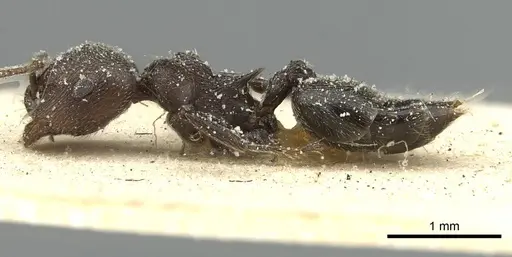
CASENT0912813
View on AntWeb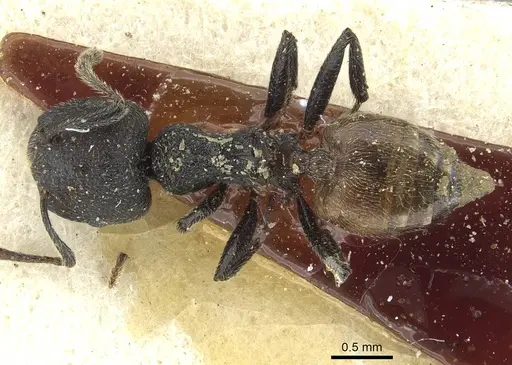
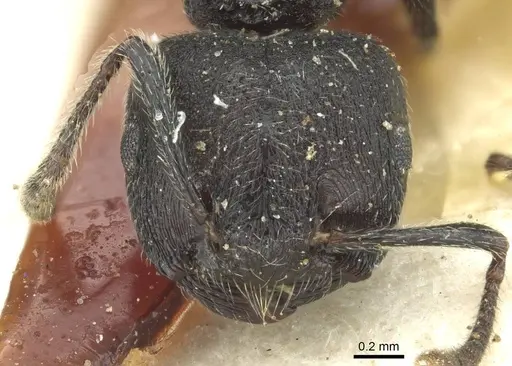
CASENT0914190
View on AntWeb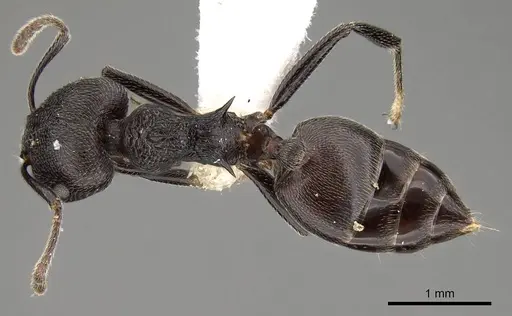
FOCOL1520
View on AntWeb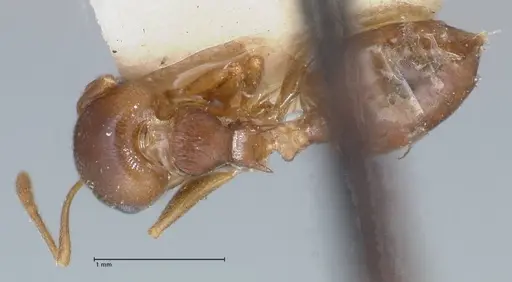
RMCAENT000017763
View on AntWeb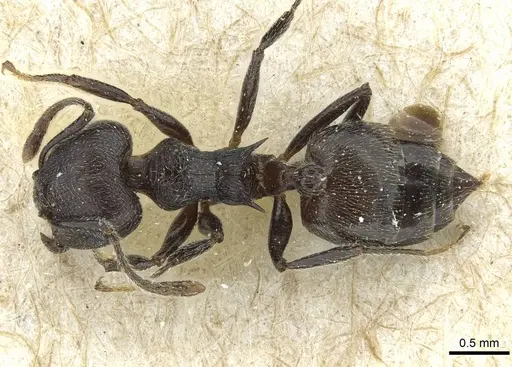
Literature
Loading distribution map...Loading products...