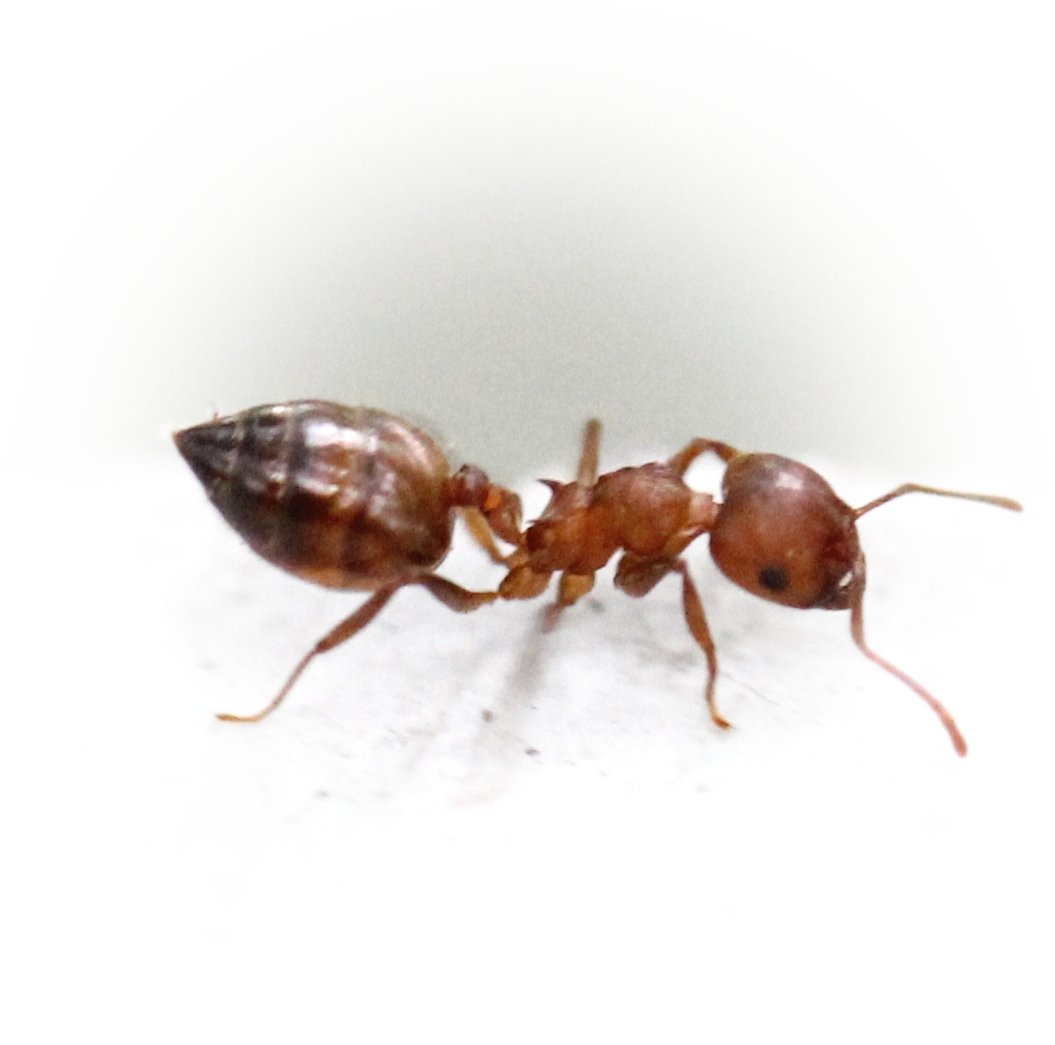
Crematogaster rogenhoferi
- Sci. Name
- Crematogaster rogenhoferi
- Tribe
- Crematogastrini
- Subfamily
- Myrmicinae
- Author
- Mayr, 1879
- Distribution
- Found in 8 countries
Introduction
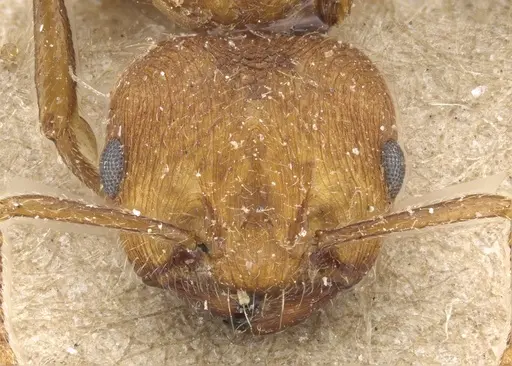
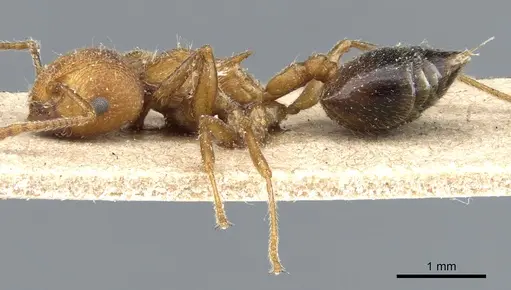
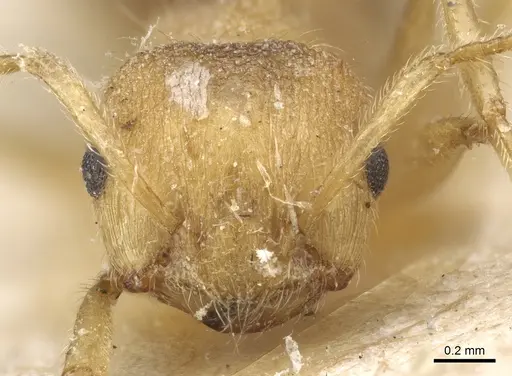
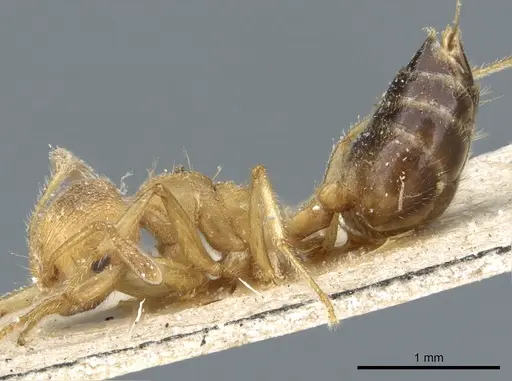
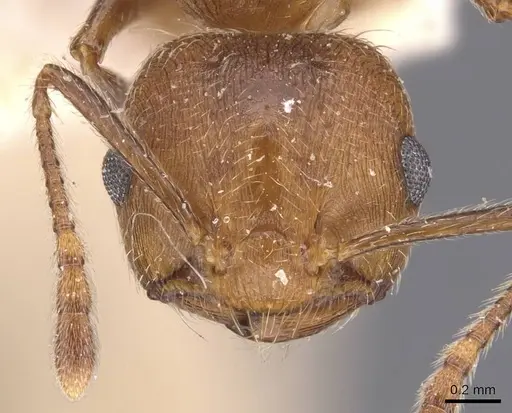
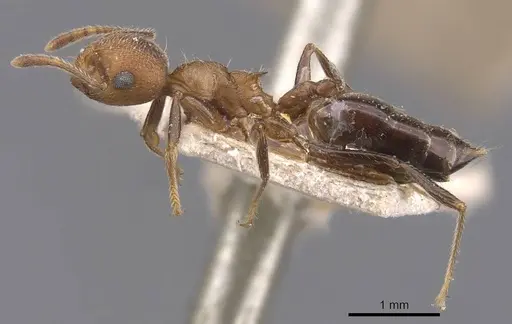
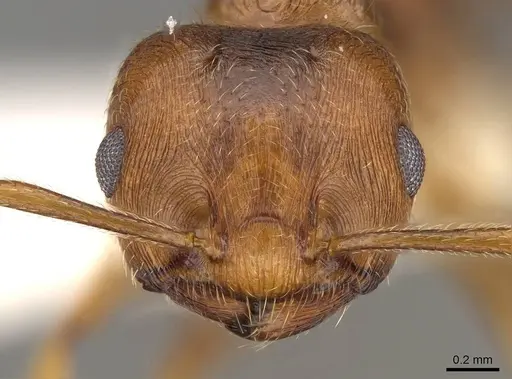
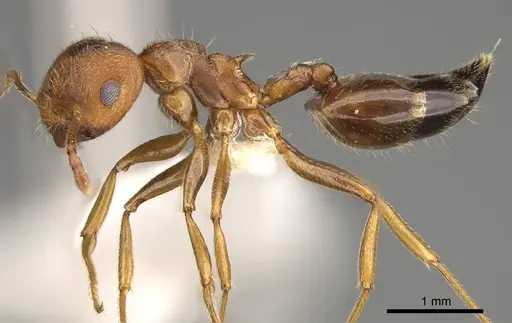
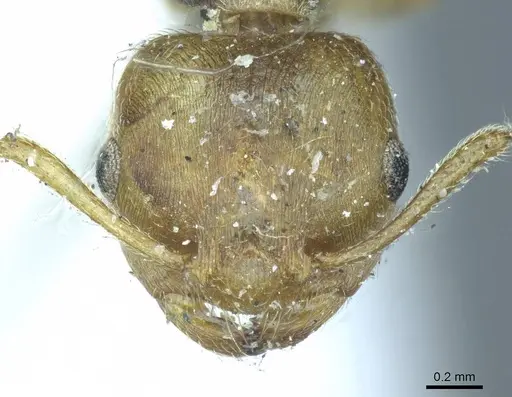
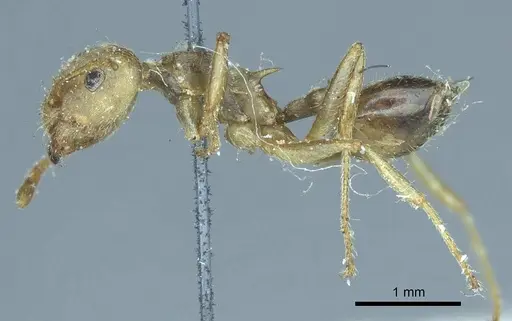
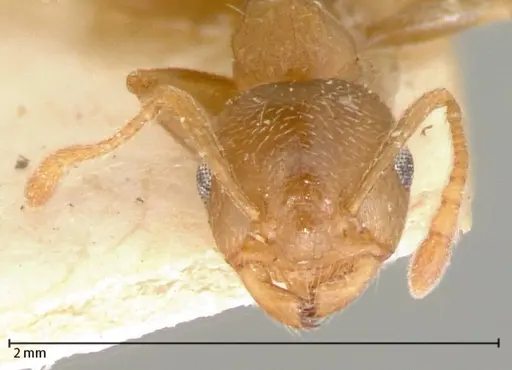
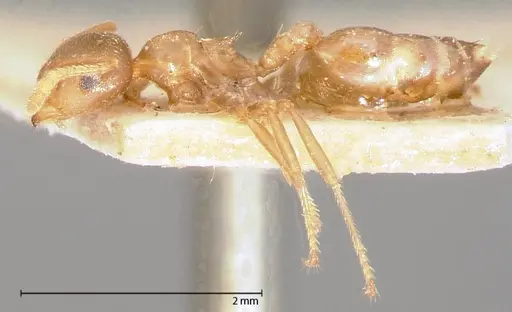
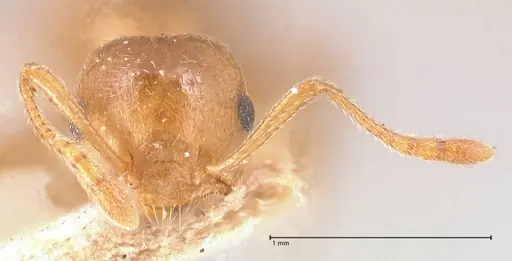
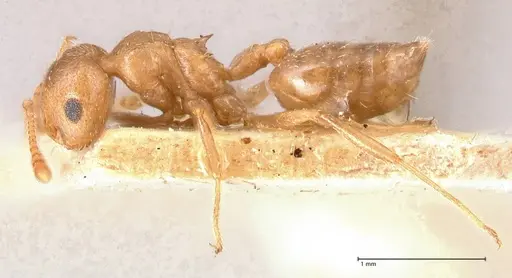
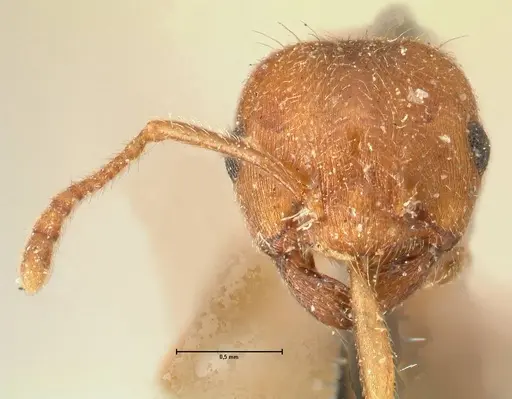
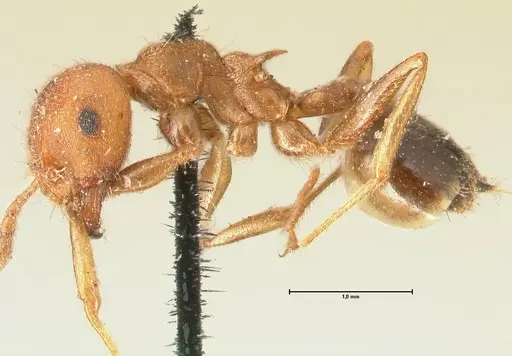
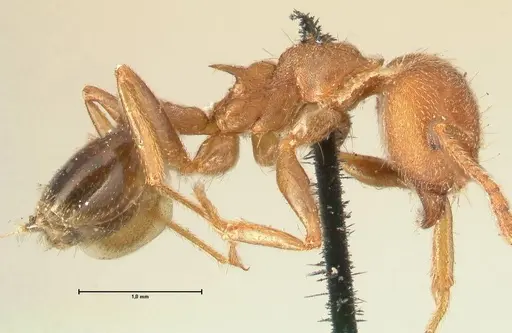
Crematogaster rogenhoferi is a medium-sized arboreal ant known for raising its heart-shaped abdomen like an acrobat when disturbed - giving it the common name 'acrobat ant.' Workers measure 3.5-4.5mm with a reddish-brown body and darker brown to black abdomen. Queens are significantly larger at 6.5-8.5mm. This species builds remarkable carton nests made from woven plant fibers, leaves, and soil particles, typically positioned high in trees between 248-469 cm above ground . The nest structure is spheroidal with internal chambers arranged concentrically, providing natural water resistance and temperature regulation . This species has a sophisticated vibrational communication system. Workers produce calls by stridulating - rubbing a file on their abdomen against a scraper on their postpetiole. These two-part calls have a dominant frequency around 1.9 kHz and are used when disturbed or discovering food . C. rogenhoferi is polygynous, with colonies supporting multiple queens averaging 1.5 per nest, and can reach impressive sizes of over 15,000 workers in established nests .
Quick Summary
- Difficulty: Medium
- Origin & Habitat: Native to Southeast Asia and the Indomalaya region, including India, Sri Lanka, Myanmar, Thailand, Laos, Vietnam, Malaysia, Indonesia (Sumatra), Philippines, and southern China. Found across diverse habitats from tropical rainforests to agricultural areas and urban environments. Typically nests in trees, building carton nests on branches, though ground nesting under stones also occurs in some regions [5][1][6][7].
- Colony Type: Polygynous (multiple queens per colony). Colonies contain an average of 1.53±0.38 queens, with multiple dealate queens observed in intermediate and mature nests. Colonies are large, with wild nests containing up to 15,000 workers on average, and population ranges from 1,520 to 67,755 individuals per nest [1][4].
- Size & Growth:
- Queen: 6.5-8.5mm [8]
- Worker: 3.5-4.5mm [8][9]
- Colony: Up to approximately 30,000 workers in mature wild colonies, with documented populations ranging from 1,520 to 67,755 individuals per nest [1]
- Growth: Moderate
- Development: Estimated 6-10 weeks at optimal temperature (20-26°C) based on typical Crematogaster development patterns (Development time is inferred from genus-level patterns. Queens in wild colonies produce large numbers of offspring, an average of 1,753 winged females and 4,970 males per nest [1].)
- Antkeeping:
- Temperature: Keep nest area at 20-26°C. Research shows this is the optimum temperature range for insect development, and internal nest temperatures remain relatively stable around 17-19°C regardless of ambient conditions [2]. A gentle gradient allowing workers to self-regulate is ideal.
- Humidity: Moderate to high humidity (60-80%). These ants naturally experience humid tropical conditions. The carton nest material has water-repellent properties, outer surfaces become wet during rain while inner surfaces remain dry, protecting the colony [2]. Provide a water tube for drinking and maintain slight moisture in any substrate.
- Diapause: No. As a tropical species, C. rogenhoferi does not undergo hibernation. Maintain stable temperatures year-round.
- Nesting: Arboreal setup is ideal. These ants naturally build carton nests in trees, but in captivity they adapt well to Y-tong (AAC), plaster formicariums, or acrylic nests. Provide vertical space and multiple chambers, wild nests average 17cm long and 8cm wide with internal cell chambers of about 2cm diameter [2].
- Behavior: Active and alert foragers with moderate aggression. Workers are generalist foragers that collect honeydew from hemipterans and hunt small insects. When threatened, they raise their abdomen in the characteristic 'acrobat' pose and may bite aggressively. Workers have been documented invading homes in Sri Lanka, causing painful bites that can trigger allergic reactions including swelling and redness lasting 1-2 days [4]. They communicate through vibrational stridulation, producing sounds by rubbing body parts together, which they use when disturbed or discovering food [3]. This species uses a smear defense mechanism where venom is wiped onto enemies rather than piercing flesh [7]. Escape prevention is important as they are agile climbers.
- Common Issues: colonies can reach 30,000+ workers quickly, ensure your setup can accommodate rapid growth, aggressive biters when threatened, use caution during feeding and nest maintenance, polygynous colonies may have multiple egg-laying queens, splitting colonies requires careful queen identification, tropical species requires consistent warmth, temperatures below 18°C may slow activity and development, arboreal nature means they need vertical space and climbing surfaces, horizontal-only nests may limit colony expansion, WARNING: This species is listed as Critically Endangered in Sri Lanka under the National Red List 2012, it is illegal to catch queens or disturb colonies in Sri Lanka [3]
Housing and Nest Setup
Crematogaster rogenhoferi is an arboreal species that naturally builds carton nests in trees, typically 250-470 cm above ground [1]. In captivity, they adapt well to various nest types including Y-tong (AAC) nests, plaster formicariums, or acrylic nests. The key requirements are vertical space and multiple interconnected chambers, wild nests average 17cm long with internal cell chambers around 2cm in diameter [2].
For a naturalistic setup, provide materials like dried leaves, small twigs, and soil that workers can manipulate to create their characteristic carton nest structure. The nest material consists of plant fibers and soil particles woven together, which naturally provides water resistance and temperature regulation [2]. However, standard nests work well and make observation easier.
Include a spacious outworld with climbing structures (branches, cork bark, or vertical surfaces) to accommodate their arboreal foraging behavior. A water tube should always be available. Escape prevention is important, these ants are good climbers. Standard barrier methods like fluon on test tube rims or petroleum jelly on container edges work well.
Feeding and Diet
Crematogaster rogenhoferi is a generalist forager with a varied diet. In nature, they primarily collect honeydew from hemipterans (aphids, scale insects, mealybugs) through trophobiotic relationships [10], but they also actively hunt small insects and prey on pest moth pupae including Dendrolimus punctatus and Dasychira pudibunda [8].
In captivity, offer a balanced diet including: sugar water or honey as an energy source (they readily accept sweet liquids), protein sources like small crickets, mealworms, or fruit flies, and occasional treats like small pieces of fruit. Feed protein 2-3 times per week and provide constant access to sugar water. Remove uneaten prey after 24-48 hours to prevent mold.
Their generalist nature means they are not difficult to feed, but providing varied foods helps maintain colony health and encourages natural foraging behavior. The Sri Lankan population has been observed invading homes while foraging, demonstrating their willingness to explore new food sources [4].
Temperature and Seasonal Care
Maintain nest temperatures between 20-26°C, which research confirms is the optimum range for insect development [2]. These ants are native to tropical regions of Southeast Asia and India, so they thrive in warm, stable conditions. Internal nest temperatures in wild colonies remain relatively stable around 17-19°C regardless of external fluctuations, showing their nests provide natural insulation [2].
Unlike temperate species, C. rogenhoferi does not require hibernation or diapause. However, activity levels may naturally decrease during cooler months in temperate collections. Use a heating cable or mat on one side of the nest to create a gentle temperature gradient, allowing workers to self-regulate by moving between warmer and cooler areas. Place heating on top of the nest, not underneath, to avoid excessive drying.
Avoid temperatures below 18°C for extended periods, as this may slow brood development and reduce colony activity. Room temperature (20-24°C) is typically suitable for this species in most homes.
Colony Structure and Reproduction
C. rogenhoferi is polygynous, colonies naturally contain multiple queens working together. Wild nests average 1.53±0.38 queens, with larger nests containing more queens [1]. Research in Sri Lanka confirmed polygyny, finding several dealate queens in intermediate and mature nests [4].
Colonies can grow remarkably large. Wild nests contain an average of 15,577 workers, with populations ranging from 1,520 to 67,755 individuals per nest [1]. The sex ratio favors females at approximately 3:1, with an average of 1,753 winged females and 4,970 males per nest producing alates during reproductive season [1].
For keepers, this means: expect multiple queens in established colonies, splitting colonies requires careful identification of all queens, and be prepared for large colony sizes that may require expanding to larger formicariums. The presence of multiple egg-laying queens can actually make colonies more robust, as the loss of one queen does not doom the colony.
Defense and Behavior
When threatened, C. rogenhoferi exhibits its characteristic 'acrobat' defense, raising the abdomen over the head to display the stinger while biting. This species belongs to the subfamily Myrmicinae and tribe Crematogastrini, which use a smear defense mechanism where venom is wiped onto enemies rather than piercing flesh [7]. Workers are aggressive defenders of their nest and have been documented invading homes in Sri Lanka, causing painful bites that can trigger allergic reactions including swelling, redness, and itching lasting 1-2 days [4].
These ants also communicate through vibrational signals. Workers produce stridulation calls by rubbing a file on their first abdominal tergite against a scraper on their postpetiole. The calls consist of two parts with a dominant frequency around 1.9 kHz and are typically produced when ants are disturbed or discover food [3]. This stridulation is audible to humans as a faint squeaking or rubbing sound.
In the ant-keeping context, this means: handle nests carefully to avoid triggering defensive responses, consider using red light for observation to reduce disturbance, and be aware that disturbed colonies may become agitated and more likely to bite. However, they are not typically aggressive toward keepers during routine maintenance when done calmly.
Unique Nest Construction
One of the most fascinating aspects of C. rogenhoferi is their nest-building ability. Wild colonies construct spheroidal to subspheroidal carton nests from plant fibers and soil particles, averaging 17cm long, 8cm wide, and weighing around 494 grams [2]. The outer surfaces are rough, made from plant debris and leaf litter, while the interior consists of concentrically arranged chambers connected by tunnels.
The nest material has remarkable properties: it repels water (outer surfaces become wet during rain while inner surfaces remain dry), provides thermal insulation (internal temperatures stay stable despite external fluctuations), and contains fungal hyphae that may help protect larvae and serve as food [2]. The material is composed primarily of carbon and oxygen, with silicon (as silicon oxide) as the main inorganic element.
In captivity, providing materials like dried leaves, small plant fibers, or coco fiber allows workers to exhibit natural building behavior if using a naturalistic setup. This is optional but enriches the colony and mimics their natural arboreal lifestyle.
Frequently Asked Questions
How long does it take for Crematogaster rogenhoferi to produce first workers?
Based on typical Crematogaster and Myrmicinae development patterns, expect 6-10 weeks from egg to first worker at optimal temperature (20-26°C). This is an estimate as specific development timing for this species has not been directly studied. Nanitics (first workers) will be smaller than mature workers.
Can I keep multiple Crematogaster rogenhoferi queens together?
Yes, this species is naturally polygynous, wild colonies contain multiple queens (averaging 1.5-2 per nest) [1]. Unlike many ant species where multiple queens fight, C. rogenhoferi colonies function with multiple egg-laying queens. However, when combining unrelated foundress queens, introduce them carefully and monitor for aggression initially.
Do Crematogaster rogenhoferi ants sting?
They can bite and the bite can be painful. When threatened, they raise their abdomen in the acrobat pose and may bite aggressively. Documented cases in Sri Lanka show their bites can cause allergic reactions including painful itching, swelling, and redness lasting 1-2 days [4]. They are not dangerously venomous but can cause discomfort.
What do Crematogaster rogenhoferi eat?
They are generalist foragers. Offer sugar water or honey as a constant energy source, and protein 2-3 times weekly such as small crickets, mealworms, or fruit flies. They also collect honeydew from hemipterans in the wild [10] and will accept small fruit pieces. Remove uneaten prey after 24-48 hours.
Are Crematogaster rogenhoferi good for beginners?
This species is rated as medium difficulty. They are more challenging than beginner species like Lasius or Messor because they require arboreal-style housing with vertical space, can become aggressive defenders, and colonies grow very large. However, they are generalists that adapt well to captivity and are rewarding for intermediate keepers willing to provide proper housing.
What temperature do Crematogaster rogenhoferi need?
Keep nest temperatures between 20-26°C, which is the optimal range for their development [2]. Room temperature (20-24°C) is typically suitable. Use a heating cable on one side of the nest to create a gradient if your room runs cooler. Avoid temperatures below 18°C for extended periods.
How big do Crematogaster rogenhoferi colonies get?
Very large. Wild colonies contain up to 15,000-30,000 workers on average, with documented populations ranging from 1,520 to 67,755 individuals per nest [1]. Be prepared for substantial colony growth and plan for expanding to larger formicariums as the colony develops.
Do Crematogaster rogenhoferi need hibernation?
No. As a tropical species from Southeast Asia and India, they do not require hibernation or diapause [11]. Maintain stable temperatures year-round. Activity may naturally decrease slightly during cooler months, but no special winter treatment is needed.
What type of nest is best for Crematogaster rogenhoferi?
Arboreal-style setups work best. They naturally build carton nests in trees, so provide vertical space with multiple chambers. Y-tong (AAC) nests, plaster formicariums, or acrylic nests all work well. Include climbing structures in the outworld. A naturalistic setup with materials for nest-building is optional but enriches the colony.
Why does my Crematogaster rogenhoferi raise its abdomen?
This is their characteristic defense posture, the 'acrobat' behavior that gives them their common name. When threatened, they raise the abdomen over the head while spreading the mandibles to bite. This is normal defensive behavior. Handle calmly and avoid disturbing the nest unnecessarily.
Report an Issue
The current care sheet is based fully on literature. See inconsistencies, or something that's incorrect? Please , it will be resolved after review from an admin. Contributing to the blogs tab also helps providing information, to make us be able to further improve the caresheets. Thank you for your support!
References

This caresheet is licensed under CC BY-SA 4.0 .
Community Blogs
CASENT0193596
View on AntWeb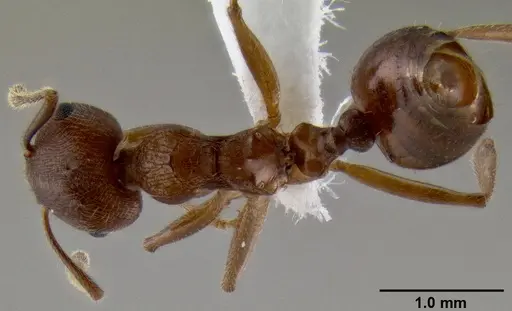
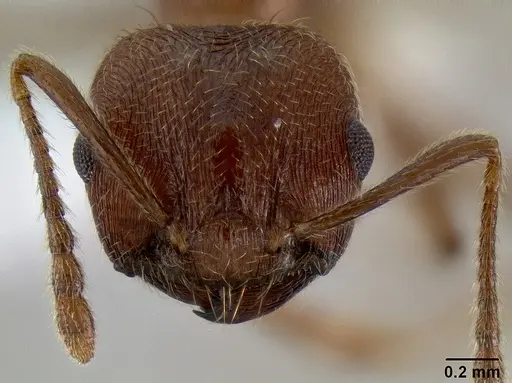
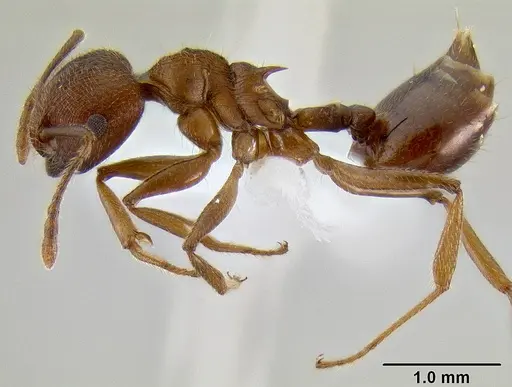
CASENT0904526
View on AntWeb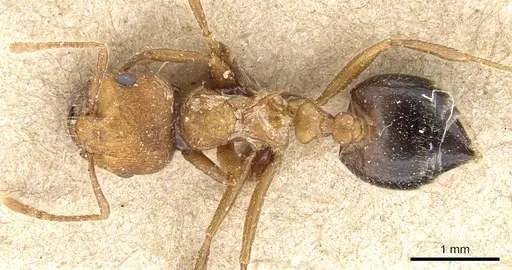
CASENT0904527
View on AntWeb
CASENT0907511
View on AntWeb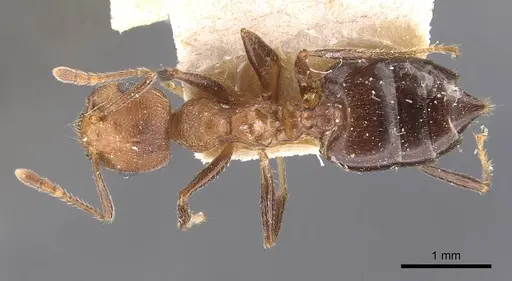
CASENT0914078
View on AntWeb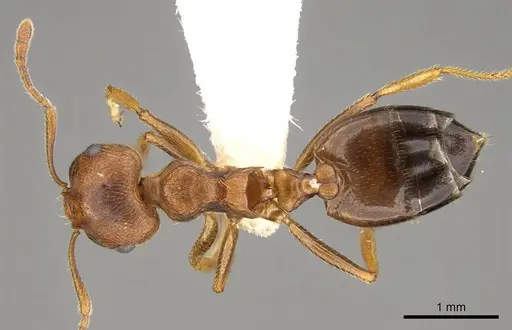
CASENT0919686
View on AntWeb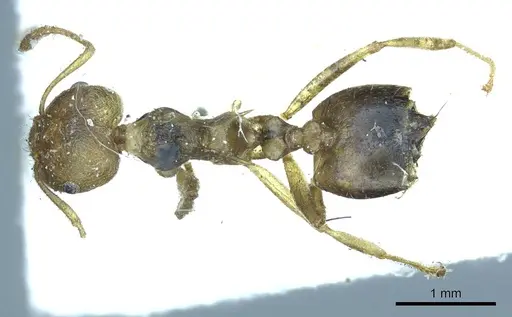
CASENT0922664
View on AntWeb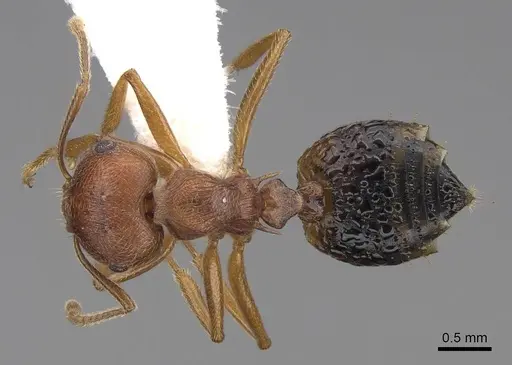
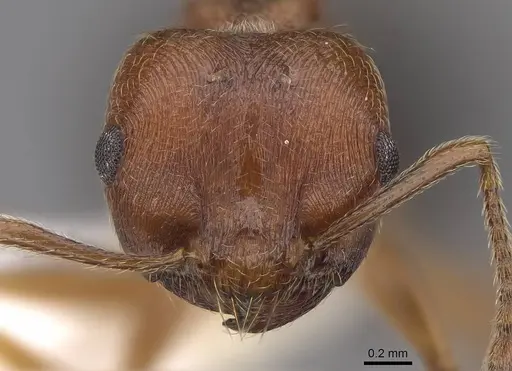
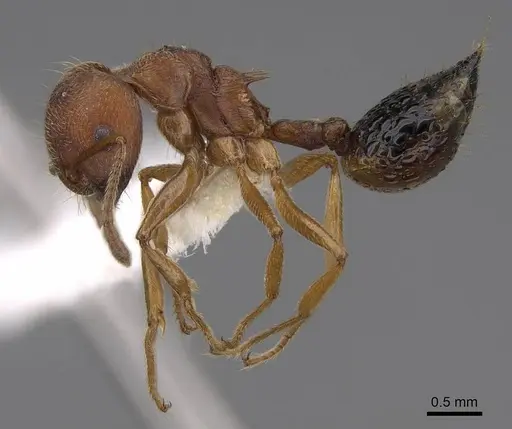
CASENT0922665
View on AntWeb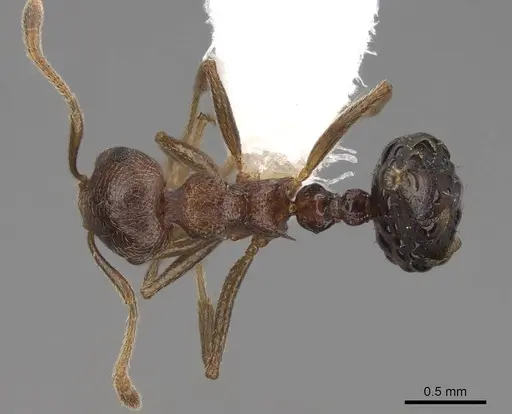
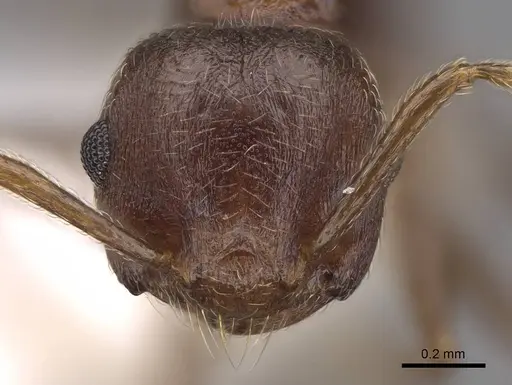
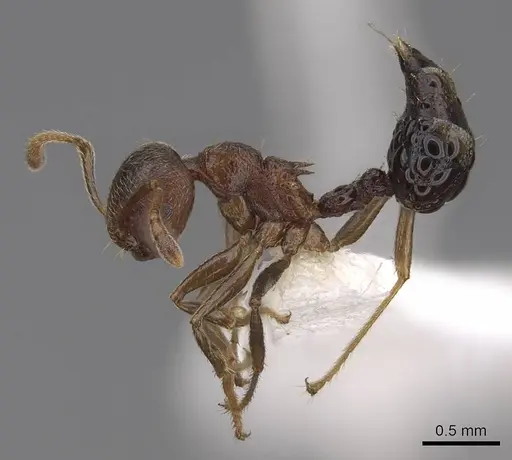
FOCOL0060-1
View on AntWeb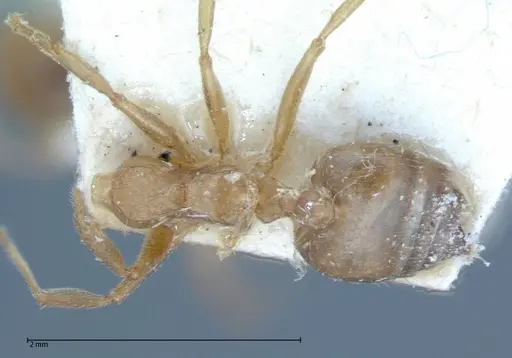
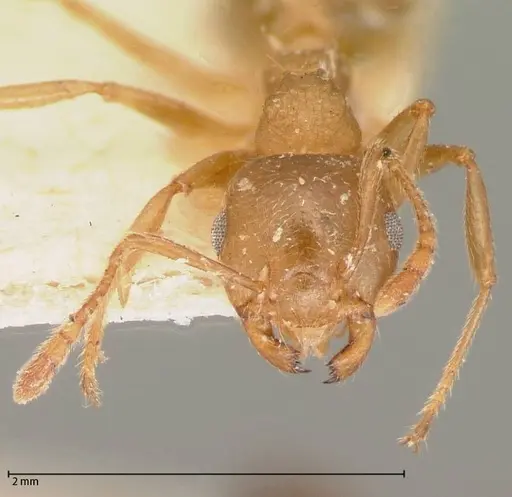
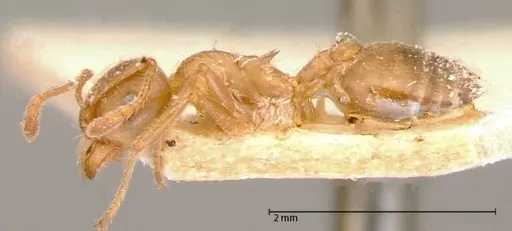
FOCOL0060-2
View on AntWeb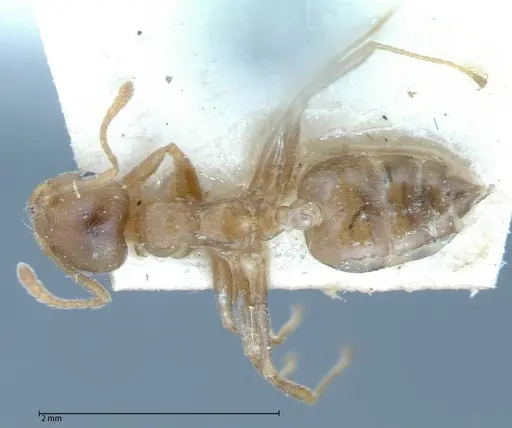
FOCOL0703
View on AntWeb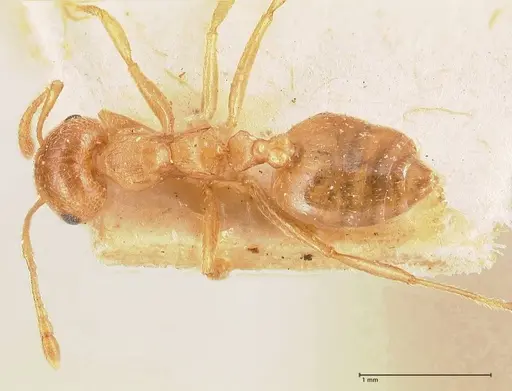
FOCOL1452
View on AntWeb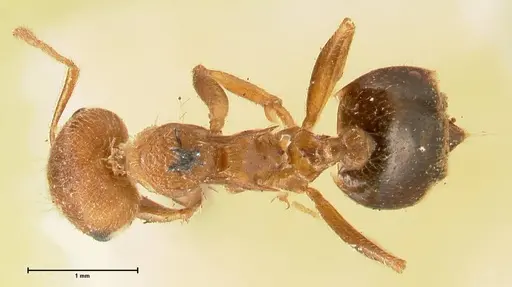
Literature
Loading distribution map...Loading products...