
Crematogaster rochai
- Sci. Name
- Crematogaster rochai
- Subgenus
- Orthocrema
- Tribe
- Crematogastrini
- Subfamily
- Myrmicinae
- Author
- Forel, 1903
- Distribution
- Found in 11 countries
Introduction
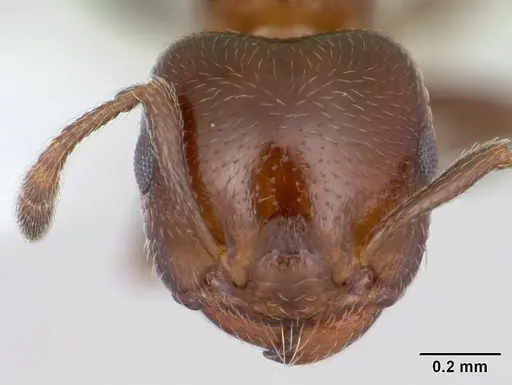
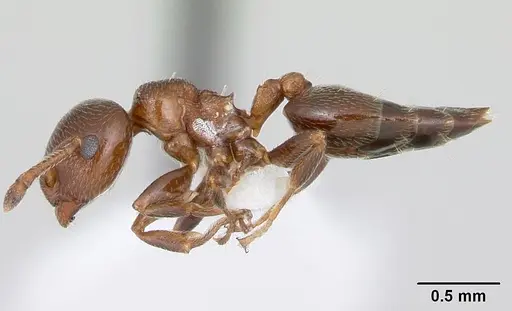
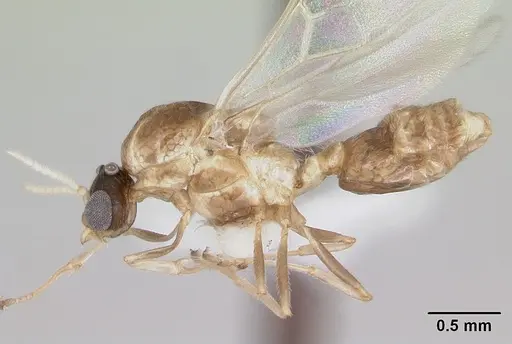
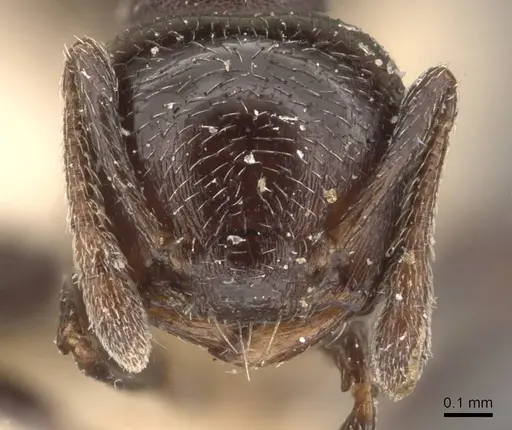
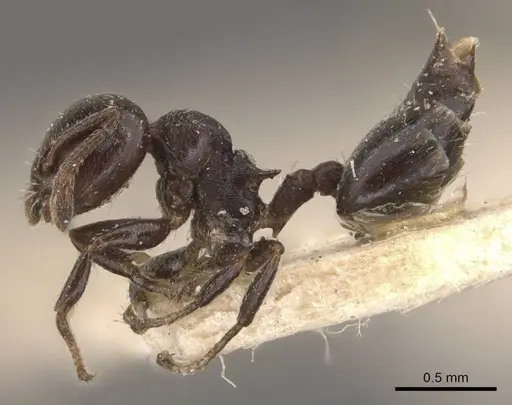
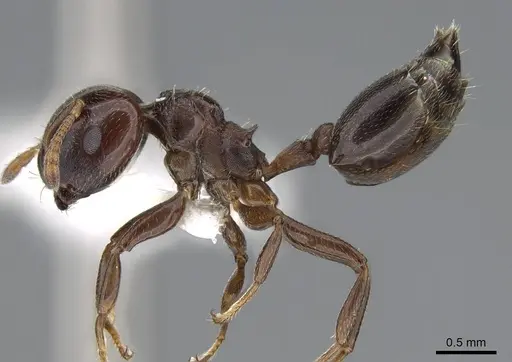
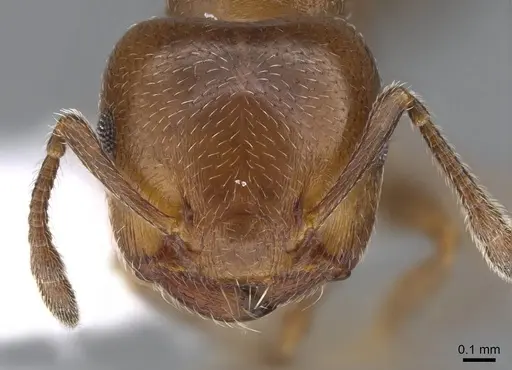
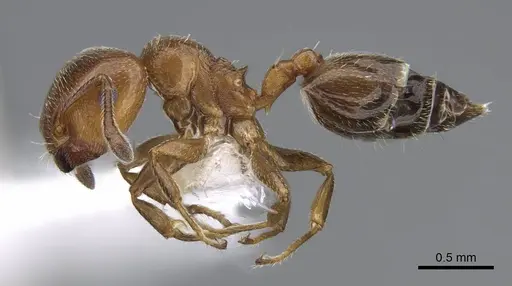
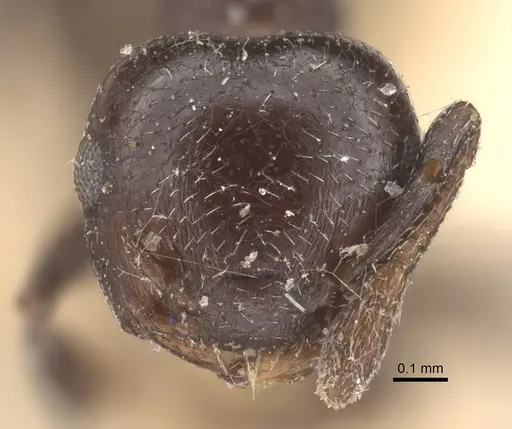
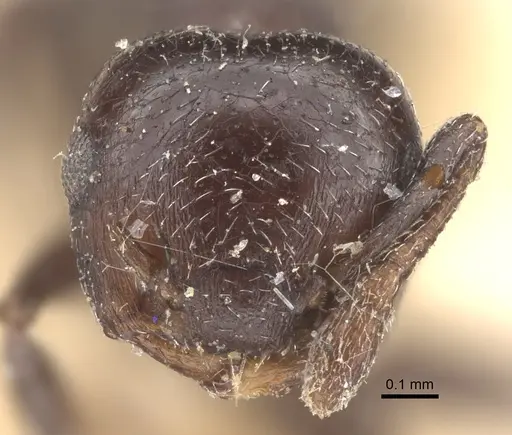
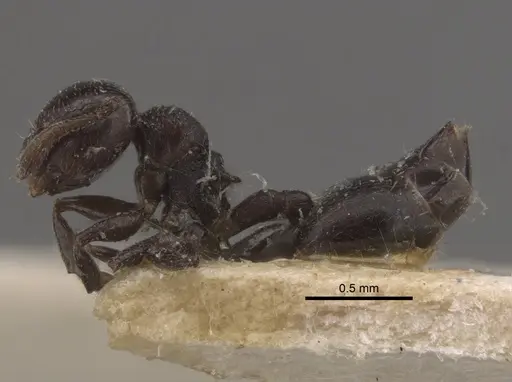
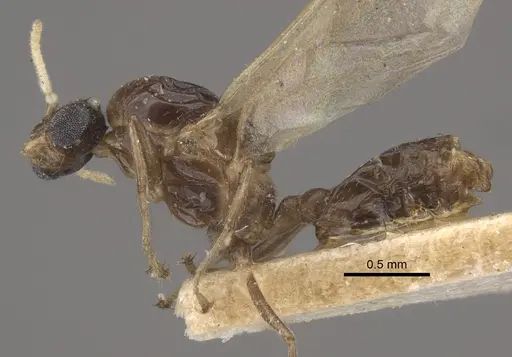
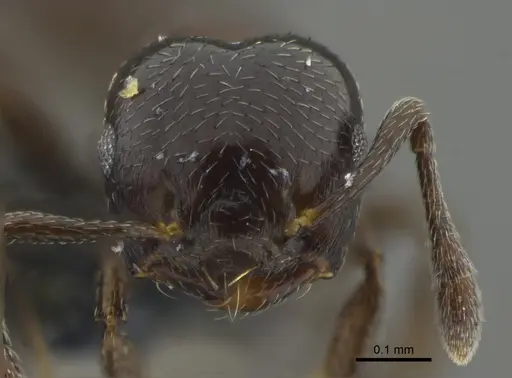
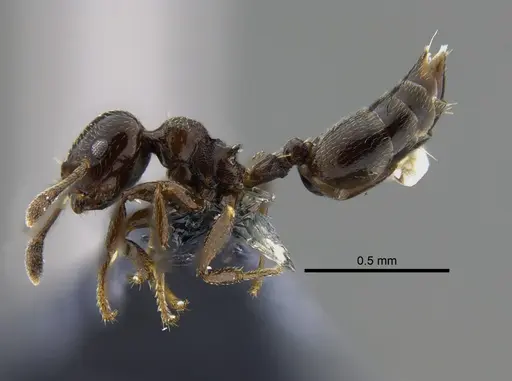
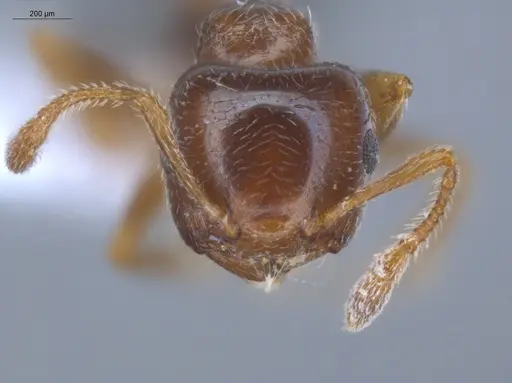
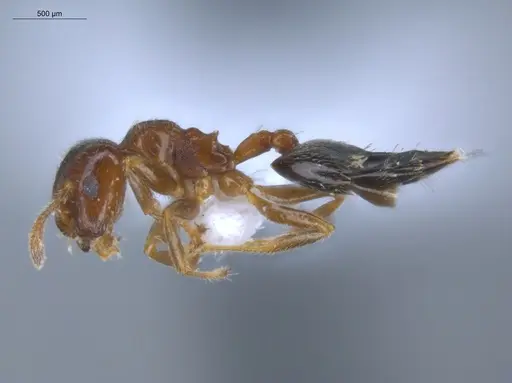
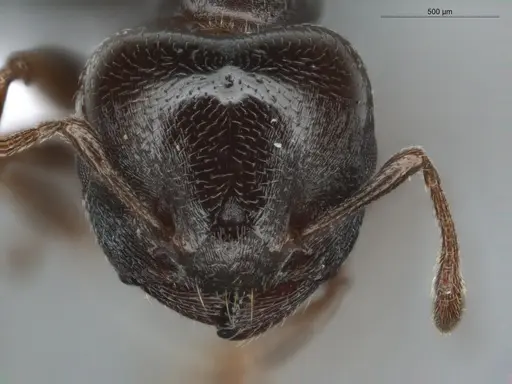
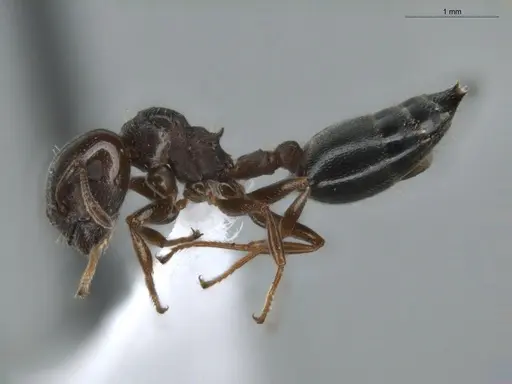
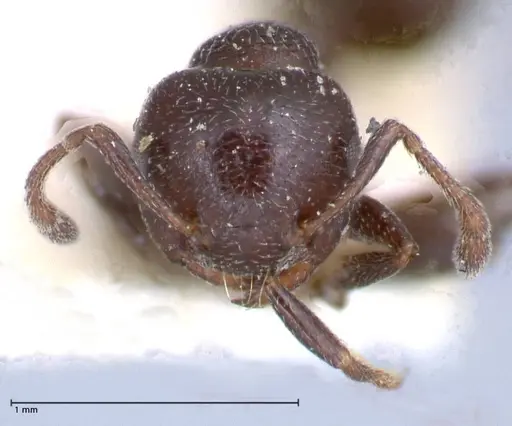
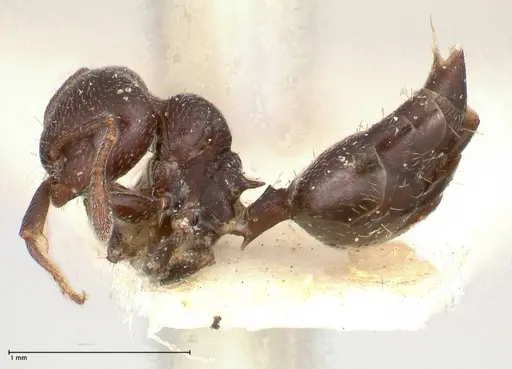
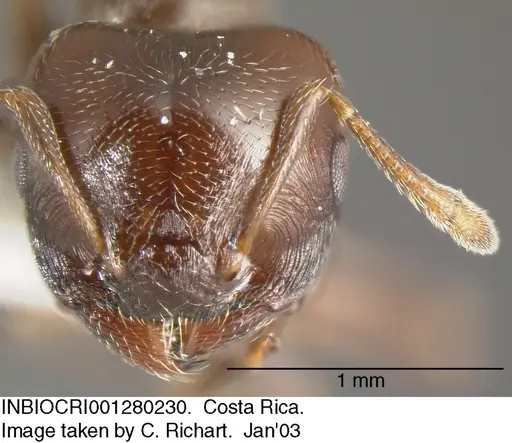
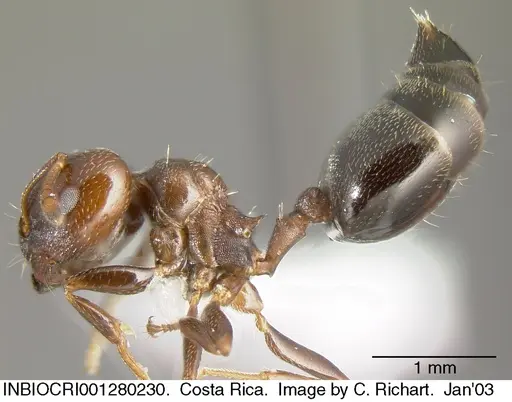
Crematogaster rochai is a small to medium-sized ant with a glossy body and a pointed spine-like tooth on the petiole. The fourth abdominal segment lacks erect hairs, distinguishing it from related species . Workers are typically 2-5 mm long, inferred from Crematogaster genus patterns, and the species is widespread across the Neotropics from southern Mexico to Argentina . This species is known for its polydomous nesting behavior, where colonies occupy multiple scattered chambers connected by worker trails. They inhabit dead branches, tree knots, and cavities in living trees, often building carton structures to protect nest entrances and tend Homoptera for honeydew . Workers are diurnal foragers and generalized scavengers that visit extrafloral nectaries .
Quick Summary
- Difficulty: Medium
- Origin & Habitat: Native to the Neotropical region, from southern Mexico to Argentina. Found in open, seasonally dry areas, highly disturbed areas, pasture edges, and beach margins, occasionally in mangroves but never in rainforest areas [1][4].
- Colony Type: Unconfirmed, based on genus patterns, likely polygynous with multiple queens, but no specific literature confirms queen number [1].
- Size & Growth:
- Queen: Size data unavailable, no total length measurements in context
- Worker: ~2-5 mm, inferred from Crematogaster genus patterns
- Colony: Large colonies across polydomous networks, estimated to have thousands of workers
- Growth: Moderate
- Development: 6-8 weeks estimated, typical for Crematogaster species, but not confirmed in literature (Development is temperature-dependent, warmer conditions accelerate growth)
- Antkeeping:
- Temperature: Keep warm, roughly 24-28°C, inferred from tropical range [1].
- Humidity: Provide a humidity gradient, mostly dry nest chamber with one small moist area, as this species occurs in seasonally dry habitats [1].
- Diapause: No, as a tropical species, it does not require hibernation [1].
- Nesting: Arboreal nesting preferences, use Y-tong, plaster, or naturalistic setups with twigs, as they naturally nest in plant cavities [1].
- Behavior: Workers are active diurnal foragers, generalized scavengers, and not particularly aggressive. When threatened, they raise their gaster and use a spatulate sting to apply defensive secretions from their Dufour's gland [5]. Escape risk is moderate due to small size, use standard barrier techniques.
- Common Issues: polydomous colonies require more space and connected setups to prevent stress, tropical warmth is essential, temperatures below 24°C can reduce activity and be fatal, colonies may establish slowly in captivity due to unconfirmed social structure, small workers can escape through gaps if barriers are not secure, excessive carton building may interfere with observation if space is unlimited
Nest Preferences and Housing
Crematogaster rochai naturally nests in plant cavities like dead branches and tree knots [1]. In captivity, use Y-tong, plaster, or naturalistic setups with twigs. Because they are polydomous, connect multiple nest modules with tubing to allow the colony to spread. Ensure chambers are appropriately sized for colony growth and provide some space for carton building [1].
Feeding and Diet
Workers are generalized scavengers that eat protein sources like small insects and sugar liquids [1]. Offer protein 2-3 times per week and maintain a constant sugar source, such as sugar water or honey. Remove uneaten prey after 24 hours to prevent mold.
Temperature and Seasonal Care
Keep temperatures between 24-28°C year-round, as this is a tropical species [1]. Use a heating cable on one side to create a gradient. No diapause is needed. Humidity should be managed with a gradient, mostly dry nest with a moist area [1].
Behavior and Defense
Workers forage during the day and travel in columns between nest sites [1]. When threatened, they raise their gaster and use a spatulate sting to apply defensive secretions from their Dufour's gland [5]. This species is not aggressive toward humans but will defend the colony vigorously.
Colony Growth and Development
Colonies are polydomous, spreading across multiple nest sites [1]. Development from egg to worker is estimated at 6-8 weeks at optimal temperatures. First workers are smaller but are replaced by larger workers as the colony grows. Multiple queens may coexist, but this is unconfirmed in literature.
Frequently Asked Questions
Can I keep Crematogaster rochai in a test tube setup?
Test tubes can work for founding colonies, but move them to a proper nest like Y-tong or plaster once the colony reaches 20-30 workers, as they prefer arboreal nesting [1].
How long does it take for first workers to appear?
First workers typically emerge in 6-8 weeks at 24-28°C, estimated from typical Crematogaster development [1].
Do Crematogaster rochai ants sting?
They have a spatulate sting but rarely sting humans, they primarily use defensive secretions applied via the sting [5].
Can I keep multiple queens together?
It is unconfirmed in literature, but based on genus patterns, multiple queens may coexist peacefully [1].
What do Crematogaster rochai eat?
They are generalized scavengers, offer protein like insects and sugar sources like honey or sugar water [1].
Do they need hibernation?
No, as a tropical species, they do not require diapause and should be kept warm year-round [1].
How big do colonies get?
Colonies can become large with thousands of workers across polydomous networks, but exact sizes are unconfirmed [1].
Are Crematogaster rochai good for beginners?
They are moderate difficulty due to warmth requirements and arboreal nesting, but not aggressive and rewarding if conditions are met [1][5].
Why do they build carton material?
In the wild, they build carton baffles and pavilions to protect nest entrances and tend Homoptera [1]. In captivity, this behavior is natural and indicates comfort.
When should I move them to a formicarium?
Move from test tube to a proper nest when the colony has 20-40 workers, using connected modules for polydomous behavior [1].
Report an Issue
The current care sheet is based fully on literature. See inconsistencies, or something that's incorrect? Please , it will be resolved after review from an admin. Contributing to the blogs tab also helps providing information, to make us be able to further improve the caresheets. Thank you for your support!
References

This caresheet is licensed under CC BY-SA 4.0 .
Community Blogs
CASENT0173946
View on AntWeb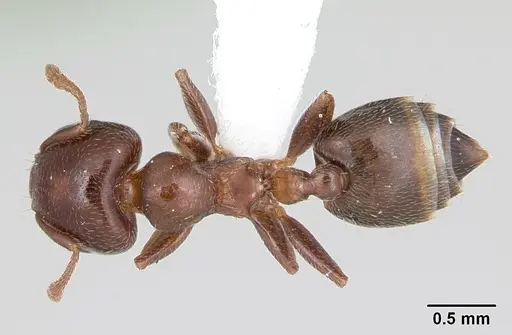
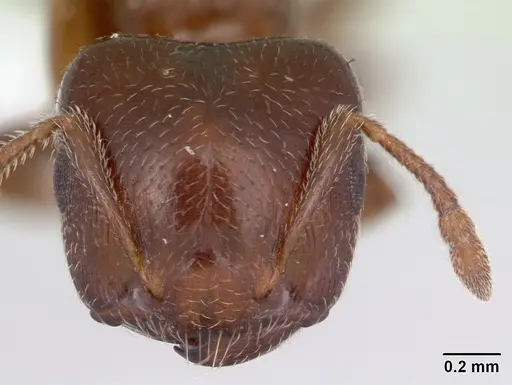
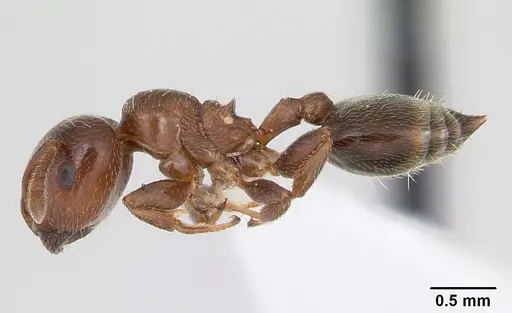
CASENT0173947
View on AntWeb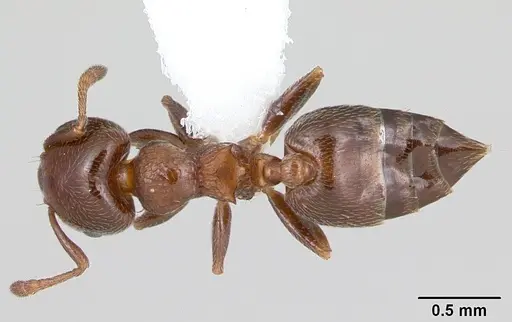
CASENT0173948
View on AntWeb
CASENT0901464
View on AntWeb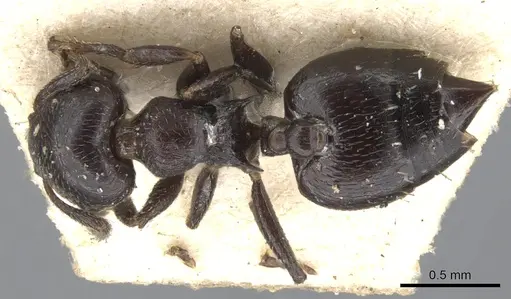
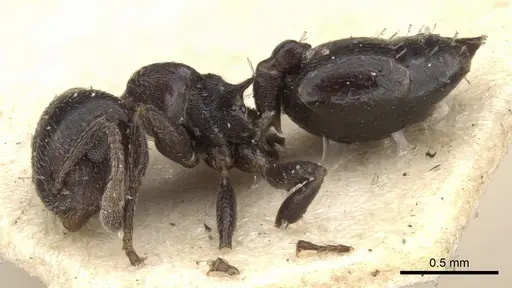
CASENT0902172
View on AntWeb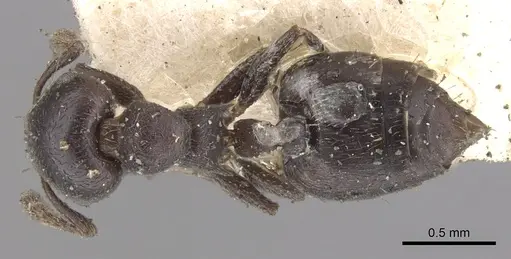
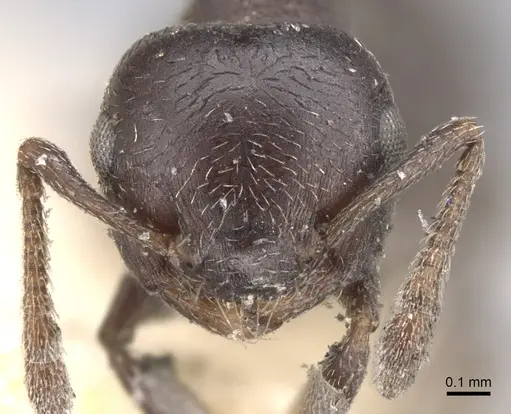
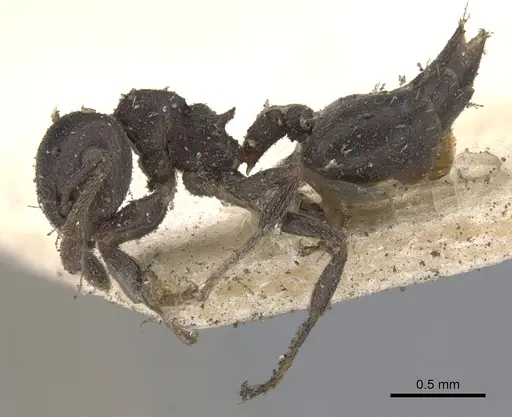
CASENT0908402
View on AntWeb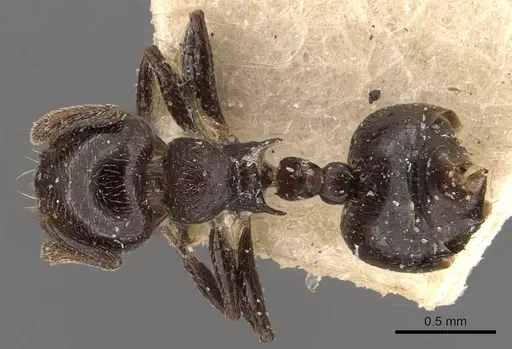
CASENT0912755
View on AntWeb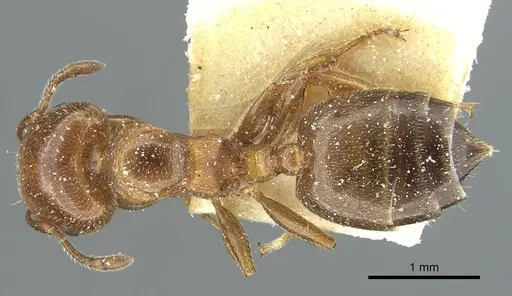
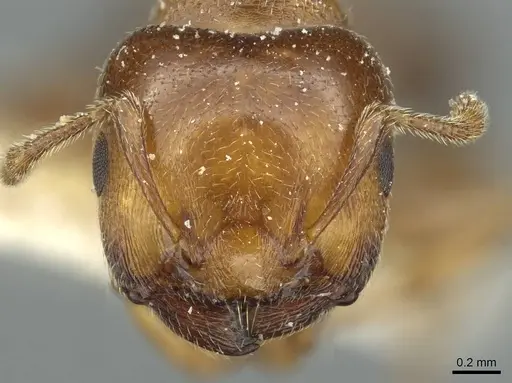
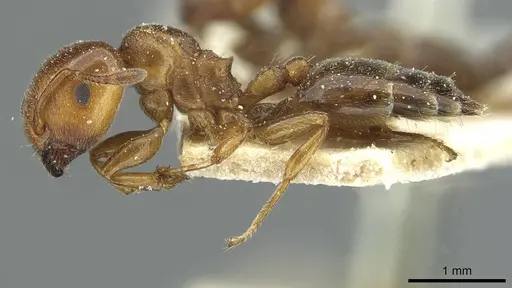
CASENT0914640
View on AntWeb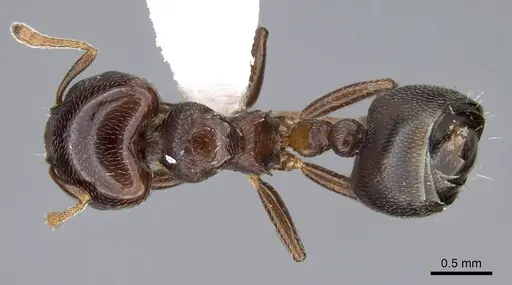
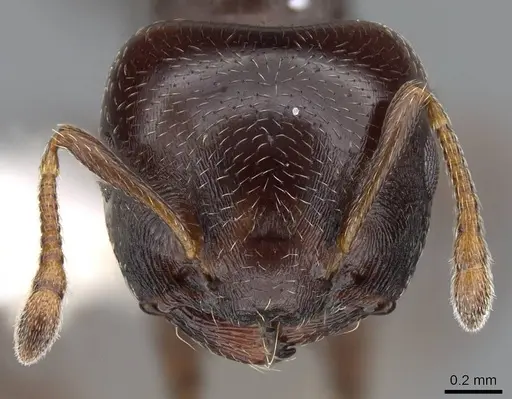
CASENT0914641
View on AntWeb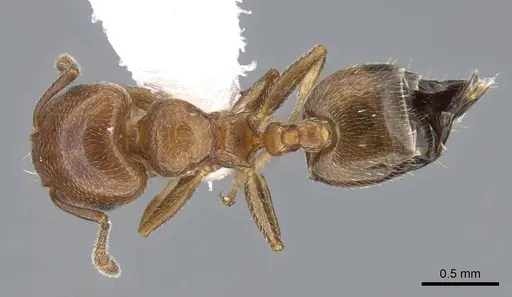
CASENT0917798
View on AntWeb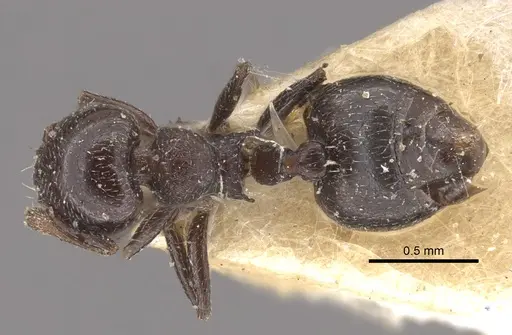
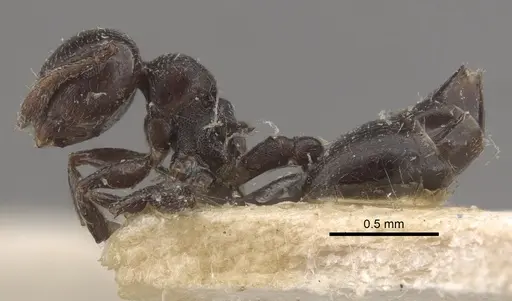
CASENT0917799
View on AntWeb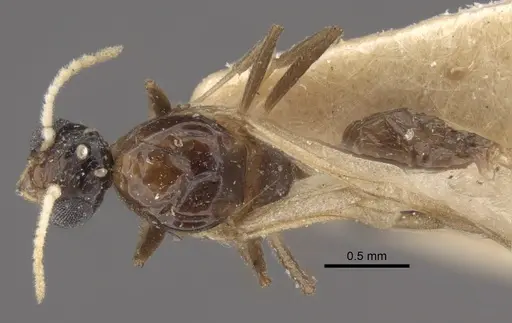
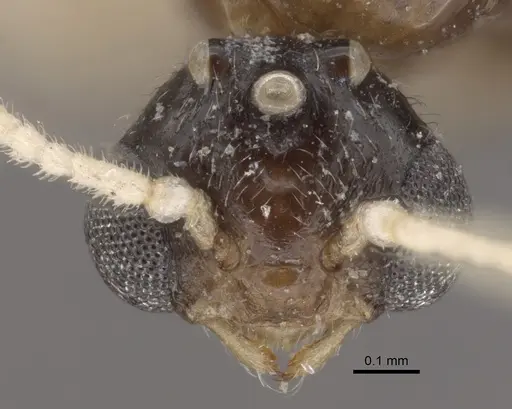
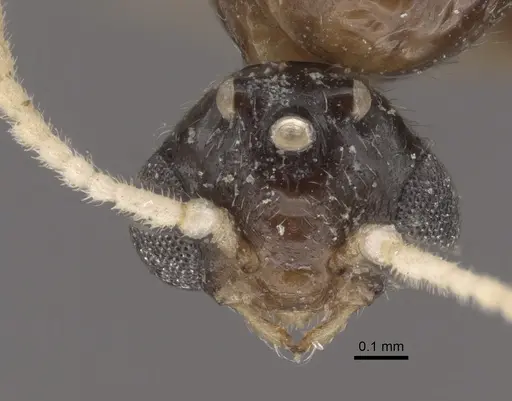
CBUMAGENT41934
View on AntWeb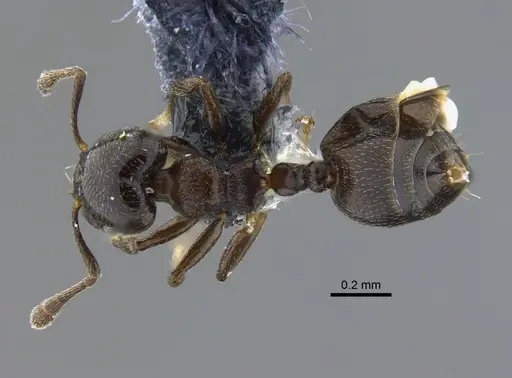
ECOFOG-BOUM-0247-01
View on AntWeb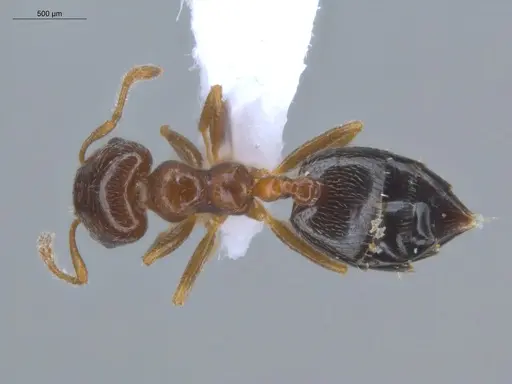
ECOFOG-BUG-0172-03
View on AntWeb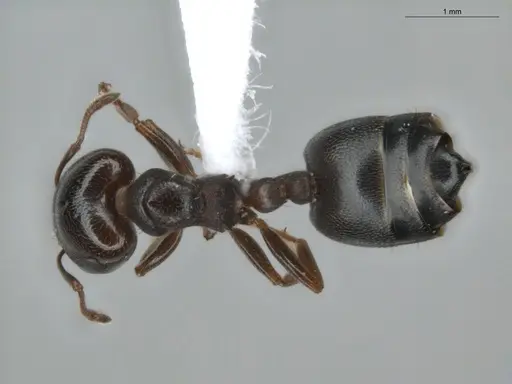
FOCOL0657
View on AntWeb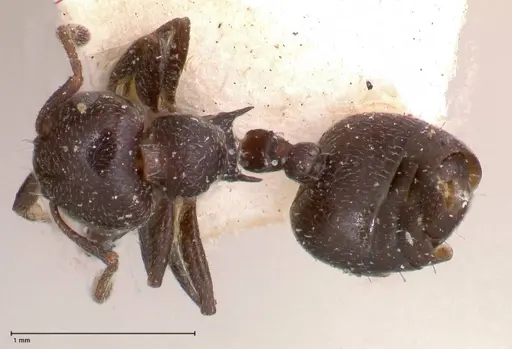
INBIOCRI001280230
View on AntWeb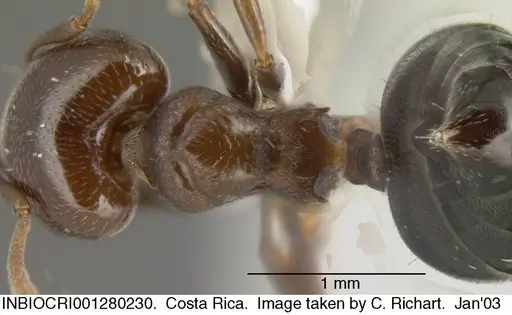
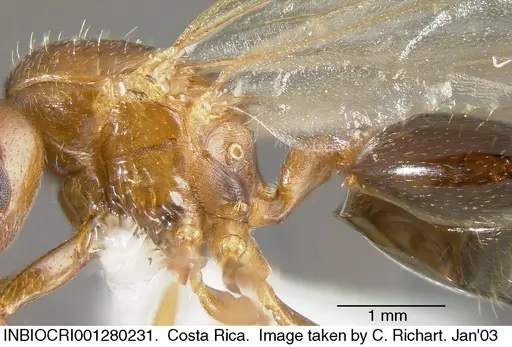
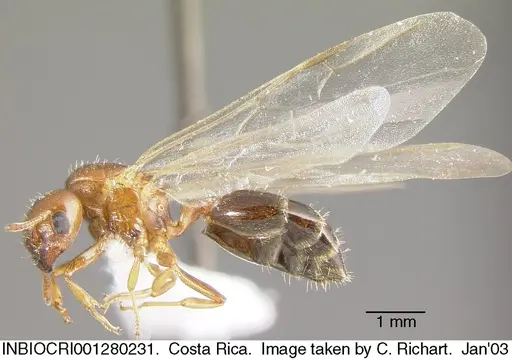
INBIOCRI001280231
View on AntWeb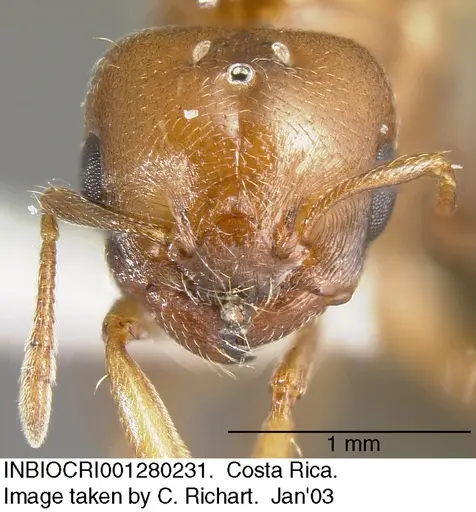
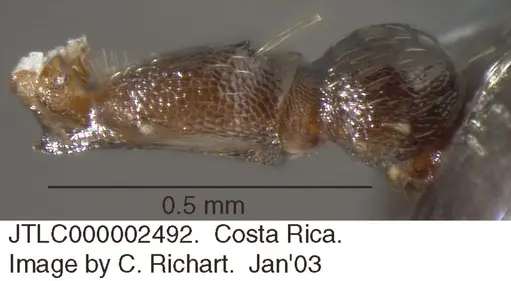
JTLC000002492
View on AntWeb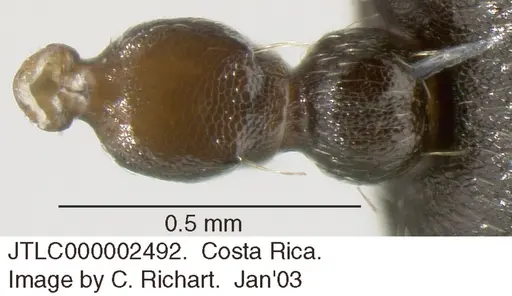
Literature
Loading distribution map...Loading products...