
Crematogaster rasoherinae
- Sci. Name
- Crematogaster rasoherinae
- Subgenus
- Orthocrema
- Tribe
- Crematogastrini
- Subfamily
- Myrmicinae
- Author
- Forel, 1891
- Distribution
- Found in 4 countries
Introduction
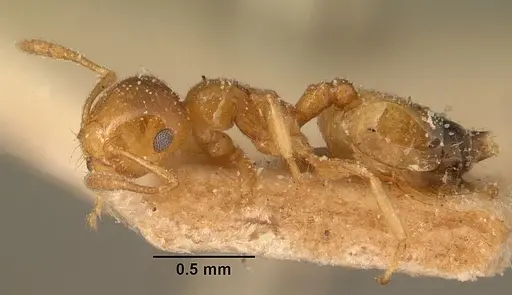
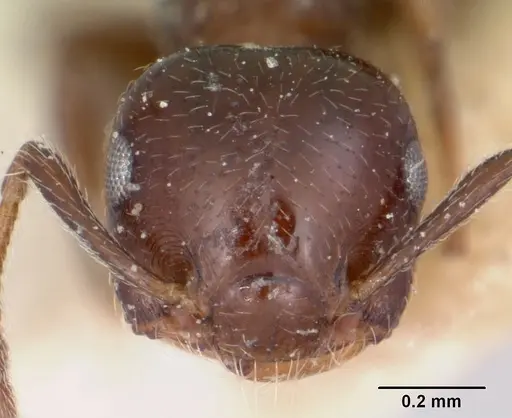
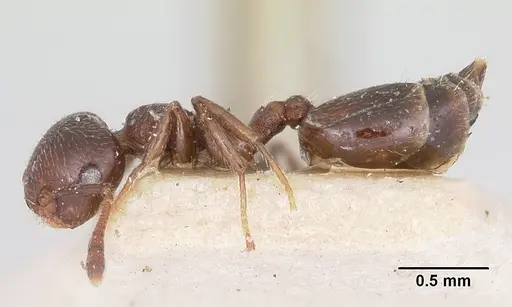
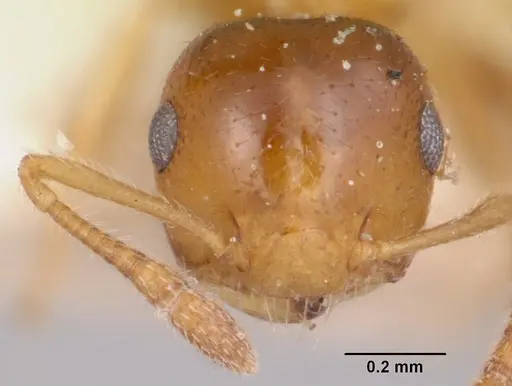
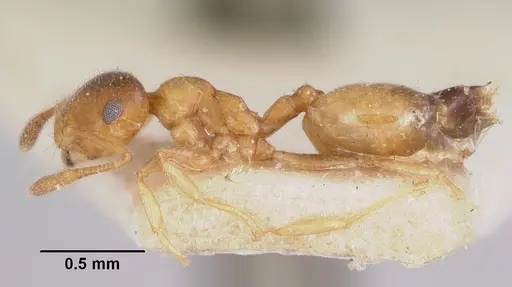
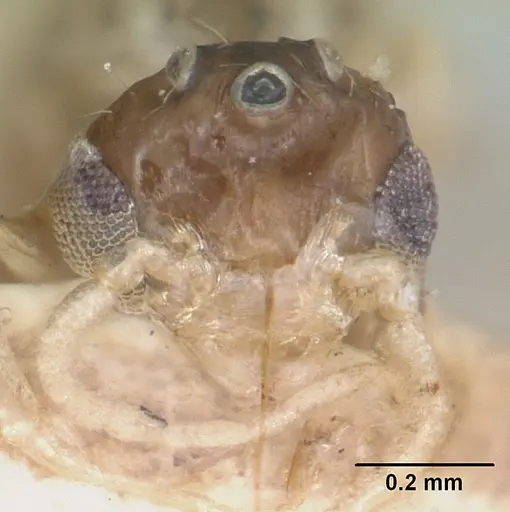
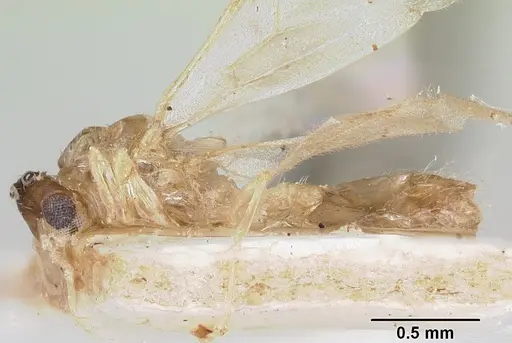
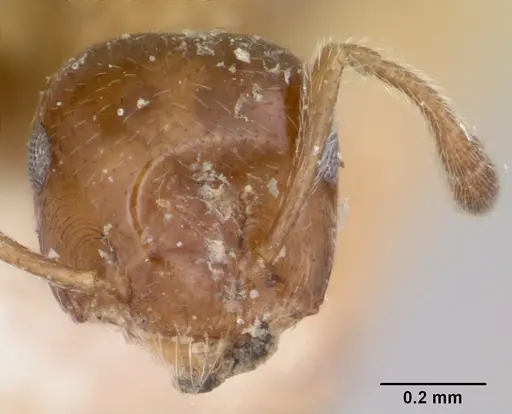
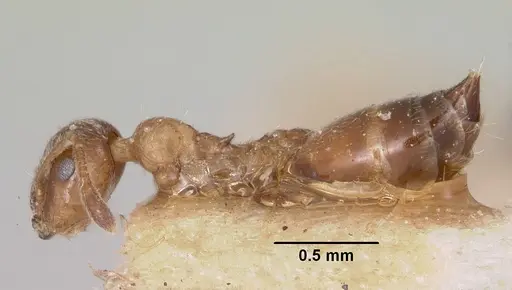
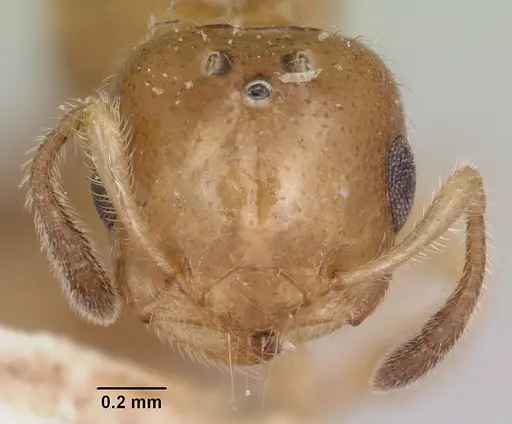
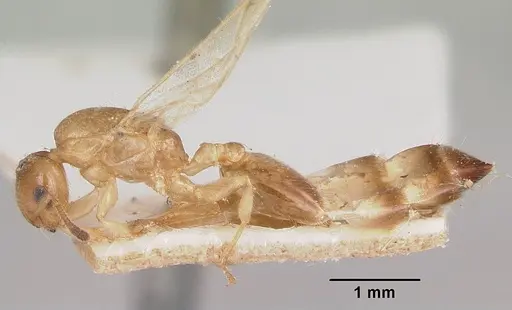
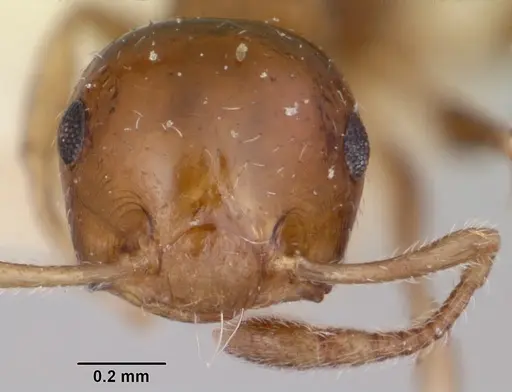
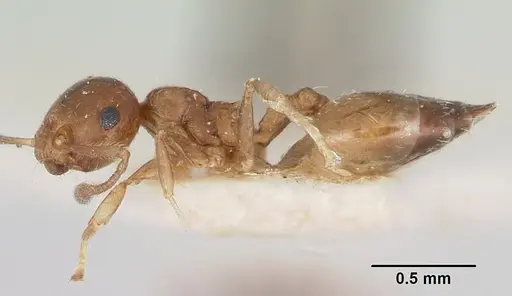
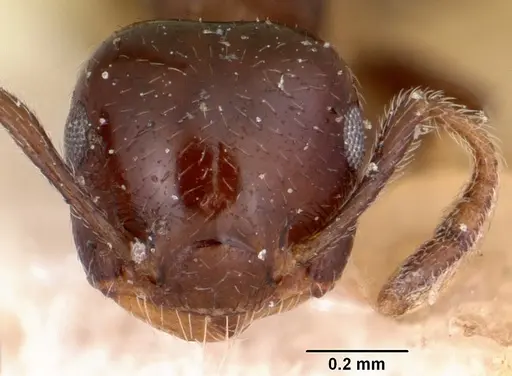
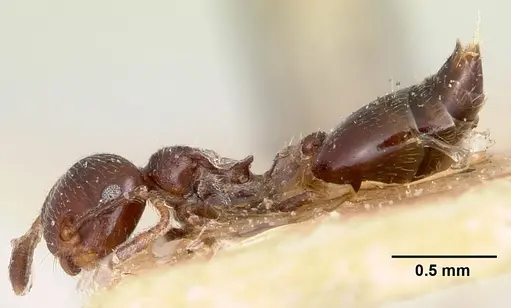
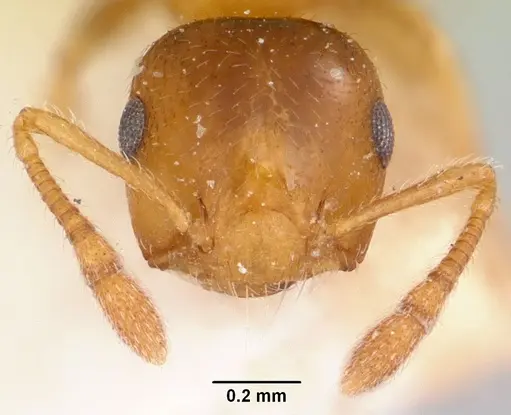
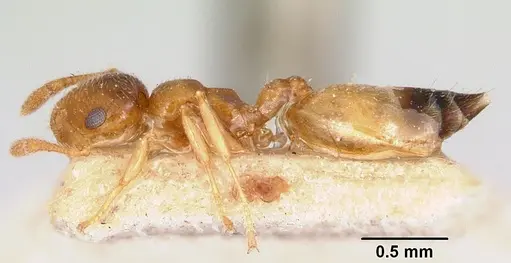
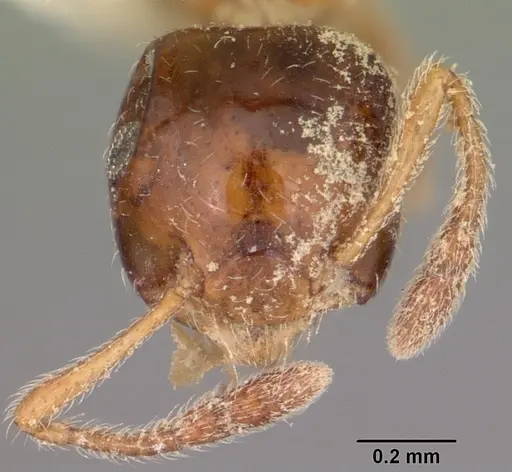
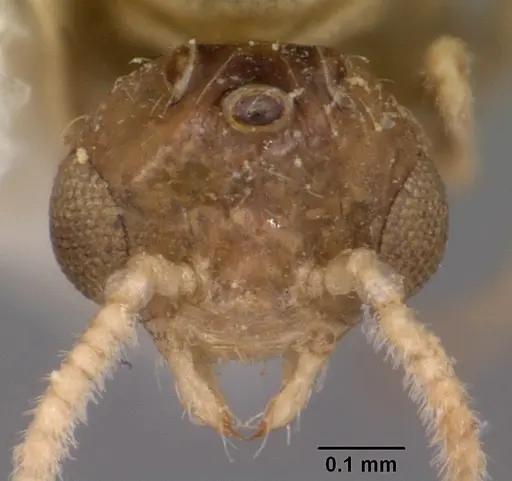
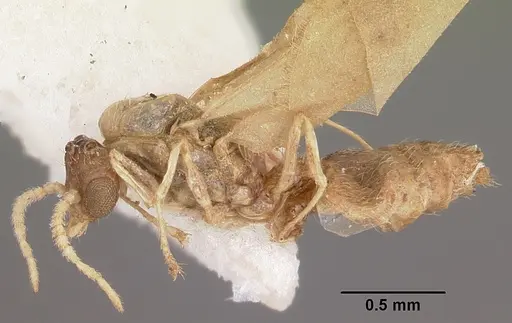
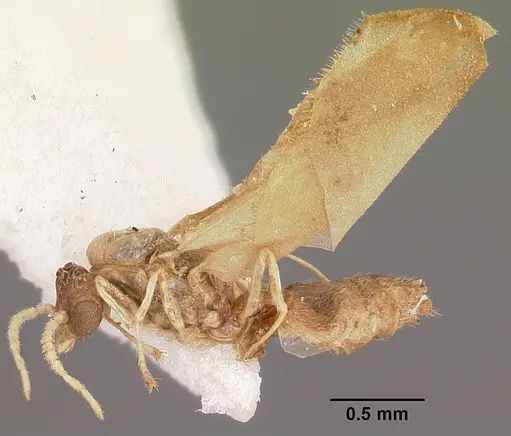
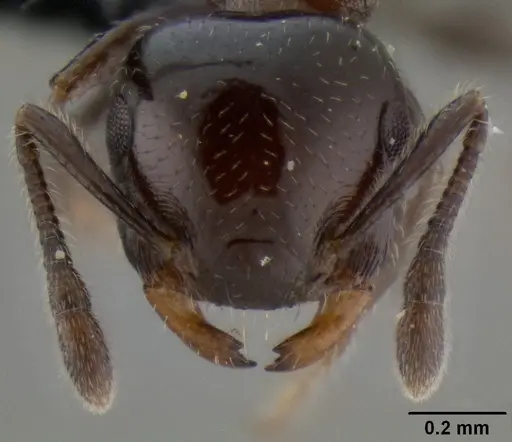
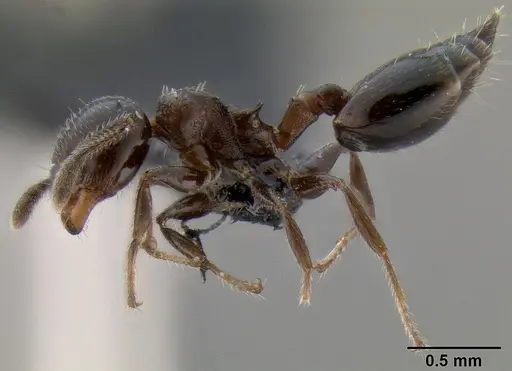
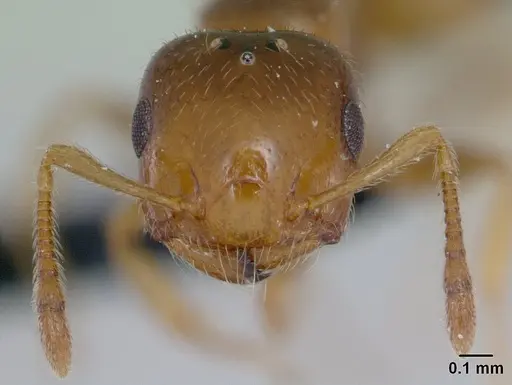
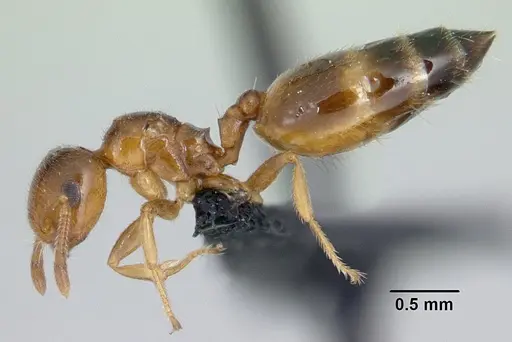
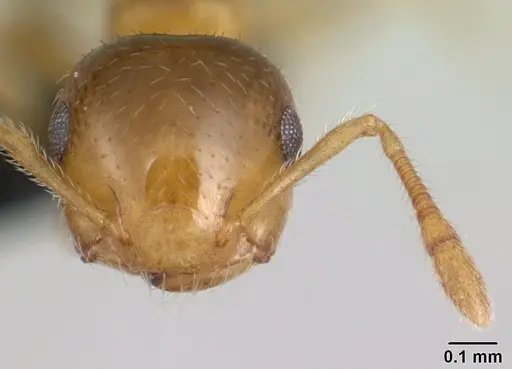
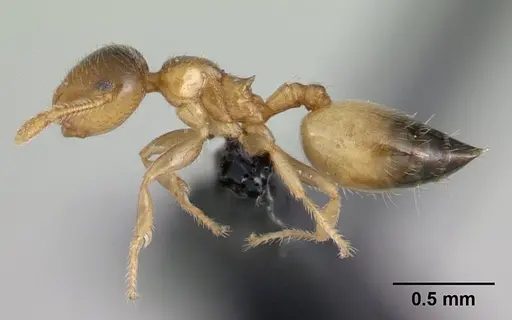
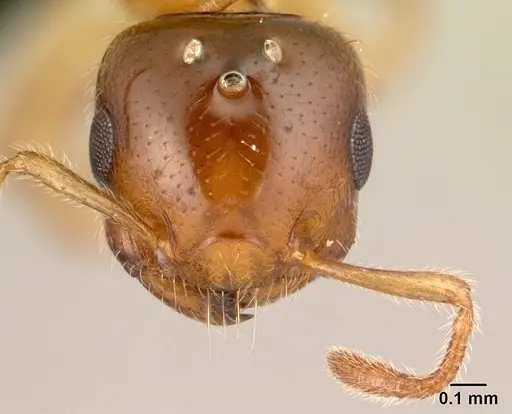
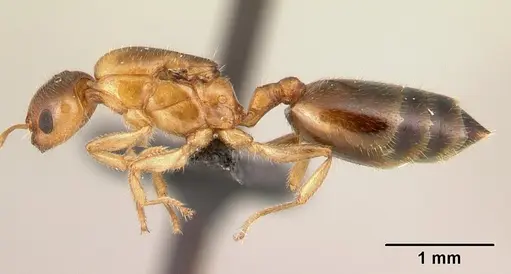
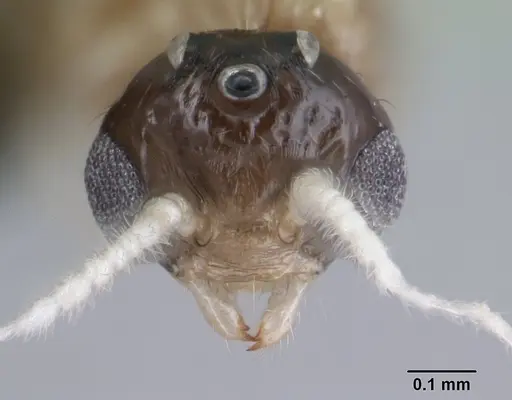
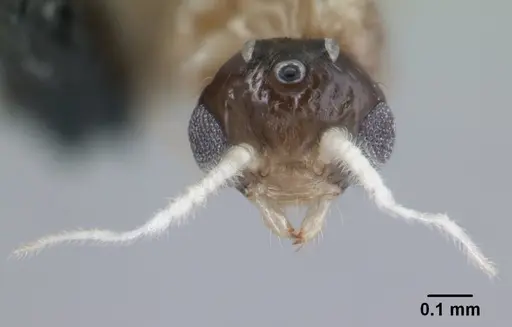
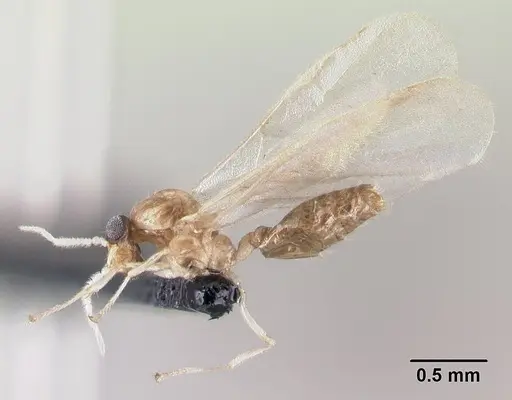
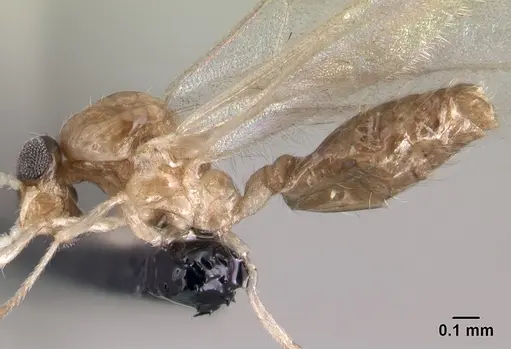
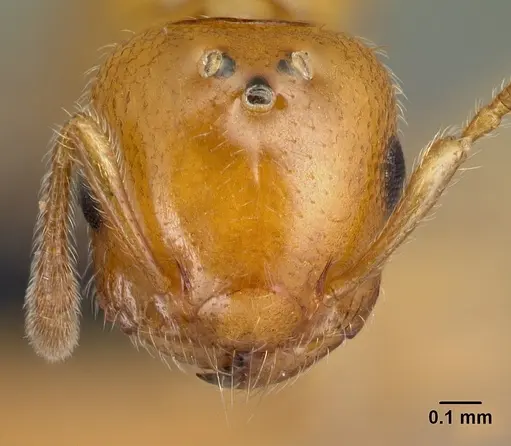
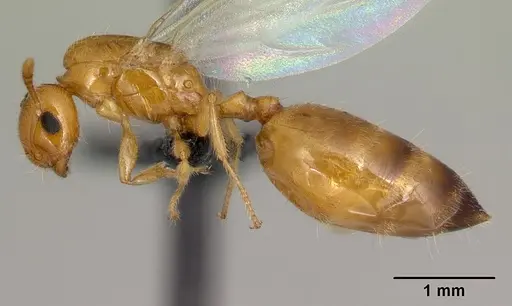
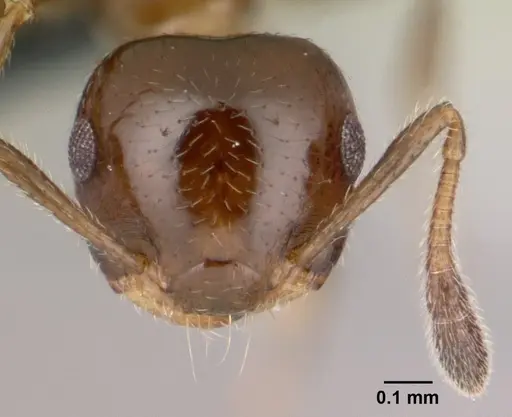
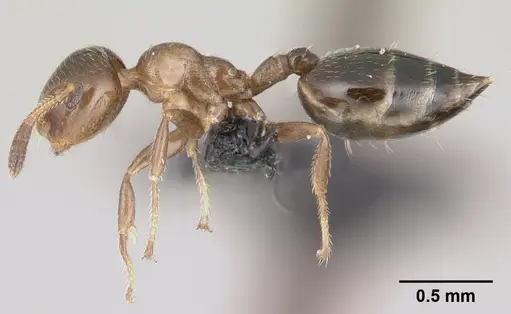
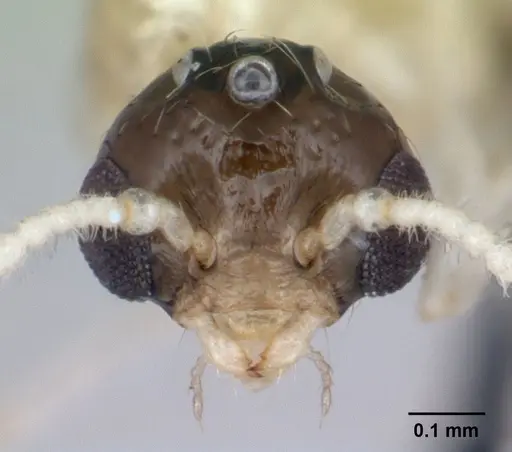
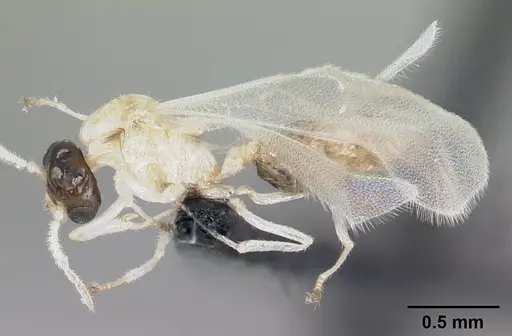
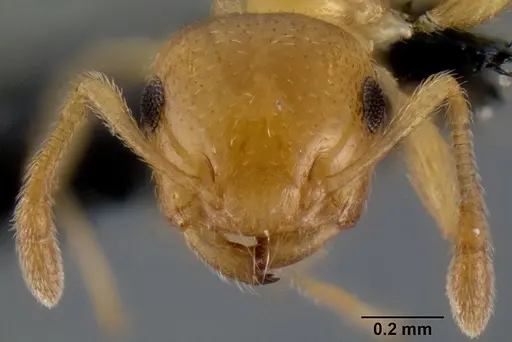
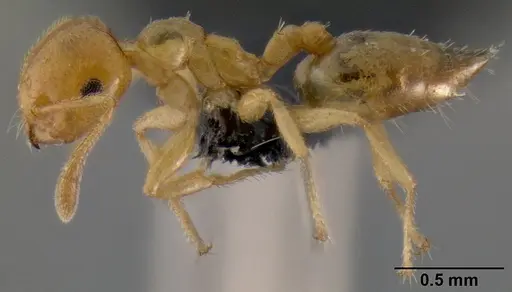
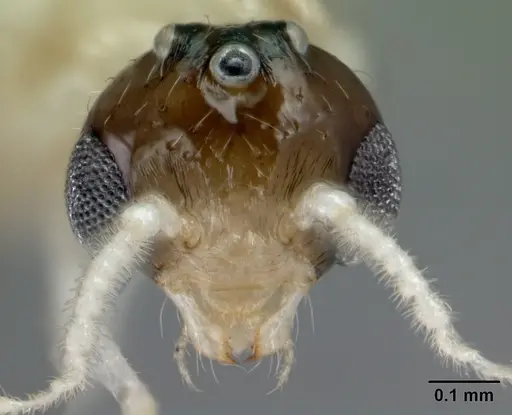
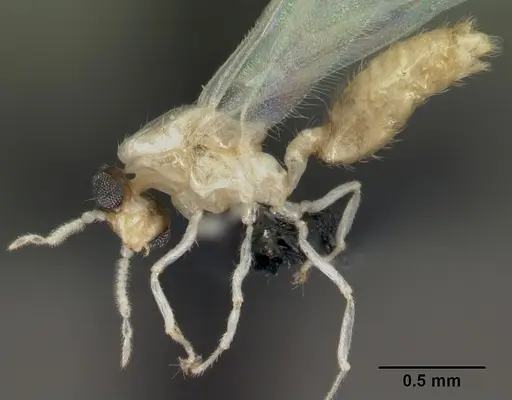
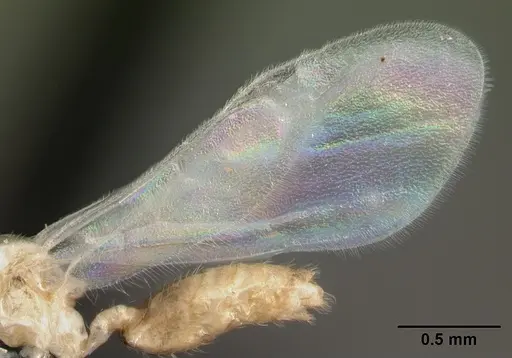
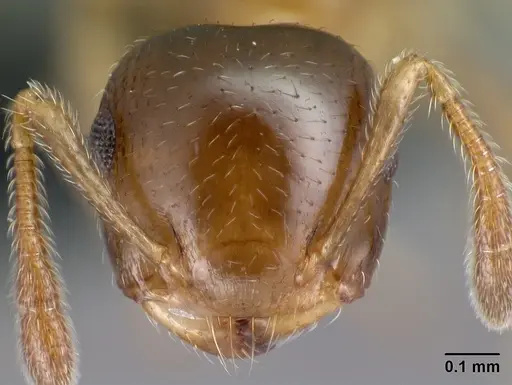
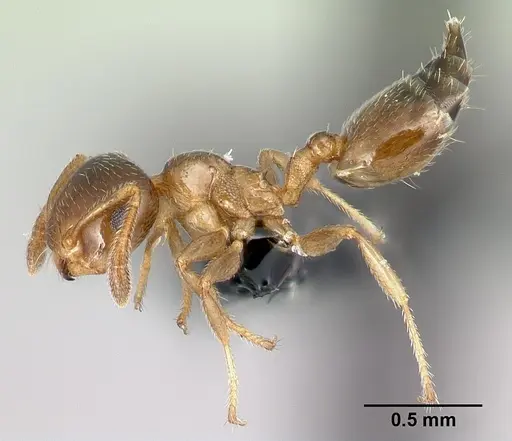
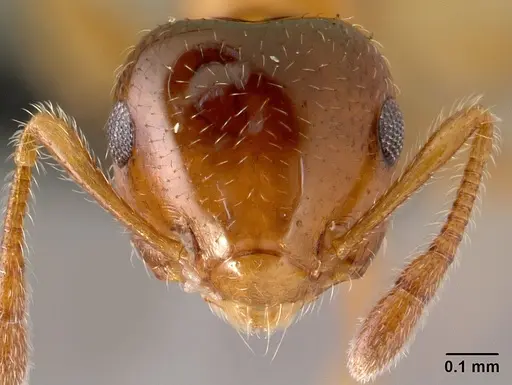
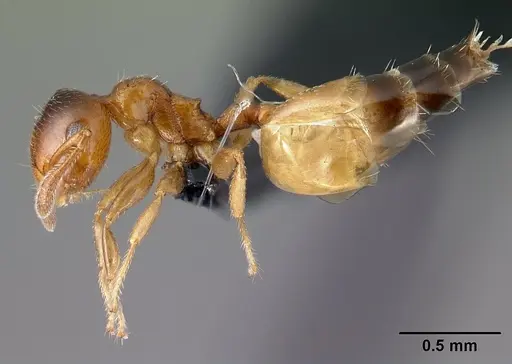
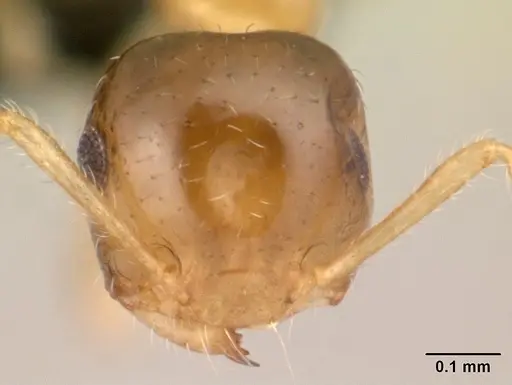
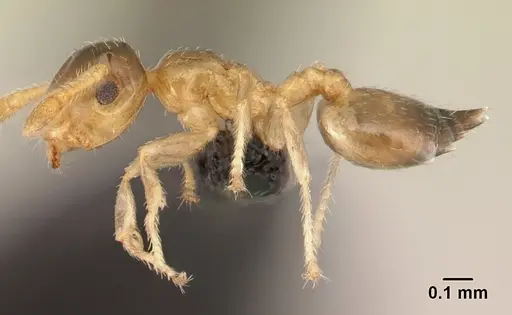
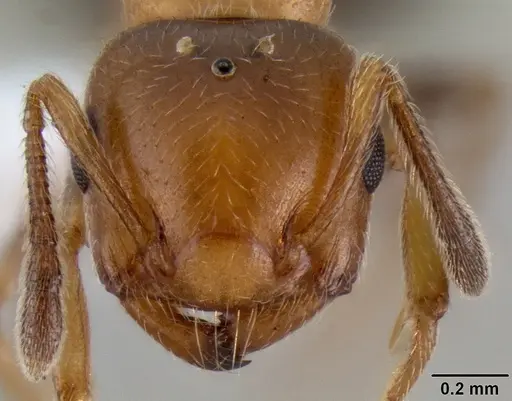
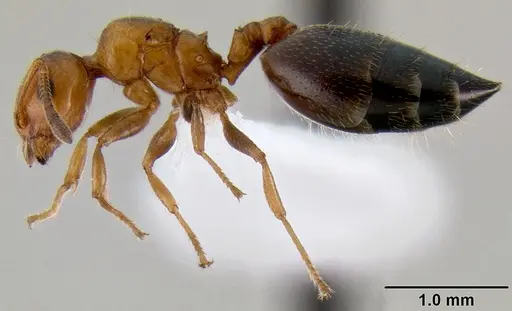
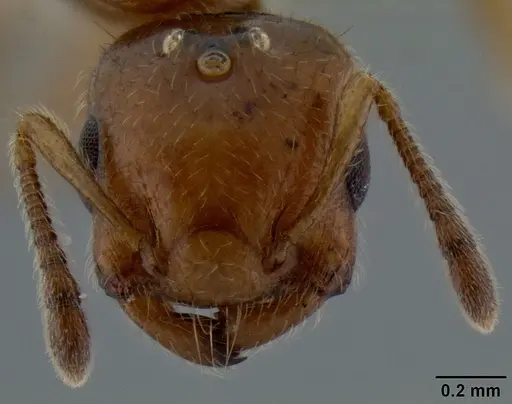
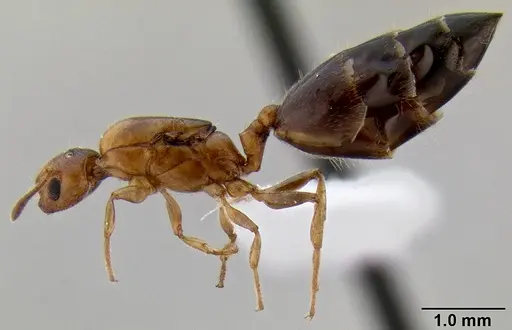
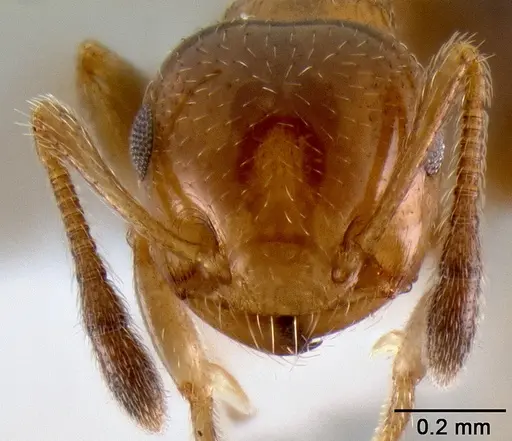
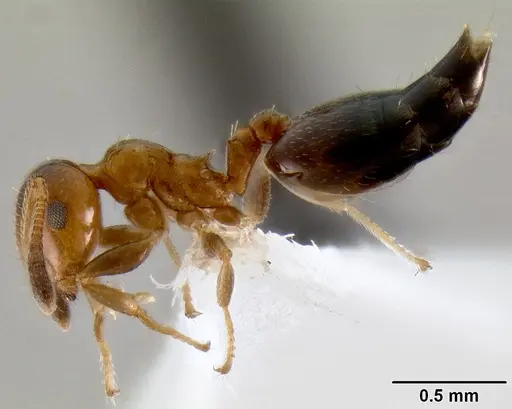
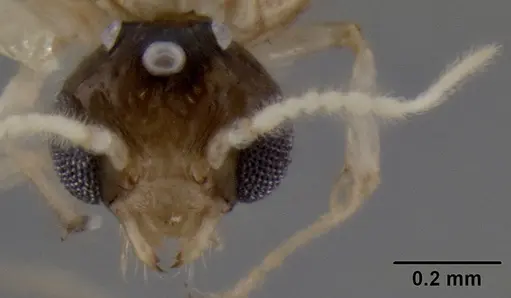
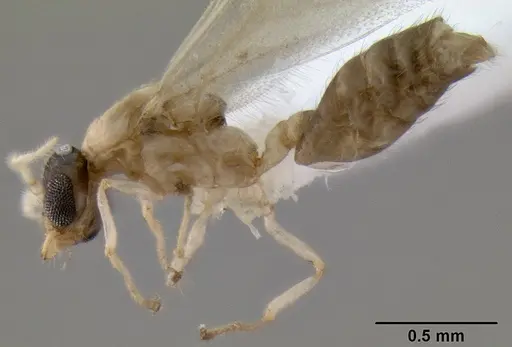
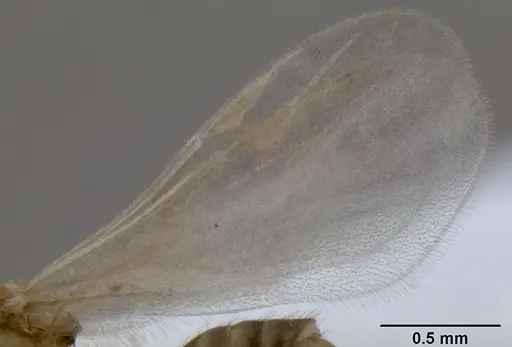
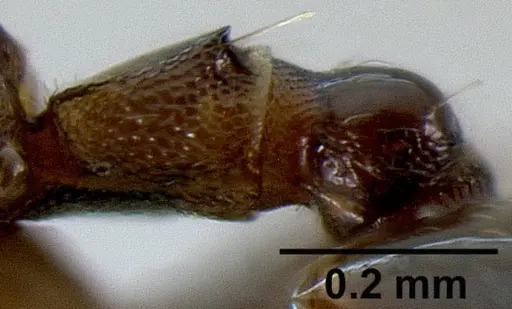
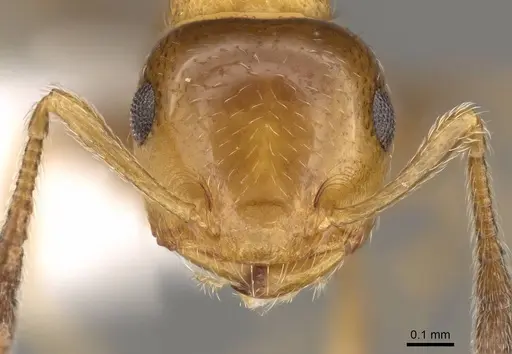
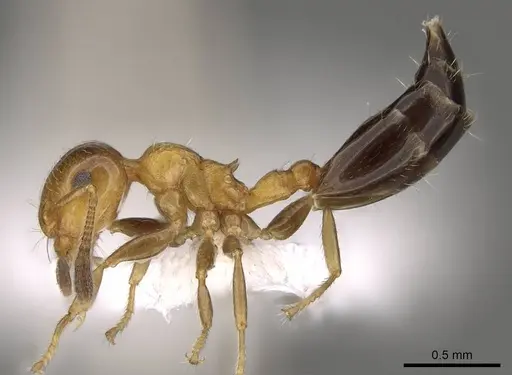
Crematogaster rasoherinae is a very small arboreal ant native to Madagascar and the Indian Ocean islands. Workers measure approximately 2mm in total length, making them one of the smaller Crematogaster species. They have a distinctive rectangular petiole with small denticles and short propodeal spines that can sometimes be absent entirely depending on where they're from . Queens are equally tiny at approximately 3-4mm and lack propodeal spines entirely, with notably large eyes that set them apart from similar species . This species shows fascinating color variation across its range - Madagascar populations are typically light to dark brown, while specimens from Comoros, Seychelles, and Mayotte are often yellow with a black band on the rear of their abdomen . What makes C. rasoherinae truly unique is the presence of intermediate workers (sometimes called 'soldiers' or 'intermorphs') in established colonies. These are individuals that fall morphologically between workers and queens - they have ocelli like queens but smaller, and show wing attachment sutures even though they're wingless. Up to eight of these intermediates can exist in a single colony alongside the normal queen . This is one of the most widespread Crematogaster species in Madagascar and is commonly found in urban areas as well as natural forests .
Quick Summary
- Difficulty: Medium
- Origin & Habitat: Madagascar and Indian Ocean islands (Comoros, Mayotte, Seychelles). Found in all forest types, rainforest, dry forest, and spiny forest, as well as disturbed areas and urban gardens. Primarily arboreal, nesting in dead twigs and live plant parts, occasionally in rotten logs on the ground. Collected at elevations up to 1225m, more common at lower elevations [1][3].
- Colony Type: Single-queen colonies (monogyne) with a normal dealate queen. Unique presence of intermediate workers (intermorphs), up to eight per colony, that are morphologically intermediate between workers and queens [1][2].
- Size & Growth:
- Queen: ~3-4mm, inferred from Crematogaster genus patterns [1]
- Worker: ~2mm, inferred from Crematogaster genus patterns [1]
- Colony: Colonies can be large enough to be territorially dominant, with workers colonizing several adjacent trees [4].
- Growth: Moderate
- Development: Estimated 5-8 weeks at optimal tropical temperatures based on genus-level patterns (No specific development data for this species. Related Crematogaster species typically develop in 4-8 weeks at 24-28°C)
- Antkeeping:
- Temperature: Keep at 24-28°C. Being a tropical species from Madagascar, they need warm conditions year-round. A gentle gradient allowing cooler areas around 22°C is beneficial.
- Humidity: Moderate to high. Arboreal nesting in dead twigs suggests they prefer humid conditions but not saturated. Keep nest substrate lightly moist, not waterlogged. Mist the outworld occasionally but allow drying between waterings.
- Diapause: No, being a tropical species, they do not require hibernation. Keep at consistent warm temperatures year-round [1].
- Nesting: Arboreal by nature, they nest in dead twigs and hollow branches. In captivity, a Y-tong (AAC) nest or plaster formicarium works well. Provide small chambers scaled to their tiny size. They can also adapt to test tube setups if given appropriate foraging space. Avoid dry, airy setups, they prefer some humidity retention.
- Behavior: Crematogaster rasoherinae is an arboreal species that forages in trees and can be territorially dominant. Workers are active and will explore their outworld readily. They have a characteristic habit of raising their gaster when disturbed, this is typical acrobat ant behavior. They are not particularly aggressive toward keepers but will defend their nest. Escape prevention is critical due to their very small size, they can squeeze through tiny gaps that larger ants would never fit through [4].
- Common Issues: escape prevention is critical, they are tiny and will squeeze through the smallest gaps in setup, arboreal nature means they need vertical space and climbing structures in the outworld, intermediate workers in the colony is normal, these are not a problem but may confuse new keepers, colonies can be territorial and dominant, ensure outworld provides adequate foraging territory, wild-caught colonies may have parasites given their widespread distribution in varied habitats
Housing and Nest Setup
Crematogaster rasoherinae is an arboreal species that naturally nests in dead twigs and hollow branches. In captivity, you'll want to replicate this. A Y-tong (AAC) nest or plaster formicarium with small chambers works well. The key is ensuring the nest retains some humidity without becoming saturated, these ants naturally live in twigs that have some moisture but aren't waterlogged.
The outworld should include climbing structures since they're arboreal. Cork bark, twigs, or artificial plants give them routes to explore. Because they're small, even a modest outworld feels spacious to them. Escape prevention is absolutely critical, these tiny ants will find any gap. Use tight-fitting lids, apply fluon to barrier zones, and check for any gaps larger than 0.5mm. [1][3]
Feeding and Diet
Like other Crematogaster species, C. rasoherinae has an omnivorous diet. They feed on honeydew from aphids and scale insects in the wild, plus small insects and other protein sources. In captivity, offer a mix of sugar sources (honey water, sugar water) and protein (small fruit flies, pinhead crickets, mealworm pieces). Their small size means prey items should be appropriately sized.
Feed sugar water or honey water constantly in a test tube or small container. Offer protein prey 2-3 times per week, removing any uneaten prey after 24 hours. Being tropical, they likely remain active year-round and won't have dramatic seasonal shifts in appetite. The intermediate workers in the colony may have different nutritional needs or roles, this is an interesting aspect of their biology but doesn't require special care adjustments. [1]
Temperature and Seasonal Care
Being native to Madagascar and surrounding tropical islands, Crematogaster rasoherinae needs warm temperatures year-round. Aim for 24-28°C in the nest area, with a slight gradient allowing workers to choose their preferred temperature. Room temperature in most homes (20-24°C) may be acceptable, but a small heating cable or mat under one side of the nest can help maintain optimal conditions.
No hibernation or diapause is required, these are true tropical ants. Avoid temperatures below 20°C for extended periods. If your room temperature runs cool, consider targeted heating rather than heating the entire setup. A small heat cable on one end of the nest creates a temperature gradient that lets the colony self-regulate. [1]
Understanding Intermediate Workers
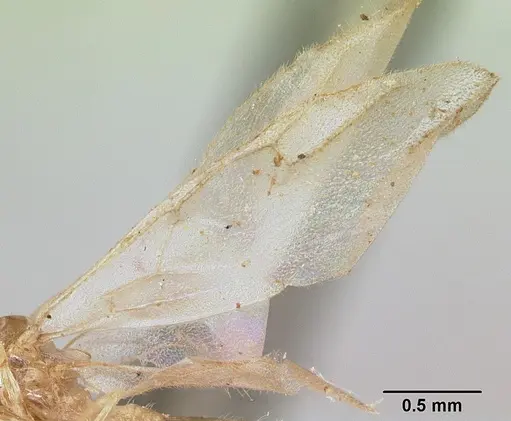
One of the most fascinating aspects of C. rasoherinae is the presence of intermediate workers, sometimes called 'intermorphs' or 'soldiers.' These are workers that show morphological features between normal workers and queens, they have ocelli (simple eyes) like queens but smaller, and show wing attachment sutures even though they're wingless [1][2]. Up to eight of these intermediates can exist in a single colony alongside the normal dealate queen [2].
The function of these intermediate workers is not fully understood, they may serve as replacement reproductives if the queen dies, or they may have a specialized role in colony defense or reproduction. What we know is they're a normal part of colony structure and not a sign of problems. If you see slightly larger workers with what look like tiny eyes on their head, these are the intermediate workers, they're completely normal for this species.
Behavior and Temperament
Crematogaster ants are known for their 'acrobat' behavior, when disturbed, they raise their abdomen over their head, ready to spray formic acid or attack. This is a defensive display and is their primary way of dealing with threats. They're not particularly aggressive toward keepers but will defend their nest vigorously if threatened.
In the wild, workers colonize several adjacent trees and can form territorially dominant colonies [4]. This suggests they're active foragers with good navigation abilities. In captivity, they'll explore their outworld actively and are generally entertaining to watch. Their small size means they're not intimidating to keepers, but their escape abilities should never be underestimated.
Growth and Colony Development
Colony growth is moderate, not the fastest but certainly not slow. Queens are very small and this small size may influence founding success. Expect the first nanitic workers to appear within 5-8 weeks under optimal conditions, though exact timing isn't documented for this species.
Colonies can grow quite large in the wild, with workers spreading across multiple trees [4]. In captivity, expect steady growth over months and years. The presence of intermediate workers typically increases as the colony matures, a healthy established colony may have several of these intermediate individuals. Don't confuse them with new queens or reproductive individuals, they're a normal caste in this species.
Frequently Asked Questions
Is Crematogaster rasoherinae a good species for beginners?
This species is rated as medium difficulty. While not the hardest species, their small size and arboreal nature require attention to escape prevention and proper housing. If you're comfortable with small ants and have experience with basic ant care, this can be a rewarding species. Complete beginners might want to start with larger, more forgiving species.
Do I need to hibernate Crematogaster rasoherinae?
No, hibernation is not required. Being a tropical species from Madagascar, they need consistent warm temperatures year-round. Keep them at 24-28°C and avoid letting temperatures drop below 20°C for extended periods.
Why does my colony have workers with tiny eyes?
Those are intermediate workers (intermorphs), which are normal for this species. They have morphological features between workers and queens, including small ocelli. Up to eight can exist in a healthy colony alongside the queen. This is not a problem, it's a documented characteristic of C. rasoherinae.
What size prey should I feed these ants?
Because workers are very small, prey should be appropriately sized. Small fruit flies, pinhead crickets, small mealworm pieces, or other tiny arthropods work well. You can also offer pre-killed or crushed insects to make them easier to handle. Sugar sources like honey water should be provided in very small containers to prevent drowning.
How do I prevent escapes with such small ants?
Escape prevention is absolutely critical due to their tiny size. Use tight-fitting lids without gaps, apply fluon or similar barriers to all potential escape points, and check for any openings larger than 0.5mm. Even standard ant keeping setups may have gaps these tiny ants can squeeze through. Inspect regularly and seal any gaps immediately.
What type of nest works best for Crematogaster rasoherinae?
A Y-tong (AAC) nest or plaster formicarium with small chambers works well. They can also adapt to test tube setups but benefit from vertical climbing structures in the outworld. Avoid very dry setups, they prefer some humidity retention like their natural twig habitat.
How long until first workers appear?
Based on genus-level patterns for small tropical Crematogaster, expect first workers (nanitics) in approximately 5-8 weeks under optimal conditions (24-28°C). Exact development time hasn't been documented specifically for this species, so monitor your colony and adjust temperature if growth seems slow.
Can I keep multiple queens together?
No, this is a monogyne (single-queen) species. While they have intermediate workers in the colony, there's only one reproductive queen. Combining unrelated queens hasn't been documented and is not recommended.
Do these ants sting?
Crematogaster ants can bite and spray formic acid as a defense, but they're too small to cause meaningful pain to humans. Their primary defense is raising their abdomen in an 'acrobat' display. They're not considered dangerous to keepers.
Why are there different colors in my colony?
Color variation is normal for this species. Madagascar populations are typically light to dark brown, while specimens from Comoros, Seychelles, and Mayotte are often yellow with black on the rear of the abdomen. If you have a wild-caught colony from a specific location, expect the corresponding color pattern. Color variation within a colony from the same region should be minimal.
When should I move them to a formicarium?
Move to a formicarium when the test tube setup becomes crowded or the colony reaches around 50-100 workers. Since they're arboreal, ensure the formicarium provides vertical climbing space and appropriately sized chambers. They adapt well to most captive nest setups.
Are these ants invasive anywhere?
No, Crematogaster rasoherinae is native to Madagascar, Comoros, Mayotte, and Seychelles. It hasn't been documented as invasive in other regions. As with all ant keeping, never release non-native species into the wild.
Report an Issue
The current care sheet is based fully on literature. See inconsistencies, or something that's incorrect? Please , it will be resolved after review from an admin. Contributing to the blogs tab also helps providing information, to make us be able to further improve the caresheets. Thank you for your support!
References

This caresheet is licensed under CC BY-SA 4.0 .
Community Blogs
CASENT0068950
View on AntWeb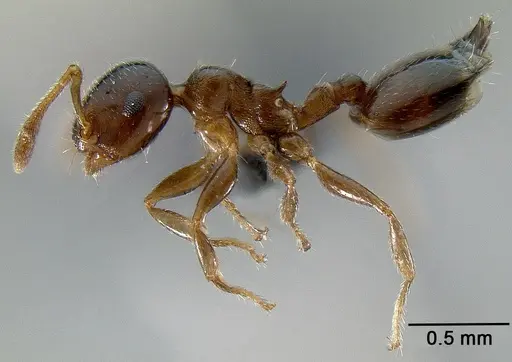
CASENT0070841
View on AntWeb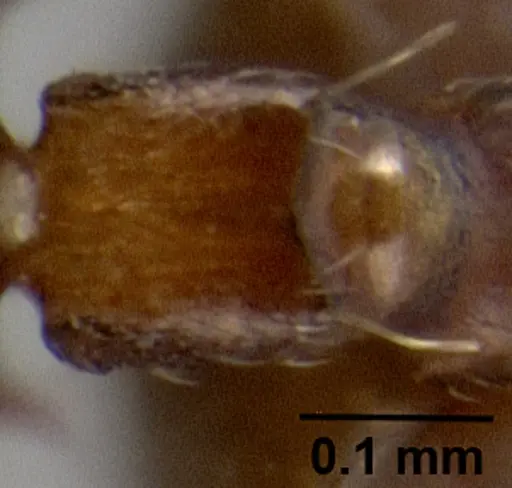
CASENT0101159
View on AntWeb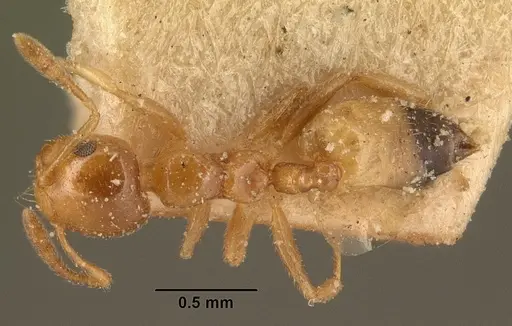
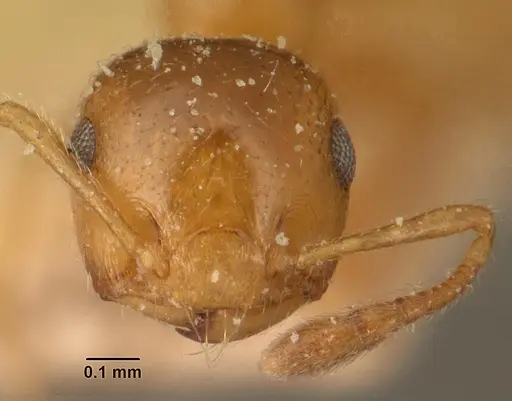
CASENT0101613
View on AntWeb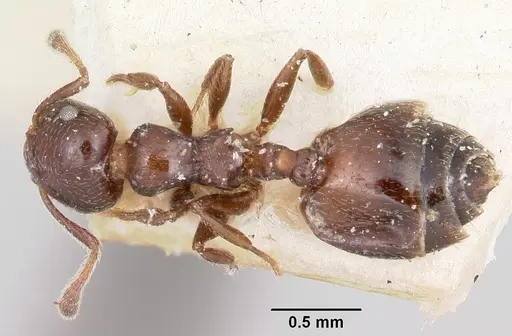
CASENT0101615
View on AntWeb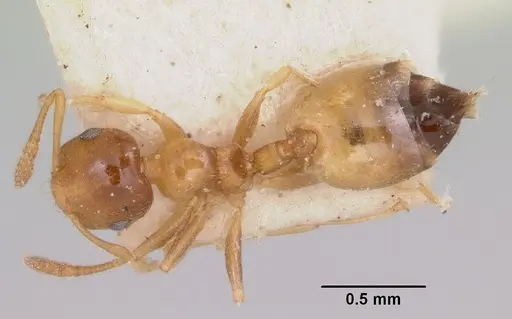
CASENT0101617
View on AntWeb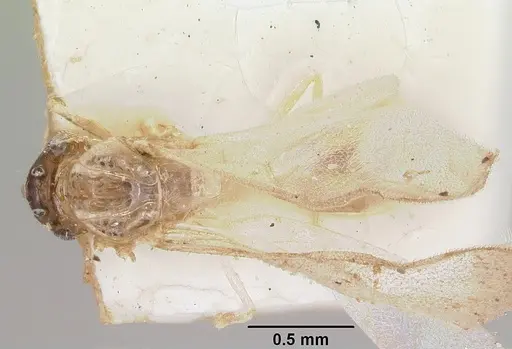
CASENT0101750
View on AntWeb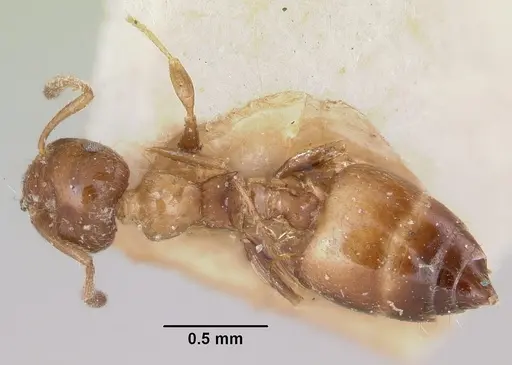
CASENT0101785
View on AntWeb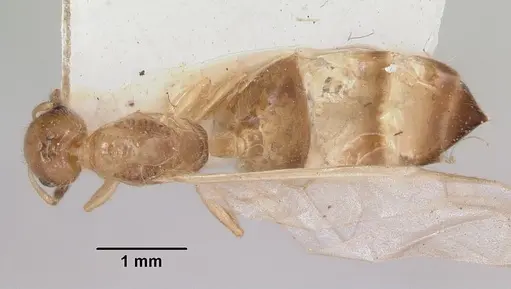
CASENT0101836
View on AntWeb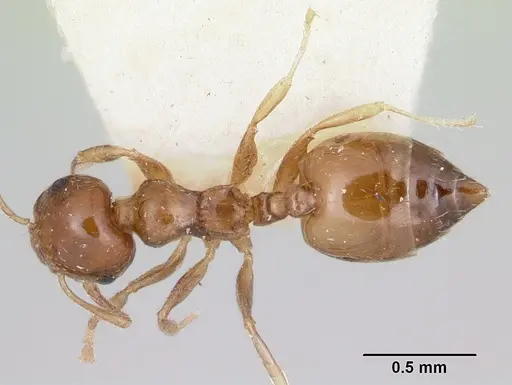
CASENT0101845
View on AntWeb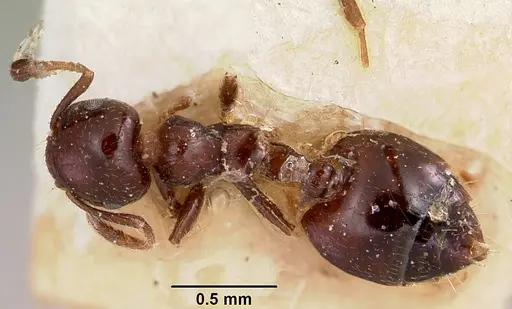
CASENT0101852
View on AntWeb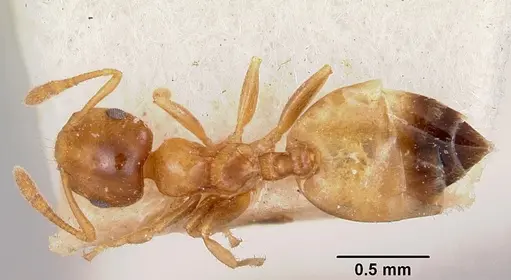
CASENT0102958
View on AntWeb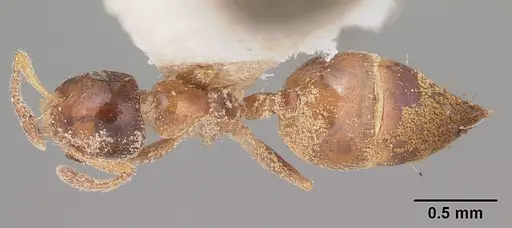
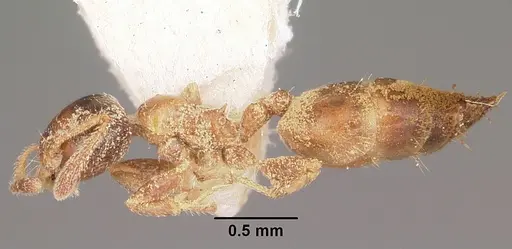
CASENT0104931
View on AntWeb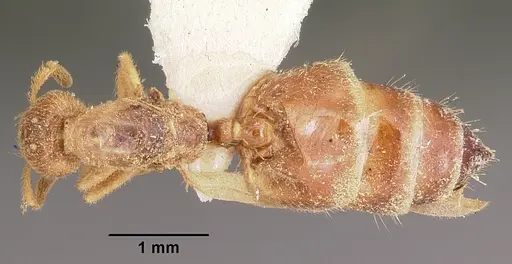
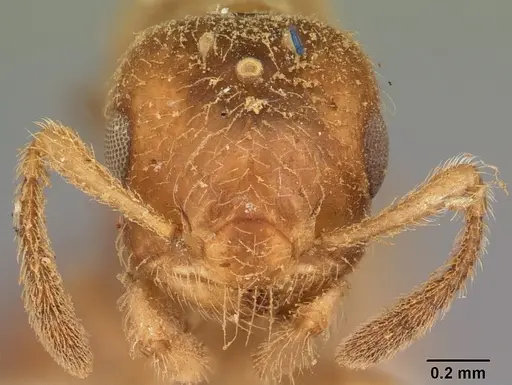
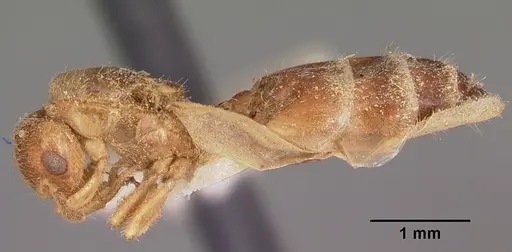
CASENT0104932
View on AntWeb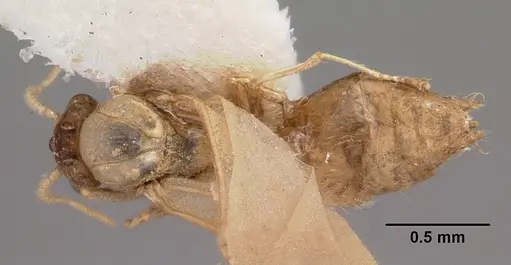
CASENT0120911
View on AntWeb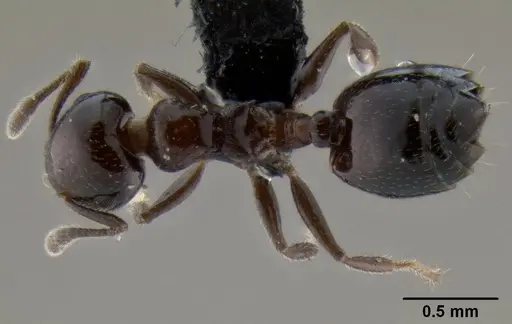
CASENT0132393
View on AntWeb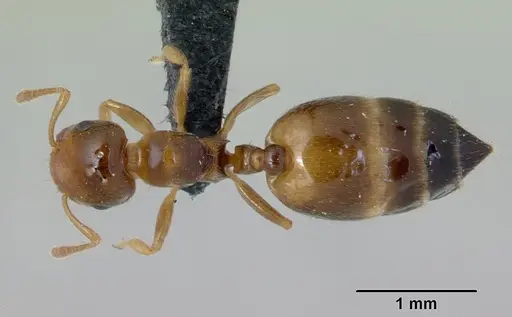
CASENT0134848
View on AntWeb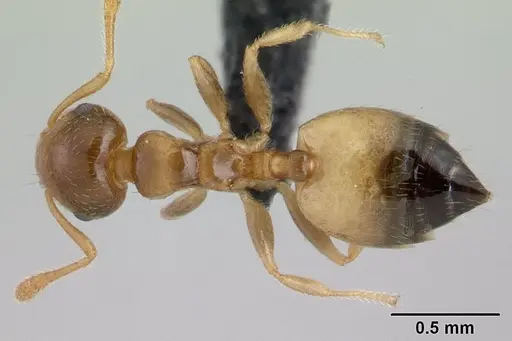
CASENT0136650
View on AntWeb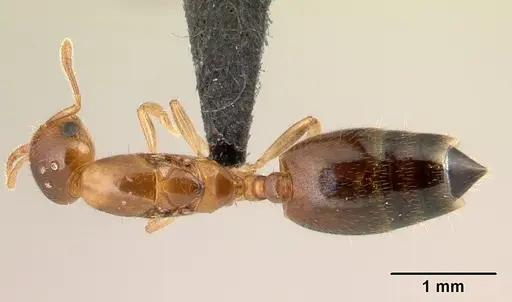
CASENT0138482
View on AntWeb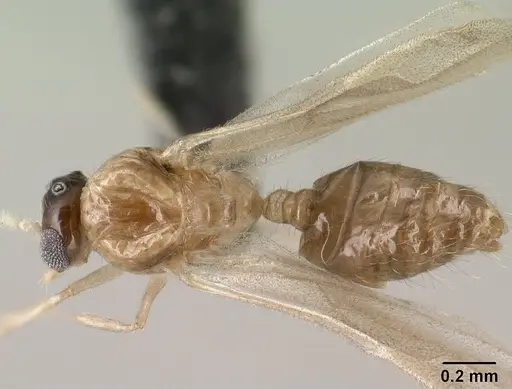
CASENT0146219
View on AntWeb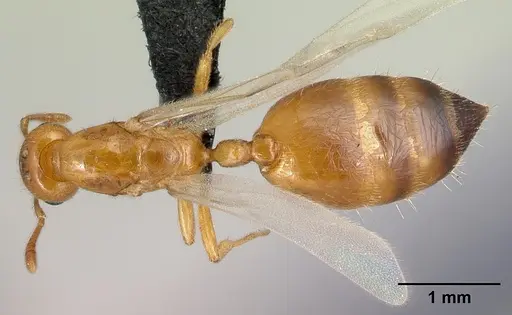
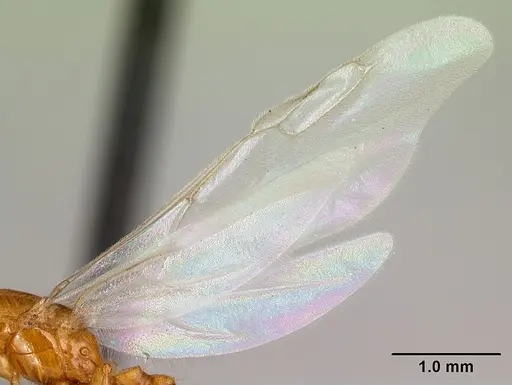
CASENT0146298
View on AntWeb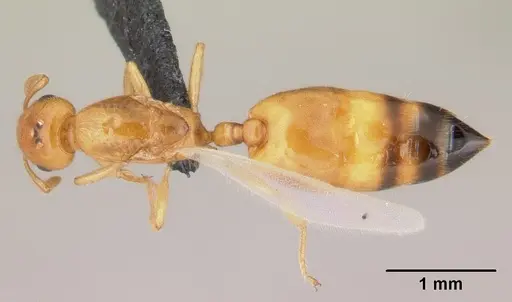
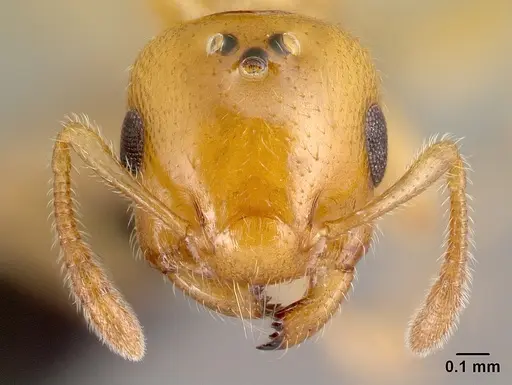
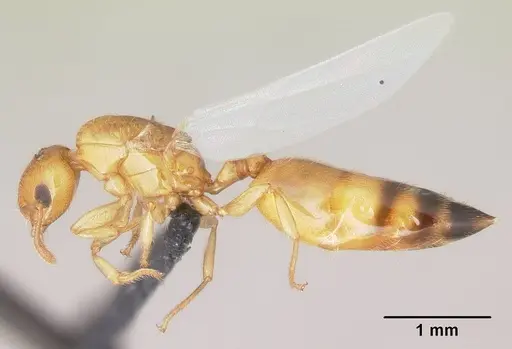
CASENT0146370
View on AntWeb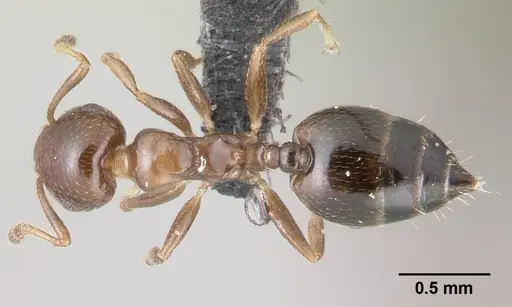
CASENT0147127
View on AntWeb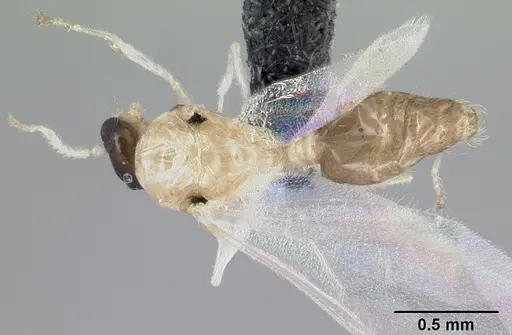
CASENT0147430
View on AntWeb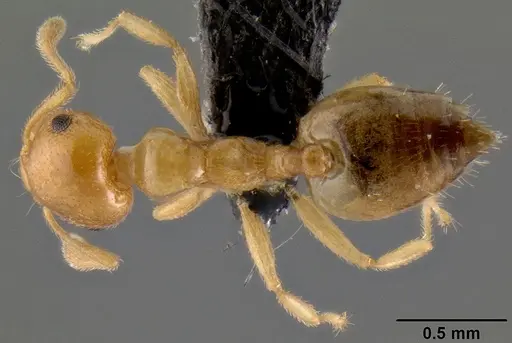
CASENT0147459
View on AntWeb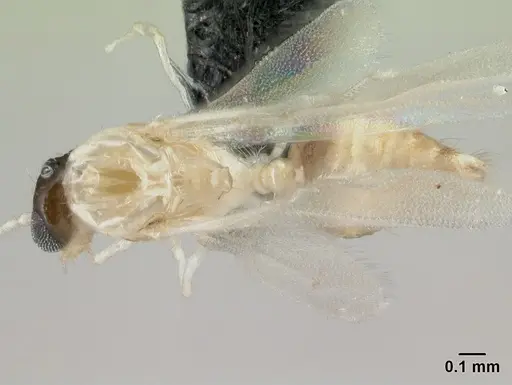
CASENT0148602
View on AntWeb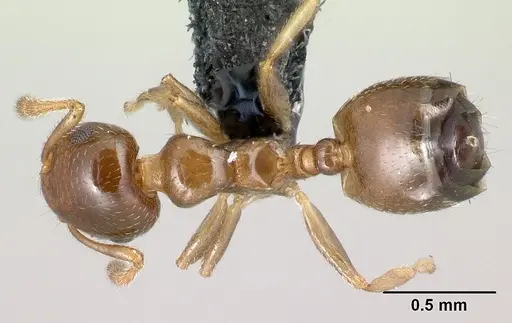
CASENT0149742
View on AntWeb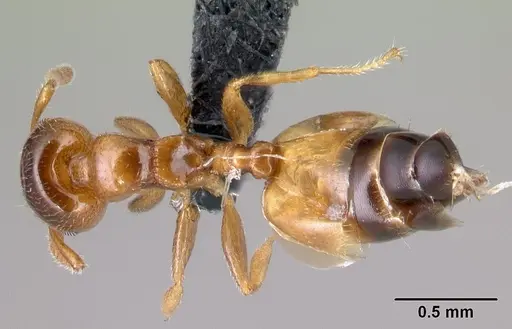
CASENT0179558
View on AntWeb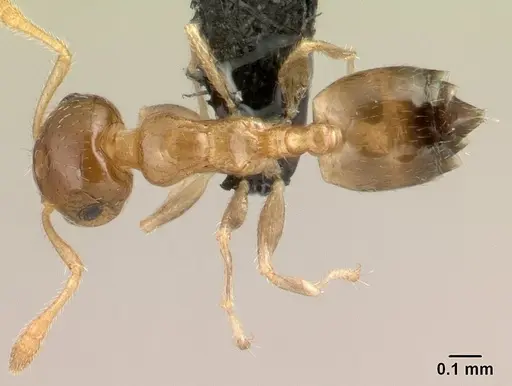
CASENT0193402
View on AntWeb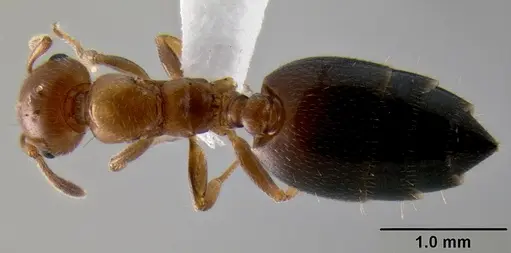
CASENT0193403
View on AntWeb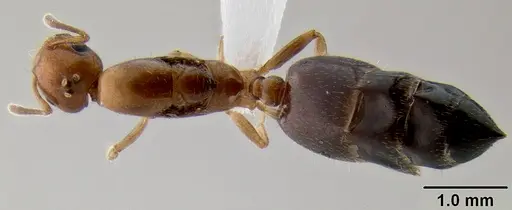
CASENT0193412
View on AntWeb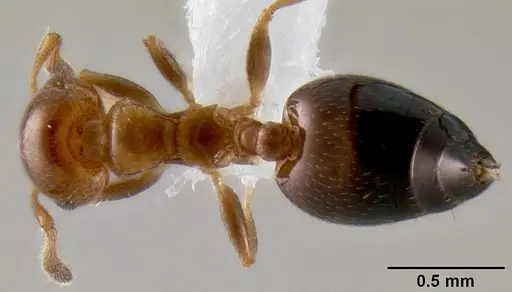
CASENT0193414
View on AntWeb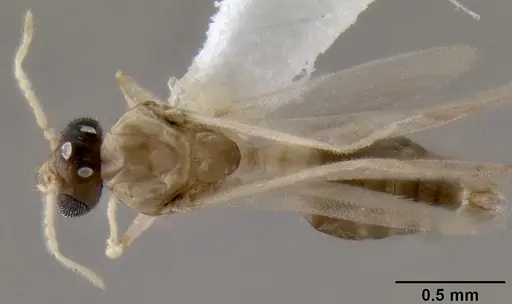
CASENT0427039
View on AntWeb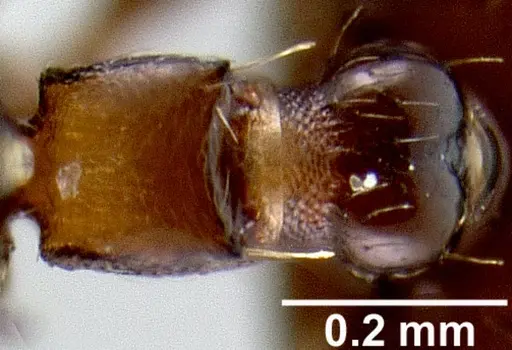
CASENT0914543
View on AntWeb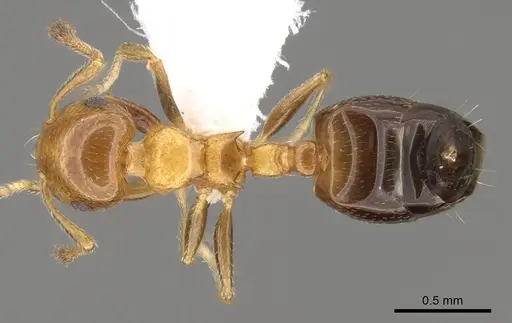
Literature
Loading distribution map...Loading products...