
Crematogaster ransonneti
- Sci. Name
- Crematogaster ransonneti
- Tribe
- Crematogastrini
- Subfamily
- Myrmicinae
- Author
- Mayr, 1868
- Distribution
- Found in 1 countries
Introduction
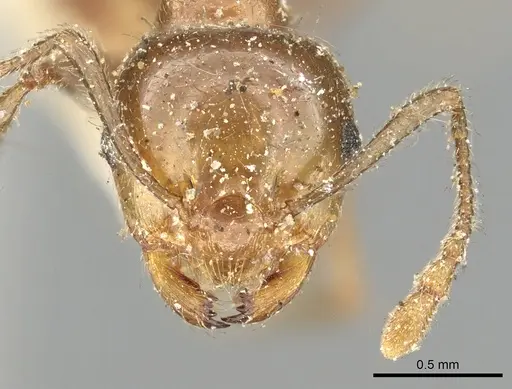
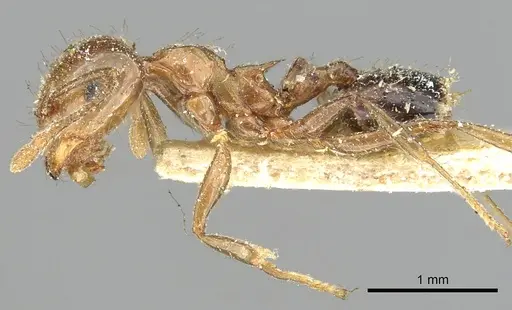
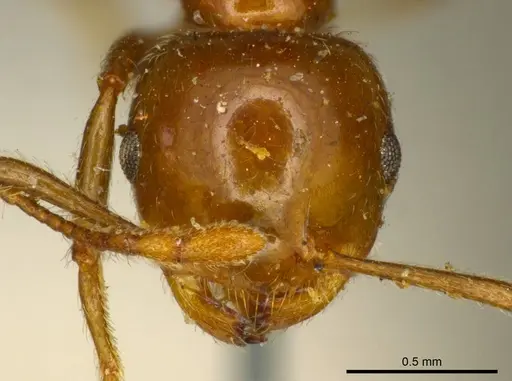
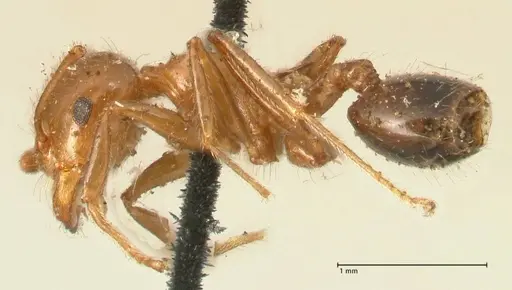
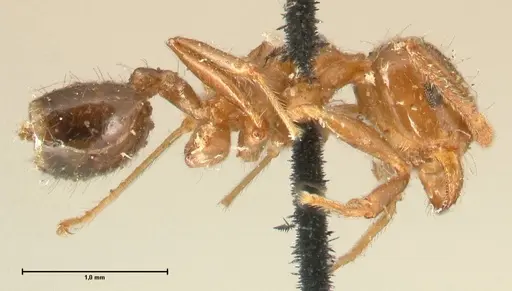
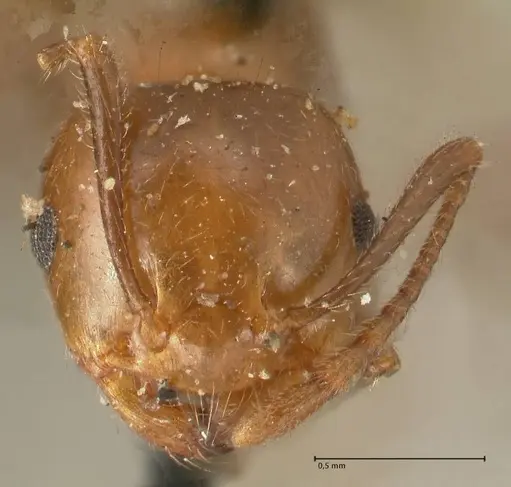
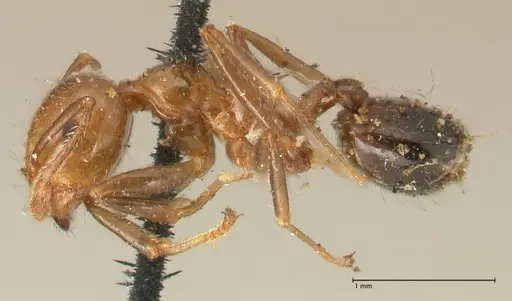
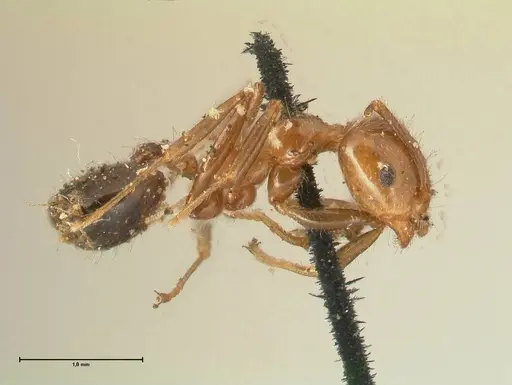
Crematogaster ransonneti is a small arboreal ant native to Sri Lanka and India, where it lives in trees across forested areas, gardens, and cultivated fields . They are recognized by their smooth and shiny head and promesonotum, long propodeal spines, and a distinctive diamond-shaped petiole that is wider than the postpetiole . Their body is reddish-brown with a three-segmented antennal club . Worker body size data are unavailable, but head width measurements suggest they are among the smaller Crematogaster species. This species is considered uncommon in the wild, with most records coming from the monsoon and post-monsoon seasons .
Quick Summary
- Difficulty: Medium
- Origin & Habitat: Native to Sri Lanka and India, recorded from Andaman and Nicobar Islands, Arunachal Pradesh, Assam, Goa, Jammu & Kashmir, Karnataka, Kerala, Maharashtra, Manipur, Meghalaya, Sikkim, Tamil Nadu, Uttarakhand, and West Bengal [5]. They are arboreal, nesting and foraging in trees in forests, gardens, and cultivated fields [2].
- Colony Type: Colony structure is unknown for this species. No direct evidence exists for queen number or social organization.
- Size & Growth:
- Queen: size data unavailable
- Worker: size data unavailable
- Colony: unknown
- Growth: unknown
- Development: estimated 6-8 weeks at optimal tropical temperatures based on genus patterns (Development time is estimated – not directly studied for this species. Tropical species typically develop faster than temperate ones.)
- Antkeeping:
- Temperature: Keep at 24-28°C – they come from warm tropical regions. A heating cable on one side can create a gentle gradient if room temperature falls below this range. (inferred from habitat)
- Humidity: Provide a humidity gradient with a slightly moist nest substrate – they are arboreal and from monsoon regions, so they likely prefer humid air but not standing water. Avoid waterlogging. (inferred from habitat)
- Diapause: Unknown – they are tropical, so hibernation is unlikely, but reduced activity during cooler months is possible.
- Nesting: Arboreal – they nest in trees. Use Y-tong (AAC) or plaster nests with tight chambers scaled to their tiny size, plus vertical climbing structures. Avoid large open spaces.
- Behavior: Behavior is poorly studied. As a member of tribe Crematogastrini, they have a modified stinger used to smear venom rather than pierce. Their small size (body under 2mm) makes escape risk high – use very fine mesh (0.5mm or smaller) on all vents. They are likely docile and non-aggressive (inferred from genus patterns).
- Common Issues: escape prevention is critical due to very small size – use fine mesh and seal all gaps, susceptible to desiccation if humidity drops too low, wild-caught colonies may carry pathogens – quarantine new colonies, difficult to source due to uncommon status in the wild
Housing and Nest Setup
Because Crematogaster ransonneti is arboreal, their setup should mimic a tree environment. Use a Y-tong (AAC) or plaster nest with small chambers – they prefer tight spaces. Include vertical elements like cork bark or twigs for climbing. Escape prevention is critical: workers are tiny, so use 0.5mm mesh on ventilation holes and seal all joints. A shallow outworld with a water source completes the setup. [2]
Feeding and Diet
In the wild they likely feed on honeydew and small insects. In captivity, offer a constant sugar source (honey or sugar water) and small live prey like fruit flies or pinhead crickets. Remove uneaten food after 24-48 hours to prevent mold.
Temperature and Humidity
Maintain 24-28°C – they are tropical. Humidity should be moderate to high, keep the nest substrate slightly moist but not wet. A shallow water dish in the outworld helps. They do not need hibernation but may slow down in cooler months.
Behavior and Colony Dynamics
Behavior is not well studied. They belong to tribe Crematogastrini, which includes species that smear venom rather than sting. They are likely docile. Their small size makes them excellent climbers. The species is uncommon in nature [1], and colony size is unknown.
Acquisition and Establishment
This species is rarely available. If you obtain a founding queen, provide a dark, quiet tube with a small water source. Founding method is unconfirmed, keep her undisturbed until first workers appear, which may take 6-8 weeks based on genus patterns. [4]
Frequently Asked Questions
How long does it take for Crematogaster ransonneti to produce first workers?
The exact timeline is unconfirmed. Based on typical tropical Crematogaster development, expect first workers in 6-8 weeks at 26°C.
What size colony does Crematogaster ransonneti reach?
Colony size is unknown. There are no documented maximum colony sizes for this species.
Do Crematogaster ransonneti sting?
They have a stinger but it is adapted to smear venom rather than pierce. Due to their tiny size, they are unlikely to be able to penetrate human skin. They are docile and not aggressive.
Can I keep multiple Crematogaster ransonneti queens together?
Colony structure is unconfirmed. There is no evidence they can coexist, combining queens is not recommended.
What temperature range is best for Crematogaster ransonneti?
Keep them at 24-28°C. They are from warm tropical regions and do not require a cooling period.
Are Crematogaster ransonneti good for beginners?
This species is rated Medium. Their small size, escape risk, and limited availability make them more challenging than common beginner species.
Do Crematogaster ransonneti need hibernation?
No – they are tropical and active year-round. Reduced activity in cool months is normal but they do not need a cold period.
Why are my Crematogaster ransonneti escaping?
Workers are tiny and can squeeze through gaps under 1mm. Use fine mesh and seal all connections. Check regularly for new gaps.
What do Crematogaster ransonneti eat?
In captivity, provide sugar water or honey for carbohydrates, and small insects like fruit flies for protein. They also likely consume honeydew in the wild.
Is Crematogaster ransonneti aggressive?
No, they are generally docile and non-aggressive. They may raise their gaster when disturbed but rarely bite or sting.
Report an Issue
The current care sheet is based fully on literature. See inconsistencies, or something that's incorrect? Please , it will be resolved after review from an admin. Contributing to the blogs tab also helps providing information, to make us be able to further improve the caresheets. Thank you for your support!
References

This caresheet is licensed under CC BY-SA 4.0 .
Community Blogs
CASENT0902124
View on AntWeb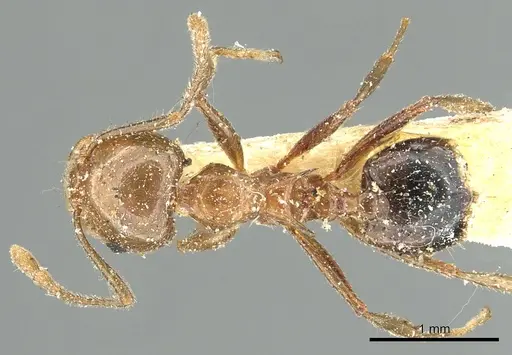
CASENT0919685
View on AntWeb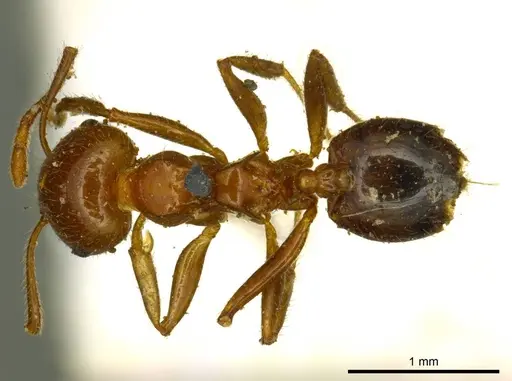
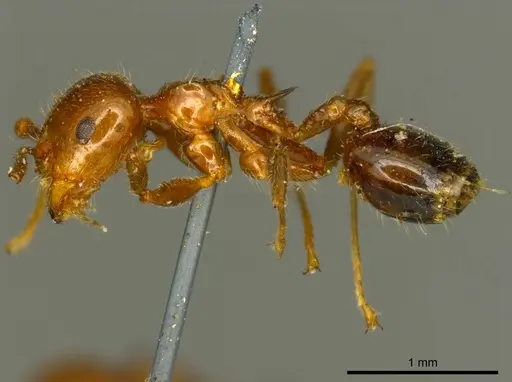
FOCOL1449
View on AntWeb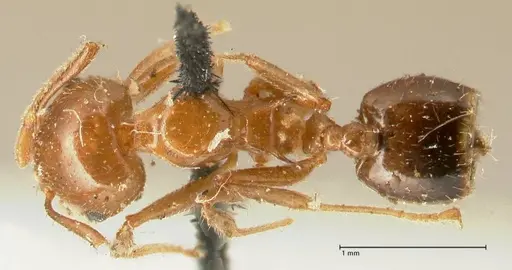
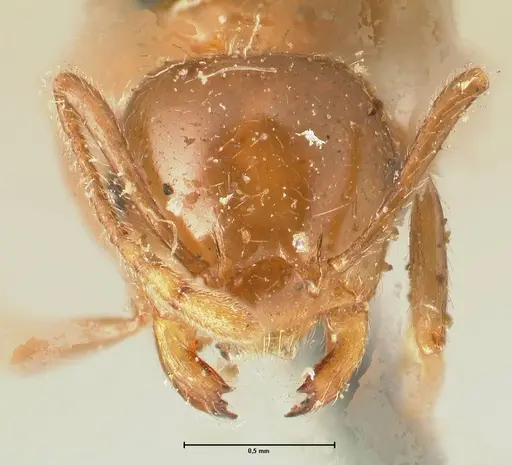
FOCOL1450
View on AntWeb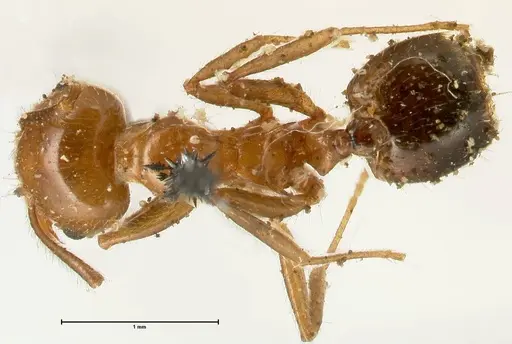
Literature
Loading distribution map...Loading products...