
Crematogaster queenslandica
- Sci. Name
- Crematogaster queenslandica
- Subgenus
- Orthocrema
- Tribe
- Crematogastrini
- Subfamily
- Myrmicinae
- Author
- Forel, 1902
- Distribution
- Found in 1 countries
Introduction
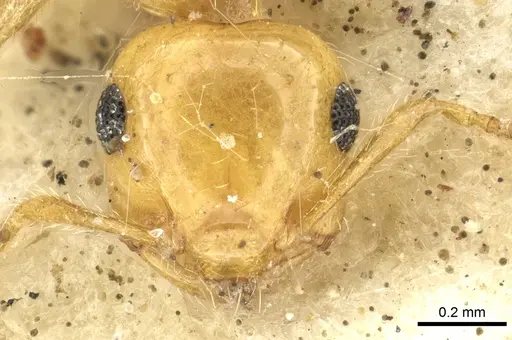
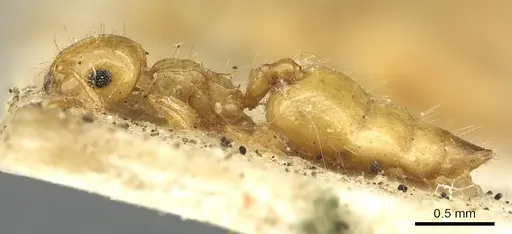
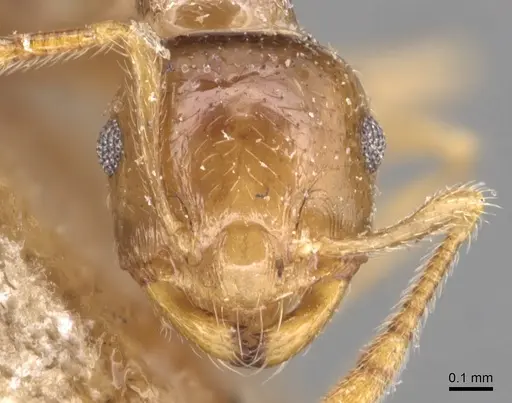
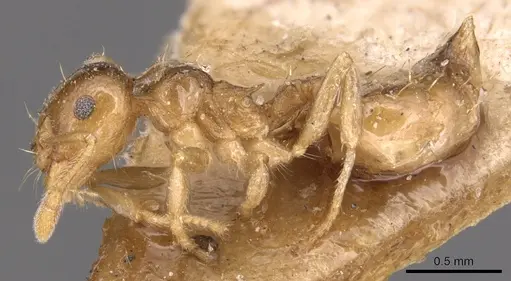
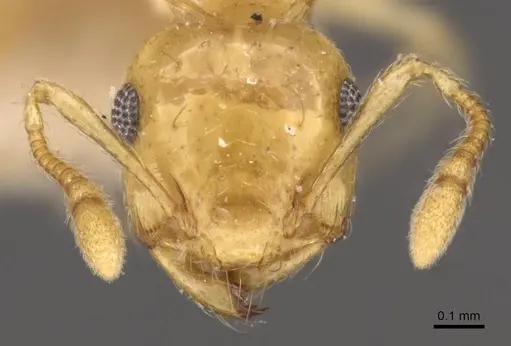
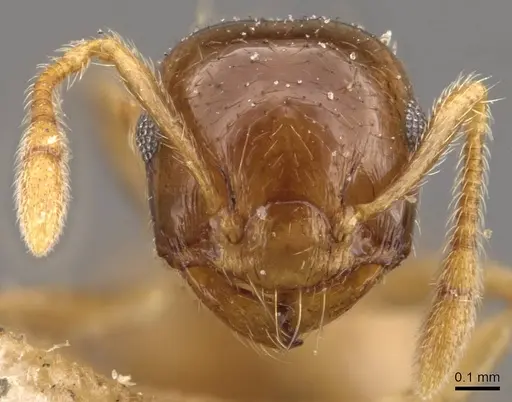
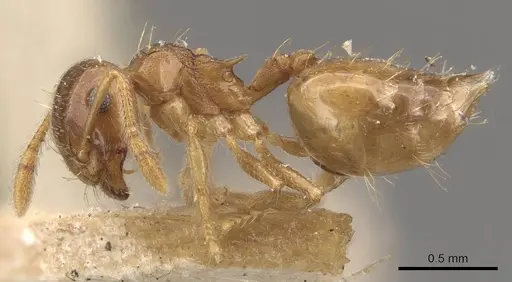
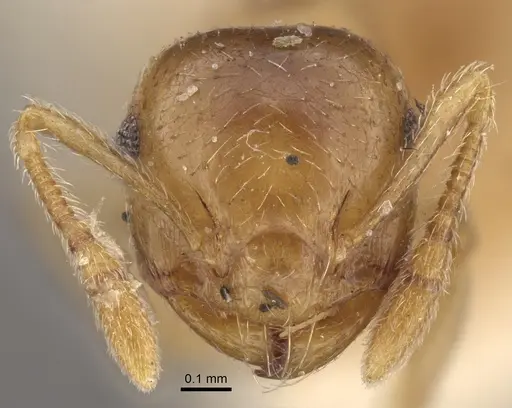
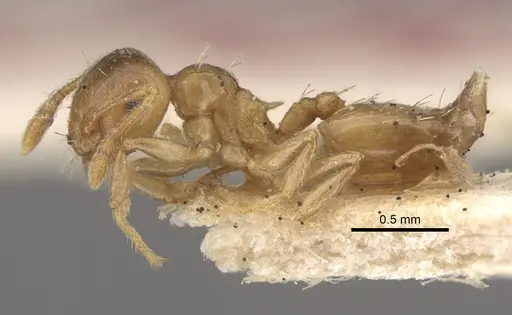
Crematogaster queenslandica is a widespread ant species native to Australia . Workers are typically brown and measure around 4 to 8 mm based on typical Crematogaster genus patterns . They are commonly known as acrobat ants because they arch their abdomen over their head when disturbed . This species belongs to the Generalised Myrmicinae functional group, meaning they adapt easily to different food sources and environments . You can distinguish them from similar species like Crematogaster dispar by their distinctly bilobate postpetiole .
Quick Summary
- Difficulty: Medium
- Origin & Habitat: Tropical and subtropical Australia, including Queensland, Western Australia, and the Northern Territory. They nest in dead wood, under loose bark, or inside hollow plant stems [1].
- Colony Type: Single-queen colonies (monogyne). The exact social structure is unconfirmed, but most Crematogaster species maintain single-queen colonies.
- Size & Growth:
- Queen: size data unavailable, inferred from Crematogaster genus (~6-8 mm)
- Worker: size data unavailable, inferred from Crematogaster genus (~4-8 mm)
- Colony: Maximum colony size is unknown.
- Growth: Moderate
- Development: Development timelines are unknown for this species. Tropical Myrmicinae typically develop faster than temperate species, but exact timing is unstudied. (Growth depends heavily on consistent warmth and protein feeding.)
- Antkeeping:
- Temperature: Keep warm and stable, roughly 24 to 28°C. Australian tropical species thrive in consistent heat [1].
- Humidity: Keep the nest substrate consistently moist but not waterlogged. Provide a humidity gradient so they can choose their preferred moisture level.
- Diapause: No winter diapause required. They remain active year-round in tropical climates [1].
- Nesting: Y-tong (AAC) nests or plaster nests work best. They prefer dark, compact chambers. Avoid acrylic nests entirely, use Y-tong, plaster, soil, or 3D-printed setups instead.
- Behavior: Generally docile but will defend the nest if threatened. Workers forage for sweet liquids and small insects. They use a smear defense mechanism typical of their tribe, wiping venom onto threats rather than piercing them. Escape risk is moderate due to their small size.
- Common Issues: keep temperatures consistently warm to prevent brood development failure, prevent escapes by sealing all outworld gaps, as small workers can slip through tiny cracks, remove uneaten protein promptly to stop mold growth in the nest, avoid overwatering the nest substrate, which can drown brood, do not combine unrelated queens, as single-queen colonies will fight
Nesting & Habitat
In the wild, you will find Crematogaster queenslandica nesting in dead wood, under loose bark, or inside hollow plant stems [1]. They thrive in tropical and subtropical environments across Australia [1]. For your ant farm, Y-tong (AAC) or plaster nests work perfectly. These materials hold moisture well and provide the dark, compact chambers they prefer. Set up a humidity gradient by keeping most of the nest dry and leaving one small area slightly damp. Never use acrylic nests, stick to Y-tong, plaster, soil, or 3D-printed options. Naturalistic setups with dead wood or cork bark also mimic their wild nesting sites well [1].
Diet & Feeding
These ants are omnivorous foragers that prefer sweet liquids. Offer a 10% sugar water solution or diluted honey in your outworld at all times. They also need protein for brood development. Feed small insects like fruit flies, pinhead crickets, or chopped mealworms two to three times per week. Remove any uneaten prey within 24 hours to prevent mold. They are efficient hunters and will quickly mobilize workers to collect food. If you notice workers ignoring protein, they might be in a carbohydrate-heavy phase, which is normal.
Temperature & Climate Control
As a tropical Australian species, Crematogaster queenslandica needs consistent warmth. Keep your nest at 24 to 28°C for optimal brood development [1]. Room temperature in most homes (20 to 24°C) is acceptable, but warmer conditions will speed up development. Use a heating cable on one side of the nest to create a gentle gradient. Place the cable on top of the nest, not underneath, to avoid drying out the substrate. They do not require a winter rest period. Maintain stable temperatures year-round to keep the colony active and healthy [1].
Defense & Temperament
You will recognize this species by their defensive posture. When threatened, workers arch their abdomen over their head, almost touching their mandibles. This acrobat stance helps them aim their sting. As members of the tribe Crematogastrini, they use a smear defense mechanism. They wipe venom onto threats rather than piercing flesh. They are not aggressive toward humans and rarely sting, but they will defend their nest vigorously if provoked. Workers are active foragers that communicate using chemical trails to exploit food sources quickly.
Colony Growth & Development
After the queen lays her first eggs, you cannot predict exactly when the first workers will emerge, as development timelines for this species are unstudied. Tropical Myrmicinae typically develop faster than temperate species, but you should expect a moderate growth rate. The first workers (nanitics) will be smaller than normal workers but will immediately start helping the queen care for brood. Colony growth depends heavily on temperature and consistent feeding. Once the colony reaches its maximum size, growth will naturally slow down. Avoid disturbing founding colonies, as small groups are vulnerable to stress.
Frequently Asked Questions
How long does it take for Crematogaster queenslandica to produce first workers?
Development timelines are unknown for this species. Tropical Myrmicinae typically develop faster than temperate species, but exact timing is unstudied.
What do Crematogaster queenslandica ants eat?
They prefer sweet liquids and small insects. Offer 10% sugar water or diluted honey continuously. Feed small protein like fruit flies or pinhead crickets two to three times per week. Remove uneaten prey within 24 hours to prevent mold.
Do Crematogaster queenslandica ants sting?
Yes, but their sting is mild. They belong to the tribe Crematogastrini, which uses a smear defense mechanism. They wipe venom onto threats rather than piercing flesh. They rarely sting humans but will defend their nest vigorously.
What temperature do Crematogaster queenslandica ants need?
Keep them warm and stable, roughly 24 to 28°C. They are tropical Australian ants that thrive in consistent heat [1].
Do Crematogaster queenslandica ants need hibernation?
No. They do not require winter diapause. As a tropical species, they remain active year-round with consistent warmth [1].
How big do Crematogaster queenslandica colonies get?
Maximum colony size is unknown. They grow at a moderate pace and reach a stable size once development slows.
What type of nest is best for Crematogaster queenslandica?
Y-tong (AAC) or plaster nests work best. They prefer dark, compact chambers. Set up a humidity gradient with mostly dry substrate and one small moist area. Avoid acrylic nests entirely, use Y-tong, plaster, soil, or 3D-printed setups instead.
Are Crematogaster queenslandica ants good for beginners?
Yes, they are relatively easy to keep. They adapt well to captivity, accept standard foods, and are not aggressive. Their main requirements are warm temperatures and basic humidity control.
Can I keep multiple Crematogaster queenslandica queens together?
No. This species forms single-queen colonies (monogyne). Combining unrelated queens will cause fights. Always keep one queen per colony.
Why do my Crematogaster queenslandica ants do handstands?
This is their normal defensive posture. When threatened, they arch their abdomen over their head toward their mandibles. This stance helps them aim their smear defense mechanism. It is completely normal behavior.
Report an Issue
The current care sheet is based fully on literature. See inconsistencies, or something that's incorrect? Please , it will be resolved after review from an admin. Contributing to the blogs tab also helps providing information, to make us be able to further improve the caresheets. Thank you for your support!
References

This caresheet is licensed under CC BY-SA 4.0 .
Community Blogs
CASENT0902130
View on AntWeb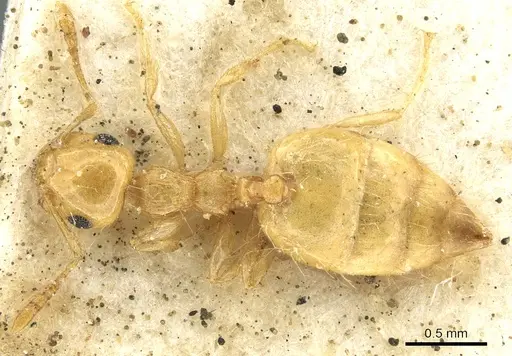
CASENT0904498
View on AntWeb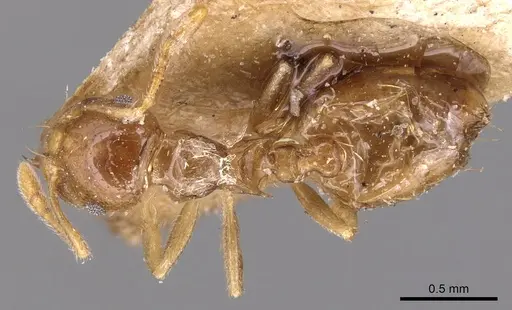
CASENT0908379
View on AntWeb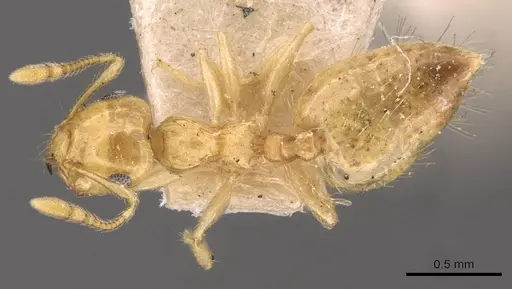
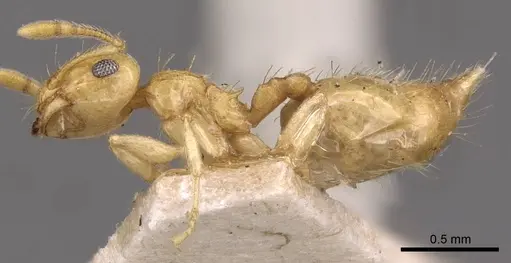
CASENT0908380
View on AntWeb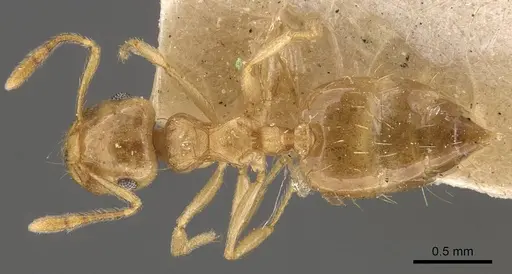
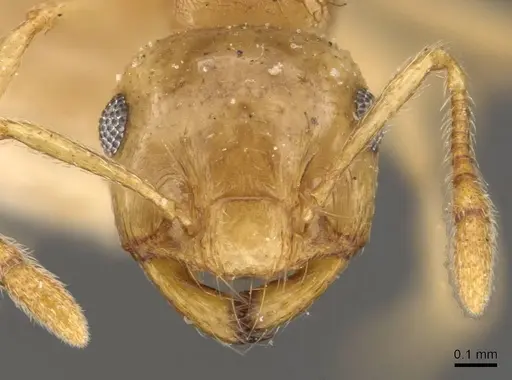
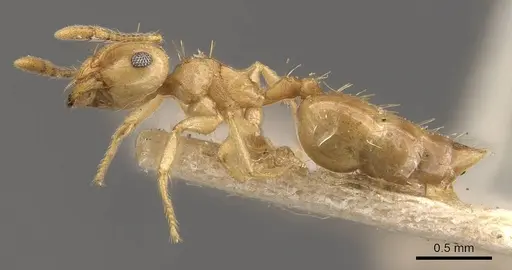
CASENT0908381
View on AntWeb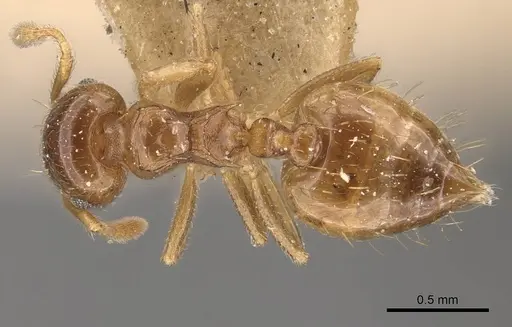
CASENT0908382
View on AntWeb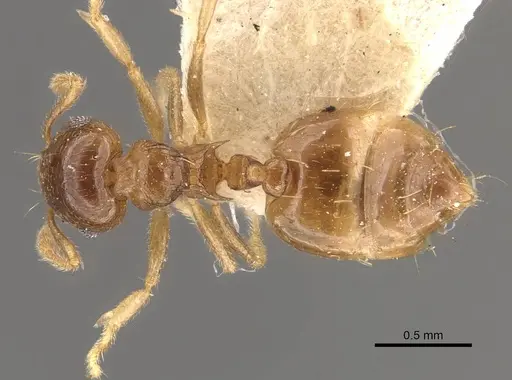
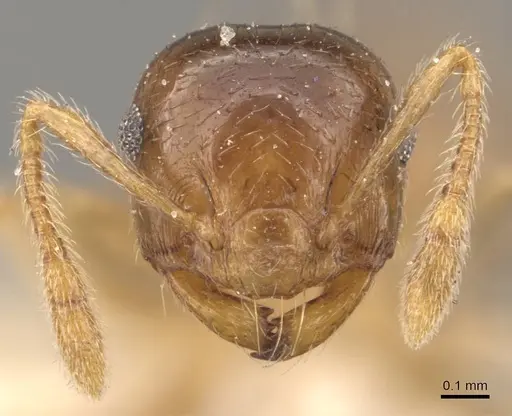
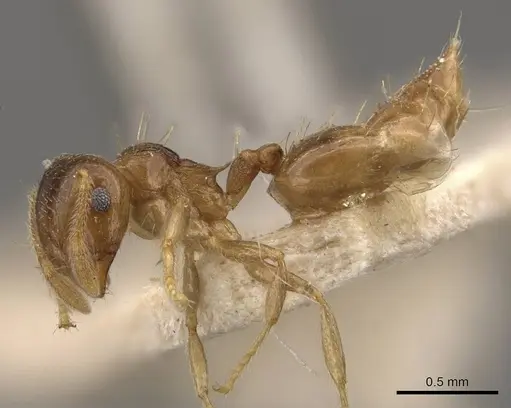
CASENT0917801
View on AntWeb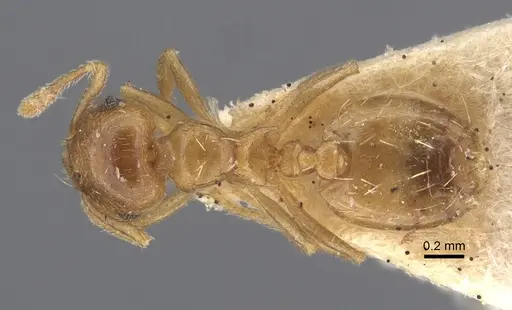
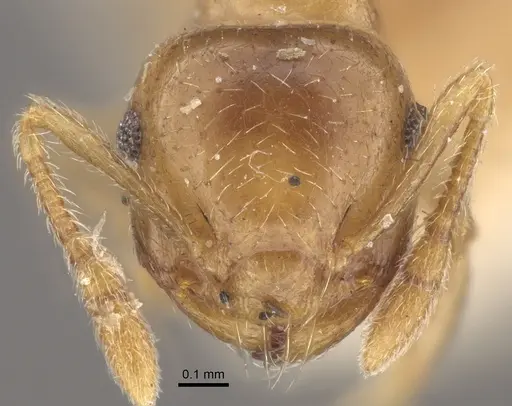
Literature
Loading distribution map...Loading products...