
Crematogaster quadriformis
- Sci. Name
- Crematogaster quadriformis
- Subgenus
- Orthocrema
- Tribe
- Crematogastrini
- Subfamily
- Myrmicinae
- Author
- Roger, 1863
- Distribution
- Found in 5 countries
Introduction
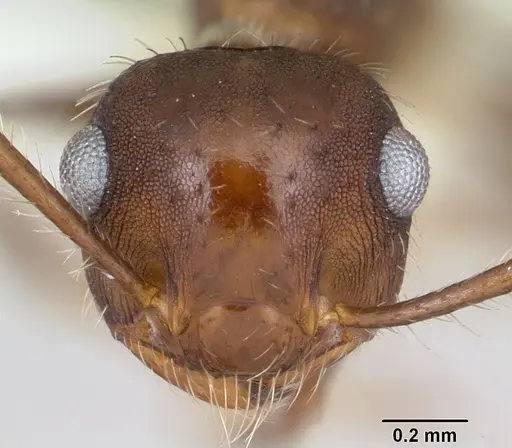
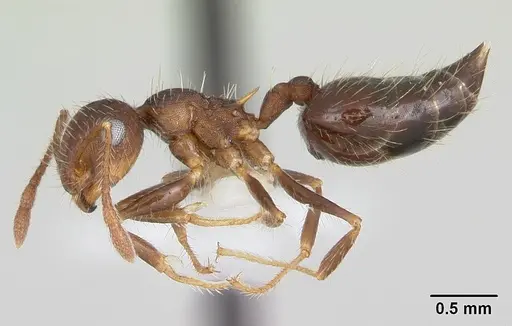
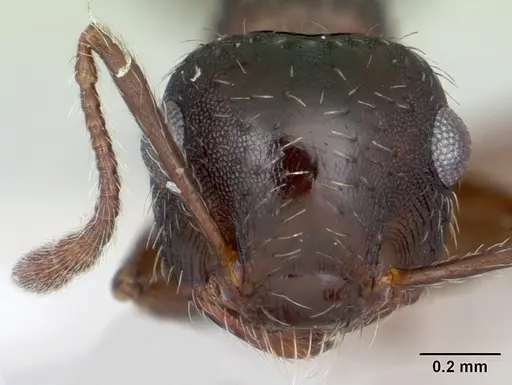
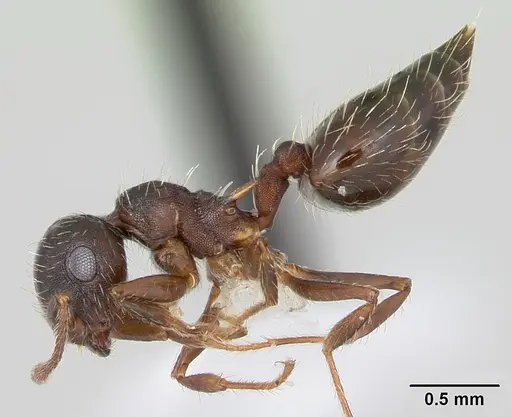
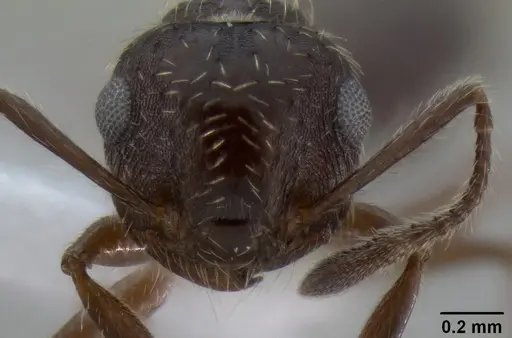
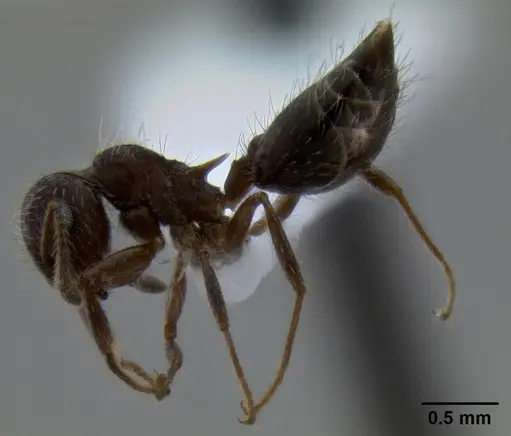
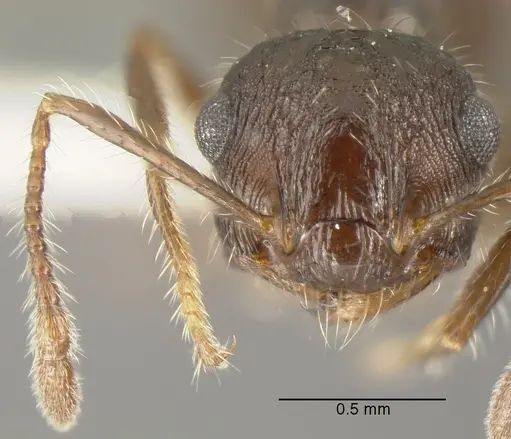
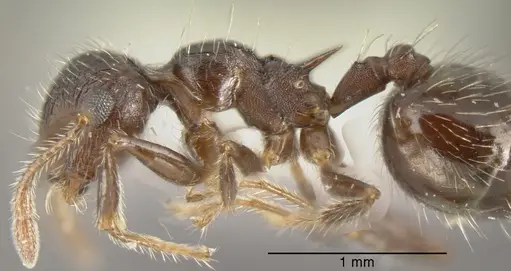
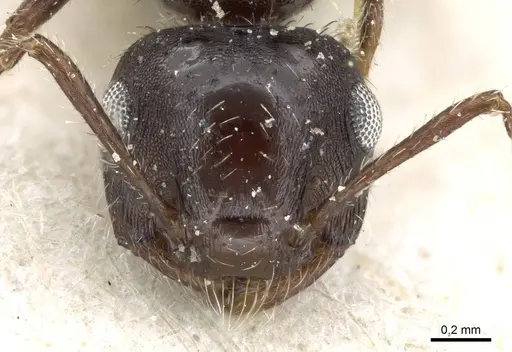
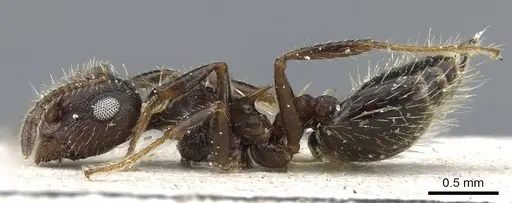
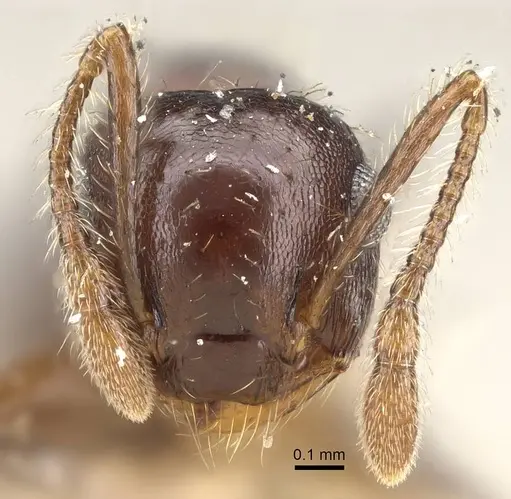
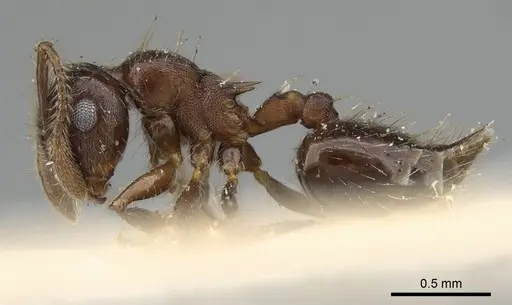
Crematogaster quadriformis is a small Neotropical ant known for its distinctive heart-shaped gaster that it can raise over its head like an acrobat — hence the common name 'acrobat ant.' Workers measure 3.4-4.0mm and have a dark brown to black coloration with relatively long hairs on the first abdominal segment . This species belongs to the Orthocrema clade and is found across much of South America, from Argentina and Uruguay through Brazil, Paraguay, Bolivia, Peru, Colombia, and into French Guiana and Guyana . It is one of the most frequently recorded ant species in Paraguay, with 30 records making it one of the top 50 most common species there .
Quick Summary
- Difficulty: Easy
- Origin & Habitat: Neotropical region, Argentina, Bolivia, Brazil, Colombia, French Guiana, Guyana, Paraguay, Peru, Uruguay. Found in tropical and subtropical forests, grasslands, and modified landscapes including eucalyptus plantations and agricultural areas [5][6][7].
- Colony Type: Colony structure is not well documented in scientific literature. Further research needed to confirm exact colony structure.
- Size & Growth:
- Queen: Size data unavailable, no specific measurements found in research context
- Worker: 3.4-4.0mm [1]
- Colony: Colony size data not available in scientific literature
- Growth: Moderate, based on typical Myrmicinae development
- Development: Development time unconfirmed for this species (Direct measurements not available, estimates based on typical Crematogaster development patterns may apply)
- Antkeeping:
- Temperature: Keep at room temperature within the low-to-mid 20s°C range. As a Neotropical species, they prefer warm conditions. A heating cable on one side of the nest creates a temperature gradient allowing workers to regulate their own exposure.
- Humidity: Provide a humidity gradient, keep nest substrate consistently moist but not waterlogged, with access to a drier outworld area. These ants are found in humid forest regions and also tolerate drier conditions in grasslands [8].
- Diapause: No, being a Neotropical species from subtropical regions, they do not require hibernation. However, they may show reduced activity during cooler periods.
- Nesting: Flexible nesting preferences. In nature, they nest both in vegetation and on the ground [9]. A Y-tong (AAC) nest or test tube setup works well. Provide a moist substrate and ensure the outworld has access to sugar and protein food sources.
- Behavior: Crematogaster quadriformis is an active, omnivorous ant with strong mass recruitment behavior. Workers quickly discover and dominate food sources, using chemical repellents to exclude competitors [9]. They are aggressive defenders of food resources and will readily take over baits. They tend aphids for honeydew and also consume extrafloral nectar from plants like Dyckia [10][11]. Workers are agile and can escape easily , use tight-fitting lids and barrier gel on the outworld. They may raise their gaster in a defensive display when threatened. This species uses a smear defense mechanism, they have a flattened stinger used to wipe venom onto enemies rather than piercing flesh.
- Common Issues: escape prevention is critical, their small size and agility make them excellent escape artists, colonies may decline if protein is not offered regularly, they are active predators and need consistent protein sources, overheating can be fatal, keep nest away from direct sunlight and strong heat sources, wild-caught colonies may have parasites that can devastate captive populations, queen identification can be difficult, deal with established colonies from reputable sources rather than risk misidentification
Housing and Nest Setup
Crematogaster quadriformis adapts well to various captive setups. A test tube setup works for founding colonies, while established colonies do well in Y-tong (AAC) nests or plaster nests. The key is providing a moist nest chamber while allowing workers access to a dry outworld for foraging. Because they are mass recruiters, ensure the outworld is spacious enough to accommodate many workers at food sources. Use a tight-fitting lid and apply barrier gel or fluon to the rim , these ants are small and agile, finding the smallest gaps. A water test tube should always be available in the outworld. [9][4]
Feeding and Diet
These ants are omnivorous with a strong preference for protein. Offer protein sources like small insects (fruit flies, small crickets, mealworms), and provide sugar water or honey constantly. They will also accept extrafloral nectar and honeydew if you keep aphid-infested plants nearby [10][11]. In one study, they showed extirpator behavior for carbohydrates and opportunist behavior for proteins, meaning they aggressively dominate sugar sources while opportunistically taking protein [12]. Feed protein 2-3 times per week and keep sugar water available at all times. They also occasionally scavenge on seeds and will predate on elaiosomes as part of their seed dispersal role in nature [1].
Temperature and Seasonal Care
As a Neotropical species, Crematogaster quadriformis thrives at warm temperatures. They are found in regions ranging from tropical forests to subtropical grasslands and can tolerate a range of conditions. No hibernation or diapause is required , maintain consistent warmth year-round. A small heating cable placed on part of the nest creates a gradient, allowing workers to self-regulate. Avoid temperatures above 32°C or sudden temperature drops. Room temperature within the low-to-mid 20s°C range is acceptable for most of the year. [8]
Behavior and Colony Dynamics
This species is known for its mass recruitment behavior , when a worker discovers a good food source, it quickly recruits many nestmates using chemical trails [1]. They are aggressive competitors and will dominate food baits, often winning contests against other common ants like Solenopsis invicta [13]. Workers can be identified by their habit of raising their gaster when disturbed, a defensive display common in Crematogaster. They are highly active and need space to forage , a well-designed outworld prevents traffic jams at food sources.
Ecological Role in Nature
In the wild, Crematogaster quadriformis plays important ecological roles. They are frequent tenders of aphids, protecting these insects in exchange for honeydew , in studies they tended 24.4% of aphid species found on ornamental plants in Argentina [11]. They also collect extrafloral nectar from plants like Dyckia, providing defense services while feeding on nectar [10]. Additionally, they participate in seed dispersal by preying on elaiosomes (fat-rich seed attachments), contributing to plant reproduction [1]. This makes them a beneficial species in many ecosystems, though they can become pests in agricultural settings where they protect crop aphids.
Frequently Asked Questions
How long does it take for Crematogaster quadriformis to produce first workers?
Development time is unconfirmed for this species. Based on typical Crematogaster development, expect first workers within several weeks after the queen lays eggs, provided temperatures are maintained in the warm range. Growth rate is moderate.
Do Crematogaster quadriformis ants sting?
They have a stinger but it is mild and rarely felt by humans. Their primary defense is raising their gaster in an aggressive display and using chemical repellents rather than stinging. This species uses a smear defense mechanism with a flattened stinger.
What do Crematogaster quadriformis eat?
They are omnivorous. Offer protein (small insects like fruit flies, crickets, mealworms) 2-3 times per week and keep sugar water or honey available constantly. They also will take extrafloral nectar and honeydew if available.
Are Crematogaster quadriformis good for beginners?
Yes, they are considered easy to keep. They are adaptable, accept a wide variety of foods, and establish readily. The main challenges are escape prevention due to their small size and providing consistent protein. With proper setup, they are rewarding for beginners.
How big do Crematogaster quadriformis colonies get?
Colony size data is not available in scientific literature for this species. They are considered among the most abundant ant species in their range, indicating productive colonies.
Do Crematogaster quadriformis need hibernation?
No, they do not require hibernation. As a Neotropical species, they prefer consistent warm temperatures year-round. Simply maintain normal care throughout the year.
Can I keep multiple Crematogaster quadriformis queens together?
The colony structure is not well documented for this specific species. Combining unrelated foundress queens is not recommended unless you have specific guidance for this species.
Why are my Crematogaster quadriformis escaping?
Their small size (3.4-4mm) and agility make them excellent escape artists. Use tight-fitting lids, apply fluon or barrier gel to the rim of the outworld, and check for any tiny gaps. Escape prevention must be excellent with this species.
What is the best nest type for Crematogaster quadriformis?
A Y-tong (AAC) nest or test tube setup works well. They prefer moist nest chambers but need access to a dry outworld for foraging. Plaster nests also work if kept appropriately moist. Ensure the nest provides darkness and security for the queen and brood.
Are Crematogaster quadriformis invasive?
No, they are native to the Neotropical region of South America. They have not been documented as invasive elsewhere.
Report an Issue
The current care sheet is based fully on literature. See inconsistencies, or something that's incorrect? Please , it will be resolved after review from an admin. Contributing to the blogs tab also helps providing information, to make us be able to further improve the caresheets. Thank you for your support!
References

This caresheet is licensed under CC BY-SA 4.0 .
Community Blogs
CASENT0173943
View on AntWeb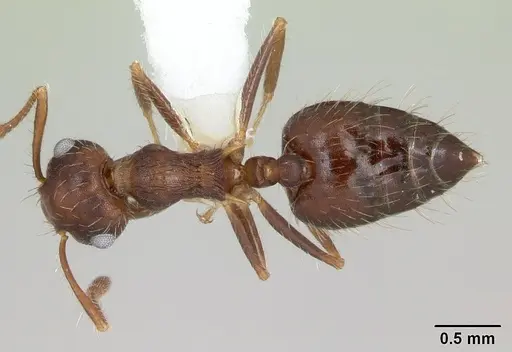
CASENT0173944
View on AntWeb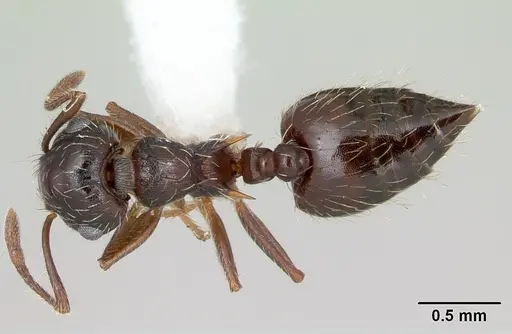
CASENT0193881
View on AntWeb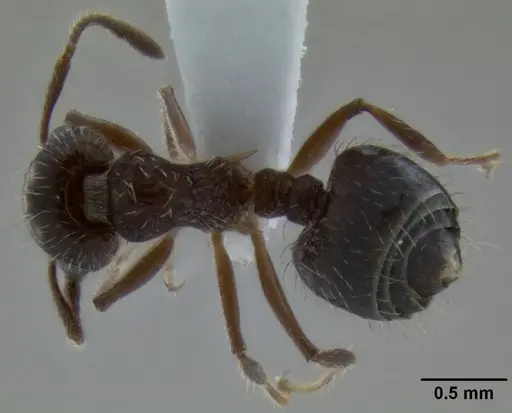
CASENT0625395
View on AntWeb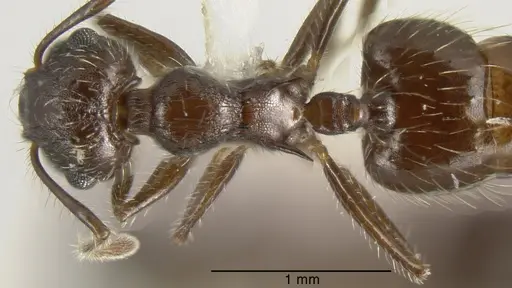
CASENT0905909
View on AntWeb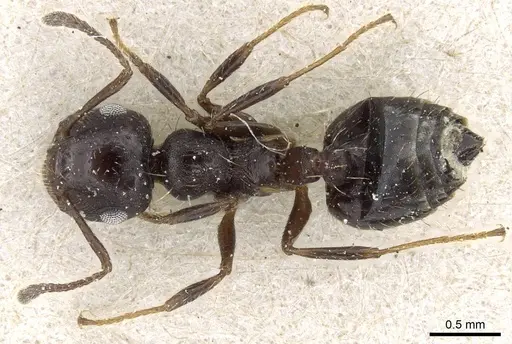
CASENT0908423
View on AntWeb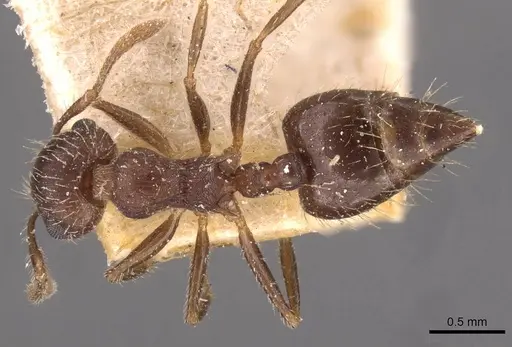
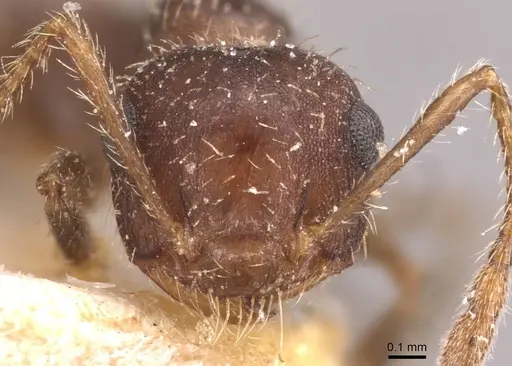
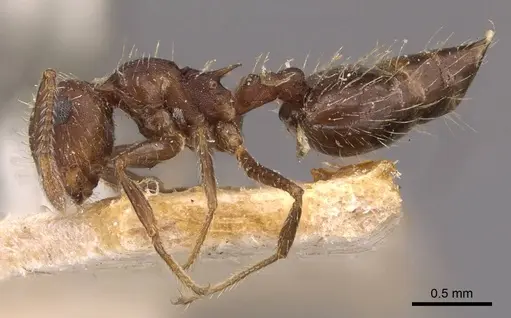
CASENT0908424
View on AntWeb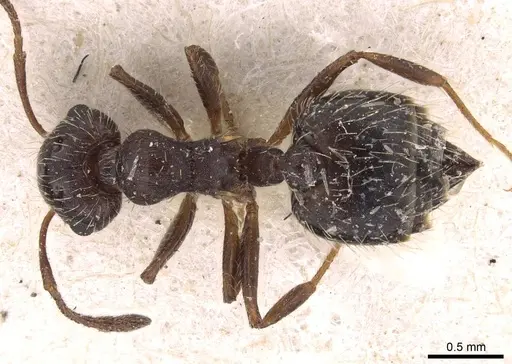
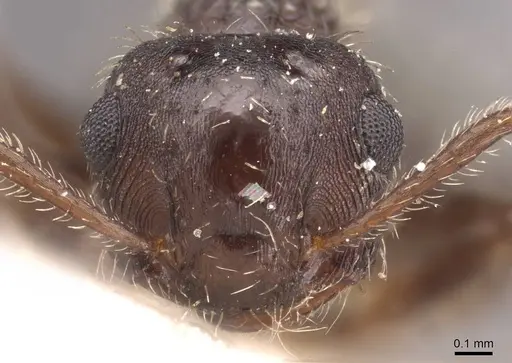
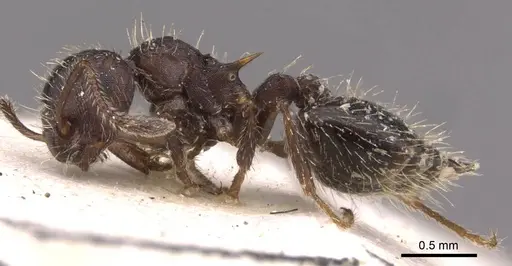
CASENT0914639
View on AntWeb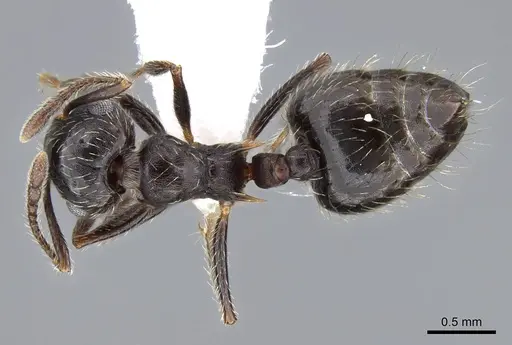
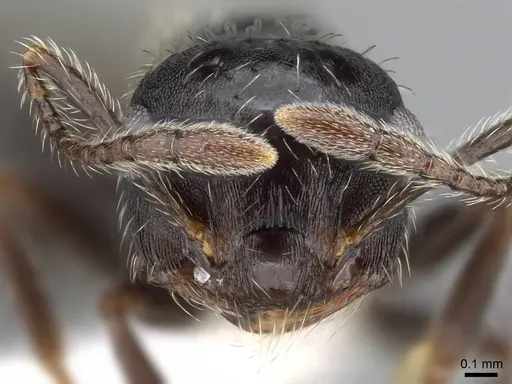
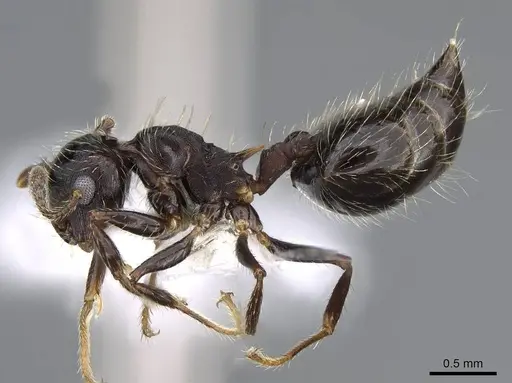
CASENT0922213
View on AntWeb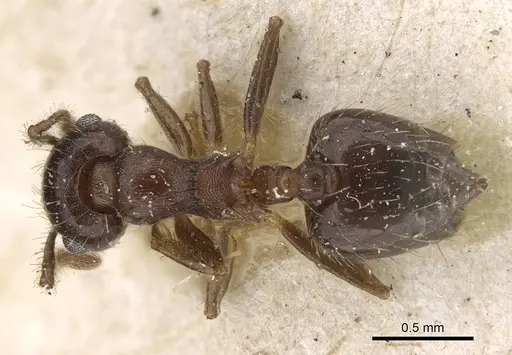
Literature
Loading distribution map...Loading products...