
Crematogaster politula
- Sci. Name
- Crematogaster politula
- Tribe
- Crematogastrini
- Subfamily
- Myrmicinae
- Author
- Forel, 1902
- Distribution
- Found in 2 countries
Introduction
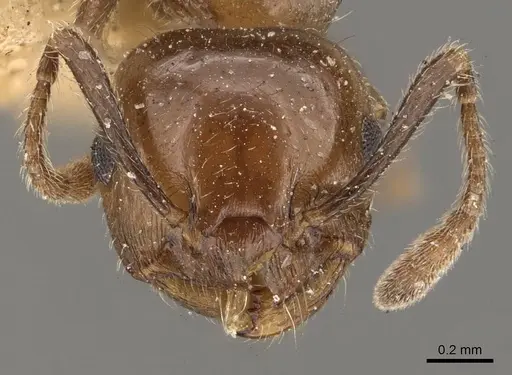
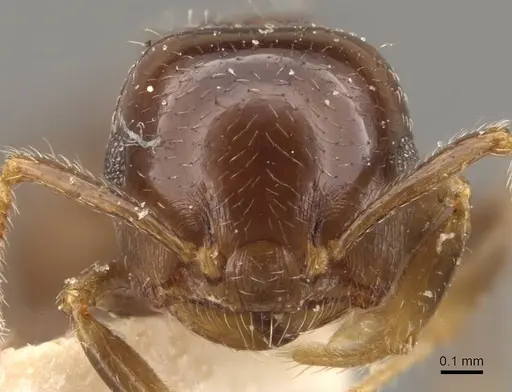
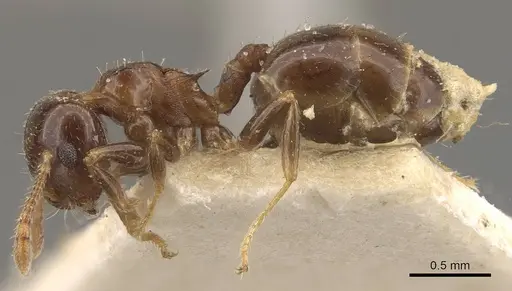
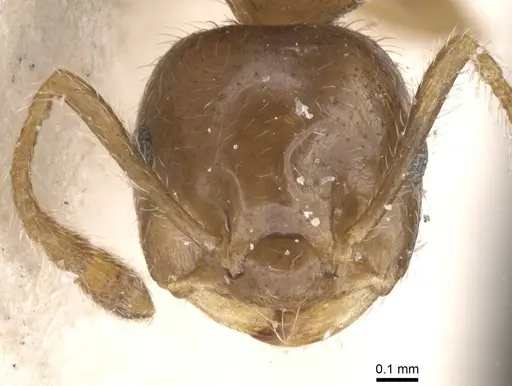
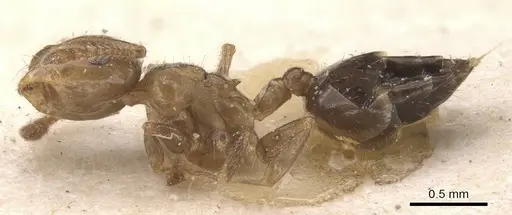
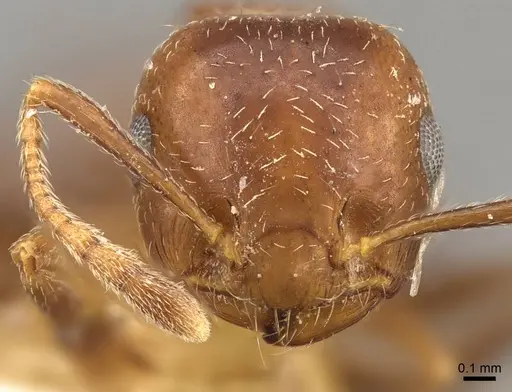
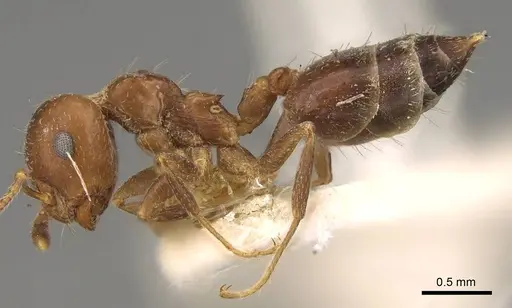
Crematogaster politula is a small acrobat ant species native to South and Southeast Asia, found across India, China, and Myanmar. Workers measure 3-3.5 mm and have a distinctive light chestnut-red coloration with a smooth, shiny body . Their abdomen is heart-shaped (cordate), which they can raise over the thorax when threatened, the classic acrobat ant pose. The antennae are notably long, with the scape extending beyond the top of the head by about one-fifth its length . This species is a habitat specialist restricted to primary forest ecosystems and has not been found in secondary forest or rubber plantations . In Sri Lanka, where it occurs only in the wet zone, it is listed as Critically Endangered .
Quick Summary
- Difficulty: Hard
- Origin & Habitat: Native to the Indomalaya region, found in India (Assam, Meghalaya, Tamil Nadu, Arunachal Pradesh, Himachal Pradesh, Jammu & Kashmir, Sikkim, West Bengal), southern China (Yunnan, Guizhou), and Myanmar [1][5][6][7]. Inhabits primary forest at elevations from 1000–3000 meters [8][9][2].
- Colony Type: Colony structure is not formally studied. Based on typical Crematogaster patterns, likely monogyne (single queen), but this is unconfirmed.
- Size & Growth:
- Antkeeping:
- Temperature: Keep around 22–26°C. Given its Himalayan elevation range (1000–3000 m), this species tolerates cooler conditions, room temperature is likely suitable [9].
- Humidity: Requires moderate to high humidity. In nature it inhabits wet zone primary forest [4][2]. Keep the nest substrate consistently moist but not waterlogged, with some drier areas available.
- Diapause: Likely requires a winter rest period based on its elevational distribution. Reduce temperature to 15–18°C for 2–3 months during winter, and reduce food offerings during this time [8][9].
- Nesting: In nature they likely nest in rotting wood, under bark, or in soil in primary forest [2]. A Y-tong (AAC) or plaster nest works well in captivity. Provide a moisture source and keep humidity moderate to high.
- Behavior: Typical Crematogaster temperament, defensive and quick to respond to threats. Workers will raise their abdomen (acrobat behavior) and may release defensive chemicals (smear venom) when disturbed. They are active foragers that likely tend aphids for honeydew and hunt small insects. Their small size (3 mm) means escape prevention must be excellent, they can squeeze through tiny gaps. Use fine mesh and tight-fitting lids.
- Common Issues: escape prevention is critical due to their tiny 3 mm size, use fine mesh barriers., habitat specialist, wild colonies may struggle if not provided with appropriate primary forest conditions., defensive behavior includes abdominal raising and chemical release, can startle beginners., primary forest dependency means they may not adapt well to artificial environments., critically endangered in Sri Lanka, ensure your source is ethical and legal, and avoid wild collection from sensitive populations.
Natural History and Distribution
Crematogaster politula is a South and Southeast Asian acrobat ant species originally described by Forel in 1902 from Assam, India [10]. It was initially classified as a subspecies of Crematogaster subnuda but was elevated to full species status in 1930 [10]. The species ranges across the Himalayas and into tropical Asia, recorded from multiple Indian states including Tamil Nadu, Assam, Meghalaya, Sikkim, and Arunachal Pradesh [7][5], as well as southern China (Yunnan and Guizhou provinces) and Myanmar [6]. In the Himalayas, it is found at elevations between 1000 and 3000 meters above sea level, with documented presence at 1000 m,2000 m, and 3000 m [8][9]. This species is a habitat specialist that exclusively occupies primary forest environments, research in Xishuangbanna, China, found it in 14 regions of primary forest but not in secondary forest or rubber plantations [2]. In Sri Lanka, it is restricted to the wet zone and is listed as Critically Endangered [4][3].
Identification and Morphology
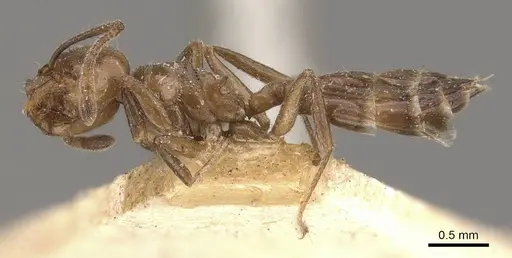
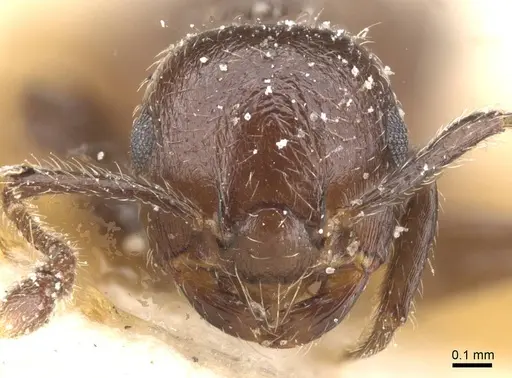
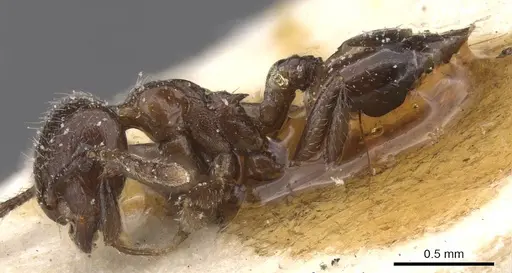
Workers of Crematogaster politula measure 3–3.5 mm in length and have a distinctive light chestnut-red coloration [1]. The head, thorax, and abdomen are smooth and shining with very minute but sparse puncturing. The head is slightly longer than broad with convex cheeks. Antennae are notably long, the scape extends beyond the top of the head by about one-fifth its own length. The pronotum is broad and flat above, rounded in front, and somewhat angular on the sides. The promesonotal suture is obsolete while the meso-metanotal suture is distinct. Metanotal spines are thick at the base, short, and acute. The first node of the pedicel is flat above, broad, and subtriangular. The second node has a short petiole in front and is posteriorly longitudinally grooved with two equal rounded tubercles. The abdomen is cordate (heart-shaped), the characteristic feature that gives acrobat ants their common name: they can raise it over the thorax when threatened [1].
Nest Preferences and Housing
In their natural habitat, Crematogaster politula nests in rotting wood, under bark, or in soil within primary forest ecosystems [2]. Given their elevation range of 1000–3000 m in the Himalayas [8][9], they are adapted to cooler, more humid conditions than many tropical ants. For captive care, a Y-tong (AAC) nest or plaster nest works well, these materials hold moisture and provide the dark, humid environment they prefer. The nest should have chambers scaled to their small 3 mm worker size. Keep the nest substrate consistently moist but not waterlogged, with some slightly drier areas so the ants can self-regulate. Escape prevention is critical: use fine mesh (0.5 mm or smaller) on all ventilation and access points, as these tiny ants can squeeze through remarkably small gaps.
Feeding and Diet
Like other Crematogaster species, Crematogaster politula is an omnivorous forager that likely feeds on honeydew from aphids and scale insects, plus small insects and arthropods for protein. In captivity, offer a varied diet including sugar water or honey as a constant energy source, and protein sources such as small insects (fruit flies, small mealworms, crickets), freeze-dried insects, or protein gels. They are active foragers, so place food in the outworld where they can find it. Remove uneaten protein after 24–48 hours to prevent mold. Prey items should be small enough for the ants to handle, not larger than the ants themselves.
Temperature and Seasonal Care
Based on their Himalayan distribution at elevations of 1000–3000 m, Crematogaster politula likely prefers cooler temperatures than many tropical ants [8][9]. Keep the nest around 22–26°C, typical room temperature in most homes. They can tolerate cooler conditions, as their natural range includes higher elevations with lower temperatures. A heating cable on one side of the nest can create a temperature gradient if your room runs cool, but this species probably does not need additional heating in most situations. Given their elevational range, they experience seasonal temperature changes and would benefit from a winter rest period. Reduce temperature to 15–18°C for 2–3 months during winter and reduce food offerings during this time. This mimics their natural cycle in the Himalayas [8][9].
Behavior and Defense
Crematogaster politula displays classic acrobat ant behavior: when threatened, workers raise their abdomen over the thorax to appear larger and more threatening. This is accompanied by the release of defensive chemicals from the abdominal glands, a smear-type venom applied with a modified stinger (typical of the subfamily Myrmicinae, tribe Crematogastrini). They are alert and quick-moving foragers. Workers are not particularly large but are aggressive in defending the nest. Their small size (3 mm) makes them excellent escape artists, use fine mesh (0.5 mm or smaller) on all ventilation and access points. Despite their small size, they are active and engaging to watch as they forage and interact with their environment. [1]
Conservation and Ethical Considerations
Crematogaster politula is listed as Critically Endangered in Sri Lanka according to the National Red List 2012 [3]. This status, combined with their specialization to primary forest habitats, makes wild collection concerning in some regions. They are a habitat specialist restricted to primary forest, they are not found in secondary growth or agricultural areas like rubber plantations [2]. If obtaining this species, ensure your source is ethical and that the colony was not harvested from sensitive populations. Captive breeding is preferable to wild collection whenever possible. In Sri Lanka, collection from the wild may be illegal, check local laws before acquiring.
Frequently Asked Questions
How long does it take for Crematogaster politula to produce first workers?
Based on typical Crematogaster development patterns, expect 6–8 weeks from egg to first worker at optimal temperature (around 24°C). This is an estimate based on genus patterns, as specific development data for this species is not available.
What do Crematogaster politula ants eat?
Like other acrobat ants, they are omnivorous. Offer sugar water or honey as a constant energy source, plus small insects (fruit flies, small mealworms) for protein. They are likely active foragers that discover food in the outworld.
Do Crematogaster politula ants sting?
Crematogaster ants do not have a functional sting. Instead, they use a modified stinger to smear venom on attackers (smear defense). This is more of a chemical deterrent than a true sting.
What temperature do Crematogaster politula ants need?
Keep them around 22–26°C. Their Himalayan distribution at 1000–3000 m elevation suggests they tolerate cooler temperatures than typical tropical ants. Room temperature is likely suitable [8][9].
Are Crematogaster politula ants good for beginners?
This is a hard-difficulty species. Their small size and excellent escape abilities require careful husbandry. They are also a habitat specialist with conservation concerns in parts of their range. Not recommended for beginners.
Do Crematogaster politula ants need hibernation?
Yes, given their Himalayan distribution at elevated ranges, they likely benefit from a winter rest period. Reduce temperature to 15–18°C for 2–3 months during winter, reducing food offerings during this time [8][9].
How big do Crematogaster politula colonies get?
Based on genus patterns, colonies likely reach several hundred workers. Specific colony size data is not available for this species.
Can I keep multiple Crematogaster politula queens together?
This species is likely monogyne (single queen) based on typical Crematogaster patterns, but this is unconfirmed. Combining unrelated queens is not recommended as they would likely fight.
Why are my Crematogaster politula ants escaping?
Their tiny 3 mm size makes them excellent escape artists. Use fine mesh (0.5 mm or smaller) on all openings, including ventilation holes. Check all seams and connections for gaps. Tiny ants can squeeze through remarkably small spaces [1].
What is the best nest type for Crematogaster politula?
A Y-tong (AAC) nest or plaster nest works well. These hold moisture and provide the humid, dark environment they prefer. Keep the nest substrate consistently moist but not waterlogged [2].
Where is Crematogaster politula found in the wild?
They are native to the Indomalaya region, found in India (Assam, Meghalaya, Tamil Nadu, and Himalayan states), southern China (Yunnan, Guizhou), and Myanmar. They are a primary forest specialist found at elevations of 1000–3000 m [8][7][6][2].
Is Crematogaster politula endangered?
In Sri Lanka, it is listed as Critically Endangered [3]. It is also a habitat specialist restricted to primary forest, which makes it vulnerable to habitat loss. Ensure any colony obtained comes from ethical sources and check local laws before acquiring.
Report an Issue
The current care sheet is based fully on literature. See inconsistencies, or something that's incorrect? Please , it will be resolved after review from an admin. Contributing to the blogs tab also helps providing information, to make us be able to further improve the caresheets. Thank you for your support!
References

This caresheet is licensed under CC BY-SA 4.0 .
Community Blogs
CASENT0908566
View on AntWeb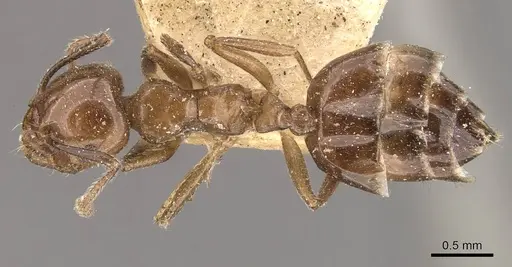
CASENT0908571
View on AntWeb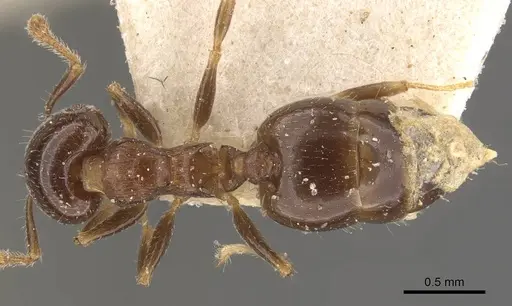
CASENT0912713
View on AntWeb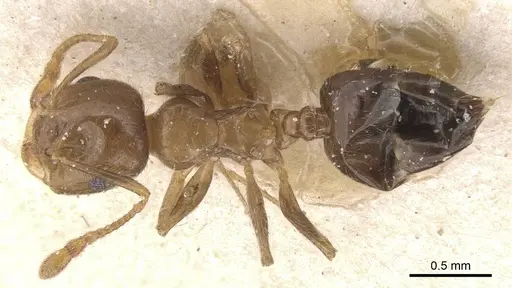
CASENT0912714
View on AntWeb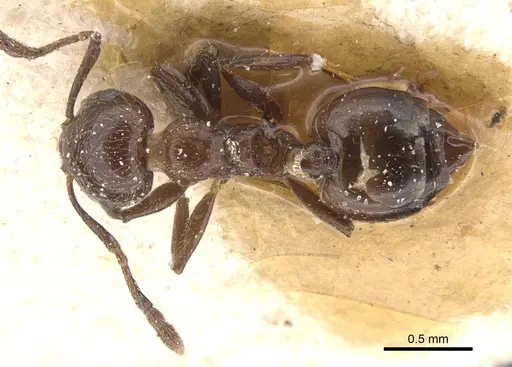
CASENT0914072
View on AntWeb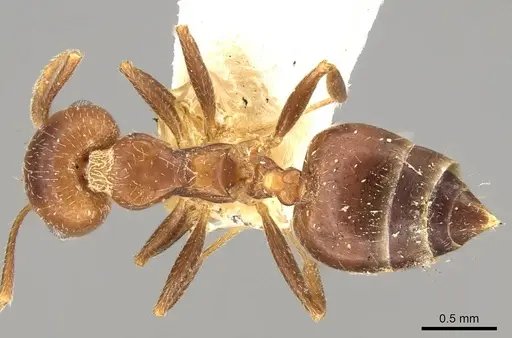
Literature
Loading distribution map...Loading products...