
Crematogaster pia
- Sci. Name
- Crematogaster pia
- Tribe
- Crematogastrini
- Subfamily
- Myrmicinae
- Author
- Forel, 1911
- Distribution
- Found in 1 countries
Introduction
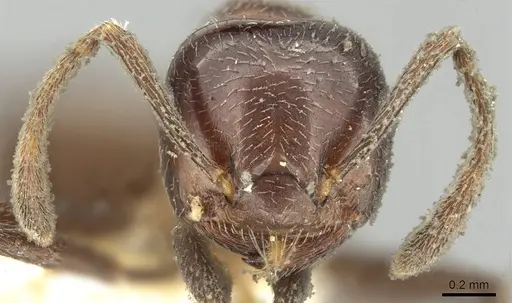
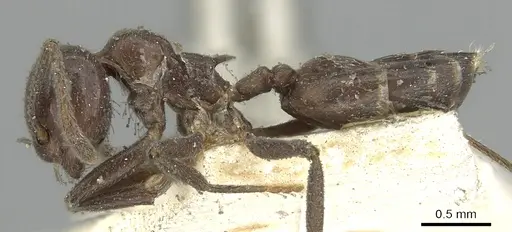
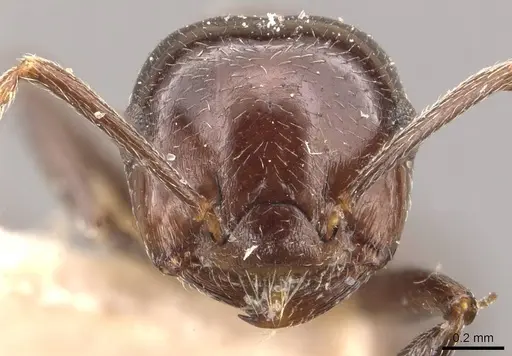
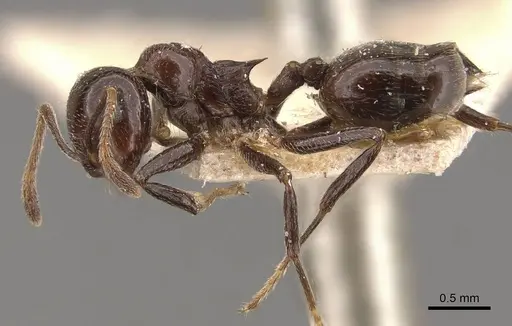
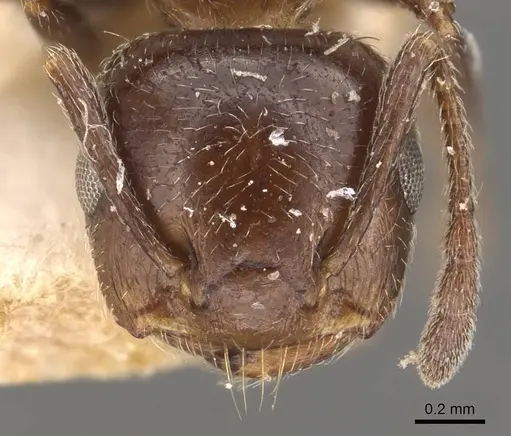
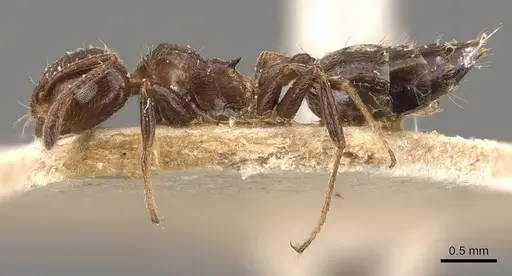
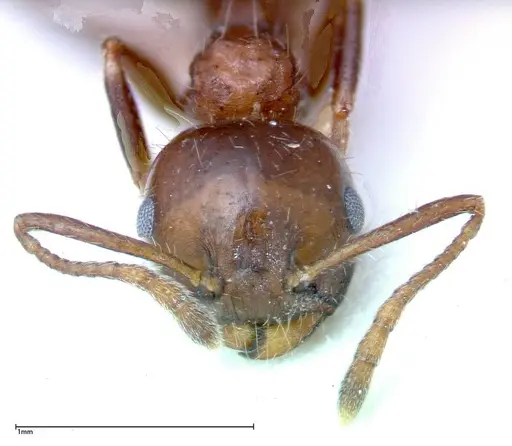
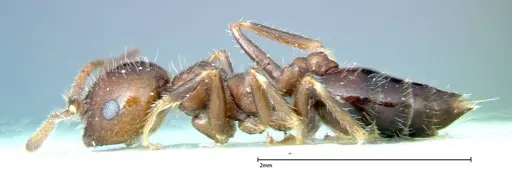
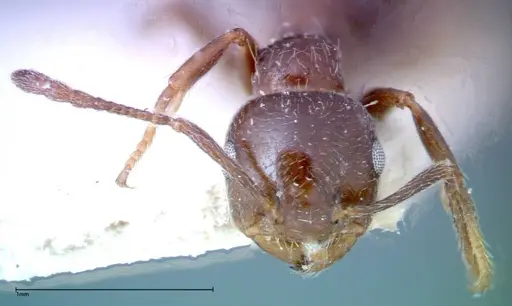
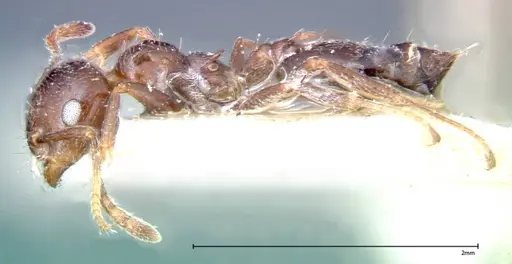
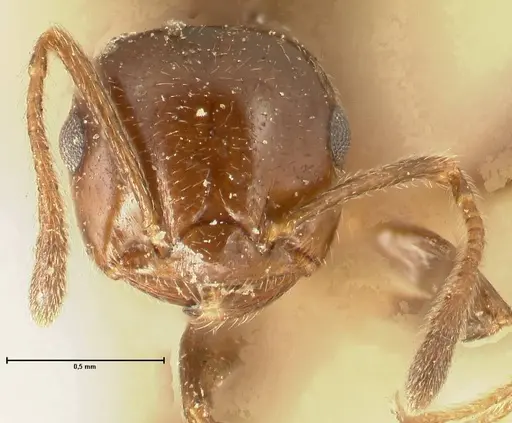
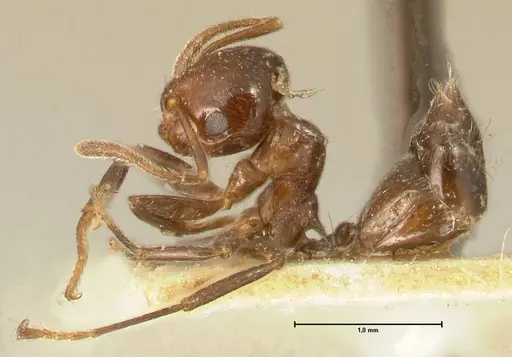
Crematogaster pia is a tiny arboreal ant species native to the forests of Malaysia and Thailand . Workers have a distinctive reddish-brown to brownish coloration with a smooth, shiny body and notably long propodeal spines that help distinguish them from similar species like Crematogaster butteli and Crematogaster tumidula . They build distinctive carton nests in well-developed forests - they construct these papery nests by chewing plant material and creating lightweight, protective structures in tree canopies [AntWiki]. Their small size and arboreal lifestyle mean they require specialized care focused on vertical space and escape prevention.
Quick Summary
- Difficulty: Medium
- Origin & Habitat: Tropical forests of Malaysia (Peninsula) and Thailand [1][2]. They inhabit well-developed forests where they build carton nests and forage on trees [1].
- Colony Type: Colony structure is unconfirmed. Many Crematogaster species are polygynous (multiple queens), but this has not been documented specifically for C. pia.
- Size & Growth:
- Queen: Size data unavailable, not documented for this species
- Worker: ~3-4mm, inferred from Crematogaster genus [1]
- Colony: Unknown, colony size has not been documented for this species
- Growth: Moderate
- Development: Unconfirmed, development timeline has not been studied for this species (Development time is based on typical tropical ant patterns rather than species-specific research.)
- Antkeeping:
- Temperature: Keep at 24-28°C based on their tropical forest origin in Malaysia and Thailand. A gentle gradient allowing them to move between warmer and cooler areas is ideal.
- Humidity: High humidity is essential. These forest-dwelling ants need consistently moist conditions. Mist the outworld regularly and ensure the nest area maintains humidity without becoming waterlogged.
- Diapause: No, as a tropical species from Malaysia and Thailand, they do not require hibernation. Maintain warm conditions year-round.
- Nesting: Crematogaster pia builds carton nests in nature, so they adapt well to Y-tong (AAC) nests, plaster nests, or naturalistic setups with cork or plant material. They prefer vertical nesting structures that allow them to build upward. Provide narrow chambers scaled to their tiny size.
- Behavior: These ants are arboreal foragers, they spend most of their time in the nest and foraging on vertical surfaces. They are generally non-aggressive and peaceful. Their tiny size makes them excellent escape artists, escape prevention must be excellent with fine mesh barriers and tight-fitting lids. They likely form trails along branches and surfaces to reach food sources.
- Common Issues: escape prevention is critical due to their very small size, they can squeeze through the tiniest gaps, tropical humidity requirements can lead to mold problems if ventilation is poor, wild-caught colonies may have parasites that are difficult to detect, slow founding phase, queens may take months to produce first workers, carton-nesting behavior means they need vertical space and suitable nesting material
Housing and Nest Setup
Crematogaster pia requires housing that accounts for their tiny size and arboreal nature. Use a Y-tong (AAC) nest, plaster nest, or a naturalistic setup with cork or plant material that they can modify. The chambers should be small and tight-fitting. Provide vertical space since they naturally nest upward in carton structures. The outworld should include vertical surfaces like twigs or cork bark pieces that mimic their natural tree-foraging habitat. Escape prevention is critical, use fine mesh on all ventilation holes and ensure all lids fit tightly. Even the smallest gap will result in escaped ants. [1][2]
Temperature and Humidity
As a tropical species from Malaysia and Thailand, Crematogaster pia needs warm, humid conditions year-round. Maintain temperatures between 24-28°C, avoiding drops below 22°C. A heating cable on one side of the nest can create a gentle gradient, but avoid direct heat that could dry out the nest. Humidity should stay high. These forest-dwelling ants are sensitive to dry conditions, the nest substrate should remain consistently moist but not waterlogged. Regular misting of the outworld helps maintain humidity. Good ventilation is important to prevent mold, but avoid excessive airflow that dries the environment. [1]
Feeding and Diet
Like other Crematogaster species, C. pia likely has a varied diet including honeydew from aphids and scale insects, small insects, and sugar sources. Offer sugar water, honey, or diluted syrup as a constant energy source. For protein, provide small live prey like fruit flies, pinhead crickets, or other tiny insects. Since they are arboreal foragers, place food on vertical surfaces or near the nest entrance rather than on the floor of the outworld. Feed protein sources several times per week, and keep sugar water available at all times. Remove uneaten prey after a day or two to prevent mold.
Colony Development and Growth
The founding phase for Crematogaster pia may be slow, queens seal themselves in and may take several months to produce their first workers. Once the colony establishes, growth is likely moderate. The first workers will be smaller than mature workers. Colony size will gradually increase over time. Be patient during the founding phase, disturbing the queen can be fatal. Do not overfeed during early founding as it can lead to mold problems in the enclosed chamber. [1]
Behavior and Observation
Crematogaster pia is a peaceful, non-aggressive species that is enjoyable to observe. Workers are active foragers that will establish trails to food sources. Their small size and arboreal nature mean you may see them climbing on twigs, plant material, and vertical surfaces more than walking on the ground. They have a characteristic habit of raising their abdomen when disturbed, this is a defensive display but they rarely sting. Watch for their carton-building behavior if you provide suitable materials like cork or plant matter. [1]
Seasonal Care
As a tropical species, Crematogaster pia does not require hibernation or diapause. Maintain consistent warm temperatures and humidity year-round. Seasonal changes in captivity are not necessary and could harm the colony. Keep them away from air conditioning vents, drafts, or any area where temperatures might drop. If your room temperature naturally fluctuates with seasons, monitor the colony closely and provide supplemental heating if needed during cooler months.
Frequently Asked Questions
How long does it take for Crematogaster pia to produce first workers?
The exact timeline is not documented for this species. Based on typical Crematogaster development, expect several months for the founding phase as the queen seals herself in and raises the first brood alone.
Can I keep Crematogaster pia in a test tube setup?
Yes, a test tube setup can work for founding colonies. However, due to their tiny size, ensure the cotton plug is packed tightly and consider adding a barrier like fluon to prevent escapes. You may need to modify the setup with smaller water reservoirs or use a mini test tube. Monitor humidity carefully as small test tubes dry out faster.
What size colony does Crematogaster pia reach?
Colony size is not directly documented for this species. They are not among the largest Crematogaster species but can still grow to substantial colonies with proper care.
Do Crematogaster pia ants sting?
Crematogaster ants have a modified stinger used to smear venom rather than pierce flesh. Their small size means any sting is typically not painful to humans. They may raise their abdomen as a defensive display when threatened, but they are generally peaceful and non-aggressive.
Are Crematogaster pia good for beginners?
This species is rated as Medium difficulty. While not the most challenging species, their tiny size requires excellent escape prevention and their tropical humidity needs demand attention. Beginners should be prepared for the specific requirements of arboreal, tropical ants before acquiring this species.
What do Crematogaster pia eat?
They likely accept a varied diet similar to other Crematogaster species: sugar sources like honey or sugar water, and small protein prey such as fruit flies or tiny crickets. Offer sugar water constantly and protein several times per week.
Do Crematogaster pia need hibernation?
No. As a tropical species from Malaysia and Thailand, they do not require hibernation. Keep them warm year-round at 24-28°C. Hibernation attempts could be fatal to these tropical ants.
Why are my Crematogaster pia escaping?
Their tiny size makes them excellent escape artists. Check all ventilation holes, even tiny gaps need fine mesh. Ensure lids fit tightly and consider adding fluon barriers to the rim of the outworld. Examine any connections between nest and outworld for gaps.
When should I move my colony to a formicarium?
Move to a formicarium when the test tube or founding setup becomes crowded, typically when the colony reaches several dozen workers. For this tiny species, ensure the formicarium has appropriately sized chambers and maintains high humidity. A naturalistic or acrylic setup with vertical space works well.
Can I keep multiple Crematogaster pia queens together?
Colony structure (monogyne vs polygyne) is not documented for this species. Many Crematogaster are polygynous, but combining unrelated queens has not been studied. It is not recommended to combine unrelated foundresses as aggression may occur. Wait until you have an established colony before attempting any queen combinations.
Report an Issue
The current care sheet is based fully on literature. See inconsistencies, or something that's incorrect? Please , it will be resolved after review from an admin. Contributing to the blogs tab also helps providing information, to make us be able to further improve the caresheets. Thank you for your support!
References

This caresheet is licensed under CC BY-SA 4.0 .
Community Blogs
CASENT0902126
View on AntWeb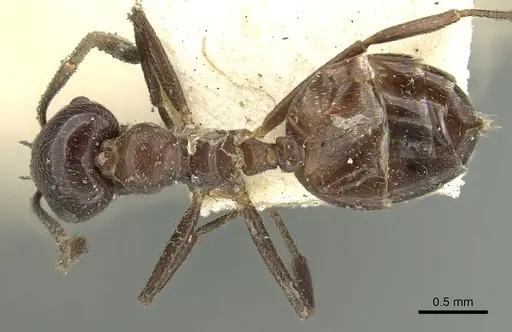
CASENT0908587
View on AntWeb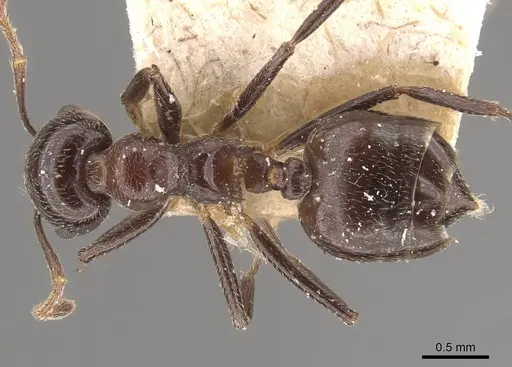
CASENT0908588
View on AntWeb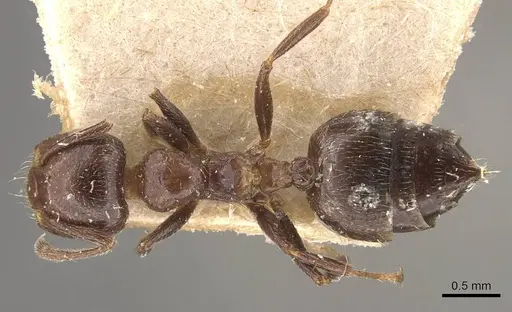
FOCOL0267-1
View on AntWeb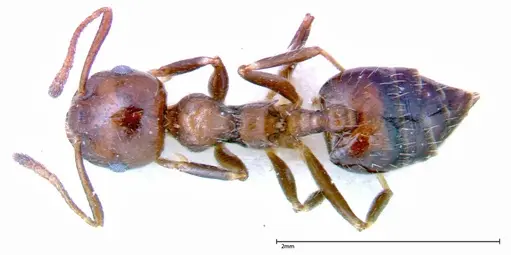
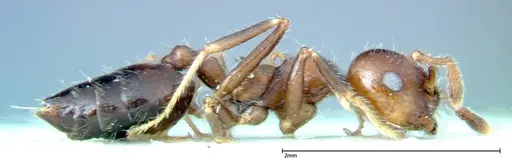
FOCOL0267-2
View on AntWeb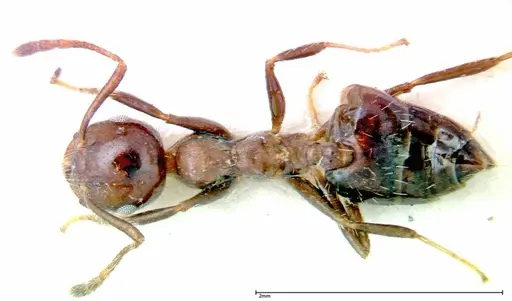
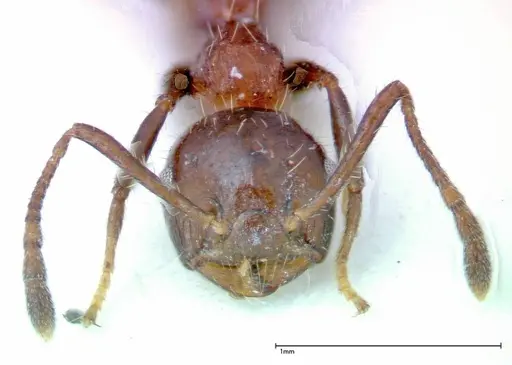
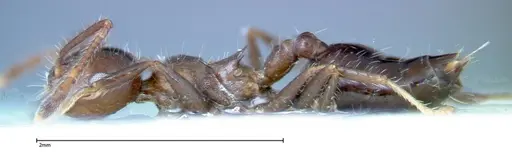
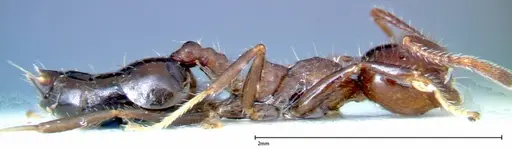
FOCOL0268
View on AntWeb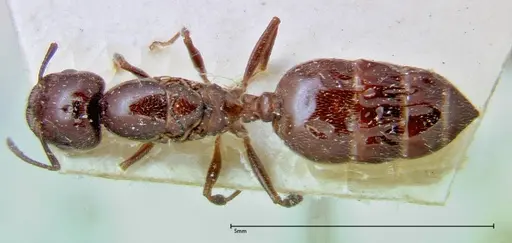
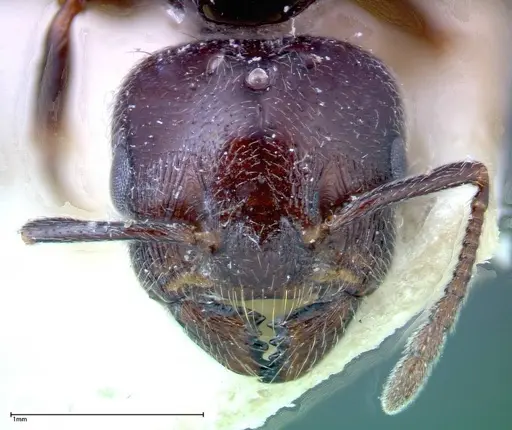
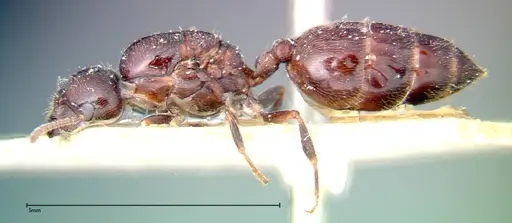
FOCOL0269
View on AntWeb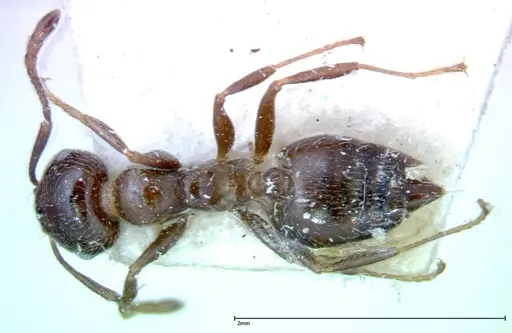
FOCOL1442
View on AntWeb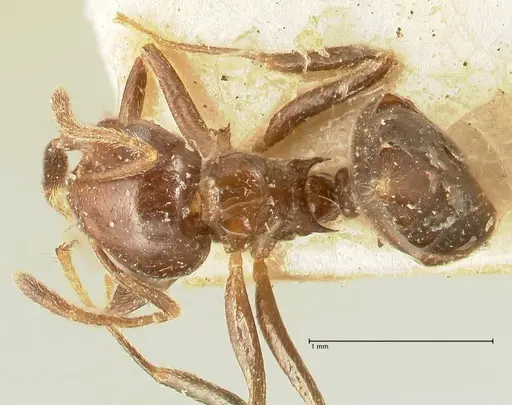
Literature
Loading distribution map...Loading products...