
Crematogaster perelegans
- Sci. Name
- Crematogaster perelegans
- Tribe
- Crematogastrini
- Subfamily
- Myrmicinae
- Author
- Forel, 1902
- Distribution
- Found in 1 countries
Introduction
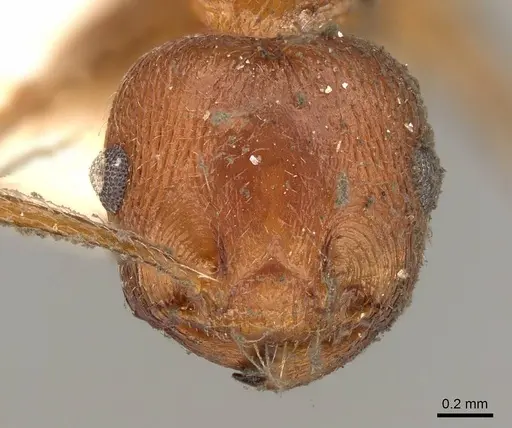
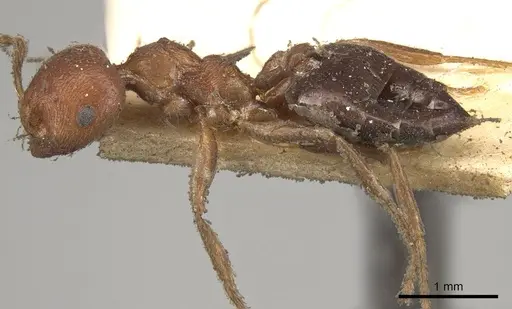
Crematogaster perelegans is a small ant species native to India, first described by Forel in 1902 from the Poona region (Maharashtra). Workers have the characteristic heart-shaped gaster that gives acrobat ants their name - when threatened, they raise their abdomen over their head like a scorpion. The species has dark brown to black coloration with lighter legs, and features striations on the pronotum and upcurved propodeal spines . This species is recorded across multiple Indian states including Himachal Pradesh, Karnataka, Maharashtra, Punjab, Tamil Nadu, and northeastern regions like Assam, Sikkim, and West Bengal . What makes Crematogaster perelegans interesting is their arboreal nesting preferences. Like other acrobat ants, they are highly active foragers that maintain complex trail systems. They are known for their ability to quickly escape predators by running in erratic patterns and using their elevated gaster as a defensive weapon. These ants are also recognized for their relationship with honeydew-producing insects and their tendency to nest in elevated locations such as tree hollows, under bark, or in wall cavities.
Quick Summary
- Difficulty: Medium
- Origin & Habitat: India, found across multiple states from the Western Ghats to the northeastern Himalayas. In nature, they nest in arboreal locations including tree hollows, under bark, and wall cavities, as well as in soil under stones [2][1]. This species was recorded in all 8 habitat types surveyed in an urban-periurban study in Maharashtra, showing high adaptability [3].
- Colony Type: Colony structure has not been directly documented for this species. Based on typical Crematogaster patterns, single-queen colonies are most common.
- Size & Growth:
- Queen: Size data unavailable, inferred from Crematogaster genus patterns (~6-8mm)
- Worker: Size data unavailable, inferred from Crematogaster genus patterns (~3-5mm)
- Colony: Up to several hundred workers (estimated from genus patterns)
- Growth: Moderate, based on genus patterns
- Development: Estimated 6-8 weeks at optimal temperature based on typical Myrmicinae development (Development time is estimated from related species, specific data for C. perelegans is not available)
- Antkeeping:
- Temperature: Keep at 22-26°C. These are warm-climate ants from India, so they prefer temperatures in the mid-range. A heating cable on one side of the nest can create a gentle gradient if room temperature falls below 22°C.
- Humidity: Moderate humidity around 50-60%. They prefer drier conditions compared to many Myrmicinae. Allow the nest to partially dry between water additions, mist lightly and let it dry out rather than keeping it constantly damp.
- Diapause: Unknown for this species. Indian ants may reduce activity during cooler months but true hibernation is unlikely given their tropical/subtropical origin. Consider a slight cooling period (15-18°C) for 2-3 months in winter if the colony shows reduced activity.
- Nesting: Y-tong (AAC) nests work well for this species. Their arboreal nature means they prefer nests with some elevation and narrow chambers. Plaster nests are also suitable. Avoid overly damp substrates, they prefer drier nest conditions.
- Behavior: Crematogaster perelegans is active and alert. Workers are fast-moving and will quickly investigate disturbances. Their primary defense is the ability to raise their gaster and release formic acid from the tip, this is a smear defense mechanism typical of the Crematogastrini tribe. They are excellent climbers and may escape if given the opportunity, use fluon barriers on the rim of the outworld. They are not aggressive toward humans but will defend their nest vigorously. Workers forage in trails and readily accept both sugar and protein foods.
- Common Issues: escape prevention is critical, they are excellent climbers and will find any gap, colonies can be slow to establish in the first few months, leading some keepers to give up too soon, overheating is a risk, keep them away from direct sunlight and heat sources above 30°C, wild-caught colonies may have parasites that cause issues in captivity, they produce alates frequently, ensure proper containment if you don't want nuptial flights
Housing and Nest Setup
Crematogaster perelegans does well in Y-tong (AAC) nests or plaster nests. Their small size means they can escape through surprisingly small gaps, use fine mesh on any ventilation holes and apply fluon or barrier gel to the rim of the outworld. They prefer dry conditions but not desert-dry, aim for substrate that feels dry on top but retains some moisture underneath. A small water reservoir in the nest setup helps maintain basic humidity without creating damp conditions. The outworld should have a small foraging area with easy access to food. Because they are arboreal by nature, they appreciate having some vertical space in their foraging area.
Feeding and Diet
Like other Crematogaster species, these ants are omnivorous and readily accept both sugar and protein sources. Offer sugar water (1:1 ratio with water) or honey water as a constant sugar source. For protein, they accept small insects like fruit flies, small mealworms, and cricket pieces. They also eat honeydew if you keep aphids or scale insects. Feed protein 2-3 times per week, and always have sugar water available. Remove uneaten protein after 24-48 hours to prevent mold. These ants are enthusiastic foragers and will quickly discover and recruit to food sources.
Temperature and Seasonal Care
Keep your colony at 22-26°C for optimal activity and brood development. They can tolerate temperatures as low as 18°C and as high as 30°C, but prolonged exposure to extremes should be avoided. During winter, if you notice reduced activity, you can place them in a cooler area (15-18°C) for 2-3 months, this mimics their natural seasonal cycle in India. Do not feed them during this cool period, or feed very sparingly. Return them to warm conditions in spring. Avoid placing the nest in direct sunlight or near heating elements that could cause overheating.
Behavior and Defense
Crematogaster perelegans gets its 'acrobat ant' name from its defensive behavior, when threatened, workers raise their abdomen over their head, exposing the tip which can release formic acid. This smear defense mechanism is typical of the Crematogastrini tribe, where the stinger is modified to wipe venom onto enemies rather than piercing flesh. They are not particularly aggressive but will defend their nest vigorously if disturbed. Workers are fast-moving and excellent climbers, so escape prevention is essential. They establish clear foraging trails and can become quite bold once established in captivity. The colony will likely produce alates as it matures.
Colony Establishment and Growth
A newly mated queen will seal herself in a claustral chamber and lay eggs without foraging. The first brood develops entirely from the queen's stored fat reserves. After 6-8 weeks (estimated), the first workers (nanitics) emerge, these are typically smaller than normal workers. Once workers emerge, the colony enters a growth phase. Expect slow growth in the first few months as the colony establishes. After the nanitics mature, the queen will lay more eggs and the colony should grow more steadily. A healthy established colony can reach several hundred workers over 1-2 years. Patience is key with this species, they are not fast growers but can live for many years once established.
Frequently Asked Questions
How long does it take for Crematogaster perelegans to have first workers?
Expect first workers (nanitics) to emerge in about 6-8 weeks after the queen lays eggs, assuming temperatures around 24°C. This is an estimate based on related Crematogaster species, specific development data for C. perelegans is not available.
What do Crematogaster perelegans ants eat?
They are omnivorous. Offer sugar water or honey constantly, and feed protein (small insects like fruit flies, mealworms, or cricket pieces) 2-3 times per week. They will also consume honeydew from aphids if available.
Do Crematogaster perelegans ants sting?
They have a mild sting and can release formic acid from their elevated gaster as a defense. For humans, the sting is minor, more of a burning sensation than painful. They are not considered dangerous to handle.
Can I keep Crematogaster perelegans in a test tube?
Test tubes work for founding colonies. Use a standard test tube setup with a cotton ball providing water access. Once the colony reaches 20-30 workers, consider moving them to a proper nest (Y-tong or plaster) for better space and humidity control.
Do Crematogaster perelegans need hibernation?
True hibernation is not required, but a cool period (15-18°C) for 2-3 months during winter can benefit the colony if you notice reduced activity. This mimics their natural seasonal cycle in India. Reduce feeding during this period.
How big do Crematogaster perelegans colonies get?
Based on typical Crematogaster patterns, expect up to several hundred workers in a mature colony. They are not among the largest ant species but can live for many years once established.
Are Crematogaster perelegans good for beginners?
They are rated as medium difficulty. They are more active and require better escape prevention than some beginner species, but they are not particularly difficult to keep. Their main challenges are escape prevention and patience during the founding phase.
Why are my Crematogaster perelegans escaping?
They are excellent climbers due to their arboreal nature. Apply fluon or barrier gel to the rim of the outworld, use fine mesh on any ventilation, and check all lid seals regularly. Even tiny gaps can lead to escapes.
When should I move my colony to a formicarium?
Move from a test tube to a proper nest when the colony reaches 20-30 workers or when you notice the test tube becoming cramped. Y-tong (AAC) nests work well for this species.
Can I keep multiple Crematogaster perelegans queens together?
This has not been documented for this species. Based on typical Crematogaster behavior, single-queen colonies are most common. It is not recommended to combine unrelated queens as they may fight.
Report an Issue
The current care sheet is based fully on literature. See inconsistencies, or something that's incorrect? Please , it will be resolved after review from an admin. Contributing to the blogs tab also helps providing information, to make us be able to further improve the caresheets. Thank you for your support!
References

This caresheet is licensed under CC BY-SA 4.0 .
Community Blogs
CASENT0908586
View on AntWeb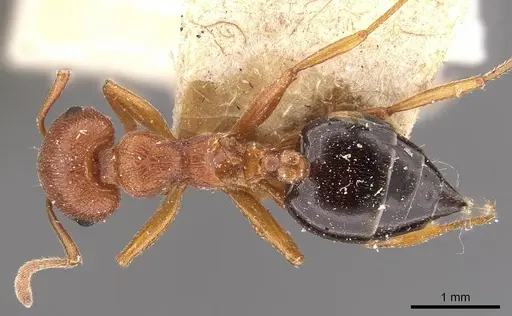
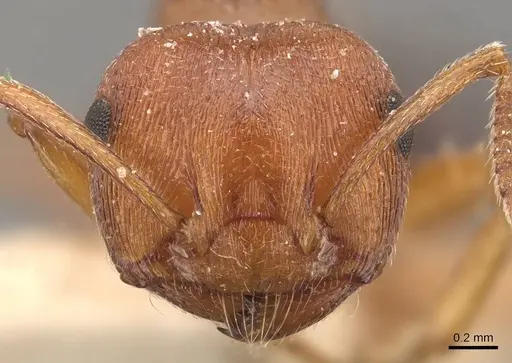
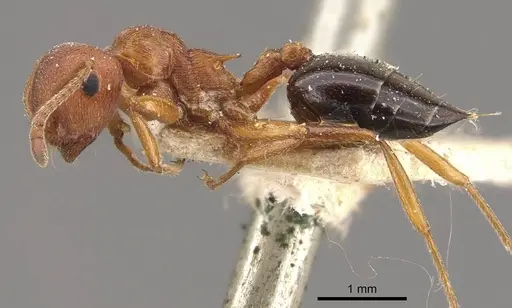
CASENT0914075
View on AntWeb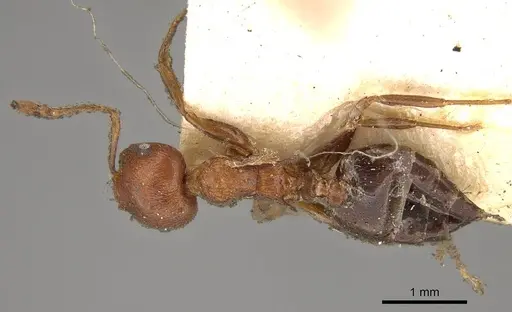
Literature
Loading distribution map...Loading products...