
Crematogaster pauciseta
- Sci. Name
- Crematogaster pauciseta
- Subgenus
- Orthocrema
- Tribe
- Crematogastrini
- Subfamily
- Myrmicinae
- Author
- Emery, 1899
- Distribution
- Found in 2 countries
Introduction
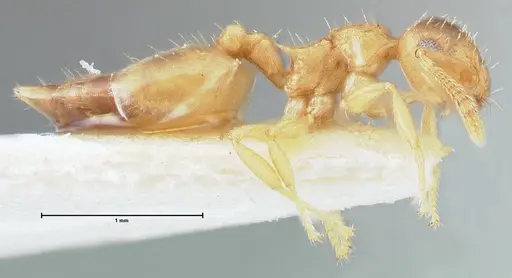
Crematogaster pauciseta is a small ant species native to the Democratic Republic of Congo, specifically recorded in province TO . The genus Crematogaster is known for their distinctive acrobatic defense behavior - when threatened, they raise their abdomen over their head like a scorpion, which is how they earned the common name 'acrobat ants'. Workers have the characteristic heart-shaped gaster that gives them excellent maneuverability. This species has been documented in Congo from 1915 to 2018, but no specific biological or ecological research exists for this particular species . The subfamily Myrmicinae uses a smear defense mechanism where venom is wiped onto enemies rather than piercing flesh.
Quick Summary
- Difficulty: Unknown, this species has no documented captive care information. Care is entirely experimental and based on genus-level assumptions.
- Origin & Habitat: Democratic Republic of Congo, province TO [1]. Specific habitat preferences are unconfirmed. Related Crematogaster species typically inhabit forested areas and nest in trees or woody debris.
- Colony Type: Unconfirmed. Many Crematogaster species are polygyne (multiple queens) but colony structure for this specific species is unknown.
- Size & Growth:
- Queen: ~5-8mm, inferred from Crematogaster genus patterns [2]
- Worker: ~2-4mm, inferred from Crematogaster genus patterns [2]
- Colony: Unknown
- Growth: Unknown
- Development: Unknown, typical tropical Crematogaster species may take 4-8 weeks (No direct development data exists for this species.)
- Antkeeping:
- Temperature: Unknown, start around 22-26°C and observe colony activity. Tropical species likely prefer warmth.
- Humidity: Unknown, aim for moderate humidity (50-70%) typical of forest-dwelling ants.
- Diapause: Unknown, tropical species typically do not require hibernation but may have seasonal activity changes.
- Nesting: Unconfirmed. Most Crematogaster species are arboreal or nest in rotting wood. A Y-tong or naturalistic setup with wood or bark pieces works well.
- Behavior: Behavior is unconfirmed for this species. General Crematogaster traits include: defensive acrobatic posturing when threatened, moderate foraging activity, and preference for elevated nesting sites. Escape prevention is important given their small size.
- Common Issues: no specific research exists, care is largely experimental, tropical origins mean temperature sensitivity may be an issue in cooler climates, small size requires fine mesh barriers to prevent escapes, lack of documented captive breeding means colony establishment may be challenging, wild-caught colonies may have unknown parasites or diseases
Species Background
Crematogaster pauciseta is a poorly documented ant species from the Democratic Republic of Congo. The species was first described in the early 20th century, with historical records from 1915,1922, and 1965, plus more recent documentation in 2008 and 2018 [1]. Despite this long history of records, virtually no specific biological or ecological research has been conducted on this particular species. This makes creating a care guide challenging, as we must rely heavily on what we know about the genus Crematogaster as a whole rather than specific data for pauciseta. The genus Crematogaster contains over 300 species worldwide and is known for their distinctive morphology, the heart-shaped gaster that can be raised over the head in a defensive posture.
Defense Mechanism
Crematogaster pauciseta belongs to the subfamily Myrmicinae and tribe Crematogastrini. Members of this tribe have a modified, flattened spatulate stinger used to wipe or smear venom onto enemies rather than piercing flesh. This is distinct from the more common stinging behavior seen in many other ant subfamilies. When threatened, Crematogaster ants also perform their characteristic acrobatic display, raising the abdomen over the head like a scorpion to appear larger and more threatening while applying venom.
Nest Preferences
The natural nesting habits of Crematogaster pauciseta are unconfirmed. However, most Crematogaster species are either arboreal (nesting in trees or elevated locations) or nest in rotting wood and woody debris on the forest floor. For captive care, a naturalistic setup with pieces of bark, rotting wood, or a Y-tong nest with narrow chambers would be appropriate starting points. Given the uncertainty about this species' specific preferences, providing options is wise, offer both a more humid nesting area and a slightly drier area so the ants can choose. Avoid test tube setups unless the colony shows clear preference for them, as many Crematogaster species do better in more complex nest structures.
Feeding and Diet
Diet for Crematogaster pauciseta is unconfirmed, but related Crematogaster species are omnivorous, feeding on honeydew from aphids and scale insects, nectar from plants, and small insects for protein. In captivity, you should offer a varied diet: sugar water or honey as a constant energy source, and protein sources like small fruit flies, pinhead crickets, or mealworm pieces. Start with small amounts and observe what the colony accepts. Remove uneaten protein after 24-48 hours to prevent mold. Given the unknown status of this species, experimental feeding to determine preferences is reasonable, some Crematogaster species are more predatory than others.
Temperature and Care
Since this species comes from the Democratic Republic of Congo, it is likely a tropical ant that prefers warm conditions. Start around 22-26°C and monitor colony behavior, if workers are consistently clustered together, they may want it warmer, if they avoid the heated area, reduce temperature. A heating cable on one side of the nest can create a gentle gradient. Since we have no specific data, observe your colony closely for signs of stress or comfort. Unlike temperate species, tropical ants like this likely do not require a diapause or hibernation period. Maintain moderate humidity around 50-70%, damp but not waterlogged.
Behavior and Temperament
Specific behavior of Crematogaster pauciseta is unconfirmed, but the genus is known for several characteristic behaviors. When threatened, Crematogaster ants perform their famous acrobatic display, raising the abdomen over the head like a scorpion, which makes them appear larger and more threatening. They are generally not aggressive toward humans but will defend their nest vigorously. Many Crematogaster species are nocturnal or crepuscular foragers. Workers are small, so escape prevention should be taken seriously, use fine mesh barriers and ensure any gaps in your setup are tiny. The small size of these ants means they can squeeze through surprisingly small openings.
Frequently Asked Questions
How long does it take for Crematogaster pauciseta to go from egg to worker?
The egg-to-worker timeline is unknown for this species as no specific research exists. Based on typical tropical Crematogaster species, estimate 4-8 weeks at optimal temperature. Monitor your colony for development signs and adjust conditions if growth seems stalled.
What temperature do Crematogaster pauciseta ants need?
Temperature requirements are unconfirmed. Start around 22-26°C and observe colony behavior. Tropical species from Congo likely prefer warmth. Use a heating cable on part of the nest to create a gradient if needed.
Can I keep Crematogaster pauciseta in a test tube?
Test tubes can work for founding colonies, but many Crematogaster species prefer more complex nest structures. A Y-tong or naturalistic setup with rotting wood or bark pieces may be better. Monitor whether the colony seems comfortable and switch if needed.
Do Crematogaster pauciseta ants sting?
Stinging behavior is unconfirmed for this specific species. Most Crematogaster species can sting but are too small to penetrate human skin significantly. Their primary defense is the acrobatic display rather than stinging.
How big do Crematogaster pauciseta colonies get?
Colony size is unknown for this species. Related Crematogaster species can reach several hundred to a few thousand workers. Expect moderate colony growth over time.
What do Crematogaster pauciseta ants eat?
Diet is unconfirmed, but offer sugar water or honey as a constant energy source and protein like small insects (fruit flies, pinhead crickets). Remove uneaten food after 24-48 hours to prevent mold.
Is Crematogaster pauciseta good for beginners?
Difficulty is unknown due to lack of specific data. This species is not recommended for beginners due to the lack of documented care information. Consider starting with better-documented species like Crematogaster lineolata or other common pet ants.
Do Crematogaster pauciseta need hibernation?
Diapause requirements are unknown. As a tropical species from Congo, they likely do not require hibernation. Keep them at stable warm temperatures year-round.
Can I keep multiple Crematogaster pauciseta queens together?
Colony structure is unconfirmed. Many Crematogaster species are polygyne (multiple queens), but we have no data for this specific species. Do not combine unrelated foundress queens without supervision.
Why are my Crematogaster pauciseta dying?
Without specific data, common causes could include: temperature stress (too cold or too hot), humidity issues (too dry or too wet), poor nutrition, or disease from wild-caught colonies. Monitor conditions carefully and adjust gradually.
Report an Issue
The current care sheet is based fully on literature. See inconsistencies, or something that's incorrect? Please , it will be resolved after review from an admin. Contributing to the blogs tab also helps providing information, to make us be able to further improve the caresheets. Thank you for your support!
References

This caresheet is licensed under CC BY-SA 4.0 .
Community Blogs
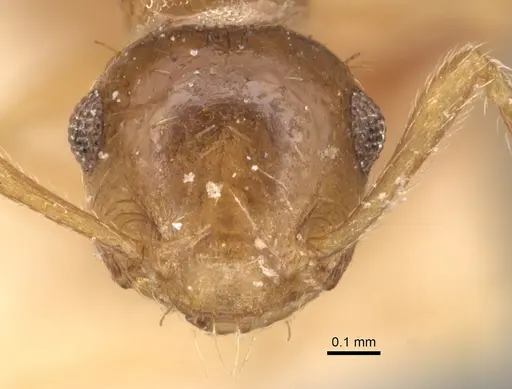
CASENT0904490
View on AntWeb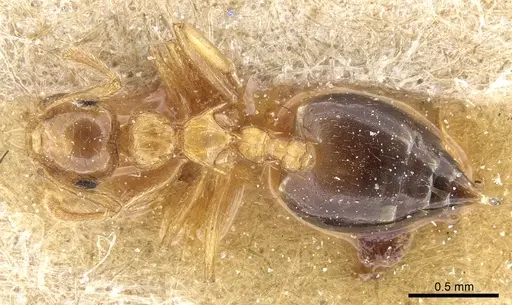
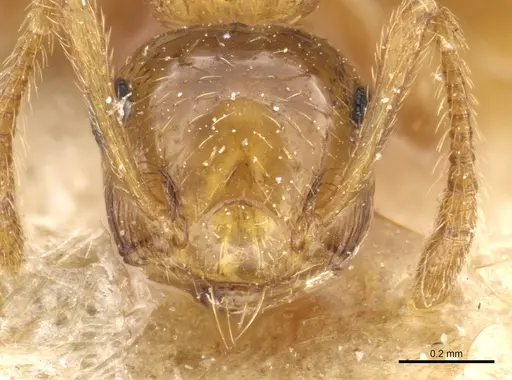
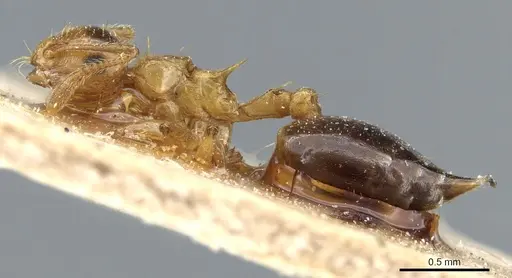
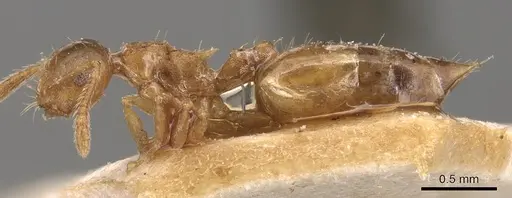
CASENT0904494
View on AntWeb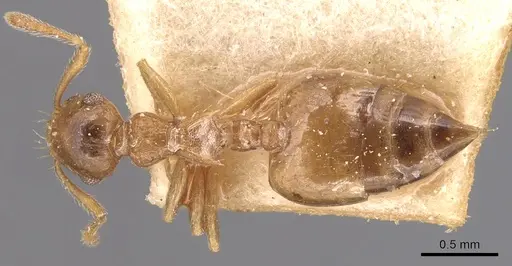
CASENT0908362
View on AntWeb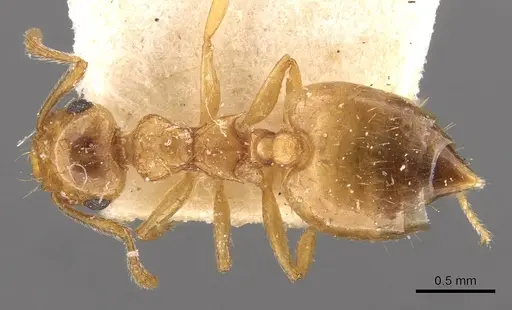
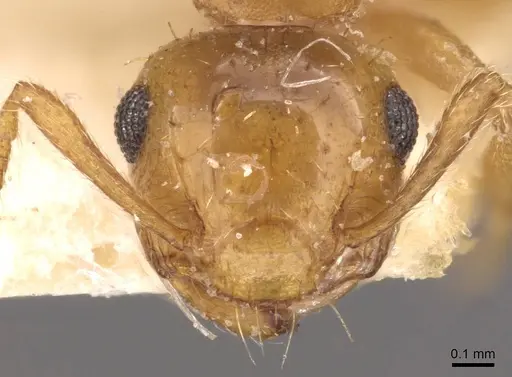
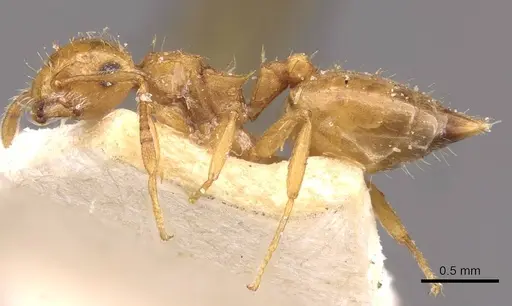
FOCOL0780
View on AntWeb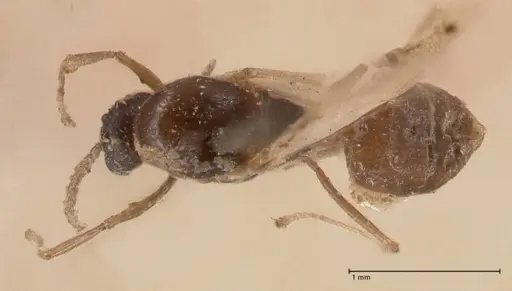
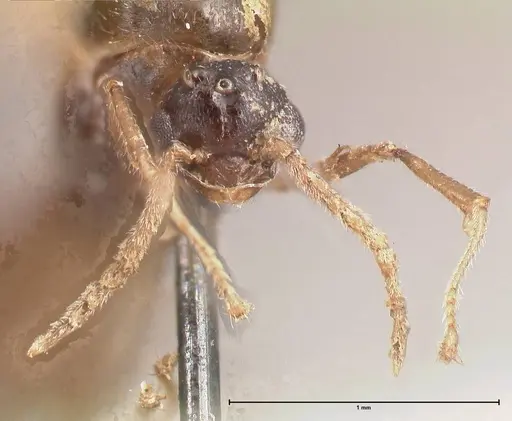
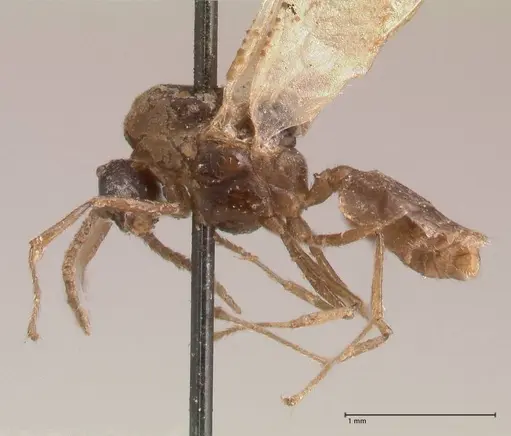
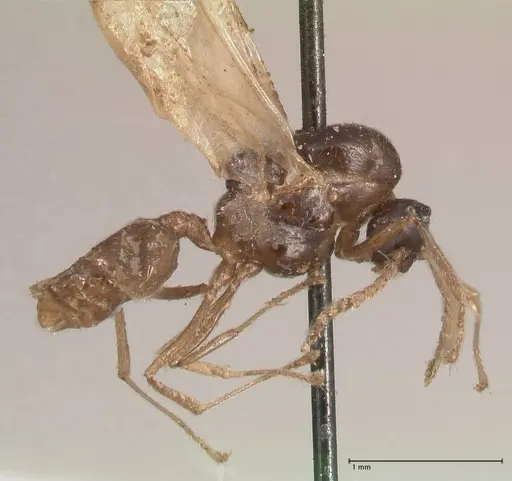
FOCOL1616
View on AntWeb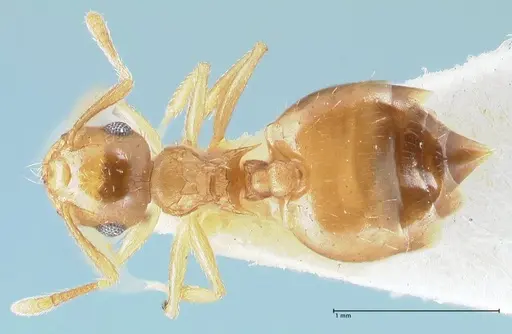
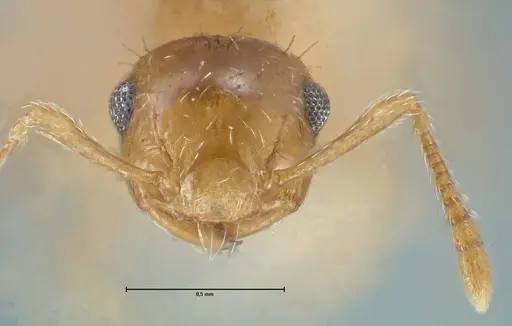
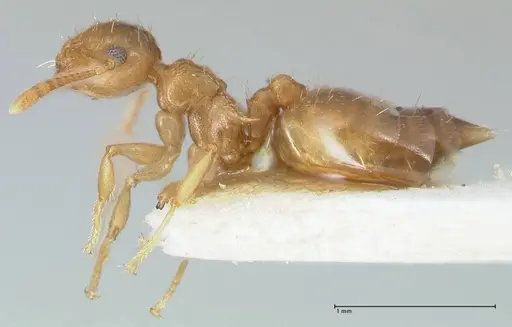
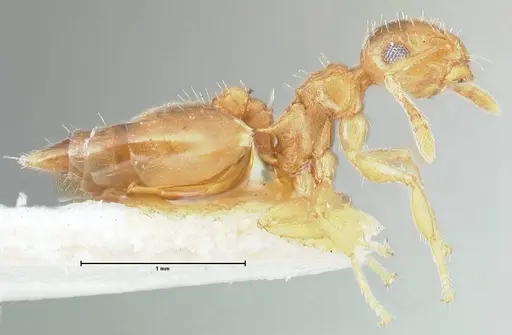
FOCOL1617
View on AntWeb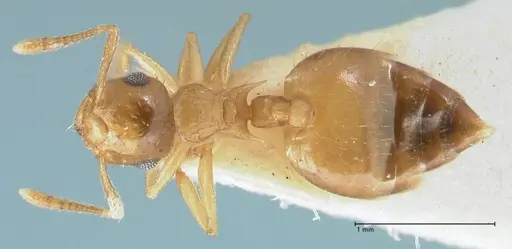
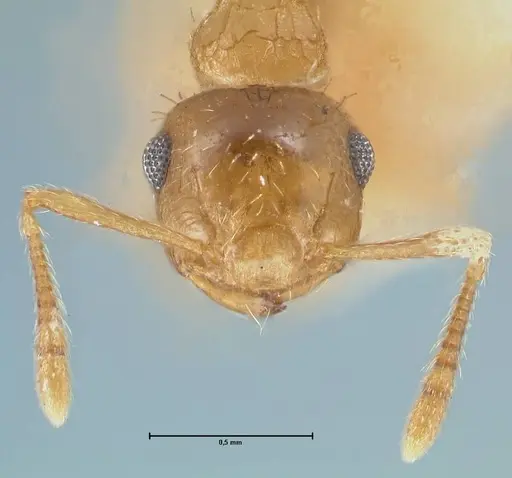
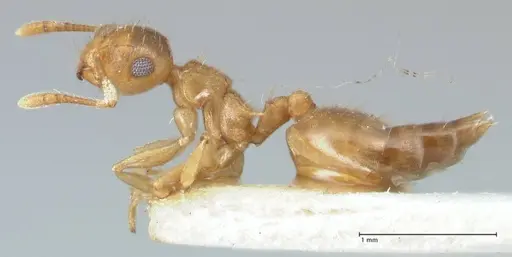
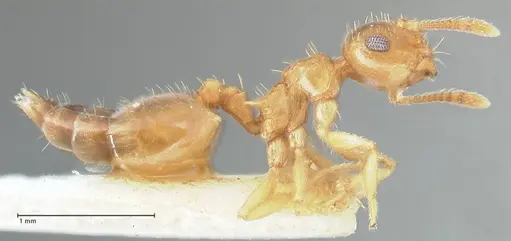
FOCOL1618
View on AntWeb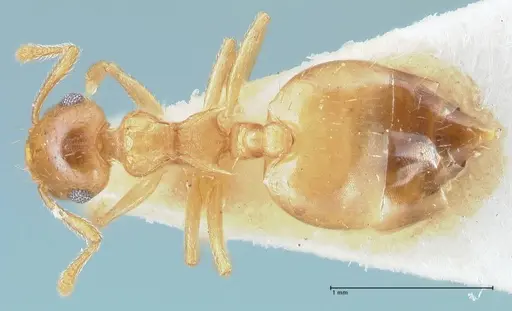
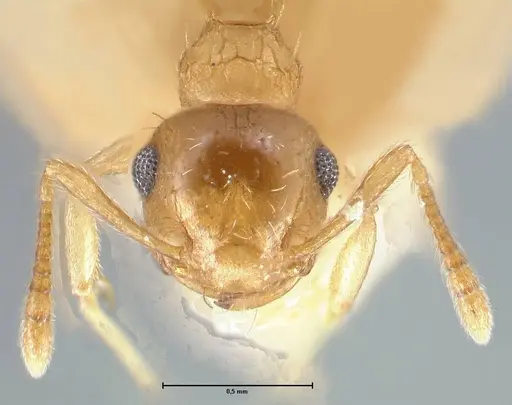
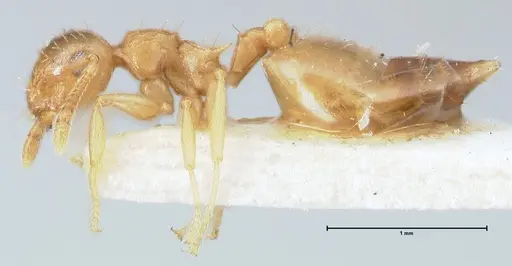
Literature
Loading distribution map...Loading products...