
Red-jawed Cocktail ant
Crematogaster opaciceps
- Sci. Name
- Crematogaster opaciceps
- Tribe
- Crematogastrini
- Subfamily
- Myrmicinae
- Author
- Mayr, 1901
- Common Name
- Red-jawed Cocktail ant
- Distribution
- Found in 1 countries
Introduction
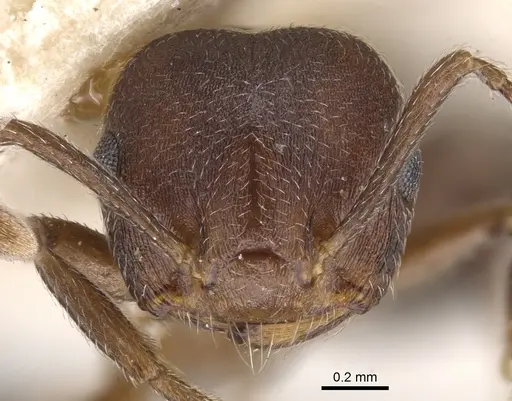
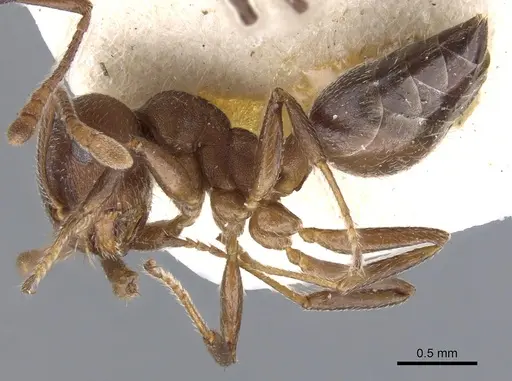
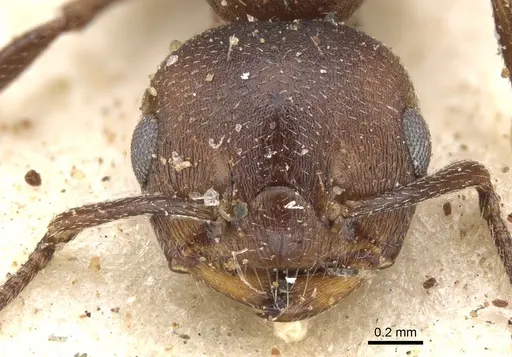
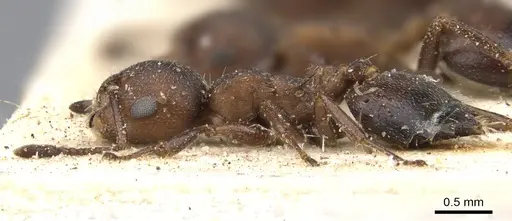
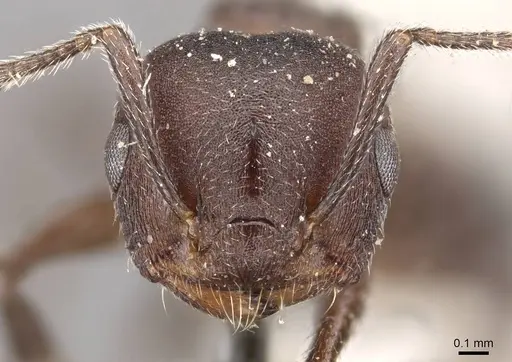
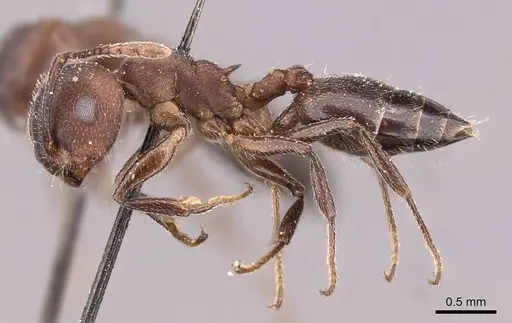
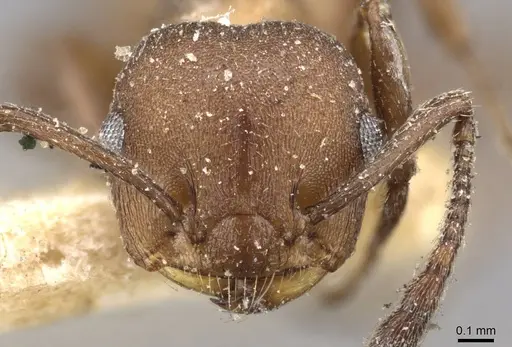
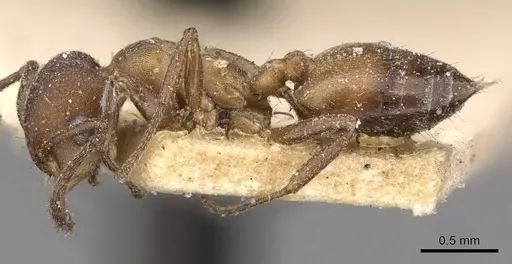
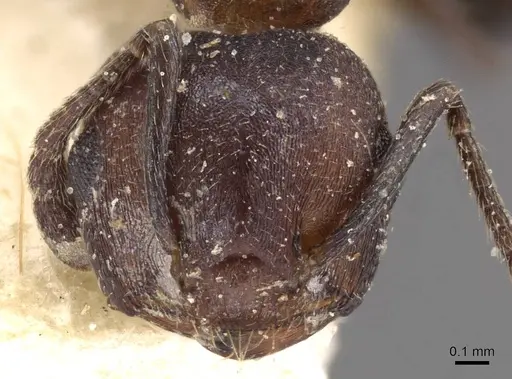
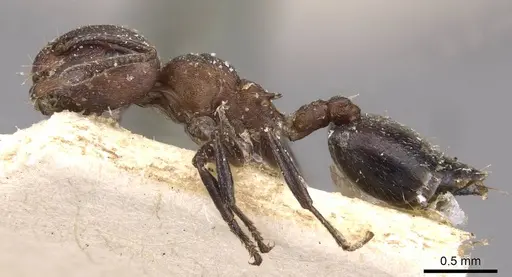
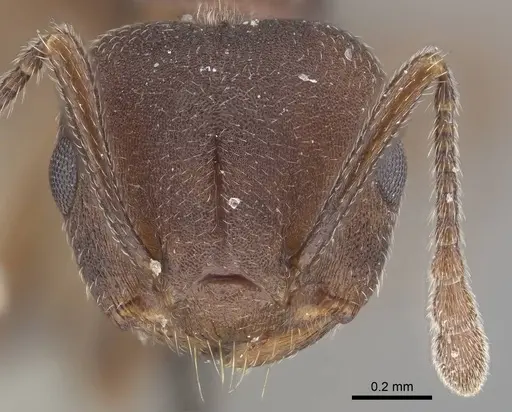
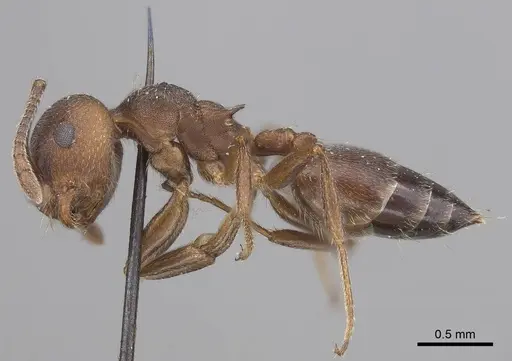
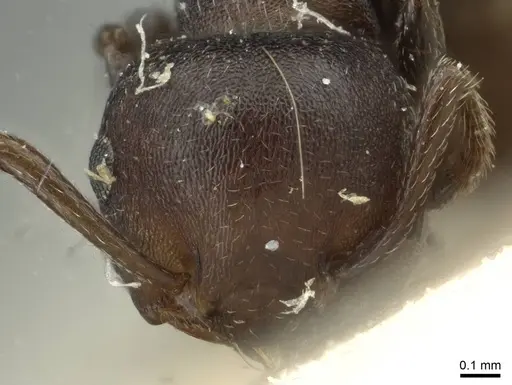
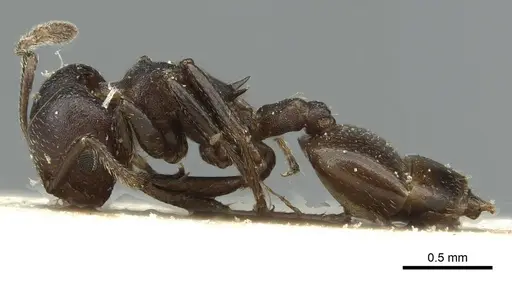
Crematogaster opaciceps is a small ant species endemic to the Democratic Republic of Congo, specifically recorded from Kinshasa . Workers are typical of the genus Crematogaster - small ants with a distinctive heart-shaped abdomen that they can raise over their head like an acrobat, which gives these ants their common name. The species name 'opaciceps' refers to the matte or opaque texture of the head. As with most Crematogaster species, they have a smooth, glossy body with relatively short antennae and a two-segmented petiole. This is a tropical African species that inhabits the central African region. Like other Myrmicinae ants in the tribe Crematogastrini, they use a smear defense mechanism - their modified, flattened stinger is used to wipe or smear venom onto enemies rather than piercing flesh.
Quick Summary
- Difficulty: Medium
- Origin & Habitat: Democratic Republic of Congo, specifically recorded from Kinshasa [1]. Kinshasa has a tropical wet and dry climate with high humidity year-round.
- Colony Type: Colony structure is unconfirmed for this specific species.
- Size & Growth:
- Queen: Size data unavailable, no specific measurements exist for this species. Based on typical Crematogaster genus sizes, queens are likely in the 5-8mm range.
- Worker: Size data unavailable, no specific measurements exist for this species. Based on typical Crematogaster genus sizes, workers are likely in the 2-4mm range.
- Colony: Unknown, no colony size data available for this species.
- Growth: Growth rate is unconfirmed for this species.
- Development: Development timeline is unconfirmed for this species. (Development time is unknown for this specific species.)
- Antkeeping:
- Temperature: Keep at 24-28°C. As a tropical species from central Africa, they need warm conditions year-round.
- Humidity: High humidity preferred, aim for 70-80% relative humidity. Keep the nest substrate consistently moist but not waterlogged.
- Diapause: Unlikely, as a tropical species from Kinshasa, they probably do not require a true hibernation period.
- Nesting: In captivity, they do well in Y-tong nests, plaster nests, or naturalistic setups with rotting wood or bark pieces. They prefer enclosed spaces with some moisture retention. Test tube setups work for founding colonies.
- Behavior: Crematogaster opaciceps likely has typical acrobat ant behavior, workers are active and agile, readily raising their abdomen when disturbed as a defensive display. They are generally not aggressive toward keepers but will defend their nest. They are good climbers and may attempt to escape if given the opportunity. Workers likely forage for honeydew, small insects, and sugar sources. Their small size means escape prevention should be taken seriously, use fine mesh barriers.
- Common Issues: tropical species needs warm temperatures year-round, cool conditions below 20°C can slow or stop brood development, small size means escapes are likely without fine mesh barriers on all openings, high humidity requirements can lead to mold if ventilation is poor, balance is key, wild-caught colonies from Congo may carry parasites that can devastate captive colonies, limited specific data means most care parameters are estimates based on genus patterns rather than species-specific research
Origin and Natural Habitat
Crematogaster opaciceps is endemic to the Democratic Republic of Congo, specifically recorded from Kinshasa [1]. This is the capital city located in the central-western part of the country along the Congo River. The region has a tropical wet and dry climate with average temperatures of 25-27°C and high humidity throughout the year. In their natural habitat, Crematogaster species typically nest in tree cavities, under bark, or in rotting wood. They are arboreal to semi-arboreal, often found in forested areas or savanna with scattered trees. The species was originally described by Forel in 1913, with additional records from Wheeler (1922) and later researchers [1].
Nest Preferences in Captivity
For captive care, Crematogaster opaciceps does well in several nest types. Y-tong nests work excellently, choose a nest with chambers sized appropriately for their small worker size. Plaster nests with built-in water reservoirs maintain humidity well, which this species appreciates. For a naturalistic approach, you can use a setup with rotting wood pieces or cork bark, which mimics their natural tree-nesting behavior. Test tube setups are suitable for founding colonies, use a water tube connected to a foraging area. Regardless of nest type, ensure there are enclosed spaces where the colony can retreat and feel secure. The nest should be kept humid but not wet, with some drier areas available if they choose to regulate their own moisture exposure.
Feeding and Diet
In the wild, Crematogaster opaciceps likely forages for honeydew from aphids and scale insects, plus small insects and arthropods. In captivity, offer a varied diet: sugar water or honey water as a constant energy source, and protein sources like small crickets, fruit flies, mealworms, or other small insects. They are not large predators, so prey items should be appropriately sized, tiny insects are better than large ones. Feed protein roughly twice weekly, and keep sugar water available at all times. Remove uneaten prey after 24-48 hours to prevent mold. Some keepers report that Crematogaster species accept fruit occasionally, but protein should form the bulk of their diet.
Temperature and Seasonal Care
As a tropical species from Kinshasa, Crematogaster opaciceps needs warm conditions year-round. Keep the nest area at 24-28°C for optimal brood development. Temperatures below 20°C can cause brood development to slow dramatically or stop entirely, and prolonged cool conditions can harm the colony. A heating cable placed on one side of the nest can provide gentle warmth while allowing the ants to move to cooler areas if needed. Place the heating on top of the nest, not underneath, to avoid drying out the substrate too quickly. Unlike temperate species, they do not require a hibernation period. However, they may show slightly reduced activity during cooler periods in your home, this is normal and they should recover when warmed again.
Behavior and Handling
Crematogaster opaciceps has the characteristic acrobat ant behavior, when disturbed, workers raise their abdomen over their head in a defensive posture. They are not particularly aggressive toward humans but will vigorously defend their nest. Workers are active foragers and good climbers, so they will explore any openings in their enclosure. Their small size means they can squeeze through surprisingly tiny gaps. Use fine mesh on all ventilation holes and ensure lid seals are tight. Their primary defense is the chemical alarm substances they release and the physical display of raising their gaster. Overall, they are manageable ants that are entertaining to watch due to their active foraging behavior.
Frequently Asked Questions
How long does it take for Crematogaster opaciceps to have first workers?
Development timeline is unconfirmed for this species. Based on typical Crematogaster genus patterns, expect first workers around 6-8 weeks after the queen lays eggs at optimal temperatures of 25-28°C.
What do Crematogaster opaciceps eat?
They need a balanced diet of sugar (honey water or sugar water offered constantly) and protein (small insects like fruit flies, pinhead crickets, or mealworms fed 1-2 times weekly).
Do Crematogaster opaciceps need hibernation?
No, as a tropical species from the Congo, they do not require hibernation. Keep them warm year-round at 24-28°C.
Can I keep Crematogaster opaciceps in a test tube?
Yes, test tubes work well for founding colonies. Use a water tube for humidity and connect it to a small foraging area. Once the colony grows beyond 20-30 workers, consider moving them to a larger nest like a Y-tong or plaster formicarium.
Are Crematogaster opaciceps good for beginners?
This species is rated Medium difficulty. They require warm, humid conditions year-round and have specific temperature needs that may require a heating setup. They are small and can escape easily, so good escape prevention is essential. If you are new to antkeeping and ready to provide tropical conditions, they can be a rewarding species.
Do Crematogaster opaciceps ants sting?
They are not known to sting humans in a significant way. Their primary defense is raising their abdomen and releasing chemical alarm signals. They can bite if handled roughly, but the bite is minor.
How big do Crematogaster opaciceps colonies get?
The maximum colony size is unknown, no specific data exists for this species. Based on genus patterns, colonies likely reach several hundred workers over time.
What temperature is best for Crematogaster opaciceps?
Keep them at 24-28°C. This is warmer than room temperature for most homes, so a small heating setup is usually necessary. A heating cable on the nest or a heat mat under part of the enclosure works well.
Why are my Crematogaster opaciceps dying?
Common causes include: temperatures below 20°C (tropical species need warmth), low humidity causing desiccation, mold from excessive moisture with poor ventilation, or parasites from wild-caught colonies. Check all three environmental factors first.
When should I move Crematogaster opaciceps to a formicarium?
Move them when the test tube colony reaches around 30-50 workers and you see significant brood development. A Y-tong or plaster nest with humidity control works well for this species.
Can I keep multiple Crematogaster opaciceps queens together?
The colony structure for this specific species is unconfirmed. Most Crematogaster are single-queen species. Combining unrelated queens is not recommended without species-specific data, as fighting and colony failure is likely.
Are Crematogaster opaciceps aggressive?
They are not aggressive toward keepers but will defend their nest vigorously if threatened. Their main defense is the characteristic gaster-raising display and chemical signals, not physical aggression toward humans.
Report an Issue
The current care sheet is based fully on literature. See inconsistencies, or something that's incorrect? Please , it will be resolved after review from an admin. Contributing to the blogs tab also helps providing information, to make us be able to further improve the caresheets. Thank you for your support!
References

This caresheet is licensed under CC BY-SA 4.0 .
Community Blogs
CASENT0902102
View on AntWeb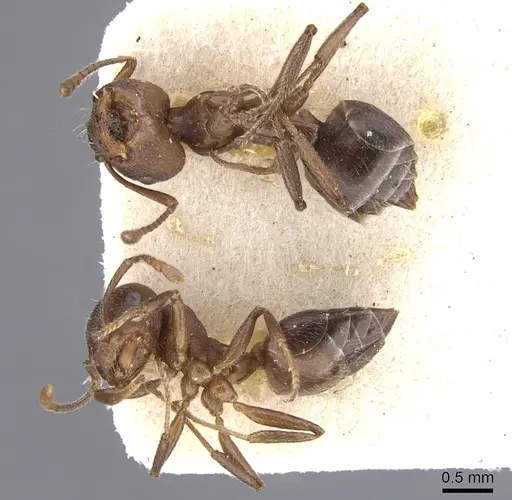
CASENT0902103
View on AntWeb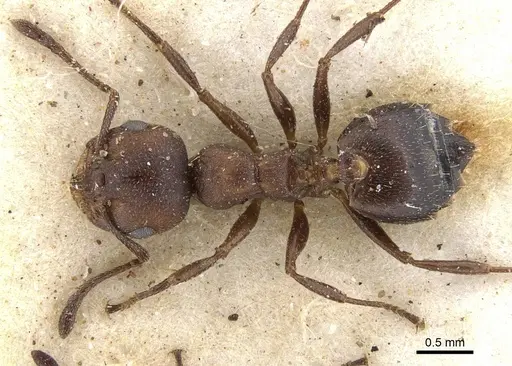
CASENT0908546
View on AntWeb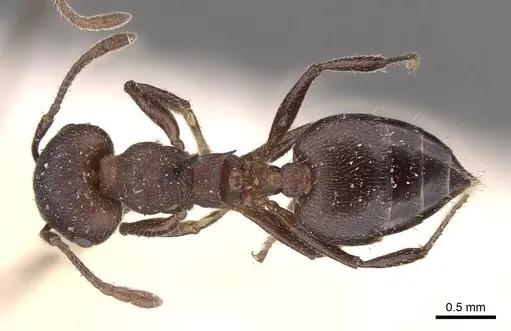
CASENT0908547
View on AntWeb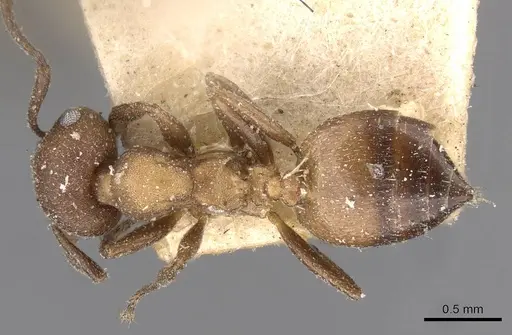
CASENT0908549
View on AntWeb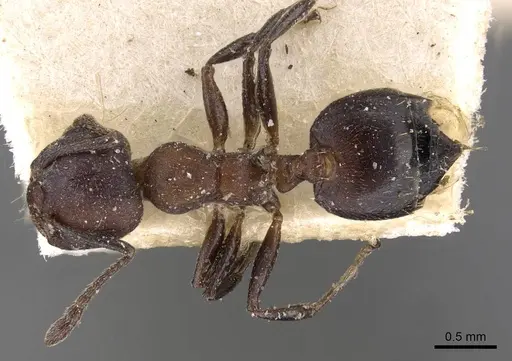
CASENT0919673
View on AntWeb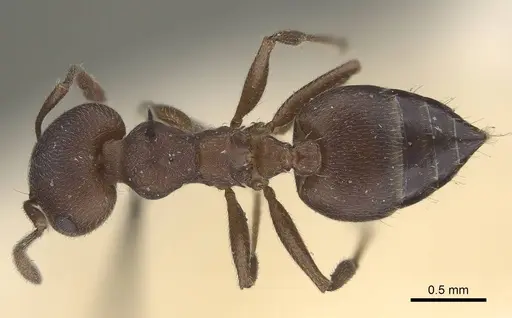
RMCAENT000017766
View on AntWeb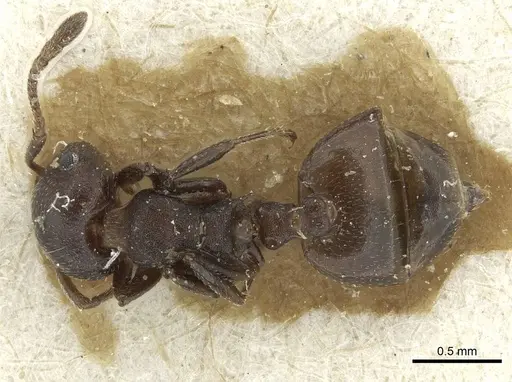
Literature
Loading distribution map...Loading products...