
Crematogaster obnigra
- Sci. Name
- Crematogaster obnigra
- Tribe
- Crematogastrini
- Subfamily
- Myrmicinae
- Author
- Mann, 1919
- Distribution
- Found in 3 countries
Introduction
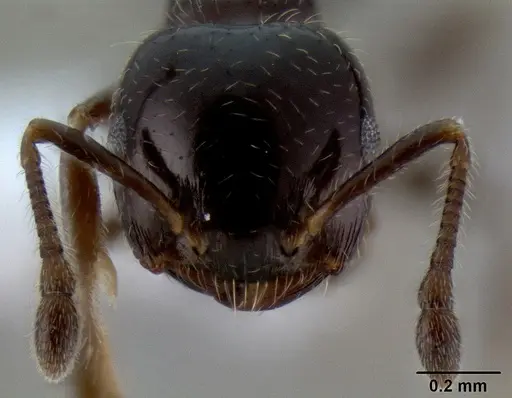
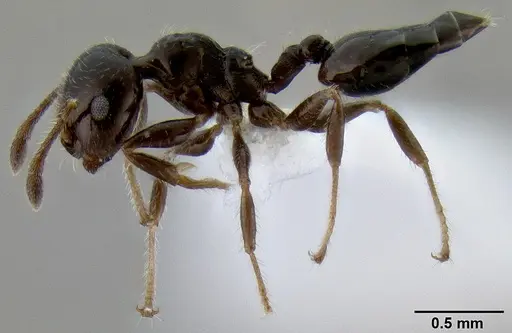
Crematogaster obnigra is a small ant species belonging to the Crematogaster irritabilis group, native to the Solomon Islands and surrounding Australasian region . Workers have the characteristic heart-shaped gaster (abdomen) that Crematogaster ants are known for - they can raise it over their head like an acrobat's balance pole, which gives them their common name. The species was first described by William Mann in 1919 from specimens collected on Russell Island in the Solomon Islands . This species remains poorly studied in the scientific literature, with confirmed records from Russell Island, Makira, and Guadalcanal in the Solomon Islands, as well as New Guinea . As a tropical arboreal ant from this region, it likely inhabits forest environments. The specific biology, colony structure, and care requirements have not been documented in research, so keepers must rely on genus-level patterns for husbandry.
Quick Summary
- Difficulty: Unknown, insufficient data for this specific species
- Origin & Habitat: Solomon Islands (Russell Island, Makira, Guadalcanal) and New Guinea in the Australasian region. Tropical island environment [3][2][1].
- Colony Type: Unconfirmed, colony structure has not been documented for this species.
- Size & Growth:
- Queen: Size data unavailable, no specific measurements exist in literature
- Worker: Size data unavailable, no specific measurements exist in literature
- Colony: Unknown, estimated several hundred workers based on typical Crematogaster patterns
- Growth: Unknown, likely moderate based on genus patterns
- Development: Estimated 5-8 weeks at tropical temperatures based on related Crematogaster species (This is a genus-level estimate, no specific development data exists for C. obnigra)
- Antkeeping:
- Temperature: Keep warm, around 24-28°C. As a tropical Solomon Islands species, they need consistent warmth year-round.
- Humidity: High humidity required, keep nest substrate consistently moist but not waterlogged. Provide a water tube for drinking water.
- Diapause: No, as a tropical species from the Solomon Islands, they do not require hibernation or winter rest.
- Nesting: Arboreal nester, in captivity they do well in Y-tong (AAC) nests or test tube setups with access to multiple chambers. Provide twigs or small branches in outworld for natural foraging behavior.
- Behavior: Typical Crematogaster behavior, workers are active and agile, constantly exploring their environment. They are not particularly aggressive but will defend their nest vigorously if threatened. Workers can raise their abdomen over their head as a defensive display. As tiny ants, escape prevention is critical, they can squeeze through very small gaps. Use fine mesh and tight-fitting lids.
- Common Issues: escape prevention is critical due to their very small size, use fine mesh barriers, tropical humidity requirements can lead to mold if ventilation is poor, lack of species-specific care data means keepers must adapt from genus patterns, wild-caught colonies may carry parasites or diseases not well understood, overheating is a risk, keep temperatures in the 24-28°C range, avoid exceeding 30°C
Nest Preferences and Housing
Crematogaster obnigra is likely an arboreal species that in nature may nest in hollow twigs, branches, and under bark in tropical forest environments, based on typical Crematogaster behavior in this region. In captivity, they adapt well to various nest types. Y-tong (AAC) nests work well, the narrow chambers can mimic their natural habitat. Test tube setups are also suitable. The key is providing tight, enclosed chambers that make them feel secure. They do best with a small outworld area where they can forage. Because they are tiny, ensure all connections between nest and outworld are secure, even small gaps can allow escapes. Some keepers add small twigs or cork bark pieces to the outworld to encourage natural climbing and exploration behavior.
Feeding and Diet
Like most Crematogaster species, C. obnigra likely has an omnivorous diet with a preference for sugar sources. In captivity, offer a constant supply of sugar water (1:1 ratio) or honey (diluted with water). For protein, provide small insects like fruit flies, pinhead crickets, or mealworm pieces. They are small, so prey items should be appropriately sized. Some Crematogaster species also tend aphids for honeydew, so offering a small aphid colony is an option if you want to provide a natural food source. Feed protein every 2-3 days, removing any uneaten prey after 24 hours to prevent mold. Sugar should be available at all times.
Temperature and Humidity
As a tropical species from the Solomon Islands, C. obnigra requires warm, humid conditions. Maintain temperatures between 24-28°C consistently. A heating cable placed on one side of the nest creates a gentle thermal gradient that allows the ants to regulate their temperature. Avoid temperatures above 30°C or below 20°C for extended periods. Humidity should be high, keep the nest substrate consistently moist but not waterlogged. A water tube in the outworld provides drinking water. Good ventilation is important to prevent mold, but avoid placing the nest in direct airflow that could dry it out.
Defense Mechanism
Crematogaster ants have a modified, flattened stinger that is used to wipe or smear venom onto enemies rather than piercing flesh. This smear defense is characteristic of the Crematogastrini tribe. Workers can raise their gaster (abdomen) over their head as a defensive display when threatened, this is the 'acrobat' behavior that gives them their common name. While the venom is not dangerous to humans due to the ant's small size, it can be irritating and serves as an effective deterrent against predators.
Behavior and Temperament
Crematogaster ants are known for their distinctive acrobat behavior, workers can raise their gaster over their head, which they use as a defensive display when threatened. This species is not particularly aggressive toward keepers but will vigorously defend the nest if disturbed. Workers are highly active and constantly moving throughout the nest and outworld. They are excellent climbers and will explore vertical surfaces. The most important consideration for this species is escape prevention, at their tiny size, they can squeeze through incredibly small gaps. Use fine mesh (at least 0.5mm or smaller), ensure all lids fit tightly, and use barrier methods like Fluon on outworld edges.
Frequently Asked Questions
How long does it take for Crematogaster obnigra to produce first workers?
The exact timeline is unconfirmed for this species, but based on genus patterns, expect first workers (nanitics) in approximately 5-8 weeks at optimal tropical temperatures (25-28°C). This is an estimate, actual timing may vary.
What do Crematogaster obnigra ants eat?
They are omnivorous with a preference for sugar. Offer constant sugar water or diluted honey. For protein, provide small insects like fruit flies, tiny crickets, or mealworm pieces. Size the prey appropriately for their tiny workers.
Do Crematogaster obnigra ants sting?
Crematogaster ants have a modified stinger used to smear venom onto enemies rather than sting. Due to their very small size, they rarely can penetrate human skin. Their primary defense is the characteristic gaster-raising display combined with venom smearing.
Can I keep multiple Crematogaster obnigra queens together?
The colony structure of this specific species is unconfirmed. Many Crematogaster species are polygynous (multiple queens), but some are monogyne (single queen). Without documented evidence for C. obnigra, it is safer to found colonies with a single queen to avoid potential aggression.
What temperature do Crematogaster obnigra ants need?
Keep them warm at 24-28°C consistently. As a tropical Solomon Islands species, they do not tolerate cool temperatures and do not require hibernation. Avoid temperatures above 30°C.
Are Crematogaster obnigra good for beginners?
This species is not well-documented in the antkeeping hobby, and there is limited species-specific care information available. For beginners, more commonly kept species with established care guides are recommended. If you decide to keep C. obnigra, be prepared to adapt from genus-level knowledge and monitor your colony closely.
How big do Crematogaster obnigra colonies get?
Colony size is unconfirmed for this specific species. Based on typical Crematogaster patterns, colonies likely reach several hundred to a thousand workers. Growth rate is estimated as moderate.
Do Crematogaster obnigra need hibernation?
No. As a tropical species from the Solomon Islands, they do not require hibernation or diapause. Maintain warm temperatures (24-28°C) year-round without seasonal drops.
What type of nest is best for Crematogaster obnigra?
Y-tong (AAC) nests work well for this arboreal species, as the narrow chambers mimic their natural habitat. Test tube setups are also suitable. Provide tight, enclosed chambers.
Why are my Crematogaster obnigra escaping?
This species is very small and excellent at finding tiny gaps. Escape prevention must be excellent, use fine mesh (0.5mm or smaller), ensure all lids fit tightly, and apply barrier methods like Fluon to outworld edges. Check all connections between nest and outworld.
Report an Issue
The current care sheet is based fully on literature. See inconsistencies, or something that's incorrect? Please , it will be resolved after review from an admin. Contributing to the blogs tab also helps providing information, to make us be able to further improve the caresheets. Thank you for your support!
References

This caresheet is licensed under CC BY-SA 4.0 .
Community Blogs
CASENT0193112
View on AntWeb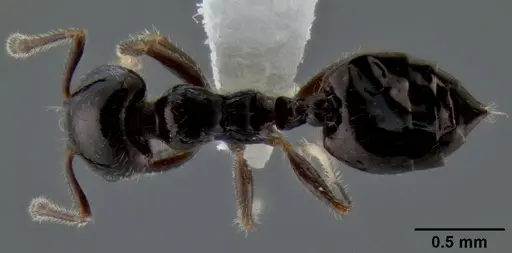
Literature
Loading distribution map...Loading products...