
Crematogaster nosibeensis
- Sci. Name
- Crematogaster nosibeensis
- Tribe
- Crematogastrini
- Subfamily
- Myrmicinae
- Author
- Forel, 1891
- Distribution
- Found in 1 countries
Introduction
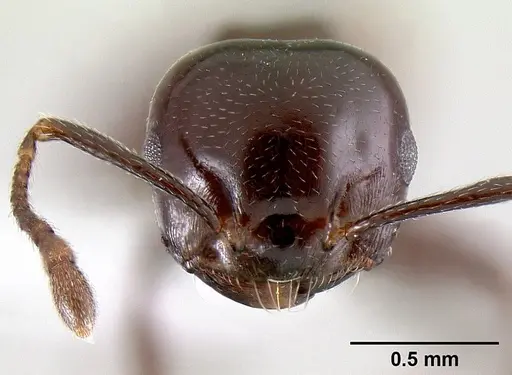
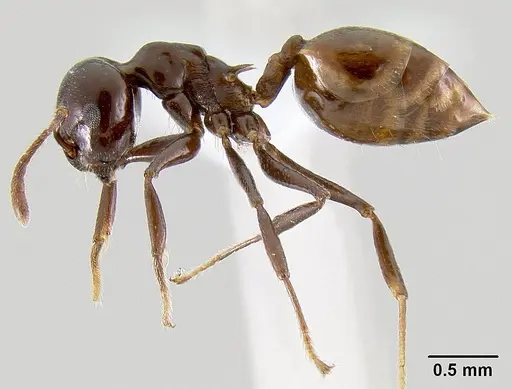
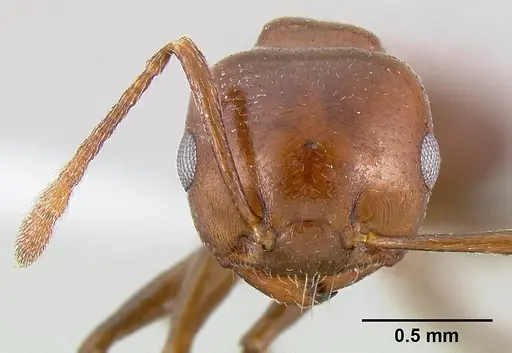
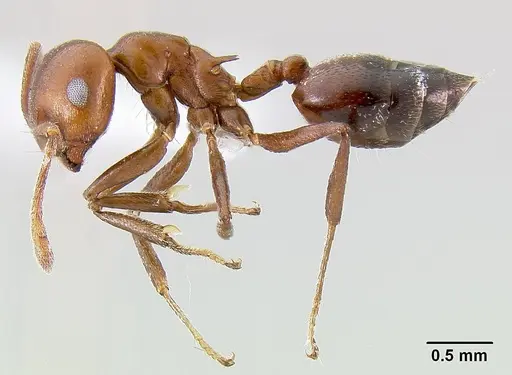
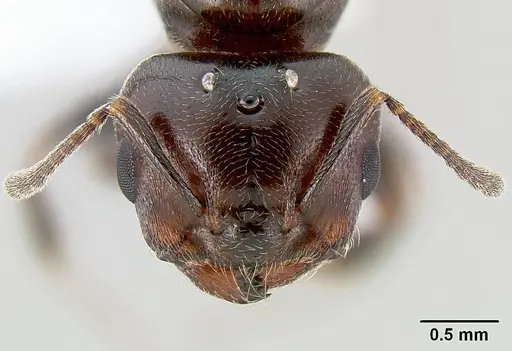
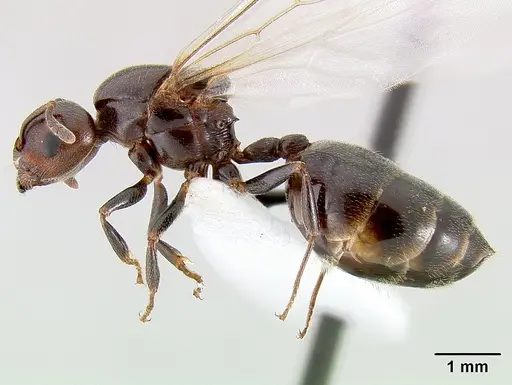
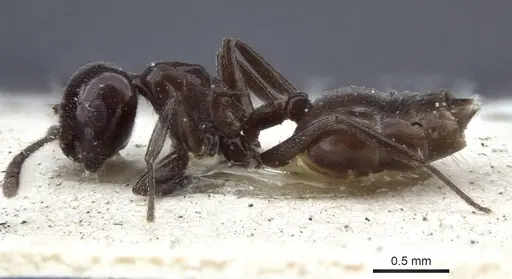
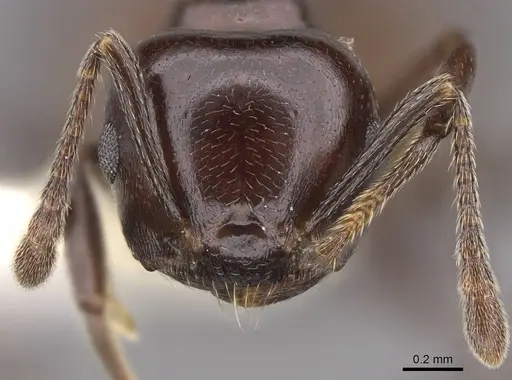
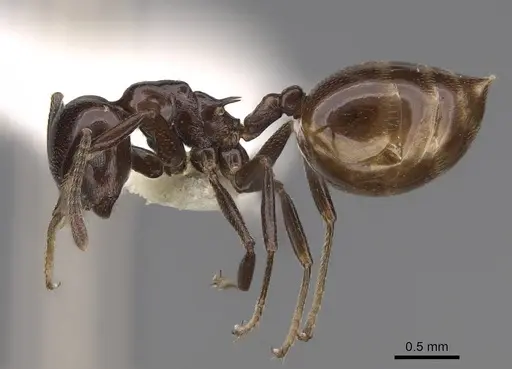
Crematogaster nosibeensis is a small to medium-sized ant endemic to Madagascar, belonging to the Crematogaster subgenus Decacrema. Workers measure approximately 2-3mm and queens approximately 4-5mm - inferred from the genus . This species displays a striking color variation: northern populations are brown to black, while the isolated highland population (R.S. Ambohitantely) shows a distinctive red-orange and black bi-colored pattern . Queens lack this color variation and are consistently brown . The species constructs distinctive carton nests made from wood fibers, typically high in the rainforest canopy at 15-25 meters . It is a polydomous species, meaning colonies maintain multiple nest sites - large main nests alongside smaller satellite nests . This is one of the more unusual Crematogaster species available to hobbyists, being a true Madagascar endemic with fascinating arboreal nesting behavior.
Quick Summary
- Difficulty: Medium
- Origin & Habitat: Endemic to Madagascar, found in low and mid-elevation rainforests of the Sambirano Region in northwest Madagascar, including Nosy Bé island, Ampasindava peninsula, and Manongarivo massif. Isolated populations exist in Montagne d'Ambre (far north) and Ambohitantely (central highlands) [1][2].
- Colony Type: Polygynous (multiple queens per colony) and polydomous (multiple connected nest sites). Colonies maintain large main nests housing workers, brood, and reproductives, plus smaller satellite nests that protect mealybugs [1].
- Size & Growth:
- Queen: approximately 4-5mm, inferred from genus [1]
- Worker: approximately 2-3mm, inferred from genus [1]
- Colony: Colonies can reach several hundred workers based on observed nest sizes in the wild
- Growth: Moderate
- Development: estimated 6-8 weeks at optimal temperature based on typical Crematogaster development (Development time is inferred from related species, specific timing for this species has not been directly studied)
- Antkeeping:
- Temperature: Keep at 24-28°C. This species comes from tropical rainforest environments in Madagascar, so warmth is essential. A gentle gradient is helpful, aim for the mid-to-high 20s°C range in the nest area [1].
- Humidity: High humidity is critical, these are rainforest ants. Keep nest substrate consistently moist but not waterlogged. Provide a water reservoir and ensure the outworld has access to moisture. The arboreal nesting preference suggests they tolerate and prefer humid conditions with good ventilation to prevent mold.
- Diapause: No, this is a tropical species from Madagascar. They do not require hibernation. Maintain consistent warmth year-round.
- Nesting: This species naturally nests in carton nests high in the canopy, inside dead twigs and branches [3]. For captivity, a naturalistic setup with dead wood, twigs, or cork bark elevated in the enclosure works best. They will construct carton material, so provide wood fibers or paper pulp as building material. The key is vertical space and multiple potential nest sites to accommodate their polydomous nature.
- Behavior: Crematogaster nosibeensis is a relatively calm, non-aggressive species. They are arboreal and spend most of their time in elevated nest structures. Workers are active foragers and will tend mealybugs (Tylococcus spp.) for honeydew, a behavior documented in wild colonies [1][3]. They construct carton nests from wood fibers, which is unusual among captive-kept ants. They are not known to sting, Crematogaster ants have a stinger but it is rarely used and too small to penetrate human skin. Escape risk is moderate due to their small size, standard barrier methods work well.
- Common Issues: carton nest construction can be messy, provide appropriate building materials to contain it, high humidity requirements can lead to mold if ventilation is poor, polydomous colonies need space for multiple nest sites, cramped setups may cause stress, tropical species cannot tolerate cool temperatures, keep warm year-round, mealybug symbiosis means they may need access to honeydew sources or sugar water
Housing and Nest Setup
Crematogaster nosibeensis requires an arboreal-focused setup that mimics their natural canopy nesting behavior. In the wild, they construct carton nests high in trees (15-25m) and nest inside dead twigs and branches [3]. For captivity, create a naturalistic terrarium with vertical elements, include branches, cork bark pieces, or bamboo sections positioned above the ground. Provide wood fibers, shredded paper, or plant material they can use to construct their characteristic carton nests. A Y-tong or acrylic formicarium with an arboreal outworld also works well. The key is giving them height and multiple potential nest sites, this polydomous species will use several connected locations. Ensure the setup has good ventilation to handle the high humidity they need without developing mold problems.
Feeding and Diet
Like other Crematogaster species, C. nosibeensis is omnivorous with a preference for sugar sources. In the wild, they tend mealybugs (Tylococcus spp.) for honeydew, this is a documented symbiotic relationship where the ants protect the mealybugs and consume their honeydew secretions [1]. In captivity, offer sugar water or honey regularly as a constant energy source. For protein, provide small insects like fruit flies, small crickets, or mealworms. They will also accept other protein sources. The mealybug symbiosis suggests they do well with access to honeydew-producing insects if available. Feed protein sources 2-3 times per week, and keep sugar water available at all times. Remove uneaten prey after 24-48 hours to prevent mold.
Temperature and Humidity
This is a tropical rainforest species from Madagascar, so warmth and humidity are both essential. Maintain temperatures in the range of 24-28°C throughout the year, they do not tolerate cool conditions and have no diapause requirement [1]. A heating cable on one side of the nest can help maintain warmth if room temperature is insufficient. For humidity, aim for consistently high levels, keep the nest substrate moist but not waterlogged, and provide a water reservoir. Good ventilation is important to prevent mold while maintaining humidity. The arboreal nature of this species means they are accustomed to humid air and will do poorly in dry conditions. Monitor for condensation on the nest, some is good, but excessive pooling indicates too much moisture.
Colony Structure and Behavior
Crematogaster nosibeensis is polygynous (multiple queens) and polydomous (maintains multiple nest sites). Wild colonies consist of large main nests (15x15cm to 20x25cm) housing workers, brood, and reproductives, plus 4-6 smaller satellite nests (2x5cm to 5x5cm) [1]. These satellite nests serve a specific function, they contain workers and mealybugs, appearing to exist primarily to protect and tend the honeydew-producing insects [1]. This complex colony structure means you should plan for expansion, a single founding queen may eventually lead to a colony with multiple queens and multiple nest sites. The species is relatively calm and not aggressive. Workers are small and active. They are primarily arboreal, so they spend more time on branches and elevated surfaces than on the ground.
Unique Nesting Behavior
One of the most distinctive features of C. nosibeensis is its carton nest construction. Workers collect and transport wood fibers, using them to build protective nest structures, this is why they are called 'carton ants' [1]. The carton material is a mixture of chewed wood fibers and ant secretions, creating a papery, protective nest envelope. In captivity, you can encourage this behavior by providing appropriate materials: small wood chips, shredded paper, cotton fibers, or dried plant material. The ants will process these materials and construct their nests. This behavior makes them fascinating to watch but can be messy in a closed formicarium. An open or semi-naturalistic setup works better for observing this behavior. The nests are typically built in elevated locations, on branches, under bark, or in the upper portions of a terrarium.
Frequently Asked Questions
How long does it take for Crematogaster nosibeensis to produce first workers?
Based on typical Crematogaster development, expect first workers (nanitics) approximately 6-8 weeks after the queen lays eggs, at optimal temperature (24-28°C). This is an estimate, specific development timing for this species has not been directly studied.
Can I keep multiple Crematogaster nosibeensis queens together?
Yes, this species is naturally polygynous, meaning colonies typically have multiple queens. Unlike many ant species where multi-queen setups lead to fighting, C. nosibeensis is adapted to work cooperatively. However, introducing unrelated foundress queens should still be done carefully.
What do Crematogaster nosibeensis ants eat?
They are omnivorous with a strong preference for sugar. Offer sugar water or honey constantly as an energy source. For protein, provide small insects like fruit flies, small crickets, or mealworms 2-3 times per week. They will also tend mealybugs for honeydew if available.
Do Crematogaster nosibeensis ants sting?
Crematogaster ants have a stinger, but it is very small and rarely used. They are not considered dangerous to humans. The stinger is typically too small to penetrate human skin effectively.
What type of nest is best for Crematogaster nosibeensis?
This species naturally nests in arboreal carton nests inside dead twigs and branches. A naturalistic setup with cork bark, branches, or bamboo sections positioned vertically works best. Provide wood fibers or paper material for them to construct carton nests. They are polydomous, so having multiple potential nest sites is beneficial.
Do Crematogaster nosibeensis need hibernation?
No, this is a tropical species from Madagascar and does not require hibernation. Keep them warm year-round at 24-28°C. They are active throughout the year in their native habitat.
Are Crematogaster nosibeensis good for beginners?
This species is rated as medium difficulty. They have specific humidity and temperature requirements typical of tropical rainforest ants. The polydomous colony structure and carton nest building are unique but not overly difficult. Some experience with antkeeping is helpful, but they are not among the most challenging species.
How big do Crematogaster nosibeensis colonies get?
Based on the colony structure observed in the wild (large main nests 15-25cm with multiple satellite nests), colonies likely reach several hundred workers. The polydomous nature means the colony spreads across multiple connected nest sites.
Why are my Crematogaster nosibeensis building carton nests?
This is completely normal and natural behavior. C. nosibeensis is a 'carton ant', they construct protective nests from chewed wood fibers and secretions. Provide appropriate building materials like small wood chips or paper to encourage this behavior in your setup.
Report an Issue
The current care sheet is based fully on literature. See inconsistencies, or something that's incorrect? Please , it will be resolved after review from an admin. Contributing to the blogs tab also helps providing information, to make us be able to further improve the caresheets. Thank you for your support!
References

This caresheet is licensed under CC BY-SA 4.0 .
Community Blogs
CASENT0423096
View on AntWeb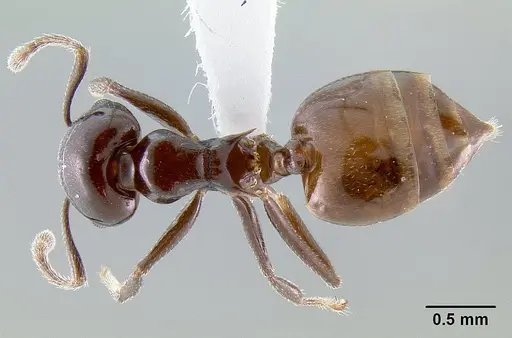
CASENT0423447
View on AntWeb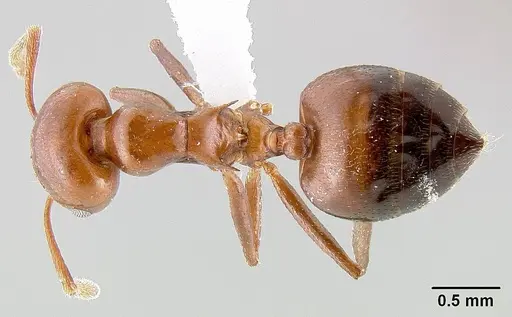
CASENT0436030
View on AntWeb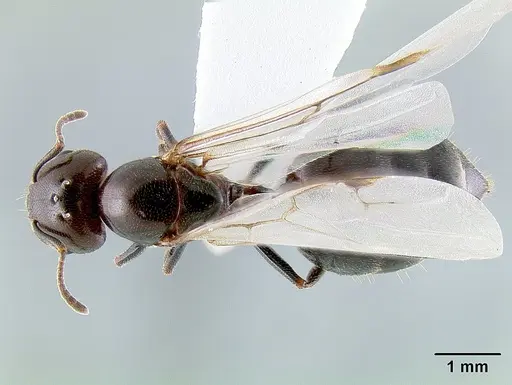
CASENT0916702
View on AntWeb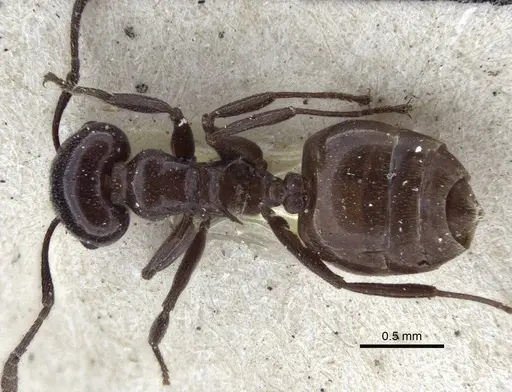
CASENT0922642
View on AntWeb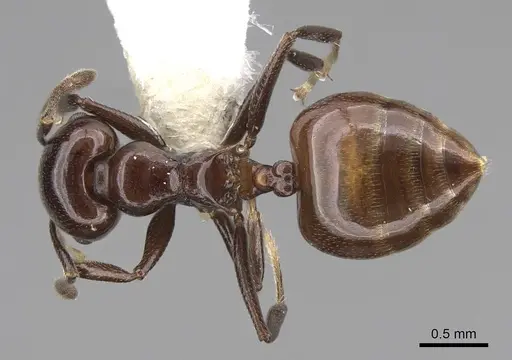
Literature
Loading distribution map...Loading products...