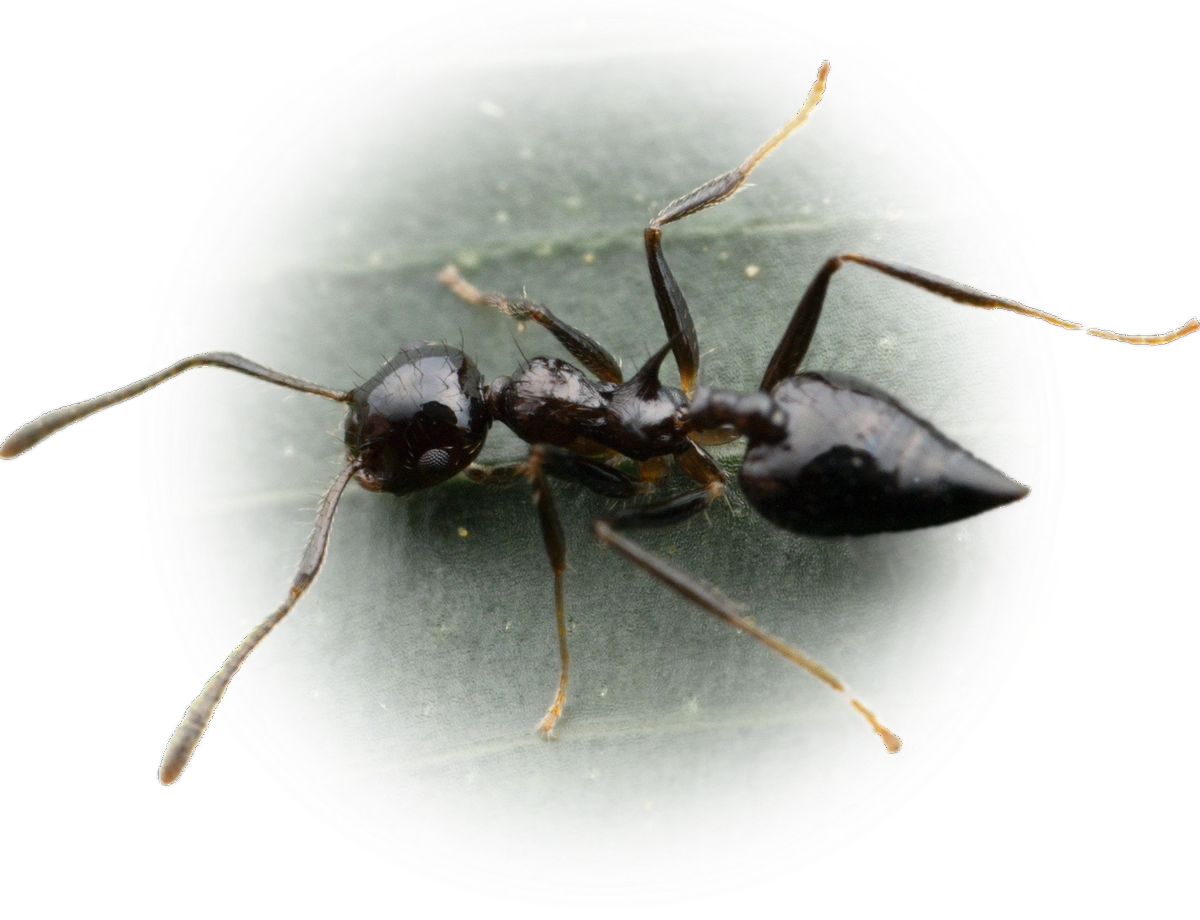
Crematogaster nigropilosa
- Sci. Name
- Crematogaster nigropilosa
- Subgenus
- Orthocrema
- Tribe
- Crematogastrini
- Subfamily
- Myrmicinae
- Author
- Mayr, 1870
- Distribution
- Found in 9 countries
Introduction
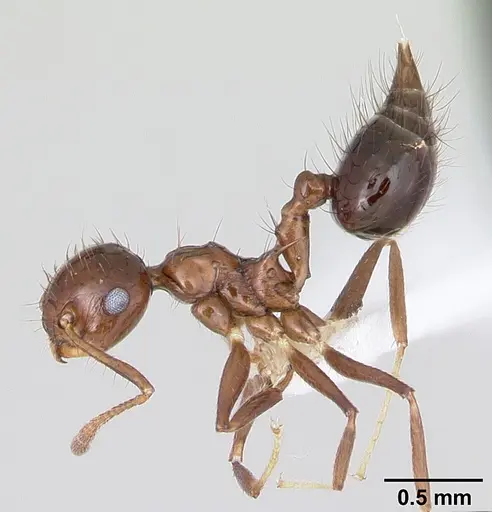
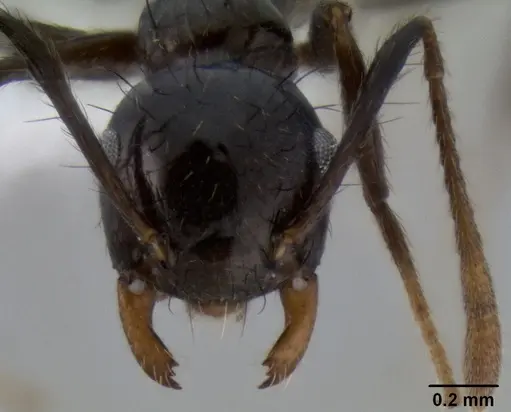
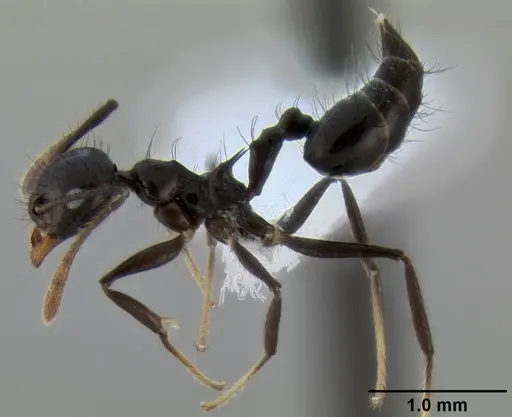
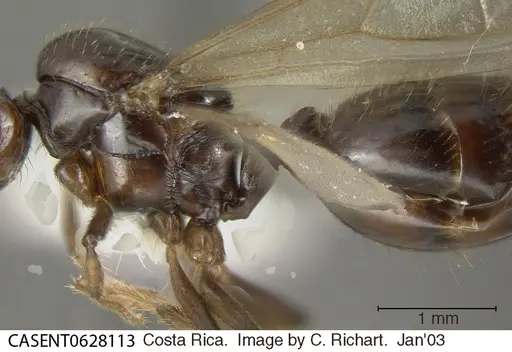
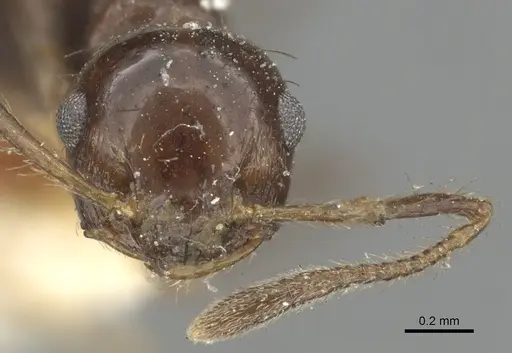
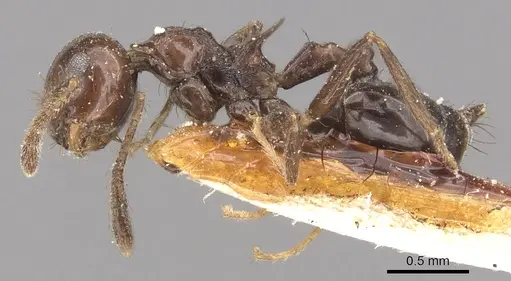
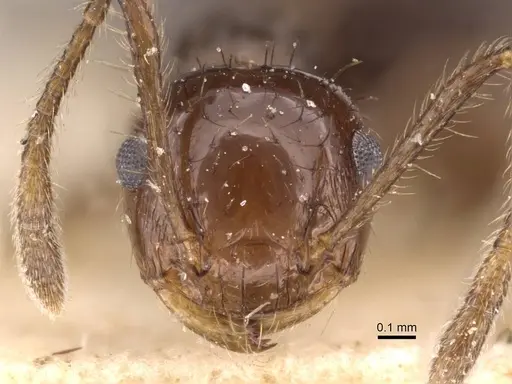
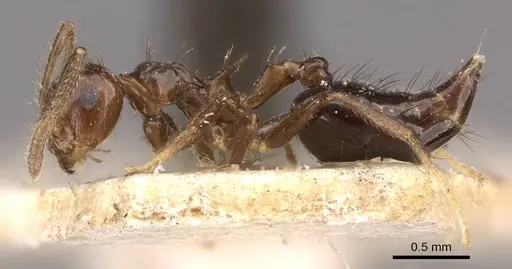
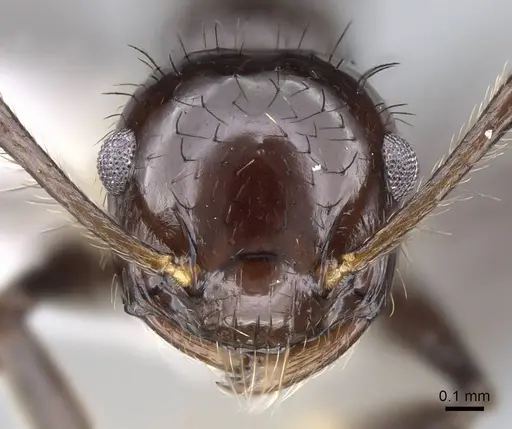
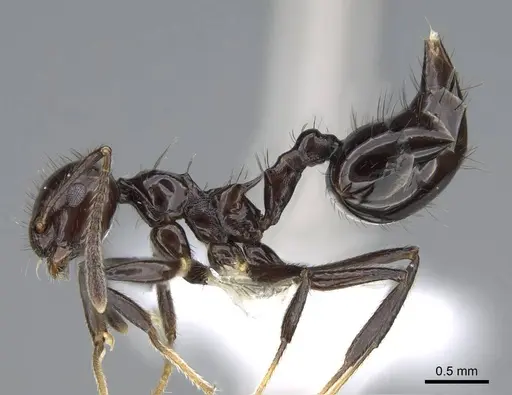
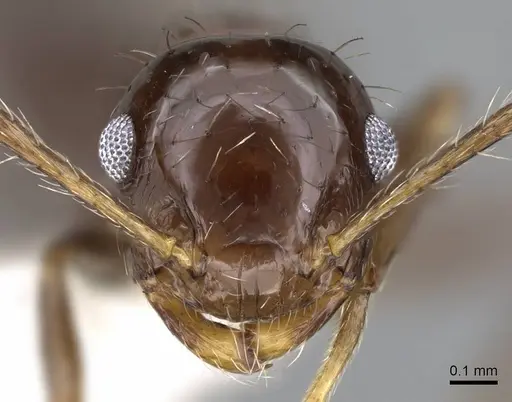
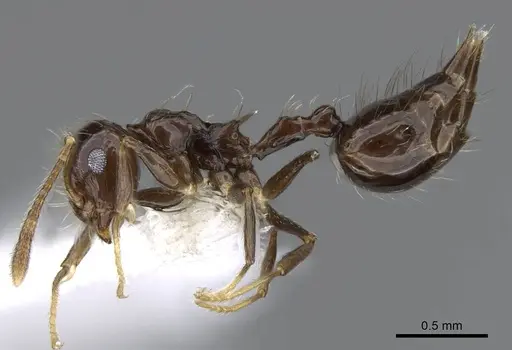
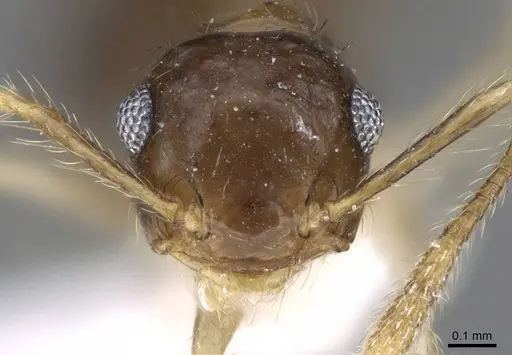
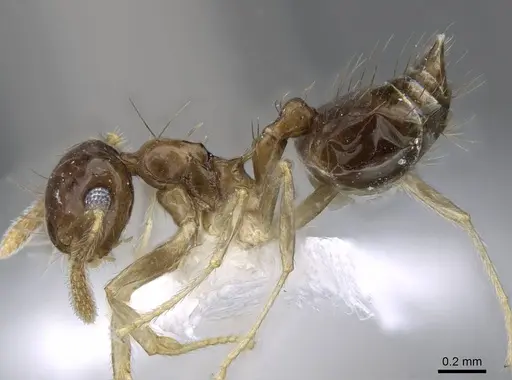
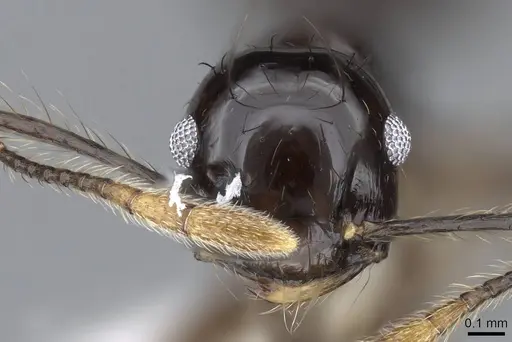
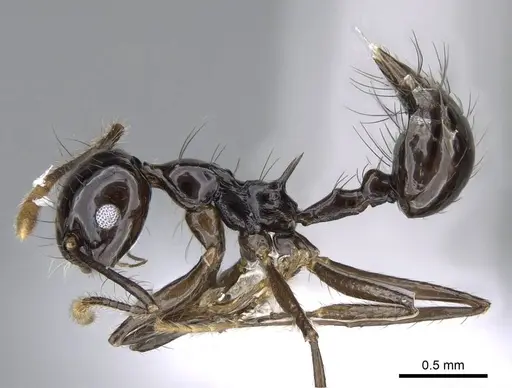
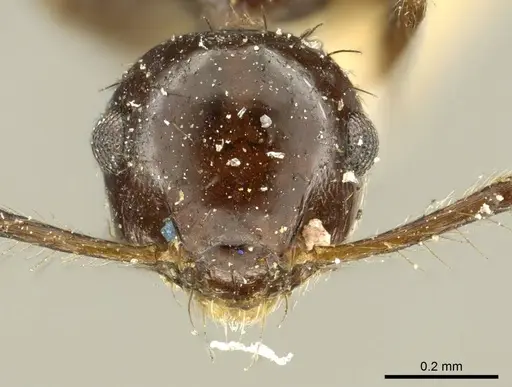
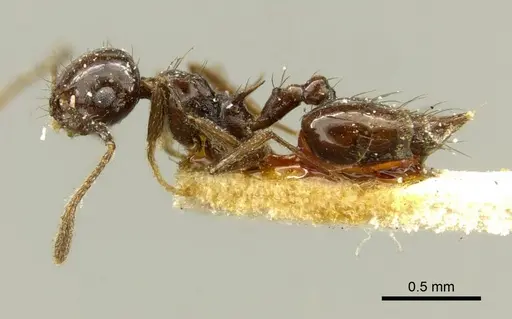
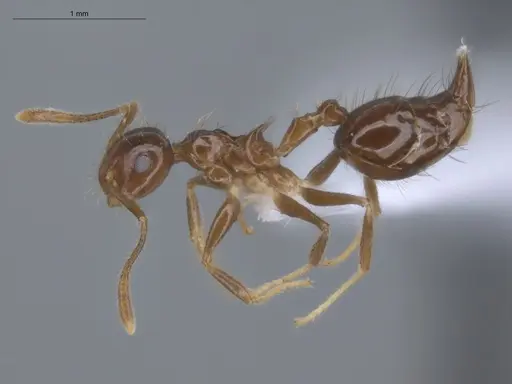
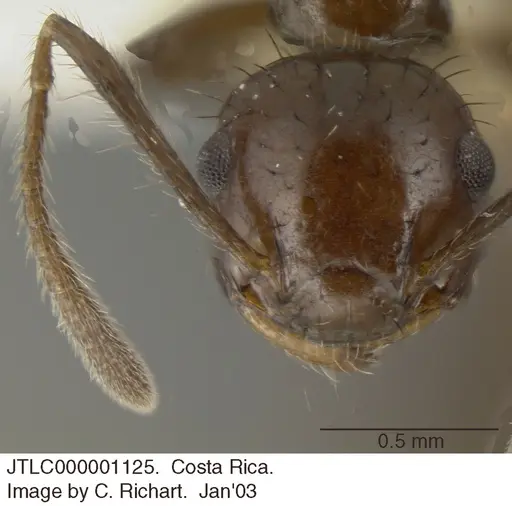
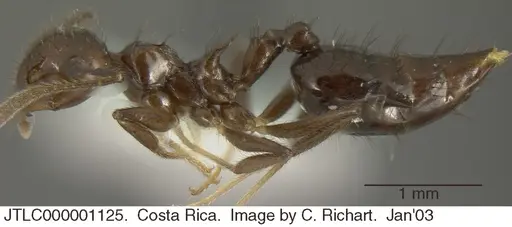
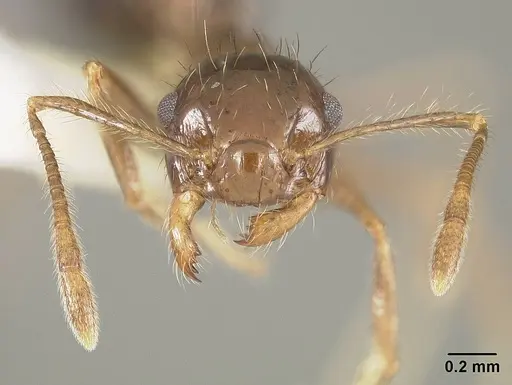
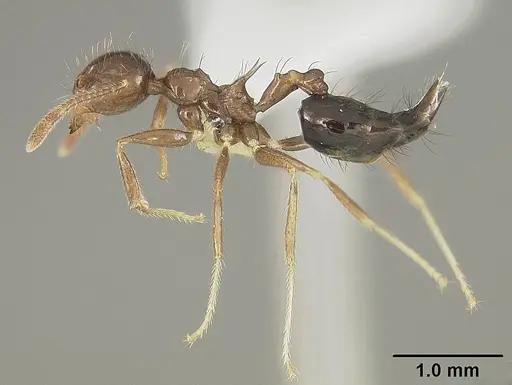
Crematogaster nigropilosa is a small neotropical ant known for its distinctive long, divergent propodeal spines that extend nearly to the posterior edge of the petiole. Workers are dark red-brown to black with abundant long dark setae on the head and body. The species gets its genus common name from its habit of raising its abdomen over its thorax and head when disturbed, like an acrobat balancing on its hands. This species occurs from Nicaragua south through Central America to Bolivia and Brazil, making it one of the most widespread Crematogaster species in the Neotropics . What makes C. nigropilosa particularly interesting is its flexible social structure. Colonies can be monogyne (single queen), polygynous (multiple queens), or queenless with ergatogynes (wingless replacement queens). Ergatogynes are very common in this species - one study found a colony with 13 ergatogynes alongside a dealate queen. This flexibility means colonies can survive even if the primary queen dies, as ergatogynes can take over reproduction .
Quick Summary
- Difficulty: Medium
- Origin & Habitat: Neotropical rainforests from Nicaragua to Bolivia and Brazil, ranging from sea level to 2600m elevation in cloud forests. Nests in soft dead wood, small hollow plant stems, rotten stumps, and Cecropia saplings on the forest floor and understory [1][2].
- Colony Type: Flexible colony structure, can be monogyne (single queen), polygynous (multiple queens), or queenless with ergatogynes (wingless replacement queens). Ergatogynes are common and allow colonies to survive queen loss [1].
- Size & Growth:
- Queen: ~3-4 mm (inferred from Crematogaster genus) [1]
- Worker: ~2-3 mm (inferred from Crematogaster genus) [1]
- Colony: Up to 300 workers per colony [1]
- Growth: Moderate
- Development: 6-8 weeks (estimated from typical Crematogaster development) (Development time estimated from related species in the genus. Tropical species typically develop faster than temperate species.)
- Antkeeping:
- Temperature: Keep at 24-27°C. This is a tropical species found in lowland rainforests and cloud forests, so warmth is important for colony development. A heating cable on one side of the nest creates a gradient allowing workers to self-regulate [1].
- Humidity: High humidity preferred, aim for 70-80%. These ants live in rainforest environments and nest in moist dead wood and plant stems. Keep the nest substrate consistently damp but not waterlogged [1].
- Diapause: No, this is a tropical species that does not require hibernation. Maintain stable warm conditions year-round [1].
- Nesting: Prefers nests in small hollow twigs, dead wood, or plant stems. In captivity, a naturalistic setup with small twigs or a Y-tong/plaster nest with narrow chambers works well. They are twig-nesting ants, so scale the nest passages to their small size [1][3].
- Behavior: Generally peaceful but will raise their abdomen (the acrobat defense) when threatened. Workers are active foragers both day and night. They attend extrafloral nectaries and will take protein baits. They are small but agile escape artists, use fine mesh barriers. Foragers can be found on vegetation and the ground [1][4].
- Common Issues: queenless colonies may fail if no ergatogyne is present, always check for replacement reproductives when collecting., small colony size means slower population growth, don't expect rapid expansion., tropical species is sensitive to temperature drops below 20°C., twig-nesting habit requires appropriately sized nest chambers, too large spaces can stress colonies., high humidity needs can lead to mold if ventilation is poor.
Housing and Nest Preferences
Crematogaster nigropilosa is a twig-nesting ant that naturally colonizes small hollow plant stems, soft dead wood, and rotten stumps. In captivity, provide nest options that mimic these natural cavities. A Y-tong (AAC) or plaster nest with narrow chambers works well, or you can create a naturalistic setup with small diameter twigs or wooden pieces. The key is matching chamber size to their small worker size, passages should be tight enough that workers feel secure but wide enough for easy movement. Avoid large open spaces that can stress these small ants. They do well in both naturalistic and artificial setups as long as humidity is maintained and the nest material stays moist [1][3].
Feeding and Diet
In the wild, foragers of this species visit extrafloral nectaries and collect protein from various sources. They are known to take tuna baits on the ground, indicating they readily accept protein foods. In captivity, offer a varied diet including sugar water or honey as an energy source, and protein sources like small insects (fruit flies, small mealworms, crickets) or commercial ant protein gels. Feed protein 2-3 times per week and keep sugar water available constantly. Their small size means prey items should be appropriately sized, nothing larger than the ant itself. They are generalist feeders and should accept most standard ant foods [1][4].
Temperature and Seasonal Care
As a neotropical species found from lowland rainforests to cloud forests at 2600m elevation, C. nigropilosa prefers warm conditions. Keep the nest at 24-27°C for optimal brood development. Unlike temperate ants, they do not require any winter cooling period, maintain stable temperatures year-round. Avoid temperatures below 20°C for extended periods. A small heating cable or mat placed on one side of the nest creates a temperature gradient, allowing workers to move between warmer and cooler areas as needed. Room temperature in most homes (22-25°C) is usually suitable, but monitor colony activity to ensure they're thriving [1].
Colony Structure and Social Flexibility
One of the most fascinating aspects of this species is its flexible social organization. Colonies can have a single queen (monogyne), multiple queens (polygynous), or be queenless with ergatogynes, wingless females that can reproduce as replacement queens. Ergatogynes are very common in this species and allow colonies to survive queen death. One study found a colony with one dealate queen, 28 alate queens, 11 males, 13 ergatogynes, and 324 workers. Some colonies are even completely queenless but contain ergatogynes that maintain reproduction. This flexibility makes them robust in captivity, even if your queen dies, ergatogynes may allow the colony to survive [1].
Behavior and Defense
Crematogaster ants get their common name 'acrobat ants' from their defensive behavior, when threatened, workers raise their abdomen over their head and thorax, balancing on their front legs like an acrobat. This posture allows them to spray formic acid from the tip of their abdomen toward predators. While not particularly aggressive, they will defend their nest vigorously. Workers are active foragers both day and night and will explore widely for food. They are small but determined explorers, so escape prevention is important despite their modest size. They are arboreal and ground-nesting, so provide both foraging area space and appropriate nesting humidity [1][4].
Frequently Asked Questions
How long does it take for Crematogaster nigropilosa to produce first workers?
Expect first workers (nanitics) in about 6-8 weeks after the queen lays her first eggs, at optimal warm temperatures around 25°C. This is an estimate based on typical Crematogaster development, actual timing depends on temperature and feeding.
Do Crematogaster nigropilosa ants need hibernation?
No, this is a tropical species from neotropical rainforests. They do not require hibernation or winter cooling. Keep them warm year-round at 24-27°C.
What do Crematogaster nigropilosa eat?
They are generalist feeders. Offer sugar water or honey constantly for energy, and protein sources like small insects (fruit flies, pinhead crickets, small mealworms) 2-3 times per week. They naturally attend extrafloral nectaries, so sugar sources are important.
How big do Crematogaster nigropilosa colonies get?
Colonies typically reach 100-300 workers in the wild. In captivity, expect moderate growth rates with colonies potentially reaching similar sizes given proper care.
Can I keep multiple Crematogaster nigropilosa queens together?
This species can be polygynous (multiple queens) in the wild, but combining unrelated foundress queens is risky. If you have a polygynous colony naturally, they may coexist, but introducing new queens to an established monogyne colony often leads to conflict.
What is the best nest type for Crematogaster nigropilosa?
They are natural twig-nesters, so a Y-tong (AAC) or plaster nest with narrow chambers or a naturalistic setup with small hollow twigs/driftwood works best. The key is providing appropriately sized chambers that match their small worker size.
Do Crematogaster nigropilosa ants sting?
They are small Myrmicinae ants with the ability to spray formic acid as a defense (the 'acrobat' behavior). They are not considered dangerous to humans and their small size means they rarely penetrate skin.
Are Crematogaster nigropilosa good for beginners?
They are rated as medium difficulty. Their flexible colony structure and tropical requirements make them slightly more challenging than common temperate species, but their generalist diet and adaptable nature make them manageable for keepers with some experience.
Why did my queen die but the colony survived?
This is normal for C. nigropilosa! Ergatogynes (wingless replacement queens) are very common in this species. If the primary queen dies, ergatogynes can take over reproduction and keep the colony going. Always check for ergatogynes when a queen appears to be missing.
What humidity level do Crematogaster nigropilosa need?
Keep humidity high at 70-80%. These rainforest ants nest in moist dead wood and plant stems. The nest substrate should feel damp but not be waterlogged. Proper ventilation helps prevent mold while maintaining humidity.
When should I move my colony to a larger nest?
Move to a larger setup when the colony reaches around 100 workers or when the current nest shows signs of crowding (workers clustering outside the nest, brood piled up). Twig-nesting ants prefer snug spaces, so don't oversized the new nest.
Report an Issue
The current care sheet is based fully on literature. See inconsistencies, or something that's incorrect? Please , it will be resolved after review from an admin. Contributing to the blogs tab also helps providing information, to make us be able to further improve the caresheets. Thank you for your support!
References

This caresheet is licensed under CC BY-SA 4.0 .
Community Blogs
CASENT0173945
View on AntWeb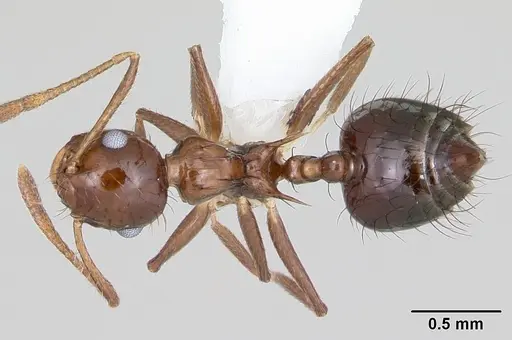
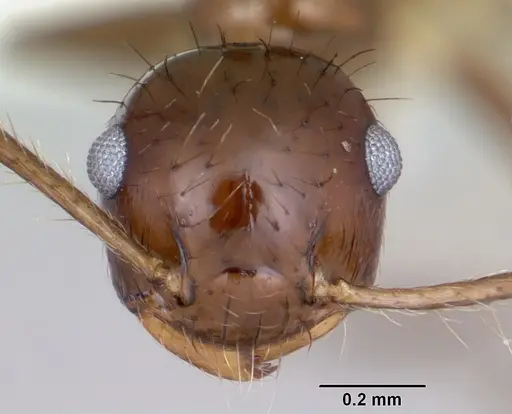
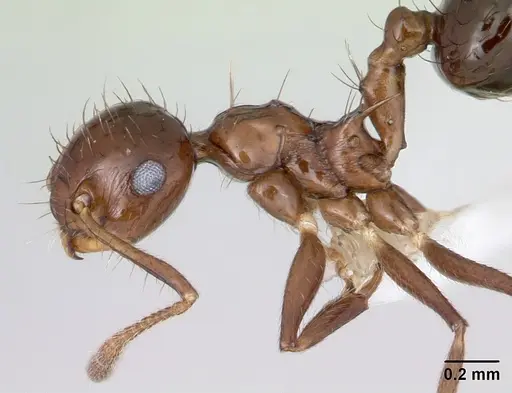
CASENT0193769
View on AntWeb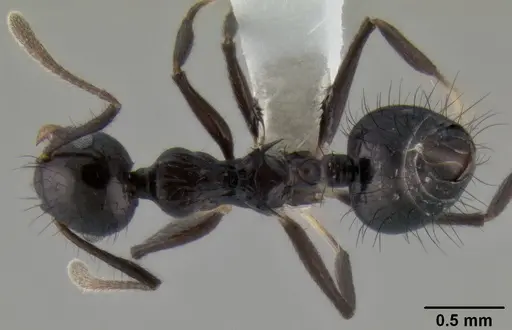
CASENT0628113
View on AntWeb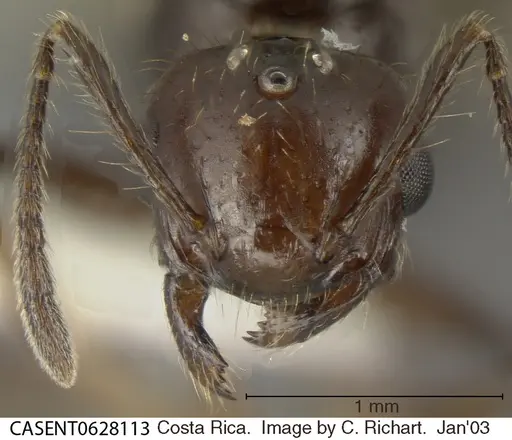
CASENT0902154
View on AntWeb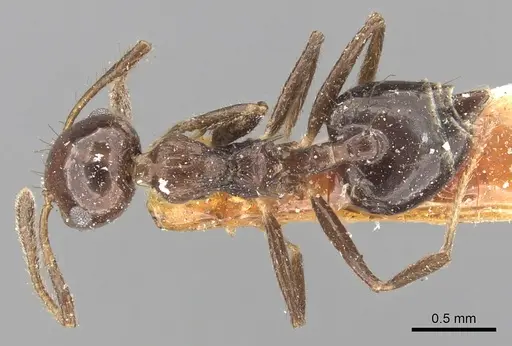
CASENT0908441
View on AntWeb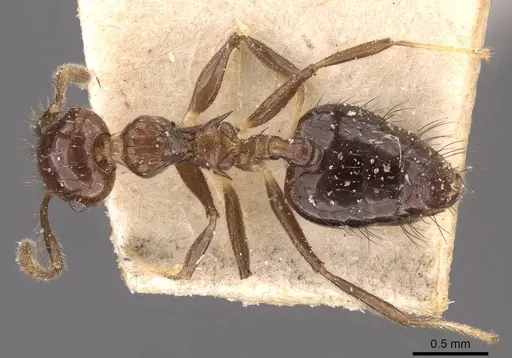
CASENT0914575
View on AntWeb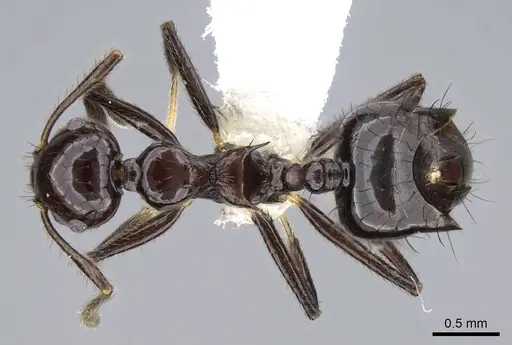
CASENT0914576
View on AntWeb
CASENT0914577
View on AntWeb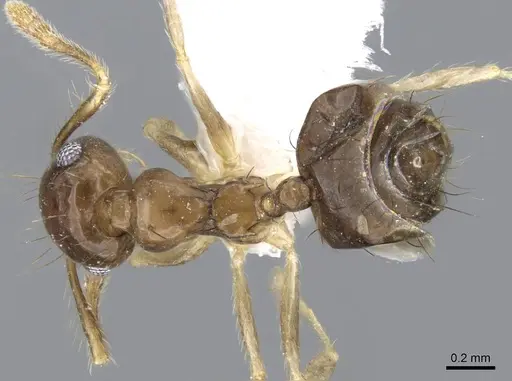
CASENT0914578
View on AntWeb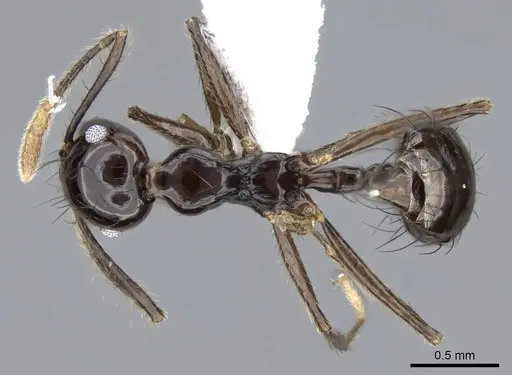
CASENT0919704
View on AntWeb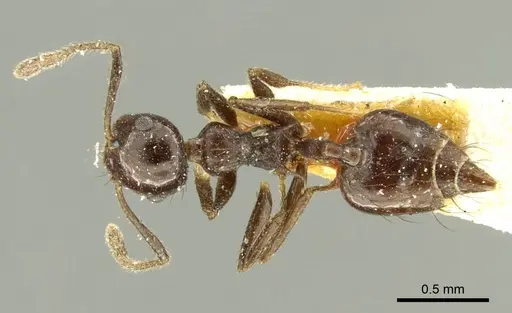
CBUMAGENT41940
View on AntWeb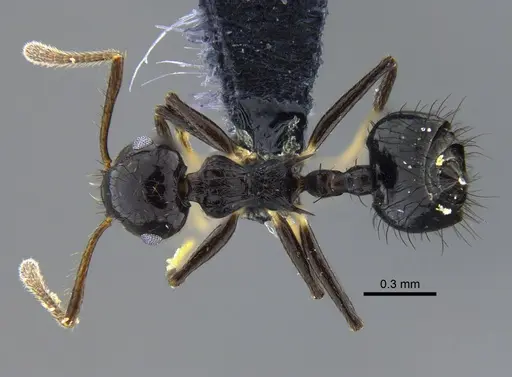
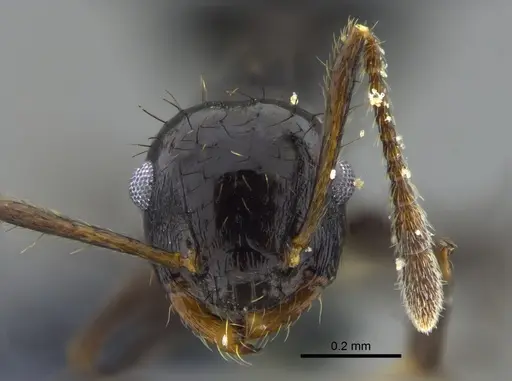
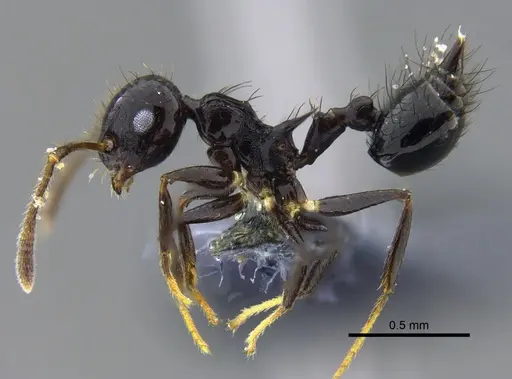
ECOFOG-CSG15-0054-14
View on AntWeb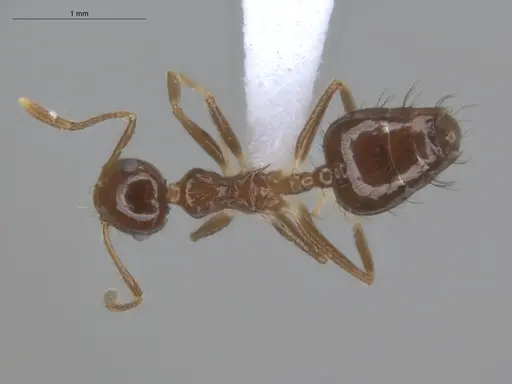
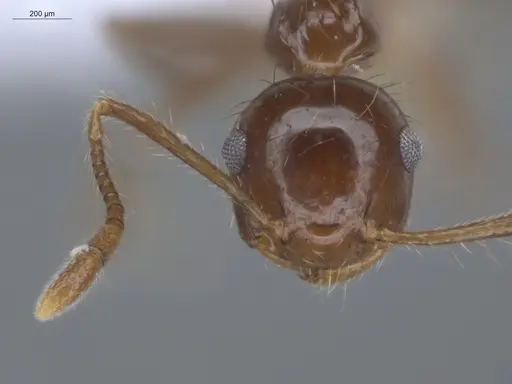
FOCOL1630
View on AntWeb
JTLC000001125
View on AntWeb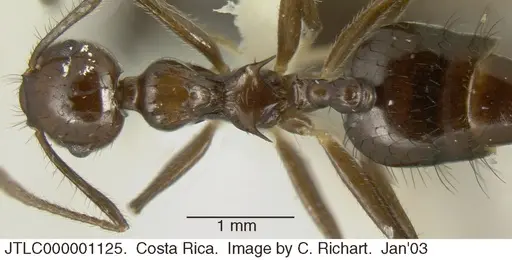
JTLC000002479
View on AntWeb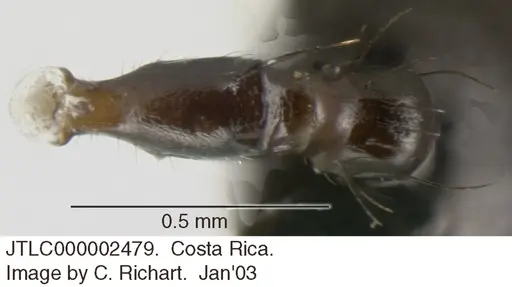
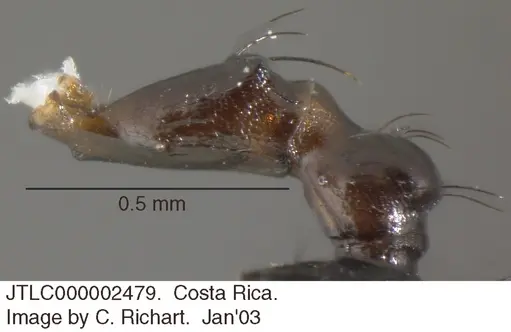
USNMENT00413803
View on AntWeb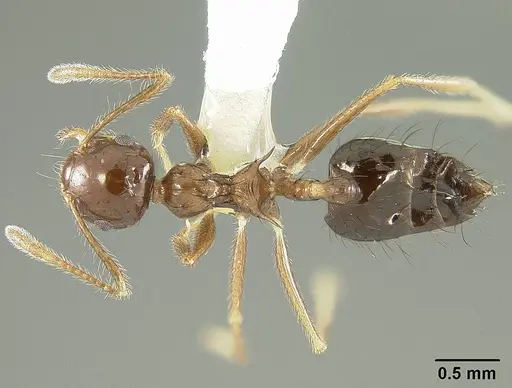
Literature
Loading distribution map...Loading products...