
Crematogaster montezumia
- Sci. Name
- Crematogaster montezumia
- Subgenus
- Orthocrema
- Tribe
- Crematogastrini
- Subfamily
- Myrmicinae
- Author
- Smith, 1858
- Distribution
- Found in 8 countries
Introduction
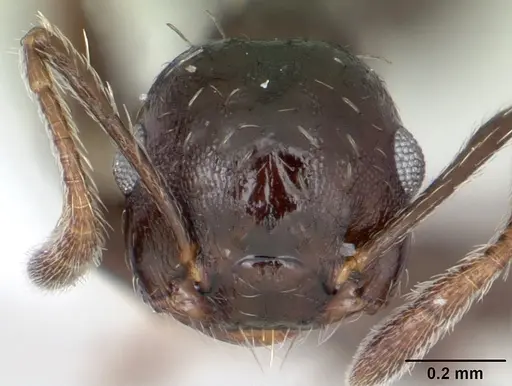
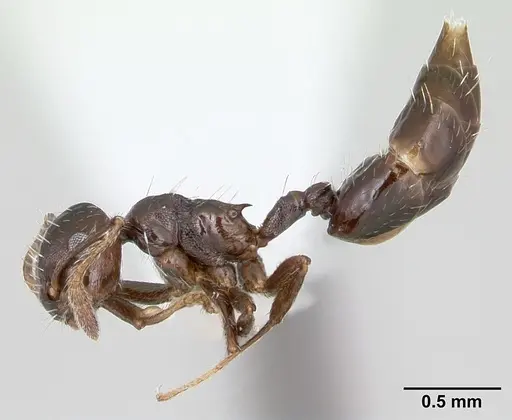
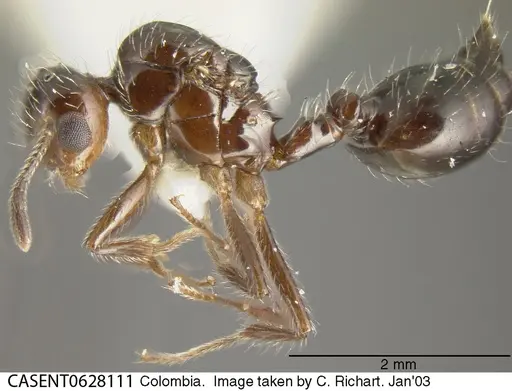
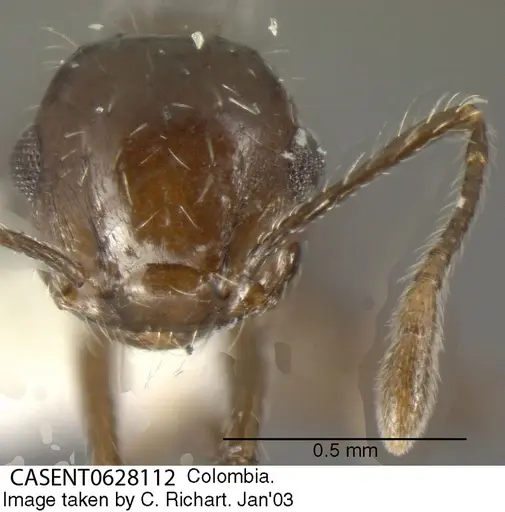
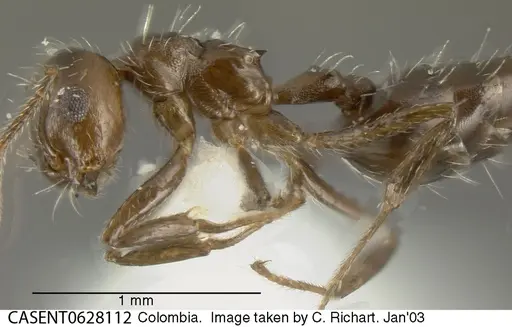
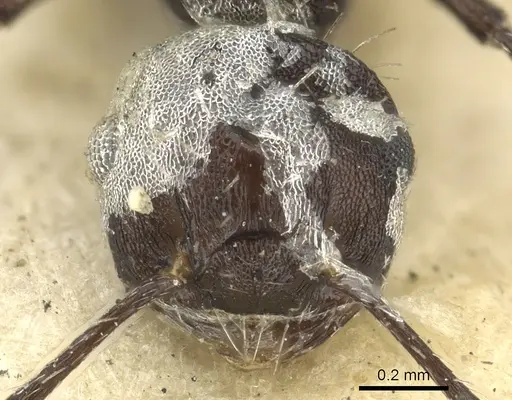
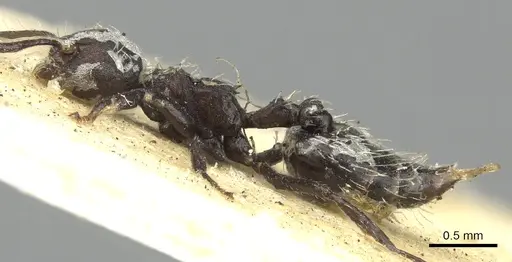
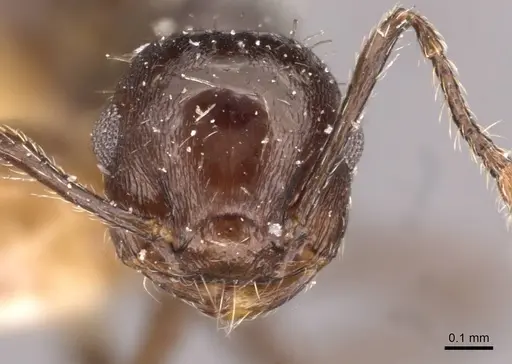
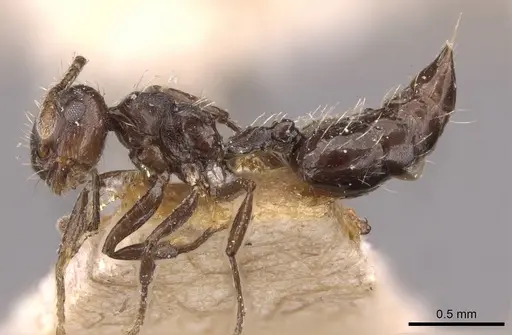
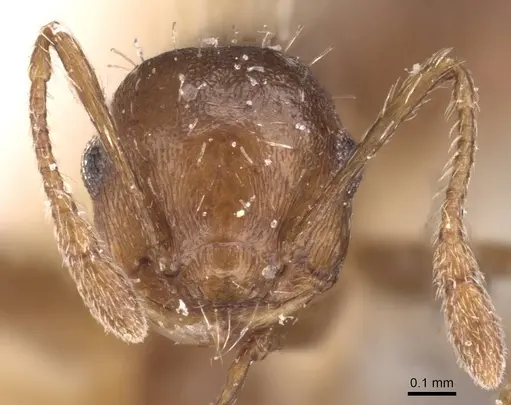
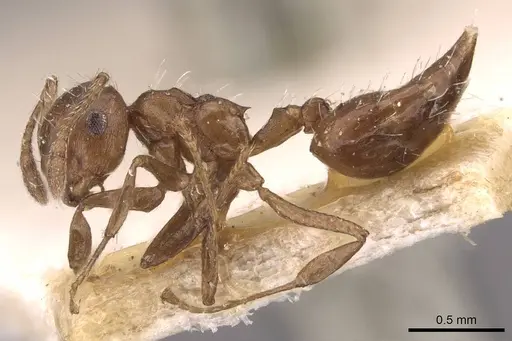
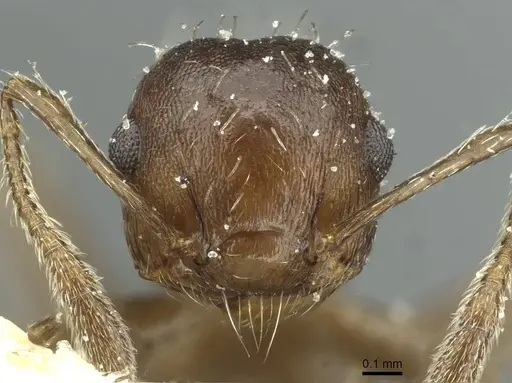
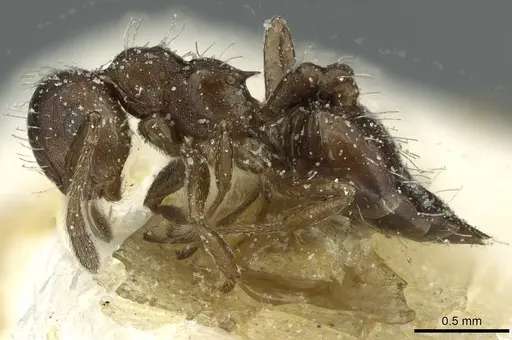
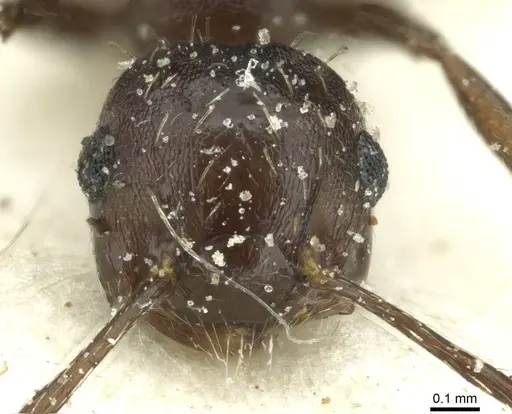
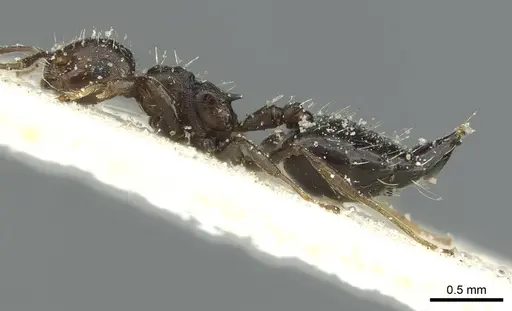
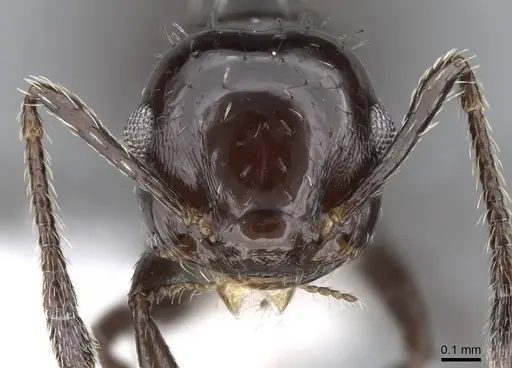
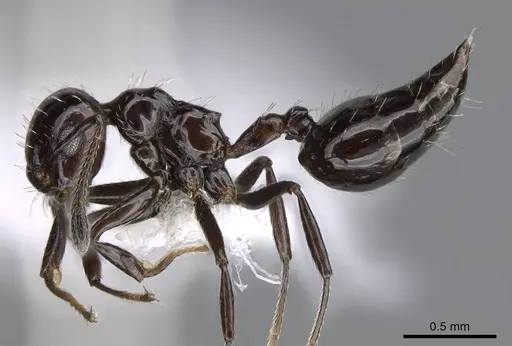
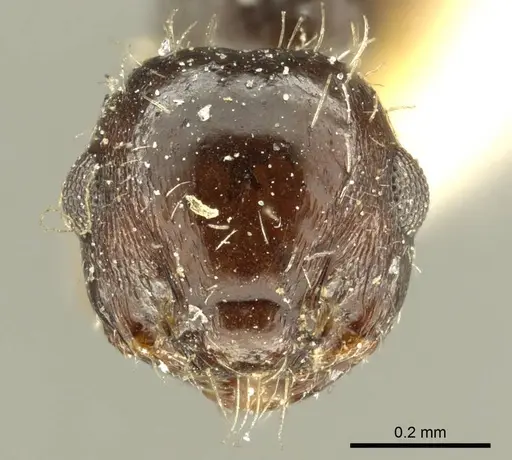
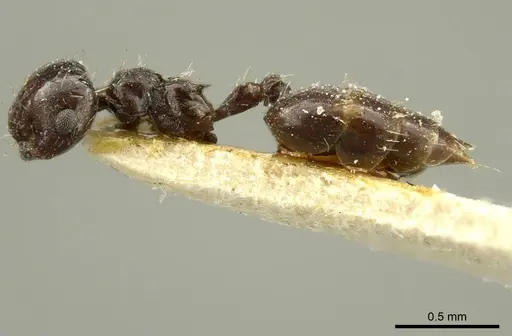
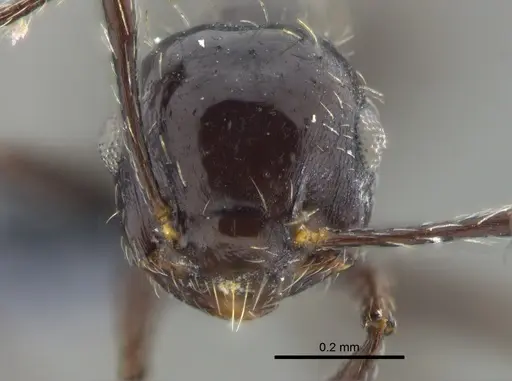
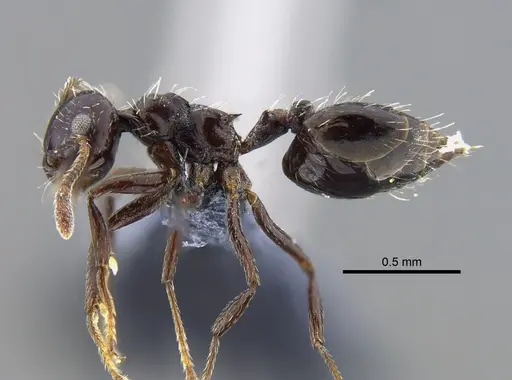
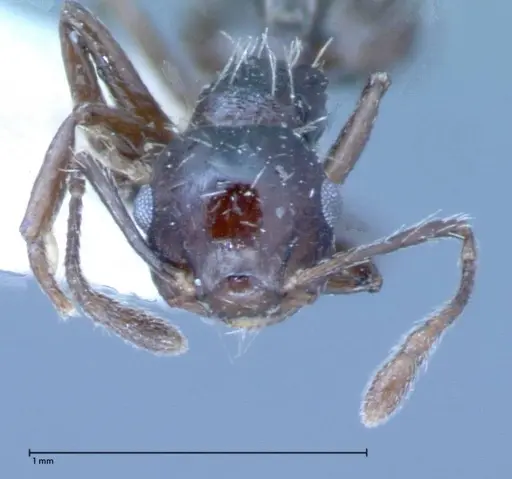
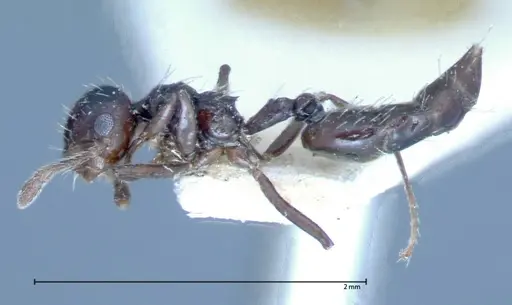
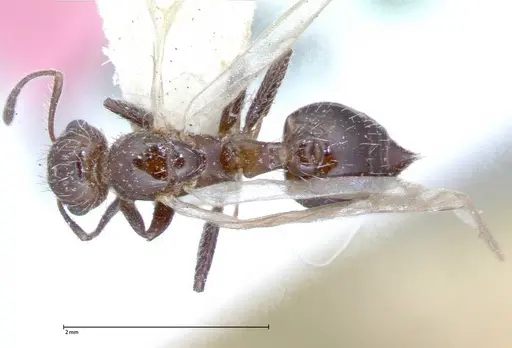
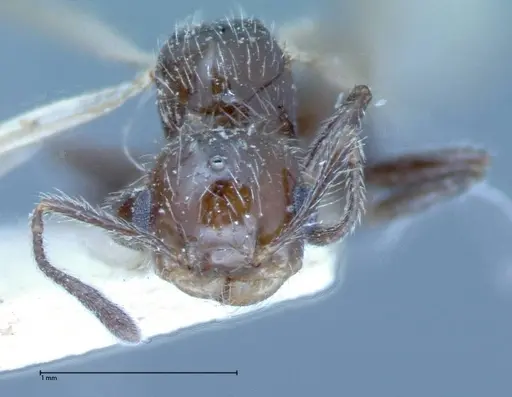
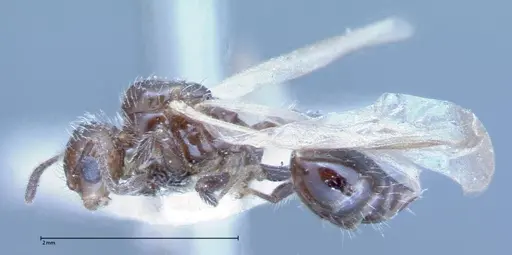
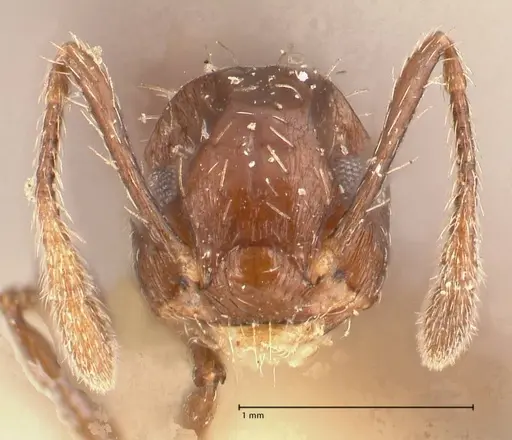
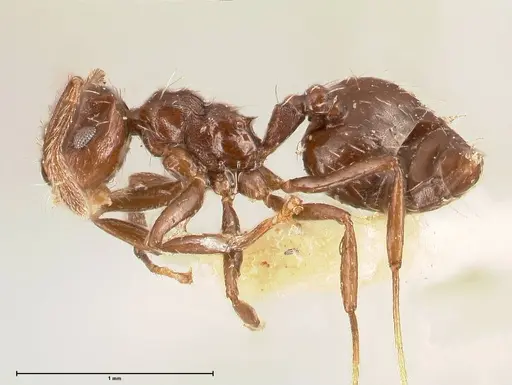
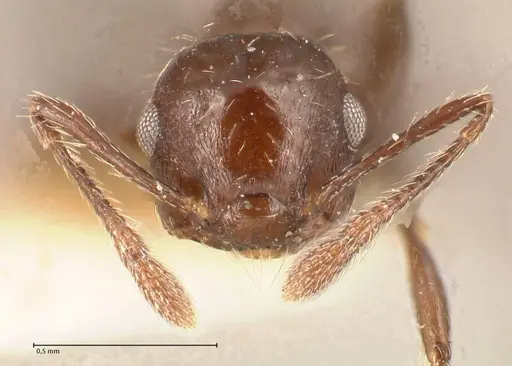
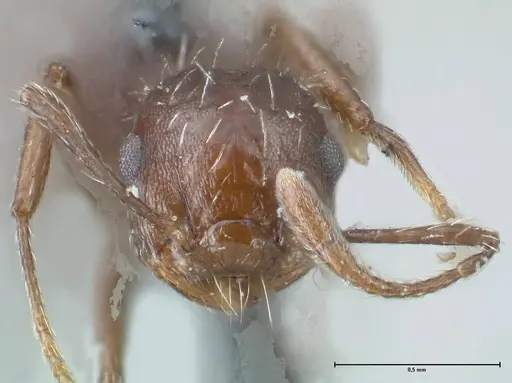
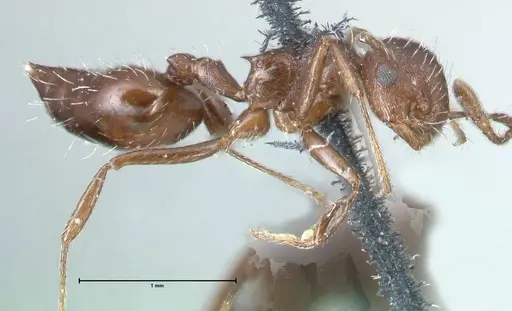
Crematogaster montezumia is a small arboreal ant native from Mexico down to Argentina . Workers are dark red-brown to black with a distinctive elongated petiole and very short propodeal spines reduced to tiny denticles . The queen is notably shiny with curved, falcate mandibles - a trait often associated with social parasitism in ants . This species constructs carton nests in trees and shrubs, building protective structures from a paper-like material. They are aggressive defenders that swarm out and flag their gasters when threatened [AntWiki].
Quick Summary
- Difficulty: Medium
- Origin & Habitat: Native to the Neotropical region, Mexico, Guatemala, Honduras, Costa Rica, Panama, Colombia, Ecuador, Peru, Brazil, Paraguay, and Argentina [1][2]. Found in wet to dry forest habitats, typically in brushy second growth vegetation or forest edges [3].
- Colony Type: Colony structure is not fully confirmed. Queens have been observed alone with workers of another species (Crematogaster curvispinosa), suggesting possible social parasitism where the queen invades a host colony [3]. Single queens have been found in carton nests.
- Size & Growth:
- Queen: Size data unavailable, queen is described as tiny compared to other Crematogaster, likely around 5-7mm inferred from genus patterns.
- Worker: Workers are small, approximately 3-4mm inferred from Crematogaster genus patterns.
- Colony: Large carton nests observed were 15-20cm long and 10cm wide, containing workers, brood, and multiple alate queens [3].
- Growth: Moderate, based on typical Crematogaster development patterns.
- Development: Development time is unconfirmed for this specific species. (Inferred from typical Crematogaster species, direct measurements are not available.)
- Antkeeping:
- Temperature: Keep at 22-28°C. As a tropical species, they prefer warm conditions. Room temperature within this range works well, or use a gentle heat gradient with a heating cable on one side of the nest.
- Humidity: Moderate humidity around 50-70%. They nest in dry, exposed areas in the wild, so avoid overly damp conditions. Provide a water tube but ensure the nest area stays relatively dry [3].
- Diapause: No, as a tropical species, they do not require hibernation. Keep temperatures stable year-round.
- Nesting: Arboreal nesters that build carton structures. In captivity, they do well in Y-tong nests with horizontal chambers. Provide small twigs or branches in the outworld to simulate their natural arboreal habitat. They do not need epiphytes or live plants in the nest [3].
- Behavior: Highly defensive and aggressive when their nest is disturbed. Workers quickly swarm out and perform gaster-flagging, raising and waving their abdomen to display warning signals [3]. They are active foragers that travel in files across vegetation. Workers are small but can squeeze through small gaps, use standard escape prevention. They tend to be more active at warmer temperatures.
- Common Issues: escape prevention, small workers can slip through tight gaps if not properly sealed, overheating, tropical species can be damaged by temperatures above 30°C, excessive humidity, they naturally nest in dry, exposed areas and can suffer in overly damp conditions, aggressive defense, disturb the nest carefully as they will swarm readily, social parasitism uncertainty, colony founding behavior is not fully understood and may require host workers
Housing and Nest Setup
Crematogaster montezumia is an arboreal species that naturally builds carton nests in trees and shrubs. In captivity, provide a Y-tong formicarium with horizontal chambers. Add small twigs, branches, or cork bark pieces in the outworld to simulate their natural arboreal environment. They prefer dry to moderately humid nest conditions, avoid the damp conditions needed by many forest-floor species. A water tube should be provided, but ensure good ventilation to prevent moisture buildup in the nest area. These ants are active and need space to forage, so connect the nest to a spacious outworld with natural materials they can explore. [3]
Feeding and Diet
Like other Crematogaster species, they accept a varied diet including sugary liquids (honey water, sugar water) and protein sources (insects, small prey). In the wild, they tend scale insects and other honeydew-producing insects, and forage for small arthropods. Offer honey or sugar water as a constant sugar source, and provide protein foods like fruit flies, small crickets, or mealworms twice weekly. They are foragers that will send workers out to collect food, so place food in accessible locations in the outworld. [3]
Temperature and Seasonal Care
As a tropical species from Mexico to Argentina, keep them warm at 22-28°C. Room temperature in most homes is suitable if within this range. Avoid temperatures below 18°C or above 30°C. They do not require hibernation or diapause, maintain stable temperatures year-round. A gentle heat gradient allows workers to regulate their temperature by moving between warmer and cooler areas. Use a heating cable placed on top of the nest if additional warmth is needed, but monitor to prevent overheating.
Behavior and Defense
This species is notably defensive and aggressive when its nest is threatened. When disturbed, workers quickly swarm out and perform gaster-flagging, raising their abdomen prominently while running over the nest surface [3]. This is a warning display, and they will readily bite if the threat persists. Handle with care and avoid disturbing the nest unnecessarily. They are active foragers that travel in files, so provide ample foraging space. Workers are small but persistent, and standard escape prevention measures should be used.
Colony Establishment
The colony founding behavior of this species is not fully documented. Queens have shiny bodies and falcate (curved) mandibles, characteristics often associated with social parasitism in ants [3]. In one observation, a montezumia queen was found living with workers of another species (Crematogaster curvispinosa), suggesting possible temporary social parasitism where a queen invades a host colony. However, other observations show single queens in healthy carton nests with no host workers present. For keepers, the safest approach is to start a colony with a single queen in a proper founding setup and monitor for acceptance. If the queen survives and lays eggs, she is likely founding claustrally rather than parasitically.
Frequently Asked Questions
Can I keep Crematogaster montezumia in a test tube?
Test tubes can work for founding colonies, but these are arboreal ants that naturally build carton nests in trees. A Y-tong formicarium with horizontal chambers is more appropriate once the colony reaches 20-30 workers. The test tube should be kept relatively dry, as they nest in dry, exposed areas in the wild.
How long until first workers in Crematogaster montezumia?
Exact development time is unconfirmed for this species. Based on typical Crematogaster patterns, expect first workers (nanitics) approximately 6-8 weeks after the queen lays eggs at warm tropical temperatures (24-28°C). Be patient, founding colonies can take time.
Do Crematogaster montezumia ants sting?
Crematogaster ants have a stinger but rarely use it on humans due to their small size. Their primary defense is biting and the aggressive swarming behavior with gaster-flagging. They are more likely to bite if handled roughly or if their nest is disturbed.
Are Crematogaster montezumia good for beginners?
This species is rated as Medium difficulty. They are more challenging than common beginner species like Lasius or Tetramorium because their tropical requirements, arboreal nature, and defensive behavior require more specific care. They are not recommended as a first ant colony.
Do Crematogaster montezumia need hibernation?
No. As a tropical species from Mexico to Argentina, they do not require hibernation. Keep temperatures stable at 22-28°C year-round. Do not expose them to cold temperatures below 18°C for extended periods.
What do Crematogaster montezumia eat?
They accept a standard ant diet: sugary liquids (honey water, sugar water) as a constant energy source, and protein (small insects like fruit flies, pinhead crickets, or mealworms) offered 1-2 times weekly. In the wild, they tend scale insects for honeydew and hunt small arthropods.
Can I keep multiple queens together?
Not recommended. While satellite nests with multiple queens have been observed in the wild, combining unrelated foundress queens in captivity has not been documented for this species and could result in fighting. Start with a single queen.
Why are my Crematogaster montezumia dying?
Common causes include: excessive humidity (they prefer dry nest conditions), temperatures outside their 22-28°C range, or escape through small gaps. Also ensure they have proper protein and sugar sources. If the colony was wild-caught, parasites or stress from collection can cause losses.
When to move to a formicarium?
Move from a founding setup to a larger nest once the colony reaches 30-50 workers and the test tube or small container becomes crowded. They do well in Y-tong formicariums with horizontal chambers.
Are Crematogaster montezumia aggressive?
Yes, they are notably aggressive and defensive. When their nest is disturbed, workers quickly swarm out and perform gaster-flagging displays. They will readily bite threats. Handle carefully and avoid unnecessary nest disturbances.
Report an Issue
The current care sheet is based fully on literature. See inconsistencies, or something that's incorrect? Please , it will be resolved after review from an admin. Contributing to the blogs tab also helps providing information, to make us be able to further improve the caresheets. Thank you for your support!
References

This caresheet is licensed under CC BY-SA 4.0 .
Community Blogs
CASENT0173939
View on AntWeb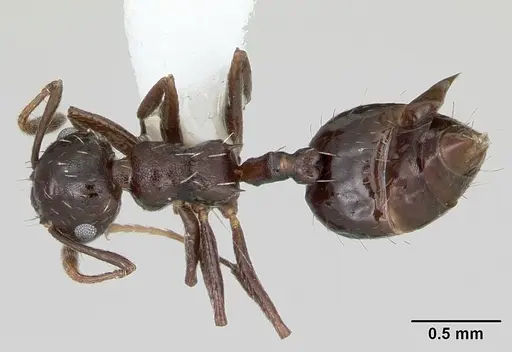
CASENT0628111
View on AntWeb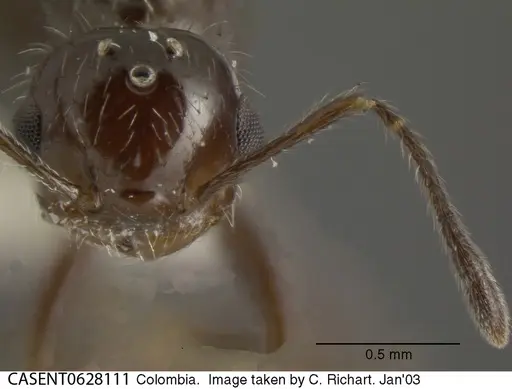
CASENT0628112
View on AntWeb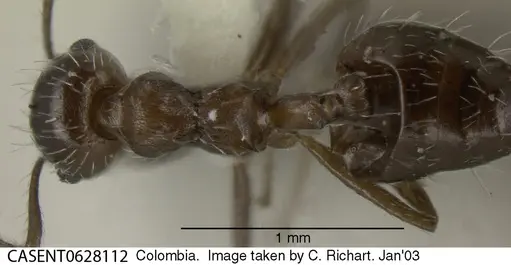
CASENT0902150
View on AntWeb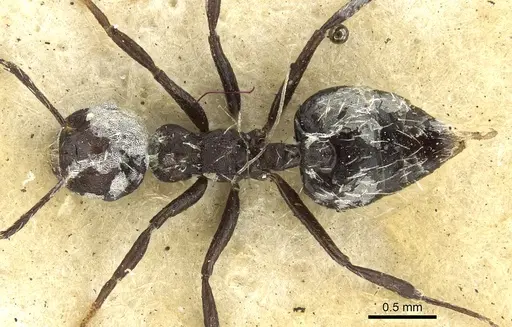
CASENT0908421
View on AntWeb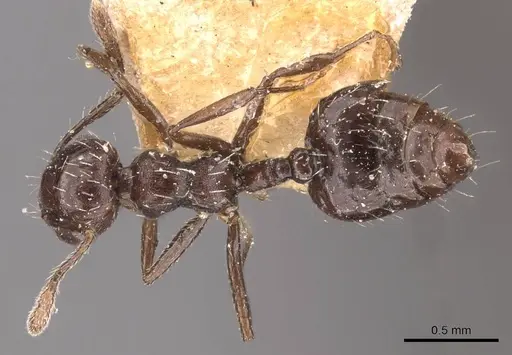
CASENT0908422
View on AntWeb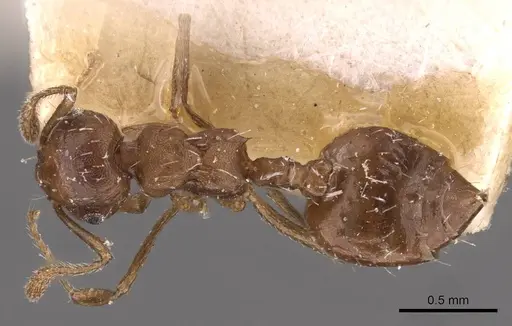
CASENT0912744
View on AntWeb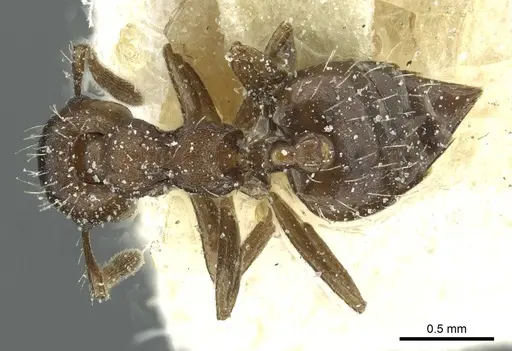
CASENT0912745
View on AntWeb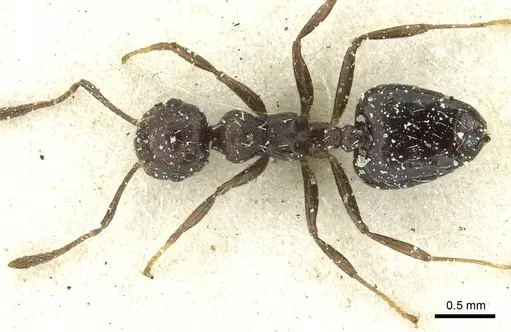
CASENT0914574
View on AntWeb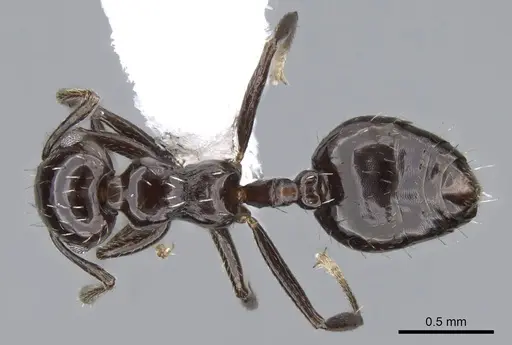
CASENT0919706
View on AntWeb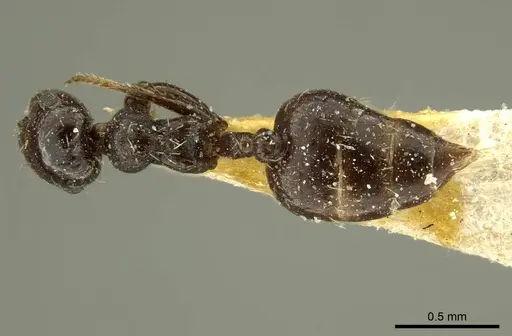
CBUMAGENT41954
View on AntWeb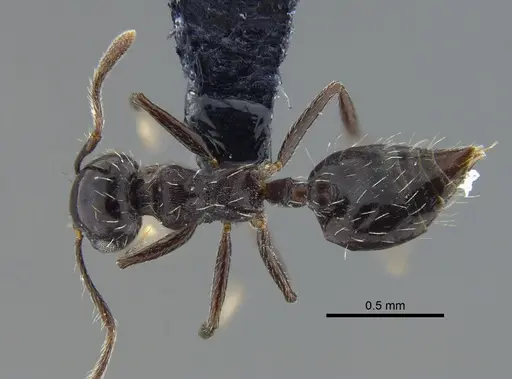
FOCOL0074-1
View on AntWeb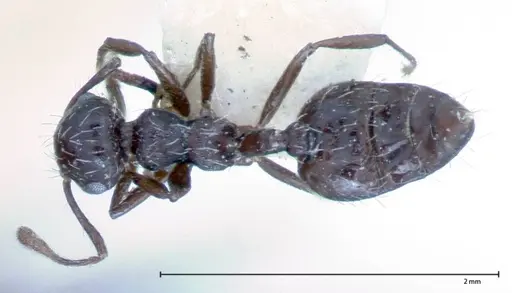
FOCOL0074-2
View on AntWeb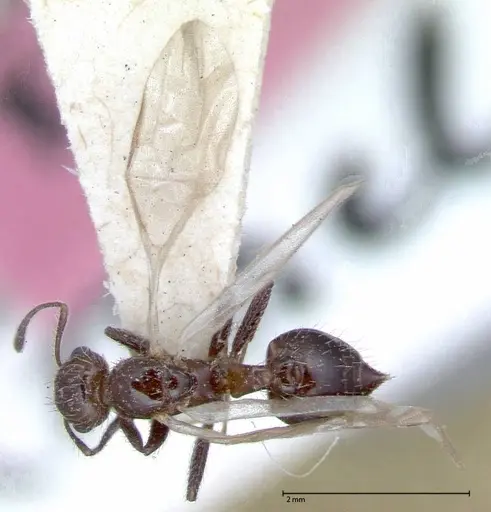
FOCOL0696-1
View on AntWeb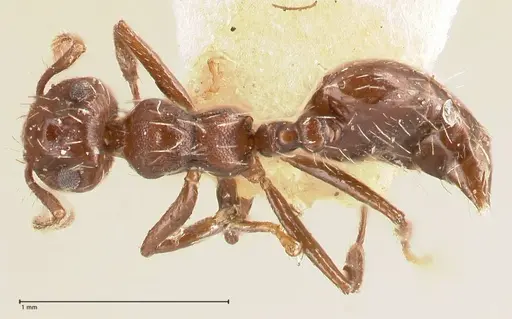
FOCOL0696-2
View on AntWeb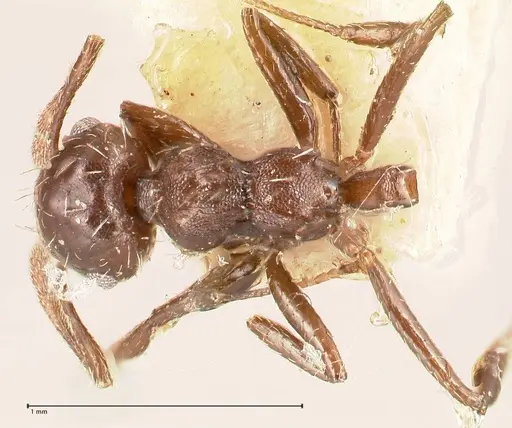
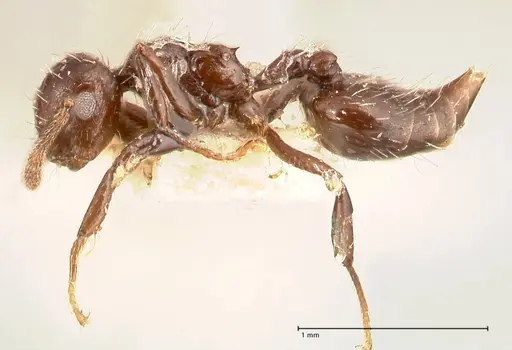
FOCOL1619-1
View on AntWeb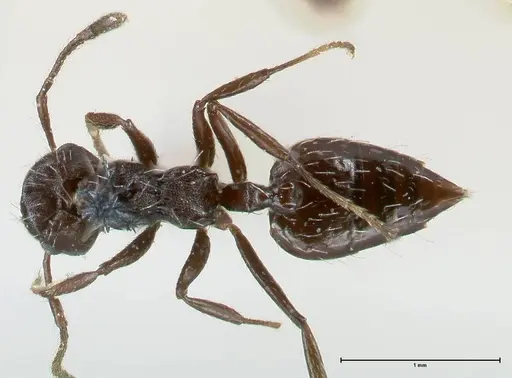
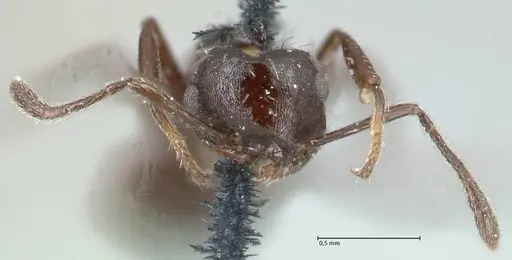
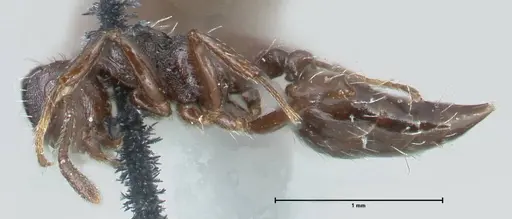
FOCOL1619-2
View on AntWeb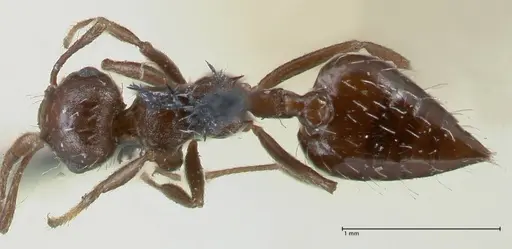
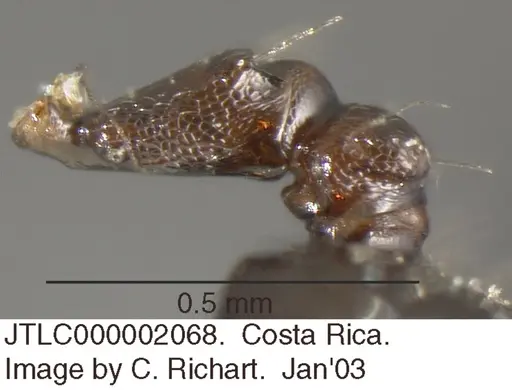
JTLC000002068
View on AntWeb
Literature
Loading distribution map...Loading products...