
Crematogaster mjobergi
- Sci. Name
- Crematogaster mjobergi
- Tribe
- Crematogastrini
- Subfamily
- Myrmicinae
- Author
- Forel, 1915
- Distribution
- Found in 1 countries
Introduction
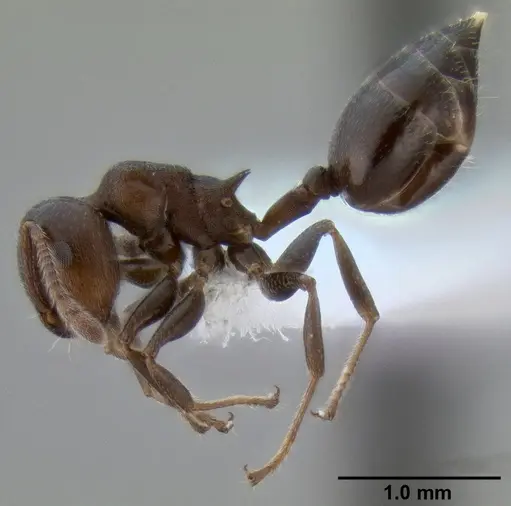
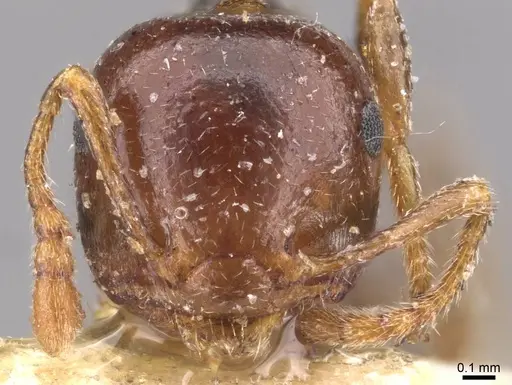
Crematogaster mjobergi is a small ant species native to the Kimberley region of Western Australia, described by Forel in 1915. Workers have the characteristic Crematogaster body shape - a heart-shaped gaster that they raise over their head like an acrobat when threatened, giving them their common name. This species belongs to the Xiphocrema subgenus, which is distributed throughout the Australasian region . C. mjobergi is part of clade C (along with C. fruhstorferi, C. ss_AUS5,and the C. tetracantha-group) . This species remains poorly studied, with limited published information on its biology, colony structure, or exact size.
Quick Summary
- Difficulty: Unknown, no captive husbandry data available for this species
- Origin & Habitat: Native to the Kimberley region in northwestern Western Australia, Australia. The Kimberley is a tropical to semi-arid region with distinct wet and dry seasons [1].
- Colony Type: Colony structure is unconfirmed. Most Crematogaster species are monogyne, though some can be polygyne.
- Size & Growth:
- Queen: size data unavailable, no specific measurements exist for this species
- Worker: size data unavailable, no specific measurements exist for this species
- Colony: Unknown, no data available for this specific species
- Growth: Unknown
- Development: Estimated 6-8 weeks based on typical Crematogaster development at warm temperatures (This is a rough estimate based on genus patterns, no specific development data exists for this species.)
- Antkeeping:
- Temperature: Keep at 24-28°C based on their tropical Australian origin. A heating cable on one side of the nest creates a gradient allowing workers to self-regulate. Avoid temperatures above 35°C.
- Humidity: Moderate humidity around 50-70%. The Kimberley region has a dry season, so they likely tolerate drier conditions. Keep nest substrate slightly moist but allow some drying between waterings.
- Diapause: Unconfirmed, Kimberley has a dry season rather than cold winter. They likely do not require true hibernation.
- Nesting: In nature, Crematogaster species typically nest in rotting wood, under bark, or in hollow stems. In captivity, a Y-tong (AAC) nest, plaster nest, or naturalistic setup with rotting wood works well. Avoid overly wet substrates as they prefer well-drained nesting sites.
- Behavior: Crematogaster ants are known for their defensive behavior, they raise their abdomen over their head when threatened and can deliver a sting using their modified, flattened stinger to smear venom onto enemies rather than piercing flesh. They are generally aggressive when defending the nest. Workers are active foragers and will search for food both on the ground and on vegetation. Escape prevention is important as they are small and can squeeze through small gaps.
- Common Issues: no captive husbandry data exists for this species, difficulty level cannot be confirmed, small size means escape prevention must be excellent even with tight-fitting lids, stinging behavior may pose a minor risk to keepers, handle with care, lack of species-specific information means keepers must rely on genus-level care guidelines, wild-caught colonies may have parasites or diseases not yet understood
Nest Preferences
Crematogaster mjobergi belongs to the Xiphocrema subgenus, which is distributed throughout the Australasian region [1]. In the wild, Crematogaster species typically nest in rotting wood, under loose bark, or in hollow plant stems. Some species are arboreal or semi-arboreal. For captive care, a Y-tong (AAC) nest works well because it provides dark, secure chambers that mimic their natural nesting preferences. A plaster nest can also work if kept appropriately moist. Avoid very wet substrates, these ants prefer conditions that are moist but not waterlogged, with some ventilation to prevent mold. If using a naturalistic setup, provide pieces of rotting wood or cork bark for them to nest under or inside.
Feeding and Diet
Crematogaster ants are omnivorous with a preference for protein. In captivity, offer protein sources such as small insects (fruit flies, small crickets, mealworms), and provide sugar sources like honey water or sugar water regularly. They are foragers and will send workers out to search for food, so place food in the outworld where they can access it easily. Feed protein 2-3 times per week and keep a sugar source available at all times. Remove uneaten prey after 24-48 hours to prevent mold.
Temperature and Seasonal Care
As ants from the Kimberley region of Western Australia, Crematogaster mjobergi originates from a tropical to semi-arid climate with warm temperatures year-round. Keep the nest area at 24-28°C for optimal colony health and development. A heating cable placed on one side of the nest creates a temperature gradient, allowing workers to move between warmer and cooler areas as needed. Avoid temperatures above 35°C, which can stress or kill the colony. The Kimberley has distinct wet and dry seasons rather than cold winters, so true hibernation is likely not required. However, you may notice reduced activity during cooler months, this is normal and they should be maintained at mild temperatures (around 20°C) during this period rather than allowed to become cold. [1]
Behavior and Defense
Crematogaster ants are named for their distinctive defensive behavior, when threatened, they raise their abdomen over their head like an acrobat balancing on their hands. This posture allows them to deliver a sting using their modified, flattened stinger, which they use to smear venom onto enemies rather than piercing flesh. Workers are active foragers and will search for food both on the ground and may climb vegetation. They can be aggressive when defending their nest, so handle with care. Because of their small size, excellent escape prevention is critical, use tight-fitting lids and consider barrier tape or fluon on the edges of the outworld.
Frequently Asked Questions
How long does it take for Crematogaster mjobergi to produce first workers?
The exact development time is unknown for this species. Based on typical Crematogaster genus patterns, expect around 6-8 weeks from egg to worker at warm temperatures (around 26°C). The first workers (nanitics) will be smaller than normal workers. Be patient, this species is slow to establish compared to some common ant species.
What do Crematogaster mjobergi ants eat?
They are omnivorous. Offer small insects like fruit flies, small crickets, or mealworms as protein 2-3 times per week. Keep a sugar source like honey water or sugar water available at all times. Remove uneaten prey after 24-48 hours.
Do Crematogaster mjobergi ants sting?
Yes, Crematogaster ants can sting. They raise their abdomen over their head in a defensive posture and can deliver a sting. While not dangerous to healthy humans, it can be painful. Handle with care and avoid provoking the colony.
What temperature do Crematogaster mjobergi ants need?
Keep them at 24-28°C based on their tropical Australian origin. A heating cable on one side of the nest creates a gradient. Avoid temperatures above 35°C.
Are Crematogaster mjobergi good for beginners?
This species is not well-documented in the antkeeping hobby, and no captive husbandry data exists. There is no established care guide for this specific species. It cannot be recommended for beginners until more information becomes available. Consider starting with better-documented species like Crematogaster scutellaris or other common pet ants.
How big do Crematogaster mjobergi colonies get?
The maximum colony size is unknown. No specific data exists for this species.
What type of nest is best for Crematogaster mjobergi?
A Y-tong (AAC) nest or plaster nest works well. They prefer dark, secure chambers and typically nest in rotting wood in the wild. Keep the nest slightly moist but not wet, with adequate ventilation to prevent mold.
Do Crematogaster mjobergi need hibernation?
Unlikely. The Kimberley region has a dry season rather than cold winters. They may reduce activity during cooler months but probably do not require true hibernation. Maintain them at mild temperatures (around 20°C) during winter rather than allowing them to become cold.
Can I keep multiple Crematogaster mjobergi queens together?
The colony structure is unconfirmed for this species. Most Crematogaster species are monogyne (single queen), but some can be polygyne. Without specific data, it is not recommended to combine unrelated queens. If you have a colony with multiple queens, monitor for aggression.
Why is my Crematogaster mjobergi colony dying?
Without established captive husbandry data, problems are difficult to diagnose. Ensure proper temperature (24-28°C), moderate humidity, and appropriate feeding. Stress from transportation or wild-caught origins may cause colony failure. Consider that this species may have specific requirements not yet understood by hobbyists.
Report an Issue
The current care sheet is based fully on literature. See inconsistencies, or something that's incorrect? Please , it will be resolved after review from an admin. Contributing to the blogs tab also helps providing information, to make us be able to further improve the caresheets. Thank you for your support!
References

This caresheet is licensed under CC BY-SA 4.0 .
Community Blogs
CASENT0193799
View on AntWeb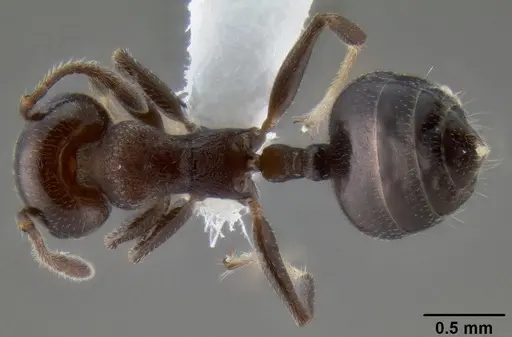
CASENT0908602
View on AntWeb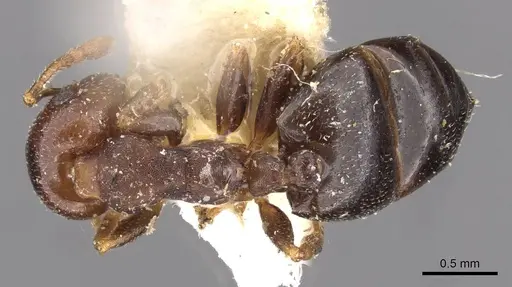
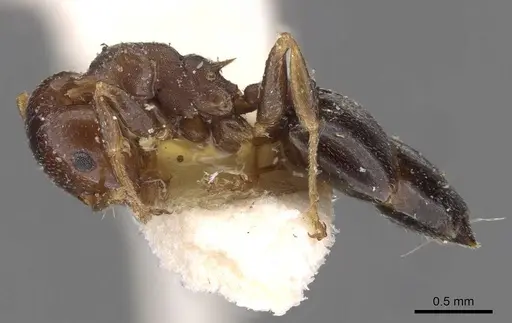
Literature
Loading distribution map...Loading products...