
Crematogaster menilekii
- Sci. Name
- Crematogaster menilekii
- Tribe
- Crematogastrini
- Subfamily
- Myrmicinae
- Author
- Forel, 1894
- Distribution
- Found in 6 countries
Introduction
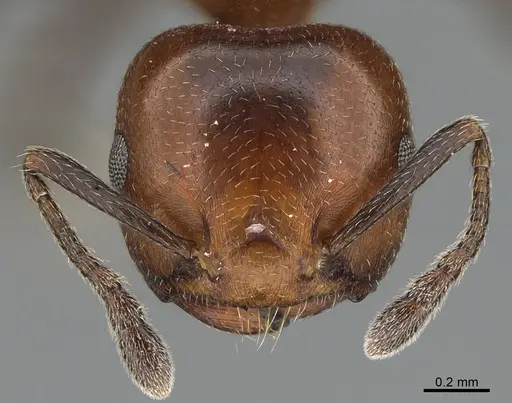
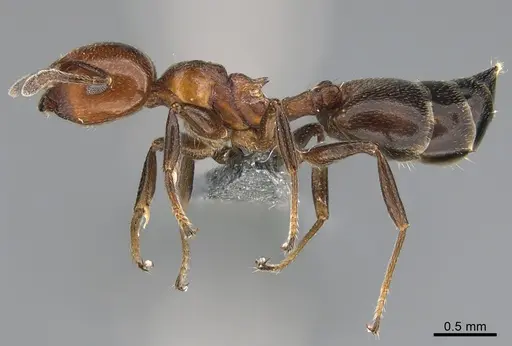
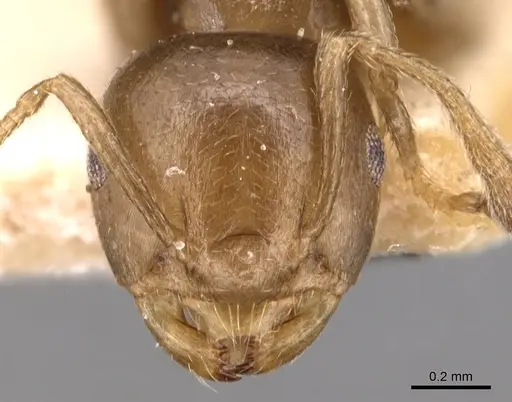
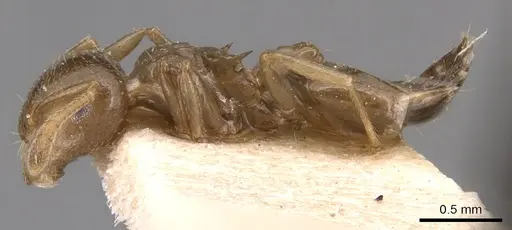
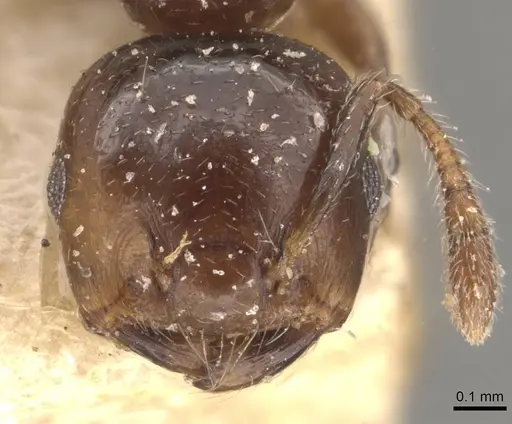
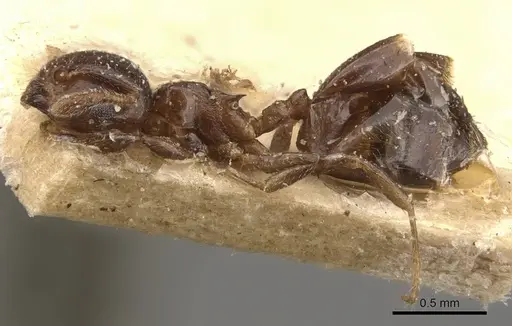
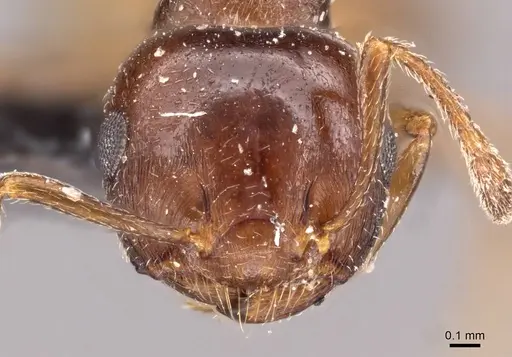
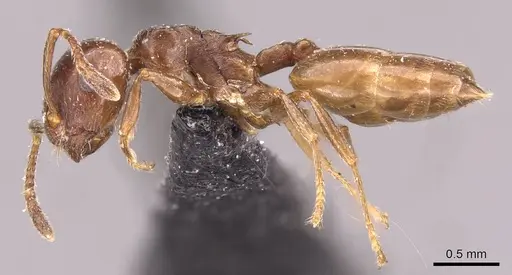
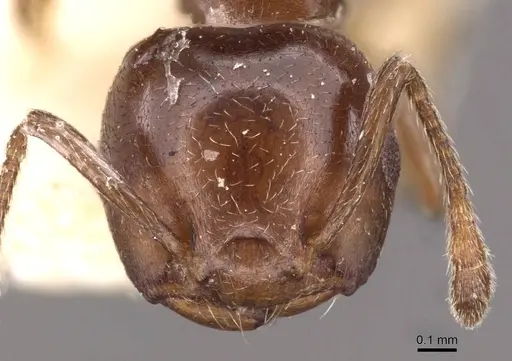
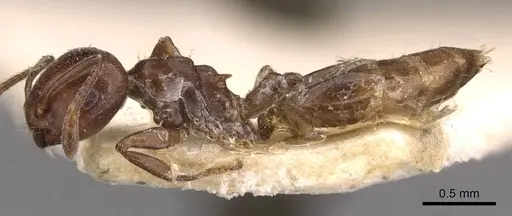
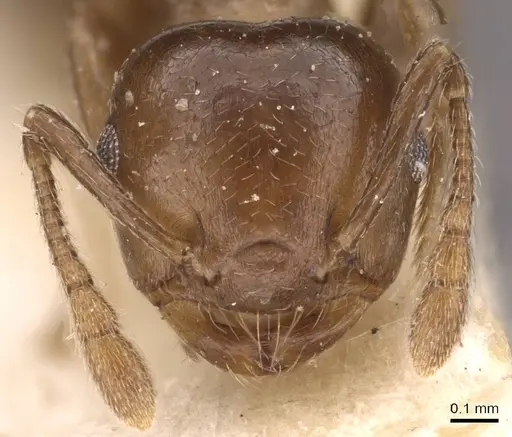
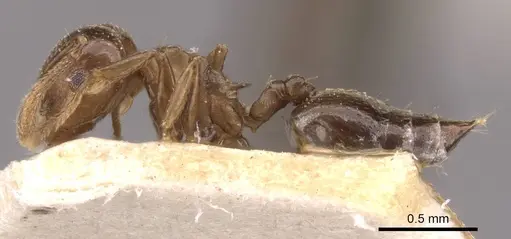
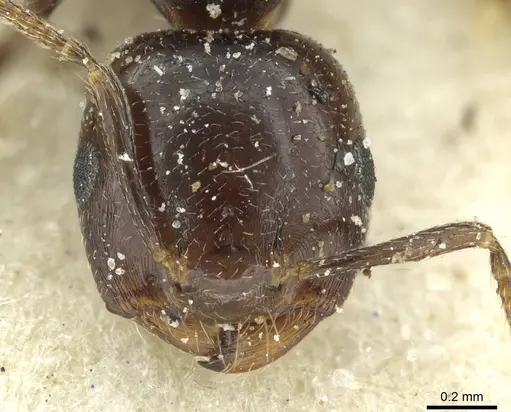
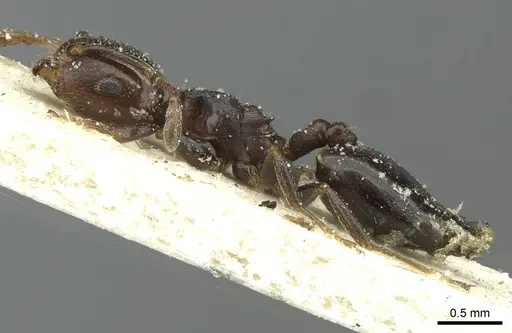
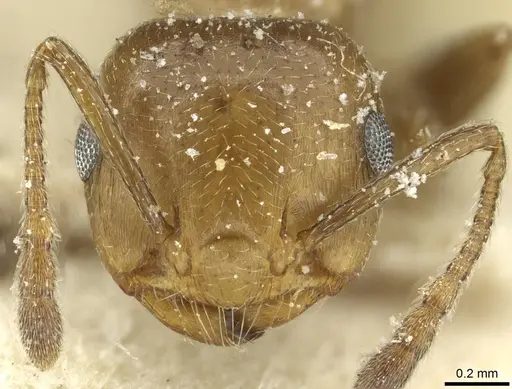
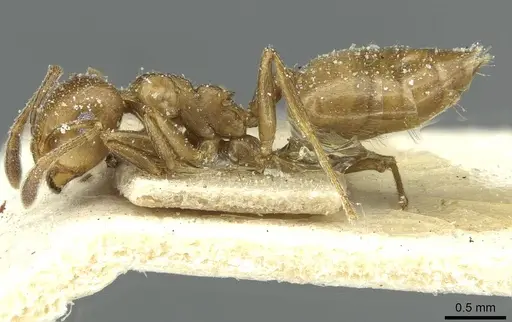
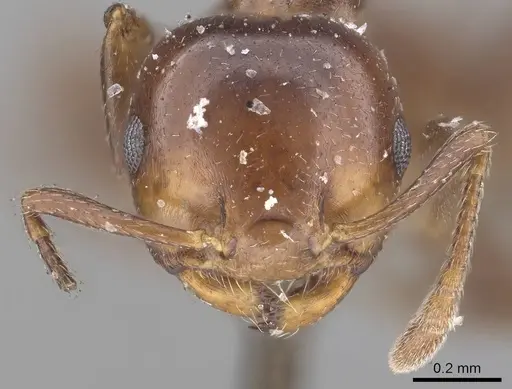
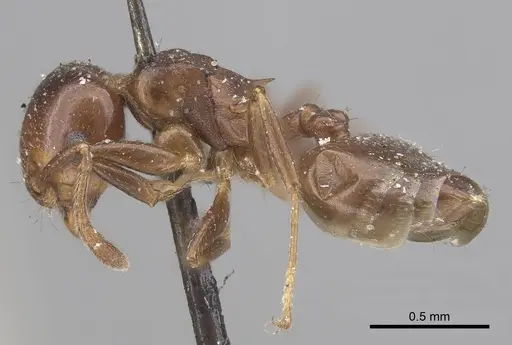
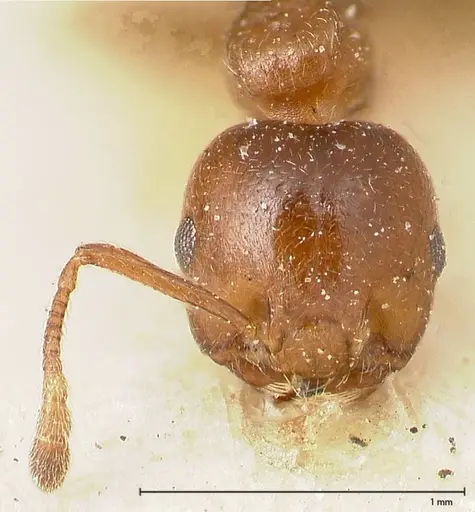
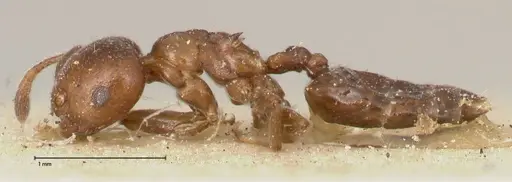
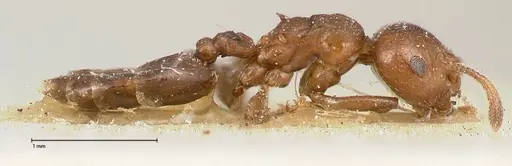
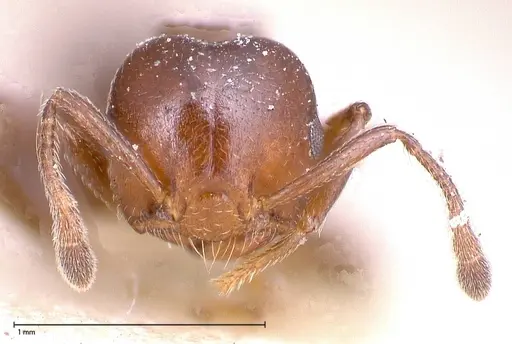
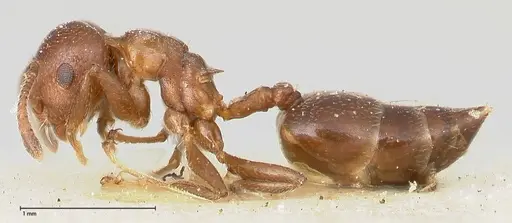
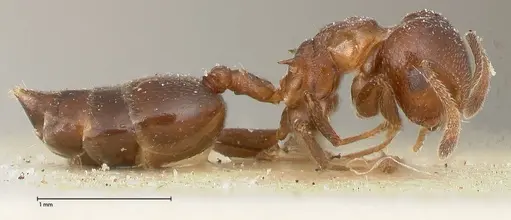
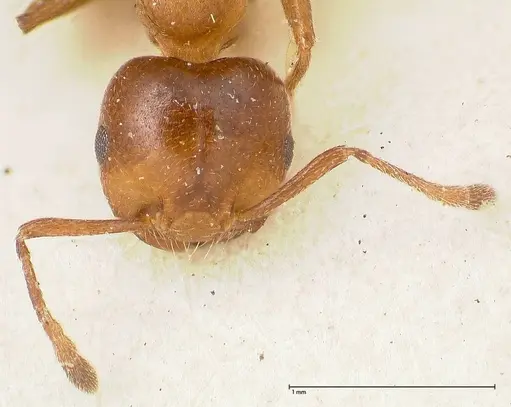
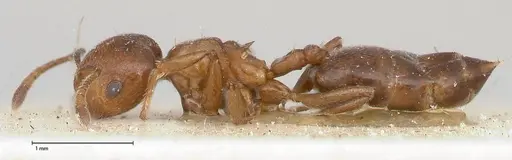
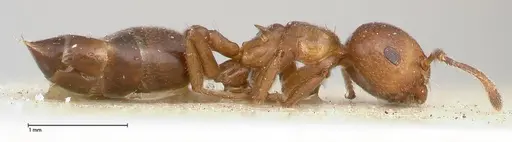
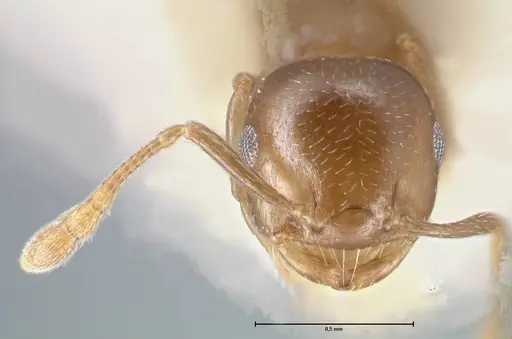
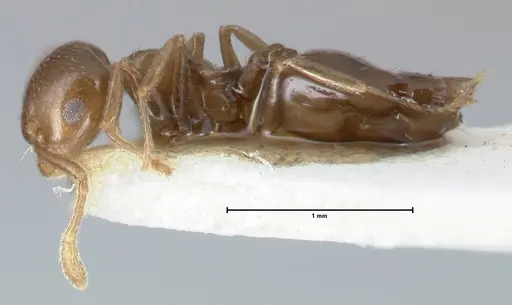
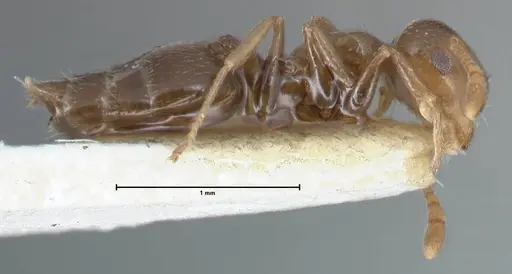
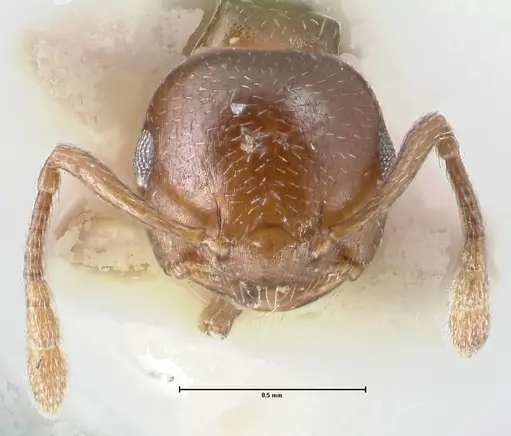
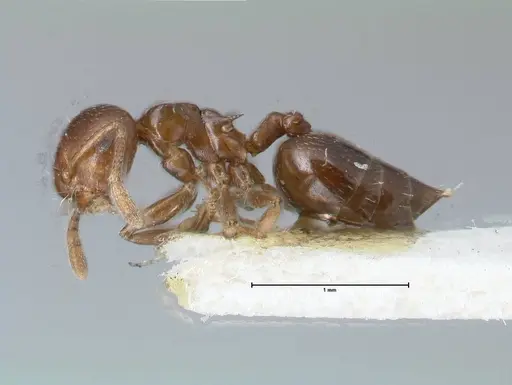
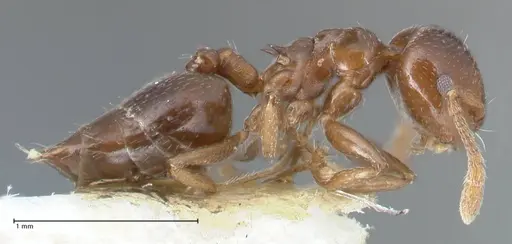
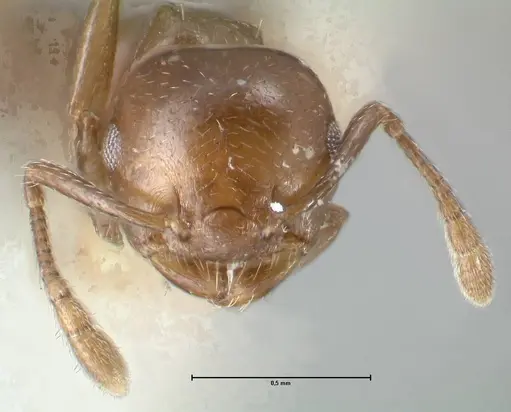
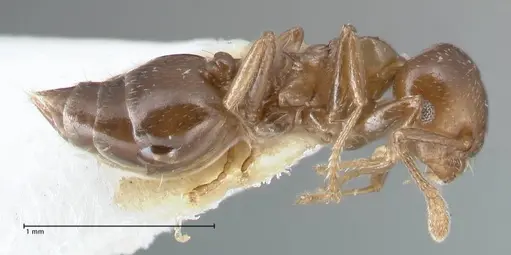
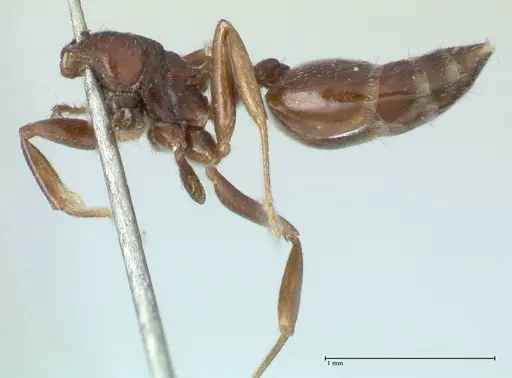
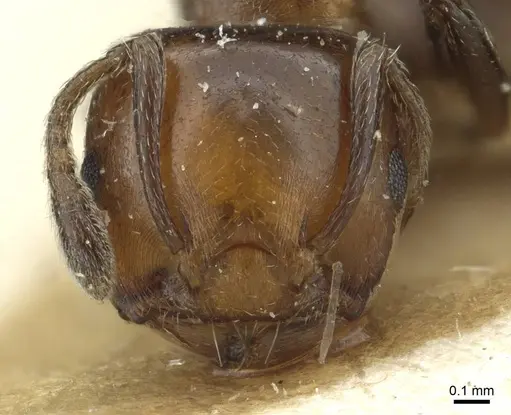
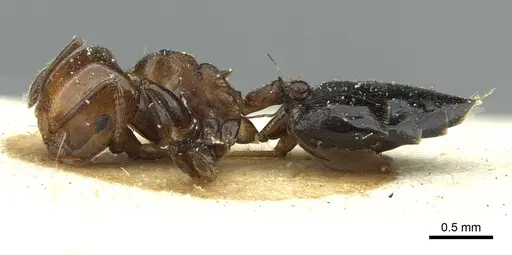
Crematogaster menilekii is a small African ant species with workers measuring 3.2-4mm . Workers are pale brownish yellow with a distinctive appearance - the head, gaster, and appendages are shining while the thorax and petiole are nearly opaque . The gaster is notably broader than the head, and the postpetiole has a deep groove running down the middle, forming two distinct raised areas . This species is found across the Afrotropical region including Benin, Ethiopia, and Guinea [AntWiki]. What makes this species particularly notable is its nesting behavior - in the wild, colonies live inside papyrus stalks and construct carton nests in the plant crowns . These ants are famously defensive; when disturbed, workers swarm out in great numbers, drop onto the intruder, bite furiously, and systematically work their way upward toward softer skin .
Quick Summary
- Difficulty: Medium
- Origin & Habitat: Native to the Afrotropical region, specifically documented in Ethiopia (southern Abyssinia), Guinea, and Benin [2]. In the wild, colonies nest in papyrus stalks, building carton nests within the crowns of these wetland plants [1]. This indicates a preference for humid, wetland or near-water habitats.
- Colony Type: Colony structure is unconfirmed. Based on typical Crematogaster patterns, likely single-queen (monogyne) colonies, though this has not been directly documented for this species.
- Size & Growth:
- Queen: Size data unavailable, no published queen measurements found.
- Worker: 3.2-4mm [1]
- Colony: Unknown, no colony size data published.
- Growth: Moderate, estimated based on genus patterns for small tropical Myrmicinae.
- Development: Estimated 6-8 weeks at optimal tropical temperatures (around 24-28°C), based on typical Crematogaster development patterns. (Development timeline is not directly studied for this species. Warmer temperatures within the acceptable range will speed development.)
- Antkeeping:
- Temperature: Keep at 24-28°C. As a tropical African species, they need warm conditions. A heating cable on one side of the nest creates a gentle gradient allowing workers to thermoregulate.
- Humidity: Maintain moderate to high humidity (60-80%). Their natural habitat in papyrus stalks indicates preference for damp conditions. Keep the nest substrate consistently moist but not waterlogged.
- Diapause: No, this is a tropical species. They do not require hibernation. Maintain stable warm temperatures year-round.
- Nesting: Y-tong (AAC) nests work well for this species. The small worker size (3.2-4mm) means chambers should be appropriately scaled. Given their natural papyrus-stalk nesting, they may prefer enclosed spaces with some humidity retention. Test tubes with cotton water reservoirs are suitable for founding colonies.
- Behavior: This species is notably defensive and aggressive when threatened [1]. Workers will swarm rapidly from the nest and attack intruders en masse. They bite firmly and will crawl upward on exposed skin, targeting softer areas. This makes them a higher escape-risk concern not because they are particularly good at escaping, but because they are highly motivated to find and attack the 'intruder', meaning any gap in your barrier is an opportunity for them to exit and investigate. They are small but determined. Use excellent escape prevention regardless of setup. They are generalist foragers, likely feeding on honeydew, small insects, and nectar in nature.
- Common Issues: defensive swarming behavior means colonies can quickly escape when disturbed, always use barriers and work carefully, tropical temperature requirements mean they cannot tolerate cool conditions, room temperature below 24°C may cause problems, small colony size at maturity means growth appears slow, resist the urge to overfeed or disturb the nest, papyrus-stalk nesting suggests they need humid, enclosed spaces, dry conditions will stress the colony, their aggressive defense means handling or nest inspections require extra caution
Housing and Nest Setup
For Crematogaster menilekiii, use a nest scaled to their small worker size of 3.2-4mm. Y-tong (AAC) nests work well, as do test tube setups for founding colonies. The key requirement is maintaining humidity, these ants naturally live in papyrus stalks in wetland environments, so they prefer enclosed spaces that retain moisture. A test tube with a cotton water reservoir provides ideal founding conditions. Once the colony reaches 20-30 workers, you can transition to a small formicarium or continue with the test tube if it has enough space. Because of their defensive swarming behavior, ensure all connections between the nest and outworld are secure. Escape prevention is critical not because they are exceptional escape artists, but because any opening will be aggressively investigated by patrol workers. [1]
Feeding and Diet
Crematogaster menilekiii is a generalist forager. In nature, they likely feed on honeydew from aphids and scale insects, small insects and arthropods, and plant nectar. In captivity, offer a varied diet: sugar water or honey as a constant energy source, and protein sources like small crickets, mealworms, or fruit flies. Feed protein 2-3 times per week, adjusting based on colony size and consumption. Remove uneaten prey after 24-48 hours to prevent mold. These small ants have modest food requirements, especially in smaller colonies. A consistently available sugar source is more important than heavy protein feeding.
Temperature and Seasonal Care
As a tropical African species, Crematogaster menilekiii requires warm conditions year-round. Maintain temperatures between 24-28°C. Below 24°C, you may see reduced activity and slower brood development. A simple way to provide appropriate heat is using a heating cable placed on top of the nest (never underneath, as this can dry out the substrate too quickly). This creates gentle warmth that rises through the nest. Room temperature may be sufficient if your home stays in this range, but monitor with a thermometer. There is no diapause or hibernation requirement, these ants come from consistently warm African habitats and need stable temperatures throughout the year. Avoid placing the nest near air conditioning vents or drafty areas. [1]
Handling and Colony Maintenance
This species requires careful handling due to its defensive swarming behavior. When you need to move the colony, clean the outworld, or perform any nest maintenance, expect workers to respond aggressively. They will rapidly emerge from the nest, bite firmly, and attempt to crawl upward toward skin. Work in a well-lit area where you can see workers approaching. Use gentle, slow movements to minimize triggering a defensive response. Consider using a soft brush to gently redirect workers rather than blowing on them or making sudden movements. When transferring to a new nest, connect the old nest to the new one and let them relocate on their own timeline, forcing a move often triggers defensive behavior. Always use fluon or other barriers on the outworld rim, as swarming workers will readily explore any gap they find. [1]
Growth and Development Expectations
The development timeline for this species has not been directly studied, so expectations are based on typical Crematogaster patterns. Expect approximately 6-8 weeks from egg to first worker (nanitic) at optimal temperatures of 24-28°C. Nanitic workers will be smaller than mature workers. Colony growth will appear slow initially, this is normal. Small colonies of a few dozen workers may take many months to double in size. Resist the urge to overfeed or check the nest too frequently, as disturbance can stress founding colonies. Once the colony reaches 50+ workers, growth typically becomes more noticeable. Maximum colony size is unknown but likely reaches several hundred workers based on worker size and genus patterns.
Frequently Asked Questions
How long does it take for Crematogaster menilekii to produce first workers?
Based on typical Crematogaster development, expect 6-8 weeks from egg to first worker at optimal temperatures of 24-28°C. This timeline is estimated rather than directly documented for this species.
Do Crematogaster menilekii ants sting?
They do not have a stinger. Their defense is through biting, workers will swarm, bite firmly, and crawl upward on the intruder's body targeting softer skin areas.
What temperature do Crematogaster menilekii need?
Keep them at 24-28°C. This tropical African species requires warm conditions year-round with no hibernation requirement.
Are Crematogaster menilekii good for beginners?
This species is rated as medium difficulty. While their care requirements are straightforward (warm, humid conditions), their highly defensive swarming behavior requires careful handling and excellent escape prevention. Beginners should be prepared for their aggressive nature.
How big do Crematogaster menilekii colonies get?
Colony size is not directly documented, but based on worker size (3.2-4mm) and genus patterns, colonies likely reach several hundred workers at maturity.
What do Crematogaster menilekii eat?
They are generalist foragers. Offer sugar water or honey as a constant source, and protein like small crickets, mealworms, or fruit flies 2-3 times per week.
Do Crematogaster menilekii need hibernation?
No. This is a tropical species from Africa and does not require diapause or hibernation. Maintain warm temperatures year-round.
Why are my Crematogaster menilekii dying?
Common causes include: temperatures below 24°C (tropical species, cannot tolerate cool conditions), dry nest conditions (they prefer humid environments like their natural papyrus stalk habitat), excessive disturbance during founding (stresses the colony), or pest invasion. Check temperature and humidity first.
Can I keep multiple Crematogaster menilekii queens together?
Colony structure is not documented for this species. Based on typical Crematogaster patterns, they likely form single-queen colonies. Combining unrelated queens has not been studied and is not recommended.
When should I move Crematogaster menilekii to a formicarium?
You can keep them in test tubes for quite some time due to their small colony size. Move to a formicarium when the test tube becomes crowded or the water reservoir needs frequent refilling. For small colonies, a Y-tong nest works well.
How defensive are Crematogaster menilekii?
Very defensive. Workers will swarm rapidly from the nest when threatened, bite furiously, and crawl upward on the intruder's body. This is one of the most notable behavioral traits of the species.
What size are Crematogaster menilekii workers?
Workers are small, measuring 3.2-4mm in length.
Report an Issue
The current care sheet is based fully on literature. See inconsistencies, or something that's incorrect? Please , it will be resolved after review from an admin. Contributing to the blogs tab also helps providing information, to make us be able to further improve the caresheets. Thank you for your support!
References

This caresheet is licensed under CC BY-SA 4.0 .
Community Blogs
CASENT0824847
View on AntWeb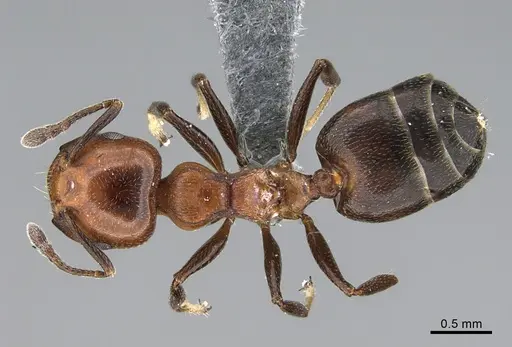
CASENT0904513
View on AntWeb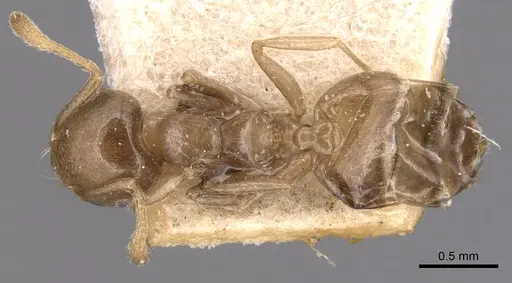
CASENT0908533
View on AntWeb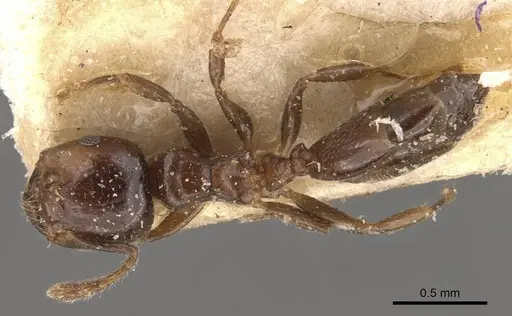
CASENT0908538
View on AntWeb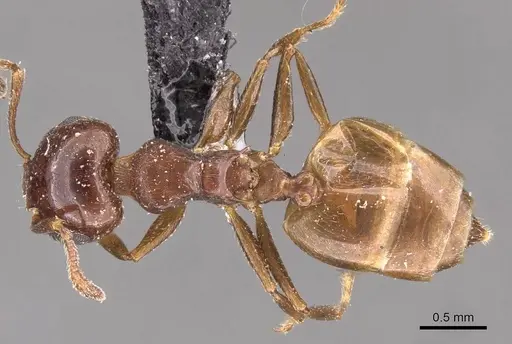
CASENT0908539
View on AntWeb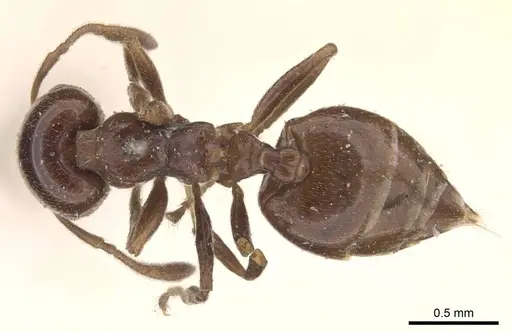
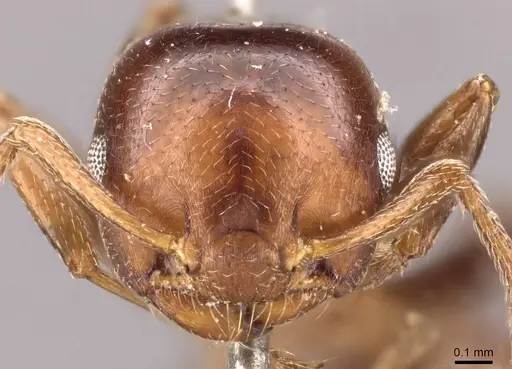
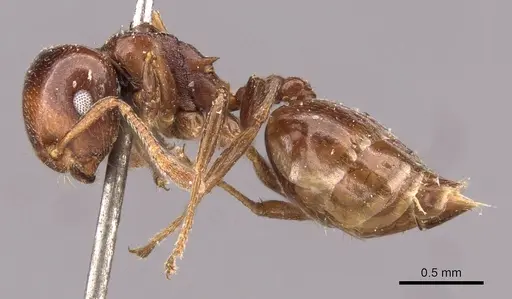
CASENT0908540
View on AntWeb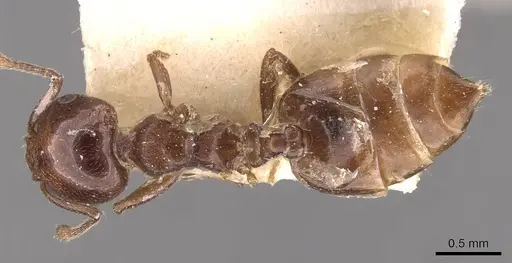
CASENT0908541
View on AntWeb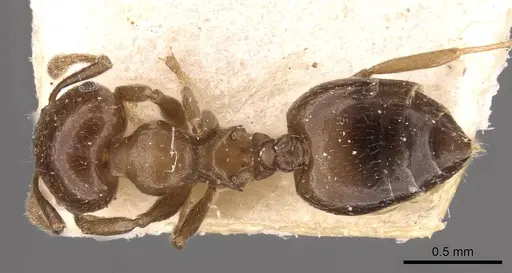
CASENT0912700
View on AntWeb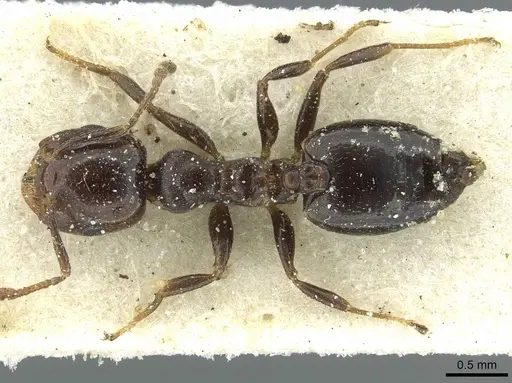
CASENT0912701
View on AntWeb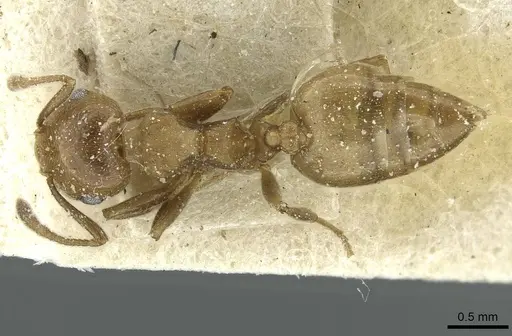
CASENT0912702
View on AntWeb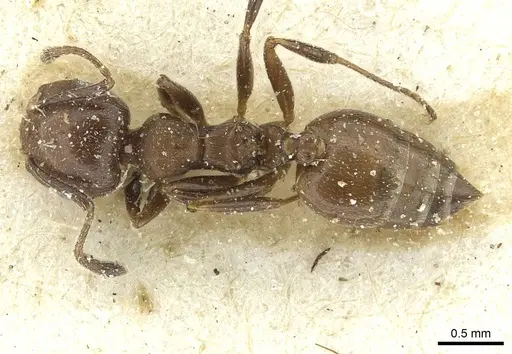
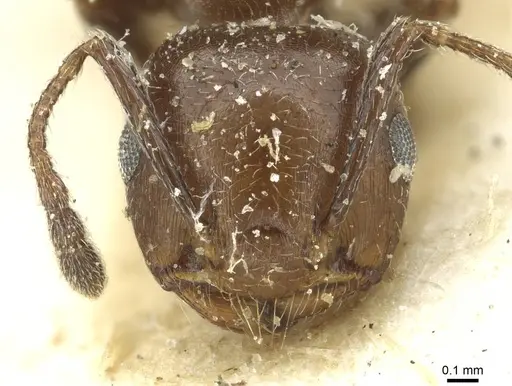
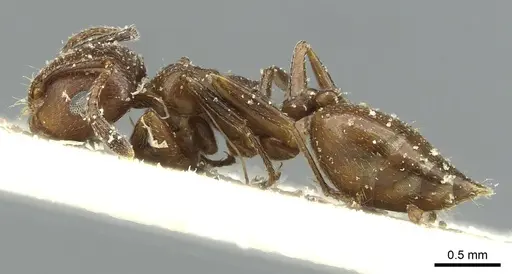
CASENT0912703
View on AntWeb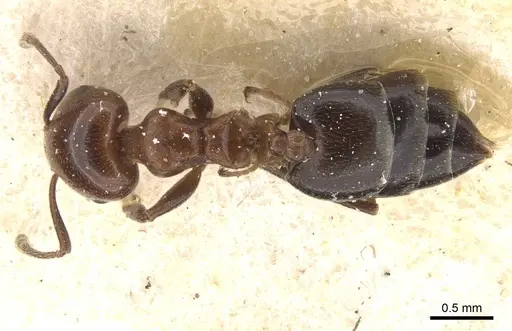
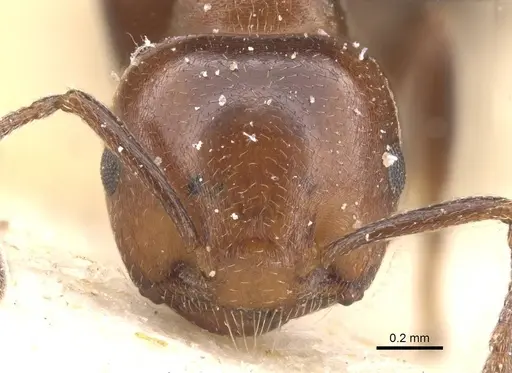
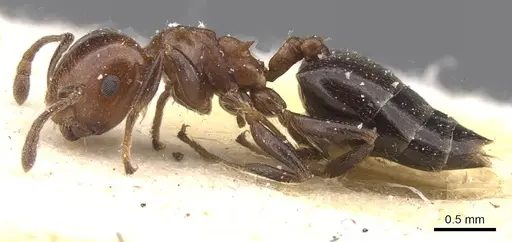
CASENT0914298
View on AntWeb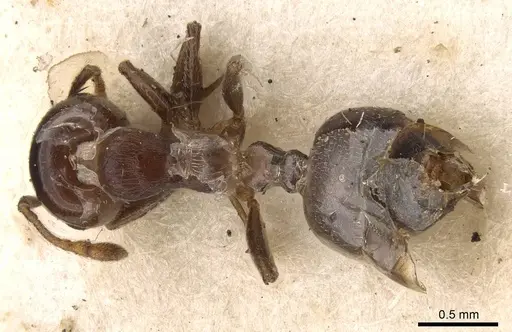
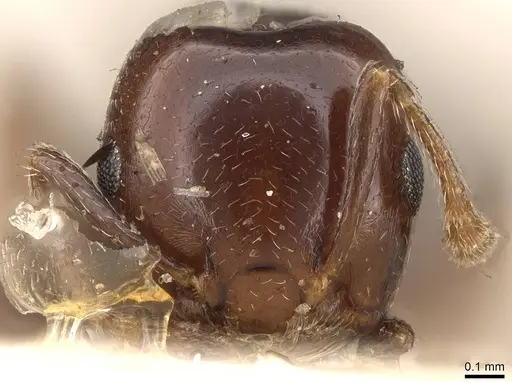
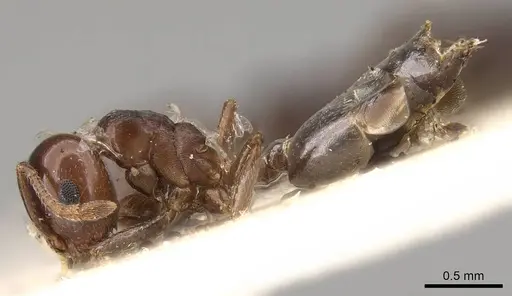
CASENT0919672
View on AntWeb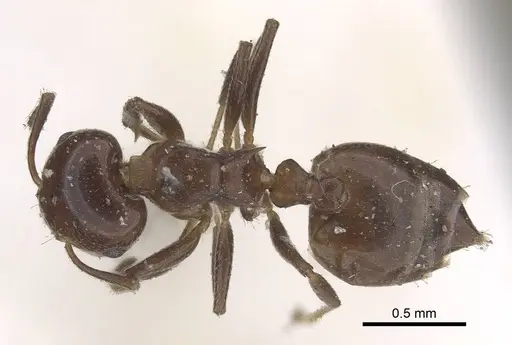
FOCOL0484
View on AntWeb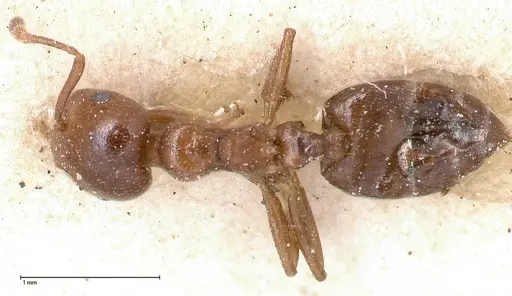
FOCOL0485
View on AntWeb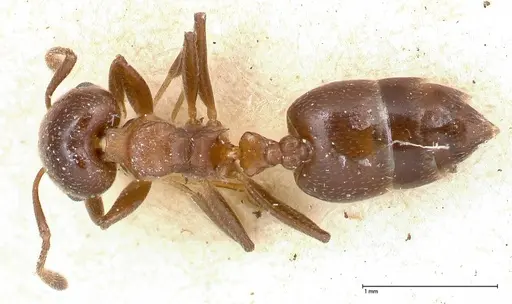
FOCOL0488
View on AntWeb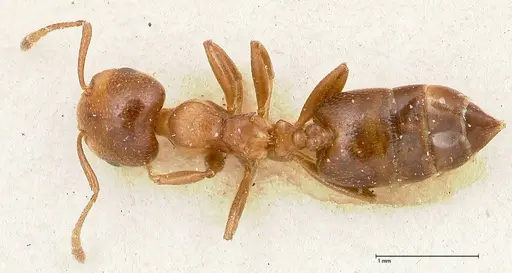
FOCOL1496
View on AntWeb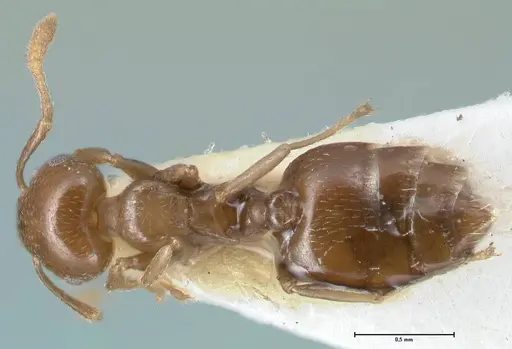
FOCOL1497
View on AntWeb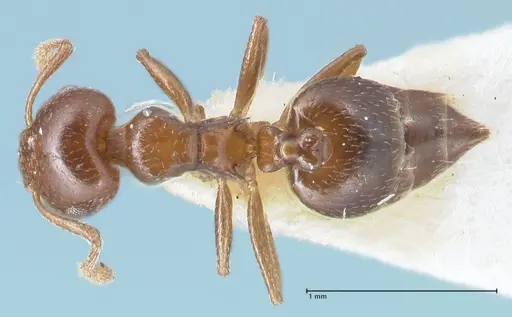
FOCOL1498
View on AntWeb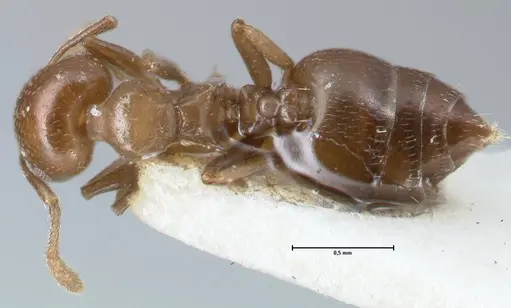
FOCOL1781
View on AntWeb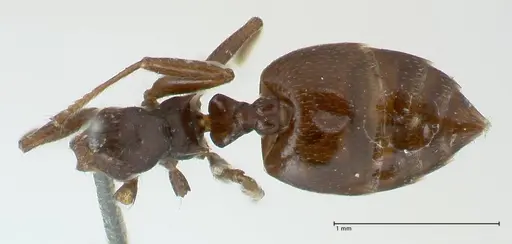
RMCAENT000017762
View on AntWeb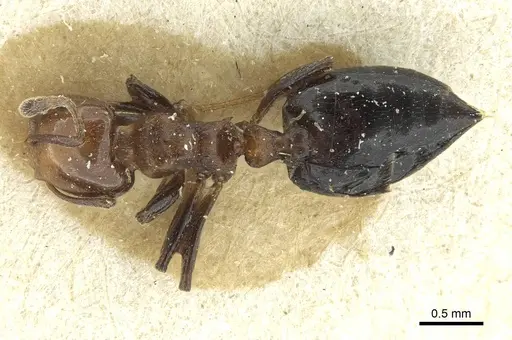
Literature
Loading distribution map...Loading products...