
Brown Cocktail Ant
Crematogaster melanogaster
- Sci. Name
- Crematogaster melanogaster
- Tribe
- Crematogastrini
- Subfamily
- Myrmicinae
- Author
- Emery, 1895
- Common Name
- Brown Cocktail Ant
- Distribution
- Found in 1 countries
Introduction
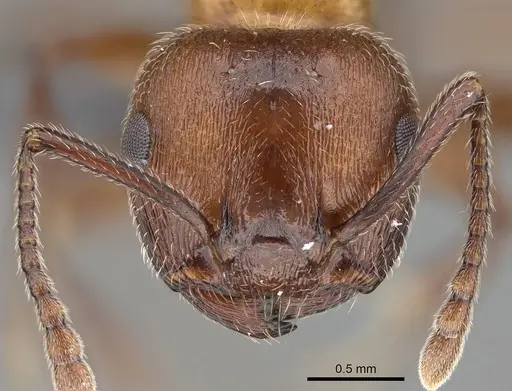
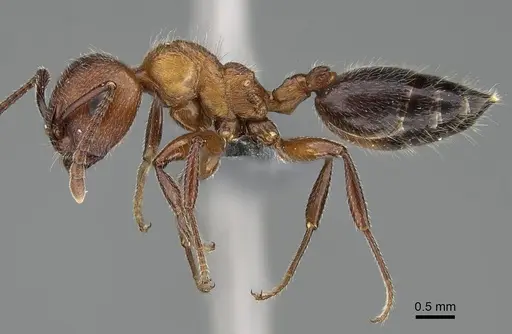
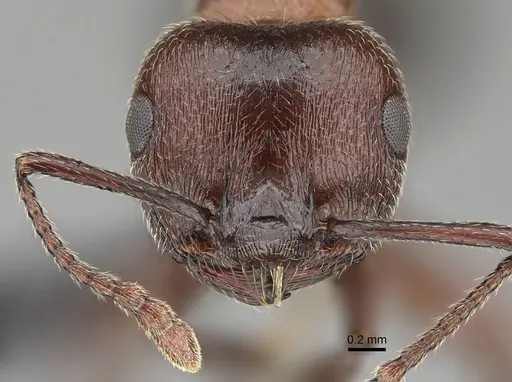
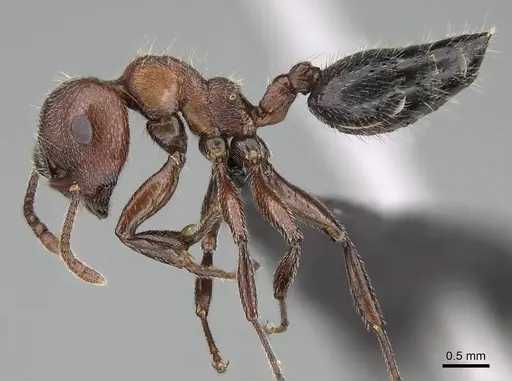
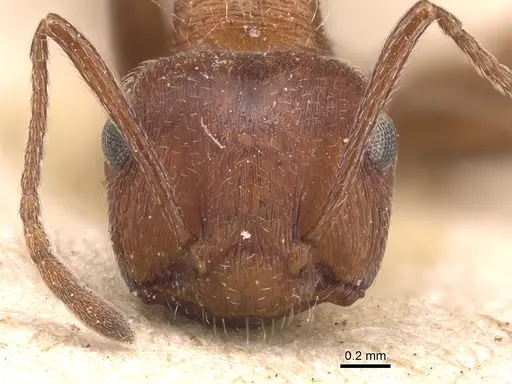
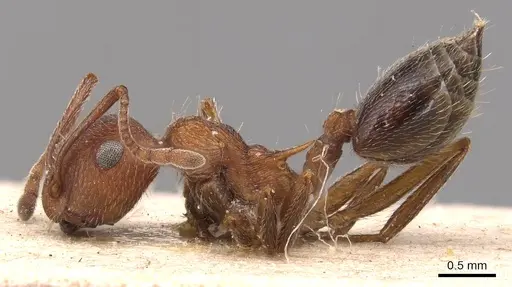
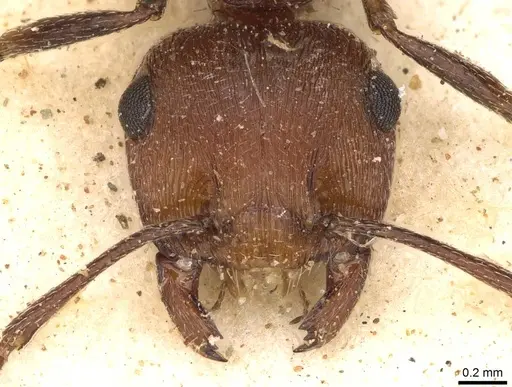
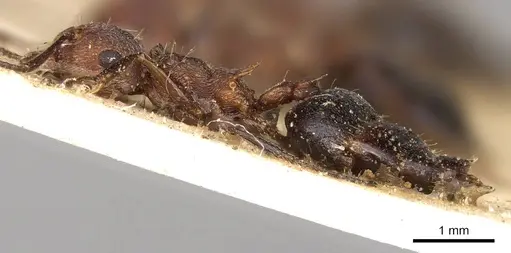
Crematogaster melanogaster is a small ant species native to southern Africa, specifically found in Botswana, Namibia, and South Africa. Workers feature a distinctive color pattern: a yellowish-red head and alitrunk contrasting with a dark gaster. The most notable physical feature is their exceptionally long, straight propodeal spines which exceed one-third the width of their head. Their head surface is finely striated and appears dull under magnification. These ants inhabit arid to semi-arid environments including fynbos, karoo, and strandveld, typically nesting under rocks and in rotting wood. They maintain satellite nests without brood, suggesting colonies spread across multiple locations. This species has a specialized ecological role as an obligate associate of several South African lycaenid butterflies, tending larvae in exchange for honeydew.
Quick Summary
- Difficulty: Medium
- Origin & Habitat: Native to southern Africa (Botswana, Namibia, South Africa), with an unconfirmed record from Oman. Inhabits arid to semi-arid habitats including fynbos, karoo, and strandveld. Nests under rocks and in rotting wood [1][2].
- Colony Type: Colony structure is not documented in scientific literature. Observed maintaining satellite nests (nests without brood present), suggesting the colony spreads across multiple locations. Likely monogyne based on typical Crematogaster patterns, but unconfirmed.
- Size & Growth:
- Queen: Size data unavailable, estimated 6-8mm based on genus typical size
- Worker: Approximately 4-4.5mm, inferred from genus patterns [3]
- Colony: Unknown, likely reaches several hundred workers typical of the genus
- Growth: Unknown
- Development: Unconfirmed, no direct development data exists. Based on typical Crematogaster patterns, estimate 6-10 weeks at warm temperatures. (Development timeline has not been directly studied. Crematogaster species typically develop faster in warmer conditions.)
- Antkeeping:
- Temperature: Keep at 24-28°C, these are warm-climate ants from arid southern Africa. A gentle temperature gradient allows them to regulate. Room temperature (20-24°C) is acceptable as a starting point.
- Humidity: Low to moderate, these ants come from arid karoo and strandveld habitats. Keep nest substrate moderately dry with occasional moisture zones. Avoid overly damp conditions.
- Diapause: Likely no true diapause, southern African species that remains active year-round in warm conditions. May reduce activity in cooler temperatures.
- Nesting: Provide a nest with options for both dry and slightly moist chambers. Test tube setups work well for founding colonies. For established colonies, Y-tong or plaster nests with narrow chambers suit their small size. They may use multiple nest chambers, consider providing a small formicarium with connected areas.
- Behavior: These ants are relatively docile and not aggressive toward keepers. They are primarily nectarivorous and will attend to honeydew-producing insects. Workers are active foragers and will search for sugar sources. Their small size means they can escape through tiny gaps, use fine mesh and tight-fitting barriers. They show interesting trophallaxis behavior (regurgitating food to share with nestmates). In captivity, they survived up to 21 days with only water, plant phloem, and honeydew, showing they can tolerate periods without protein. They showed no interest in water-diluted honey or insect carrion in laboratory observations [4].
- Common Issues: small size means escape prevention must be excellent, they squeeze through the tiniest gaps, limited feeding data available, may be picky eaters compared to generalist ants, nesting preferences are not well documented, requiring some experimentation, satellite nest behavior means they may spread through connected chambers rather than staying in one area, wild-caught colonies may have specific symbiotic relationships with butterflies that cannot be replicated in captivity
Housing and Nest Setup
Crematogaster melanogaster is a small ant species around 4mm in size, so escape prevention is critical. Use fine mesh on any ventilation holes and ensure all connections between outworld and nest are secure. These ants come from arid southern African habitats, so they prefer relatively dry nest conditions with only occasional moisture. A test tube setup works well for founding colonies, use a standard test tube with a cotton ball creating a water reservoir. For established colonies, a Y-tong or plaster nest with narrow chambers scaled to their small size works best. They may benefit from having multiple connected chambers, reflecting their observed tendency to maintain satellite nests in the wild. Provide an outworld with access to both sugar and protein food sources. [1][2]
Feeding and Diet
This species is primarily a nectarivore and scavenger according to research [5]. In laboratory observations, they survived 21 days with only water, plant phloem, and honeydew from butterfly larvae, they showed no interest in water-diluted honey or insect carrion [4]. This suggests they have a strong preference for fresh plant-based foods over typical ant keepers' offerings. Offer sugar water or honey water as a constant energy source, but do not be surprised if they prefer fresh sources. For protein, try small live prey items like fruit flies or pinhead crickets, but acceptance may be limited. Their feeding behavior in captivity suggests they may be more specialized than generalist ant species, be prepared to experiment with different food types. They will attend to mealybugs and scale insects if present in their enclosure, similar to their behavior in South African vineyards [6][7].
Temperature and Seasonal Care
As a species from southern Africa (Botswana, Namibia, and South Africa), these ants prefer warm conditions. Keep the nest area at 24-28°C, with a slight gradient allowing workers to move between warmer and cooler areas. Room temperature in most homes (20-24°C) may be acceptable as a starting point, but warmer conditions will likely increase activity and feeding response. Unlike temperate species, they likely do not require a true diapause or hibernation period. In their native arid habitats, they experience hot summers and mild winters, avoid cold temperatures below 18°C. A small heating cable or mat on one side of the nest can help maintain optimal temperatures, placed on top of the nest to avoid drying out the substrate too quickly. [1]
Behavior and Colony Dynamics
This species exhibits interesting social behaviors including trophallaxis (regurgitating food to share with nestmates) and the maintenance of satellite nests, nests without brood present, suggesting the colony spreads across multiple locations [4]. They are docile and not particularly aggressive, making them manageable for ant keepers. Workers are active foragers and will search for sugar sources. Their small size makes them excellent climbers and they may explore vertical spaces in their enclosure. In the wild, they are associated with mealybugs in vineyards and serve as attendants for several species of lycaenid butterflies, tending larvae in exchange for honeydew. This symbiotic relationship is a key part of their natural history, in captivity, they may show strong interest in any honeydew-producing insects.
Ecological Role and Butterfly Associations
Crematogaster melanogaster has a specialized ecological role as an obligate ant associate of several South African lycaenid butterflies. It is the primary attendant ant for Tylopaedia sardonyx, Chrysoritis chrysantas, Chrysoritis perseus, and Argyraspodes argyraspis [8][4][9][10]. The ants attend butterfly larvae underground at depths of 3-6cm, creating alcoves in sand connected to access holes. They feed on honeydew secreted from the Dorsal Nectary Organ (DNO) on the larvae, particularly during dusk. The relationship is mutualistic, butterfly larvae benefit from ant protection while ants gain a food source. In captivity, if you keep this species, you may observe their natural tendency to attend to honeydew-producing insects and their strong preference for plant-based sugars over protein.
Frequently Asked Questions
How long does it take for Crematogaster melanogaster to produce first workers?
The exact development timeline has not been documented for this species. Based on typical Crematogaster genus patterns, expect approximately 6-10 weeks from egg to first worker at optimal warm temperatures (around 26°C). The timeline may vary depending on temperature and colony health.
What do Crematogaster melanogaster ants eat?
They are primarily nectarivores and scavengers. In captivity, they survived on water, plant phloem, and honeydew, they showed no interest in water-diluted honey or insect carrion. Offer sugar water or honey water as a constant energy source. For protein, try small live prey like fruit flies, but acceptance may be limited. They will attend mealybugs and scale insects if present.
Do Crematogaster melanogaster ants sting?
Crematogaster ants have a stinger but use a smear defense mechanism rather than piercing. They are generally docile and not aggressive toward keepers. Their small size and mild temperament make them manageable. However, always use caution as individual reactions vary.
Are Crematogaster melanogaster good for beginners?
This species is rated as Medium difficulty. While relatively docile, there is limited specific care information available since they are not commonly kept. Their small size requires excellent escape prevention, and their potentially specialized diet may require experimentation. Beginners may want to start with more documented species first.
What temperature do Crematogaster melanogaster need?
Keep them warm at 24-28°C. These are southern African ants from arid habitats that prefer warm conditions. A temperature gradient allows them to regulate their activity. Room temperature (20-24°C) may be acceptable as a starting point.
Do Crematogaster melanogaster need hibernation?
Likely no, this is a southern African species from warm arid habitats. They probably remain active year-round in warm conditions. Unlike temperate species, they do not require a diapause period.
How big do Crematogaster melanogaster colonies get?
Colony size is not well documented in scientific literature. Based on typical Crematogaster genus patterns, they likely reach several hundred workers. They maintain satellite nests (nests without brood), suggesting the colony may spread across multiple locations.
Can I keep multiple Crematogaster melanogaster queens together?
Colony structure has not been documented for this species. Based on typical Crematogaster behavior, they likely form single-queen colonies. Combining unrelated queens is not recommended as it has not been studied and may result in aggression.
Why are my Crematogaster melanogaster dying?
Common issues include: escape through tiny gaps due to their small size, poor acceptance of typical ant foods (they prefer fresh plant-based sources), and possibly stress from inadequate temperature. Ensure excellent escape prevention, offer varied sugar sources, and maintain warm temperatures. Limited data means some trial and error may be needed.
When should I move my colony to a formicarium?
Move from test tube to a small formicarium (Y-tong or plaster) when the colony reaches around 30-50 workers and the test tube becomes crowded. Ensure the new nest has chambers scaled to their small size and provides options for both dry and slightly moist areas.
Report an Issue
The current care sheet is based fully on literature. See inconsistencies, or something that's incorrect? Please , it will be resolved after review from an admin. Contributing to the blogs tab also helps providing information, to make us be able to further improve the caresheets. Thank you for your support!
References

This caresheet is licensed under CC BY-SA 4.0 .
Community Blogs
CASENT0785990
View on AntWeb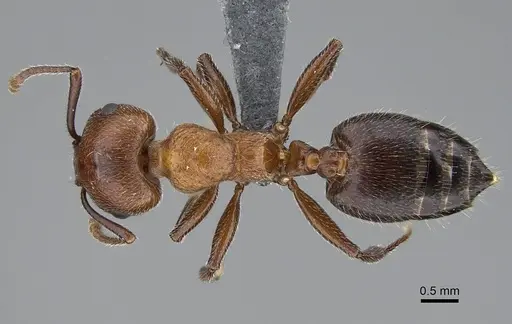
CASENT0822229
View on AntWeb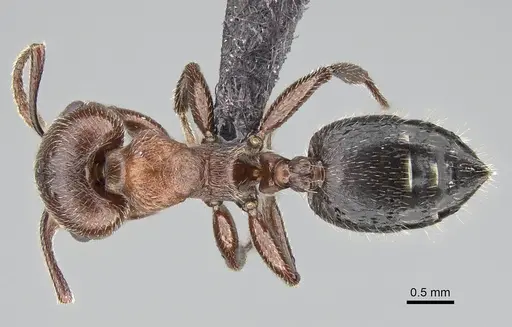
CASENT0904511
View on AntWeb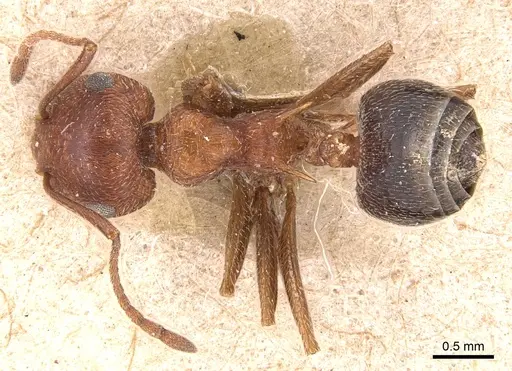
CASENT0914288
View on AntWeb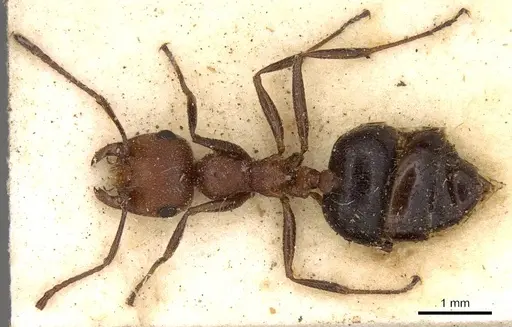
Literature
Loading distribution map...Loading products...