
Crematogaster luctans
- Sci. Name
- Crematogaster luctans
- Tribe
- Crematogastrini
- Subfamily
- Myrmicinae
- Author
- Forel, 1907
- Distribution
- Found in 2 countries
Introduction
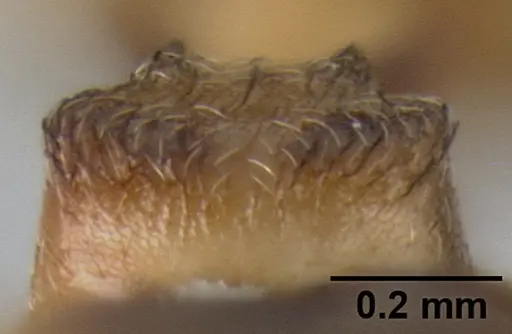
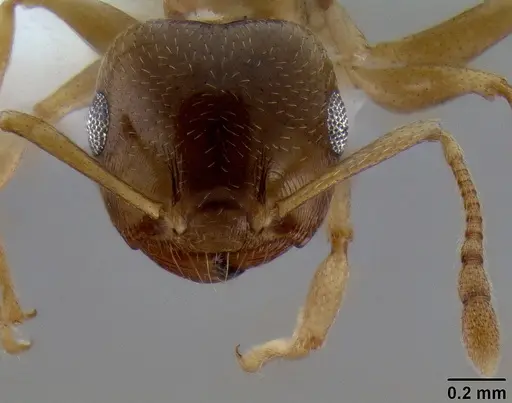
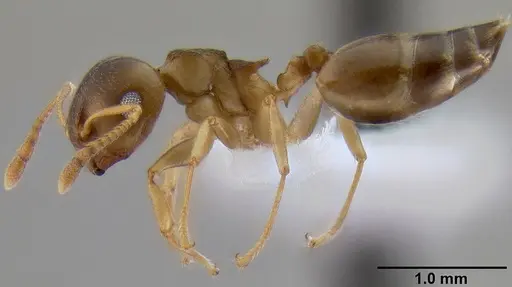
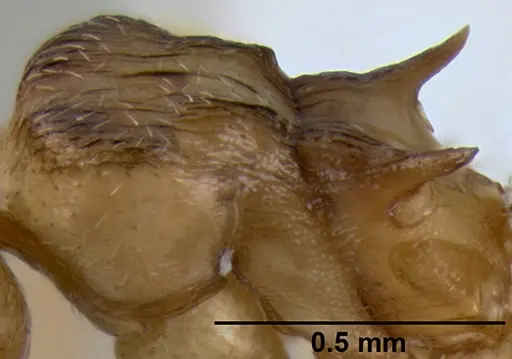
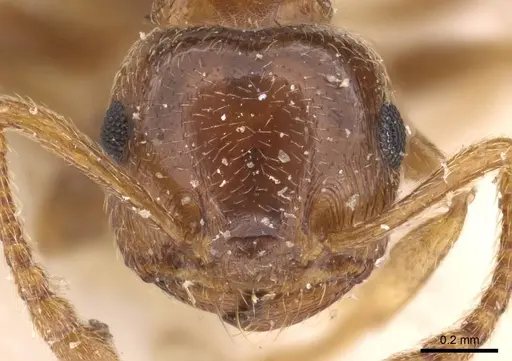
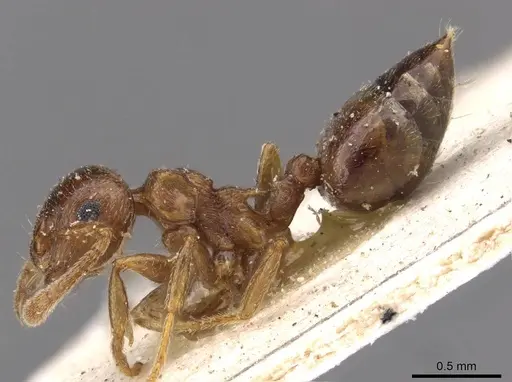
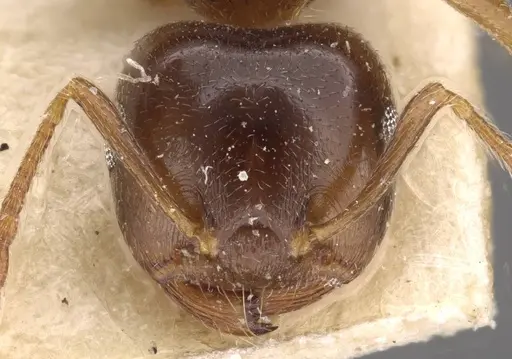
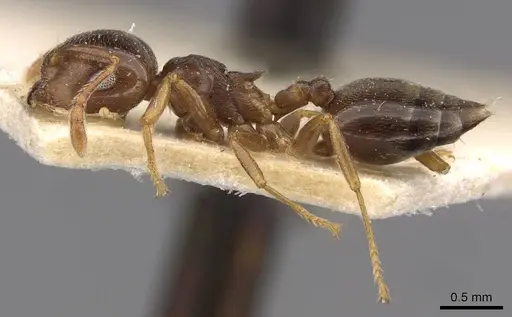
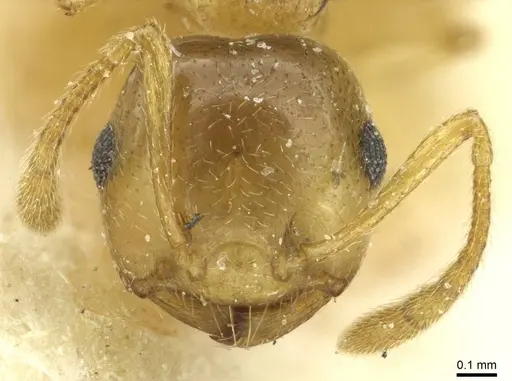
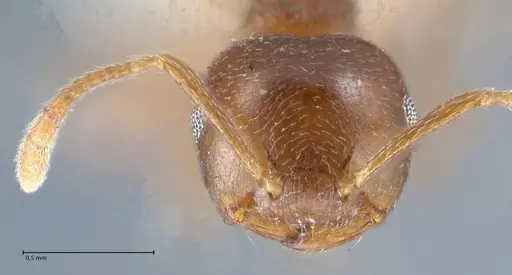
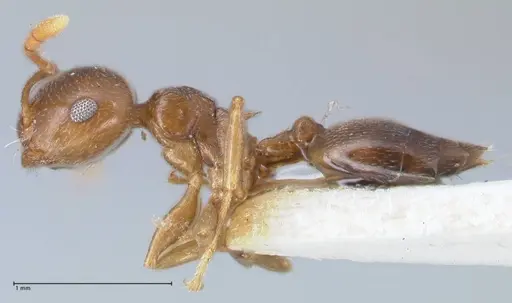
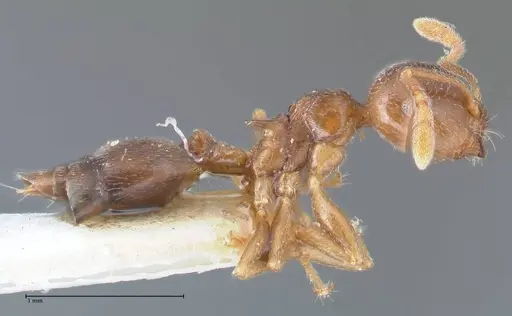
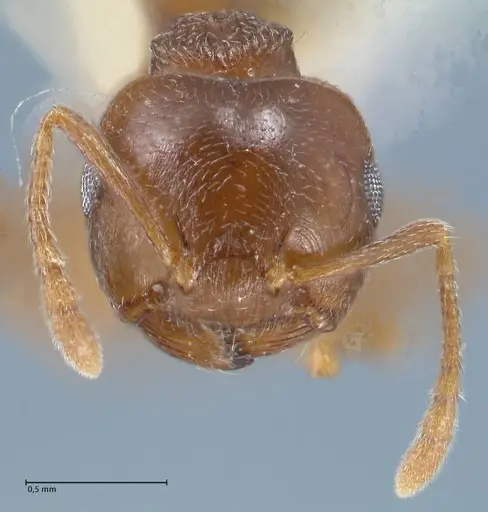
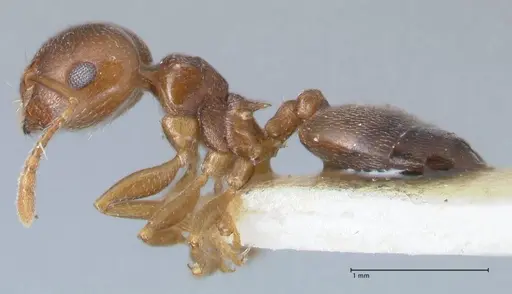
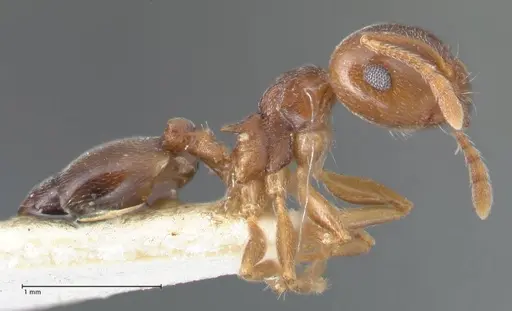
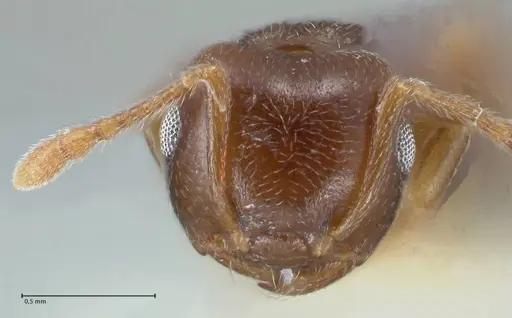
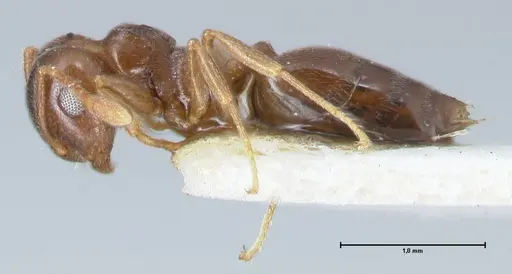
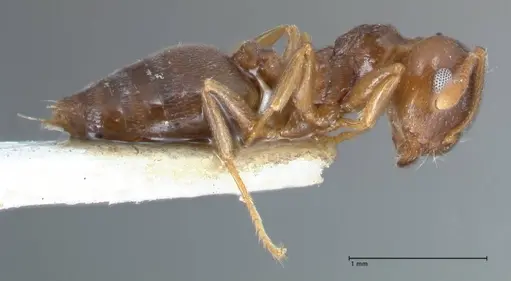
Crematogaster luctans is a small myrmicine ant belonging to the Crematogaster kneri group. Workers are yellow in color with a distinctive globular postpetiole that is not bilobed . This species is part of the Myrmicinae subfamily and is known for its characteristic heart-shaped gaster that it can raise and curl when threatened. Typical worker size is around 3-5 mm, and queens are larger at 6-8 mm, inferred from Crematogaster genus patterns. It has a broad distribution across tropical Africa, the Arabian Peninsula, and into the Middle East, recorded in countries including Eritrea, Kenya, Nigeria, Sierra Leone, Tanzania, Saudi Arabia, Yemen, Iraq, and Iran . This species shows some taxonomic uncertainty due to limited revision work in arid regions, with some records potentially based on misidentification .
Quick Summary
- Difficulty: Medium
- Origin & Habitat: Tropical Africa and Arabian Peninsula. Found across Central and East Africa and extends through Saudi Arabia and Yemen to Iraq and Iran [2][3].
- Colony Type: Colony structure is not well documented in scientific literature. Based on typical Crematogaster patterns, likely single-queen (monogyne) colonies, but unconfirmed for this species.
- Size & Growth:
- Queen: ~6-8 mm, inferred from Crematogaster genus
- Worker: ~3-5 mm, inferred from Crematogaster genus
- Colony: Up to several hundred workers, estimated based on typical Crematogaster colony sizes
- Growth: Moderate
- Development: Estimated 6-8 weeks at optimal temperature based on related Crematogaster species (Development time inferred from genus-level data, specific timing unconfirmed for this species)
- Antkeeping:
- Temperature: Keep warm at 24-28°C. As a tropical species, they need consistent warmth. Inferred from genus patterns.
- Humidity: Keep nest substrate consistently moist but not waterlogged. Inferred from tropical habitat.
- Diapause: No diapause required. As a tropical species, they are active year-round. Inferred.
- Nesting: In nature, they likely nest in soil, under stones, or in rotting wood. In captivity, Y-tong, plaster, or test tube setups work well. Inferred from genus patterns.
- Behavior: Crematogaster ants are known for their distinctive defensive behavior, they can raise their gaster over their head to apply venom from their stinger. They are generally not aggressive but will defend the nest vigorously. Workers are active foragers. Their small size means they are excellent climbers, ensure escape prevention with fine mesh and barriers. Inferred from genus behavior.
- Common Issues: tropical species requires warm temperatures, cold stress can kill colonies., small size means escape prevention must be excellent, use fine mesh barriers., limited scientific data means care is based on genus-level inference rather than species-specific research., wild-caught colonies may have parasites or diseases that can cause colony failure., overheating is as dangerous as cold, avoid temperature extremes.
Housing and Nest Setup
You can keep Crematogaster luctans in various captive setups. A Y-tong (AAC) nest works well because it provides dark, humid chambers that these ants prefer. Alternatively, use a test tube setup with a water reservoir to maintain humidity. Plaster nests are also suitable. Maintain consistent moisture in the nest area without waterlogging. Since these ants are small, ensure your setup has no gaps larger than about 1mm to prevent escapes. Use cotton or a stopper with a small hole for the water tube, and apply a barrier like Fluon to the rim of the outworld.
Feeding and Diet
Crematogaster luctans is likely omnivorous, feeding on honeydew, small insects, and nectar in the wild. In captivity, offer sugar water, honey, or diluted maple syrup continuously. For protein, provide small insects like fruit flies, pinhead crickets, or mealworms. Prey items should be appropriately sized for their small size. Remove uneaten prey after 24-48 hours to prevent mold.
Temperature and Seasonal Care
As a tropical species from Africa and the Arabian Peninsula, Crematogaster luctans needs warm conditions. Keep the nest area at 24-28°C (75-82°F). Use a heating cable placed on top of the nest to maintain warmth. Room temperature may be sufficient if naturally warm, but monitor with a thermometer. They do not require hibernation but may show reduced activity in cooler months. Avoid sudden temperature changes and keep them away from air conditioning vents.
Behavior and Defense
Crematogaster ants have a distinctive defensive behavior, they can raise their gaster over their head and apply venom without bending their body. This allows them to sting from unusual angles. They are not typically aggressive toward humans but will defend their nest vigorously if disturbed. Workers are active foragers that search for food on the ground and vegetation. Their small size means they are excellent climbers, so ensure smooth, greased barriers if needed.
Frequently Asked Questions
How long does it take for Crematogaster luctans to produce first workers?
Based on related Crematogaster species, expect first workers approximately 6-8 weeks after the queen lays her first eggs at optimal temperature (around 26°C). This timeline is estimated from genus-level data, as species-specific development has not been documented.
Do Crematogaster luctans ants sting?
Yes, they can sting. Crematogaster ants have a functional stinger and can deliver venom. However, due to their small size, the sting is typically mild to humans. Their distinctive defense posture involves raising the gaster over the head to apply the sting.
What temperature do Crematogaster luctans need?
Keep them warm at 24-28°C (75-82°F). As a tropical species from Africa and the Arabian Peninsula, they need consistent warmth. A heating cable on the nest can help maintain proper temperatures.
Can I keep multiple Crematogaster luctans queens together?
This has not been documented for this specific species. Most Crematogaster are single-queen colonies, but some species can be polygynous. Without specific research on C. luctans, it is not recommended to introduce multiple unrelated queens to an established colony.
Are Crematogaster luctans good for beginners?
This species is rated as medium difficulty. While not the most challenging ant to keep, there is limited species-specific care information available. Their tropical temperature requirements and small size make them slightly more demanding than common temperate species. Beginners should ensure they can maintain warm, stable temperatures before attempting this species.
How big do Crematogaster luctans colonies get?
Based on typical Crematogaster colony sizes, expect colonies to reach up to several hundred workers over time. The exact maximum is not documented for this species, but colonies of this size are common in the genus.
Do Crematogaster luctans need hibernation?
No, they do not require hibernation. As a tropical species, they are active year-round at warm temperatures. They may show reduced activity in cooler conditions but do not need a diapause period like temperate species.
What do Crematogaster luctans eat?
They are omnivorous. Offer sugar water, honey, or maple syrup continuously. For protein, provide small insects like fruit flies, small crickets, or mealworms. Remove uneaten prey after a day or two to prevent mold.
How do I prevent Crematogaster luctans from escaping?
Their small size means they are excellent escape artists. Use fine mesh (0.5mm or smaller) on any ventilation. Apply Fluon or similar barriers to smooth surfaces. Check all connections and lid seals regularly. Even tiny gaps can allow escape.
Is Crematogaster luctans aggressive?
They are not particularly aggressive toward keepers but will defend their nest if threatened. Their main defense is the sting, delivered from their characteristic raised-gaster posture. They are generally calm and focused on foraging when not disturbed.
Report an Issue
The current care sheet is based fully on literature. See inconsistencies, or something that's incorrect? Please , it will be resolved after review from an admin. Contributing to the blogs tab also helps providing information, to make us be able to further improve the caresheets. Thank you for your support!
References

This caresheet is licensed under CC BY-SA 4.0 .
Community Blogs
CASENT0193747
View on AntWeb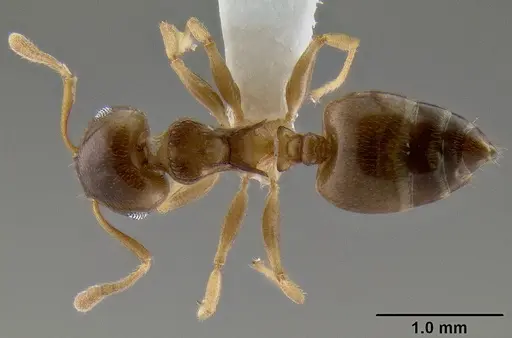
CASENT0908611
View on AntWeb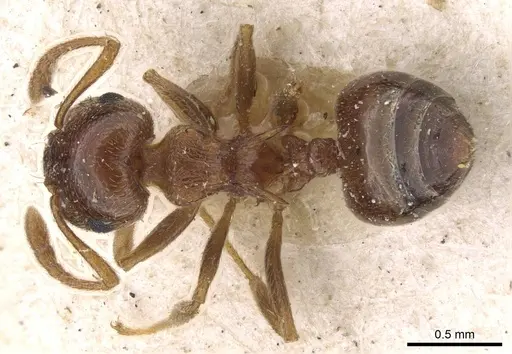
CASENT0908613
View on AntWeb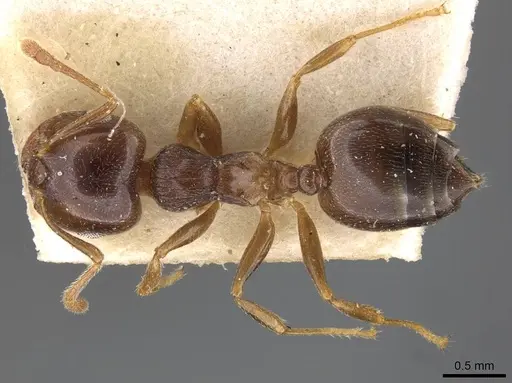
CASENT0912808
View on AntWeb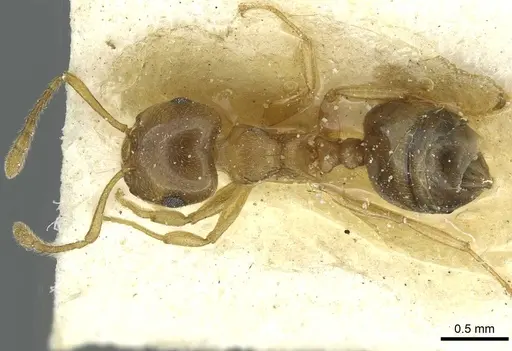
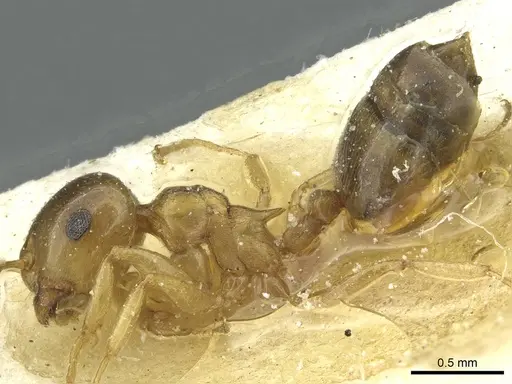
CASENT0914194
View on AntWeb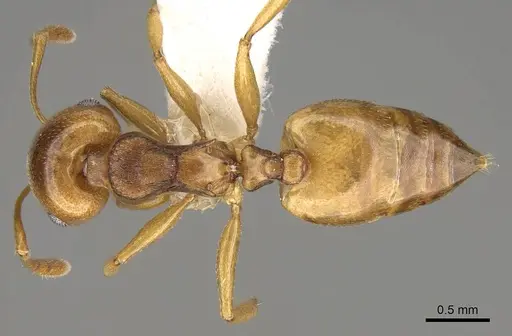
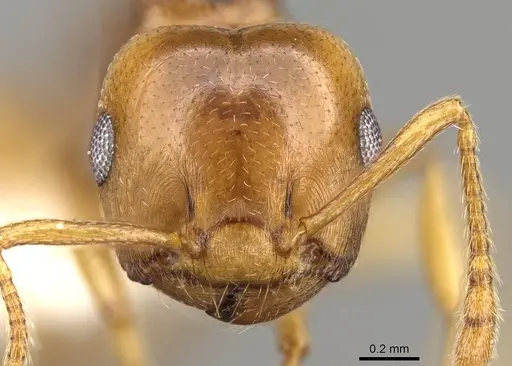
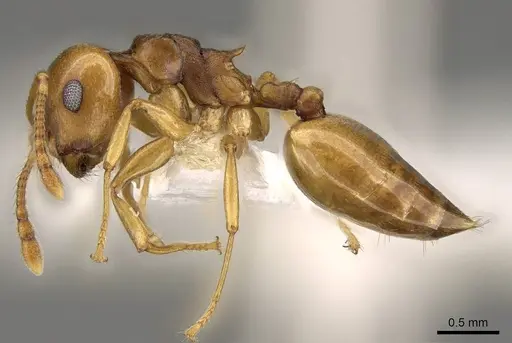
CASENT0916608
View on AntWeb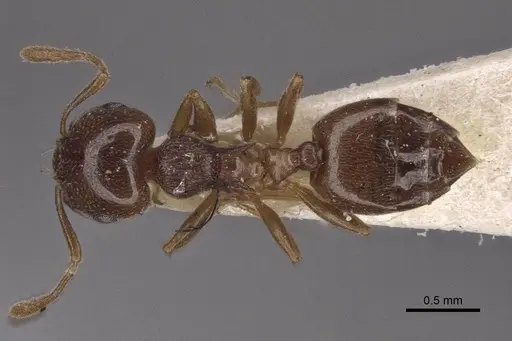
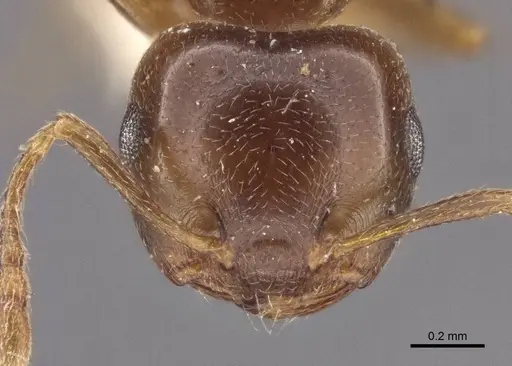
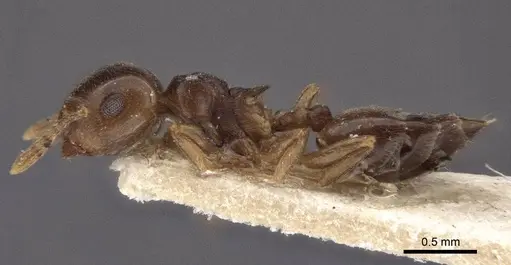
FOCOL1526
View on AntWeb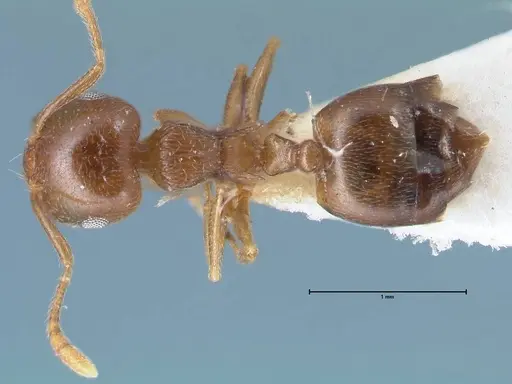
FOCOL1527
View on AntWeb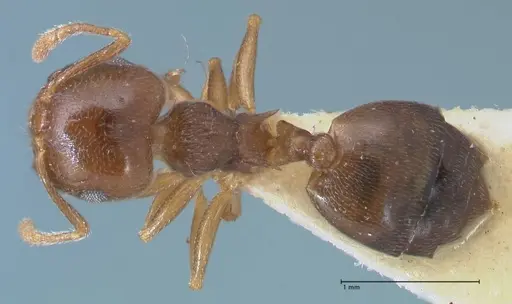
FOCOL1528
View on AntWeb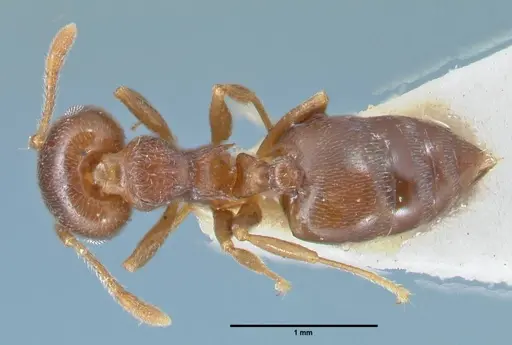
Literature
Loading distribution map...Loading products...