
Crematogaster longispina
- Sci. Name
- Crematogaster longispina
- Subgenus
- Orthocrema
- Tribe
- Crematogastrini
- Subfamily
- Myrmicinae
- Author
- Emery, 1890
- Distribution
- Found in 7 countries
Introduction
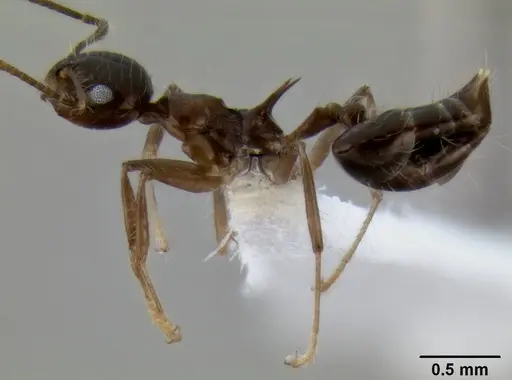
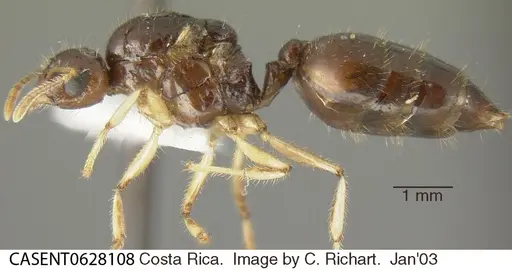
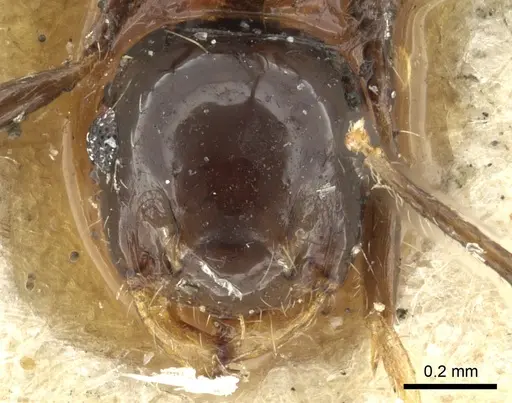
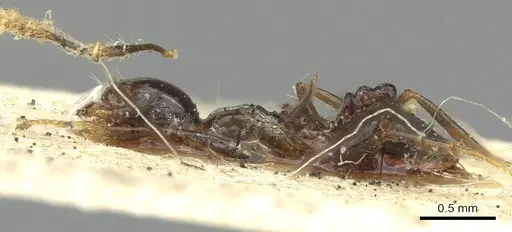
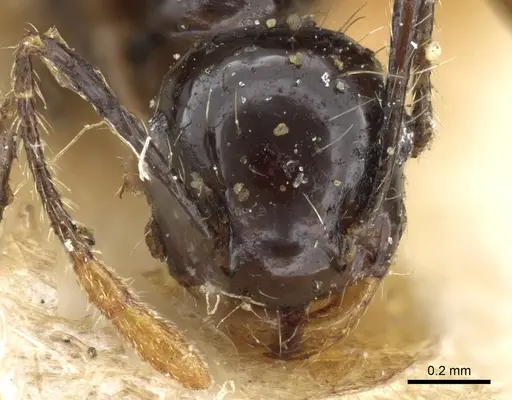
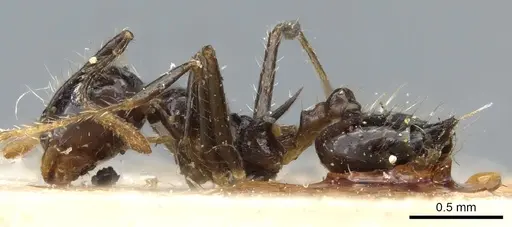
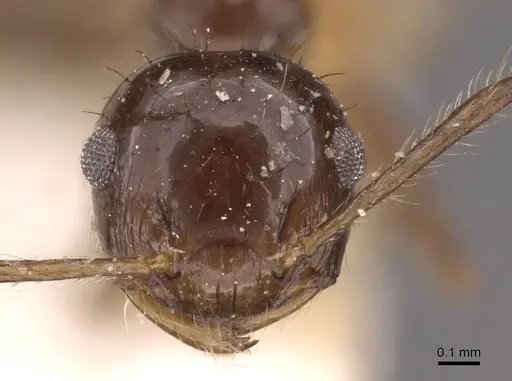
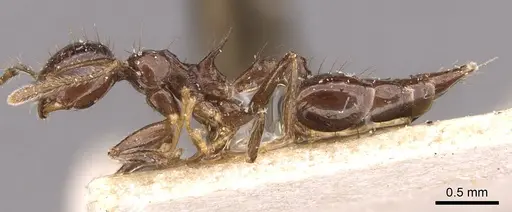
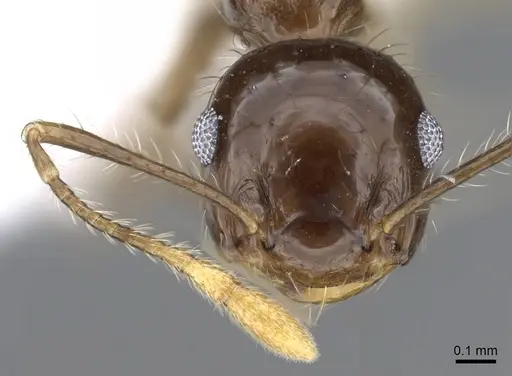
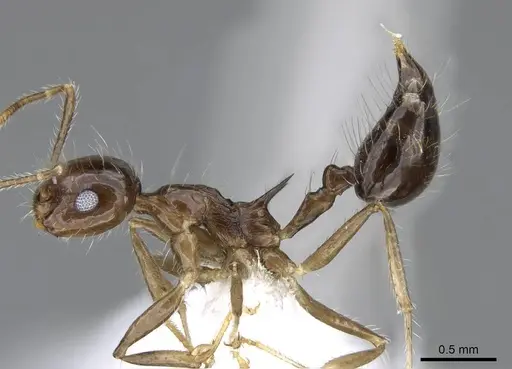
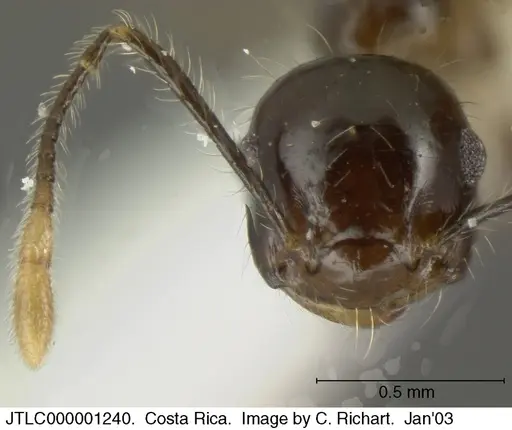
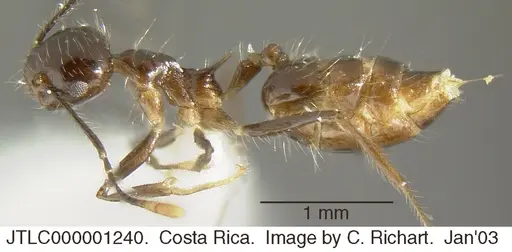
Crematogaster longispina is a small arboreal ant species native to the Neotropical region, found across Colombia, Costa Rica, Ecuador, French Guiana, Guyana, Nicaragua, Peru, and Suriname. Workers feature distinctive very long, strongly diverging propodeal spines and abundant erect hairs on their tibiae. Their coloration ranges from dark red-brown to black, with notably lighter yellow tarsi and antenna tips. This species builds small carton nests (typically 10-15cm across) on low vegetation and tree trunks in wet forest environments . What makes C. longispina particularly interesting is its relationship with epiphytic plants. These ants are known ant-garden initiators, forming mutualistic relationships with plants like Codonanthe crassifolia, whose seeds germinate in the ants' carton nests. The nests are loose and friable, often hosting sprouting epiphytes and roots penetrating the structure. Colonies are polygynous (multiple queens) and show signs of polydomy (multiple nest sites). Notably, researchers have never observed adult males or alate queens in the wild despite extensive field observations .
Quick Summary
- Difficulty: Medium
- Origin & Habitat: Neotropical wet forests from sea level to ~500m elevation, primarily in Costa Rica, Ecuador, Colombia, Peru, and northern South America [1][2]
- Colony Type: Polygynous (multiple queens per colony), with physogastric queens. Colonies show polydomy, multiple connected nests. Workers are monomorphic [3][1].
- Size & Growth:
- Queen: size data unavailable
- Worker: ~2.5-3mm (inferred from genus, no specific TL measurement available)
- Colony: Small to moderate, individual nest sites contain dozens of workers, polydomous colonies likely reach several hundred
- Growth: Moderate
- Development: Unknown, not specifically documented for this species (Development timeline has not been studied for this species.)
- Antkeeping:
- Temperature: Keep warm at 24-28°C. This is a tropical wet-forest species requiring consistently warm conditions [1]. Use a heating cable on one side of the nest to create a gradient if room temperature is below this range.
- Humidity: High humidity is critical, these ants live in very humid wet forest conditions. Keep nest substrate consistently moist but not waterlogged. Provide a water tube as a constant moisture source. Mist occasionally but avoid standing water.
- Diapause: No, this is a tropical species that does not enter hibernation. Maintain warm, stable conditions year-round [1].
- Nesting: Arboreal nester, in captivity they will accept Y-tong (AAC) nests, plaster nests, or test tube setups. Provide materials they can build carton-like structures with if possible. They naturally nest in small cavities in vegetation and rotting wood [1].
- Behavior: Generally non-aggressive but will defend their nest vigorously. Workers are active foragers, primarily tending homopteran insects (scale insects and aphids) for honeydew, which forms a major part of their diet. They also collect nectar and hunt small insects. Escape risk is moderate, their small size means they can squeeze through small gaps, so use fine mesh barriers and tight-fitting lids. They are arboreal and spend most of their time in elevated nest structures.
- Common Issues: high humidity maintenance is critical, dry conditions will kill colonies quickly, escape prevention requires fine mesh barriers due to their very small worker size, tropical species cannot tolerate cool temperatures, keep above 24°C year-round, wild-caught colonies may be stressed from habitat loss and may carry parasites, colonies may be difficult to establish as they prefer established carton nests with multiple queens
Housing and Nest Setup
Crematogaster longispina is an arboreal species that naturally builds carton nests in wet forest vegetation. In captivity, they adapt well to Y-tong (AAC) nests or plaster nests with small chambers. Test tubes can work for founding colonies but may need to be modified to provide the humidity they need. The key requirement is maintaining high humidity, these ants come from constantly damp forest environments where dehydration is a major threat. Use a water tube setup to provide constant moisture, and consider covering part of the nest with damp substrate. Avoid dry formicarium setups. If you want to encourage natural behavior, provide materials like shredded paper or cotton that they can use to build carton-like structures. Place the nest in a warm area (24-28°C) away from direct sunlight and air conditioning vents. [1][2]
Feeding and Diet
In the wild, C. longispina primarily feeds on honeydew collected from coccoid Homoptera (scale insects) that live in their nests, along with nectar from flowers and small insects they capture. In captivity, offer sugar water or honey as a constant energy source. For protein, provide small insects like fruit flies, pinhead crickets, or mealworms. They will also accept sweet fruits as nectar sources. Feed protein prey 2-3 times per week, and keep sugar water available at all times. Remove uneaten prey after 24-48 hours to prevent mold. This species is not a specialized predator, so variety in their diet helps maintain health. [1]
Temperature and Humidity Requirements
This is a strict tropical species requiring warm, humid conditions. Maintain temperatures between 24-28°C year-round, they do not tolerate cool conditions and lack any diapause or winter dormancy. Temperature drops below 20°C can be fatal. Humidity is equally critical: keep the nest environment at high humidity. Use a water tube in the outworld and consider misting the nest area regularly. The substrate or cotton in the nest should feel consistently damp but never soaking wet. In dry environments, you may need to use a humidifier near the ant setup or keep the formicarium in an enclosed space to trap moisture. These ants are sensitive to habitat fragmentation and edge effects in the wild, suggesting they prefer stable, undisturbed conditions. [1]
Colony Structure and Queen Care
C. longispina is polygynous, meaning colonies naturally have multiple queens. In the wild, colonies can have several physogastric (egg-laying) queens living together in the same nest. This makes them different from many other ant species where single-queen colonies are the norm. When keeping this species, you may receive colonies with multiple queens, this is normal and they should be kept together. The species also shows polydomy, meaning colonies maintain multiple nest sites connected by workers. This explains why they often nest in scattered locations in vegetation. One unusual observation from researchers is that despite extensive field studies, no one has ever observed adult males or alate (winged) queens in the wild, suggesting mating may occur within the nest or the species has unusual reproductive behavior. [3][1]
Behavior and Defense
Workers of C. longispina are relatively docile toward humans but will aggressively defend their nest against intruders. They can bite and may release formic acid as a defensive secretion, common in the Crematogaster genus. Their most notable natural behavior is building and maintaining carton nests, a papery material made from plant fibers and ant secretions. These nests are surprisingly loose and friable, easily falling apart when disturbed. The ants use these nests as platforms for farming scale insects (coccoid Homoptera) for honeydew, and the nests often become mini-ecosystems with growing epiphytes. In captivity, you may observe workers tending any scale insects present and actively defending their territory. They are good climbers and will explore vertical surfaces in search of food. [1]
Ant Garden Relationship
One of the most fascinating aspects of C. longispina is its mutualistic relationship with epiphytic plants, particularly Codonanthe crassifolia. This is a true ant-garden species, they actively initiate ant gardens by building carton nests that become substrates for plant seeds to germinate. The plants grow roots that penetrate the nest structure, providing the ants with shelter and potentially nutrients, while the plants get a protected growing platform. In captivity, you might observe similar plant growth if conditions allow. This relationship explains why their natural nests are so distinctive, they are essentially small gardens. If you want to create a naturalistic setup, you could add small epiphytes or mosses near the nest, though success is not guaranteed. [1]
Seasonal Care and Growth
As a tropical species, C. longispina does not require any seasonal temperature changes or hibernation. Maintain consistent warm, humid conditions throughout the year. Colony growth is likely moderate. Founding colonies may take time to establish. Growth rate depends heavily on temperature, warmer temperatures within their range speed development, while cooler temperatures slow it significantly. Polygynous colonies may grow faster initially since multiple queens can lay eggs simultaneously. Monitor colony activity levels as an indicator of health, active workers exploring and foraging indicates good conditions, while lethargy or clustering may signal temperature or humidity problems. [1]
Frequently Asked Questions
Is Crematogaster longispina a good species for beginners?
This species is rated as medium difficulty. While not the hardest ant to keep, it has specific requirements that make it challenging for complete beginners. The main challenges are maintaining consistently high humidity and warm temperatures year-round. If you have kept other tropical ants successfully and can provide these conditions, it can be a rewarding species. However, beginners might struggle with the humidity requirements.
What temperature do Crematogaster longispina ants need?
Keep them at 24-28°C consistently. This is a tropical wet-forest species that does not tolerate cool temperatures. Temperature drops below 20°C can be harmful or fatal. Use a heating cable or mat if your room temperature is below this range, but always provide a temperature gradient so ants can choose their preferred spot.
How often should I feed Crematogaster longispina?
Offer sugar water or honey constantly, this should always be available. Feed protein (small insects like fruit flies, pinhead crickets, or mealworms) 2-3 times per week. Remove any uneaten prey after 24-48 hours to prevent mold. Adjust based on colony size, larger colonies will consume more food.
Do Crematogaster longispina ants sting?
Crematogaster ants can sting, but their sting is not particularly painful to humans due to their small size. They are not considered dangerous. If threatened, they may bite and attempt to sting, or release formic acid as a defensive secretion. They are generally not aggressive toward humans.
Can I keep multiple Crematogaster longispina queens together?
Yes, this is normal and expected. C. longispina is naturally polygynous, meaning colonies have multiple queens. In the wild, colonies commonly have several physogastric (egg-laying) queens. You should not need to separate queens, keeping them together mimics their natural colony structure.
How long does it take for first workers to appear?
This is unknown, development timeline has not been documented for this species. Provide warm, humid conditions and be patient. The timeline will depend on temperature and queen health.
What humidity level do they need?
High humidity is critical. Keep the nest substrate consistently moist but not waterlogged. Use a water tube and consider misting occasionally. Dry conditions will kill colonies quickly. This matches their natural wet forest habitat.
What size colony do they reach?
Colony size is moderate. In the wild, individual nest sites in twigs may contain dozens of workers, but polydomous colonies (multiple connected nests) likely reach several hundred workers overall. They are not among the largest Crematogaster species.
Do they need hibernation or winter rest?
No. This is a tropical species with no diapause requirement. Maintain warm, stable conditions year-round. They are adapted to consistent tropical conditions and do not experience seasonal temperature drops in their native habitat.
Why are my Crematogaster longispina dying?
The most common causes are: low humidity (dry conditions are fatal), temperatures below 24°C, or stress from collection/transport. These ants are sensitive to habitat disturbance in the wild. Ensure high humidity, warm temperatures, and minimal disturbance during the founding period. Wild-caught colonies may also carry parasites.
What kind of nest should I use?
Y-tong (AAC) nests or plaster nests work well. They need small chambers and high humidity retention. Test tubes can work for founding colonies but may dry out quickly. Avoid dry setups. Provide materials they can use for carton-like construction if possible.
Are they escape artists?
Yes, their small size means they can squeeze through tiny gaps. Use fine mesh barriers (at least 0.5mm mesh), tight-fitting lids, and apply fluon or other barrier gels to prevent escapes. Check all connections and tubing regularly.
Report an Issue
The current care sheet is based fully on literature. See inconsistencies, or something that's incorrect? Please , it will be resolved after review from an admin. Contributing to the blogs tab also helps providing information, to make us be able to further improve the caresheets. Thank you for your support!
References

This caresheet is licensed under CC BY-SA 4.0 .
Community Blogs
CASENT0193767
View on AntWeb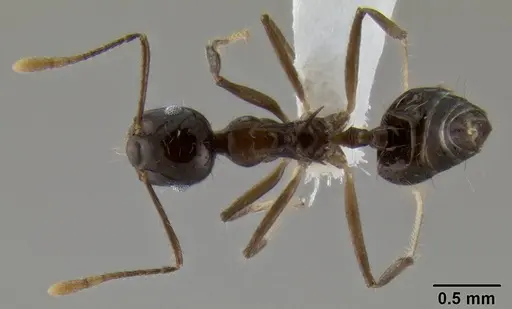
CASENT0628108
View on AntWeb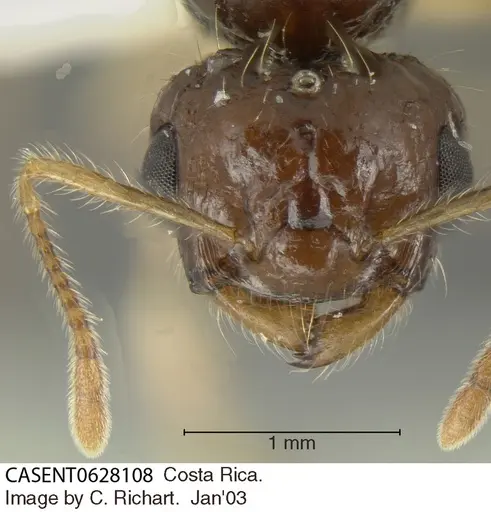
CASENT0902156
View on AntWeb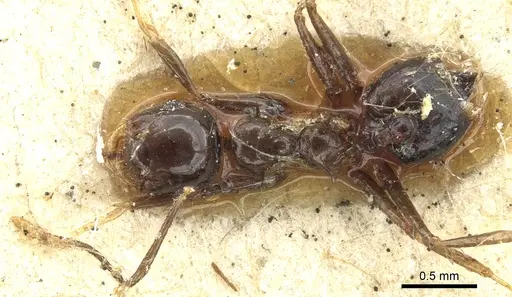
CASENT0904522
View on AntWeb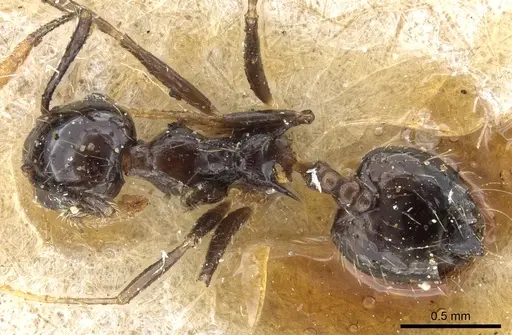
CASENT0908486
View on AntWeb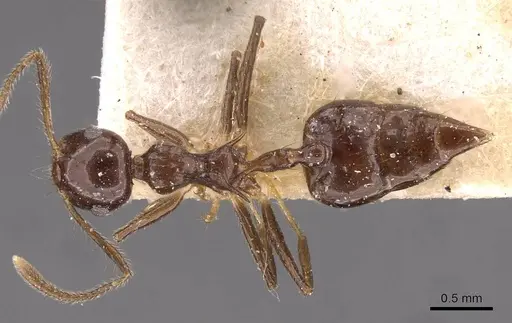
CASENT0914572
View on AntWeb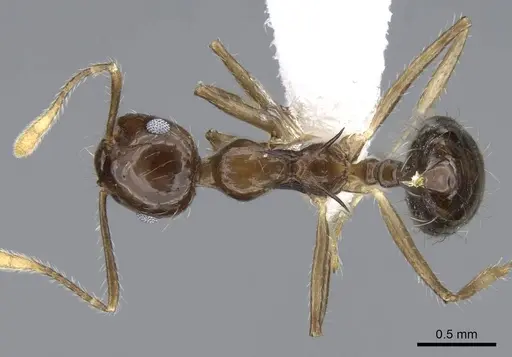
JTLC000001240
View on AntWeb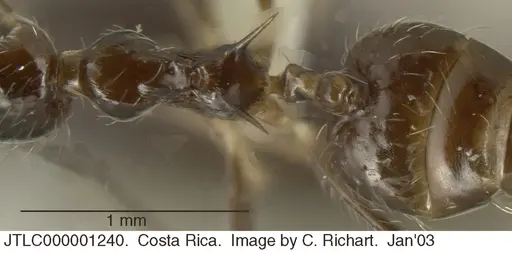
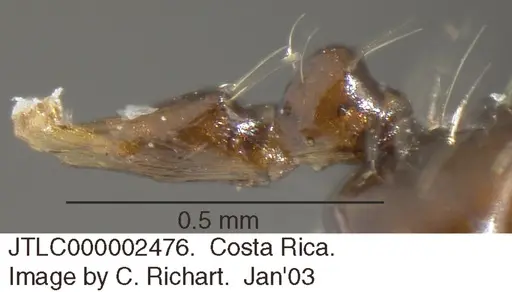
JTLC000002476
View on AntWeb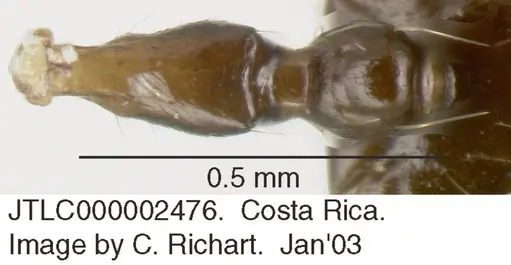
Literature
Loading distribution map...Loading products...