
Crematogaster longipilosa
- Sci. Name
- Crematogaster longipilosa
- Subgenus
- Orthocrema
- Tribe
- Crematogastrini
- Subfamily
- Myrmicinae
- Author
- Forel, 1907
- Distribution
- Found in 2 countries
Introduction
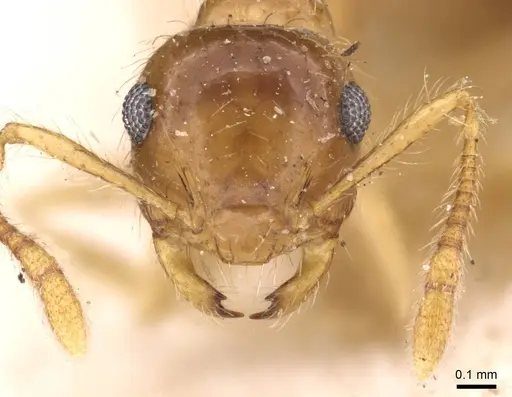
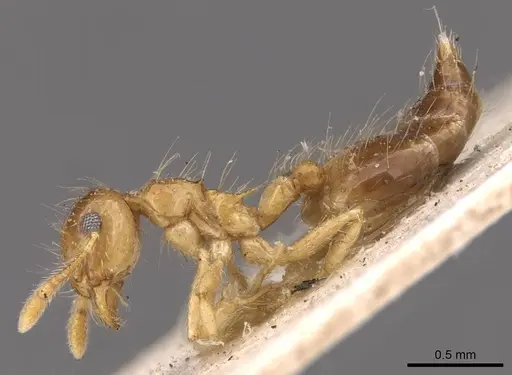
Crematogaster longipilosa is a small ant species belonging to the Orthocrema subgenus and binghamii species group. Workers are tiny, measuring approximately 1.3-1.5mm in total length based on combined head and mesosoma measurements . They are easily recognized by their developed propodeal spines and abundant standing hairs covering their yellow to brown body . Their mesonotum has a distinctive triangular process, and all flagellar segments are yellow [AntWiki]. This species is native to Southeast Asia, found across southern Thailand, Peninsular Malaysia, and Indonesia (Kalimantan, Java, and Sumatra) . They inhabit disturbed to developed forests and nest directly in soil . Like other acrobat ants, they have a heart-shaped gaster that they can raise defensively.
Quick Summary
- Difficulty: Medium
- Origin & Habitat: Southeast Asia, southern Thailand, Peninsular Malaysia, and Indonesia (Kalimantan, Java, Sumatra). Inhabits disturbed to developed forests and nests in soil [1].
- Colony Type: Unconfirmed. Specific colony structure for C. longipilosa has not been documented.
- Size & Growth:
- Queen: Size data unavailable, queen measurements have not been documented for this species.
- Worker: Approximately 1.3-1.5mm total length, inferred from combined head and mesosoma measurements [1].
- Colony: Unknown for this specific species.
- Growth: Unknown, specific growth data not available
- Development: Unknown, development time has not been studied for this species. (Development data not available.)
- Antkeeping:
- Temperature: Keep at 24-28°C. This is a tropical species from Southeast Asia, so warmth supports colony activity and brood development.
- Humidity: High humidity preferred (60-80%). These ants live in forest environments and nest in soil, so keep the nest substrate consistently moist but not waterlogged.
- Diapause: No, this is a tropical species that does not require hibernation. Keep temperatures stable year-round.
- Nesting: Soil-nesting species. In captivity, a naturalistic setup with moist soil or a Y-tong/plaster nest works well. They prefer tight, humid chambers.
- Behavior: Generally peaceful but defensive. Like other Crematogaster, they raise their heart-shaped gaster when threatened as a warning display. Workers are very small so escape prevention is critical, they can squeeze through tiny gaps. They likely forage for honeydew and small prey.
- Common Issues: escape prevention is critical due to tiny worker size, use fine mesh and tight-fitting lids, colonies may be slow to establish, patience is needed during founding phase, dry conditions cause colony decline, monitor humidity closely, wild-caught colonies may have parasites, quarantine and observe new colonies
Nest Preferences and Housing
Crematogaster longipilosa is a soil-nesting species that naturally forms colonies in forest soil [1]. In captivity, they do well in naturalistic setups with moist soil or in Y-tong/plaster nests that maintain humidity. The key requirement is keeping the nest substrate consistently moist, these are forest ants that need damp conditions. Avoid dry formicaria or setups that dry out quickly. Provide a water tube or cotton wick as a moisture source. Because workers are tiny, ensure all connections and barriers are secure, they can escape through remarkably small gaps.
Feeding and Diet
Like other Crematogaster species, C. longipilosa likely has an omnivorous diet. They probably feed on honeydew from aphids and scale insects in addition to small insects. In captivity, offer sugar water or honey as a constant energy source, along with small protein sources like fruit flies, pinhead crickets, or other tiny arthropods. Feed protein 2-3 times per week and keep sugar available at all times. Remove uneaten prey after 24-48 hours to prevent mold.
Temperature and Seasonal Care
This is a tropical Southeast Asian species, so keep temperatures warm and stable between 24-28°C [1]. They do not require hibernation or diapause, maintain consistent temperatures year-round. A heating cable on one side of the nest creates a temperature gradient that allows the ants to choose their preferred zone. Avoid temperatures below 20°C for extended periods.
Behavior and Temperament
Crematogaster ants are known for their distinctive heart-shaped gaster that they can raise vertically when threatened, this gives them their 'acrobat ant' common name. Workers are small but active foragers. They are generally not aggressive toward keepers but will defend their nest if disturbed. Their tiny size makes them excellent escape artists, always use fine mesh and check all connections. [1]
Colony Development
Colony growth data is not available for this specific species. Be patient during the founding phase, queen ants can take months to establish stable colonies. The first workers (nanitics) will likely be smaller than normal workers. After the colony establishes, growth depends on environmental conditions and food availability.
Frequently Asked Questions
How long does it take for Crematogaster longipilosa to produce first workers?
This is unknown, development time has not been studied for this species. Expect several months for founding colonies to establish.
Can I keep Crematogaster longipilosa in a test tube setup?
Yes, a test tube setup can work for founding colonies. Keep the cotton moist but not flooded, and ensure the tube is in a humid environment. However, because they require high humidity and are soil-nesting, you may need to transition to a naturalistic or plaster nest as the colony grows.
Do Crematogaster longipilosa ants sting?
They have a stinger but due to their tiny size, they are unlikely to penetrate human skin. Their primary defense is raising their heart-shaped gaster as a warning display.
What temperature do Crematogaster longipilosa need?
Keep them warm at 24-28°C. This tropical species does not tolerate cool temperatures well and does not require hibernation.
Are Crematogaster longipilosa good for beginners?
This is a medium-difficulty species. They require warm, humid conditions and excellent escape prevention due to their tiny size. They can be rewarding once their basic needs are met.
How big do Crematogaster longipilosa colonies get?
Maximum colony size is not documented for this species.
What do Crematogaster longipilosa eat?
They are omnivorous. Offer sugar water or honey constantly, plus small protein sources like fruit flies or tiny crickets 2-3 times per week.
Do I need to hibernate Crematogaster longipilosa?
No, this is a tropical species from Southeast Asia that does not require hibernation or winter rest. Keep temperatures stable year-round.
Why are my Crematogaster longipilosa escaping?
Their tiny worker size means they can squeeze through remarkably small gaps. Use fine mesh (at least 0.5mm or finer), check all tube connections, and ensure lid seals are tight.
Can I keep multiple queens together?
Colony structure is unconfirmed for this species. Combining unrelated foundresses is not recommended without documented evidence that this species tolerates polygyny.
Report an Issue
The current care sheet is based fully on literature. See inconsistencies, or something that's incorrect? Please , it will be resolved after review from an admin. Contributing to the blogs tab also helps providing information, to make us be able to further improve the caresheets. Thank you for your support!
References

This caresheet is licensed under CC BY-SA 4.0 .
Community Blogs
CASENT0193780
View on AntWeb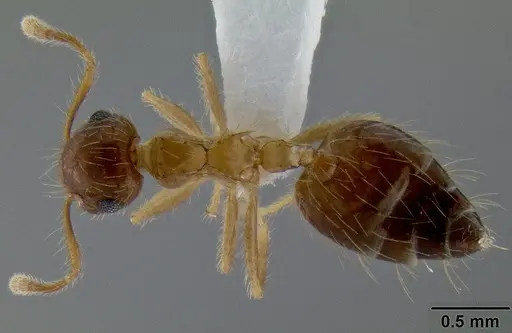
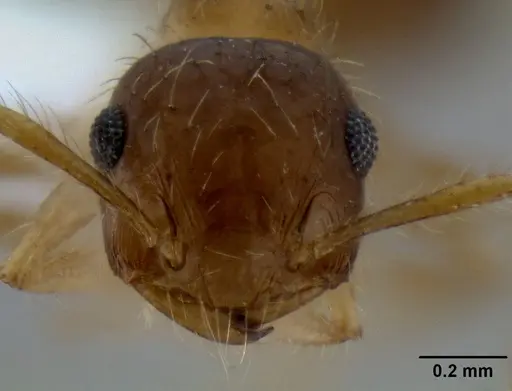
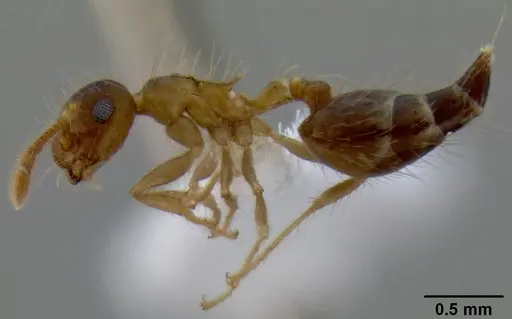
CASENT0908370
View on AntWeb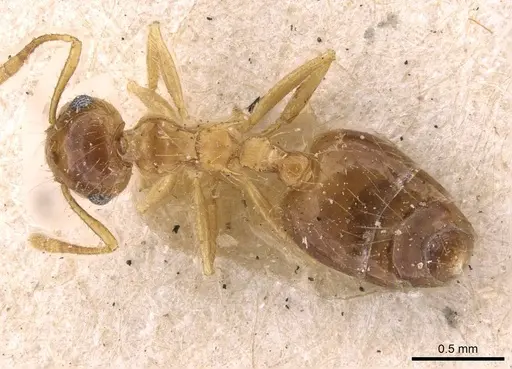
Literature
Loading distribution map...Loading products...