
Crematogaster linsenmairi
- Sci. Name
- Crematogaster linsenmairi
- Tribe
- Crematogastrini
- Subfamily
- Myrmicinae
- Author
- Feldhaar <i>et al.</i>, 2016
- Distribution
- Found in 2 countries
Introduction
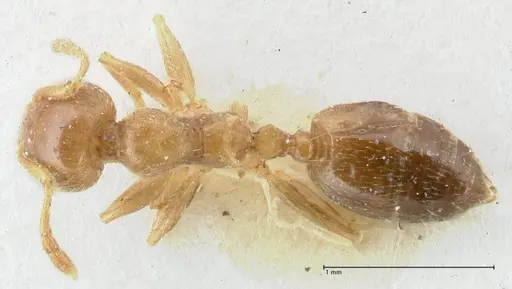
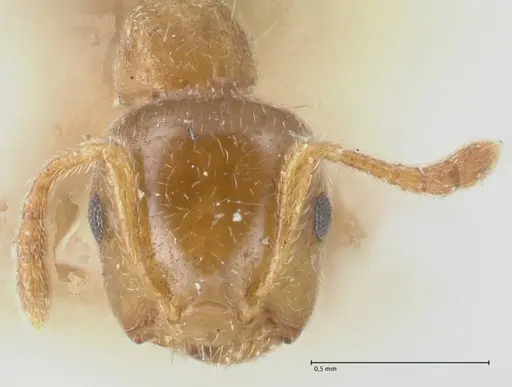
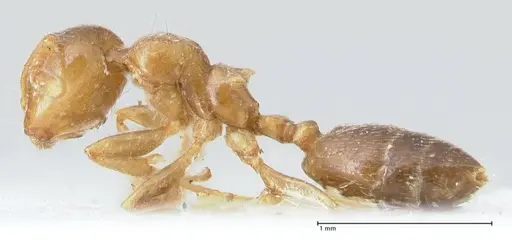
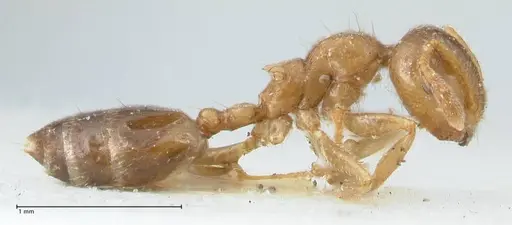
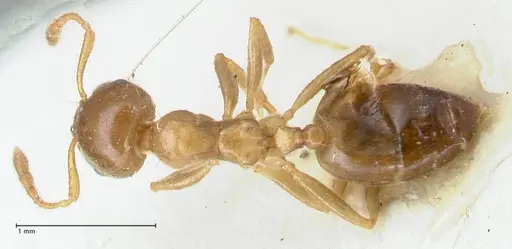
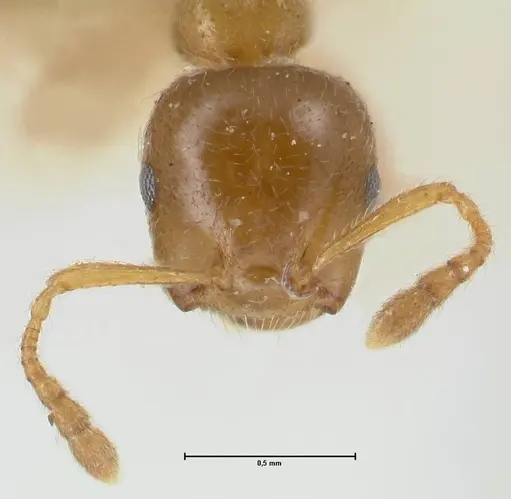
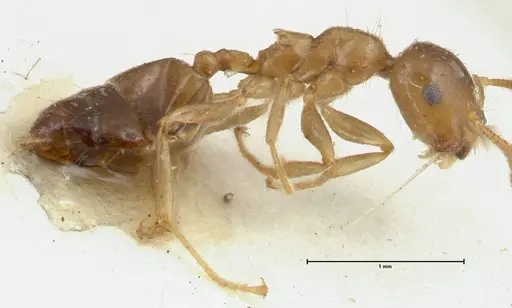
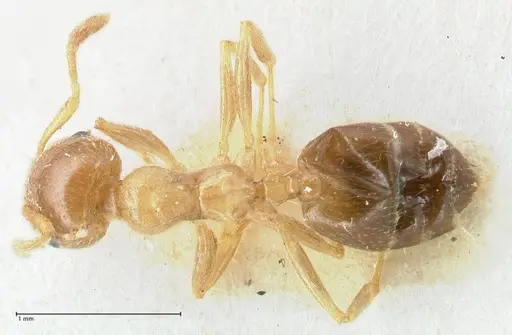
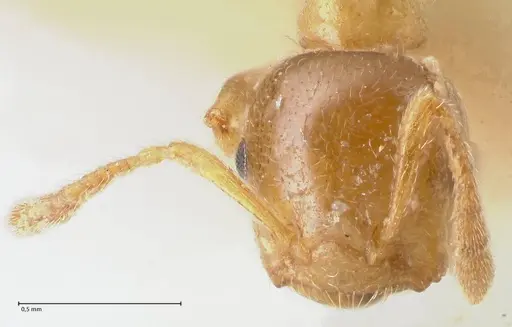
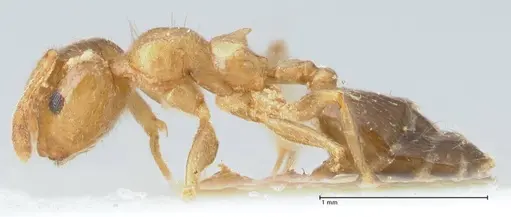
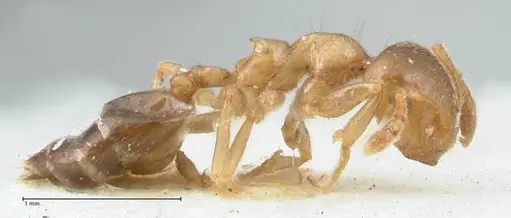
Crematogaster linsenmairi is a small ant species native to Southeast Asia, found in Sumatra, Borneo, and Peninsula Malaysia. Workers measure 2.7-3.8mm and are brown in color with the head and gaster slightly darker than the alitrunk. Queens are notably larger at 6.8-9.3mm and represent the largest species within the Macaranga-associated Crematogaster captiosa-subgroup. This ant is an obligate myrmecophyte, meaning it lives exclusively inside hollow stems of Macaranga myrmecophyte plants, particularly species in the section Pruinosae like Macaranga hosei, M. pearsonii, and M. pruinosa [AntWiki]. What makes C. linsenmairi particularly interesting is its flexible colony structure. Unlike most ants that have single queens, this species forms polygynous colonies with multiple queens that can all reproduce. Researchers have found foundress associations of unrelated individuals working together, and these colonies remain polygynous even after workers emerge. This social flexibility, combined with their specialized plant-dwelling lifestyle, makes them a fascinating species for antkeepers interested in obligate mutualistic ants [AntWiki].
Quick Summary
- Difficulty: Medium
- Origin & Habitat: Southeast Asia, found in Sumatra, Borneo, and Peninsula Malaysia. This is an obligate plant-ant that lives exclusively inside hollow stems of Macaranga myrmecophyte plants, particularly Macaranga hosei, M. pearsonii, M. pruinosa, and M. puberula [1][2].
- Colony Type: Polygynous (multiple-queen colonies). Colonies are founded by associations of unrelated queens that work together, and several queens may continue producing offspring even after workers emerge. This is unusual among ants and means your colony could potentially have multiple egg-laying queens [2].
- Size & Growth:
- Queen: 6.8-9.3 mm [2]
- Worker: 2.7-3.8 mm [2]
- Colony: Unknown maximum, but colonies can become quite populous within their host plants [2]
- Growth: Moderate, growth is tied to host plant availability and food body production [3]
- Development: Unknown, no specific development data available (Development timeline has not been directly studied. Based on related Crematogaster species, expect several months from egg to worker at optimal temperatures. Growth may be slower than free-living ants due to their specialized mutualistic lifestyle.)
- Antkeeping:
- Temperature: Keep around 24-28°C. As a tropical Southeast Asian species, they prefer warm, stable conditions. A gentle gradient allowing them to move between warmer and cooler areas is ideal [2].
- Humidity: High humidity is essential, these ants live inside plant stems and need moist conditions. Keep substrate consistently damp but not waterlogged. The host plant relationship suggests they prefer humid, forest-floor type conditions [2].
- Diapause: No, as a tropical species from Southeast Asia, they do not require hibernation. Keep them warm year-round [2].
- Nesting: This is the challenging part, C. linsenmairi is an obligate plant-ant that cannot survive without a Macaranga host plant. In captivity, they require a naturalistic setup with living Macaranga plants or careful simulation of their natural stem-nesting environment. Y-tong or acrylic nests may work if humidity is kept very high, but they truly need plant stem structures to thrive. This is not a species for beginners due to their specialized housing requirements [2].
- Behavior: These ants are aggressive defenders of their host plant. They use a mass recruiting system and will intensively attack and remove any intruders from their host tree. Workers continuously patrol the plant surface, collecting food bodies and extrafloral nectar while protecting against herbivores. They are highly active and territorial on their host plants. Escape prevention is important, while not the smallest ants, they are agile and can find small gaps. Their relationship with Macaranga means they are adapted to vertical, stem-like spaces rather than horizontal nests [4].
- Common Issues: Housing is the biggest challenge, these obligate plant-ants need Macaranga host plants or very specialized stem-like structures to thrive., Without a proper host plant, colonies may fail to develop properly or become stressed., Polygynous colonies can be complex, multiple queens may compete or the colony structure may shift over time., As a specialized mutualist, they may not accept typical ant foods, they primarily rely on food bodies from their host plant., High humidity requirements can lead to mold issues if ventilation is poor.
The Macaranga Mutualism
Crematogaster linsenmairi represents one of the most specialized ant-plant relationships in Southeast Asia. These ants are obligate myrmecophytes, they cannot survive without their Macaranga host plants. The ants colonize hollow stems that the plants produce specifically as housing, and in return, the ants provide aggressive defense against herbivores and help with plant nutrition. Macaranga plants in the section Pruinosae (like M. hosei, M. pearsonii, and M. pruinosa) produce hollow stems with waxy coatings that are ideal for these ants. The ants must actively excavate the stem interiors to expand their living space [2].
For antkeepers, this mutualistic relationship is both fascinating and challenging. Unlike most ant species that can adapt to various nest types, C. linsenmairi truly requires either a living Macaranga plant or a very close simulation of their natural stem environment. This makes them a species for advanced antkeepers who are willing to invest in specialized setups. The reward is observing one of nature's most elegant partnerships up close.
Feeding and Diet
In their natural habitat, C. linsenmairi relies heavily on food bodies produced by their Macaranga host plants. These food bodies are the ants' primary food source and the ants behave essentially as herbivores, collecting them continuously from the plant surface. They also collect extrafloral nectar from the plants. Research shows they will accept insects including termites, and they tend coccids for honeydew. Their diet varies depending on which Macaranga species hosts them, stable isotope studies show different food source proportions depending on whether they live in M. hosei versus M. pearsonii [3][4].
In captivity, you should prioritize replicating their natural food sources. Offer small live prey like fruit flies, pinhead crickets, and small mealworms. Sugar water or honey may be accepted but should not be their primary food. The key is providing protein-rich foods that mimic the insect prey and food bodies they would normally consume. Observe your colony's preferences and adjust accordingly.
Colony Structure and Social Organization
One of the most remarkable aspects of C. linsenmairi is their polygynous colony structure. Unlike most ant species that have single queens, these ants commonly form colonies with multiple reproductive queens. Even more unusually, multiple unrelated queens can found a colony together, this is called pleometrosis. Unlike many species where queens fight or some are killed after founding, C. linsenmairi colonies remain polygynous even after workers emerge, with several queens continuing to produce offspring [2].
This has implications for antkeepers. Your colony could potentially have multiple egg-laying queens, which can lead to faster growth but also requires more space. The social dynamics are more complex than single-queen species. If you ever need to split the colony, be aware that these ants are adapted to multi-queen arrangements, so introducing additional queens may be more accepted than in strictly monogyne species.
Temperature and Seasonal Care
As a tropical species from Southeast Asia, C. linsenmairi requires warm conditions year-round. They originate from regions near the equator where temperatures are consistently warm and humidity is high. There is no diapause or winter rest period, these ants remain active throughout the year. Keep temperatures in the range of 24-28°C, with a slight gradient allowing workers to choose their preferred temperature zone [2].
Humidity is equally important. These ants live inside plant stems in a humid forest environment. Your setup should maintain high humidity, think damp, tropical conditions. However, balance this with adequate ventilation to prevent mold. A naturalistic setup with live plants will help maintain both temperature and humidity levels. Avoid any cooling or drying of the enclosure.
Behavior and Defense
C. linsenmairi workers are aggressive defenders of their host plant. They use a mass recruiting system where workers rapidly assemble to overwhelm intruders. When threatened, they will intensively attack and remove any perceived threats, whether insects, small animals, or anything else that approaches their host plant. They continuously patrol the plant surface, cleaning extraneous substances, collecting food resources, and watching for predators [4].
This defensive behavior makes them fascinating to observe but also means they are quick to respond to any disturbance in their enclosure. They are not typically aggressive toward humans (they're too small to sting effectively), but they will vigorously defend their territory. In captivity, this means they may attack any intruders you add to their enclosure, which can be useful for observing their behavior but requires careful management.
Frequently Asked Questions
Can I keep Crematogaster linsenmairi in a test tube?
Not recommended. This is an obligate plant-ant that requires Macaranga host plants or specialized stem-like structures to thrive. Test tubes will not provide the proper environment they need. A naturalistic setup with living Macaranga plants or carefully designed stem simulation is essential for their long-term health.
What do Crematogaster linsenmairi eat?
Their primary food in nature comes from food bodies produced by their Macaranga host plants, they essentially behave as herbivores. They also eat extrafloral nectar, honeydew from tended coccids, and small insects. In captivity, offer small live prey like fruit flies and small mealworms, and occasionally sugar water or honey as supplements.
How long does it take for first workers to appear?
The exact development timeline has not been documented for this species. Based on related Crematogaster species, expect several months from egg to worker at optimal temperatures (24-28°C). Their specialized lifestyle may mean slightly slower development than free-living ant species.
Can I keep multiple queens together?
Yes, this is actually their natural colony structure. C. linsenmairi is polygynous, meaning colonies naturally have multiple queens. Multiple unrelated queens can found a colony together and all continue reproducing even after workers emerge. Your colony can have multiple egg-laying queens.
Do Crematogaster linsenmairi ants sting?
They are too small to effectively sting humans. However, they are aggressive defenders of their territory and will bite if threatened. Their main defense is attacking intruders in groups rather than stinging.
Are Crematogaster linsenmairi good for beginners?
No, this is not a beginner species. Their biggest challenge is housing: they are obligate plant-ants that require Macaranga host plants or very specialized stem-like structures. They also need high humidity and warm tropical conditions. This species is for advanced antkeepers interested in studying ant-plant mutualisms.
Do Crematogaster linsenmairi need hibernation?
No. As a tropical species from Southeast Asia, they do not require hibernation or any cool period. Keep them warm year-round at 24-28°C with high humidity.
How big do Crematogaster linsenmairi colonies get?
The maximum colony size is not well documented, but colonies can become quite populous within their host plant stems. Their polygynous structure with multiple egg-laying queens can support significant colony growth over time.
What is the best nest type for Crematogaster linsenmairi?
A naturalistic setup with living Macaranga plants is ideal but challenging to maintain. Alternatively, you could create a setup with narrow, vertical, stem-like chambers that simulate their natural plant-stem habitat. High humidity is critical. Standard formicariums may not provide the proper environment this specialized species needs.
Why is my Crematogaster linsenmairi colony declining?
The most likely cause is improper housing, they need either a Macaranga host plant or very specialized stem-like structures with high humidity. Without proper host plant association, they may fail to thrive. Also check that temperatures are warm (24-28°C) and humidity is high. Their specialized diet requirements may also be a factor if they are not accepting offered foods.
Report an Issue
The current care sheet is based fully on literature. See inconsistencies, or something that's incorrect? Please , it will be resolved after review from an admin. Contributing to the blogs tab also helps providing information, to make us be able to further improve the caresheets. Thank you for your support!
References

This caresheet is licensed under CC BY-SA 4.0 .
Community Blogs
Literature
Loading distribution map...Loading products...