
Liengme's Cocktail ant
Crematogaster liengmei
- Sci. Name
- Crematogaster liengmei
- Tribe
- Crematogastrini
- Subfamily
- Myrmicinae
- Author
- Forel, 1894
- Common Name
- Liengme's Cocktail ant
- Distribution
- Found in 1 countries
Introduction
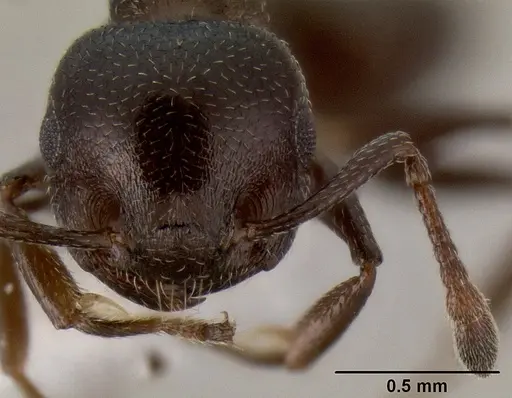
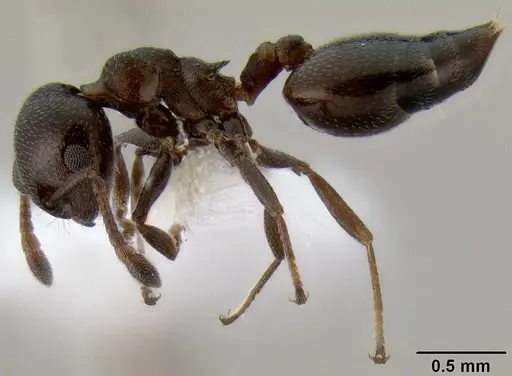
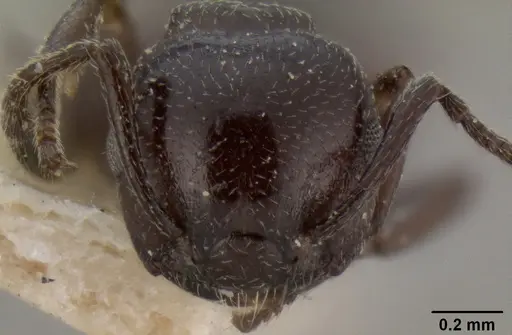
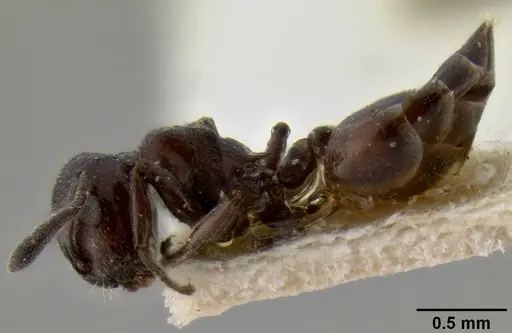
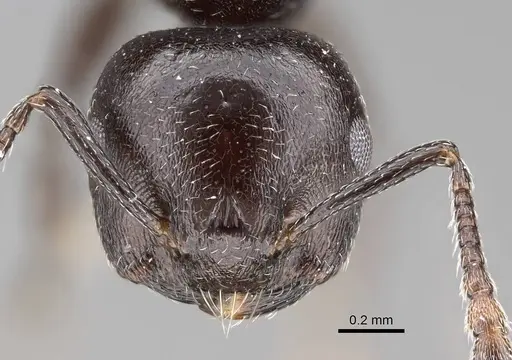
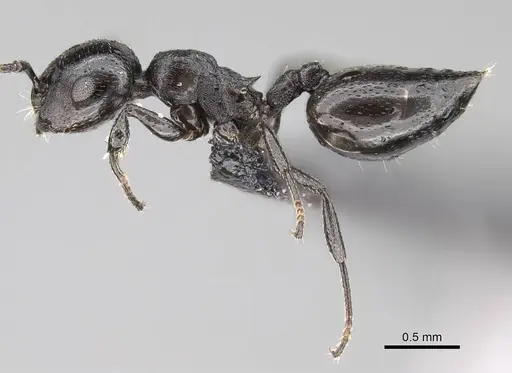
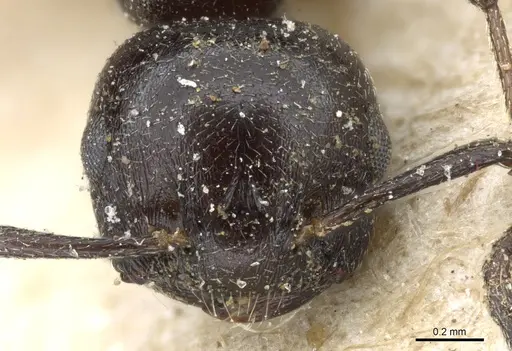
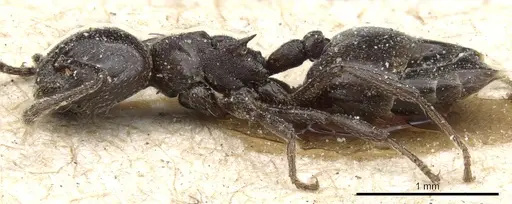
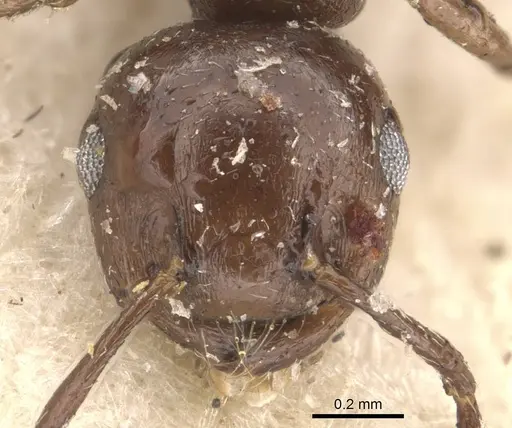
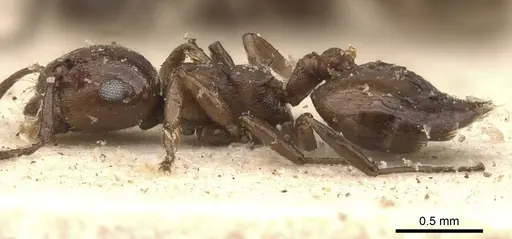
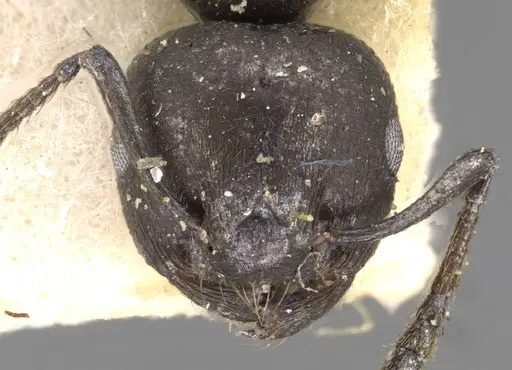
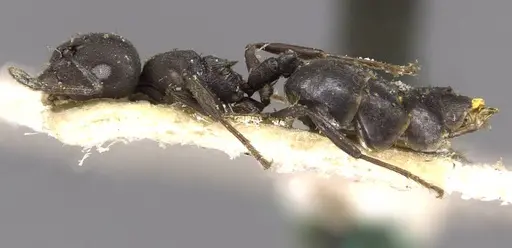
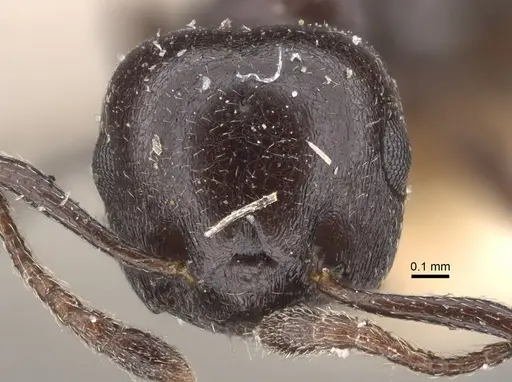
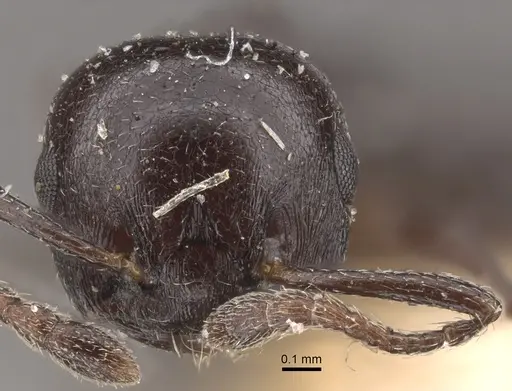
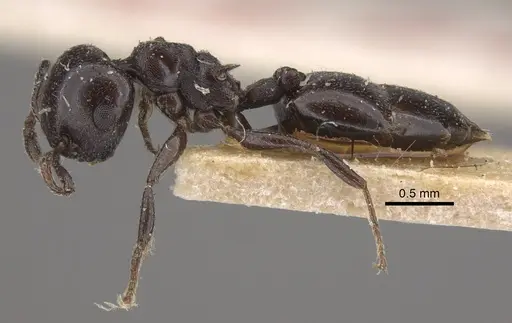
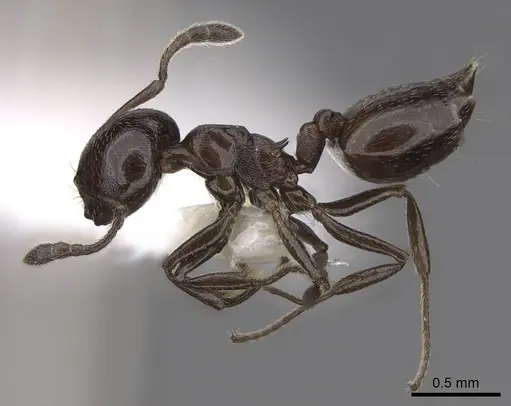
Crematogaster liengmei is a small ant species native to southern Africa, found in Mozambique, Eswatini, and the Southern Cape region of South Africa. Workers are distinguished by their 10 antennal segments, which separates them from the similar C. peringueyi that has 11 segments . The species belongs to the Sphaerocrema subgenus and the hova group . The most notable trait of C. liengmei is its extensive association with Chrysoritis butterflies - it tends the larvae of at least 30 different butterfly taxa, making it one of the most important ant partners for these South African lycaenids . When disturbed, they display their characteristic 'acrobat' behavior, raising their heart-shaped abdomen upward.
Quick Summary
- Difficulty: Medium
- Origin & Habitat: Southern Africa, found in Mozambique and Eswatini [4]. Also recorded in the Southern Cape fynbos and forest ecosystems, as well as Western Cape vineyards [5]. Inhabits coastal regions and varied vegetation types from fynbos to forest habitats.
- Colony Type: Unconfirmed, no specific literature documents colony structure for this species. Crematogaster species typically form single-queen colonies, but this needs confirmation for C. liengmei.
- Size & Growth:
- Queen: size data unavailable, inferred from Crematogaster genus to be approximately 6-8mm
- Worker: approximately 3-5mm, inferred from genus patterns
- Colony: up to a few thousand workers based on typical Crematogaster colony sizes
- Growth: Moderate, inferred from genus patterns
- Development: estimated 6-8 weeks based on typical Crematogaster development at warm temperatures (Development is temperature-dependent, warmer conditions (around 24-28°C) accelerate development.)
- Antkeeping:
- Temperature: Keep warm and stable, roughly low-to-mid 20s°C. Based on their southern African distribution in mild to warm climates.
- Humidity: Keep the nest substrate consistently moist but not waterlogged. These ants are found in varied habitats from coastal to fynbos regions.
- Diapause: Unlikely required, southern African ants from mild climates typically do not need true hibernation. Maintain stable temperatures year-round.
- Nesting: In nature, they nest in rotting wood, under bark, or in soil cavities. In captivity, a Y-tong (AAC) nest or plaster nest works well. They prefer tight chambers scaled to their small worker size.
- Behavior: Crematogaster liengmei has typical Crematogaster defensive behaviors. When threatened, they raise their abdomen in an arch, the 'acrobat' pose. They can excrete defensive compounds from their abdomen and mandibular glands, which contain (R)-3-octanol [6]. Workers are active foragers and use trail pheromones (primarily 2-tridecanone) to recruit nestmates to food sources [7]. They are moderate climbers and standard escape prevention methods work well for their size.
- Common Issues: limited documented care information makes specific requirements uncertain, adjust conditions based on colony behavior, their association with butterflies has no impact on captive care, do not try to keep butterflies with them, as small ants, check for gaps in enclosure regularly, colony founding can be slow, do not assume the queen has failed too quickly, may be aggressive toward other ant species if housed nearby, keep separate
Nest Preferences
Crematogaster liengmei nests in rotting wood, under loose bark, and in soil cavities in their natural habitat. They are found in varied environments from coastal dunes to fynbos vegetation. In captivity, they do well in Y-tong (AAC) nests or plaster nests with tight chambers. The chambers should be sized appropriately for their small workers, not too large, as they prefer cozy spaces. A water reservoir connected to the nest helps maintain humidity. They are not arboreal like some Crematogaster species, so a horizontal nest orientation works well. [2][4]
Feeding and Diet
Like other Crematogaster species, C. liengmei is omnivorous. They feed on honeydew from aphids and scale insects, small insects, and nectar in the wild. In captivity, offer a varied diet: sugar water or honey as a constant energy source, and protein sources like fruit flies, small crickets, or mealworms twice weekly. They are active foragers and will quickly recruit to food sources. Remove uneaten protein within 24-48 hours to prevent mold. Their trail pheromone uses 2-tridecanone which helps them coordinate foraging trails [7].
Temperature and Seasonal Care
As a species from southern Africa, C. liengmei prefers warm temperatures in the low-to-mid 20s°C range. They are found in regions with mild to warm climates year-round. A heating cable on one side of the nest creates a temperature gradient allowing the colony to self-regulate. Place the heating on top of the nest, not underneath, to avoid excessive drying. True hibernation is unlikely, but you may notice reduced activity in cooler months. Maintain stable temperatures year-round for optimal colony growth. Avoid temperatures below 18°C for extended periods.
Behavior and Defense
Crematogaster liengmei has typical Crematogaster defensive behaviors. When threatened, they raise their abdomen in an arch, the 'acrobat' pose that gives them their common name. They can excrete defensive compounds from their abdomen and mandibular glands, which contain (R)-3-octanol [6]. They are not particularly aggressive but will defend their nest vigorously. Workers are active foragers and use trail pheromones (primarily 2-tridecanone) to recruit nestmates to food sources [7]. They are moderate climbers but standard escape prevention works well for their size.
Association with Butterflies
This species has one of the most extensive documented associations with butterflies in the ant world. C. liengmei is an obligate ant associate of at least 30 different Chrysoritis butterfly taxa [1][3]. These butterflies, often called 'butterflies' or 'Coppers', have larvae that are tended by the ants. The ants protect the butterfly larvae from predators and parasites, and in return the butterflies secrete honeydew and nutrients that the ants consume. This relationship is so specific that some Chrysoritis species can only survive when tended by particular ant species. While fascinating, this association has no direct impact on captive care, do not attempt to keep butterflies with your colony.
Colony Founding
Crematogaster queens are typically claustral, they seal themselves in a chamber and raise the first brood using stored fat reserves without leaving to forage. After mating, the queen digs a small chamber, seals the entrance, and lays eggs. She tends the eggs and larvae until the first workers (nanitics) emerge. This process typically takes 6-8 weeks in warm conditions. The founding queen should be kept in a dark, quiet location in a test tube setup with water reservoir. Do not disturb her during this period. Once workers emerge, they will begin foraging and the colony can be transitioned to a proper nest.
Frequently Asked Questions
How long does it take for Crematogaster liengmei to produce first workers?
Estimated 6-8 weeks from egg to first worker at optimal temperatures (around 24-28°C). This is based on typical Crematogaster development patterns since specific development data for this species is not available.
What do Crematogaster liengmei ants eat?
They are omnivorous. Offer sugar water or honey as a constant energy source, and protein like fruit flies, small crickets, or mealworms twice weekly. They will also eat honeydew if you keep aphids nearby.
Do Crematogaster liengmei ants sting?
They do not have a painful sting like some ants. However, they can excrete defensive compounds when threatened. Their main defense is the characteristic 'acrobat' pose where they raise their abdomen.
What temperature do Crematogaster liengmei need?
Keep them warm, around low-to-mid 20s°C. They prefer conditions matching their southern African habitat. A heating cable on one side of the nest creates a suitable gradient.
Are Crematogaster liengmei good for beginners?
They are rated Medium difficulty. They are sturdier than some delicate species but have specific temperature requirements. Their care is straightforward once basic needs are met.
How big do Crematogaster liengmei colonies get?
Colony size is not well-documented but Crematogaster colonies typically reach up to a few thousand workers. Growth is moderate, expect several months to a year before significant colony development.
Do Crematogaster liengmei need hibernation?
Unlikely, they come from southern Africa where winters are mild. Maintain stable warm temperatures year-round. You may notice reduced activity in cooler months but true diapause is not required.
What makes Crematogaster liengmei special?
They have one of the most extensive associations with butterflies of any ant species, they tend larvae of over 30 different Chrysoritis butterfly species in the wild. This makes them ecologically significant in South Africa.
Can I keep multiple Crematogaster liengmei queens together?
Not recommended. While colony structure is not fully documented, Crematogaster species are typically single-queen colonies. Combining unrelated queens often leads to fighting.
What nest type is best for Crematogaster liengmei?
A Y-tong (AAC) nest or plaster nest with tight chambers works well. They prefer chambers scaled to their small worker size. A water reservoir connected to the nest helps maintain humidity.
Report an Issue
The current care sheet is based fully on literature. See inconsistencies, or something that's incorrect? Please , it will be resolved after review from an admin. Contributing to the blogs tab also helps providing information, to make us be able to further improve the caresheets. Thank you for your support!
References

This caresheet is licensed under CC BY-SA 4.0 .
Community Blogs
CASENT0193172
View on AntWeb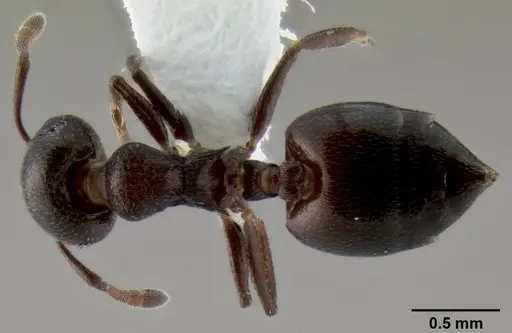
CASENT0193951
View on AntWeb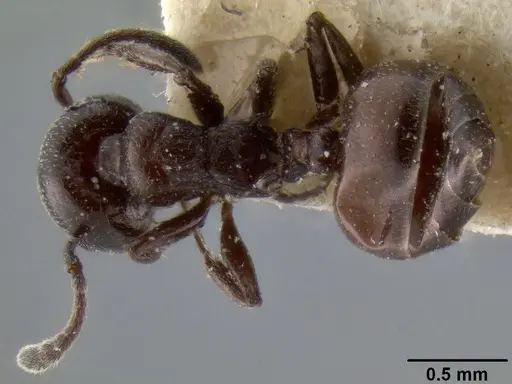
CASENT0787963
View on AntWeb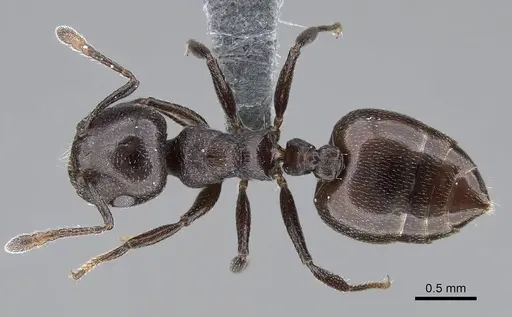
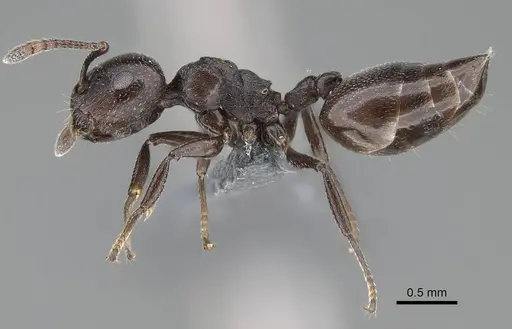
CASENT0822187
View on AntWeb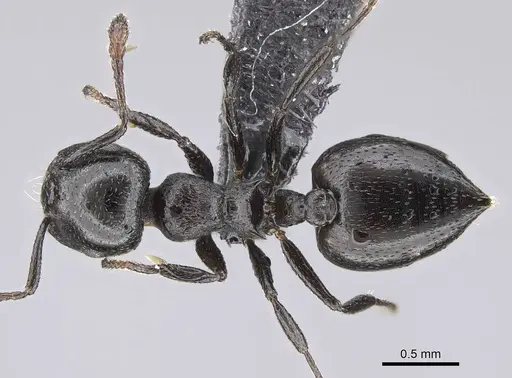
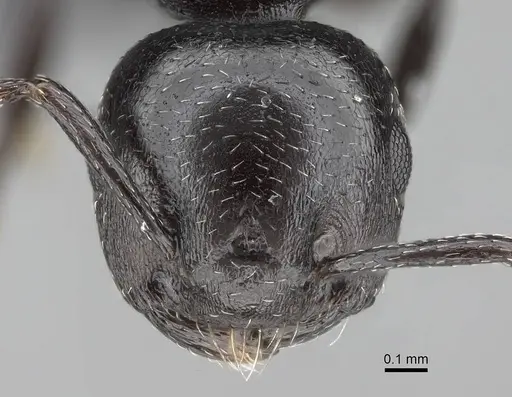
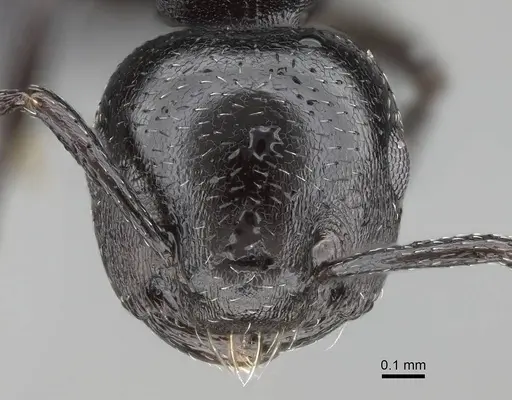
CASENT0904485
View on AntWeb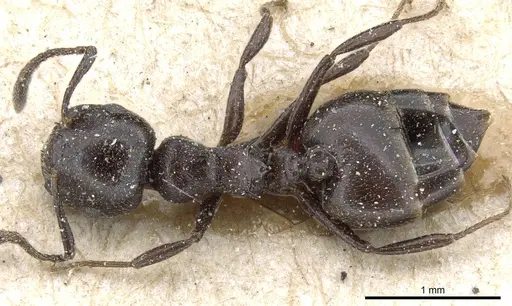
CASENT0908531
View on AntWeb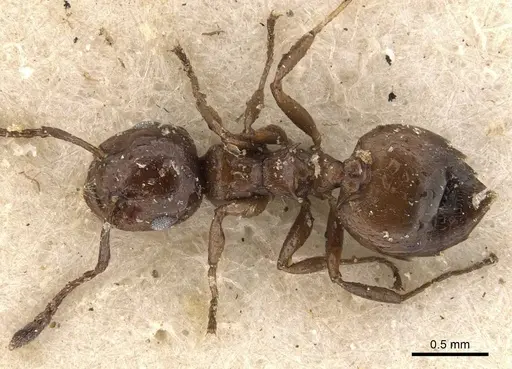
CASENT0908551
View on AntWeb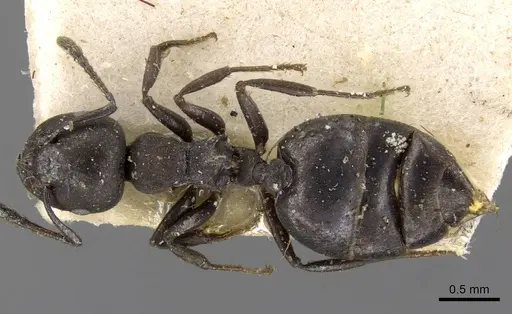
CASENT0917802
View on AntWeb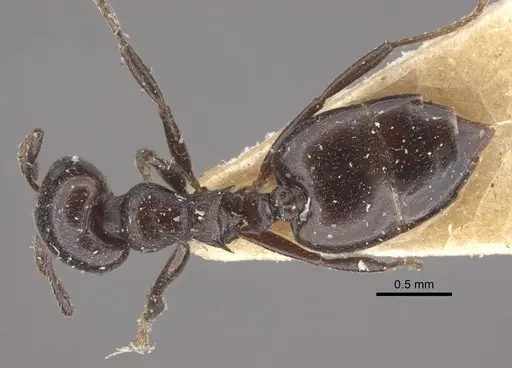
CASENT0922641
View on AntWeb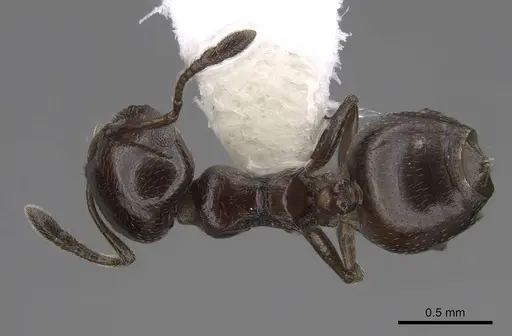
Literature
Loading distribution map...Loading products...