
Crematogaster laurenti
- Sci. Name
- Crematogaster laurenti
- Tribe
- Crematogastrini
- Subfamily
- Myrmicinae
- Author
- Forel, 1909
- Distribution
- Found in 1 countries
Introduction
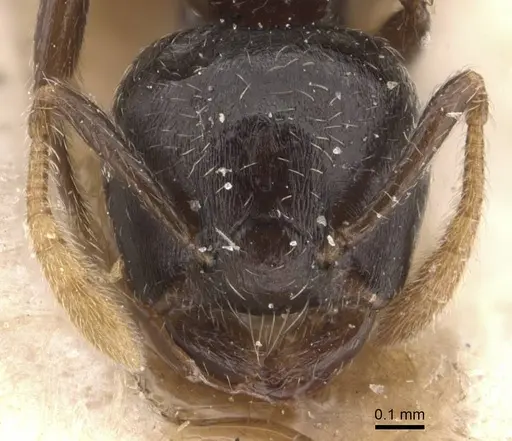
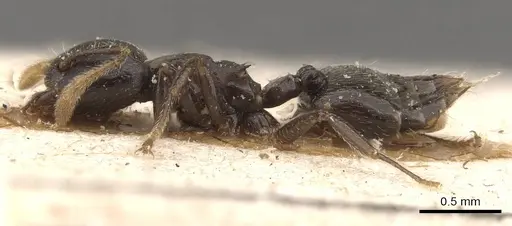
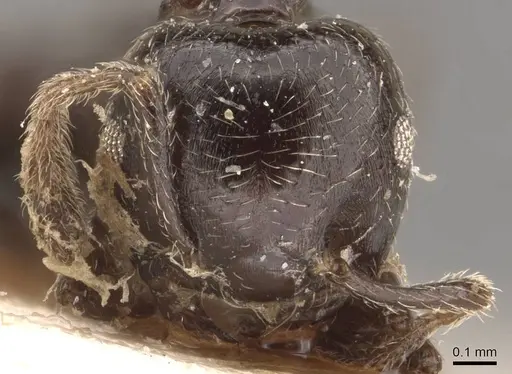
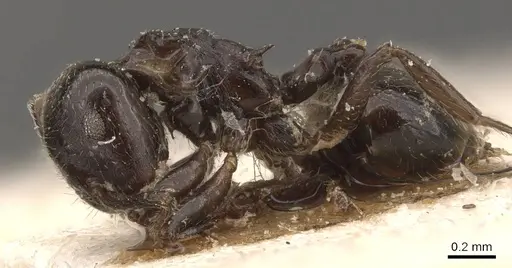
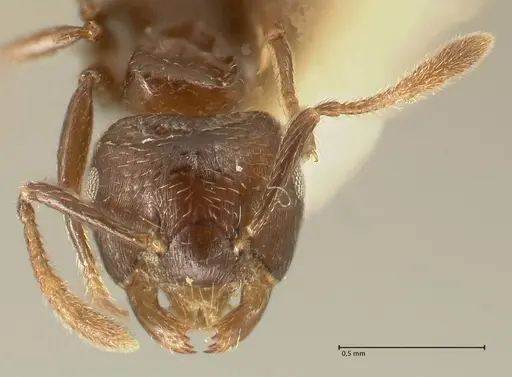
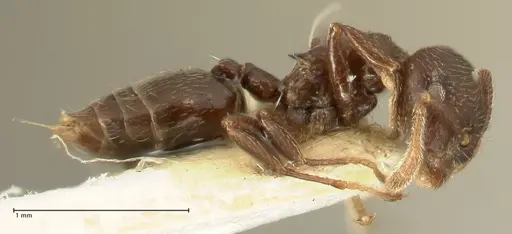
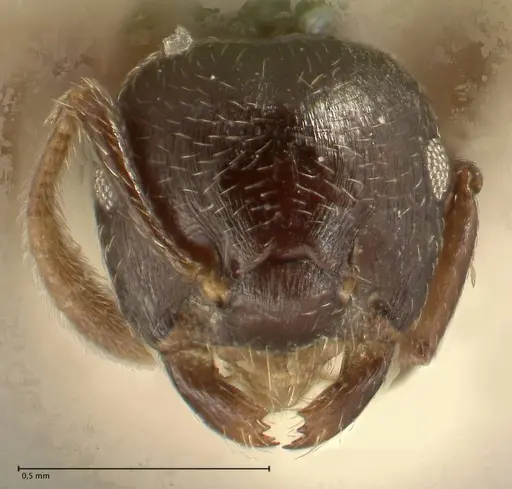
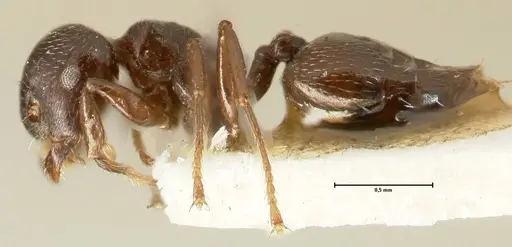
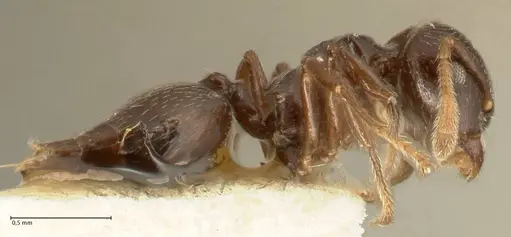
Crematogaster laurenti is a small to medium-sized ant species native to the Democratic Republic of Congo in Central Africa . Like other Crematogaster species, they are known for raising their abdomen over their head when disturbed, giving them the common name 'acrobat ants'. Workers have a smooth, glossy body with a characteristic heart-shaped gaster used in defensive displays. This species inhabits the tropical forests of the Congo basin, where they nest in elevated locations such as tree hollows, under bark, or in rotting wood. Colonies are moderate in size. They are active foragers with a varied diet including honeydew, small insects, and nectar.
Quick Summary
- Difficulty: Medium
- Origin & Habitat: Democratic Republic of Congo (Central Africa), tropical forest environment [1]
- Colony Type: Colony structure is unconfirmed for this specific species.
- Size & Growth:
- Queen: Size data unavailable, inferred from Crematogaster genus (~8-12mm)
- Worker: Size data unavailable, inferred from Crematogaster genus (~3-6mm)
- Colony: Colony size data unavailable for this species
- Growth: Growth rate is unconfirmed
- Development: Development time is unconfirmed for this species (Specific data not available)
- Antkeeping:
- Temperature: Keep at 24-28°C. As a tropical species from Central Africa, they need consistent warmth. A heating cable on one side of the nest can create a gentle gradient if room temperature is below this range.
- Humidity: Maintain moderate to high humidity. Keep the nest substrate slightly moist but not waterlogged. Mist the outworld occasionally.
- Diapause: No, this is a tropical species and does not require hibernation.
- Nesting: In captivity, they do well in Y-tong (AAC) nests or plaster nests with chambers scaled to their size. They prefer slightly elevated nesting locations. A test tube setup works for founding colonies.
- Behavior: Crematogaster laurenti is moderately active and alert. They will raise their abdomen in a defensive display when threatened, this is where the 'acrobat ant' name comes from. They have a functional stinger and can deliver a painful sting if handled roughly. They are good foragers and will readily explore their outworld for food. They are not particularly small, so standard barriers like Fluon on test tube rims help prevent escape. They are not aggressive toward humans but will defend their nest vigorously.
- Common Issues: tropical species requires consistent warmth, cold temperatures can slow or stop brood development, colonies may decline if humidity drops too low, monitor substrate moisture, founding colonies are slow to establish, patience is needed during the claustral period, wild-caught colonies may carry parasites that affect captive survival, they may escape through gaps in setup, check all connections and use barrier gel
Nest Preferences
In the wild, Crematogaster laurenti nests in elevated locations within the tropical forest environment of the Congo. They typically inhabit tree hollows, spaces under bark, and rotting wood in trees or elevated above the ground. This arboreal nesting tendency means they prefer nests that provide some elevation and protection from ground-level moisture. In captivity, Y-tong (AAC) nests work well, as do plaster nests with appropriately sized chambers. Test tubes are suitable for founding colonies. Keep the nest away from direct sunlight and drafts. They prefer chambers that are not overly large, tight, cozy spaces more closely mimic their natural tree hollow nesting sites. [1]
Feeding and Diet
Crematogaster laurenti is an omnivorous species. In nature, they primarily feed on honeydew collected from aphids and scale insects, along with small insects and nectar. In captivity, offer sugar water or honey water constantly, as these ants have a strong sweet tooth. For protein, offer small insects such as fruit flies, small crickets, mealworms, or other appropriately sized prey. They will also accept protein-rich foods like boiled egg or cat food. Feed protein sources 2-3 times per week, and keep sugar water available at all times. Remove uneaten prey after 24-48 hours to prevent mold. Fresh water should always be accessible.
Temperature and Care
As a tropical species from the Democratic Republic of Congo, Crematogaster laurenti requires warm conditions year-round. Maintain temperatures between 24-28°C for optimal colony health and brood development. Temperatures below 22°C can slow their activity and development, while temperatures above 30°C may cause stress. A heating cable placed on one side of the nest can create a temperature gradient, allowing the ants to self-regulate. Since they come from a tropical environment, they do not require any diapause or hibernation period. Keep them warm consistently throughout the year.
Defense Mechanism
Crematogaster laurenti belongs to the subfamily Myrmicinae and tribe Crematogastrini. Like other Crematogaster species, they have a modified, flattened stinger used to wipe or smear venom onto enemies rather than piercing flesh. This 'smear' defense mechanism is characteristic of the genus. When threatened, they raise their abdomen over their head in their characteristic defensive posture before using their stinger.
Behavior and Temperament
These ants get their common name 'acrobat ants' from their distinctive defensive behavior, when threatened, they raise their abdomen over their head, sometimes even curving it forward over their body. This posture allows them to use their stinger more effectively. They are not particularly aggressive toward humans but will defend their nest vigorously if provoked. Workers are active foragers and will readily explore their outworld searching for food. They communicate through chemical signals and use trail pheromones to guide nestmates to food sources. Colony activity levels are moderate.
Frequently Asked Questions
How long does it take for Crematogaster laurenti to produce first workers?
Specific development data for C. laurenti is not available. Based on typical Crematogaster patterns, expect first workers approximately 6-8 weeks after the queen lays eggs, provided temperatures are maintained at 24-28°C.
Can I keep Crematogaster laurenti in a test tube?
Yes, test tubes work well for founding colonies. Use a standard test tube setup with a water reservoir sealed with cotton. The queen will seal herself in a chamber and raise her first brood there. Once the colony reaches 20-30 workers, consider moving them to a larger nest like a Y-tong or plaster formicarium.
Do Crematogaster laurenti ants sting?
Yes, they have a functional stinger and will use it if threatened or handled roughly. The sting is reported to be painful but not dangerous for healthy humans. They typically display their defensive posture (raising the abdomen) before actually stinging.
What temperature do Crematogaster laurenti need?
Keep them at 24-28°C. This tropical species requires consistent warmth and does not tolerate cool temperatures well. Use a heating cable or mat if your room temperature is below this range.
Are Crematogaster laurenti good for beginners?
They are moderate difficulty, not the easiest but not among the most challenging. They require warm, humid conditions typical of tropical ants, and their sting may be unwelcome for complete beginners. If you have kept simpler species like Lasius or Formica successfully, this species should be manageable.
How big do Crematogaster laurenti colonies get?
Specific colony size data for C. laurenti is not available. Based on genus patterns, colonies can reach several hundred to a few thousand workers.
Do Crematogaster laurenti need hibernation?
No, they do not require hibernation. As a tropical species from Central Africa, they remain active year-round when kept at warm temperatures (24-28°C). Do not expose them to cold temperatures or attempt to cool them for winter.
What do Crematogaster laurenti eat?
They are omnivorous. Offer sugar water or honey water constantly as their primary energy source. For protein, feed small insects like fruit flies, small crickets, or mealworms 2-3 times per week. They may also accept other protein sources like boiled egg or cat food kibble.
When should I move Crematogaster laurenti to a formicarium?
Move them once the colony reaches 20-30 workers in a test tube setup. Signs that they need more space include workers frequently crowding the test tube, the cotton becoming moldy from waste buildup, or the queen moving workers toward the water reservoir. A Y-tong or plaster nest with appropriately sized chambers works well.
Why are my Crematogaster laurenti dying?
Common causes include: temperatures below 22°C (tropical species need warmth), low humidity causing desiccation, mold from overwatering or uneaten food, stress from frequent disturbances, or parasites from wild-caught colonies. Check your temperature and humidity levels first, ensure food is removed before it molds, and avoid moving the nest unnecessarily.
Report an Issue
The current care sheet is based fully on literature. See inconsistencies, or something that's incorrect? Please , it will be resolved after review from an admin. Contributing to the blogs tab also helps providing information, to make us be able to further improve the caresheets. Thank you for your support!
References

This caresheet is licensed under CC BY-SA 4.0 .
Community Blogs
CASENT0908630
View on AntWeb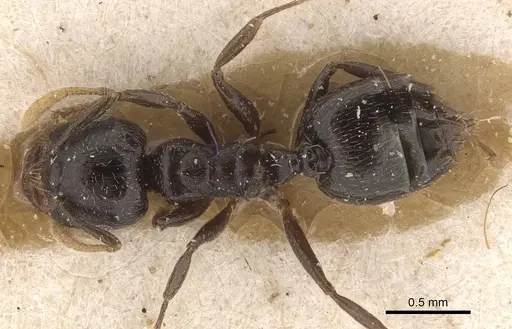
CASENT0908631
View on AntWeb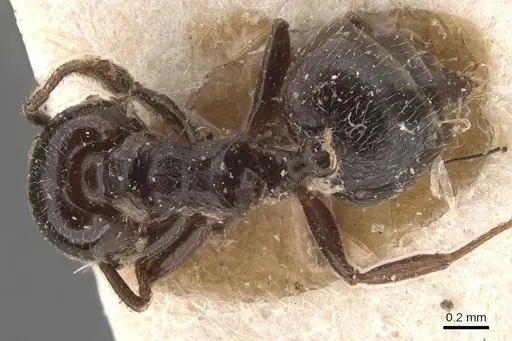
FOCOL1436
View on AntWeb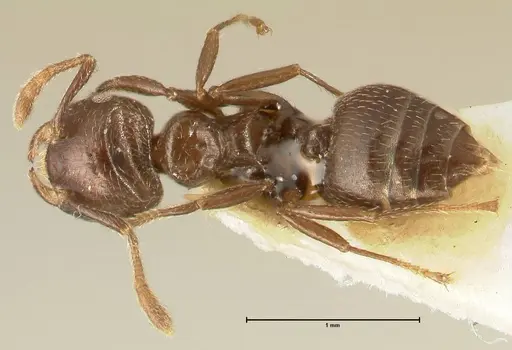
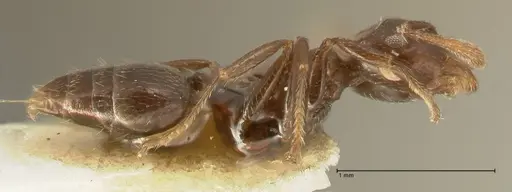
FOCOL1437
View on AntWeb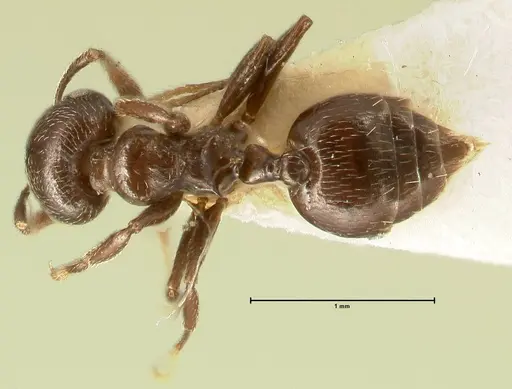
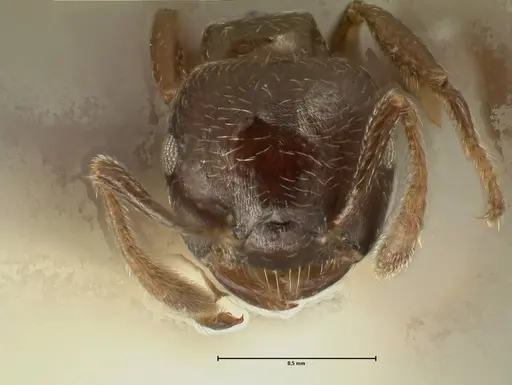
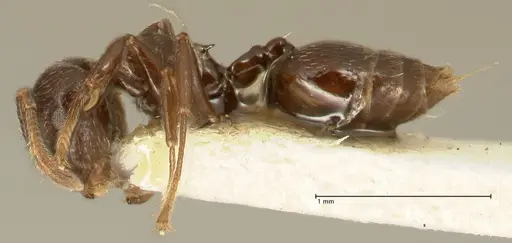
FOCOL1438
View on AntWeb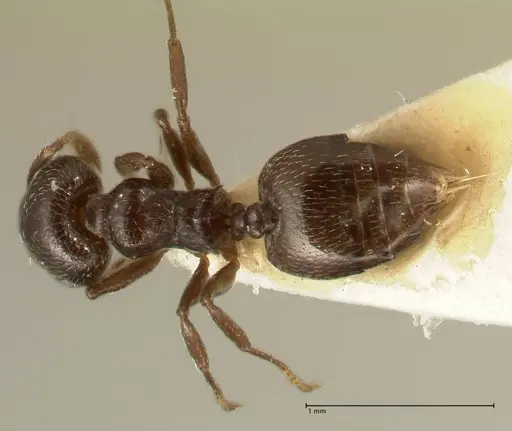
Literature
Loading distribution map...Loading products...