
Crematogaster lamottei
- Sci. Name
- Crematogaster lamottei
- Tribe
- Crematogastrini
- Subfamily
- Myrmicinae
- Author
- Bernard, 1953
- Distribution
- Found in 2 countries
Introduction
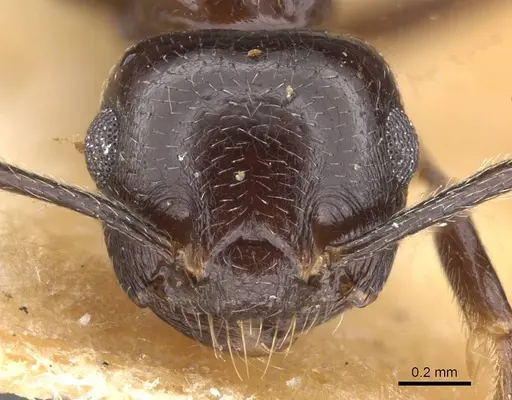
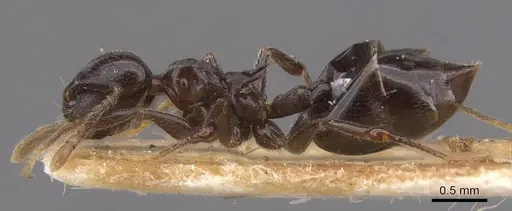
Crematogaster lamottei is a small ant species native to West Africa, found in Guinea, Nigeria, and the Central African Republic . Workers have the characteristic heart-shaped gaster that Crematogaster ants are known for - they can raise their abdomen over their head like an acrobat, which is how they got their common name. The species was first described by Bernard in 1953 from Mount Nimba in Guinea at an elevation of 1180m. Morphometric analysis shows it is nearly identical to the related species C. striatula, with the main distinguishing feature being longer propodeal spines in C. lamottei .
Quick Summary
- Difficulty: Medium
- Origin & Habitat: West Africa, Guinea (type locality at Mt Nimba,1180m elevation), Nigeria, and Central African Republic [1]. Based on the Mount Nimba habitat, this species inhabits forested mountain regions.
- Colony Type: Colony structure has not been directly documented for this species. Most Crematogaster species are monogyne (single queen), but this is unconfirmed for C. lamottei.
- Size & Growth:
- Queen: Size data unavailable, no specific measurements exist for this species
- Worker: Size data unavailable, no specific measurements exist for this species
- Colony: Likely up to several hundred workers based on typical Crematogaster colony sizes
- Growth: Moderate, estimated based on related species
- Development: Estimated 6-8 weeks at optimal temperature based on typical Myrmicinae development (Development time is inferred from genus-level data, specific timing for this species has not been documented)
- Antkeeping:
- Temperature: Keep around 24-28°C based on West African distribution, they prefer warm, stable conditions
- Humidity: Moderate to high humidity preferred, ensure nest substrate stays slightly moist but not waterlogged
- Diapause: Likely minimal or no true diapause given their tropical origin, they may slow down slightly in cooler months
- Nesting: In captivity, they do well in Y-tong nests, plaster nests, or naturalistic setups with dead wood or cork bark. They are semi-arboreal so appreciate vertical space and climbing opportunities.
- Behavior: Generally peaceful but will defend their nest vigorously if threatened. They are active foragers that readily accept sugar sources and small prey. Workers are agile and can escape easily, use excellent escape prevention. They have the characteristic acrobat behavior of raising their gaster when disturbed.
- Common Issues: escape prevention is critical, small workers squeeze through tiny gaps, wild-caught colonies may carry parasites that can decimate captive colonies, overheating is a risk given their tropical origin, avoid temperatures above 32°C, colonies may reject artificial nests if conditions do not match their preferences, slow founding means patience is required, queens can take months to establish
Nest Preferences
Crematogaster lamottei is a semi-arboreal species that in nature nests in dead wood, under bark, or in hollow stems. In captivity, they adapt well to various nest types including Y-tong nests, plaster nests, or naturalistic setups with cork bark and dead wood. They appreciate having some vertical space and climbing opportunities, reflecting their arboreal nature. The nest should have chambers sized appropriately for their colony size, not too large initially as they prefer cozy spaces. Keep the nest humid but ensure good ventilation to prevent mold. Some keepers successfully keep them in test tube setups, though they may prefer more complex structures as the colony grows. [1]
Feeding and Diet
Like most Crematogaster species, C. lamottei is omnivorous and accepts a variety of foods. They readily consume sugar sources such as honey water, sugar water, or honeydew. For protein, offer small insects like fruit flies, pinhead crickets, mealworms, or other appropriately sized prey. They are active foragers and will send workers out to collect food. Feed them small amounts of protein 2-3 times per week, and keep a sugar source available at all times. Remove uneaten prey after 24-48 hours to prevent mold. Young colonies may prefer very small prey items or even protein-rich liquids.
Temperature and Care
As a West African species, C. lamottei prefers warm conditions. Keep the nest area around 24-28°C. Avoid temperatures above 32°C as this can stress or kill the colony. A heating cable on one side of the nest can create a temperature gradient, allowing the ants to regulate their own temperature by moving between warmer and cooler areas. Room temperature within this range is usually acceptable. They do not require a true diapause but may show reduced activity in cooler months. If your room temperature drops significantly in winter, consider using a gentle heat source to maintain stable conditions.
Behavior and Temperament
Crematogaster lamottei has the characteristic acrobat ant behavior, when disturbed, workers raise their abdomen over their head in a defensive display. They are not typically aggressive toward humans but will defend their nest vigorously if threatened. Workers are active and agile foragers. The colony will establish scent trails to food sources and efficiently recruit nestmates. They are generally peaceful with other ant species if kept separately. Their small size means they can easily escape through tiny gaps, use fluon or other barrier methods and ensure all enclosure openings are tightly sealed.
Colony Founding
Colony founding behavior for C. lamottei has not been directly documented. Based on typical Crematogaster patterns, the queen likely seals herself in a small chamber and raises her first workers alone (claustral founding). The founding process may take several months, so patience is essential. Provide the founding queen with a small, humid chamber and do not disturb her during this critical period. Once the first workers (nanitics) emerge, the colony can be transitioned to a larger nest if needed.
Growth and Development
The specific development timeline for C. lamottei has not been documented. Based on typical Myrmicinae development and related Crematogaster species, expect 6-8 weeks from egg to first worker at optimal temperature (around 26°C). Growth rate is moderate, colonies will expand gradually over months and years. Nanitics (first workers) are typically smaller than normal workers. As the colony grows, the queen will lay more eggs and the worker population will increase. A mature colony may reach several hundred workers.
Frequently Asked Questions
How long does it take for Crematogaster lamottei to have first workers?
Based on typical Myrmicinae development, expect 6-8 weeks from egg to first worker at optimal temperature (around 24-28°C). This is an estimate as specific development timing for this species has not been documented.
What do Crematogaster lamottei ants eat?
They are omnivorous. Offer small insects (fruit flies, pinhead crickets, mealworms) for protein 2-3 times per week, and keep a sugar source (honey water or sugar water) available at all times.
Do Crematogaster lamottei ants sting?
They can defend themselves but are not considered dangerous to humans. Their main defense is the characteristic acrobat display where they raise their abdomen, and they may bite if directly threatened.
What temperature do Crematogaster lamottei need?
Keep them warm at 24-28°C. Avoid temperatures above 32°C as this can harm the colony. A gentle temperature gradient allows them to regulate their own conditions.
Are Crematogaster lamottei good for beginners?
They are rated as medium difficulty. They are more challenging than common species like Lasius but not as difficult as some exotic ants. Their small size and escape risk require attention to husbandry.
Can I keep multiple Crematogaster lamottei queens together?
This has not been documented for this species. Most Crematogaster are monogyne (single queen), so keeping multiple unrelated queens together is not recommended.
Do Crematogaster lamottei need hibernation?
Given their West African tropical origin, they do not require a true hibernation. They may show reduced activity in cooler months but no special winter treatment is needed beyond maintaining stable temperatures.
What size colony do Crematogaster lamottei reach?
Based on typical Crematogaster colony sizes, expect up to several hundred workers at maturity. Specific maximum size for this species has not been documented.
Why are my Crematogaster lamottei escaping?
Their small size means they can squeeze through tiny gaps. Use excellent escape prevention including fluon barriers on enclosure rims, fine mesh for ventilation, and tightly fitting lids. Check all openings regularly.
When should I move my colony to a formicarium?
Wait until the colony has at least 20-30 workers before moving to a larger nest. Moving too early can stress the colony. They can remain in a test tube setup for quite some time if humidity is maintained.
Report an Issue
The current care sheet is based fully on literature. See inconsistencies, or something that's incorrect? Please , it will be resolved after review from an admin. Contributing to the blogs tab also helps providing information, to make us be able to further improve the caresheets. Thank you for your support!
References

This caresheet is licensed under CC BY-SA 4.0 .
Community Blogs
CASENT0913614
View on AntWeb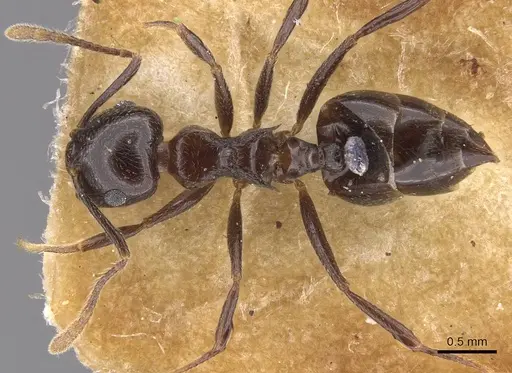
Literature
Loading distribution map...Loading products...