
Crematogaster kohli
- Sci. Name
- Crematogaster kohli
- Tribe
- Crematogastrini
- Subfamily
- Myrmicinae
- Author
- Forel, 1909
- Distribution
- Found in 2 countries
Introduction
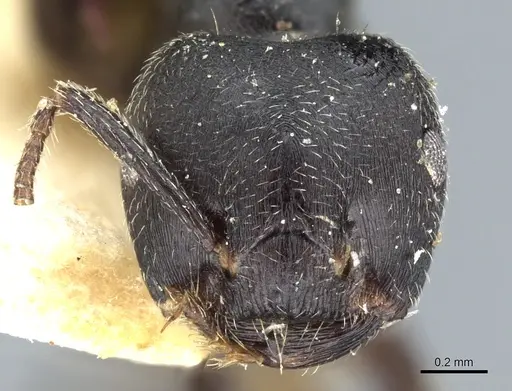
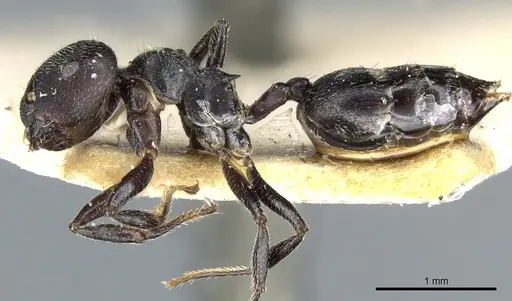
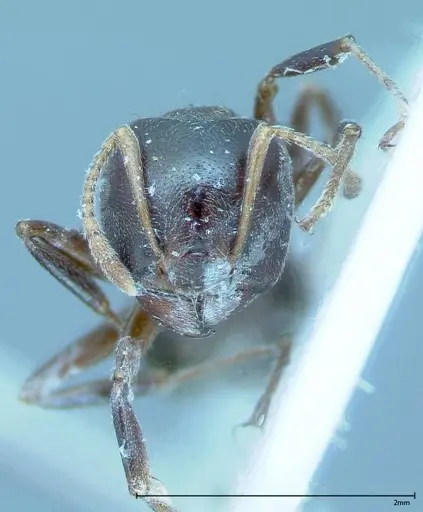
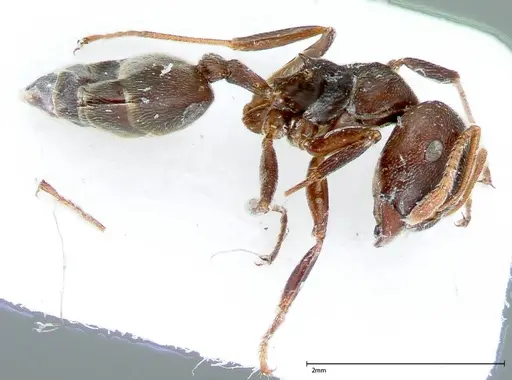
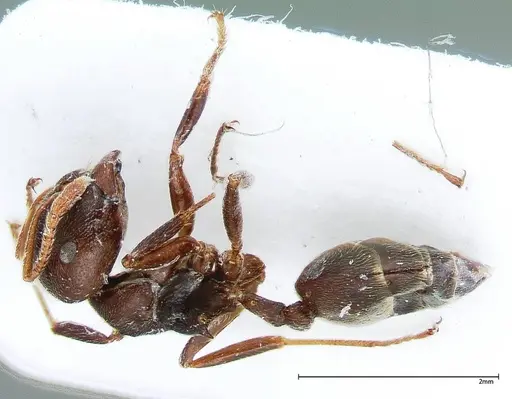
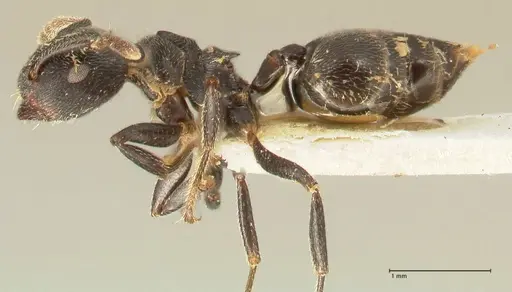
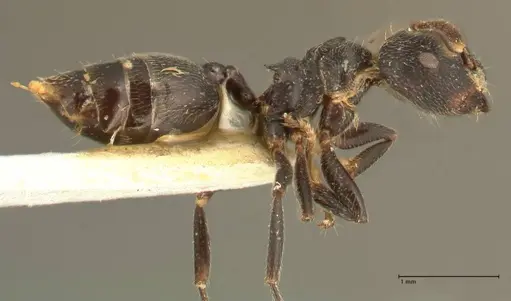
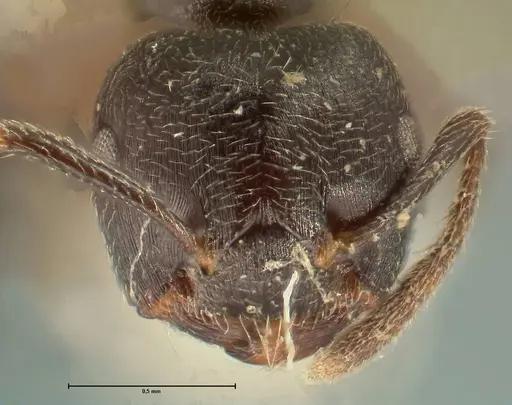
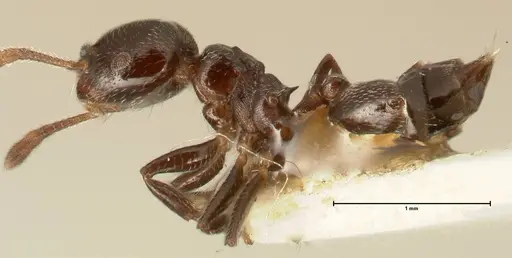
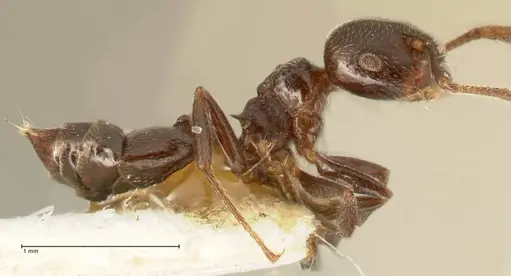
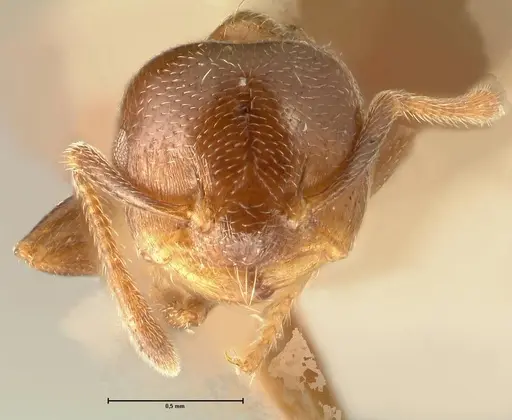
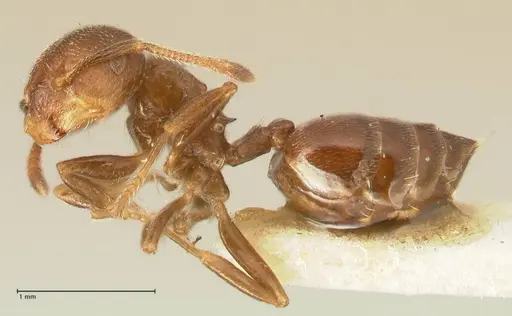
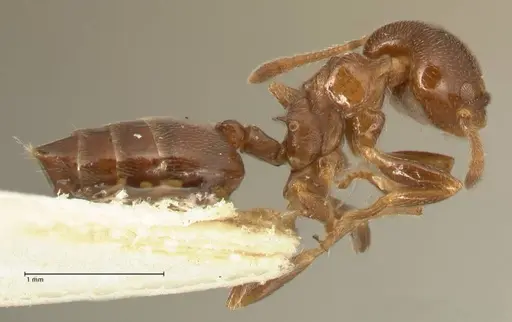
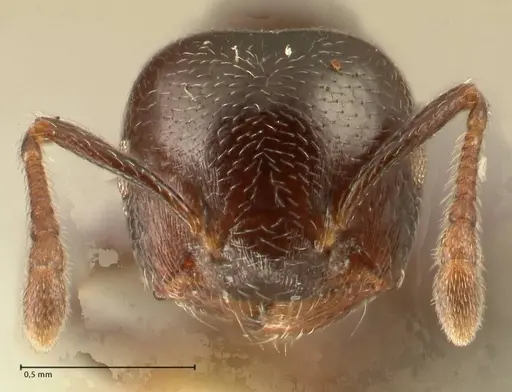
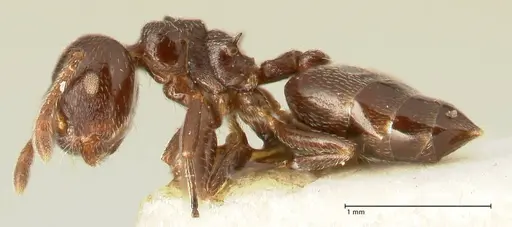
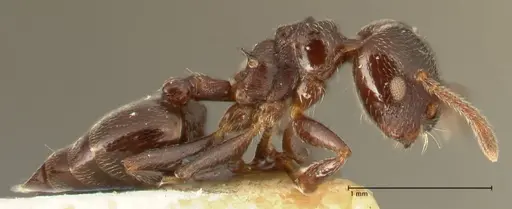
Crematogaster kohli is a small ant species native to the Democratic Republic of Congo in Central Africa. Like other Crematogaster species, they are known for raising their abdomen over their head when disturbed - giving them the common name 'acrobat ants'. Workers are small, and the genus is characterized by a heart-shaped gaster that can be maneuvered in their distinctive defensive display. This species has been documented in the Congo basin region, specifically in the IT and TO provinces .
Quick Summary
- Difficulty: Medium
- Origin & Habitat: Democratic Republic of Congo (Central Africa). This species is found in the Congo basin region. Specific habitat preferences for C. kohli are not documented, but related Crematogaster species in the region typically inhabit forest edges and woodland areas.
- Colony Type: Unconfirmed, colony structure data for this specific species is not available.
- Size & Growth:
- Queen: Size data unavailable for this species, typical Crematogaster queens range from 5-10mm
- Worker: Size data unavailable for this species, typical Crematogaster workers range from 2-5mm
- Colony: Colony size data unavailable for this specific species
- Growth: Unknown, specific development data not available
- Development: Unknown, specific development data for C. kohli is not available (Development time is likely temperature-dependent like other Crematogaster species)
- Antkeeping:
- Temperature: Keep at 24-28°C. As a tropical African species, they prefer warm conditions
- Humidity: Moderate to high humidity (60-80%). Keep the nest substrate moist but not waterlogged
- Diapause: Unlikely, as a tropical species from Central Africa, they do not require true hibernation
- Nesting: Y-tong (AAC) nests or plaster nests work well. They prefer dark, humid nest chambers
- Behavior: Generally peaceful but will defend the colony if threatened. Their primary defense is the acrobat maneuver, raising the abdomen over the head to spray venom toward predators. Workers are active foragers and will search for sugar sources and small prey. Escape risk is moderate due to their small size, standard barrier methods should suffice but ensure lids fit tightly.
- Common Issues: tropical species may struggle if temperatures drop below 20°C, small colony size means they are vulnerable to stress, avoid disturbing founding colonies, humidity control is important, too dry and brood may desiccate, too wet and mold becomes a problem, wild-caught colonies may carry parasites that can devastate captive colonies, foraging workers may escape if enclosure barriers are not secure
Housing and Nest Preferences
Crematogaster kohli does well in Y-tong (AAC) nests or plaster formicaria that maintain humidity. They prefer dark, humid nest chambers. The nest should have multiple chambers to allow the colony to regulate humidity by moving brood between areas. A test tube setup can work for founding colonies, but transition to a proper formicarium once the colony reaches 20-30 workers. Include some rotting wood or bark pieces in a naturalistic setup to mimic natural nesting sites. Ensure the outworld provides adequate space for foraging.
Temperature and Heating
As a tropical species from the Democratic Republic of Congo, Crematogaster kohli requires warm conditions. Keep the nest area at 24-28°C for optimal brood development. A small heating cable placed on top of the nest can maintain these temperatures, especially in cooler climates. Place the heat source on one side to create a gentle thermal gradient so workers can move to cooler areas if needed. Avoid temperatures below 20°C for extended periods, as this can stress the colony and slow or stop brood development.
Feeding and Diet
Like other Crematogaster species, C. kohli likely has an omnivorous diet. Offer sugar water or honey as a constant energy source, they will readily accept these. For protein, provide small insects such as fruit flies, pinhead crickets, or small mealworms. They are active foragers, so place food in the outworld where workers can easily find it. Remove uneaten prey after 24-48 hours to prevent mold. Feed protein 2-3 times per week and keep sugar sources available at all times.
Colony Founding and Early Development
A founding queen will typically seal herself in a small chamber and survive on stored fat reserves until her first workers emerge. The first workers (nanitics) will be smaller than mature workers. During this vulnerable period, do not disturb the queen or move the nest. Once workers emerge, they will begin foraging for food to feed the developing brood. It typically takes several months for a colony to become established. Be patient, founding colonies are sensitive to stress and environmental changes. Avoid checking the nest too frequently during the first few months.
Behavior and Defense
The most distinctive behavior of Crematogaster kohli is their 'acrobat' defense posture. When threatened, workers raise their abdomen over their head and thorax, allowing them to spray venom toward predators. This gives them the common name 'acrobat ants.' They are not typically aggressive toward keepers but will defend their nest vigorously if disturbed. Workers are active and will forage throughout their enclosure. They are good climbers and may attempt to explore vertical spaces. Use standard barrier methods (fluon on glass, tight-fitting lids) to prevent escapes.
Frequently Asked Questions
How long does it take for Crematogaster kohli to produce first workers?
Specific development data for C. kohli is not available. Based on typical Crematogaster development, expect first workers (nanitics) to emerge around 5-8 weeks after the queen lays eggs, provided temperatures are maintained at 25-28°C.
What temperature do Crematogaster kohli ants need?
Keep them at 24-28°C. As a tropical African species, they need warm conditions for proper brood development. A heating cable or mat can help maintain these temperatures, especially in cooler environments.
Do Crematogaster kohli ants sting?
They do not have a stinger like some ant species, but they can spray venom as a defensive secretion. This is generally not harmful to humans but can be irritating to eyes. Their distinctive acrobat posture (raising the abdomen over the head) is a warning display.
Can I keep Crematogaster kohli in a test tube?
Test tubes work well for founding colonies. Once the colony reaches 20-30 workers, consider transitioning to a proper formicarium (Y-tong or plaster nest) that can better maintain the humidity levels this species needs.
What do Crematogaster kohli eat?
They are omnivorous. Offer sugar water or honey as a constant energy source. For protein, provide small insects like fruit flies, pinhead crickets, or small mealworms. Remove uneaten prey after 24-48 hours.
Are Crematogaster kohli good for beginners?
This species is rated as Medium difficulty. While not the most challenging species, they do have specific temperature and humidity requirements that beginners should be prepared to meet. Their small size and tropical nature require attention to heating and humidity control.
Do Crematogaster kohli need hibernation?
As a tropical species from Central Africa, they do not require true hibernation. However, a slight reduction in temperature during winter months (a 'cool down' period) may be beneficial and is commonly practiced by keepers of tropical ant species.
How big do Crematogaster kohli colonies get?
Specific maximum colony size data is not available for this species.
Why are my Crematogaster kohli dying?
Common causes include: temperatures below 20°C, too dry conditions, mold from overwatering, stress from excessive disturbance, or parasites from wild-caught colonies. Check your temperature and humidity levels first. Ensure the colony is in a quiet location away from vibrations and frequent disturbances.
When should I move Crematogaster kohli to a formicarium?
Move from test tube to a proper nest once the colony reaches 20-30 workers or when the test tube water reservoir is running low. Make sure the new enclosure can maintain appropriate humidity levels.
Report an Issue
The current care sheet is based fully on literature. See inconsistencies, or something that's incorrect? Please , it will be resolved after review from an admin. Contributing to the blogs tab also helps providing information, to make us be able to further improve the caresheets. Thank you for your support!
References

This caresheet is licensed under CC BY-SA 4.0 .
Community Blogs
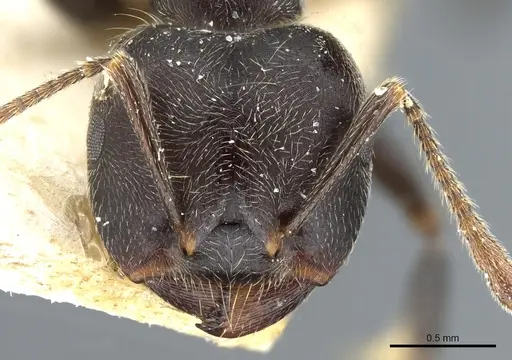
CASENT0904473
View on AntWeb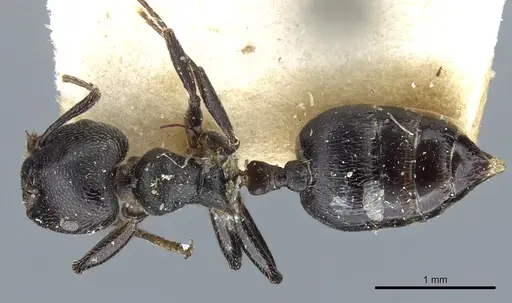
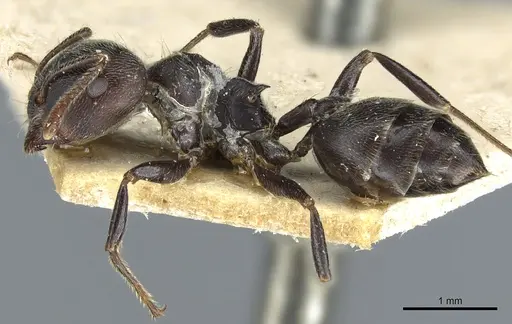
CASENT0904474
View on AntWeb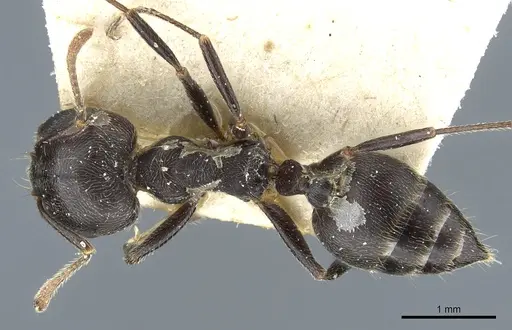
CASENT0908537
View on AntWeb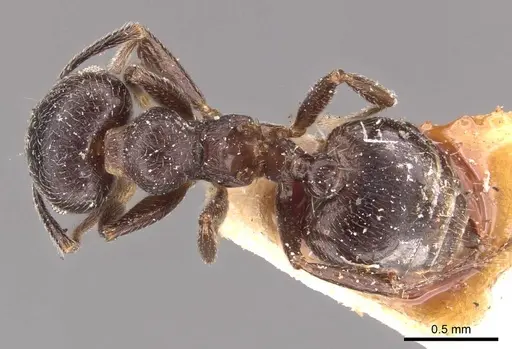
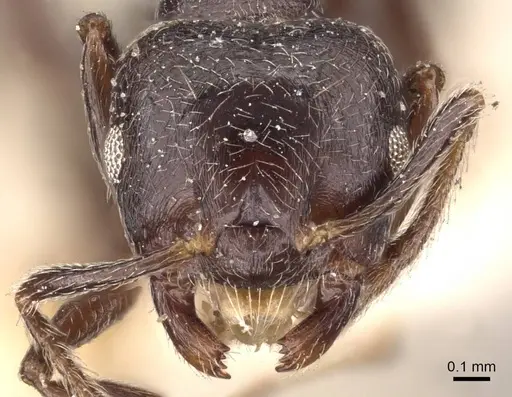
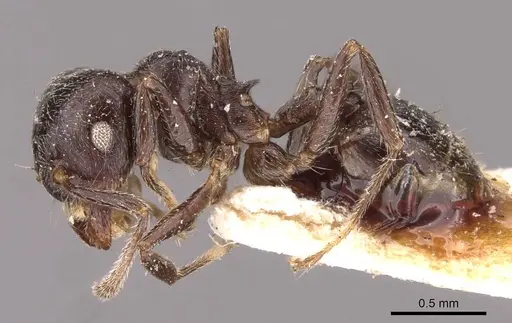
CASENT0908621
View on AntWeb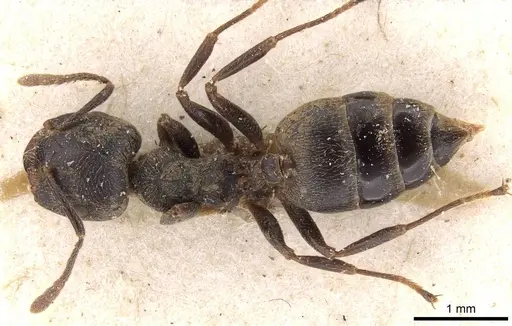
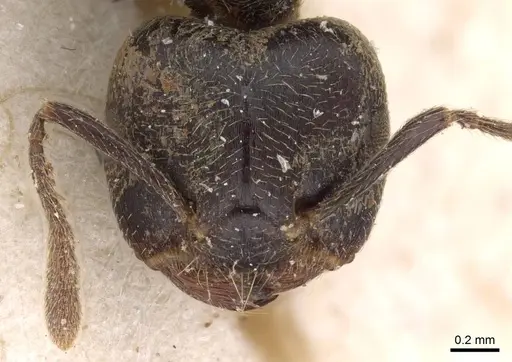
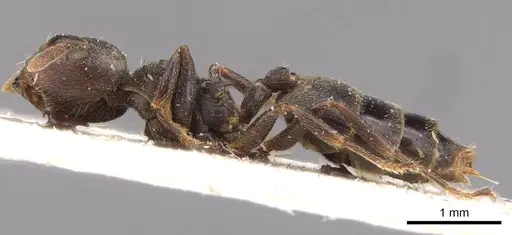
CASENT0908622
View on AntWeb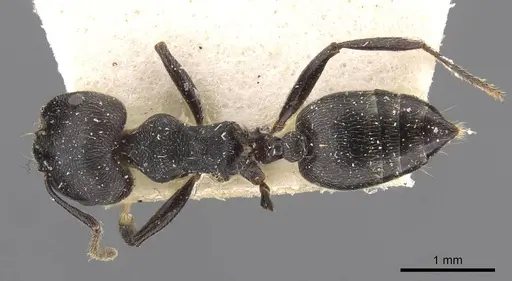
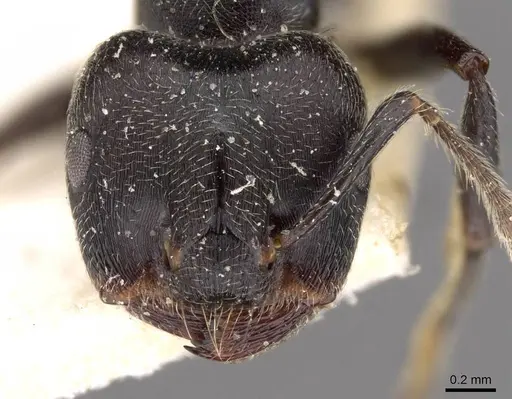
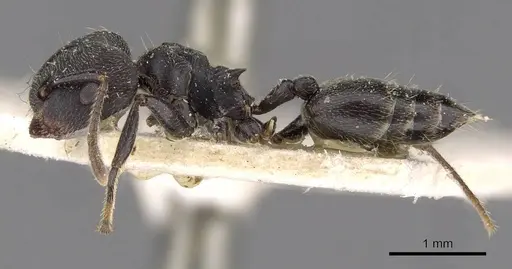
FOCOL0024
View on AntWeb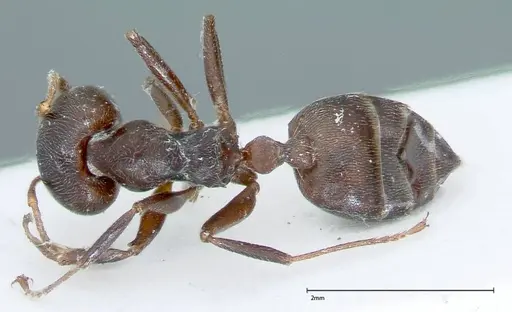
FOCOL0025
View on AntWeb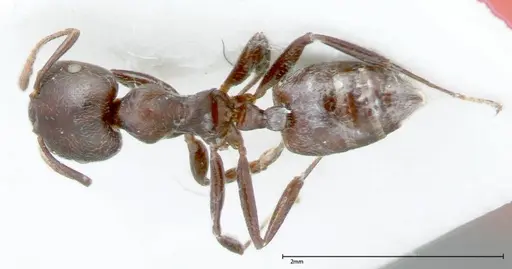
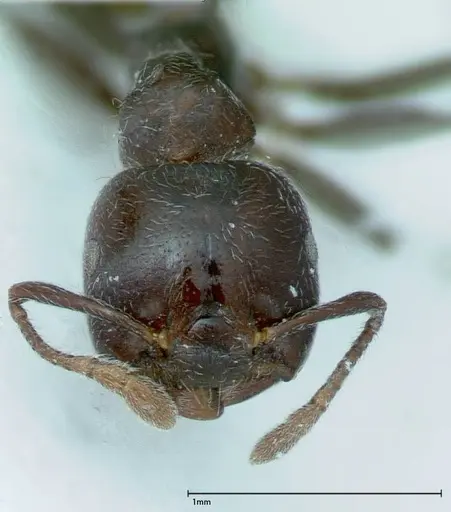
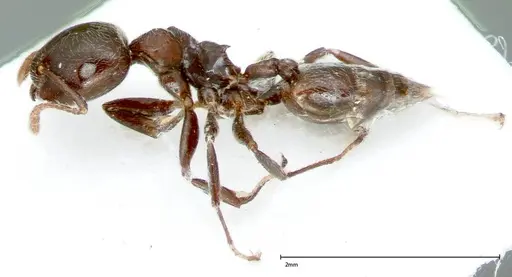
FOCOL1431
View on AntWeb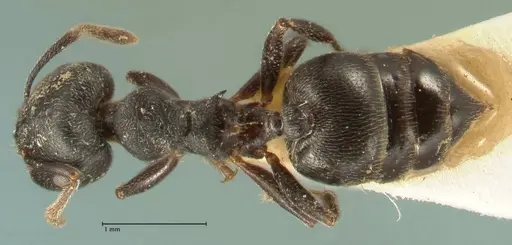
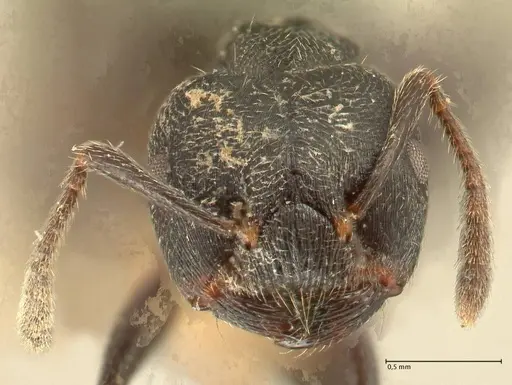
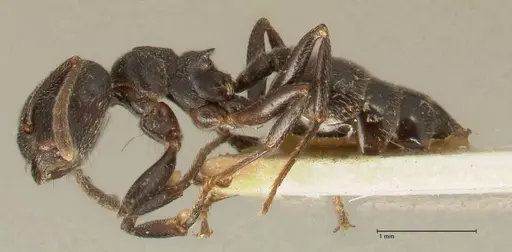
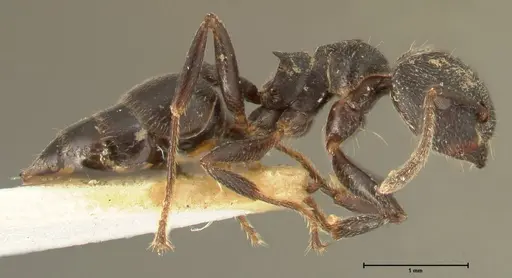
FOCOL1432
View on AntWeb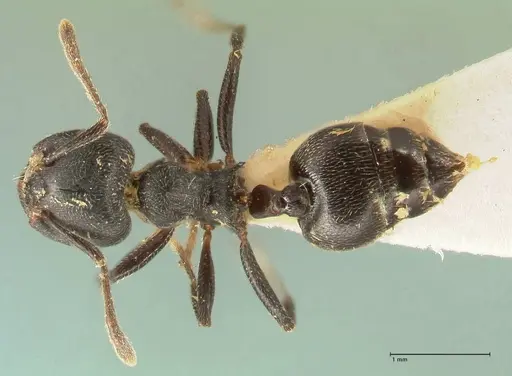
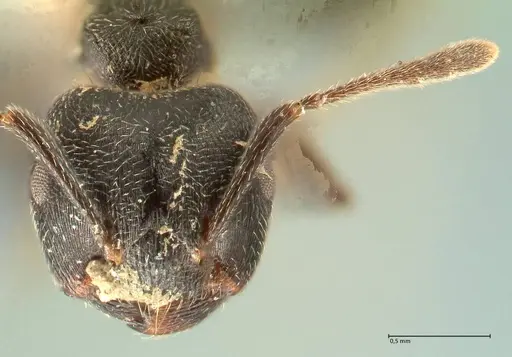
FOCOL1433
View on AntWeb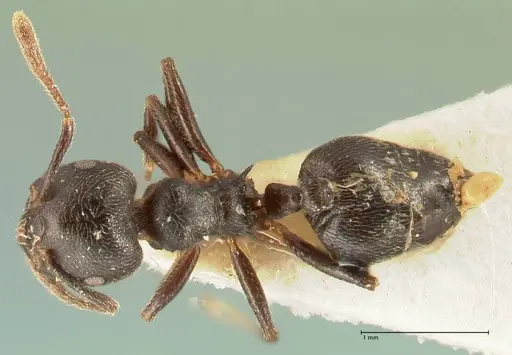
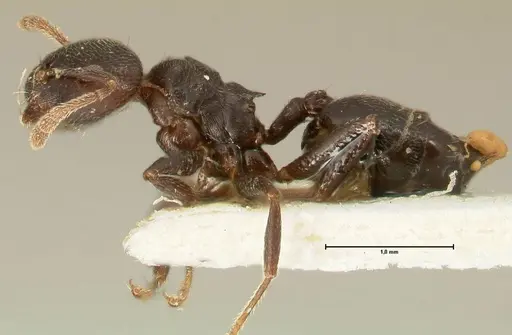
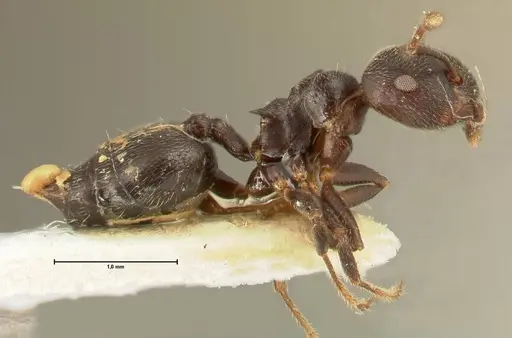
FOCOL1453
View on AntWeb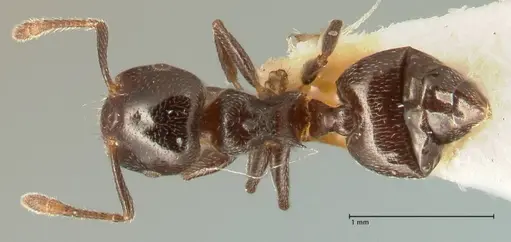
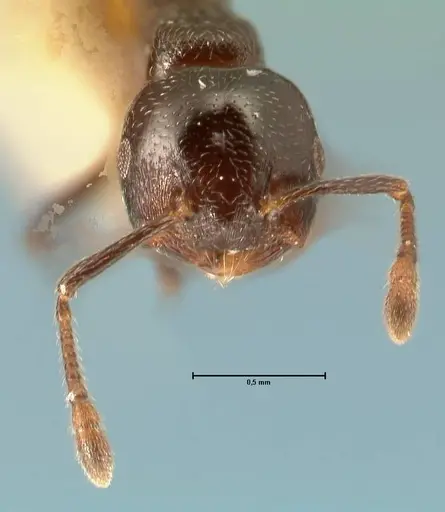
FOCOL1454
View on AntWeb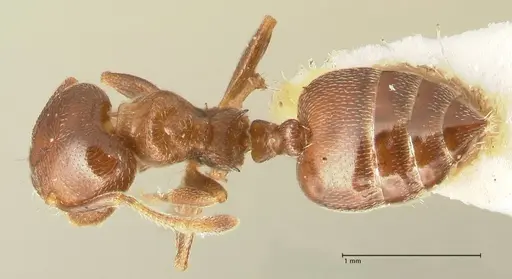
FOCOL1455
View on AntWeb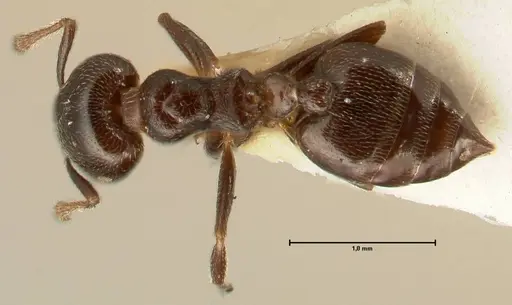
Literature
Loading distribution map...Loading products...