
Crematogaster jardinero
- Sci. Name
- Crematogaster jardinero
- Subgenus
- Orthocrema
- Tribe
- Crematogastrini
- Subfamily
- Myrmicinae
- Author
- Longino, 2003
- Distribution
- Found in 4 countries
Introduction
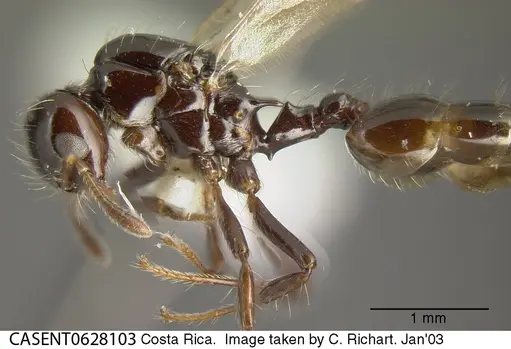
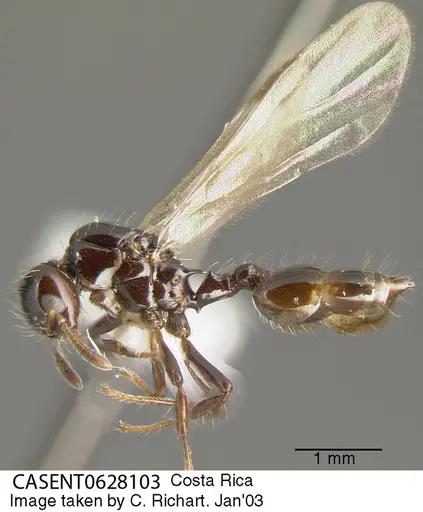
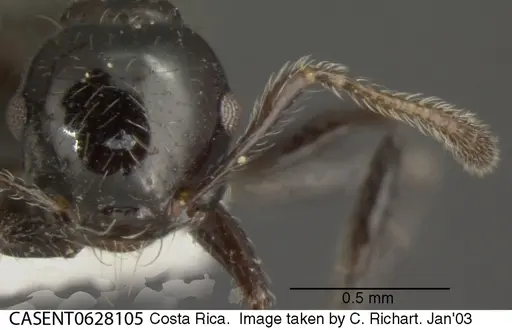
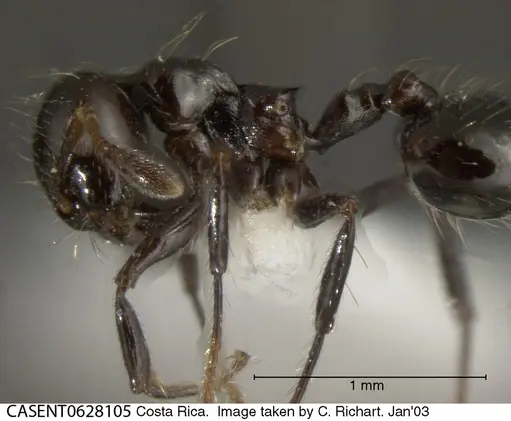
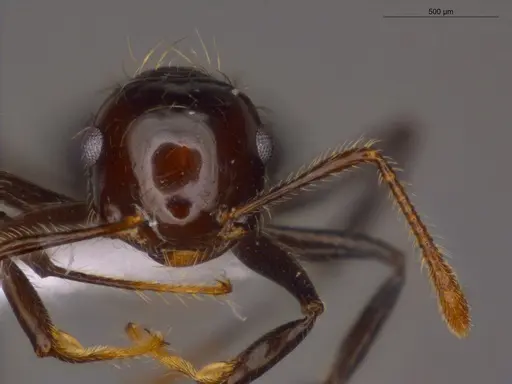
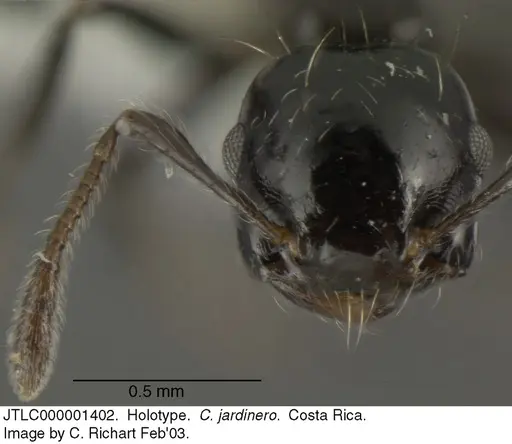
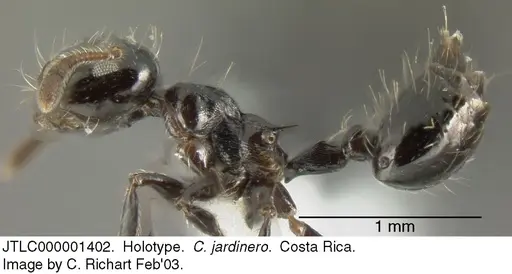
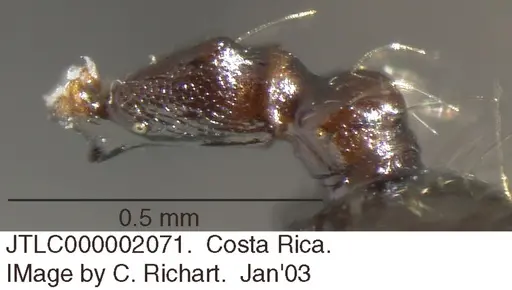
Crematogaster jardinero is a small ant native to the Neotropical forests of Costa Rica and Ecuador. Workers have a distinctive shiny appearance with dark red-brown to black coloration and abundant long erect amber setae on the face and body . The species name means 'gardener' in Spanish because it builds remarkable ant gardens - complex nests made of carton material that support diverse epiphytes including aroids, orchids, and bromeliads . These ants live exclusively in the canopy of primary wet forests, where they construct gardens on trees and tolerate other ant species living among their epiphytes.
Quick Summary
- Difficulty: Expert
- Origin & Habitat: Neotropical region, Costa Rica and Ecuador. Found in primary wet forest on the Atlantic slope at elevations around 500m, specifically documented in Braulio Carrillo National Park and surrounding areas [1].
- Colony Type: Monogyne, single queen colonies. Research found only one physogastric queen across ten dissected ant gardens, suggesting strict monogyny. Workers, brood, males, and alate queens are dispersed evenly throughout the garden matrix rather than concentrated in one area [1].
- Size & Growth:
- Queen: Small queen, described as small shiny queen with posteriorly produced propodeum [1]. Size data unavailable.
- Worker: ~3-4mm, inferred from Crematogaster genus patterns [1].
- Colony: Colony size is not well documented. Ant gardens can be extensive with one central garden described as the largest in an archipelago spanning multiple tree crowns [1].
- Growth: Unknown
- Development: Unknown, development has not been studied in this species. (Development timeline is unconfirmed.)
- Antkeeping:
- Temperature: Keep at 22-26°C, they come from tropical wet forest at 500m elevation in Costa Rica where temperatures are warm year-round. Avoid temperatures below 18°C.
- Humidity: High humidity required, these ants live in rainforest canopy environments where humidity is consistently high. Ant gardens retain moisture and support epiphyte growth.
- Diapause: No, as a tropical species from low elevation, they do not require hibernation or winter rest.
- Nesting: This is an arboreal species that builds ant gardens in tree crowns. In captivity, they need vertical space and structures they can build on. A naturalistic setup with cork bark, branches, or moss-covered surfaces works well. They will construct carton material similar to their natural gardens.
- Behavior: These ants are relatively peaceful and tolerant, they allow other ant species (Tapinoma, Pseudomyrmex) to nest in their gardens. Workers forage and tend scale insects for honeydew. They are arboreal and will traverse branches and leaves rather than ground surfaces. Their small size means escape prevention must be excellent, they can squeeze through tiny gaps. Workers have a defensive sting but are too small to penetrate human skin effectively.
- Common Issues: escape prevention is critical due to their very small size, use fine mesh and tight-fitting barriers, arboreal nature requires vertical climbing structures and space, they won't thrive in horizontal-only setups, humidity must be consistently high, dry conditions will cause colony decline, this species is not established in the antkeeping hobby, wild-caught colonies from their native range are the only source, they may refuse to establish if conditions don't mimic their ant garden environment
Ant Garden Biology
Crematogaster jardinero is one of the few true ant garden species in Costa Rica [2]. In the wild, these ants build remarkable structures in tree crowns, the nest material is a carton made by the ants that serves as a scaffold for growing epiphytes. Longino documented an archipelago of ant gardens in an Inga tree crown at 500m elevation in Braulio Carrillo National Park. The largest central garden was the oldest, and smaller gardens were scattered across adjacent tree crowns. The gardens supported about 20 epiphyte species including aroids (the most abundant), Piperaceae, Gesneriaceae, Bromeliaceae, and Orchidaceae. When the gardens were removed, the tree stems beneath were densely clustered with scale insects, these insects were completely absent from exposed stems, only occurring where sheltered by the carton material. This suggests the ants tend scale insects for honeydew, similar to many Crematogaster species.
Colony Structure and Brood Dispersion
This species has an unusual colony structure. When Longino dissected ten ant gardens (including the large central garden), he failed to find any concentrated area of brood or a physogastric queen. After completing the dissections, he found a single physogastric queen on his clothing, presumably shaken loose during the work. The presence of only one queen across ten gardens strongly suggests monogyne colony structure. More remarkably, workers, brood, males, and alate queens were dispersed evenly throughout the matrix of each garden, not clustered in one area. This dispersion pattern suggests the larvae may feed on something produced by the garden itself rather than relying on food brought to them by workers, similar to how fungus-growing ants (Attini) distribute larvae throughout their fungal gardens. This makes their colony organization fundamentally different from most ant species. [1]
Housing and Nest Setup
This is an arboreal species that requires vertical space and structures for building ant gardens. In captivity, provide a naturalistic setup with cork bark, branches, moss, or other surfaces they can build carton on. The setup should allow for high humidity while providing some ventilation. They will construct their nest material across multiple surfaces rather than confining to a single chamber. A tall formicarium or custom arboreal setup works better than horizontal test tube setups. Include live moss or epiphytes if possible, these replicate their natural ant garden environment. The ants will tend any scale insects present on their structures and may cultivate beneficial fungi. [1][2]
Feeding and Diet
Like other Crematogaster species, these ants likely feed on honeydew from scale insects and aphids, plus small insects. In the wild, their ant gardens harbored dense scale insect colonies beneath the carton material. In captivity, provide sugar water or honey occasionally, but their primary food should be small insects (fruit flies, pinhead crickets, small mealworms). They may accept honeydew substitutes. Feed small prey items 2-3 times per week, adjusting based on consumption. Remove uneaten prey after 24 hours to prevent mold. [1]
Temperature and Humidity
Keep these tropical ants warm at 22-26°C. They come from Costa Rican wet forests at 500m elevation where temperatures are consistently warm year-round. Avoid temperatures below 18°C as this could stress or kill the colony. High humidity is essential, their natural ant garden environment is constantly moist from rainforest conditions and the water-retention properties of the carton nest material. Maintain humidity around 70-80% using moist substrates and regular misting. However, ensure some ventilation to prevent mold growth, which can quickly destroy ant gardens. [1]
Behavior and Temperament
These ants are notably tolerant of other ant species, in the wild, small nests of Tapinoma and Pseudomyrmex were found living in dead sticks within the ant garden epiphytes without conflict. Workers are small and active, foraging along branches and leaves in the canopy. They have a small sting but it is too weak to penetrate human skin, making them essentially harmless to keepers. Their main defense is escaping into their nest structure. Due to their tiny size, excellent escape prevention is essential, even standard test tube barriers may not contain them. Use fine mesh and check all connections regularly. [1]
Frequently Asked Questions
Can I keep Crematogaster jardinero in a test tube setup?
Test tube setups are not ideal for this species. They are arboreal ants that build ant gardens, they need vertical space and surfaces to construct their carton nests. A naturalistic setup with cork bark, branches, or moss-covered areas works much better. They will not thrive in horizontal-only setups.
How long does it take for Crematogaster jardinero to produce first workers?
The development timeline is unconfirmed for this species. No specific studies have been done on their development speed.
Do Crematogaster jardinero ants sting?
They have a small sting but it is too weak to penetrate human skin. They are essentially harmless to keepers and rely on escaping into their nest structure for defense.
Are Crematogaster jardinero good for beginners?
No, this is an expert-level species. They require specific arboreal housing with vertical structures, high humidity, and warm temperatures. They are also not established in the antkeeping hobby, meaning wild-caught colonies from their native range are the only option. They have complex ant garden biology that is difficult to replicate in captivity.
Do Crematogaster jardinero need hibernation?
No, as a tropical species from Costa Rica, they do not require hibernation or winter rest. Keep them at warm temperatures year-round (22-26°C).
What do Crematogaster jardinero eat?
They likely feed on honeydew from scale insects plus small insects. In captivity, offer small insects (fruit flies, pinhead crickets) as primary food 2-3 times per week. Sugar water or honey can be offered occasionally but is not their main food source.
How big do Crematogaster jardinero colonies get?
Colony size is not well documented. In the wild, ant gardens can be extensive, one central garden was described as the largest in an archipelago spanning multiple tree crowns.
Can I keep multiple Crematogaster jardinero queens together?
This species is monogyne, research found only one physogastric queen across ten dissected ant gardens, indicating single-queen colonies. Do not attempt to keep multiple unrelated queens together as they would likely fight.
Why are my Crematogaster jardinero dying?
Common causes include: low humidity (they need consistently moist conditions), temperatures below 18°C, inadequate nesting surfaces (they need vertical structures to build on), and escape through tiny gaps due to their very small size. Ensure your setup mimics their natural ant garden environment with high humidity and climbing structures.
What is the best nest type for Crematogaster jardinero?
A naturalistic setup with multiple climbing surfaces works best. Provide cork bark, branches, or moss-covered structures they can build their carton nests on. Include live moss or epiphytes if possible. A tall formicarium with multiple surfaces allows them to create their ant garden structures naturally.
Where can I get Crematogaster jardinero?
This species is not established in the antkeeping hobby. Wild-caught colonies from their native range (Costa Rica, Ecuador) would be the only source. However, importing ants is often restricted by law and should only be done through legal channels with proper permits.
Report an Issue
The current care sheet is based fully on literature. See inconsistencies, or something that's incorrect? Please , it will be resolved after review from an admin. Contributing to the blogs tab also helps providing information, to make us be able to further improve the caresheets. Thank you for your support!
References

This caresheet is licensed under CC BY-SA 4.0 .
Community Blogs
CASENT0628103
View on AntWeb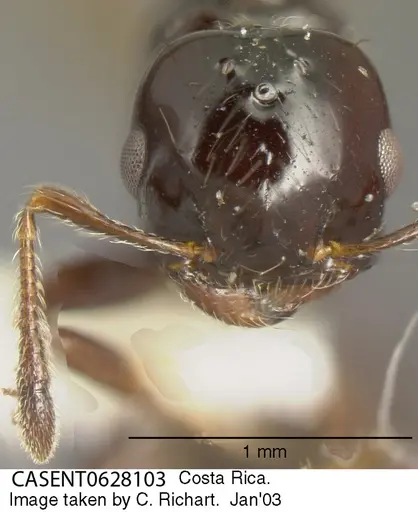
CASENT0628105
View on AntWeb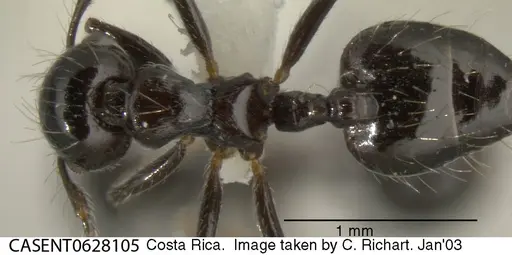
ECOFOG-TR17-0122-09
View on AntWeb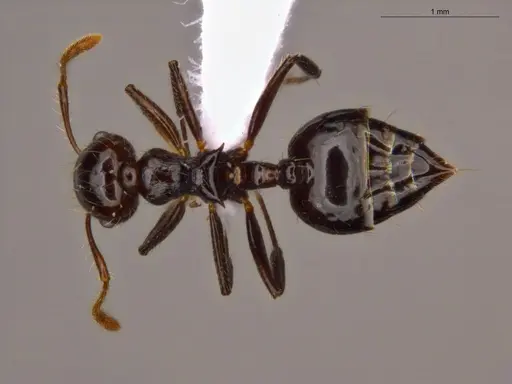
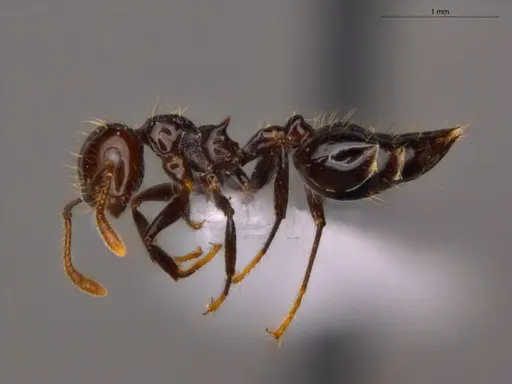
JTLC000001395
View on AntWeb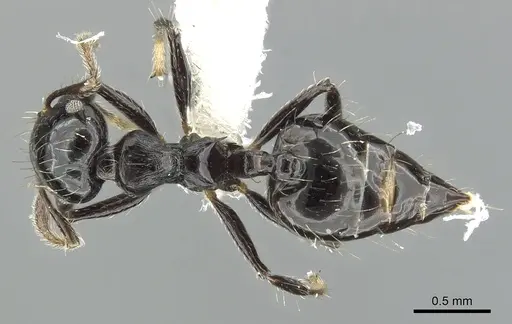
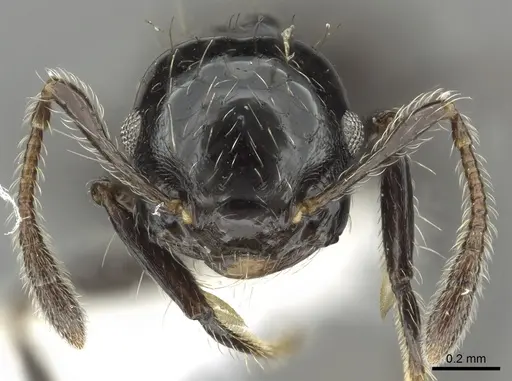
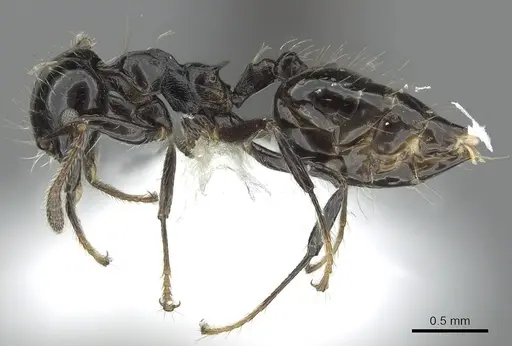
JTLC000001402
View on AntWeb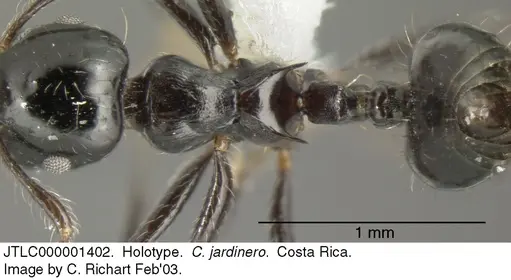
JTLC000002071
View on AntWeb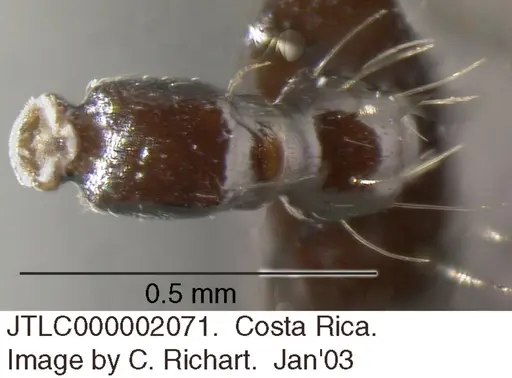
Literature
Loading distribution map...Loading products...