
Crematogaster iheringi
- Sci. Name
- Crematogaster iheringi
- Subgenus
- Orthocrema
- Tribe
- Crematogastrini
- Subfamily
- Myrmicinae
- Author
- Forel, 1908
- Distribution
- Found in 1 countries
Introduction
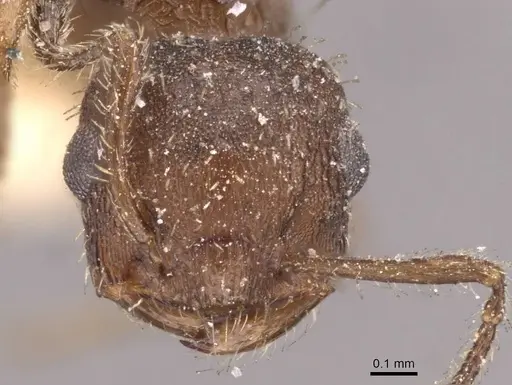
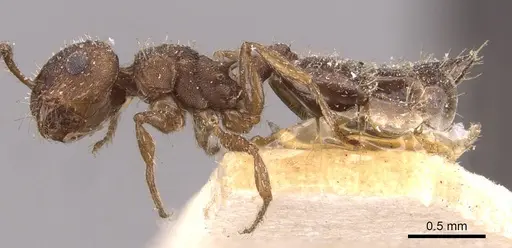
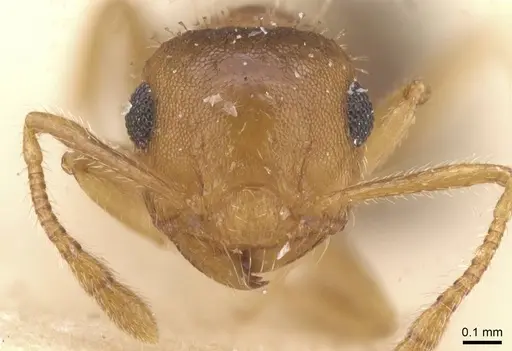
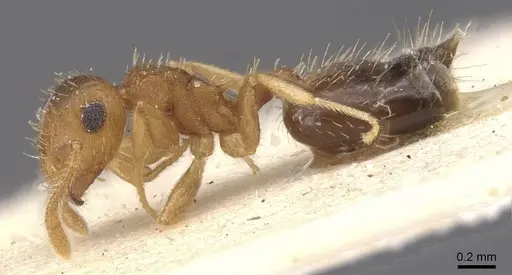
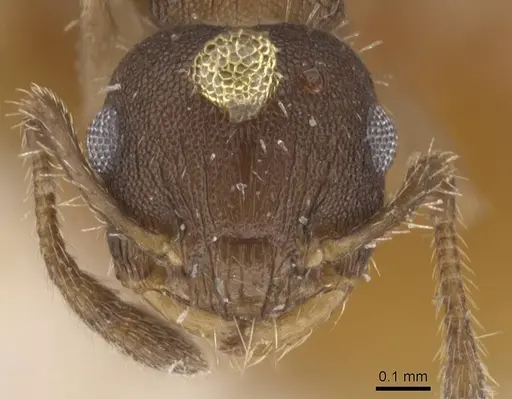
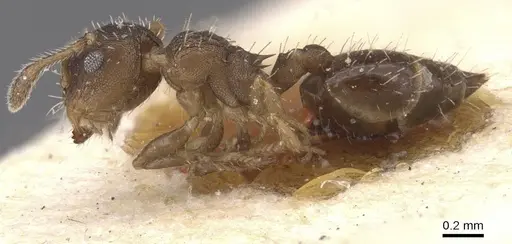
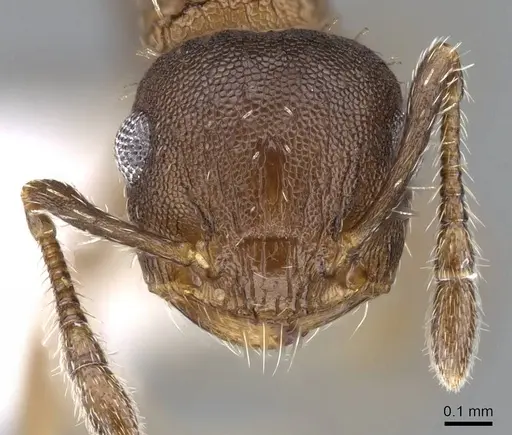
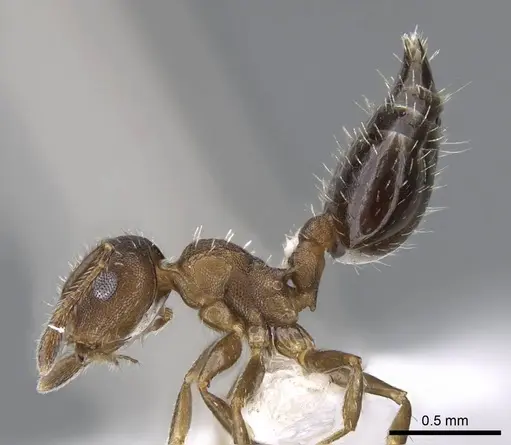
Crematogaster iheringi is a small Myrmicinae ant native to the Neotropical region of southern Brazil and northern Argentina. Workers are tiny, measuring approximately 2-4mm, with the characteristic heart-shaped gaster (abdomen) that gives Crematogaster ants their common name of 'acrobat ants' for the way they raise their abdomen over their thorax when disturbed. They are dark brown to black in color with relatively smooth body surfaces. This species belongs to the Crematogastrini tribe and is assigned to the Generalized Myrmicinae functional group . What makes C. iheringi particularly interesting is its diet specialization. Research shows these ants are active exudate-gatherers, regularly visiting extrafloral nectaries of plants like Croton sarcopetalus and tending aphids for honeydew . In fact, they made up over 26% of ant individuals recorded on aphids in one study . This means they are primarily honeydew collectors rather than active predators, which influences how you should feed them in captivity.
Quick Summary
- Difficulty: Medium
- Origin & Habitat: Native to the Neotropical region, specifically recorded in Brazil (São Paulo, Rio Grande do Sul) and Argentina (Santa Fe, Entre Ríos, Corrientes, Misiones provinces, and the Caldenal district) [3][4][1]. They inhabit subtropical to warm temperate areas with access to vegetation that produces extrafloral nectaries and aphid colonies.
- Colony Type: Colony structure is not well-documented in scientific literature. The genus Crematogaster is known to have both monogyne and polygyne species, but specific data for C. iheringi is unavailable.
- Size & Growth:
- Queen: Size data unavailable, inferred from related Crematogaster species (~5-7mm)
- Worker: Approximately 2-4mm, inferred from genus patterns
- Colony: Colony size data unavailable, typical for Crematogaster species
- Growth: Growth rate data unavailable
- Development: Development time unconfirmed for this species (Development is likely temperature-dependent as with most Myrmicinae ants.)
- Antkeeping:
- Temperature: Keep nest area at 24-28°C. These are subtropical ants from Brazil and Argentina, so they prefer warm conditions. A gentle gradient allowing workers to move between warmer and cooler areas is ideal.
- Humidity: Moderate humidity around 50-70%. They are not restricted to very humid microhabitats but do need some moisture. Keep the nest substrate slightly moist but allow some drying between waterings. Their natural habitat includes areas with vegetation that provides extrafloral nectaries, suggesting they prefer semi-open areas with some plant cover rather than deep forest floor conditions.
- Diapause: Unconfirmed. Based on their subtropical origin in southern Brazil and northern Argentina, they likely have reduced activity in cooler months but may not require true hibernation. Some cooling period during winter months (roughly 15-18°C for 2-3 months) is likely beneficial but not strictly required.
- Nesting: In nature, Crematogaster species typically nest in rotting wood, under bark, or in hollow plant stems. For captivity, a Y-tong (AAC) nest, plaster nest, or naturalistic setup with rotting wood pieces works well. They prefer tight, enclosed spaces scaled to their tiny size. Test tubes can work for founding colonies but may need to be moved to larger accommodations as the colony grows.
- Behavior: These ants are relatively calm and not particularly aggressive. They are active foragers but focus on gathering honeydew and sugar sources rather than hunting large prey. When disturbed, they may raise their characteristic heart-shaped gaster in a defensive display, this is where 'acrobat ant' comes from. They have a moderate escape risk due to their small size, so use fine mesh on any openings. They are not known for painful stings, their sting is present but very mild due to their tiny size.
- Common Issues: small size means escapes are likely without fine mesh barriers on all openings, colonies may fail if not provided adequate sugar sources, they are primarily honeydew feeders, slow founding phase means colonies can stall if conditions aren't optimal, test tube setups can flood if water reservoirs are overfilled, wild-caught colonies may have parasites that affect survival in captivity
Nest Preferences and Housing
Crematogaster iheringi nests in rotting wood, under bark, and in hollow plant stems in the wild. For captive care, a Y-tong (AAC) nest or plaster nest works well, both provide the dark, enclosed spaces these ants prefer. Naturalistic setups with pieces of rotting wood or cork bark are also suitable and allow you to observe their natural behaviors. The chambers should be appropriately sized for their tiny workers, tight spaces help them feel secure. For founding colonies, a standard test tube setup works, but transfer to a proper nest is recommended once the colony reaches 20-30 workers. Ensure all openings are sealed with fine mesh since these small ants can squeeze through surprisingly small gaps.
Feeding and Diet
This is the most important aspect of keeping C. iheringi healthy. Research shows they are primarily exudate-gathering ants, collecting honeydew from aphids and extrafloral nectar from plants like Croton sarcopetalus [2]. In fact, they made up over 26% of ant individuals recorded on aphids in one study and nearly 4% at extrafloral nectaries, this is a significant portion of their diet. In captivity, you should provide: constant access to sugar water, honey, or diluted honeydew (replace every 2-3 days), small live prey occasionally (fruit flies, pinhead crickets, small mealworms) for protein, and occasional offering of fresh fruit or insects. The sugar source is critical, these ants will thrive much better with consistent access to carbohydrates than with protein-heavy diets. Feed protein prey once or twice weekly, but sugar should always be available.
Temperature and Seasonal Care
Keep your colony at 24-28°C in the nest area. These subtropical ants come from southern Brazil and northern Argentina, where temperatures are warm year-round. A heating cable or mat on one side of the nest creates a temperature gradient that lets workers regulate their own conditions. During winter in temperate climates, you can reduce temperatures slightly (around 18-22°C) for 2-3 months to simulate their natural seasonal cycle, but true hibernation is not required. Some keepers report better colony health with a slight cooling period, so this is optional but may help trigger spring activity. Avoid temperatures below 15°C for extended periods. [1][3]
Behavior and Temperament
Crematogaster iheringi is a relatively peaceful species that focuses on foraging for sugar sources rather than aggressive colony defense. Workers are active and will readily explore their outworld for food. The most distinctive behavior is their defensive posture, when threatened, they raise their heart-shaped gaster over their head, giving them the nickname 'acrobat ants.' This is primarily a visual deterrent. They do have a stinger but it's very small and mild due to their tiny size, most keepers won't feel it. They are not aggressive toward humans and are suitable for observation colonies where you want to watch interesting foraging behaviors. Their small size means they can climb smooth surfaces, so apply fluon or similar barriers to prevent escapes.
Frequently Asked Questions
How long does it take for Crematogaster iheringi to produce first workers?
Specific development time for C. iheringi has not been documented. Based on typical Myrmicinae patterns, expect first workers around 6-8 weeks at warm temperatures (25-27°C). The founding phase can be slow, so patience is key, don't disturb the queen during this time.
What do Crematogaster iheringi ants eat?
They are primarily sugar feeders. Provide constant access to sugar water, honey, or honeydew. They also accept small protein sources like fruit flies, small crickets, and mealworms, but sugar should make up the majority of their diet. This matches their natural behavior of tending aphids and visiting extrafloral nectaries.
Can I keep multiple Crematogaster iheringi queens together?
Not recommended. The colony structure of C. iheringi hasn't been studied in detail. It's safest to start with a single queen colony and avoid combining unrelated queens.
Do Crematogaster iheringi ants sting?
Yes, they have a stinger, but it's very small and mild. Due to their tiny worker size, the sting is barely noticeable to humans. Their main defense is raising their abdomen in an intimidating display.
What size colony does Crematogaster iheringi reach?
Specific colony size data is not available for this species. Based on typical Crematogaster patterns, expect moderate colony growth over 1-3 years.
Do Crematogaster iheringi need hibernation?
True hibernation is not required. Based on their subtropical origin, they may benefit from a slight cooling period (15-18°C) during winter months for 2-3 months, but this is optional. They remain active year-round in most captive conditions.
Are Crematogaster iheringi good for beginners?
They are intermediate in difficulty. Their small size requires good escape prevention, and their diet is specific (sugar-focused). However, they are not aggressive and don't require special equipment beyond standard antkeeping supplies.
When should I move my colony to a formicarium?
Move from a test tube setup to a proper nest (Y-tong, plaster, or naturalistic) once the colony reaches 20-30 workers or when the test tube becomes crowded. Crematogaster prefer enclosed nests with appropriately sized chambers.
Why are my Crematogaster iheringi dying?
Common causes include: inadequate sugar sources (they need constant access to carbohydrates), poor escape prevention allowing escapes, temperatures too cold (below 20°C), or overly wet conditions. Check that sugar water is fresh and available, temperatures are in the 24-28°C range, and all openings are sealed with fine mesh.
What is the best nest type for Crematogaster iheringi?
Y-tong (AAC) nests or plaster nests work well. They prefer dark, enclosed spaces with chambers sized appropriately for their tiny workers. Naturalistic setups with rotting wood or cork bark are also suitable and allow observation of natural behaviors.
Report an Issue
The current care sheet is based fully on literature. See inconsistencies, or something that's incorrect? Please , it will be resolved after review from an admin. Contributing to the blogs tab also helps providing information, to make us be able to further improve the caresheets. Thank you for your support!
References

This caresheet is licensed under CC BY-SA 4.0 .
Community Blogs
CASENT0908419
View on AntWeb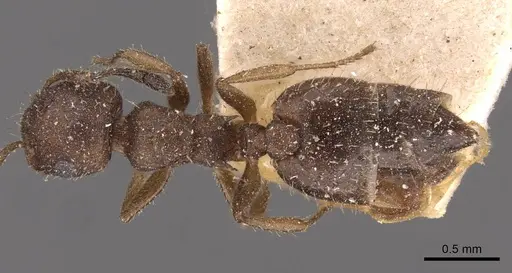
CASENT0912770
View on AntWeb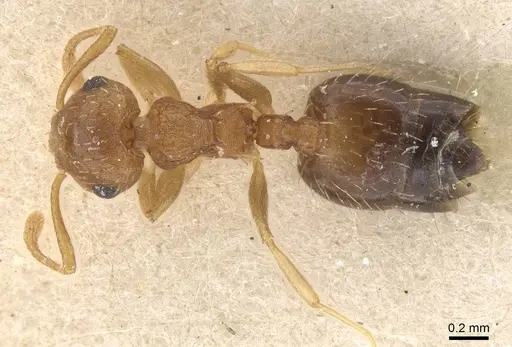
CASENT0912771
View on AntWeb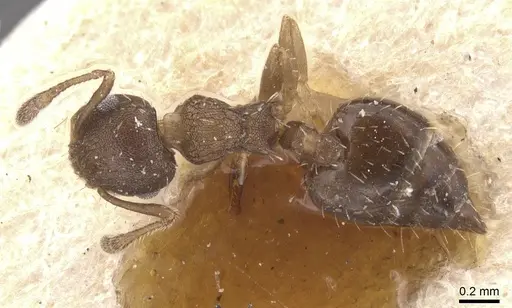
CASENT0914569
View on AntWeb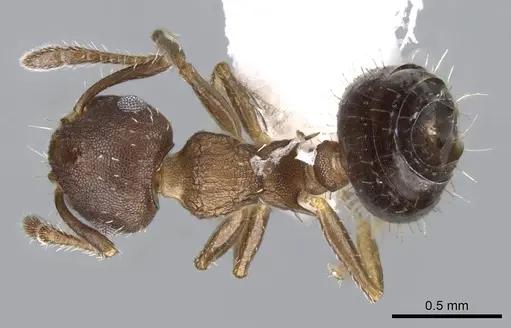
Literature
Loading distribution map...Loading products...